
Downtown Brampton is the historic civic core of the city, with a mix of older residential homes, condos, and commercial development along Main and Queen Streets. Brampton GO Station is here on the Kitchener line. The downtown is undergoing significant redevelopment including streetscape renewal and the Riverwalk flood protection project.
Downtown Brampton occupies the original townsite at the intersection of Main Street and Queen Street, where the city’s Victorian-era commercial buildings still stand alongside newer development and the civic amenities of a city of over 650,000 people. Brampton GO Station on the Kitchener line sits within the downtown core, making this the only part of Brampton where you can walk out your front door and be on a GO train in under ten minutes. That transit advantage shapes the real estate market here in a way that is fundamentally different from the rest of the city.
The neighbourhood has been undergoing significant investment and renewal since the mid-2010s. The Main and Queen Street streetscape renewal project, which began in 2024, is reshaping the public realm at the heart of the city. The Riverwalk flood protection project broke ground in late 2025, which will eventually open up the Etobicoke Creek valley for public use and reduce the flood plain constraints that have limited development potential in the core. Ken Whillans Square is being rebuilt starting in 2026. The direction of travel for Downtown Brampton is clearly toward densification and urban investment, though the timeline for full transformation is measured in decades.
Downtown Brampton has a limited but growing condo market. The Queen Street Corridor, which includes the downtown area, has an average condo listing price of approximately $499,000 as of early 2026, making it one of the most affordable condo options in the GTA outside of certain Hamilton and Oshawa markets. Detached homes in the immediately surrounding residential streets list in the $750,000 to $950,000 range. The stock of older houses in the residential streets immediately north and south of the downtown core represents some of Brampton’s most affordable detached housing.
New condo towers are in planning and early construction stages in Downtown Brampton. For buyers interested in a pre-construction condo at an entry price below the GTA average, the downtown Brampton market is one of the few remaining options. These are speculative purchases with a longer hold horizon than resale condos, and buyers should factor in the development risk and timelines of pre-construction purchasing.
The Downtown Brampton real estate market has two distinct segments that behave differently. The established residential houses in the streets around the core are a stable, low-volume market driven by long-term owner-occupants and investors who recognise the GO station value. The emerging condo market is more speculative, reflecting the long-term development vision for the downtown rather than current market conditions. Both segments benefit from the GO station proximity, which provides a price floor that other Brampton neighbourhoods do not have.
The city’s renewed commitment to the downtown, backed by the Riverwalk project, the LRT extension discussions, and the streetscape investment, has improved confidence in the long-term outlook. Prices in the established residential areas have not moved dramatically in the past few years, but the consensus among buyers and agents who follow the market is that the current prices represent good long-term value given the direction of investment.
Downtown Brampton attracts a genuinely diverse buyer profile. Young professionals who commute daily to Toronto and want to avoid car ownership see the GO station as a non-negotiable, and a sub-$500,000 condo walking distance from Brampton GO is one of the most financially practical transit-accessible housing options in the GTA. Investors who believe in the downtown redevelopment story are buying as well, particularly in the pre-construction market. Long-term residents who have been in the surrounding residential streets for decades represent the stability of the area, and their presence keeps the neighbourhood functional and grounded while the development activity continues.
The streets immediately north and south of the Queen and Main intersection represent the core residential area. Nelson Street, Chapel Street, and the blocks west of Main Street have older housing stock with larger lots for the price. The streets east of Main toward Kennedy Road have a more mixed character with both residential and commercial uses. The most transit-accessible streets are those within a five-minute walk of the GO station, which is situated on Nelson Street just west of Main. Properties on these streets sell at a modest premium over equally priced addresses further from the station.
Brampton GO Station is the centrepiece of Downtown Brampton’s transit advantage. Trains run to Union Station in approximately 55 to 65 minutes on the Kitchener line, with peak service running multiple trains per hour. Brampton Transit operates from the downtown transit terminal adjacent to the GO station, with routes including ZUM services connecting east along Queen Street and north along Main Street. The 502 ZUM Main route connects Downtown Brampton south to Mississauga City Centre and Square One. For residents who commute to either downtown Toronto or Mississauga, the downtown Brampton location provides transit access that no other Brampton neighbourhood can match.
Highway 410 is accessible a short drive north on Main Street, and Highway 10 runs through the downtown corridor itself. For drivers, the downtown location is functional but the core itself has the one-way streets and parking constraints typical of an urban centre rather than a suburban neighbourhood. Residents who give up a car and rely entirely on transit find Downtown Brampton works better for them than it would in any other part of the city.
Gage Park, located one block from the Queen and Main intersection, is one of Brampton’s oldest and best-maintained municipal parks. It hosts the annual Brampton Flower City Festival, Christmas light displays, and regular cultural programming throughout the year. The park has a fountain, bandshell, bocce courts, and mature trees that give it a genuine urban park character rare in a city of Brampton’s suburban nature. The Etobicoke Creek valley, which runs through the downtown area, will become a public amenity once the Riverwalk flood protection project is complete, creating a significant trail and green space corridor through the heart of the city.
The Main and Queen Street commercial districts provide an urban retail and dining environment that the rest of Brampton largely lacks. Restaurants, cafes, a small grocery option, and cultural venues including the Rose Theatre give Downtown Brampton a walkable core that residents of other Brampton neighbourhoods must drive to access. The Peel Art Gallery, Museum and Archives (PAMA) is a cultural anchor on Queen Street. The commercial mix is not as dense or varied as a Toronto or Mississauga downtown, and gaps in retail are still visible, but the trajectory is toward more density and better services as the redevelopment projects bring new residents and investment to the area.
Downtown Brampton is served by the Peel District School Board and the Dufferin-Peel Catholic District School Board. Brampton Centennial Secondary School is the main PDSB secondary school accessible from the downtown area. Cardinal Leger Catholic Secondary School serves the Catholic stream. Elementary schools in the downtown area include several well-established institutions that have served the community for decades. Given the urban character of the neighbourhood, school catchments may be smaller and more walkable than in suburban parts of Brampton.
Downtown Brampton is in the middle of its transformation, and the pace is accelerating. The Ken Whillans Square reconstruction begins in 2026. The Riverwalk flood protection project, which will eventually open the Etobicoke Creek valley for public use, has broken ground with full construction scheduled through 2028. The Hazel McCallion LRT extension, announced with federal support in early 2025, would bring the LRT into downtown Brampton via tunnel, with a downtown station that would connect to the GO Kitchener line. If built, this would create a two-line transit hub at the heart of the city, comparable to what Mississauga City Centre is becoming. The timeline for that project extends to 2028 or beyond, but the federal commitment represents a meaningful step toward its realisation.
Q: Is Downtown Brampton a good place to buy a condo?
A: For buyers who commute to downtown Toronto by GO train, Downtown Brampton is one of the most financially practical condo locations in the GTA. A condo in the $450,000 to $550,000 range walking distance from Brampton GO is difficult to find at any comparable transit-accessible location in the 905 or 416. The development risk is real: the downtown is still in transition, and some of the promised retail and amenity improvements are years away. Buyers who buy now at the current price point are effectively paying current prices for a neighbourhood that should be meaningfully improved in ten years. That is a reasonable long-term bet for buyers with that time horizon. It is not the right purchase for someone who needs a fully amenitised urban neighbourhood today.
Q: How long is the GO train commute from Downtown Brampton to Union Station?
A: The Kitchener line from Brampton GO Station to Union Station takes approximately 55 to 65 minutes depending on the specific train. Peak-hour service runs every 15 to 30 minutes in each direction. The walking distance from most of Downtown Brampton to the GO station is five to fifteen minutes. Total door-to-door time from a Downtown Brampton address to a downtown Toronto office is typically 70 to 80 minutes, which is comparable to many GO commutes from within the 905 and significantly less stressful than driving. For buyers who commute to Toronto daily, the Brampton GO location is the defining locational advantage of this neighbourhood.
Q: What is the Riverwalk project and how does it affect Downtown Brampton?
A: The Brampton Riverwalk project is a flood protection and public realm initiative that will contain the Etobicoke Creek through a modified channel system, removing a significant portion of Downtown Brampton from the flood plain. The project broke ground in late 2025 with construction scheduled through spring 2028. Once complete, the valley lands along the creek will be accessible for public trails and green space for the first time, creating a river park corridor through the downtown core. For buyers considering Downtown Brampton, the Riverwalk project is the single most significant factor in the long-term development potential of the area, because it removes the flood plain constraint that has prevented residential development on the most centrally located lands in the city.
Q: What are the LRT plans for Downtown Brampton?
A: The Hazel McCallion LRT, which currently runs from Brampton Gateway terminal in the south to Mississauga City Centre, received federal approval in early 2025 for a planned extension northward into Downtown Brampton via an underground tunnel. The extension would bring LRT service to Downtown Brampton and create a transit hub connecting the LRT with the Kitchener GO line. The federal announcement in March 2025 came with conditions, and the full design and construction timeline is still being confirmed. A 2028 or later opening is the working estimate. If built as planned, this would be the most significant transit infrastructure improvement in Brampton’s history and would materially affect the development potential of the downtown core and adjacent neighbourhoods along the Hurontario corridor.
Downtown Brampton is a neighbourhood where timing matters. The development story is real, but the neighbourhood is not yet the finished product. Buyers who are willing to be early to a neighbourhood in transition and who can hold through the construction and development period have historically been rewarded when urban cores improve. That dynamic is not guaranteed, but the fundamentals here, GO station access, civic investment, flood protection removal, and LRT discussion, are more aligned than they have been in decades. TorontoProperty.ca follows the Downtown Brampton market closely. Get in touch if you want to understand the current inventory and what the prices actually mean for a buyer in your situation.
Street-level knowledge is hard to find online. Our team works in Downtown Brampton every day. They know which pockets hold value, where the school catchment lines actually fall, and what the market is doing right now. Talk to us before you make a decision about Downtown Brampton.
Talk to a local agent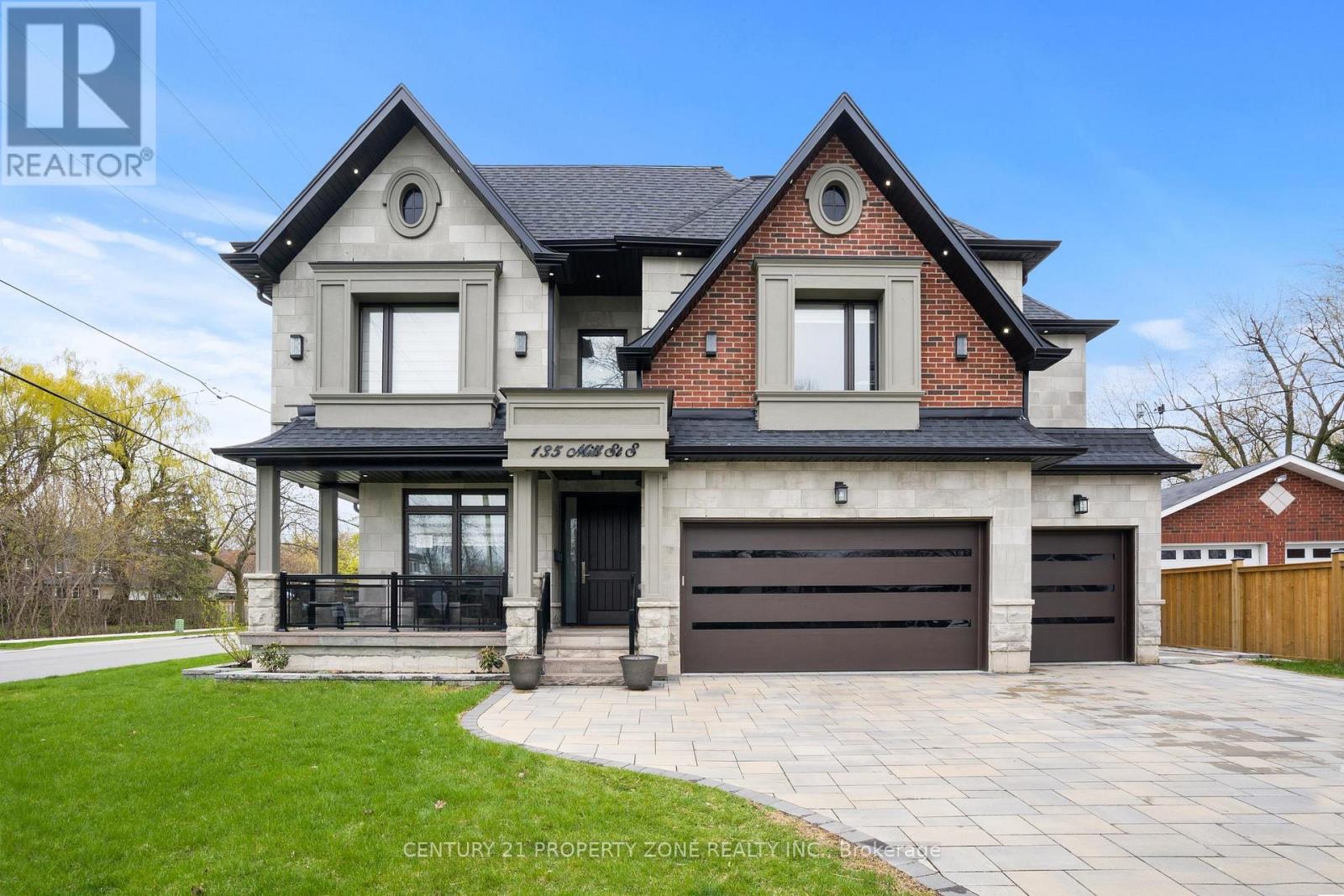 For Sale
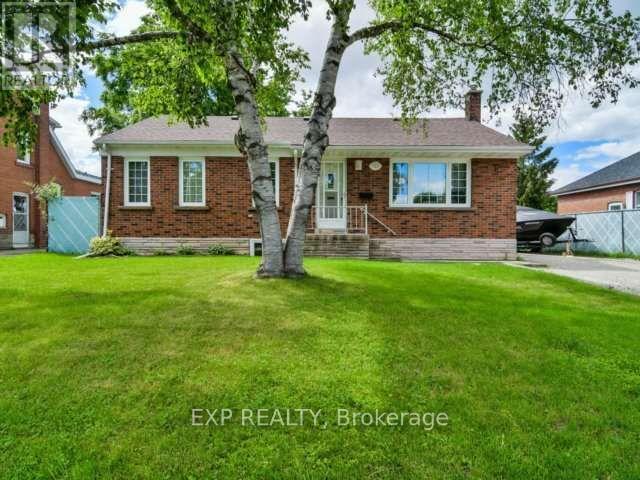 For Rent
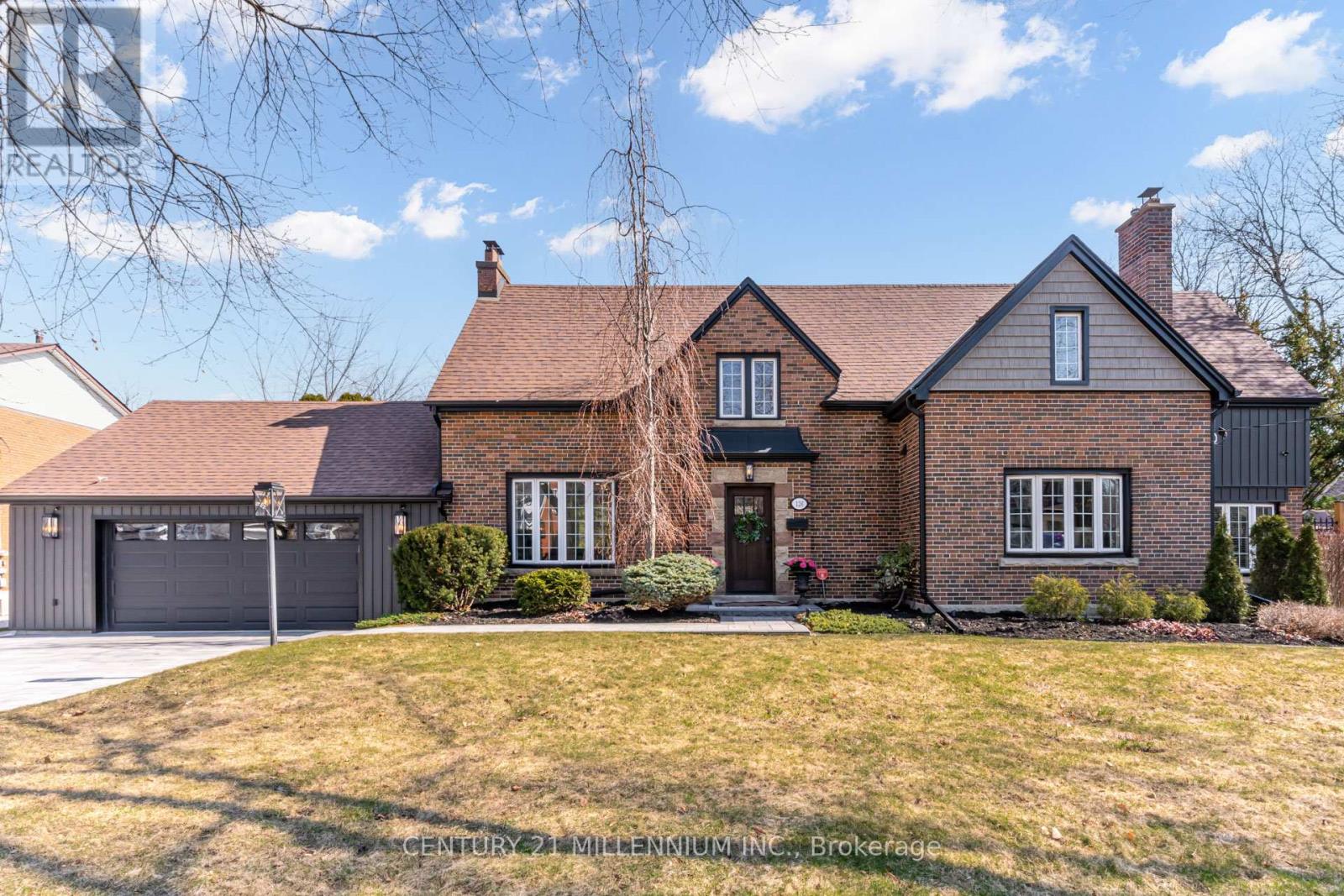 For Sale
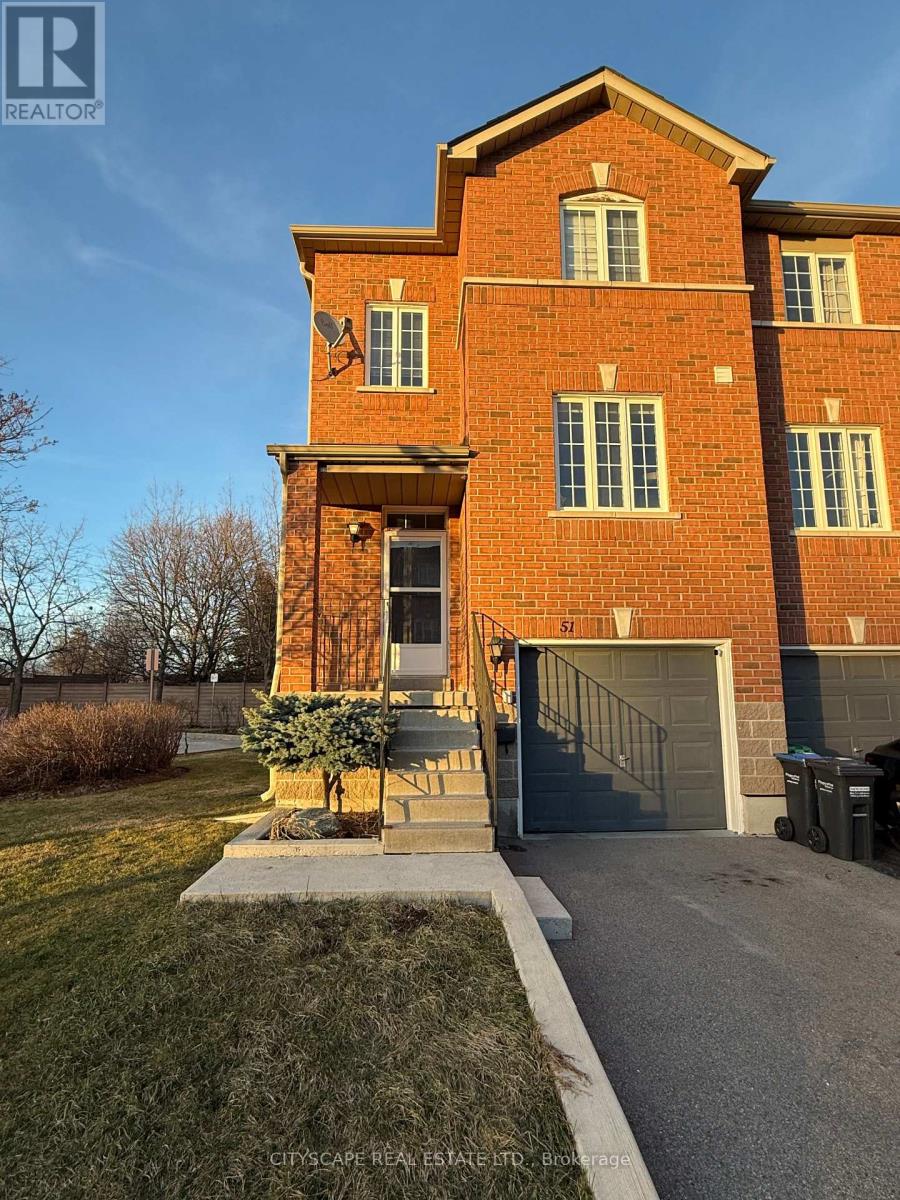 For Sale