
Dunbarton is an established south-central Pickering neighbourhood with larger lot homes from the 1970s and 1980s, walkable to Pickering GO Station and the Kingston Road commercial corridor.
Dunbarton is a mid-Pickering residential neighbourhood sitting between Kingston Road to the south, the CN rail corridor to the north, Brock Road to the west, and Altona Road to the east. It developed through the 1970s and 1980s and carries the housing stock of that era: detached bungalows and two-storeys on suburban lots that were spacious for their time. The Dunbarton name traces to the Scottish town of Dumbarton — the anglicised spelling was commonly used in early Ontario place naming — and was applied to the area in the 19th century. Dunbarton today is a stable mid-city Pickering neighbourhood with a consistent family buyer profile and prices that sit in the middle range of the Pickering market.
The neighbourhood’s appeal rests on its position: south of the newer developments, accessible to Kingston Road commercial services, and within driving distance of both the Pickering and Ajax GO stations on the Lakeshore East line. The housing is older than Brock Ridge or Duffin Heights but on generally larger lots, and many properties have been well maintained or progressively renovated over the decades.
Dunbarton Creek runs through the eastern part of the neighbourhood, providing a small ravine feature and some natural character amid the suburban grid. Properties backing onto the creek are among the most valued addresses in the neighbourhood.
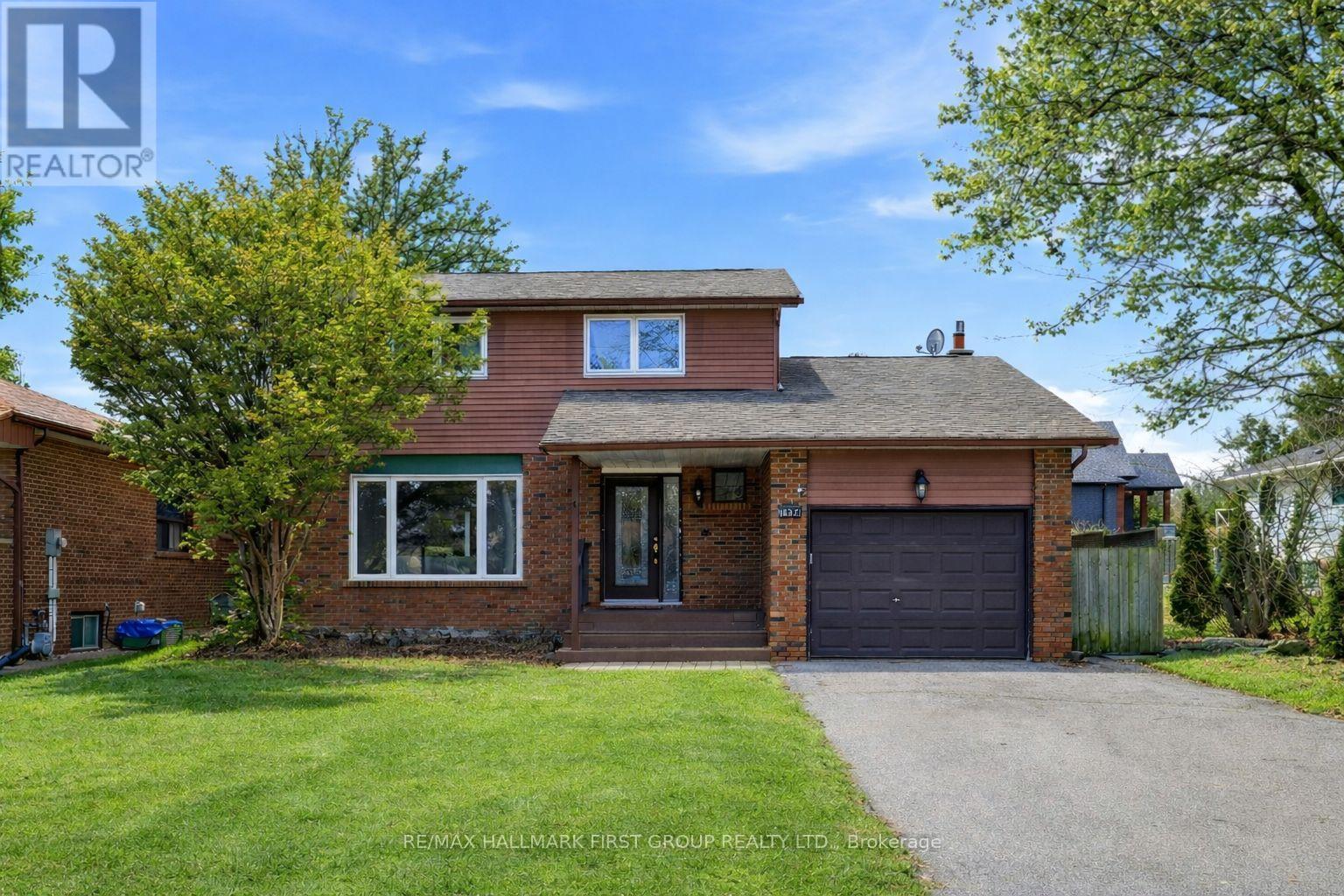
Detached bungalows and split-levels from the 1970s and early 1980s are the most common property type in Dunbarton. These are typically 1,100 to 1,400 square feet on lots of 50 to 65 feet — larger than the compact lots of newer north Pickering subdivisions. In early 2026, a well-maintained bungalow in Dunbarton is priced from approximately $800,000 to $1 million. Updated homes with renovated kitchens and baths are at the top; properties in original condition needing work are at the lower end.
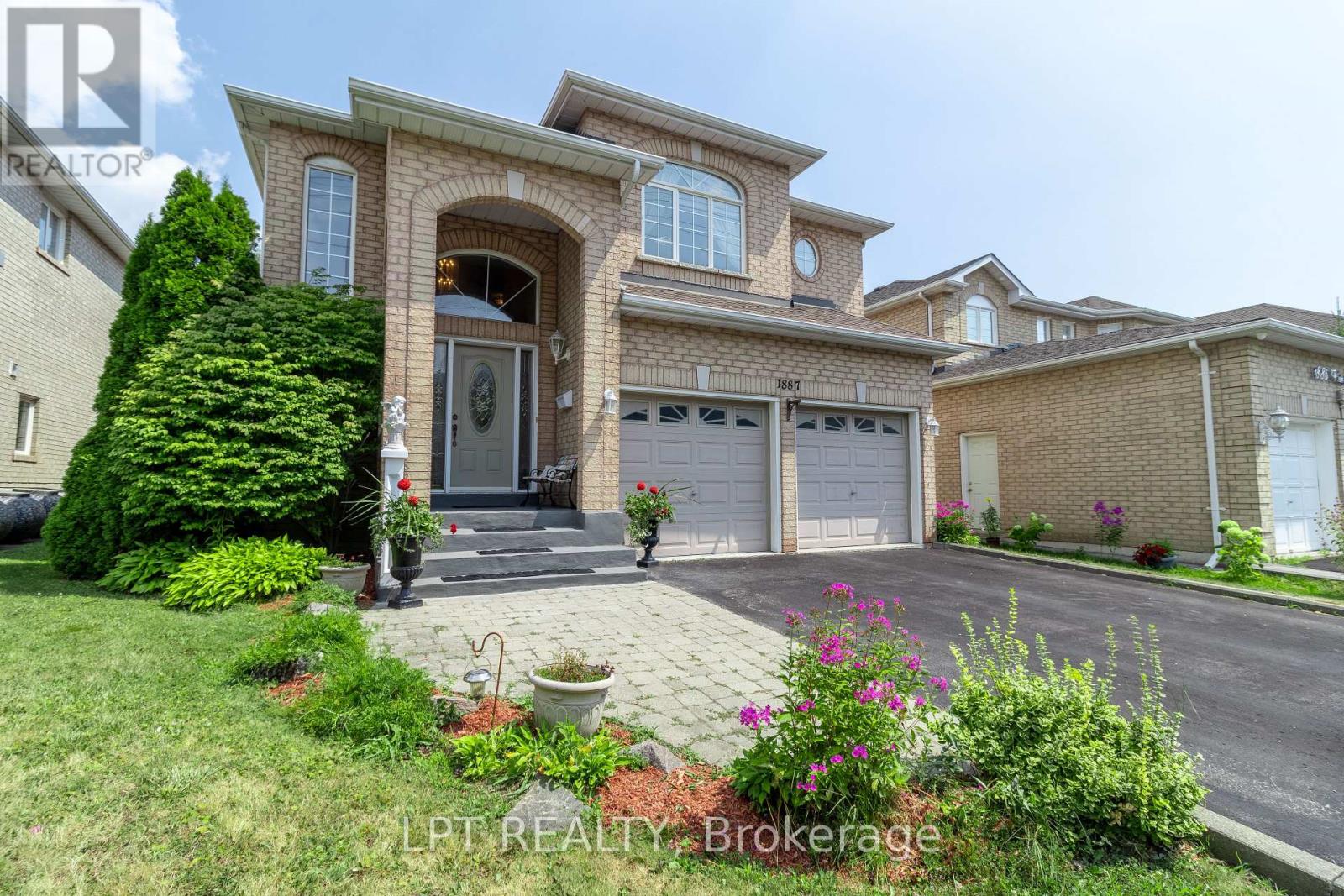
Detached two-storeys from the 1980s are the family home tier at $950,000 to $1.2 million for a property in reasonable condition. The Pickering address and the larger-than-average lot sizes in this era of construction are the primary value propositions for the family buyer who compares Dunbarton to the newer subdivisions north of Finch Avenue.
Lot size is a real selling point in Dunbarton. The 50 to 65 foot lots in the older sections provide rear yards that the 30 to 36 foot lots of newer subdivisions don’t. For families with children who value outdoor space, or buyers who want room for a pool, the lot dimensions in Dunbarton are a genuine advantage over comparable newer product.
Pickering GO station is the primary transit connection, approximately 10 minutes west on Kingston Road. Peak trains run to Union Station in 45 to 50 minutes. Ajax GO station is also accessible at a similar distance east on Kingston Road. The dual GO station access is a genuine practical advantage for Dunbarton residents: the ability to choose between Pickering and Ajax GO depending on the schedule gives flexibility that most Durham Region neighbourhoods don’t have. Total door-to-Union-Station commute from Dunbarton is approximately 55 to 65 minutes — one of the shorter commute profiles in Durham Region.
Highway 401 is accessible at Brock Road west of the neighbourhood or at Westney Road east of it. The highway is easily reachable from Dunbarton’s southern position in Pickering, making it practical for employment destinations along the 401 corridor in either direction. Highway 407 east is accessible at the Brock Road interchange north of the neighbourhood.
Kingston Road is a fully developed commercial and transit corridor with Durham Region Transit providing bus service. For residents who use transit, Kingston Road’s bus service connects east and west, and south-running routes connect toward the GO station area. The level of service on Kingston Road is among the better transit options in Durham Region for a residential neighbourhood.
Buyers who want more lot space than the newer north Pickering subdivisions offer and don’t mind the older housing stock consistently find Dunbarton appealing. The trade-off is a 1970s or 1980s home versus a 2010s or 2020s home, and the price difference reflects this. For buyers who value land over newness and plan to renovate the house to their preferences over time, Dunbarton’s larger lots at a price that’s comparable to (or below) the newer subdivisions represent genuine value.
Buyers from the Ajax-Pickering corridor who are looking for an established neighbourhood at a realistic price find Dunbarton after evaluating Liverpool and Village East and finding that the lot sizes and the housing character in those areas don’t work for them. Dunbarton’s eastern position in the city puts it between the central Pickering commercial and transit node and the estate properties of Rosebank and Dunbarton’s eastern extension into the rural fringe.
GO commuters employed downtown Toronto are well served by Dunbarton’s position relative to both GO stations. The 55 to 65 minute total commute is among the more livable in Durham Region and is a consistent draw for buyers who can’t afford the equivalent commute profile in the GTHA municipalities west of Pickering.
Dunbarton Creek runs through the eastern portion of the neighbourhood, providing a creek valley feature with natural vegetation and some informal trail access. The creek is not a formally maintained trail corridor in the way that the Duffins Creek or Oshawa Creek valleys are, but the natural character of the creek-adjacent properties gives those addresses a setting that the interior suburban streets don’t have. Properties backing onto the creek valley are the most sought after in the neighbourhood.
The Altona Forest, east of the neighbourhood, is a significant natural woodland area with maintained trails. It’s accessible from Dunbarton’s eastern streets by a short walk or drive. The forest represents one of the larger intact woodland areas in urban Pickering and is a genuine natural amenity for the surrounding residential area. Buyers who value access to significant natural space will find Dunbarton’s proximity to the Altona Forest a real selling point.
Dunbarton Park within the neighbourhood provides the standard suburban parks infrastructure: playground, sports fields, and picnic facilities. It serves the immediate residential community and is actively maintained. The park is not exceptional but covers the daily active recreation needs of a family-oriented neighbourhood.
Kingston Road provides the commercial spine for Dunbarton, carrying grocery, pharmacy, hardware, fast food, and the service retail that families use for weekly errands. The Pickering Town Centre is approximately 15 minutes west on Kingston Road and provides the full enclosed mall retail. The commercial access from Dunbarton’s southern position on Kingston Road is among the better in Pickering for shopping convenience — Kingston Road is a fully developed commercial arterial with most daily needs covered.
Secondary school catchment for most Dunbarton addresses flows to Dunbarton High School on Glenanna Road, which gives the neighbourhood its name connection to the school that was established to serve it. The school offers the standard DDSB secondary program. Confirm the specific catchment for any address using the DDSB school locator. Elementary school catchments are served by DDSB schools in the area; confirm the specific school for any address.
The Pickering Muslim Association and several other community institutions are located in the Dunbarton area, reflecting the community’s demographic evolution from its original residential composition to a more diverse population that arrived through the 1990s and 2000s.
Kingston Road is the primary east-west corridor for Dunbarton, connecting west toward Pickering’s town core and the GO station and east toward Ajax. The street network south of Kingston Road connects through the neighbourhood toward the lakefront trail and the waterfront parks. Dunbarton’s southern position in the city relative to north Pickering subdivisions means that highway access, the GO station, and the waterfront are all accessible in relatively short distances.
Cycling from Dunbarton to the Pickering GO station is practical: approximately 15 to 20 minutes on the road network, with Kingston Road providing the primary route. The City of Pickering’s cycling infrastructure on Kingston Road has been improving, though the main arterial remains primarily a vehicular corridor. Side streets provide quieter cycling routes for neighbourhood-level trips.
Transit on Kingston Road via Durham Region Transit provides connections toward Pickering GO and Ajax GO stations. The Kingston Road bus is one of the more useful transit routes in Durham Region for residential commuters. For households that want to reduce car dependence, Dunbarton’s Kingston Road transit access is a genuine asset compared to the north Pickering subdivisions further from the arterial.
Dunbarton is a mid-range Pickering neighbourhood with consistent demand from the family buyer profile that makes up the core of the Pickering market. In early 2026, the neighbourhood is in a buyer-friendly environment: more inventory than peak years, longer days on market, and sellers who have adjusted from 2022 pricing. Detached bungalows and two-storeys are moving within four to six weeks for properties priced correctly for current conditions.
The lot size advantage of Dunbarton over newer subdivisions is most relevant in comparison to the 30 to 36 foot lots of Brock Ridge and Duffin Heights. Buyers who are comparing a Dunbarton 1975 bungalow on a 55 foot lot to a Brock Ridge 1995 two-storey on a 35 foot lot at a similar price need to decide whether the lot size is worth the older housing format. Many buyers decide it is, particularly when they factor in the cost of a pool or a significant landscaping project on the smaller lot.
The Pickering premium over comparable Ajax or Oshawa product holds in Dunbarton as it does across the city. Buyers who value the Pickering address and the slightly shorter GO commute consistently pay the premium. For buyers without specific address or commute preferences, comparable product in Ajax’s established neighbourhoods provides an alternative at potentially lower prices.
Properties from the 1970s and early 1980s in Dunbarton require the same inspection approach as any Ontario suburban home of this vintage. Mechanical systems — furnace, water heater, electrical panel — are the primary focus. Homes from the late 1970s may have aluminum wiring in some cases; confirm the wiring type with the inspector. Older bungalows that haven’t had recent mechanical updating should be budgeted for HVAC replacement, water heater replacement, and electrical panel assessment as near-term capital items.
The lot size advantage creates renovation opportunity in Dunbarton. Larger lots support additions, detached garages, swimming pools, and the substantial landscaping projects that smaller suburban lots can’t accommodate. Buyers who plan a major rear addition or a pool on a 55 foot lot will find the space works in a way it doesn’t on 30 foot lots. The renovation math on a Dunbarton bungalow — purchase price plus renovation budget — needs to be compared to the alternative of buying a finished home in a newer neighbourhood at a similar total cost.
Dunbarton High School’s catchment is confirmed for many Dunbarton addresses, but specific boundaries should be verified at ddsb.ca before purchasing if secondary school assignment is relevant to the decision. The school’s name association with the neighbourhood is not a guarantee of catchment assignment for every address within the neighbourhood boundary.
Dunbarton’s history as a named place in Durham Region predates its residential development by more than a century. The name was applied to the area in the 19th century, reflecting the Scottish settlement patterns common to early Ontario. The hamlet of Dunbarton, at the intersection of what is now Kingston Road and Altona Road, was a small service community for the surrounding farming area before the suburban residential development of the 1960s through 1980s transformed the broader area. The Dunbarton High School was established when the residential development generated the student population to support a neighbourhood secondary school.
The growth of Pickering as a commuter community for Toronto workers accelerated through the 1960s and 1970s as the Lakeshore East GO train service expanded and the highway connections improved. Dunbarton’s residential development occurred during this period, producing the bungalow and two-storey housing stock that defines the neighbourhood today. The buyers of that era were the first generation of Pickering commuters, trading the cost of a Toronto address for a larger house and a longer GO ride.
Dunbarton has gone through the demographic transition common to Durham Region’s first-generation suburban neighbourhoods. Original owner-occupiers have aged and downsized; their homes have been purchased by a more diverse population that now makes up the community. The neighbourhood’s ethnic and cultural composition today is more representative of contemporary Durham Region than the homogeneous character of its original development era.
Q: What are home prices in Dunbarton Pickering in 2026?
A: Detached bungalows from the 1970s and early 1980s in Dunbarton are priced from approximately $800,000 to $1 million depending on condition. Detached two-storeys run $950,000 to $1.2 million. The larger lot sizes in Dunbarton — typically 50 to 65 feet compared to 30 to 36 feet in newer north Pickering subdivisions — are part of the value proposition. The 2026 market is buyer-friendly with conditions standard and decisions taking four to six weeks. The Pickering address commands a consistent premium over comparable Ajax or Oshawa product.
Q: Why does Dunbarton have a school with the same name?
A: Dunbarton High School on Glenanna Road was named for the neighbourhood and area when it was established to serve the growing residential population of east Pickering. The school name and the neighbourhood name both trace to the 19th century hamlet of Dunbarton at the Altona Road and Kingston Road intersection. The school catchment serves Dunbarton and adjacent neighbourhoods; confirm the specific catchment for any address using the DDSB school locator at ddsb.ca.
Q: How do the lot sizes compare to newer Pickering subdivisions?
A: Dunbarton’s 1970s and early 1980s lots typically run 50 to 65 feet of frontage — meaningfully larger than the 30 to 36 foot lots common in Brock Ridge, Duffin Heights, and the other north Pickering developments of the 1990s to 2000s. The practical difference is in what you can do in the rear yard: a 65 foot lot supports a pool, a detached garage, a significant garden, and a rear addition in ways that a 32 foot lot doesn’t. For buyers who have specific plans for the property that require lot space, this distinction is decisive. For buyers who won’t use the extra land, the newer product’s condition and builder warranty may matter more.
Q: Is Dunbarton between the two GO stations really an advantage?
A: Yes, in a practical way. Pickering GO and Ajax GO are both accessible from Dunbarton on Kingston Road, approximately 10 to 15 minutes in either direction. Having two GO stations within reasonable driving distance gives scheduling flexibility: if one station’s train is more convenient for your departure time, you use it. Residents who commute daily typically establish a preference for one station or the other based on their specific schedule, but the option to use either is genuinely useful. Parking is available at both stations, and neither is typically at capacity in the way that closer-to-Toronto stations can be.
The name Dunbarton in Pickering connects to the Scottish town of Dumbarton, a royal burgh on the Clyde that was one of the oldest towns in Scotland. Early Ontario place names frequently referenced Scottish and English towns and geographic features, reflecting the origins of the settlers who named them. The original Dunbarton hamlet in Pickering was a small service community at the Kingston Road and Altona Road crossroads in the 19th century, serving the surrounding agricultural area with the basic commercial and social functions that rural Ontario hamlets provided.
The transition from a rural hamlet to a suburban neighbourhood occurred primarily in the 1960s through 1980s as Pickering expanded south and east from its original core. The residential development that produced the current Dunbarton neighbourhood covered the agricultural land surrounding the original hamlet and extended the Pickering urban area eastward toward Ajax. The Dunbarton name was applied to the resulting neighbourhood and to the secondary school established to serve it.
The Pickering waterfront and its connection to the Lake Ontario shoreline have always been part of the geographic context for Dunbarton even though the neighbourhood itself is set back from the water. The trail systems connecting Dunbarton south to the waterfront and east to the Altona Forest represent the recreational legacy of the natural landscape that predated the residential development and has been partially preserved within the urban fabric.
Street-level knowledge is hard to find online. Our team works in Dunbarton every day. They know which pockets hold value, where the school catchment lines actually fall, and what the market is doing right now. Talk to us before you make a decision about Dunbarton.
Talk to a local agent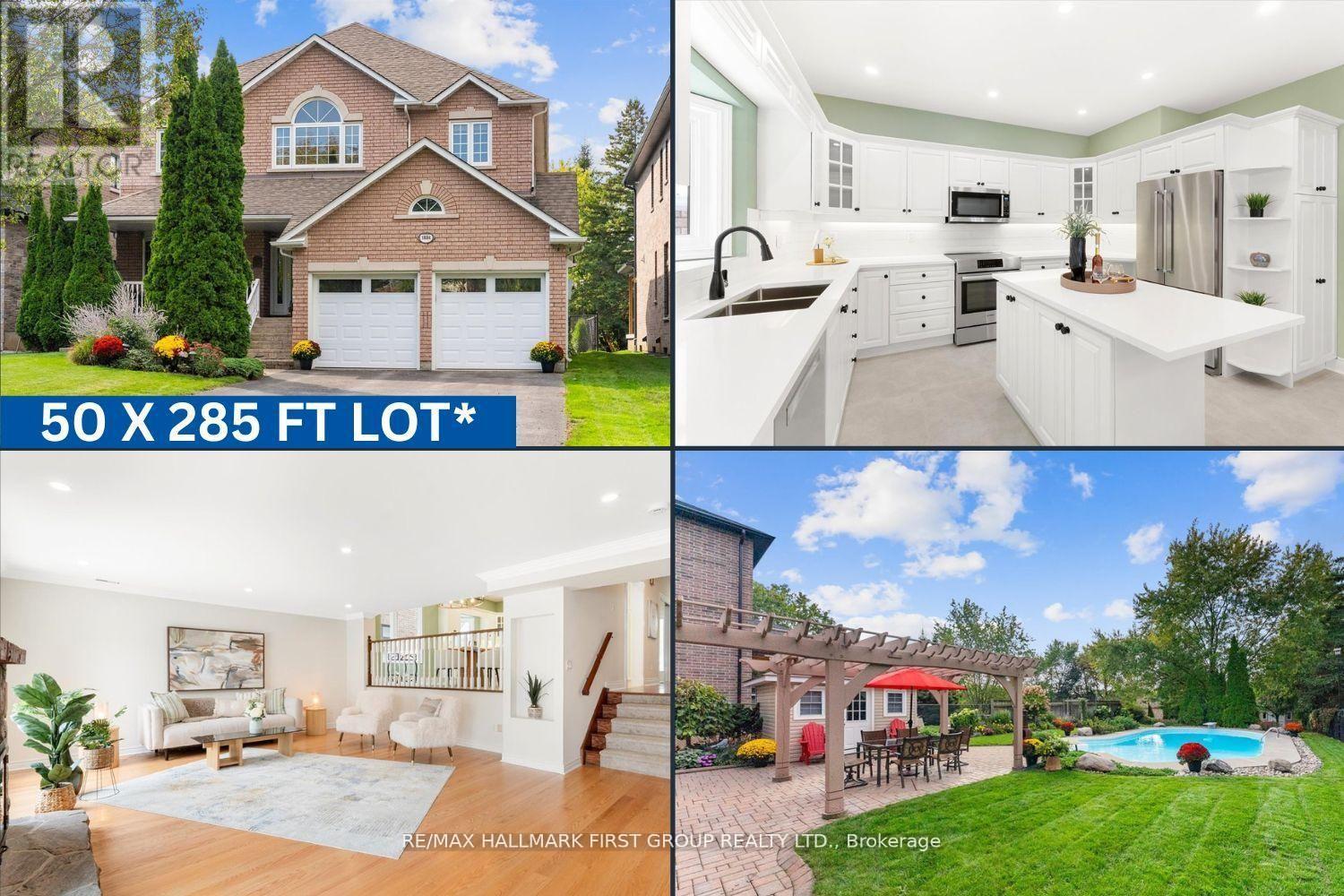 For Sale
 For Sale
 For Sale
 For Sale