
East Credit is a planned residential community in west-central Mississauga built in the 1980s and 1990s. It offers detached homes on generous lots, proximity to the Credit River valley trail system, and easy access to Highway 403 and 401. Families choose it for the quiet residential streets, established schools, and convenience to Erin Mills Town Centre.
East Credit sits in the west-central part of Mississauga, bounded roughly by Erin Mills Parkway to the west, Creditview Road to the east, and the Credit River valley forming a natural green edge along its western flank. The neighbourhood grew in the 1980s and early 1990s as Mississauga expanded outward in a deliberate, planned pattern, and the built form reflects that era’s preference for large detached houses on generous lots arranged along curving residential streets. The Credit River corridor gives the area a quality that purely suburban communities rarely achieve: real greenspace adjacent to daily life, not just a park added as an afterthought.
The character here is settled and family-oriented without feeling dormant. Streets are mature enough that the trees planted in the 1980s now form proper canopies, softening the suburban geometry that would otherwise dominate. You’ll find a mix of two-storey detached homes and some semi-detached stock, most built to the standards that were considered premium at the time, with double garages and relatively deep lots being common. The area has maintained its residential character more consistently than some comparable Mississauga communities, partly because intensification pressure has been absorbed elsewhere along the Hurontario corridor rather than here.
East Credit’s position relative to the rest of Mississauga is one of its practical advantages. The Highway 403/401 interchange sits close enough to make regional driving efficient, and the Erin Mills Town Centre to the west handles most day-to-day retail and dining needs. Streetsville GO station brings train service within reasonable reach. For buyers who want a conventional suburban family home in a quiet residential setting without sacrificing access to the city or the highway network, East Credit has been a consistent choice for over three decades.
The housing stock in East Credit is dominated by detached two-storey homes built between roughly 1985 and 1998. These are substantial houses by any measure, typically running 2,000 to 3,200 square feet of above-grade living space, with double-car garages, brick exteriors, and layouts that reflect what buyers expected in that era: formal living and dining rooms, separate family rooms, and at least four bedrooms upstairs. The construction quality varies by builder but is generally solid, and most homes have been updated at least once in the kitchen and bathrooms over the decades since they were built.
In the 2024 to 2025 market, detached homes in East Credit typically trade between $1.1 million and $1.6 million, depending on lot size, condition, and which pocket of the neighbourhood they sit in. Homes on or near the ravine lots backing onto the Credit River valley tend to command premiums of $100,000 or more over comparable interior lots, and that premium has held consistently through market cycles. Semi-detached homes, which make up a smaller portion of the stock, generally range from $850,000 to just over $1 million in comparable condition. There are no high-rise condos within the neighbourhood core, which keeps the residential character consistent.
Lot sizes here are notably more generous than in newer Mississauga subdivisions. A typical East Credit detached lot runs 40 to 50 feet wide with 100 to 120 feet of depth, which is meaningful when comparing to the 25- and 30-foot lots common in 2010s-era subdivisions further north and west. The extra width changes how the homes feel and allows for proper rear yards rather than the narrow strips that pass for outdoor space in tighter developments. Buyers upgrading from a townhome or semi in a newer area often find the transition to East Credit’s housing stock a genuine quality-of-life improvement, not just a lateral move.
One practical note for buyers: these homes are now 30 to 40 years old, which means buyers should account for age-related costs. Roofs, furnaces, windows, and electrical panels all have finite lifespans, and a home that last had major work done in the 2000s may need attention soon. A thorough home inspection and realistic renovation budget are essential rather than optional. That said, the bones of these houses, built when labour and materials were less compressed, are generally sound, and a well-maintained East Credit home in 2025 still represents more square footage per dollar than most comparable neighbourhoods inside the city limits.
East Credit behaves like a move-up family neighbourhood in the classic sense: supply is constrained by homeowner stability, and demand comes primarily from buyers who have already owned and are looking for more space or a better school catchment. Turnover is lower than in condo-heavy communities, which means the market here can feel thin at times. In a given quarter, you might find only 15 to 25 active listings across the entire neighbourhood, and well-priced, move-in-ready homes regularly see multiple offers within the first week of listing.
The neighbourhood held its value reasonably well through the 2022-2023 correction that affected much of the Greater Toronto Area. Detached prices pulled back from the peak frenzy of early 2022 but recovered more steadily than high-rise condo markets, which is typical of established low-rise suburban communities where the buyer pool is predominantly end-users rather than investors. By late 2024, the upper end of the detached market, particularly ravine-backed lots and extensively renovated homes, was again pushing toward prior peaks.
Days on market in East Credit tend to run slightly longer than in more urban Toronto communities, simply because the buyer pool is more specific. The person looking in East Credit generally knows what they want, has done their research, and is willing to wait for the right property rather than making a panicked offer. This makes for a more measured market on both sides. Sellers who price realistically and present their homes well see good results; overpriced listings sit and eventually require reductions. The neighbourhood does not sustain aggressive overpricing the way some central Toronto markets have at times.
Seasonality follows standard GTA patterns, with spring and fall being the most active windows. Summer listings tend to move more slowly, and January through February is often the quietest stretch. Buyers who are patient and can move outside the peak spring window sometimes find better selection and less competitive conditions, particularly for homes that need work or have been on the market through a season.
The buyers who choose East Credit are overwhelmingly families with school-age children or families anticipating that stage. The neighbourhood’s school reputation, combined with the lot sizes and the safety of the residential streets, makes it a particularly strong draw for buyers who grew up in similar suburban environments and are now replicating that upbringing for their own children. It’s not a neighbourhood that attracts first-time buyers in meaningful numbers, given the price point, and it doesn’t attract a significant investor presence for the same reason.
South Asian families, particularly Punjabi and Gujarati households, make up a substantial portion of East Credit’s resident population and have done so for two decades now. This is reflected in the retail mix along nearby commercial strips, the cultural programming at local community centres, and the social fabric of the schools. It’s worth being direct about this because it shapes what the neighbourhood actually feels like day to day, and buyers who are drawn to that community context tend to find East Credit specifically rather than coming to it by chance.
There’s also a cohort of long-term residents who bought here in the 1990s, raised their families, and have no interest in leaving despite the fact that their houses are now worth many times what they paid. This contributes to the low turnover and also to the neighbourhood’s overall stability. These are not speculative investors waiting for the right exit price; they’re people who like living here and intend to stay. The result is a neighbourhood where the resident population turns over slowly and the social character changes gradually rather than abruptly.
Some empty-nesters do eventually leave for lower-maintenance condos or smaller homes once their children are grown, and this is often when the best-maintained properties in East Credit come to market. A house where someone has lived for 25 years and cared for carefully tends to be in better underlying condition than a comparable property that has been through several buyers. Buyers who can identify these long-term-owner properties are often getting a better asset than the listing price alone suggests.
The streets between Creditview Road and Erin Mills Parkway, roughly north of Eglinton Avenue West, form the heart of the neighbourhood. Creditview Road itself is a main artery, but the residential streets that branch off it westward, including Castlebridge Drive, Creditwood Drive, and the courts and crescents feeding off them, are where most of the housing stock sits. These are the classic curvilinear streets of 1980s suburb planning, designed to slow traffic and create a sense of enclosure, and they work reasonably well for the purpose.
The ravine-adjacent streets are the clear premium pocket. Streets that back or side onto the Credit River valley greenway, or that connect directly to the trail access points, carry a consistent premium and rarely trade at base market prices. If you’re standing on a street and you can see the ravine from the backyard or hear the river, you’re looking at property that will hold value through most market conditions. The environmental protection designation on the ravine lands also means this isn’t going to change, which is a meaningful form of neighbourhood stability.
The area around Creditview and Eglinton is the most commercial edge of the neighbourhood, with plazas and conveniences that make the north-south connector feel busier. Buyers who want the deepest quiet should look further from those intersections, on the internal crescents and courts where through-traffic is minimal. The tradeoff is slightly longer walks to the nearest bus stop, but in a neighbourhood where virtually everyone owns at least one car, this is generally acceptable.
Some streets have seen extensive renovations over the past decade, with original kitchens and finishes replaced with current-market expectations. These renovated homes tend to be priced at the upper end of the range. Others still have original 1990s finishes, which can be a genuine buying opportunity for someone willing to do the work, though buyers should model the cost of a full renovation carefully before concluding that a lower list price equals a better deal.
East Credit is a car-dependent neighbourhood by design, and most residents treat it as such. The Highway 403/401 interchange is within a few kilometres, making it one of the more highway-accessible parts of Mississauga for anyone commuting to downtown Toronto, the Airport Corporate Centre, or westward toward Hamilton and the 403 corridor. For drivers, the access is genuinely good, and morning peak traffic, while real, is manageable compared to the gridlock experienced closer to the 400-series ramps in more congested parts of the city.
Streetsville GO station on the Milton line is the nearest GO Transit access point, roughly a 10-minute drive from most East Credit addresses. The Milton line runs into Union Station, and the commute time is competitive with many parts of the GTA at 45 to 55 minutes during peak periods. The station has a substantial GO parking lot, which fills up quickly on weekday mornings, so buyers who plan to use it regularly should factor in either an early arrival habit or the realistic possibility of parking nearby and walking. There is no GO station within walking distance of most East Credit homes.
MiWay, Mississauga’s transit system, serves the neighbourhood via routes along Creditview Road and Eglinton Avenue West. The service is workable for trips to Erin Mills Town Centre or connections to the Transitway and Hurontario BRT, but it’s not a substitute for car ownership for anyone with a complex daily schedule. Express routes along Eglinton connect to Mississauga’s major east-west transit spine, and the Hurontario LRT currently under construction will eventually improve connectivity through central Mississauga, though East Credit itself is not on the LRT route.
Cycling infrastructure in the area is limited. There are some off-road trails through the Credit River valley that are useful for recreational riding, but cycling as a primary commuting mode is not practical for most destinations from East Credit. This is consistent with the neighbourhood’s suburban form and the expectations of most buyers who choose it.
The Credit River valley is the defining natural feature of the area, running along the neighbourhood’s western edge and providing a continuous greenway that connects into the broader Credit Valley Conservation trail system. The river corridor here is wide enough to feel genuinely wild in stretches, with mature riparian vegetation, significant bird activity, and the kind of trail experience that suburban parks rarely deliver. For families with dogs, children who want somewhere to explore, or residents who want to walk without road noise, the Credit River trails are a real amenity rather than a token gesture at green space.
Erindale Park, just south along the Credit River, is one of the better multi-use parks in the Mississauga system. It includes sports fields, picnic areas, a wading pool, and direct river access at several points. The park is large enough that it doesn’t feel crowded even on summer weekends, which is saying something for Mississauga. The combination of the park and the connecting trail network gives East Credit residents more linear greenspace than you’d find in most comparable suburban communities in the region.
Within the neighbourhood itself, there are smaller local parks distributed throughout the residential streets, mostly serving as open turf with playground equipment. These function well for young children and dog walks but don’t offer the same experience as the river valley. The local parks are maintained by the City of Mississauga and are generally in decent condition. The real green amenity here is the Credit River corridor, and buyers who value that access specifically should look for homes within reasonable walking distance of the trail entry points.
Credit Valley Conservation manages the river corridor and has done ongoing restoration work in some sections, removing invasive species and replanting native vegetation. This means the trail quality has generally improved over the past decade rather than degraded. The flood plain designations along the river do limit what can be built in the valley bottom, which from a residential perspective is actually an asset, it protects the corridor from future development.
Erin Mills Town Centre, located a short drive west along Eglinton Avenue, handles most of East Credit’s major retail and dining needs. This is a full regional mall with anchor tenants including Walmart, HomeSense, and a cinema, plus the usual array of national retail chains. For practical shopping, Erin Mills Town Centre is comprehensive enough that residents rarely need to drive farther. The mall has seen incremental redevelopment and remains one of the stronger mid-tier retail centres in west Mississauga.
The Creditview and Eglinton area, at the neighbourhood’s southeast corner, offers a cluster of strip-plaza retail including a Sobeys, several South Asian grocery options, restaurants, and service businesses. The South Asian grocery and restaurant density here is one of the practical markers of the neighbourhood’s demographic character and is genuinely useful for residents who shop for that category of food. There are good options for fresh produce, specialty spices, and prepared food within a five-minute drive of most East Credit homes.
For dining, the options within East Credit itself are limited to the strip plazas near Creditview and Eglinton, but the broader Mississauga market is accessible by car. Square One and the Hurontario corridor have significantly more restaurant diversity, and Streetsville village, a few kilometres south, has a more independent, walkable dining and cafe scene than the surrounding suburbs. Streetsville is worth mentioning because its character is distinct enough to feel like a different city when you’re in it.
Credit Valley Hospital is in the broader Erin Mills area, making the neighbourhood relatively convenient for healthcare. The hospital is a full-service regional facility and has expanded its service offerings considerably over the past decade. For families and particularly for older residents considering future healthcare access, proximity to Credit Valley is a meaningful practical consideration that East Credit shares with its western neighbours.
The Peel District School Board (PDSB) serves the public school needs of East Credit, and the local schools have maintained strong reputations that directly influence demand for homes in specific catchments. St. Aloysius Gonzaga Secondary School is a DPCDSB (Dufferin-Peel Catholic District School Board) secondary option in the area, while the public secondary option draws students toward Erindale Secondary School or Streetsville Secondary School depending on exact address. Both secondary schools have solid academic programs, and parents with children approaching secondary age routinely check catchment boundaries before making offers.
At the elementary level, schools within or adjacent to East Credit include Creditview Public School and several others in the PDSB system. The Catholic elementary option through DPCDSB serves families who prefer the separate system. The availability of both public and Catholic options within reasonable distance is consistent with most of Mississauga’s established residential areas and is one of the reasons families in the west end find the school landscape relatively navigable compared to parts of the city where secondary options are more limited or controversial.
The University of Toronto Mississauga campus is located a few kilometres south along the Credit River in Erindale, and while it doesn’t directly affect the elementary and secondary school picture, it does mean the broader area has a post-secondary institution within commuting distance. This is relevant for families with older children and adds to the overall educational infrastructure of the area without requiring a move to a university city.
French immersion availability varies by school and year, and parents interested in immersion programming should check current placement lottery results and waitlist status directly with the PDSB. The demand for French immersion in west Mississauga is high relative to the spaces available, and this can affect school choice decisions in ways that override the catchment-based default. An agent who knows the area well can help buyers understand which catchments carry the school access they’re specifically looking for.
East Credit is not a neighbourhood at the centre of Mississauga’s intensification agenda, which is partly why it has retained its low-rise residential character through a period of significant change elsewhere in the city. The Hurontario LRT, now in the final stages of construction as of 2025, runs along Hurontario Street to the east and is expected to generate significant condo development along that corridor, but its effects on East Credit specifically will be indirect rather than direct. The LRT doesn’t run through the neighbourhood, and the nearest LRT stations will be a bus or drive connection away.
The broader development pressure in west Mississauga is concentrated along the major arterial corridors, Hurontario, Eglinton, and the areas around Erin Mills Town Centre. There has been planning work around higher-density residential near Erin Mills Town Centre specifically, and over the next decade that node could see significant intensification. For East Credit buyers, this means more retail, service, and transit options nearby without the same intensification pressure being applied to their own streets.
Individual lot redevelopment is happening at a very modest pace in East Credit. On occasion, a larger lot will be severed to allow two homes where one stood, or an older bungalow will be replaced by a custom infill build. This is not yet a widespread phenomenon in the neighbourhood the way it is in some inner-ring Toronto suburbs, but it’s worth noting for buyers who value a consistent streetscape. Most East Credit streets still look essentially as they did when they were built, which is part of the stable character that draws families here.
Infrastructure-wise, the City of Mississauga has ongoing programs for road resurfacing and utilities maintenance across the city, and East Credit’s aging street infrastructure is gradually being addressed. Buyers should not expect significant city-funded neighbourhood improvements in the near term, but neither should they expect neglect. The neighbourhood falls within a stable, maintained tier of the city’s residential stock.
Q: What price range should I expect for a detached home in East Credit in 2025?
A: Most detached homes in East Credit trade between $1.1 million and $1.6 million in the current market, with the spread determined by lot size, renovation level, and proximity to the Credit River ravine. Ravine-backed lots consistently command premiums in the $100,000 to $150,000 range over comparable interior properties, and that premium has been durable through market cycles. Semi-detached homes, which are less common in the neighbourhood, typically range from $850,000 to just over $1 million. Homes at the upper end of the detached range tend to be extensively renovated, on wider lots, or in particularly desirable pockets near greenspace access.
Q: How are the schools in East Credit, and does catchment matter significantly here?
A: School catchment matters to a meaningful portion of East Credit buyers, and the neighbourhood’s location within specific secondary school zones, including Erindale Secondary and Streetsville Secondary in the public system and St. Aloysius Gonzaga for the Catholic board, is a real factor in demand. Elementary catchments are also watched, particularly by families interested in French immersion programming, where demand regularly exceeds available spaces. Before finalising a street or address, it’s worth confirming the exact current catchment with both PDSB and DPCDSB directly, since boundary adjustments happen periodically and the information online is not always current.
Q: Is the neighbourhood walkable, or will we need two cars?
A: East Credit was designed for car ownership and is honest about it. Daily errands by foot are not practical from most addresses, though some homes near the Creditview and Eglinton commercial strip can manage basic convenience items on foot. Most families here operate with two vehicles, and the highway access makes that practical. MiWay bus service runs along the main arterials, and Streetsville GO station is a 10-minute drive for those who commute to downtown Toronto by train. If walkability is a daily requirement, East Credit is not the right neighbourhood. If good highway access and a quiet residential environment matter more, it delivers on both.
Q: What are the main things to watch for when buying a 1980s or 1990s home in East Credit?
A: Homes built in this era are now 30 to 40 years old, which means certain components are reaching or have passed their typical service life. Roofs need replacing roughly every 25 to 30 years, and many East Credit homes are due or overdue. Furnaces and air conditioners in this age bracket may be original or on their second replacement cycle. Electrical panels in older homes sometimes still have 100-amp service, which is inadequate by current household consumption standards and will require upgrading. Windows from the 1990s are often single-pane or early double-pane units that are no longer thermally efficient. A thorough inspection covering all mechanical systems, roof condition, and any history of basement water intrusion is essential. Budget for renovation costs separately from the purchase price.
Buying in East Credit requires some knowledge of which streets and pockets carry the premiums worth paying, and which represent good underlying value at a given price. The difference between a ravine-backed lot and an interior lot a street away can be $100,000 or more at comparable condition, and knowing that before you start touring homes changes how you approach each listing. An agent who has worked regularly in this neighbourhood, and in the broader west Mississauga market, will have a clear picture of which streets are commanding premiums for good reasons and which are pricing aggressively on limited justification.
The school catchment question is one area where a knowledgeable agent adds specific value. Boundary lines can split streets, and a home on the wrong side of an address range can land in a different secondary school zone than the one directly across the road. For buyers for whom school catchment is a deciding factor, getting precise confirmation of the boundary before making an offer is not excessive caution; it’s basic due diligence that an experienced agent handles as a matter of routine.
Given the age of the housing stock, a buyer’s agent who can help interpret inspection findings and connect buyers with reliable trades for post-purchase work is particularly useful here. An inspection report on a 1990s detached home typically runs several pages of findings, many of which are routine age items and some of which are genuinely material. Having someone who can help you distinguish between the two, and understand what a renovation or repair is likely to cost in the current Mississauga market, is worth considerably more than the commission savings from navigating the process without representation.
East Credit is not a neighbourhood with enormous inventory at any given time. When a well-priced home in the right pocket comes to market, it tends to move quickly. Buyers who are pre-approved, have done their catchment research, and have a clear sense of which trade-offs they will and won’t make are the ones who secure properties in competitive situations. Getting that preparation done before the listing appears, rather than starting it after, is the practical difference between buying in the neighbourhood you want and repeatedly watching it slip away.
Street-level knowledge is hard to find online. Our team works in East Credit every day. They know which pockets hold value, where the school catchment lines actually fall, and what the market is doing right now. Talk to us before you make a decision about East Credit.
Talk to a local agent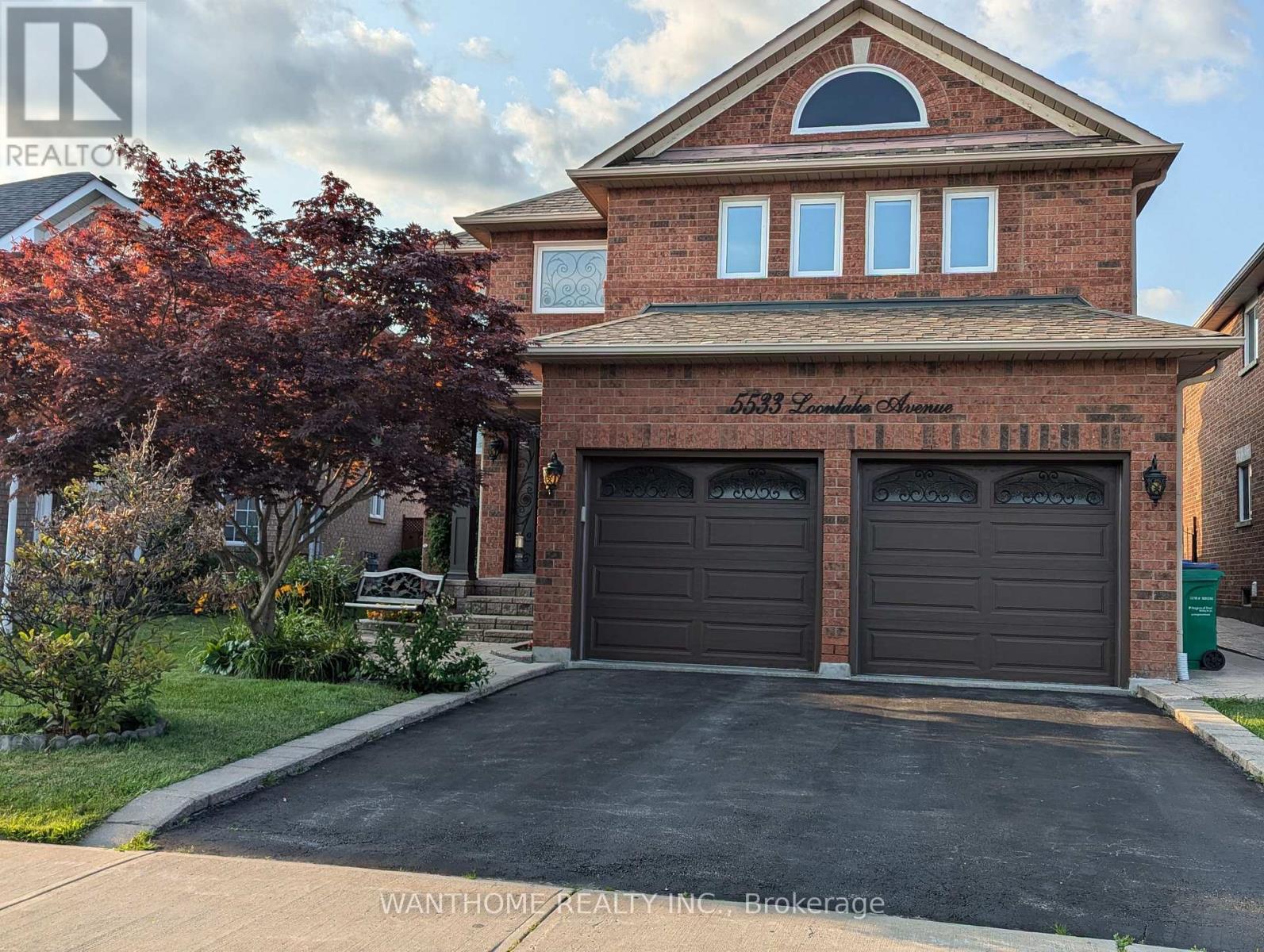 For Rent
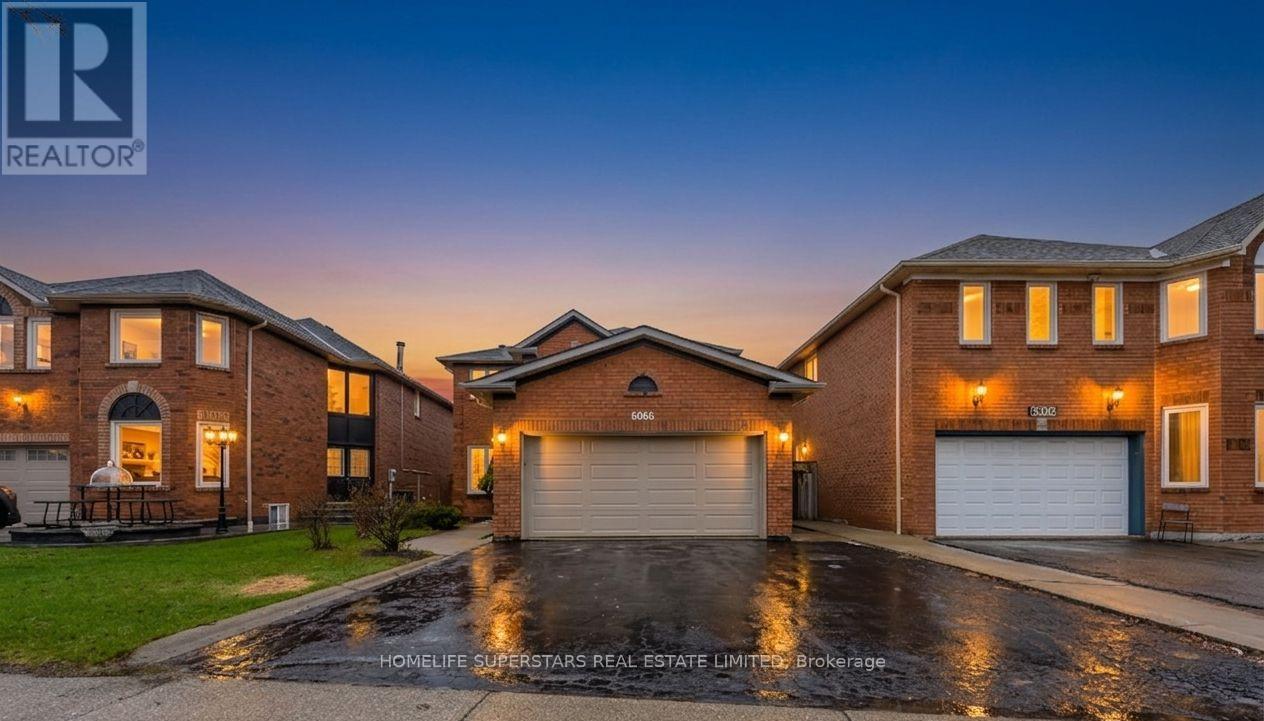 For Sale
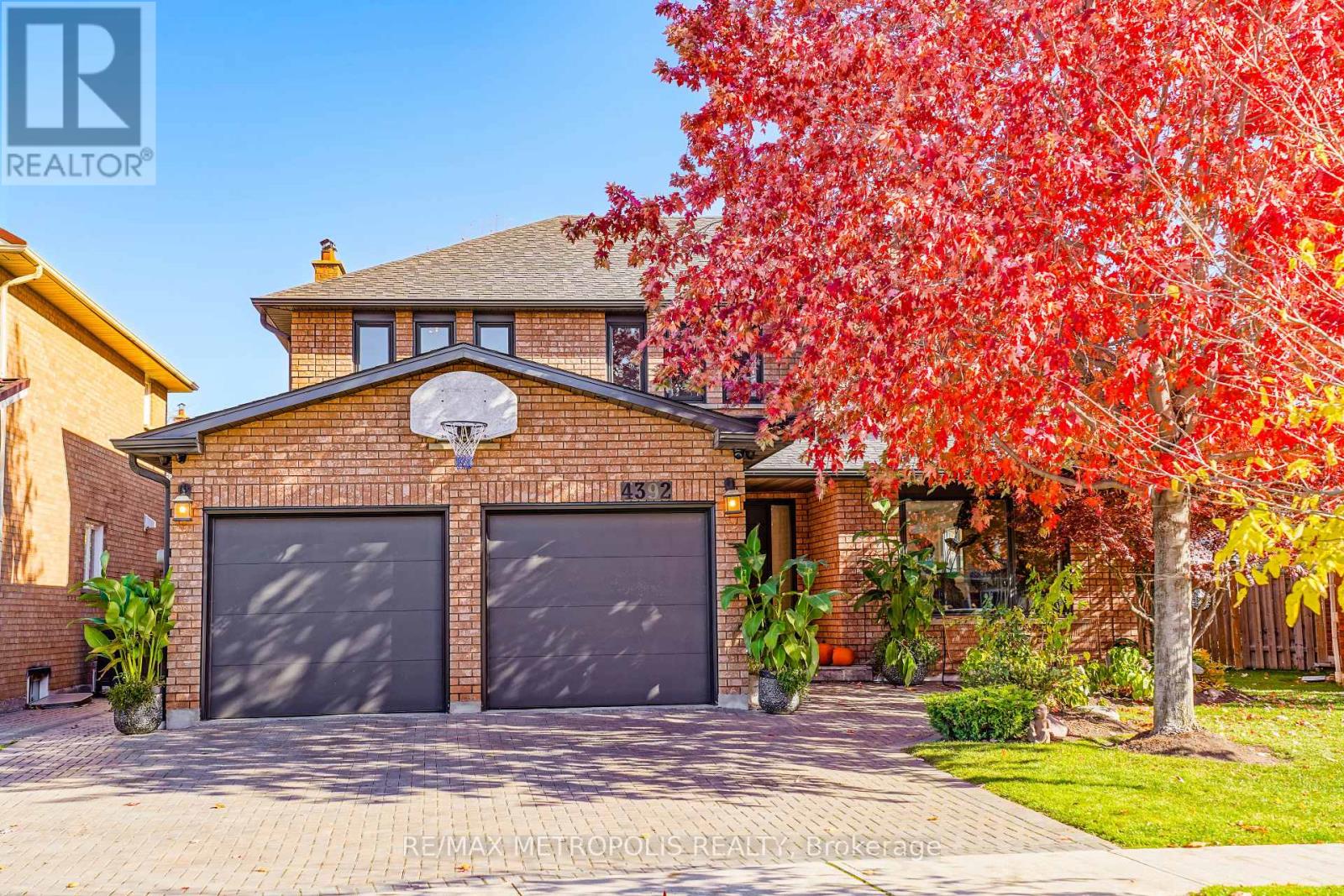 For Sale
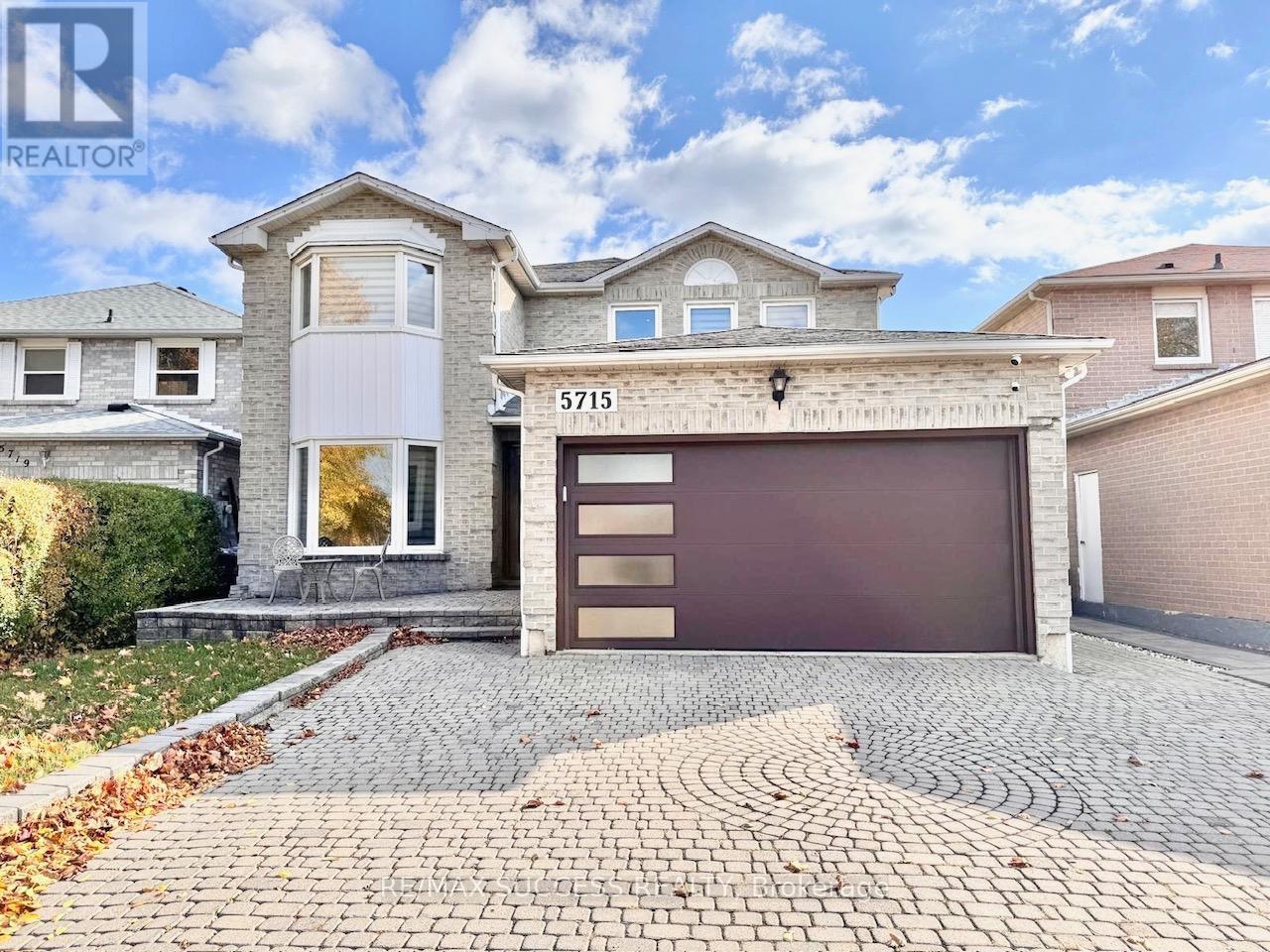 For Rent