
East Gwillimbury is four villages and a lot of farmland directly north of Newmarket, with its own GO station at Green Lane and a population that grew 44 percent between the 2016 and 2021 censuses. Toronto buyers come for a new four- or five-bedroom house in Sharon, Queensville or Holland Landing at about two-thirds the price of the average Toronto house, and they accept a train that runs only at peak and a drive to nearly everything else. A house here costs about a third less than the Toronto average; there are almost no condos. The town's current listings sit under this text.
East Gwillimbury runs from the Newmarket boundary at Green Lane north to the Georgina line, and east to Durham Region. It’s 245 square kilometres, more than six times the size of Newmarket, and most of it is still farmland. The 2021 census counted 34,637 people, up 44 percent from 2016. York Region’s planners expect the town to pass 100,000 by 2041, five times its 2011 population, with the growth landing in Sharon, Queensville and Holland Landing and along the Green Lane corridor beside the GO station.
The town was formed in 1971 by joining the old Township of East Gwillimbury with the villages inside it. Four of those villages are where people live.
Holland Landing on Yonge Street is the oldest, the point where Governor Simcoe’s road north from York met the river in the 1790s. Sharon, on Leslie Street, grew around David Willson’s Children of Peace, who built the Sharon Temple between 1825 and 1832. Queensville, at Leslie and the Queensville Sideroad, was renamed for the new Queen Victoria in 1843. Mount Albert, in the far east on Highway 48, was settled by Quakers in 1821 and still has potato and livestock farms around it. Between and around them are concessions of farmland, the East Holland River and its wetlands, and the hamlets of Holt and Brown Hill.
Nearly everything for sale is a detached house. Condominium apartments barely exist here, and the rental market is houses. A house costs about a third less than the Toronto freehold average, but about a sixth more than one in Newmarket next door; the houses are newer and larger. Rural East Gwillimbury, the farms and estate lots between the villages, is the most expensive part of the town, with an average right at the Toronto freehold figure. Holland Landing has the most listings and the lowest prices; Sharon and Queensville sit between the two. This text sits next to the town’s live figures, which change daily.
East Gwillimbury sells big new houses. More five-bedroom houses are listed for sale here than three-bedroom ones, and nearly half of all listings have four bedrooms. Moving from three bedrooms to four adds roughly 30 percent to the price, and to five about half again. A four-bedroom here costs about two-thirds of the average Toronto freehold of any size.
The subdivisions of Sharon and Queensville are the newest stock. Sharon’s growth started in the mid-1980s, picked up after Highway 404 reached Green Lane in 2001 and the GO station opened in 2004. The houses going up now are four- and five-bedroom detached on narrow lots from the large builders, with double garages. Queensville is the same kind of product, newer, around a small nineteenth-century crossroads village, with the town’s new recreation complex and the site Southlake has chosen for its second hospital.
Holland Landing is older and more mixed. The village core along Yonge Street and the streets near the river has heritage houses and mid-century bungalows on large and irregular lots, and the newer subdivisions on the south and east edges have the uniform 1990s and 2000s product. It has the lowest prices in town and the widest spread, and it’s the only village with any condominium apartments at all.
Mount Albert, in the far east of the town and well away from the 404 and the GO station, is the village that still feels like one. Its housing is 1970s subdivisions around a nineteenth-century main street, late-1990s streets and a smaller development from 2009, at prices close to Holland Landing.
Rural East Gwillimbury is the other market. Lots run from one to five acres on the concession roads up to full farms, with Victorian and Edwardian farmhouses, mid-century rural bungalows and custom builds from the last 20 years. The average there is about 80 percent above Holland Landing and at the Toronto freehold average, pulled up by the estate properties. Rural buyers deal with wells, septic systems and provincial rules on what can be built; ask for the well and septic records before you offer.
Renting means renting a house. There are no condo rentals to speak of, and a house rents for roughly 15 percent below the Toronto freehold figure, a smaller discount than the one on buying. A family that wants to try the town for a year before buying should expect a whole house or a basement apartment and little else.
East Gwillimbury’s prices move with Toronto’s and with Newmarket’s, set by the same mortgage rates and the same buyers driving north on the 404. The gap to Toronto is about a third on a house; watch it, because if it narrows the reason for the drive is shrinking. The gap to Newmarket runs the other way, with East Gwillimbury about a sixth dearer, and most of that is the age and size of the houses.
New construction sets the tone. In Sharon and Queensville, a resale house is competing with the builder’s next phase a few streets over, and a buyer who likes the house but not the price may find the same floor plan unbuilt. Builder sales don’t appear in the resale listings on this page, so compare any resale against the builder’s current price list before you offer. The freehold market follows the school year, with family houses listing from late February to June and again in September and October, and thinning out over the summer and the weeks around Christmas.
The GO station shapes the market the way it does in Newmarket. East Gwillimbury GO has 10 trains to Union on weekday mornings and the returns in the afternoon and evening, nothing midday except the bus to Aurora, and the ride takes just over an hour. The station has 637 parking spaces. A house within a few minutes’ drive of Green Lane in Sharon or Holland Landing trades on that access, and a house in Mount Albert doesn’t. A household that can live with a peak-only train buys here; a household with two downtown jobs usually looks at Aurora instead.
Rural property is its own market, slower and lumpier. Farms and estate lots take longer to sell, prices depend on acreage, outbuildings and what the Greenbelt allows, and the average for the rural area swings with whichever large properties happen to be listed. Treat the rural figure beside this text as a signal of what’s on the market this month, not a price per house.
The town grew by 44 percent in five years, so a large share of the people here are recent arrivals. Newmarket families trade a 1980s house for a new one with a fifth bedroom. Buyers from Richmond Hill, Markham and Vaughan come up the 404 for a detached house. Toronto families come for a four- or five-bedroom at about two-thirds of what an average Toronto freehold costs, and take the Barrie line or the 404 to work.
The trade is time and the car. Union Station is just over an hour by train from Green Lane, and only at peak. Driving the 404 to downtown is the alternative. A buyer working in Markham or Richmond Hill has a much shorter drive and a much easier decision. A buyer working from home most days has the easiest decision of all.
Everything else is a drive too. East Gwillimbury has no hospital, no mall and no secondary school of its own. Southlake, Upper Canada Mall and the high schools are in Newmarket, south of Green Lane. The Green Lane plazas handle groceries and the daily errands. Main Street Newmarket is the night out. A family with two cars finds none of this hard; a household with one car and a teenager finds it harder, and that teenager will be on a bus to Newmarket for high school.
What people get for it is space and newness. The houses are bigger and newer than most of what Newmarket sells, and the country starts at the end of the subdivision. For a lot of buyers that edge-of-town feeling is the point, and they’re buying it while it lasts; the planners expect three times as many people here by 2041.
This site has a page for four of East Gwillimbury’s communities. Here they are, south to north and then east.
Sharon sits east of the GO station along Leslie Street, with Highway 404 at its eastern edge, and it’s where most of the town’s building is happening: the newest and most uniform housing in East Gwillimbury, four- and five-bedroom detached from the large builders, wrapped around the Sharon Temple and the older village on Leslie. Prices here are the highest of the three villages with subdivisions and close to Queensville’s.
Holland Landing is the old village on Yonge Street at the head of the Holland River, with heritage houses and mid-century bungalows on big lots in the core, newer subdivisions on its south and east edges, the GO station at its southeast corner, and the river wetlands and Rogers Reservoir along its eastern side. It has the most listings in town, the lowest average price, and the only condos.
Queensville is north of Sharon at Leslie and the Queensville Sideroad, a small nineteenth-century crossroads village now surrounded by new subdivisions, with the Health and Active Living Plaza, the town’s first pool, open since 2026, and the site Southlake has chosen for its second hospital. Prices run with Sharon’s and above Holland Landing’s.
Rural East Gwillimbury is everything between the villages: the concession roads of farmland, the estate lots, the river valley and the hamlets of Holt and Brown Hill. It has the highest average price in the town, at about the Toronto freehold figure, and the widest range of anything for sale, from a farmhouse on a few acres to a full working farm.
Mount Albert, in the east of the town on Highway 48, is a village of about 5,000 with 1970s and late-1990s subdivisions around an old crossroads, farms on every side and prices close to Holland Landing’s. It’s farther from the GO station than any other village.
The village pages go into streets, schools, transit and what houses have changed hands for.
East Gwillimbury GO is at 845 Green Lane East, on the Barrie line, with 637 parking spaces. It opened on 1 November 2004. On weekdays, 10 trains run south to Union in the morning; in the afternoon and evening, seven come back toward Barrie and three toward Bradford, and the ride to Union takes just over an hour. Between the peaks no trains stop here. Hourly two-way trains run only as far north as Aurora, and GO bus 68 runs hourly between Aurora GO, East Gwillimbury and Barrie to fill the gap. On weekends, since September 2026, Barrie line trains run every two hours from 2pm to 11pm, with extra buses, and Metrolinx says that arrangement lasts until spring 2027.
The province’s GO Expansion plan calls for electrified trains every 15 minutes, all day, as far as Bradford, which would make East Gwillimbury an all-day station. The target was once 2024, and there’s no current date. Buy for the service that runs today.
By car, Highway 404 runs up the east side of the villages with three interchanges in the town, including Green Lane and the Queensville Sideroad, and it has continued north to Ravenshoe Road in Keswick since September 2014. The 404 reached Green Lane in 2001, the GO station followed in 2004, and Sharon’s subdivisions have been building since. Yonge Street runs through Holland Landing north toward Bradford, Leslie Street through Sharon and Queensville, and Highway 48 through Mount Albert toward Sutton and Markham.
The Bradford Bypass is the road that will change the map. It is a 16-kilometre freeway from Highway 400 near Bradford across the top of East Gwillimbury to the 404 near Queensville, with interchanges at Yonge, Bathurst and Leslie Streets, all inside the town. Early works began at Yonge Street in November 2022 and main construction began in May 2026. When it opens, Holland Landing, Queensville and Sharon will each be close to a freeway to the 400. There’s no opening date yet.
Inside the town, York Region Transit runs buses to Newmarket, with more at rush hour to the GO station. Without a second car, the bus to Newmarket for school and shopping is the daily reality. The Nokiidaa Trail along the river is the cycling route from Holland Landing down to Newmarket and Aurora.
The East Holland River runs north through the west of the town toward Cook’s Bay on Lake Simcoe, and it carries the town’s green space with it. Rogers Reservoir Conservation Area, 84 hectares of river, marsh, forest and meadow between Green Lane and the Mount Albert Sideroad, is the centre of it. The reservoir was dug for the Newmarket Canal, a scheme begun in 1908 to link Newmarket to Lake Simcoe and the Trent waterway and abandoned in 1912 with the locks built and never used. Its concrete lock and swing bridge still stand in the conservation area, and a second lock sits in Holland Landing. The Lake Simcoe Region Conservation Authority runs the site, and the Nokiidaa Trail runs through it: more than 20 kilometres of paved and crushed-stone path from Holland Landing south through Newmarket to Aurora, with a link to the Lake to Lake trail.
Holland Landing has the river itself, with marinas on the water, and Anchor Park, named for the 15-foot War of 1812 anchor abandoned there. The Sharon Temple grounds on Leslie Street are a 1.8-hectare open-air museum with eight heritage buildings around the temple, a National Historic Site since 1990, and they host the Words Alive literary festival each year.
Queensville’s Health and Active Living Plaza at 160 Jim Mortson Drive opened in 2026 with the town’s first aquatic centre, a gymnasium with a track, a library branch and a teaching kitchen, more than 80,000 square feet in all. For a town that sent its children to Newmarket to swim, it’s a large change.
Beyond those, the green space is the farmland. The concession roads east of Leslie and around Mount Albert are working farms, provincial plans protect large parts of the rural area, and the Oak Ridges Moraine lies to the south, so the view at the end of most new streets is a field. None of this is a park in the Toronto sense; it’s country, and buyers who want a park with a playground every few blocks will find them inside the new subdivisions and not outside them.
East Gwillimbury’s shopping is on Green Lane. The plazas on both sides of Green Lane between Yonge and the 404 hold the supermarkets, the big-box stores and the restaurants that serve the villages, and they sit a short drive from Sharon, Holland Landing and Queensville. For anything more, the town uses Newmarket: Upper Canada Mall at Yonge and Davis Drive for shopping, and Main Street Newmarket, with its restaurants, bars and the Postmark Hotel in the old post office, for the night out. Holland Landing and Mount Albert each have a few shops and restaurants of their own along the old roads through them; Sharon and Queensville have plazas.
The hospital is Southlake Regional Health Centre on Davis Drive in Newmarket, with more than 3,000 staff and regional cardiac and cancer programs. In April 2026 the province endorsed Southlake’s plan to build a second full-service acute care hospital in Queensville, with an emergency department, inpatient units and surgery, and put $10 million toward the planning. There’s no construction schedule yet and no bed count, but the decision puts a hospital in the middle of the town’s growth area, and a Queensville buyer should ask where the site is before choosing a street.
Jobs are mostly elsewhere. The town has no employer on the scale of Southlake or the Regional Municipality of York, both in Newmarket, and the Green Lane employment lands along the 404 are the place the town plans to change that. Most households here have at least one commute: to Newmarket, to Markham and Richmond Hill down the 404, or to Toronto by train from Green Lane. The town’s own services, the schools and the farms employ the rest.
Two boards serve the town: the York Region District School Board for English public schools and the York Catholic District School Board for English Catholic ones. Both publish an address lookup. In a town building new subdivisions every year, boundaries move and new schools open; check the lookup for the house you are buying, not the one your neighbour’s child attends.
The public board’s elementary schools follow the villages: Holland Landing Public School, Sharon Public School, Queensville Public School, Mount Albert Public School and Robert Munsch Public School, which opened in Mount Albert in 2014, plus Park Avenue and Phoebe Gilman public schools. The Catholic board has Good Shepherd and Our Lady of Good Counsel.
There’s no secondary school in East Gwillimbury. Students go to high school in Newmarket or Whitchurch-Stouffville, by bus. The Newmarket schools are Newmarket High School, the oldest in the region, with French immersion and a gifted program; Huron Heights Secondary, which added a second French immersion program in 2025 because Newmarket High was full; Dr. John M. Denison Secondary in the northwest; and Sir William Mulock Secondary in the south. The Catholic board’s Sacred Heart Catholic High School is on Lemar Road in Newmarket. Which of them a Sharon or Holland Landing address feeds is a boundary question, and the answer changes as the town grows, so ask the board.
Pickering College, the Quaker-founded private school in Newmarket since 1909, takes day students from junior kindergarten and boarders from Grade 7, and it’s on Bayview Avenue. The nearest post-secondary campus is Seneca Polytechnic’s King Campus in King City.
York Region’s forecast has East Gwillimbury at 118,700 people by 2041, up from 23,200 in 2011, and it names Sharon, Queensville, Holland Landing and the Green Lane corridor as the places that growth goes. The subdivisions in Sharon and Queensville are the visible part of it, and the forecast runs for another 15 years.
Southlake’s second hospital in Queensville, endorsed by the province in April 2026 with $10 million for planning, puts a full acute-care hospital with an emergency department inside the town for the first time. The Bradford Bypass, under main construction since May 2026, puts a freeway across the top of the town with interchanges at Yonge, Bathurst and Leslie, and connects the 400 to the 404 near Queensville. And the GO Expansion plan, with no date, would turn the peak-only station at Green Lane into an all-day one. A buyer in Queensville is buying next to the first two; a buyer in Sharon or Holland Landing is buying next to the station.
What changes for a buyer is the view. The farmland at the end of a Sharon street is the next phase, and the quiet that people move here for depends partly on how early they arrived. The Region’s forecast puts the next 15 years of growth in and around Sharon, Queensville and Holland Landing; the farmland under provincial protection, much of it in the east of the town, is the part that stays country.
How far is East Gwillimbury from Toronto, and what is the commute like?
East Gwillimbury GO at Green Lane is just over an hour from Union Station by train, and the trains run only at peak: 10 southbound on weekday mornings, the returns in the afternoon and evening, and nothing in between except GO bus 68 to Aurora, where the hourly all-day trains start. Weekend trains, since September 2026, run every two hours from 2pm, with buses before that, an arrangement Metrolinx says lasts until spring 2027. The station has 637 parking spaces, and most riders drive to it from Sharon, Holland Landing and Queensville; from Mount Albert it is a long drive to the station before the train. By car, Highway 404 from Green Lane or the Queensville Sideroad runs straight into the Don Valley Parkway, and it is also the road to the jobs in Markham and Richmond Hill.
The province’s long-term plan is electric trains every 15 minutes all day as far as Bradford, which would make Green Lane an all-day station; the target was once 2024 and there’s no current date, so buy for the service that runs now. If your downtown days are fixed and start in the morning, the commute works. If they aren’t, Aurora solves it with all-day trains, and Newmarket is a little closer. The Bradford Bypass, under construction since May 2026, changes the drive west to Highway 400 and Bradford, not the drive to Toronto.
Is East Gwillimbury cheaper than Newmarket?
No. A house in East Gwillimbury costs about a sixth more than a house in Newmarket on average, and about a third less than the Toronto freehold average. The difference with Newmarket is the age and size of the houses rather than the land: East Gwillimbury’s stock is dominated by four- and five-bedroom detached houses built since the 2000s in Sharon and Queensville, while Newmarket’s is mostly 1970s to 2000s houses with smaller footprints. More five-bedroom houses are for sale here than three-bedroom ones. The cheaper way into the town is Holland Landing, whose older village houses and 1990s subdivisions have the lowest average in East Gwillimbury and the only condos, and Mount Albert, which is priced near Holland Landing but is a long drive from the GO station.
Two other costs matter. York Region’s share of the 2026 property tax bill rose 3.28 percent plus a one percent transit and infrastructure levy, which the Region puts at about $102 more for the average East Gwillimbury household, and the town adds its own increase on top. And many households here run two cars, because there’s no high school, hospital or mall in the town and the train only runs at peak; CAA puts a mainstream compact at roughly $9,500 a year, insurance and fuel included. Put both into the monthly comparison. A family moving from Newmarket should expect to pay more for more house, not less.
Which part of East Gwillimbury is best for a family?
Sharon and Queensville are the family subdivisions, Holland Landing is the choice for a family that wants an older village and a lower price, and Mount Albert is for a family that wants a real small town and doesn’t need the train. Sharon has the newest houses, the GO station at its western edge, Sharon Public School, and the Sharon Temple grounds in the middle of it; it is the most expensive of the three villages and close to Queensville. Queensville has the same new houses further north, Queensville Public School, the Health and Active Living Plaza with the town’s first pool, and the site of Southlake’s second hospital, which will bring construction before it brings an emergency department. Holland Landing has the most houses for sale and the lowest prices, its own public school, the river, Anchor Park and Rogers Reservoir, and the GO station at its southeast corner. Mount Albert has two elementary schools including Robert Munsch, opened in 2014, a main street, and farms on every side, at about Holland Landing’s price.
Every family here faces the same high school question: there’s no secondary school in East Gwillimbury, and students bus to Newmarket or Whitchurch-Stouffville, so a teenager’s day includes that ride. Both school boards publish an address lookup, and in a town adding subdivisions every year, the boundaries move; check the lookup for the house itself before you offer. The rural lots east of Leslie suit a family that wants land and is ready for a well, a septic tank and a long school bus route.
Is East Gwillimbury a good place to buy land or a rural property?
Yes, if you understand what the rules allow and buy with the Bradford Bypass in mind. Rural East Gwillimbury is the most expensive part of the town on average, at about the Toronto freehold figure, because the average mixes one-acre lots with full farms and estate properties, so it tells you little about any one listing. Provincial plans protect large parts of the rural area, so what you can build, sever or add is tightly controlled; a lot that cannot be severed is worth what one house on it is worth, and the listing will not always say so. Wells and septic systems are standard outside the villages, and a water test and a septic inspection belong in every offer.
The Bradford Bypass is the variable. Its route crosses the top of the town from Highway 400 to the 404 with interchanges at Yonge, Bathurst and Leslie, and main construction began in May 2026. Land near those interchanges will be louder and busier. A buyer who wants quiet should check the route map against the lot before falling for the view; a buyer who wants land that may be worth more in 20 years is looking at the same map for the opposite reason. York Region’s forecast of 118,700 people by 2041 means more subdivisions around the villages for the next 15 years. The farms under provincial protection are the ones that stay farms, so check whether a lot sits inside the Greenbelt or the Oak Ridges Moraine before you count on either outcome.
East Gwillimbury GO has 10 trains to Union in the morning and nothing midday, so the question for a Toronto buyer is whether the household can live on a peak-only timetable, and an agent who has never commuted from Green Lane can’t answer it. They also won’t know that a Sharon or Queensville resale is competing with the builder’s unsold next phase, or where the Bradford Bypass, in main construction since May 2026, will run relative to a Queensville street.
The agent we refer East Gwillimbury buyers to works all four villages. Ask for a new five-bedroom a few minutes from the station, or a Holland Landing bungalow on a big lot outside the river floodplain, and they’ll come back with the builder’s current price list beside the resale asking price and the last sales on that street. They know which Mount Albert streets are a long drive from everything.
The four community pages above are where to begin; after that, tell us what you’re after, and we’ll hand it to the agent.
Street-level knowledge is hard to find online. Our team works in East Gwillimbury every day. They know which pockets hold value, where the school catchment lines actually fall, and what the market is doing right now. Talk to us before you make a decision about East Gwillimbury.
Talk to a local agent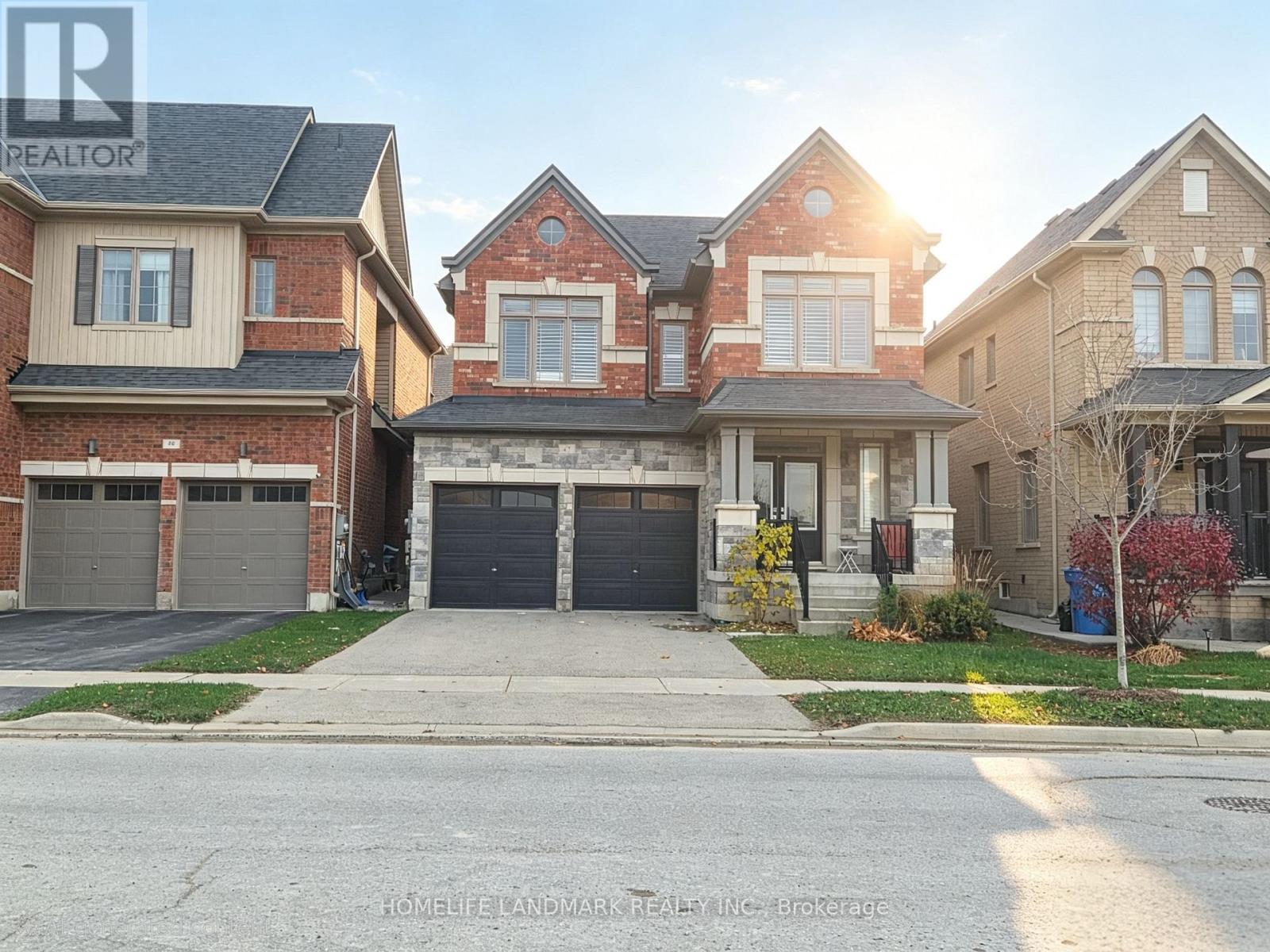 For Rent
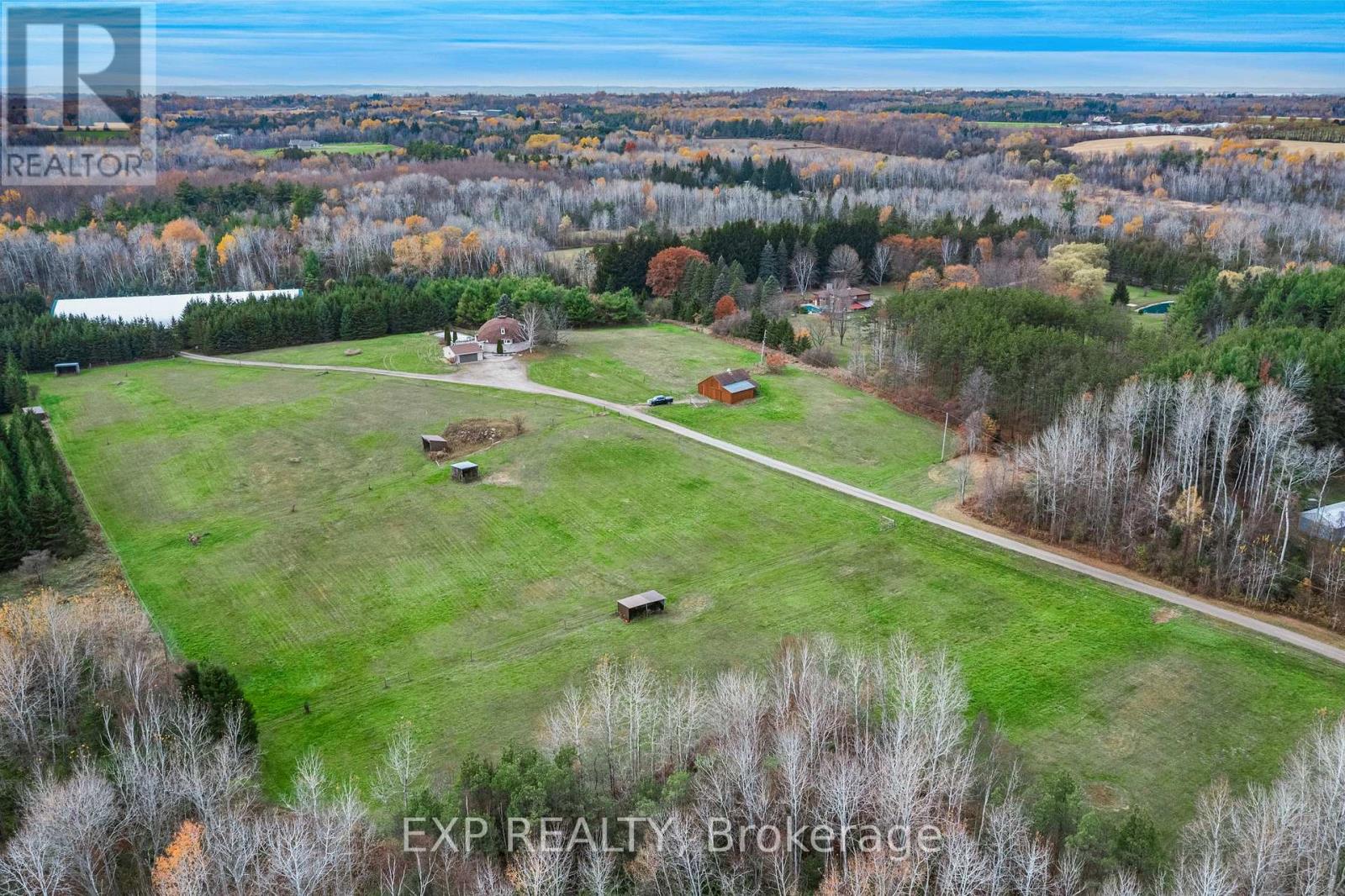 For Sale
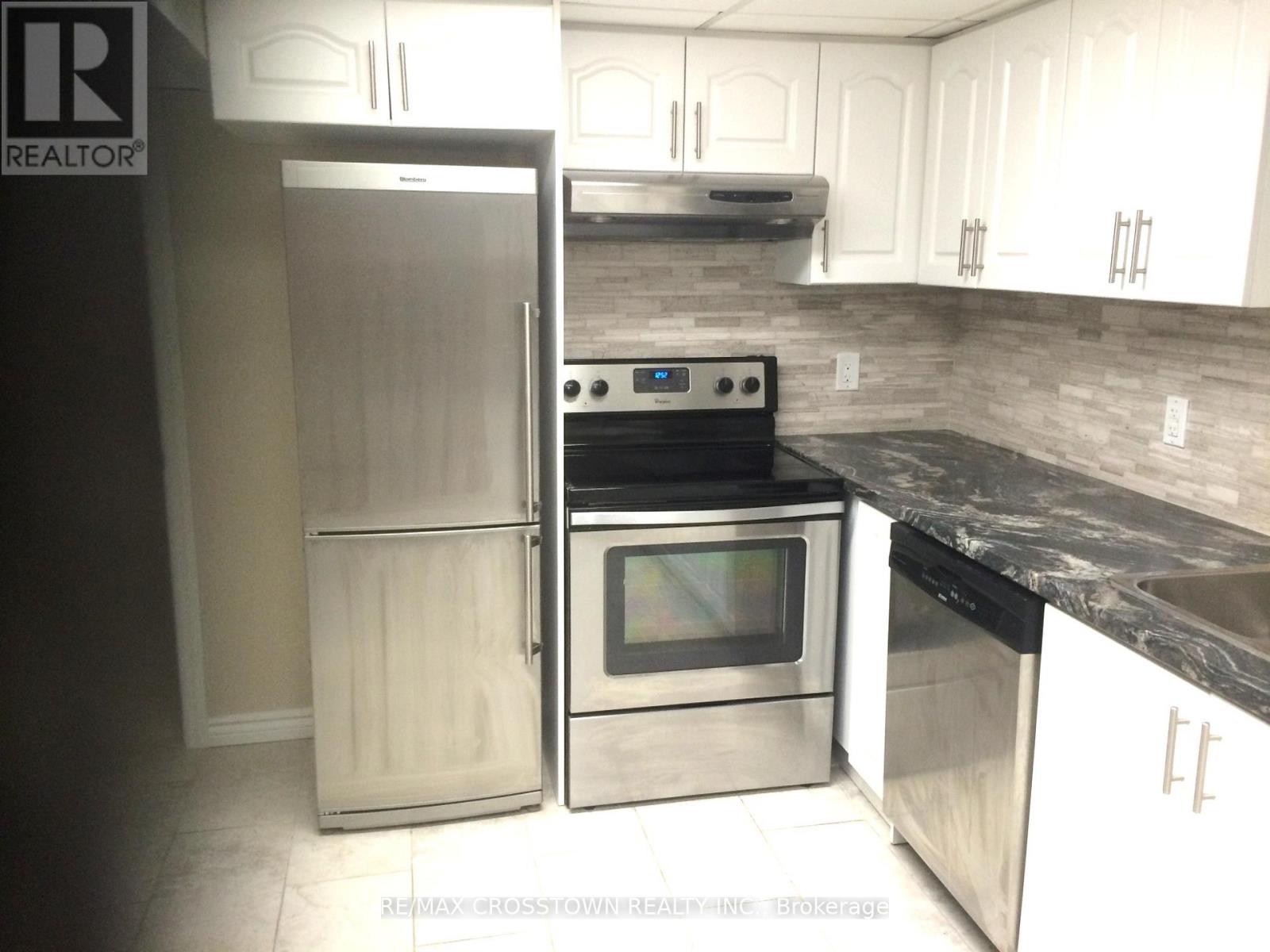 For Rent
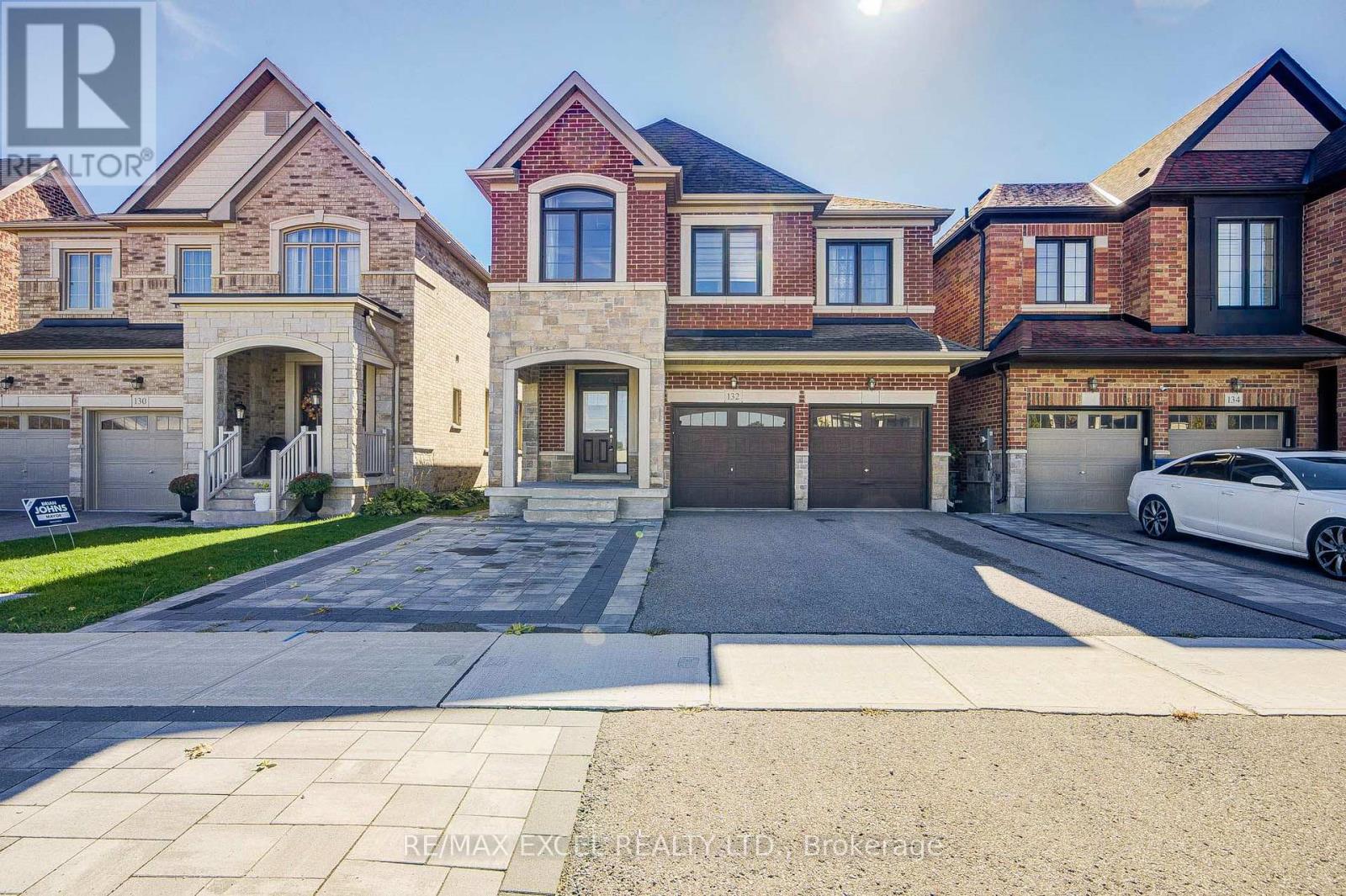 For Sale