
East Woodbridge is Vaughans established Italian Canadian community, offering detached homes from $1.0M to $2.0M along the Humber River corridor. Known for its Italian commercial character, Humber Trail access, active Catholic parish life, and strong YRDSB and YCDSB school community.
East Woodbridge occupies the eastern portion of Woodbridge, Vaughan’s oldest and most established community, bounded roughly by Highway 400 to the west, Jane Street to the east, and the Humber River valley to the south. The neighbourhood is predominantly Italian Canadian in its heritage and community character, a legacy of the post-war immigration wave that transformed Woodbridge from a village into one of the largest Italian Canadian communities in North America. The 2016 census counted more than 55,000 Italian Canadians in the Woodbridge district, representing over 53 percent of the population, a concentration unmatched by any other Canadian community.
East Woodbridge specifically carries the older, more established character of this heritage. Streets like Islington Avenue, Highway 7, and Weston Road run through or adjacent to the neighbourhood, and the commercial fabric reflects the community’s origins: Italian bakeries, espresso bars, meat markets, and family-run restaurants coexist with newer chain retail along the main commercial strips. The residential fabric is predominantly detached homes from the 1970s, 1980s, and early 1990s, with the characteristic brick construction, double garages, and generous lot sizes of that era.
The Humber River Recreational Trail runs along the southern edge of the neighbourhood, providing access to one of the GTA’s most significant linear green corridors. This is a genuine amenity that buyers with families or active lifestyles find valuable. Cycling the Humber Trail from East Woodbridge south toward Etobicoke covers meaningful distance through conservation-managed green space, which is not what most buyers expect to find in the middle of a suburban Vaughan neighbourhood.
East Woodbridge sits at a price point below Kleinburg and the newest Patterson builds but above Concord and parts of Maple, occupying the comfortable middle of the Vaughan market where established neighbourhood character and reasonable transit access coexist with the family-oriented infrastructure that has made Woodbridge a preferred address for two generations of Italian Canadian families and now attracts a growing range of buyers who value community character over the anonymity of newer subdivisions.
East Woodbridge MLS statistics show an average sold price of approximately $1,295,000 as of late 2025, which positions it significantly above the West Woodbridge average of $879,000 and below the broader Vaughan detached market at approximately $1,712,000 for detached homes. This middle positioning reflects the neighbourhood’s character: older established stock in good condition, with the Italian Canadian cultural context that creates stable demand and low discretionary turnover.
Detached homes in East Woodbridge run from approximately $1.0 million for a dated bungalow on a standard lot to $2.0 million for a larger renovated two-storey on a premium lot. The most common transaction range is $1.2 million to $1.6 million for a four-bedroom brick two-storey in reasonable condition. These homes were built to construction standards that produced solid, durable structures; the limiting factor on value is typically the dated cosmetics of a 1985 kitchen and baths rather than any structural concern.
Renovation activity is steady in East Woodbridge. Many families who inherited or purchased these properties have renovated them significantly, and the mix of original-condition and fully updated homes means the price range on the same street can span $300,000 or more for comparable lot sizes depending on finish level. Buyers evaluating East Woodbridge need to separate the renovation investment from the base land and structure value, which requires transaction data rather than asking prices.
Semi-detached and townhouse product is less prevalent in East Woodbridge than in some other Vaughan communities, which reflects the development era: the 1970s and 1980s planning of the area favoured detached product on individual lots. This keeps the neighbourhood’s density lower and the owner-occupied character higher, which are features that sustain stable demand over time.
The East Woodbridge market has experienced the same moderation seen across Vaughan since the 2022 peak. Days on market have lengthened from the extreme lows of the frenzied period, and sellers who are correctly priced are achieving good results while overpriced properties sit. For buyers, this represents a more functional market: homes are available to evaluate carefully, conditions are possible again on many transactions, and the data to support informed offer pricing is accessible.
Demand in East Woodbridge is structurally supported by the Italian Canadian community’s attachment to the area. Families who have been in Woodbridge for a generation or two often move within the community rather than out of it, which creates a persistent buyer pool that is not purely price-driven. When a home comes to market that is well-known in the community, the network of community buyers activates quickly, which means well-connected local agents can sometimes identify buyers before a property formally hits the MLS.
The broader Vaughan market context matters: East Woodbridge competes with Maple, West Woodbridge, and portions of Concord for buyers who are evaluating established Vaughan addresses in the $1.0 million to $1.6 million range. The differentiation is the neighbourhood character, the Italian community context, and the Humber River access, all of which create genuine preference among buyers who know the area rather than abstract features that show poorly in MLS descriptions.
Investors are present in East Woodbridge, primarily in the secondary suite and hold-for-appreciation categories, but the neighbourhood is predominantly owner-occupied. Pure income investors find the price points and yield dynamics less attractive than the condo-heavy markets around VMC or the purpose-built rental sectors in Concord. The East Woodbridge buyer is primarily someone who wants to live here, not someone who wants to extract income from it at distance.
East Woodbridge’s buyer profile centres on the Italian Canadian family, but it is no longer exclusively that. The original buyer wave was predominantly Italian Canadian families from Toronto’s Little Italy moving to the suburbs, and their children and grandchildren now form a significant component of the demand. But the neighbourhood has also attracted families from other cultural backgrounds who value the established character, the Humber River access, and the school system without necessarily sharing the community heritage.
The Italian Canadian heritage buyer is typically making a move within the community: an adult child who grew up in Woodbridge and is buying their first home close to parents; a couple moving from a smaller Woodbridge property to a larger one as their family grows; or an empty nester trading down from a larger property while staying in the neighbourhood. This within-community demand is what keeps turnover organic and prevents the abrupt character changes that hit some other York Region communities during demographic transition.
Toronto move-out buyers are a growing buyer category in East Woodbridge. Families in Etobicoke, York, and the west end of Toronto who are priced out of comparable space and looking for established suburban character with decent highway access to the 400 corridor find East Woodbridge a compelling destination. The Humber Trail connection to the south, the Italian commercial character of the main strips, and the price-per-square-foot relative to comparable Etobicoke properties form the core of the case for this buyer.
Buyers who are specifically evaluating the Italian community context as a cultural and social factor are present across a range of cultural backgrounds, not only Italian. The community’s commercial and religious infrastructure attracts buyers who value the specific social fabric that long-established ethnic communities create: active parish life, community organizations, established businesses with decades of history, and a neighbourhood identity that is specific rather than generic. That specificity is increasingly rare in new Vaughan developments and has real value for buyers who recognize it.
East Woodbridge’s street structure follows the organic growth pattern of a community that developed incrementally rather than through a single master-planned subdivision. Islington Avenue runs north-south through the eastern portion, serving as both the primary commercial strip and the main internal artery. Streets running east-west from Islington into the residential interior vary in character from the busy commercial-adjacent sections to the quieter crescents and cul-de-sacs further from the arterials.
The Humber River valley defines the southern boundary of the neighbourhood and creates a natural terminus for streets that back onto the ravine or the conservation lands. Properties on these streets command premiums because the backing is permanent, the privacy is real, and the trail access is immediate. These lots are consistently among the most sought-after in East Woodbridge, and they trade at premiums of $100,000 to $200,000 over comparable properties on interior streets.
Highway 7 forms the northern boundary and carries the commercial strip that serves daily retail needs: grocery, pharmacy, restaurant, personal service. The streets immediately south of Highway 7 experience some commercial adjacency effects, but the transition from commercial to residential is typically quick, and most of the neighbourhood’s residential interior is quiet. Properties adjacent to or with sight lines to Highway 7 commercial are priced to reflect the trade-off, and buyers who are not sensitive to the commercial context can find value there.
The area around Martin Grove Road and the streets feeding the Humber Trail access points are particularly popular with buyers who prioritize outdoor amenity. These streets are not physically distinguishable from other East Woodbridge blocks, but their proximity to trail access adds a functionality premium that active families recognize and price into their preferences.
East Woodbridge’s transit picture is honest suburban York Region: driving is the dominant mode for most trips, with transit available as a complement rather than a substitute. The neighbourhood sits west of the VMC subway terminus, accessible in approximately 15 minutes by car or by YRT bus routes that connect along Highway 7 and Jane Street. Reaching VMC and then taking the subway to York University or downtown Toronto is one commute pattern that some East Woodbridge residents use, particularly those with destinations near the Yonge Street subway spine.
Highway 400 is the primary highway access, entering the 400 from the Rutherford or Highway 7 interchanges, both accessible within 10 minutes from most East Woodbridge streets. Southbound 400 toward Toronto carries significant peak-hour congestion, and buyers who will be driving downtown daily should test the commute at 8:00 AM before accepting the standard “40 minutes” estimate. The realistic morning peak drive to Union Station-area offices is 45 to 65 minutes depending on origin and destination.
The Barrie GO line Rutherford station is accessible via a short drive east to the station on Rutherford Road, or via YRT bus. Rutherford GO to Union Station on peak trains runs approximately 40 to 45 minutes, which is the most competitive downtown commute option available to East Woodbridge residents. For daily downtown commuters, a combination of a drive or YRT ride to Rutherford GO and then a GO train to Union produces a reliable commute that beats driving on most days.
YRT local routes along Islington Avenue, Highway 7, and connecting routes provide service to VMC and to regional commercial destinations within York Region. For residents who work within Vaughan, YRT is more practically useful than for those commuting to Toronto. The service coverage is reasonable for a suburban York Region community, and the vivaNext rapid transit on Highway 7 provides faster service along that corridor than standard YRT buses.
The Humber River Recreational Trail is East Woodbridge’s most significant green space asset, and it is one that exceeds what most buyers expect from a suburban Vaughan community. The trail follows the Humber River valley from the Bolton area in the north through Woodbridge and south to Lake Ontario, and the section accessible from East Woodbridge is well-maintained, wide, and popular with cyclists, joggers, and families on foot. Trail access points in the neighbourhood connect residents to a green corridor that can take you entirely off roads for substantial distances.
Boyd Conservation Area, managed by the Toronto and Region Conservation Authority, sits at the northern edge of the Woodbridge community and provides additional recreational land with picnic facilities, cycling trails, and natural areas adjacent to the Humber River. Boyd is a destination park that draws visitors from across York Region, and its proximity to East Woodbridge adds to the outdoor recreation context without requiring residents to drive far.
Within the neighbourhood itself, parks are distributed through the residential fabric in the form of smaller active parks and green corridors. These are functional spaces for the daily neighbourhood activities of families with children: after-school play, dog walking, informal sports. They are not destination parks, but their distribution means most East Woodbridge streets are within a reasonable walk of some green space.
The Humber River valley also provides a natural stormwater management function that reduces flooding risk in well-positioned portions of the neighbourhood. Buyers interested in properties adjacent to the valley should review the TRCA flood mapping to understand the specific risk profile of any address in question, as the flood plain boundary in some sections comes close to developed lots and has been a factor in specific properties during significant rainfall events.
The Italian commercial character of East Woodbridge’s main strips is genuine and specific. Islington Avenue and Highway 7 carry bakeries like Capone’s, espresso bars, Italian delis, and family-run restaurants that have served the community for decades. This is not themed retail designed to evoke a culture; it is the actual commercial infrastructure of a community that built it for its own use over 50 years. For buyers who value food culture and community commercial character, East Woodbridge delivers something that new Vaughan developments cannot replicate.
For everyday groceries and household needs, the commercial nodes along Highway 7 and at the major intersections carry Sobeys, Metro, and various independent grocery stores alongside the ethnic-specific markets that serve the Italian Canadian and broader Mediterranean community. The Vaughan Mills mall at Highway 400 and Rutherford provides the full big-box and outlet retail experience within 15 minutes. For a wider range of dining and shopping options, the VMC area is developing a commercial fabric alongside its residential intensification.
Healthcare services and professional offices are well-represented along Highway 7 and the major arterials. A community that has been established for 40 years has developed the medical, dental, legal, and financial service infrastructure that residents need in convenient locations. This is a practical advantage over newer communities where this infrastructure is still developing in under-served commercial spaces.
The Church Street area in Kleinburg Village, accessible in approximately 15 minutes from East Woodbridge, provides the artisan restaurant and boutique retail experience that residents who want something beyond the commercial strip seek out on weekends. The McMichael Canadian Art Collection and the village character of Kleinburg are a meaningful cultural resource for the broader Woodbridge community, and residents of East Woodbridge use it regularly enough that it functions as a neighbourhood amenity rather than a distant destination.
East Woodbridge is served by YRDSB public schools and YCDSB Catholic schools, with the Catholic system being heavily used given the neighbourhood’s predominantly Catholic Italian Canadian heritage. Woodbridge College (YRDSB) is the secondary school destination for public board students and is well-established in the community with a range of academic programs. St. Michael Catholic Secondary School (YCDSB) serves the Catholic board students from the Woodbridge area and has a strong community following among the Italian Catholic families who are the neighbourhood’s core demographic.
YRDSB elementary schools serving East Woodbridge include Woodbridge Public School and several others in the local catchment, with consistent academic performance and strong parent engagement that reflect the owner-occupied, family-oriented character of the neighbourhood. French Immersion programs are available in the YRDSB elementary system, and the demand for these programs means families who are committed to immersion should verify the specific program availability and lottery procedures for the schools they are evaluating.
YCDSB elementary schools including St. Agnes of Assisi and St. Andrew Catholic Elementary School serve the Catholic family population in East Woodbridge. The parish-school connection in the Italian Catholic community gives these schools a community cohesion that extends beyond the academic calendar, and families who are active in parish life find the school community reinforces those connections.
Post-secondary access from East Woodbridge is reasonable. York University is reachable via the VMC subway in approximately 25 to 30 minutes from the time you leave the house. Seneca College, Humber College, and OCAD are all accessible within 30 to 50 minutes by a combination of driving and transit. For families evaluating post-secondary access as part of a 15-year housing decision, the VMC subway connection is the key infrastructure that makes East Woodbridge work for this purpose.
East Woodbridge is largely built out, and the development activity relevant to residents is concentrated at the community’s edges rather than within its residential fabric. The Woodbridge Urban Centre, designated along Weston Road and the Highway 7 corridor, is the framework within which the City of Vaughan expects intensification to occur over the next 20 years. Mixed-use mid-rise and high-rise development along the commercial corridors is the primary form this will take, adding density and commercial services to the strips that currently carry single-storey commercial buildings on underutilized lots.
The VMC intensification area continues to attract high-rise residential development that is gradually transforming the area around the subway station. This development is west of East Woodbridge’s core, accessible via Highway 7, and its commercial development will gradually improve the range of services accessible to Woodbridge residents. The City of Vaughan’s VMC Secondary Plan, adopted in October 2025, provides the current framework for what this development will deliver over the next 10 to 15 years.
Within East Woodbridge’s existing residential streets, the bungalow replacement trend is visible. Where original 1970s bungalows on generous lots come to market, they are often purchased by families or builders intending either significant renovation or demolition and replacement. The replacement homes are typically larger, more contemporary in appearance, and priced significantly above the original structure. On some East Woodbridge streets this replacement cycle is well advanced; on others the original housing stock remains largely intact.
The Highway 427 extension project, which extended the 427 north through Vaughan, has improved north-south highway connectivity in the western Vaughan area and benefits East Woodbridge residents who previously found highway access through the Highway 400 corridor congested. The 427’s connection to the 409 and the 401 provides an alternative routing to downtown Toronto that some East Woodbridge residents use to avoid the peak-hour 400 bottleneck.
Q: Is East Woodbridge still primarily an Italian Canadian community, and does that matter for buyers from other backgrounds?
A: East Woodbridge retains a strong Italian Canadian character in its commercial strips, parish life, and social fabric, but the residential population has diversified significantly. The 2021 census showed Italian-origin residents at approximately 26.5 percent of Vaughan’s overall population, down from the 2016 peak of 31 percent, and the Woodbridge district specifically has seen growing South Asian, Chinese, and other community populations. For buyers from non-Italian backgrounds, the community character shows up primarily as high-quality established commercial services, active parish and community organizations, and a neighbourhood with genuine identity rather than suburban anonymity. Most buyers who have moved to East Woodbridge from other backgrounds report feeling welcomed and finding the community character a positive feature rather than a barrier. The practical question for any specific buyer is whether the commercial and social infrastructure matches their needs, and for most families it does.
Q: How does the Humber River Trail affect property values and should I be concerned about flooding?
A: Trail proximity adds value. Properties within easy walking distance of trail access points in East Woodbridge consistently show stronger price performance than interior lots, with premiums of $100,000 to $150,000 on direct-backing lots when available. The flooding question requires a specific property-level assessment rather than a neighbourhood-level answer. The TRCA flood plain mapping identifies specific areas at risk, and some East Woodbridge lots within the notional flood plain have had insurance and mortgage implications. The important step is to review the TRCA flood mapping for any specific address you are considering and to ask the seller for any history of basement water intrusion. This is a question your home inspector should specifically address and your agent should know whether the property is in a designated flood risk area before you submit an offer.
Q: What is the typical cost and timeline of a full renovation on an East Woodbridge detached home?
A: A full interior renovation of a 1980s East Woodbridge two-storey, covering kitchen, bathrooms, flooring, paint, and fixture updates throughout, typically runs $150,000 to $250,000 in materials and trades at 2025 pricing in the York Region market. Timeline from permits to completion on a full scope is typically 6 to 10 months, though partial renovations proceeding room by room can be done while occupying the home. The 1980s construction in this area generally has solid bones: poured or block foundations, 2×6 exterior framing on many units, and durable roofing underlayment. The cost concentrations are usually kitchen ($50,000 to $100,000 full), bathrooms ($15,000 to $35,000 each), and basement finishing if incomplete ($30,000 to $60,000 depending on scope). Obtaining two or three contractor quotes before submitting an offer on a renovation candidate is the most useful pre-offer due diligence you can do.
Q: Is East Woodbridge a better buy than West Woodbridge right now, and why does the price difference exist?
A: East Woodbridge has averaged approximately $1.3 million for sold homes versus approximately $879,000 for West Woodbridge, a gap that reflects real differences rather than perception. East Woodbridge has better access to the Humber Trail, more established commercial character along Islington Avenue and Highway 7, and generally larger and better-maintained detached housing stock. West Woodbridge, particularly the industrial-adjacent sections, carries lower prices partly because the commercial and industrial character of Weston Road reduces the desirability of residential addresses nearby. The southern East Woodbridge sections with trail access and the streets near Highway 7 with established commercial infrastructure represent genuine value relative to many York Region alternatives. The right answer depends on what you are buying for: trail access, community character, and school catchments all favour East Woodbridge; purely on a square-footage-per-dollar basis, West Woodbridge offers lower entry.
Buying in East Woodbridge requires local knowledge that broad York Region searches don’t develop. The neighbourhood’s community context, the Humber Trail access premium, the renovation valuation complexity of the 1980s housing stock, and the school catchment specifics all matter more here than in generic new-build Vaughan communities. The difference between a well-bought East Woodbridge home and an overpaid one is often found at the street level.
The Italian Canadian community context affects both pricing and timing in ways that don’t show up in automated tools. Community network selling, where properties are known to buyers within the community before they formally list, is a real phenomenon in Woodbridge. Working with an agent who is connected to this network, or who has consistent transaction experience in the neighbourhood, positions you to see opportunities earlier.
The current market’s lengthened days on market creates conditions where informed buyers can negotiate with evidence. Knowing the recent comparable transaction data at the specific street level is the foundation of any offer. Automated valuation estimates for East Woodbridge vary significantly because the housing stock is heterogeneous and the community-specific premiums are not captured by any algorithm. The accurate valuation comes from someone who has done the transactions.
Contact TorontoProperty.ca if East Woodbridge is on your list. We work this part of Vaughan regularly, understand the community context, and can tell you what specific properties are realistically worth and why. Use the contact form or call us to start.
Street-level knowledge is hard to find online. Our team works in East Woodbridge every day. They know which pockets hold value, where the school catchment lines actually fall, and what the market is doing right now. Talk to us before you make a decision about East Woodbridge.
Talk to a local agent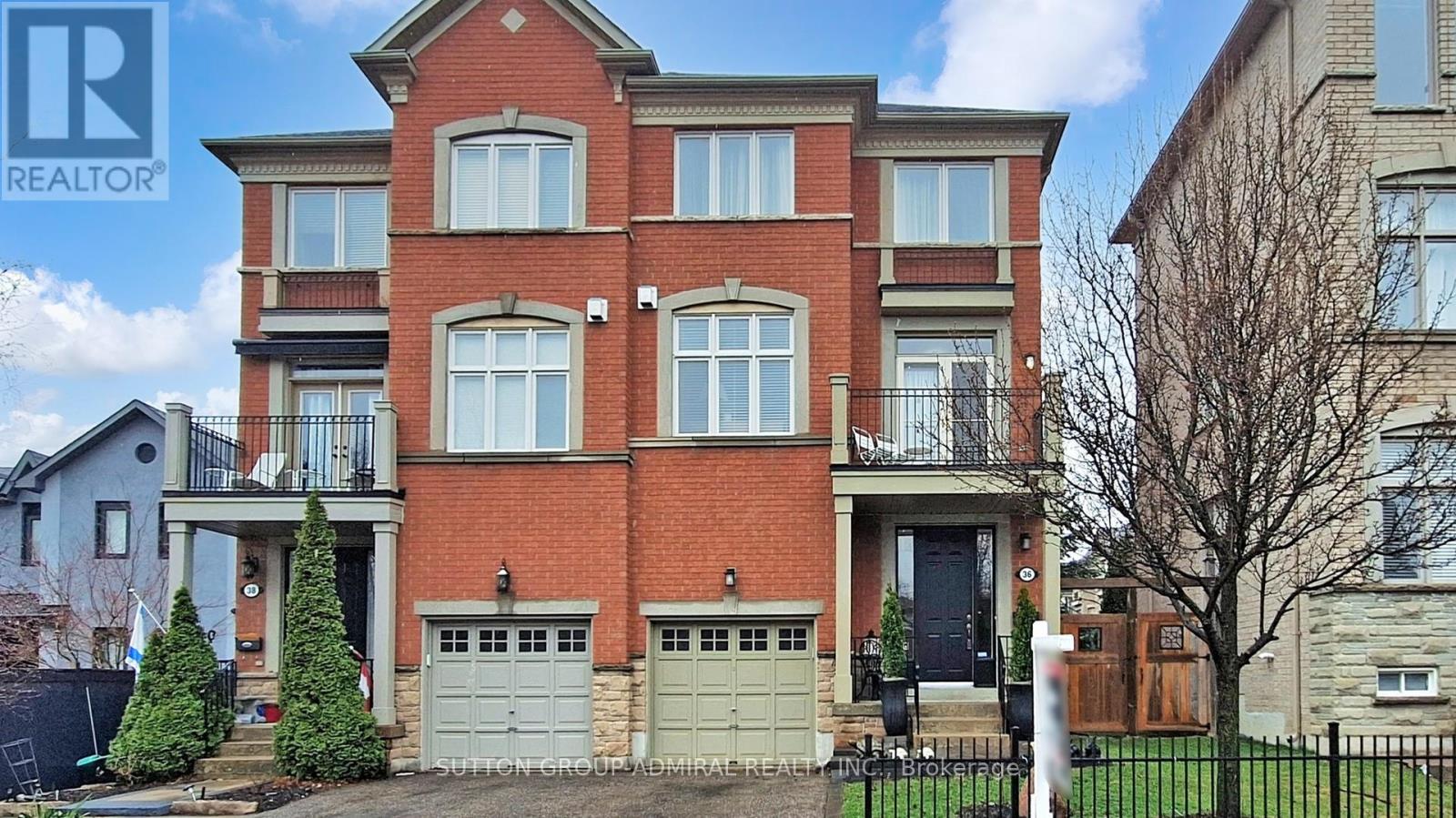 For Sale
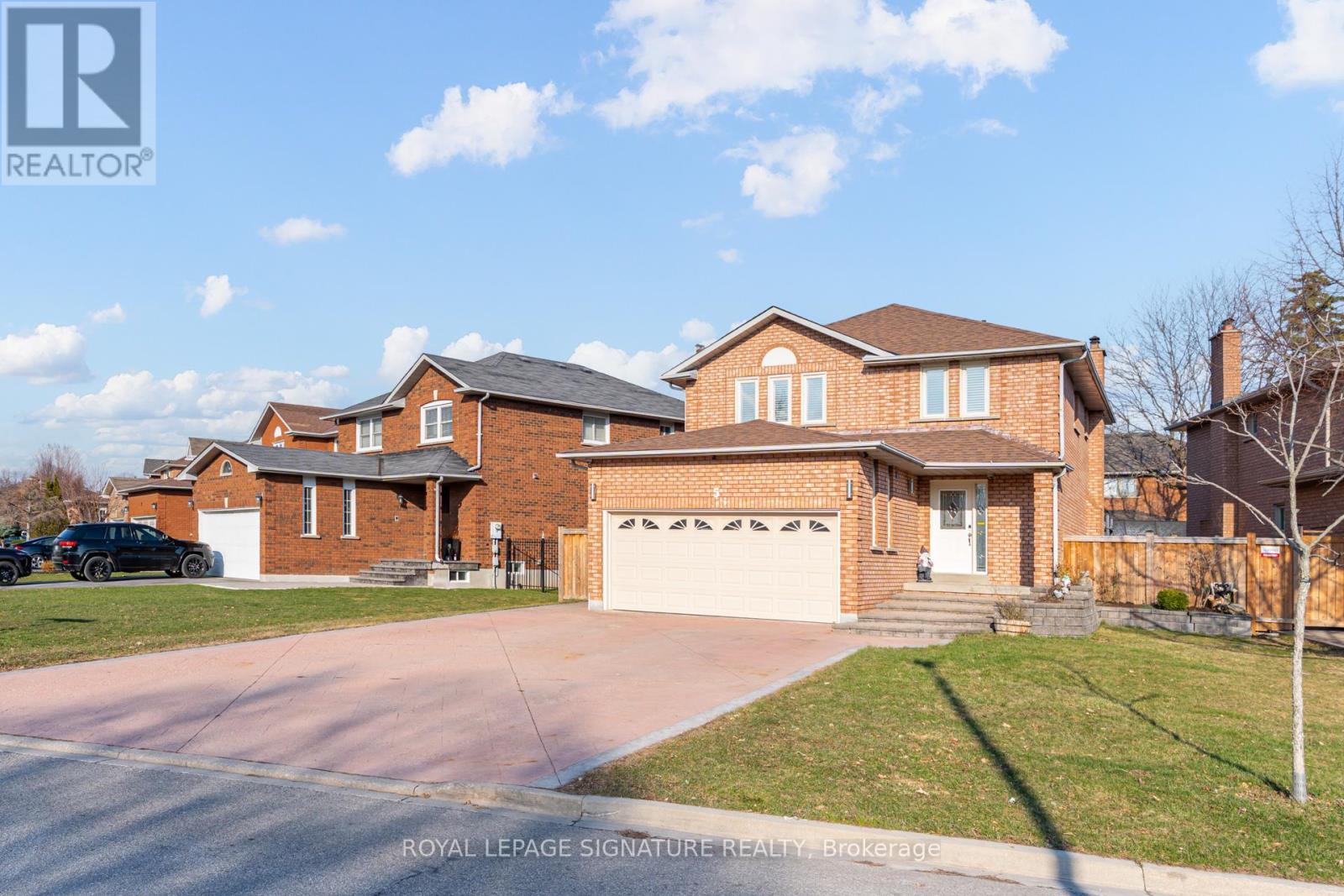 For Sale
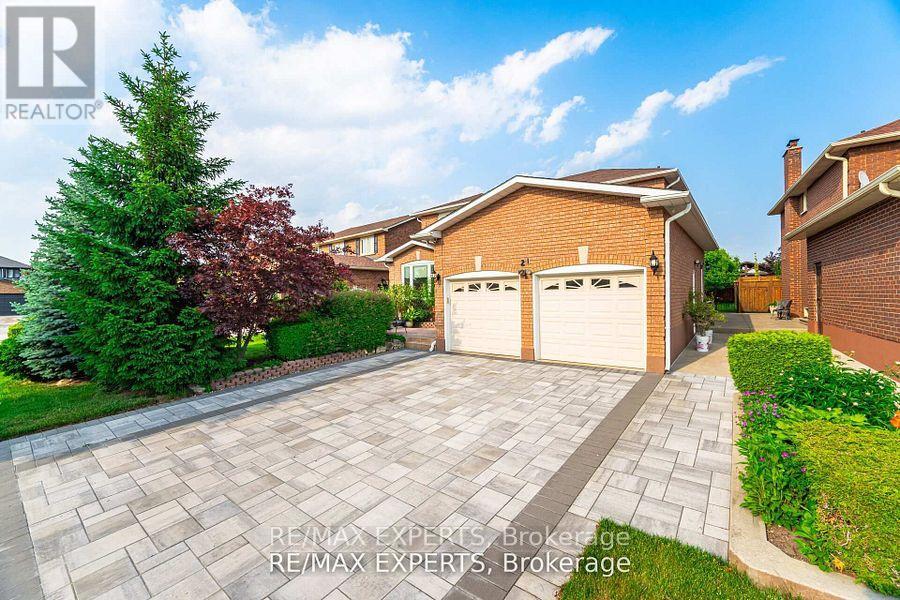 For Sale
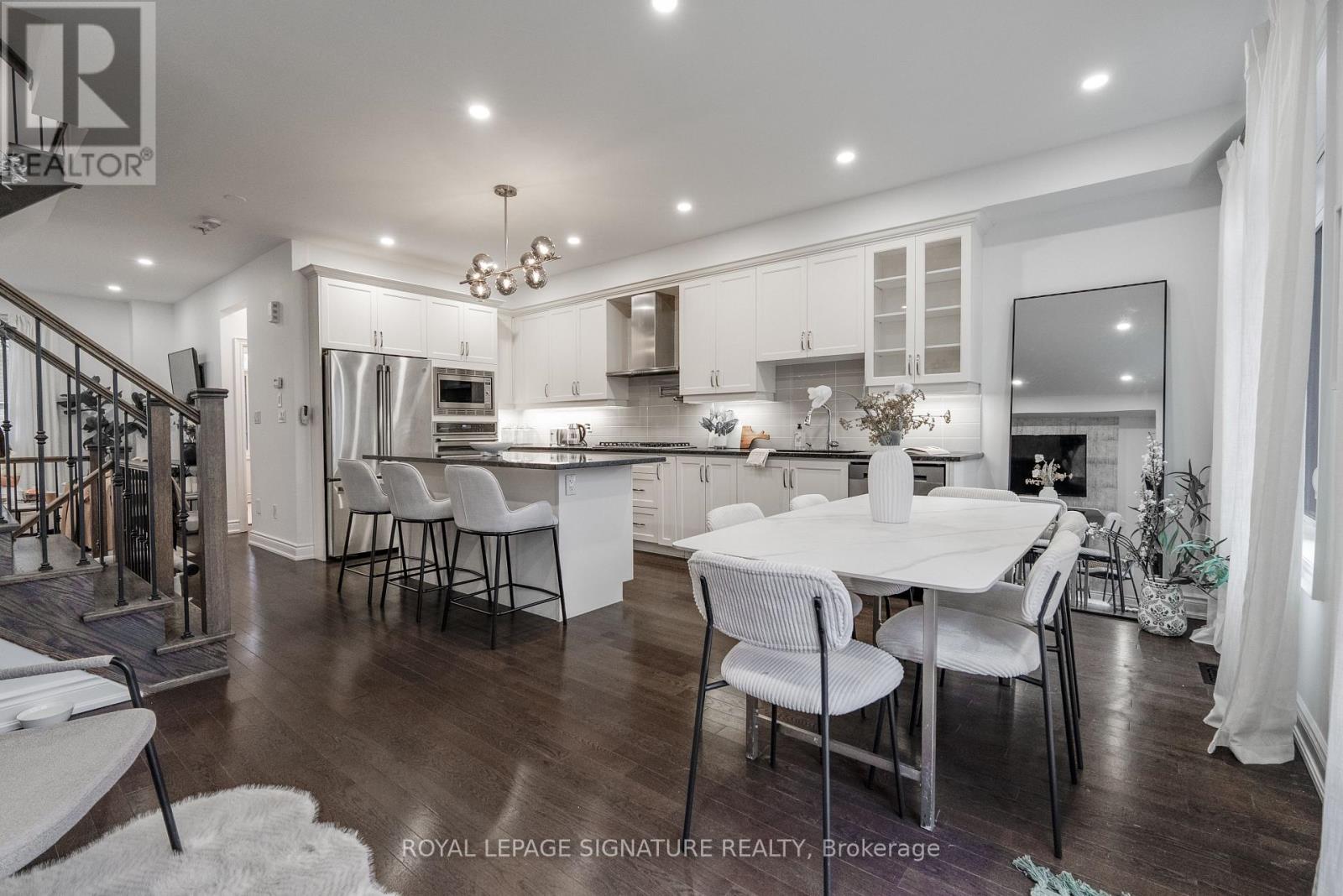 For Sale