
East York is the former Borough of East York, offering post-war bungalows and semis on quiet residential streets with driveways and usable yards. Taylor Creek ravine runs through the area, Stan Wadlow Park anchors the community, and the Danforth subway corridor is accessible from the southern boundary. Detacheds range from $900K to $1.5M depending on location and condition.
East York was its own municipality until 1998, when it amalgamated into the City of Toronto along with the other boroughs. That independent history matters for understanding the neighbourhood’s character. East York was built predominantly for working families in the post-war decades, and the housing stock, municipal services, and neighbourhood organisation reflect that. It’s a practical place, well-maintained in a way that speaks to homeowners who take care of what they own, and it has the kind of community infrastructure, parks, community centres, local institutions, that comes from having been a self-governing entity for most of its existence.
Geographically, East York occupies the territory roughly from the Don Valley Parkway east to Victoria Park Avenue, and from the Danforth corridor in the south up to O’Connor Drive and the Taylor Creek ravine in the north. This is a larger area than a single neighbourhood in the Toronto sense, and it contains meaningful variation: the blocks closest to Leaside on the northwest side have a different feel and price point than those approaching Victoria Park Avenue on the east. Understanding which part of East York you’re looking at matters.
The housing stock is dominated by post-war bungalows and semis. These are not the Victorian semis of Playter Estates; they’re smaller-footprint, more practical homes built to house families returning from the war and the wave of immigration that followed. Many have been renovated extensively over the decades, with second floors added to original bungalows, basements finished and converted, and kitchens updated to reflect the preferences of successive owners.
What East York offers that a lot of Toronto can’t is real value in the freehold category. You can still find a detached home with a driveway and a usable yard in this municipality at a price that leaves some room in the budget for life. That’s an increasingly rare proposition in inner Toronto, and it’s why East York continues to attract first-time buyers and families who need the space and the practicality that a post-war bungalow or semi provides.
East York’s housing stock is primarily bungalows and two-storey semis from the 1940s through the 1960s, with a smaller proportion of detached two-storey homes. The bungalow is the defining housing type: brick exterior, three bedrooms on the main floor (or two with a converted third), basement that has often been partially or fully finished, and a rear yard accessed through the kitchen or a side door.
These homes were built to last. The brick construction common to this era holds up well, and many of these houses have provided comfortable shelter for 70 or 80 years with reasonable maintenance. The trade-off is that they’re small by contemporary standards. Main floor living space of 900 to 1,100 square feet is common. Families who’ve grown accustomed to new construction square footage will find bungalows in East York feel tight for more than two or three people unless the basement is fully finished and functional as additional living space.
A substantial number of East York bungalows have had second floors added over the decades. These additions vary enormously in quality. Some are professionally designed and structurally sound, adding two bedrooms and a full bathroom above the original main floor. Others were added without permits or with less rigorous construction standards, and these can present issues on inspection and in the insurance process. When you see a bungalow listing with “addition” in the description, it’s worth understanding the history and condition of that addition specifically.
Lot sizes in East York are typically more generous than in the Victorian streets of the inner east end. A 35-to-45-foot frontage with a 100-foot-plus lot depth is common, which provides meaningful rear yard space and, for some lots, serious potential for a garden suite or secondary structure. Driveways are standard rather than exceptional, which is a meaningful practical difference from neighbourhoods where rear lane access is the only off-street parking option.
Buyers looking for a livable home with outdoor space and parking at a price point that allows some budget for improvement will find East York one of the more compelling options in the Toronto market in 2026.
East York covers a wide price range because it covers a large geographic area with meaningful internal variation. A detached bungalow on a quiet street close to Leaside, with updated mechanicals and a finished basement, can approach $1.4 to $1.5 million. A similar bungalow in more original condition on a street approaching Victoria Park Avenue might be in the $900,000 to $1.1 million range. Understanding which part of East York a given property sits in, and how that affects value, is fundamental to buying here intelligently.
The market in East York is less consistently competitive than the Danforth’s Victorian stretches. There are competitive situations, particularly for well-priced homes in the more desirable western and central pockets, but there’s also more room to negotiate than in North Riverdale or Playter Estates. Properties with deferred maintenance or dated interiors may sit for several weeks, and patient buyers sometimes find that a flexible timeline rewards them with better terms.
The bungalow market in particular has been supported by investor interest alongside the owner-occupier buyer pool. Bungalows with good lot dimensions attract buyers who plan to add a second floor or build a garden suite, which has put a floor under certain segments of the market even when broader conditions soften. This is relevant context for buyers who are comparing East York properties on a pure price-per-square-foot basis: the land value and the potential it represents are often as significant as the existing building.
Rental income potential is high in East York, both from existing basement suites and from secondary structures that are now permissible under current zoning. This influences the buyer mix and the price dynamics. A bungalow with a self-contained basement unit will typically attract investors as well as owner-occupiers, and the competition from that investor pool affects what owner-occupiers need to be prepared to pay.
First-time buyers find East York among the more accessible entry points to Toronto freehold real estate. At the lower end of the price range, homes exist here that require a smaller down payment than equivalent-use properties in more established inner-city neighbourhoods, and that arithmetic matters for households who’ve been saving for a purchase in a high-cost market.
East York draws a genuinely diverse buyer pool. The area’s value relative to the inner east end makes it accessible to first-time buyers, newcomer families, and owner-occupiers who need practical space and don’t want to pay a premium for Victorian architecture or a neighbourhood name. The variety within East York itself means different pockets attract different buyer profiles.
First-time buyers are a significant presence, particularly in the $900,000 to $1.2 million range. These are often couples or small families who’ve saved for several years, have family help with part of the down payment, and are ready to stop renting and start building equity. They’re looking for something livable and practical, not a statement. The bungalow suits this buyer well: it’s manageable, it has a yard, it has parking, and it leaves room in the budget to improve the kitchen or finish the basement over the first few years of ownership.
Families with children who need more space than a condo provides and more budget discipline than the inner east end demands make up another substantial group. They want good schools, parks within walking distance, and residential streets that feel safe and livable. East York delivers on all three, and the Taylor Creek ravine access and the neighbourhood’s park system give these families outdoor space that’s genuinely useful rather than just aesthetically pleasant.
Newcomers to Toronto, particularly those from communities with existing East York connections, continue to be part of the buyer mix. East York has historically attracted immigrants from diverse backgrounds, and some parts of the old borough have cultural community infrastructure that makes them particularly appealing to people arriving from specific countries or regions. Community institutions, religious organisations, and social networks that already exist in a neighbourhood are real assets for a family establishing itself in a new city.
Investors and developers who see value in the lot sizes and the garden suite potential are also active, though they tend to compete specifically for properties where the lot dimensions and rear access support their plans rather than for the full inventory.
East York covers enough territory that street-level differentiation matters more here than in smaller, more contained neighbourhoods. The old borough has several sub-areas with distinct characters, and buyers who treat East York as a uniform area will find significant surprises when they look at specific properties.
The northwestern corner of East York, bordering Leaside and approaching the DVP, contains the most expensive streets in the area. Properties here share some of the Leaside adjacency premium. Streets like Donlea Drive and the blocks around Flemingdon Park and O’Connor in the north carry higher prices and often better housing condition, because the buyer pool for these locations includes people who are slightly priced out of Leaside proper but want to be close to it.
The O’Connor Drive corridor is the spine of East York’s northern residential territory and has its own character distinct from the Danforth-facing southern streets. O’Connor is a busy arterial, and the streets off it to the north and south each have a different feel. The residential streets between O’Connor and the Taylor Creek ravine are among the most pleasant in the area, with access to the ravine trail system a short walk from most front doors.
The central East York streets, around Woodmount Avenue, Torrens Avenue, and the blocks between O’Connor and Danforth in the middle of the borough, are solidly residential and represent the most typical East York experience. These are quiet streets of brick bungalows and semis, with consistent lot sizes, good tree cover on the established blocks, and the kind of stable residential character that hasn’t changed dramatically in 40 years.
The eastern portion, approaching Victoria Park Avenue, offers the lowest prices within East York and also the most variation in condition. This is where buyers with the most budget sensitivity find the most options, but they need to do careful due diligence on condition because the variation here is higher than in the more established western pockets.
Transit access in East York depends significantly on which part of the old borough you’re in. The southern edge along the Danforth corridor has subway access at multiple Line 2 stations, including Pape, Donlands, Woodbine, and Main Street, within a manageable walk for properties close to Danforth. The further north you go within East York, the more reliant on buses you become, as the subway runs along Bloor-Danforth at the southern boundary rather than through the interior of the borough.
The O’Connor Drive bus route and the Victoria Park bus route provide the primary north-south transit in East York, connecting residential streets to the Danforth subway and to the Eglinton corridor to the north. The Eglinton Crosstown LRT, when operational, will add a new east-west transit option along Eglinton Avenue, which skirts the northern edge of East York territory. This is potentially meaningful for residents of the northern parts of the old borough who currently rely primarily on buses to reach subway stations.
Bus frequency on the East York routes is adequate rather than exceptional during peak hours. Off-peak frequency, particularly evenings and weekends, is the usual TTC service level for bus routes, which means transit-dependent households need to plan around the schedule more than they would on a subway line. This is a real consideration for buyers comparing East York to the Danforth subway corridor addresses to the south.
Driving access is good throughout East York. The DVP is accessible from the western edge via the Bayview and Millwood connections, and the 401 is reachable via Victoria Park Avenue or the DVP within 15 to 20 minutes under normal conditions. Most streets in East York have driveways, so parking for households with vehicles is straightforward and not the source of stress it can be in inner-city neighbourhoods without off-street options.
Cycling within East York is manageable on the residential streets, and the Taylor Creek trail provides a car-free route connecting much of the neighbourhood to the Don Valley trail network. Commuting by bike to downtown takes 30 to 40 minutes for riders in reasonable condition, which is competitive with transit for many origin-destination combinations in the morning rush.
Taylor Creek Park is East York’s most significant natural feature and one of the underappreciated green assets in the Toronto east end. The creek and its ravine run east-west across the old borough, connecting to the Don Valley ravine system at the western end. The trail along Taylor Creek is used for walking, running, and cycling, and the ravine environment gives the experience a quality that’s distinctly different from a park in the city sense. You’re in the creek valley, surrounded by trees, with the ambient sounds of the water and the birds rather than the street.
Access to Taylor Creek Park is available from multiple points along O’Connor Drive and from several of the residential streets that back onto the ravine slope. Properties adjacent to or close to the ravine access points tend to price accordingly, because the ability to step from your street directly into the ravine trail is genuinely unusual and valuable in an inner-city context.
Stan Wadlow Park is East York’s large municipal park, with a community centre, sports facilities, and programming that serves the borough’s residents across age groups. It’s a full-service neighbourhood park of the type that East York’s independent municipal history ensured was built and maintained properly, and it continues to serve as a community hub for the surrounding streets.
Dentonia Park on Kingston Road and Dawes Road is another significant recreational space in the eastern portion of East York, with a golf course, trails, and open space that functions as a meaningful green asset for the eastern sections of the old borough. For residents of the eastern East York streets, Dentonia adds a recreational dimension that might otherwise require travelling further for.
The neighbourhood also benefits from the connection to the broader Don Valley green corridor. From Taylor Creek the trail system connects west to the Don Valley main trail and its connections north to Crothers Woods and south to the lake. This is a recreational infrastructure asset that goes well beyond what the individual parks would suggest, and it’s one of the things that gives the East York residential streets adjacent to the ravine a quality of daily life that’s hard to find in comparable housing at this price range.
East York doesn’t have the kind of concentrated, destination commercial strip that the Danforth or Leslieville offers. The retail and service landscape here is more distributed: there are commercial nodes along O’Connor Drive, at Victoria Park and Danforth, along Cosburn Avenue, and in the smaller street-level retail clusters that serve individual residential blocks. This is a practical commercial landscape rather than a curated one, and it suits the neighbourhood’s character.
The Danforth Avenue commercial strip is accessible from most parts of East York by a short bus ride or bike ride south. This effectively extends the retail and dining options for East York residents into the Greektown concentration and beyond. Residents who want the Danforth’s restaurant and specialty food offer don’t need to live directly on the strip; they can access it from a quieter street a few minutes away.
O’Connor Drive has the most consistent commercial presence within East York proper, with grocery options, pharmacies, hardware, and the day-to-day services that residential neighbourhoods require. The concentration is modest but functional. Victoria Park Avenue at its intersections with Danforth and O’Connor has larger format retail including grocery stores and chain services that give East York residents access to that kind of shopping without going to a mall.
The Scarborough Town Centre is the large-format shopping destination for East York’s eastern residents, accessible within 15 minutes by car. For big-box retail, hardware, and the kind of shopping that requires a car and a large trunk, this is the realistic option. The Beaches is accessible to the south for East York residents who want a more characterful retail and restaurant experience than the local strips offer.
Independent businesses in East York proper tend toward the practical: an independent hardware store on O’Connor, a family-run butcher, a pharmacy that’s been in the same location for 20 years. The neighbourhood’s commercial character matches its residential one: practical, durable, and not particularly concerned with being fashionable.
East York sits within the Toronto District School Board and the Toronto Catholic District School Board. Because the old borough covers a large area, there are multiple elementary schools serving different pockets, and which school a property falls into depends on its specific address. The schools most closely associated with East York residential areas include East York Elementary School, George Webster Elementary School, and several others distributed across the territory. School reputation and community character vary by location, and buyers who are making a school-catchment-sensitive decision need to verify the specific elementary school for any given address before placing that decision weight on it.
East York Collegiate Institute is the secondary school with the strongest historical connection to the old borough. Located on Cosburn Avenue, it has a long history as an east Toronto high school and offers a range of programs including academic, arts, and cooperative education streams. Like most Toronto public high schools, the quality of the experience is shaped by the program choices a student makes rather than the school’s overall ranking. Families who engage with those choices tend to find a school that serves their children’s needs.
The TDSB’s east end also has schools with alternative programs, French immersion, and arts-focused programming that draw students from across the district rather than solely from the local catchment. Families interested in these programs apply through the board’s process directly, and the local catchment school does not affect eligibility.
Catholic school families in East York fall within the Toronto Catholic District School Board’s east end boundaries. Several Catholic elementary schools serve the area, with secondary students typically attending Neil McNeil Catholic Secondary School or other east end TCDSB schools. As with the public board, specific catchments require direct confirmation with the board.
East York’s family-oriented character means that school communities in this area tend to have good parent involvement and established community programs. Children on many East York streets attend the same school as neighbours, which strengthens the social fabric of both the school and the residential community around it.
East York is experiencing the same gentle intensification pressure as most of the old inner Toronto municipalities. The large lot sizes common to the post-war bungalow streets have made this area a significant beneficiary of the garden suite and laneway house policies that the city approved from 2018 onwards. On many East York streets, the lots have the depth and rear access that make these secondary structures viable, and construction of garden suites has been increasing steadily as owners recognise the income or family accommodation potential.
The Eglinton Crosstown LRT, when it eventually opens, will bring light rail transit along Eglinton Avenue and is anticipated to stimulate development along that corridor in the areas immediately north of East York. Some of that development energy may extend into northern East York over time, though the residential streets well south of Eglinton are unlikely to see direct development pressure as a result of the LRT.
The major commercial corridors adjacent to East York, including the Danforth and portions of O’Connor and Victoria Park, are subject to the city’s avenue intensification policies. Mid-rise residential and mixed-use development on these streets is consistent with both city planning direction and with the market forces that make corner lots and older commercial buildings on avenue-designated streets candidates for redevelopment. Buyers near these commercial edges should understand that the low-rise buildings visible from a residential street may eventually be replaced by something taller, though the pace of this process is typically slow.
Infrastructure in East York, as in North Riverdale and other established inner Toronto municipalities, has aging components. The city carries out ongoing capital works programs to replace water mains, sewers, and road surfaces on a rolling schedule. This occasionally means construction disruption on specific streets, but it also means the underlying infrastructure is being maintained rather than ignored. Buyers of older homes should still have their sewer lateral inspected before closing, as city work on the main doesn’t address the private portion of the drain from the house to the municipal connection.
Is East York a good option for first-time buyers in 2026?
It’s one of the better options in the city, and here’s why. You can still find a detached bungalow with a yard and a driveway in East York at prices that start below $1 million in some pockets and go to $1.3 million in the more established areas. That’s a genuinely meaningful range in a city where the alternative is often a condo or a semi in a transitional neighbourhood with no parking. The post-war housing stock is practical and durable, the neighbourhood is family-oriented and well-served by community infrastructure, and the Taylor Creek ravine access gives outdoor space that genuinely competes with what larger suburban lots offer. First-time buyers who need space, parking, and a yard, and who have done the math on what they can qualify for, regularly find East York the most workable answer in the Toronto market at their budget level. The trade-off is that transit access to the subway requires a bus trip from most interior streets, and the neighbourhood character is practical rather than urbane. Those are real trade-offs, not invented ones, and buyers who honestly prioritise them correctly tend to make a decision they’re satisfied with long-term.
What’s the difference between east and west East York in terms of price and character?
The western end of East York, closest to Leaside and the Don Valley, carries the highest prices in the old borough. The Leaside adjacency is a real factor: some buyers who’ve been priced out of Leaside proper find the western East York streets a workable alternative that gives proximity to those community amenities at a lower price point. The central streets, between roughly Woodmount and Victoria Park, represent the most typical East York experience: quiet, post-war residential, consistent in character, and priced in the mid-range of the borough’s spectrum. The eastern streets approaching Victoria Park Avenue have the most accessible prices but also the most variation in condition. The character there is still solidly residential but feels more removed from the inner-city connections that the western end shares with Leaside and North Riverdale. Buyers should identify which part of East York they’re comparing before treating the borough as a single market.
Are garden suites a realistic option in East York?
For lots with appropriate dimensions and rear access, yes. Many East York bungalow lots have the 100-foot-plus depth and lane access that make a garden suite financially and practically viable. The city’s approvals process is more established now than it was when garden suites were first permitted, and there are designers and builders who specialise in this type of construction in the east end. The financial model depends on rental income from the suite relative to construction costs, which have risen significantly since 2020. At current construction costs, a professionally built garden suite of 500 to 700 square feet runs in the $300,000 to $450,000 range depending on specification, and rents for similar units in East York are in the $2,200 to $2,800 per month range. The payback period on that investment is long, and buyers who are considering the garden suite option primarily as a financial investment should run the numbers carefully with realistic assumptions rather than optimistic ones. For buyers who want the suite for a family member or as a genuine part of their long-term plan for the property, the calculation is different.
How does East York compare to Scarborough as a buying option?
East York sits inside the old boundary of the City of Toronto (pre-amalgamation), which means it shares city infrastructure, school board structures, and proximity to the inner-city transit and amenity network that Scarborough doesn’t have in the same way. The Don Valley ravine access, the proximity to the Danforth subway, and the connection to the inner east end neighbourhoods give East York a different character than most of Scarborough, which was built as car-dependent suburban development and maintains that character on most of its residential streets. Prices in East York are generally higher than in Scarborough for comparable housing types, and the premium is real: you’re paying for proximity to established inner Toronto community infrastructure, transit access, and the neighbourhood character that comes from decades of owner-occupier investment. Whether that premium is worth it depends on how much each of those factors matters to your household’s daily life.
East York’s size and internal variation make local knowledge particularly valuable. The difference in price and character between a street in the western Leaside-adjacent section and one approaching Victoria Park is significant, and an agent who treats the whole borough as a single market will misjudge both value and desirability at the neighbourhood level.
A buyer’s agent who works regularly in East York will know which streets have had consistent owner-occupier investment and which have more absentee landlord history. They’ll know which O’Connor and Cosburn corner lots have active development applications and which bungalow blocks have seen significant garden suite construction in recent years. That kind of ground-level knowledge affects purchase decisions in ways that MLS data alone doesn’t capture.
The bungalow and post-war semi market also benefits from an agent who knows what specific renovation scenarios look like in this housing type. An addition that’s visible in listing photos but wasn’t permitted at the time of construction is a different risk profile from a well-documented renovation with permits on file. Your agent should be asking those questions before you do, and helping you understand what the answers mean for the offer you’re preparing.
First-time buyers in East York in particular benefit from an agent who spends time on the purchase process explanation rather than just the property search. Understanding how offer nights work, what conditions you can realistically include in competitive situations, and how to assess a home inspection report on a post-war house are all things that experienced buyers take for granted but first-time buyers often encounter without context. A good buyer’s agent in this market makes the process legible, not just navigable.
The East York market rewards buyers who are clear about their priorities, flexible on the specifics, and ready to move when the right property appears. Waiting for perfect rarely works in Toronto real estate; being prepared to act on good-enough-in-the-right-ways tends to produce better outcomes than holding out for a property that meets every criterion simultaneously.
Street-level knowledge is hard to find online. Our team works in East York every day. They know which pockets hold value, where the school catchment lines actually fall, and what the market is doing right now. Talk to us before you make a decision about East York.
Talk to a local agent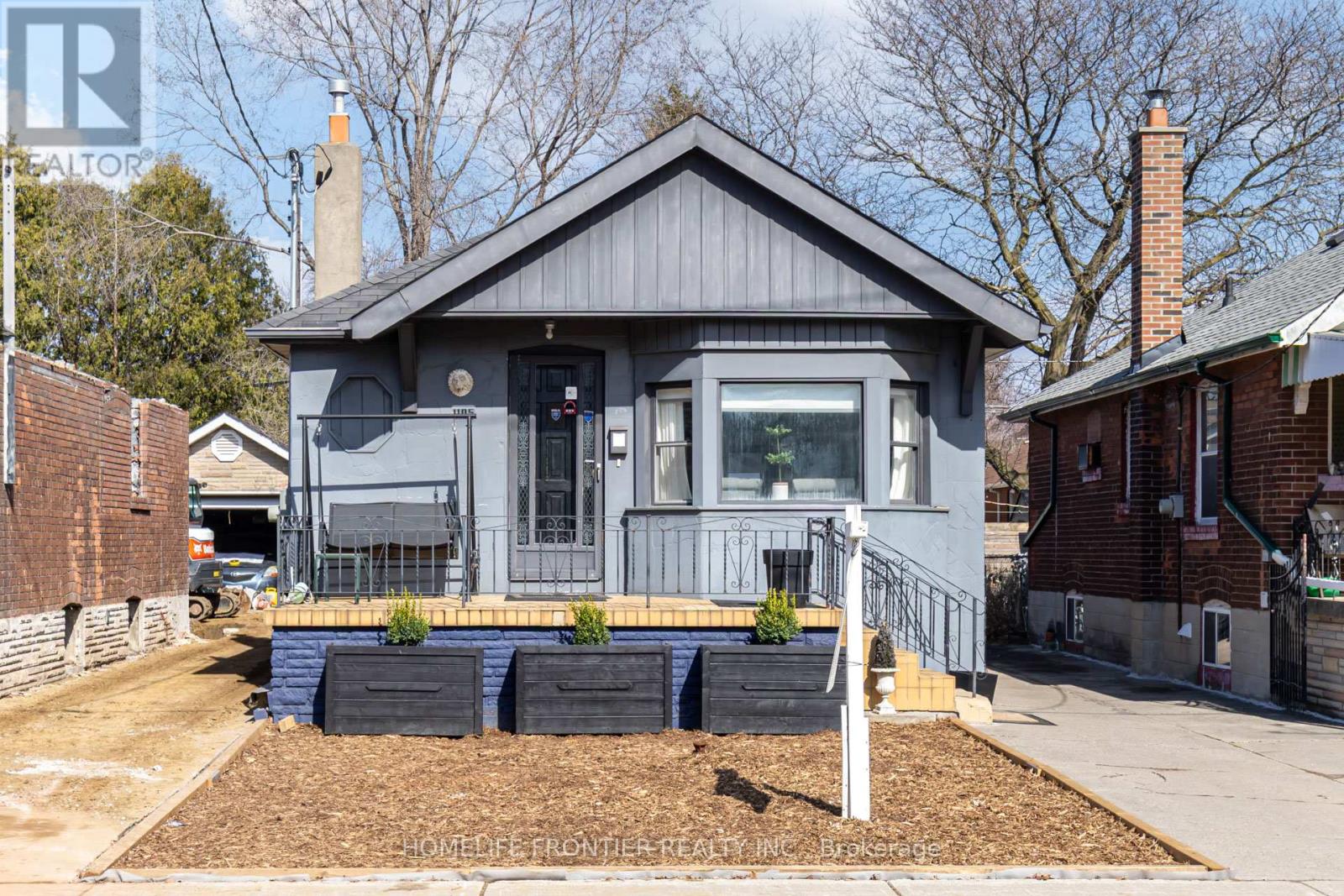 For Sale
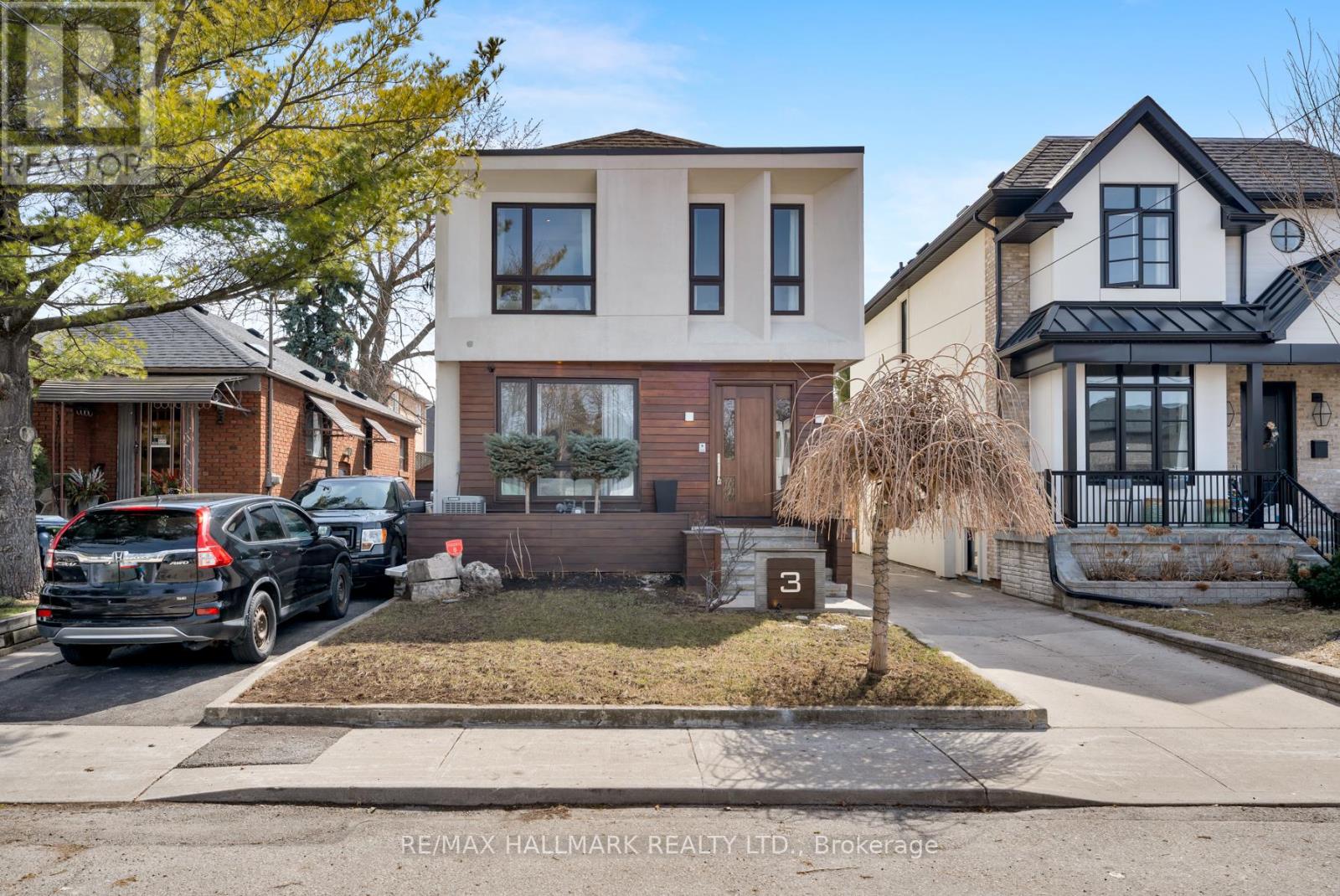 For Sale
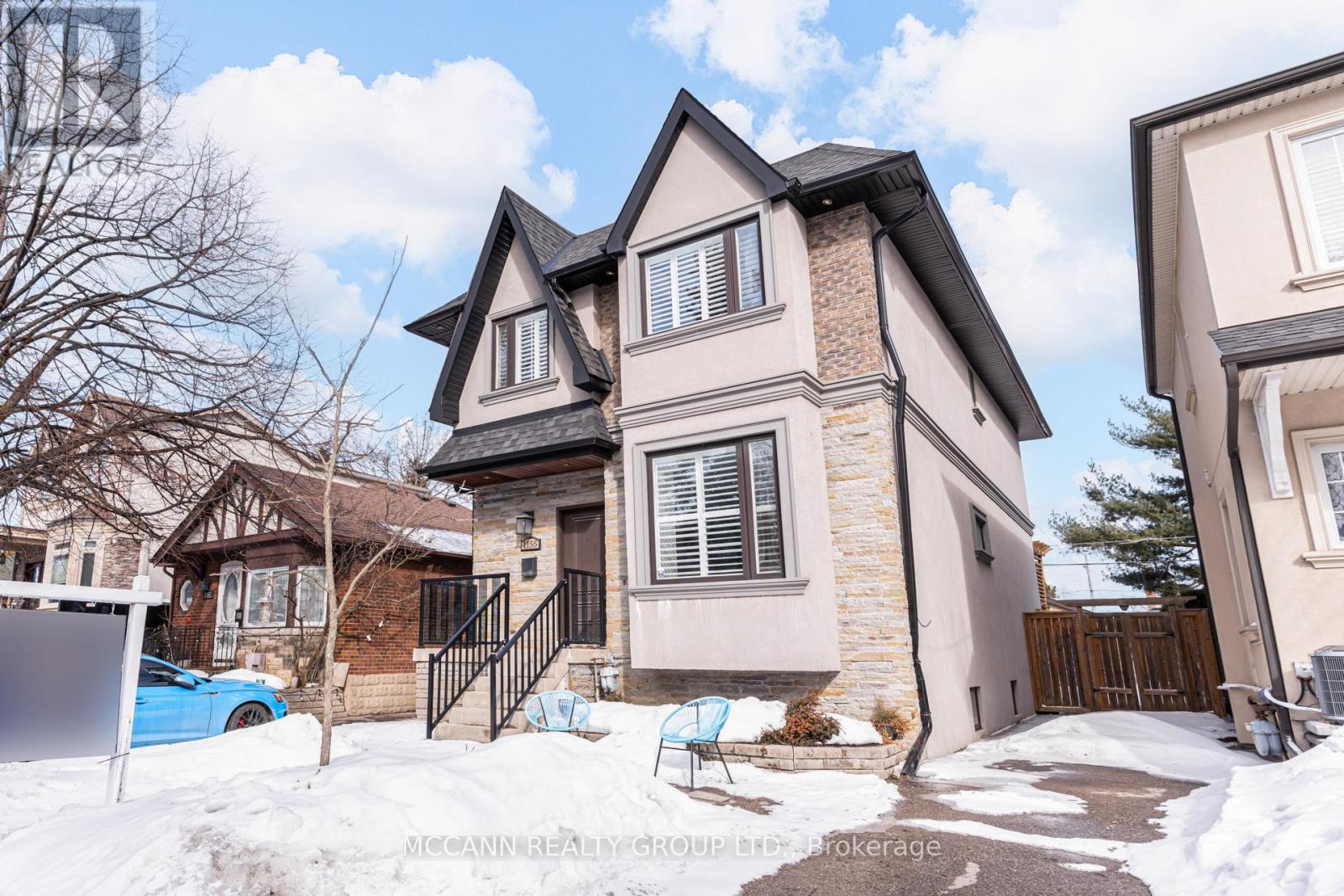 For Sale
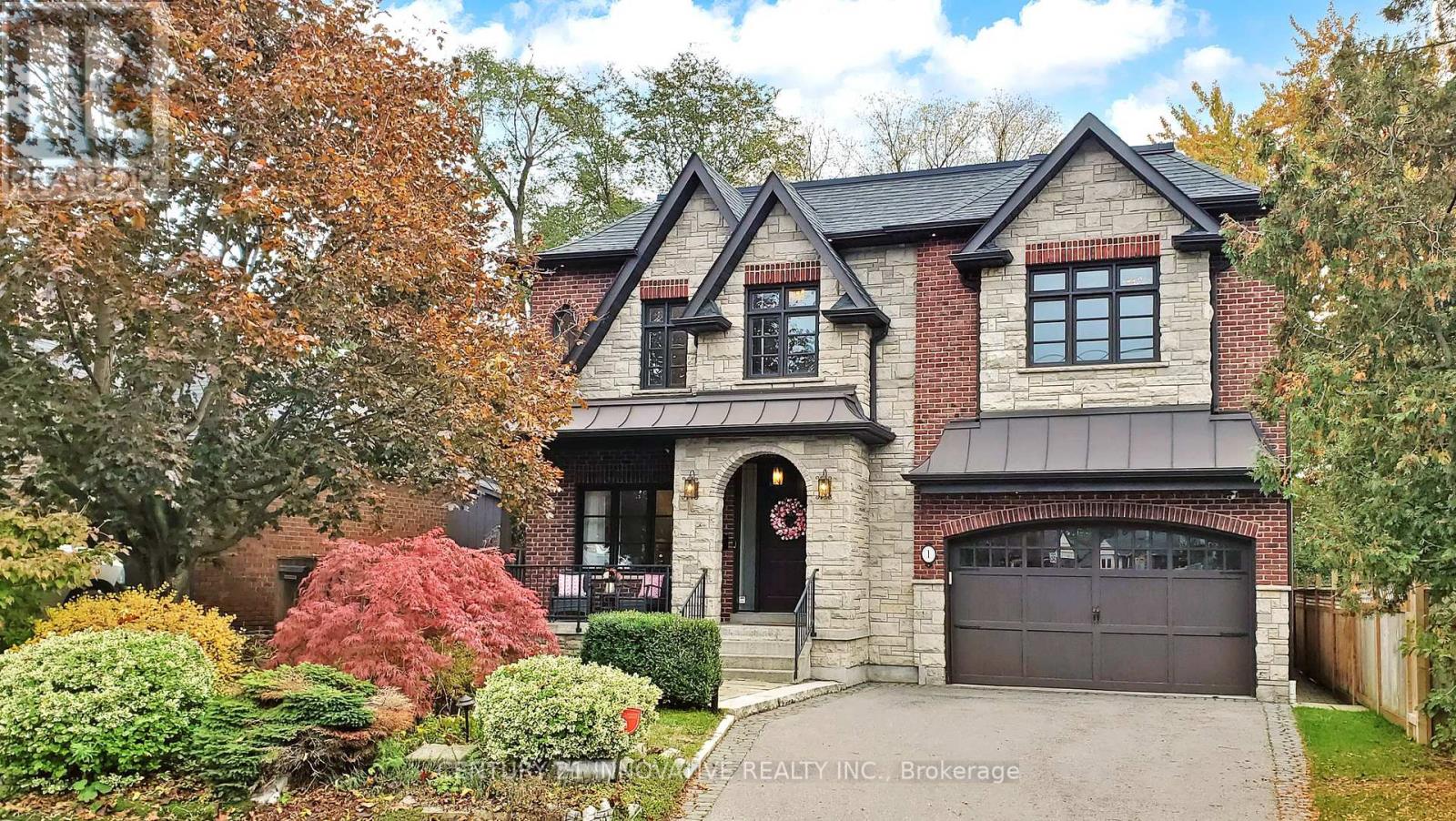 For Sale