
Eastdale is a central Oshawa neighbourhood with established residential streets, easy access to downtown, and Oshawa Centre mall. Homes here are a mix of bungalows and two-storeys from the 1960s through 1980s.
Eastdale sits in the southeast corner of Oshawa, bounded roughly by Harmony Road to the west, Bloor Street to the north, the eastern city boundary, and the CP rail corridor and Lake Ontario shoreline to the south. It covers a stretch that includes post-war bungalows near the lake and more recent detached family homes closer to Bloor. The neighbourhood’s position gives it something most of Oshawa lacks: actual proximity to the waterfront, with Lakeview Park and Second Marsh accessible to residents at the southern end.
The housing stock divides fairly cleanly by age. Streets south of Olive Avenue carry bungalows and split-levels from the 1950s through the 1970s, built when Oshawa was expanding east from its industrial core and workers needed modest homes within distance of the General Motors plants. North of Olive, the homes are larger and newer, detached two-storeys from the 1980s and 1990s that targeted a family buyer with more floor space and a larger yard. The bungalow streets are the affordability entry point; the larger northern homes are the family end of the market.
The Second Marsh is Eastdale’s most distinctive asset. It’s a provincially significant wetland along the eastern boundary, providing a natural buffer and a marsh trail with genuine ecological interest: migrating birds, open water, and the kind of natural landscape that residential streets rarely border. Buyers who value access to natural space will not find a comparable amenity in most of Oshawa’s other neighbourhoods.
Bungalows and raised bungalows from the 1950s and 1960s dominate the southern streets. These are typically 1,000 to 1,200 square feet above grade on lots of 50 to 60 feet, with basements that have often been finished to add usable space. The construction quality varies: some have been maintained carefully and updated progressively, while others have had decades of deferred maintenance that shows in the windows, furnace, and roof. In early 2026, a clean bungalow in this area is priced between $550,000 and $700,000 depending on condition, lot, and location relative to the waterfront.
The detached two-storeys north of Olive Avenue are a different market. These are 1,500 to 2,200 square foot homes on slightly smaller lots, built between 1980 and 2000, with three to four bedrooms and attached or detached garages. They’re the family home of the neighbourhood and price accordingly, typically in the $700,000 to $900,000 range for a property in reasonable condition. A fully updated home with a finished basement and recent mechanicals can push past that.
The waterfront premium exists but is modest compared to west-end Oshawa or Port Whitby. Properties with lake views or direct trail access to Lakeview Park trade at the top of the neighbourhood range. The overall market is less frenzied than it was at the 2021-2022 peak, and buyers in 2026 have more time to inspect properties and negotiate conditions, which is a practical advantage in a neighbourhood where the older bungalows in particular benefit from careful pre-purchase inspection.
Eastdale’s market operates in two distinct tiers that rarely overlap. The bungalow market on the southern streets attracts first-time buyers, investors looking for rental income, and buyers downsizing from larger homes who want single-level living at a Durham Region price. The two-storey family home market on the northern streets attracts growing families who want more space than a bungalow provides but aren’t ready for the prices in Whitby or Pickering.
Transaction volume in Eastdale is fairly consistent. The neighbourhood doesn’t see the sharp seasonal swings of more premium markets because the buyer pool is price-driven rather than school-catchment-driven. Properties come to market throughout the year, though spring still produces the highest volumes. Days on market in early 2026 average around three to four weeks, longer than the peak years but not distressed. Sellers who price correctly for current conditions move properties; sellers pricing to 2022 comps sit.
Investors are present in the bungalow market. The combination of lower purchase prices and a consistent rental market, driven partly by proximity to Durham College and Ontario Tech University campuses to the north, makes Eastdale bungalows viable as rental properties. Basement suites are common and most already have some form of secondary accommodation. Buyers intending to use the property as a primary residence shouldn’t let investor competition drive urgency — the supply in this tier of the market is reasonable and the urgency of 2021 is gone.
The primary buyer in the bungalow streets is a first-time purchaser who has been renting in Oshawa or priced out of the Whitby and Pickering markets. They’ve often been watching the market for a year or more, have a pre-approval in the $600,000 to $750,000 range, and are prepared to do some work on the property. They choose Eastdale because the price point delivers a detached home on a reasonable lot, something that’s genuinely hard to find in the rest of the GTA at that budget.
The two-storey market draws families who are already in Oshawa and upsizing. They’ve been in a smaller home, the kids have arrived, and the bungalow no longer works. They know the area, they’re comfortable with the GO commute or they work locally, and they’re choosing Eastdale because the family home format at $750,000 to $900,000 is accessible here in a way it isn’t west of Ajax. Some buyers are also coming from the Toronto suburbs, following family or employment to Durham Region and finding that Eastdale delivers the square footage they need within their budget.
A smaller but consistent buyer pool is retirees or near-retirees downsizing from larger homes elsewhere in Oshawa. The bungalow format is practical for aging in place, the Second Marsh provides a daily walking route, and the price point frees equity from a previous property. For this buyer, Eastdale’s southern streets are often the destination rather than the compromise.
Lakeview Park Drive and the streets immediately north of the waterfront are the neighbourhood’s premium pocket. The lots here back onto or face Lakeview Park, which runs along the Lake Ontario shoreline and provides a continuous green space with trails, a beach area, and lake views. Properties on these streets rarely come to market and when they do they price at the top of the neighbourhood range. The combination of lake access and bungalow format is unusual enough that buyers come from outside Oshawa specifically for these streets.
Harmony Road East forms the western boundary and carries commercial development: a strip of gas stations, fast food, and retail that’s functional rather than attractive. Homes on Harmony Road itself face traffic and noise that interior streets don’t. The interior blocks east of Harmony, particularly along Grandview Street and Adelaide Avenue, are quieter and more residential in character. These are the streets where the mid-range bungalows trade and where the improvement investment shows most clearly.
The northern section of Eastdale, the streets north of Olive Avenue approaching Bloor Street, has a more suburban feel. The homes are larger, the streets are newer, and the tree cover is thinner because the plantings haven’t had as many decades to mature. Families who prioritise house size over neighbourhood character tend to end up here. It’s a practical choice for the price rather than a characterful one.
Oshawa GO station on the Lakeshore East line is the major transit connection, located at Thornton Road and Bloor Street West — roughly a 15 to 20 minute drive from the centre of Eastdale or accessible by Durham Region Transit bus on the Harmony Road corridor. The GO train runs to Union Station in approximately 60 to 65 minutes on peak service. For residents commuting to downtown Toronto daily, the GO is practical if not fast, and the cost and parking availability at Oshawa GO make it more practical than driving the whole way.
Highway 401 is accessible at Harmony Road or Thickson Road, both within a short drive from most of the neighbourhood. The 401 eastbound connects to the 115/35 toward Peterborough and northward. Westbound, the highway carries commuters toward Ajax, Pickering, and eventually Toronto, though peak-hour congestion on the 401 through Durham Region can add substantial time to the trip. Highway 407 is accessible further north and is the better choice for commuters heading to the 407 corridor through Markham and Mississauga.
Within the neighbourhood, driving is the default for most trips. Durham Region Transit connects the main streets but frequency is limited compared to what Toronto or even Mississauga residents expect. Cycling is practical on the waterfront trail and the quieter interior streets, but the lack of dedicated cycling infrastructure on the main arterials makes it a fair-weather choice for most residents. The Second Marsh Trail is walkable and well maintained, though it serves recreation rather than commuting.
Lakeview Park is the defining public space of southern Eastdale. It runs along the Lake Ontario shoreline for several hundred metres, with a sandy beach area, a picnic zone, parking, and trails that connect east to the Second Marsh. On summer weekends the park is genuinely used by families from across east Oshawa, not just the immediate neighbourhood. The beach is swimmable in good conditions. The sunsets over the lake from this stretch are one of the things Oshawa residents consistently cite when explaining why they stay east of Whitby.
Second Marsh is an even more significant natural area. It’s a wetland complex managed in partnership between the City of Oshawa and the Central Lake Ontario Conservation Authority. The marsh trails are maintained for walking and wildlife observation and are most rewarding in spring and fall migration. Great blue herons are a regular sight. The marsh provides a genuine buffer on the neighbourhood’s eastern edge and contributes to the sense that Eastdale’s southern section has a scale and character different from the rest of urban Oshawa.
Harmony Valley Community Park serves the northern section of the neighbourhood with sports fields, a community centre, and the kind of infrastructure that family buyers look for when evaluating a neighbourhood for children. The park is well maintained and actively programmed. The neighbourhood also has smaller parkettes scattered through the bungalow streets, providing some green space relief in the denser parts of the southern grid.
Harmony Road East is the commercial spine of the neighbourhood. The Walmart Supercentre at Bloor and Harmony is the primary grocery destination for residents without a car or who want to consolidate errands. The Harmony Road corridor carries the full range of chain retail, pharmacy, and fast food that defines Durham Region commercial strips. It’s functional and covers most routine needs without a long drive.
Oshawa Centre at King Street West is the major regional shopping mall for all of south Oshawa. It carries full department store anchors, a large food court, and the brand retail that occasional shopping requires. The drive from Eastdale to Oshawa Centre is about 15 minutes on King Street. The mall was renovated in the 2010s and remains the primary enclosed retail destination in the eastern GTA outside of Pickering Town Centre.
Downtown Oshawa, a short drive north and west, has the civic services, government offices, and independent food and beverage options that the strip malls don’t offer. The downtown has gone through a revitalisation process that’s ongoing rather than completed, but there are genuine independent restaurants and cafes that have planted themselves there. For day-to-day needs, residents of Eastdale are well served within the neighbourhood and its immediate surroundings. For anything more specific, the drive to Oshawa Centre or downtown covers the gap.
Eastdale Collegiate and Vocational Institute on Harmony Road North is the catchment secondary school for most of Eastdale, giving the neighbourhood its name. Eastdale CVI runs the standard DDSB secondary program with academic, applied, and locally developed pathways. It has a vocational stream that reflects its history as a comprehensive school serving a working-class community. Secondary school catchment should be confirmed at any specific address using the DDSB school locator before purchasing, as the boundary has been subject to review given growth in north Oshawa.
Elementary schools in the neighbourhood include a set of DDSB and DCDSB (Durham Catholic District School Board) schools distributed through the residential streets. Public elementary catchments for most of Eastdale flow through schools including Harmony Public School and Donevan Collegiate — again, confirm the specific school at any address through the DDSB school locator. The Catholic system runs parallel catchments through the DCDSB. Ontario Tech University and Durham College campuses are accessible by bus from Harmony Road for post-secondary students, which contributes to the rental market for basement suites.
Buyers for whom school catchment is a significant purchasing consideration should verify boundaries carefully. The DDSB has been through boundary reviews as north Oshawa’s new secondary school prepares to open in September 2026, and those reviews have adjusted feeder patterns across the city. An agent or direct inquiry to the DDSB will give the definitive answer for any specific property.
Eastdale’s established streets are not changing rapidly. The neighbourhood’s development is effectively complete in the bungalow zones and the two-storey family home areas. The change that’s happening is more gradual: infill construction on the rare vacant lots, basement suite additions, and the ongoing renovation market that cycles through the older bungalow stock. The neighbourhood is renewing from within rather than through new development.
The Second Marsh’s protected status means the eastern boundary of the neighbourhood is stable. There is no development pressure on the wetland, which is conservation authority land and provincially significant. Buyers near the marsh can plan on the current character persisting. The Lakeview Park waterfront is similarly protected as public land and will not be developed. The natural boundaries of south Eastdale are more secure than the boundaries of most Oshawa neighbourhoods.
The GO Expansion program’s broader ambitions include increased service on the Lakeshore East line, which would benefit Oshawa GO station and by extension all of south Oshawa including Eastdale. Additional peak and off-peak trips are planned as part of the GO Expansion program, though specific timelines have shifted repeatedly. The direction of travel is toward more frequent service; the pace is slower than originally projected. For buyers who plan a long-term hold in Eastdale, improved GO service would make the commute more practical and would be a positive for property values.
Q: What are home prices like in Eastdale in 2026?
A: Bungalows and raised bungalows on the southern streets are priced from roughly $550,000 to $700,000 depending on condition, lot size, and proximity to the waterfront. A well-maintained bungalow with an updated kitchen and bath, decent mechanicals, and a finished basement will be toward the top of that range. A property that needs significant work will be toward the bottom. Detached two-storeys on the northern streets closer to Bloor run $700,000 to $900,000 for a family home in reasonable condition. Waterfront-adjacent properties near Lakeview Park price at the top of the neighbourhood range and have very limited supply. These figures reflect the 2026 market, which is softer than the 2021-2022 peak and gives buyers more time and room to negotiate than was available three years ago.
Q: How is the GO train commute from Eastdale?
A: The Oshawa GO station on the Lakeshore East line is the access point for transit commuters. It’s roughly a 15 to 20 minute drive from the southern and eastern parts of Eastdale. The train runs to Union Station in approximately 60 to 65 minutes on peak service. That’s a real commute time: long enough that it changes how you plan your day, but manageable for people who use the time productively. Parking at Oshawa GO is available and not the bottleneck it becomes at stations closer to Toronto. The GO Expansion program is adding service to the line over time, which would reduce wait times at off-peak hours.
Q: Is the Second Marsh accessible to residents?
A: Yes. The Second Marsh Wildlife Area has maintained trails accessible from the eastern end of Eastdale. The Central Lake Ontario Conservation Authority manages the area and the trails are open year-round for walking and wildlife observation. Spring and fall migration bring the highest birdwatching interest. The marsh is genuinely significant ecologically and the trail system is a practical daily amenity for residents of the adjacent streets. There is no charge to use the trails and the parking area is accessible from Farewell Street.
Q: What schools serve Eastdale?
A: Eastdale Collegiate and Vocational Institute on Harmony Road North is the catchment secondary school for most of the neighbourhood. Elementary school catchments are distributed across several DDSB schools; the specific school for any address should be confirmed using the DDSB school locator at ddsb.ca. The DDSB is adding a new secondary school in north Oshawa opening September 2026, which has triggered boundary reviews across the city — verify current catchment boundaries directly rather than relying on historical neighbourhood-level guidance. Catholic families are served by the Durham Catholic District School Board (DCDSB), which runs parallel elementary and secondary catchments through this area.
Eastdale’s development followed the growth of the General Motors complex in Oshawa, which expanded significantly through the 1950s and 1960s and drew workers who needed housing in the eastern part of the city. The bungalow streets of south Eastdale date from this period: modest, well-built working-class houses on serviceable lots, designed for families with a single earner working at GM or related manufacturing. The neighbourhood’s name comes from its secondary school, Eastdale Collegiate and Vocational Institute, which opened to serve the growing eastern residential area and has been a catchment anchor for the community since.
Lakeview Park predates the residential development that surrounded it. The park and waterfront area were established as public land early in Oshawa’s municipal history and have been maintained as such. The Second Marsh, east of the park, was recognised as a significant natural area through the conservation authority system and protected from the residential development that consumed the rest of the eastern shoreline. That protection decision, made in the mid-20th century, is the reason the marsh exists intact today and is now considered a provincially significant wetland.
The northern part of Eastdale developed later, through the 1980s and 1990s, when the housing format shifted from the post-war bungalow to the two-storey family home. By this point, GM employment was still significant but no longer the sole driver of east Oshawa residential demand. Durham College and Ontario Tech University (then UOIT) were emerging as employment and student-housing generators. The neighbourhood’s buyer profile diversified from its working-class manufacturing base to include families from a range of employment backgrounds, a shift that continues today as Oshawa’s economy evolves beyond its automotive roots.
Street-level knowledge is hard to find online. Our team works in Eastdale every day. They know which pockets hold value, where the school catchment lines actually fall, and what the market is doing right now. Talk to us before you make a decision about Eastdale.
Talk to a local agent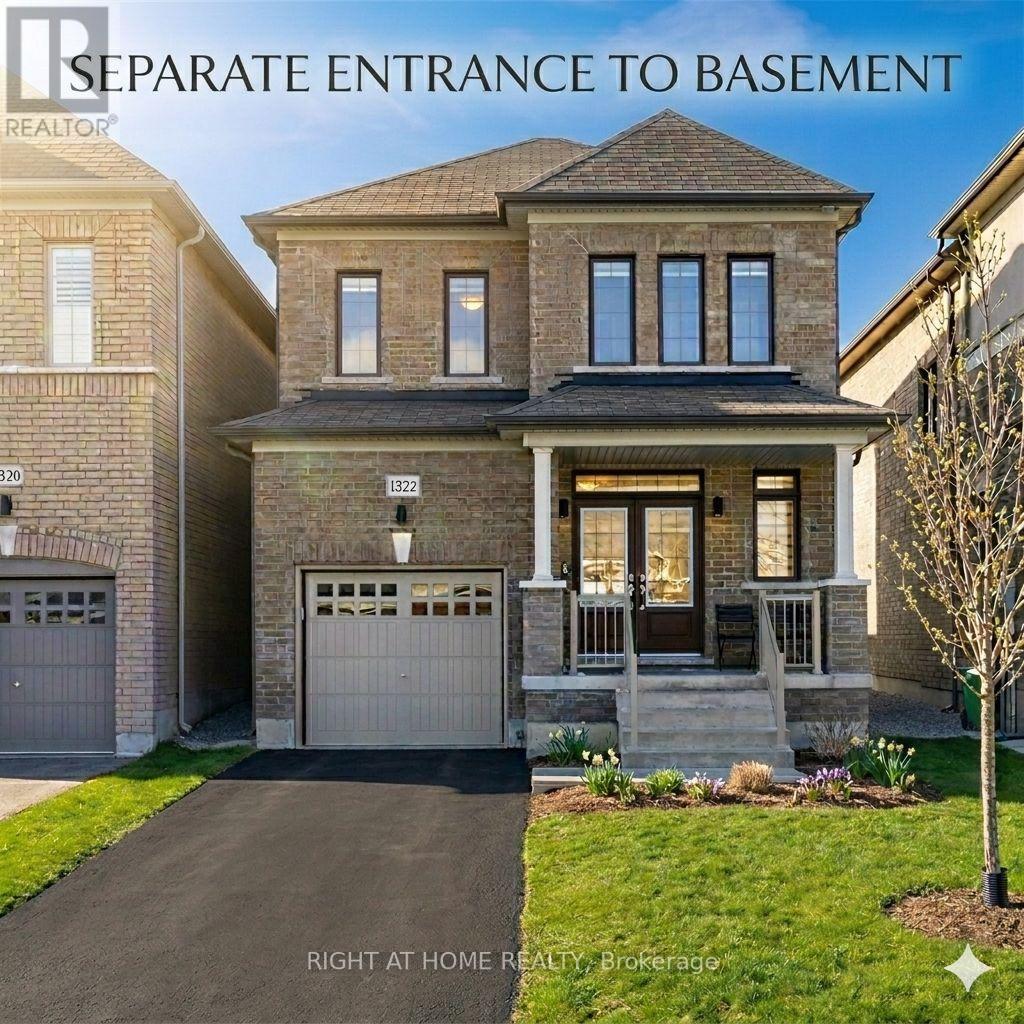 For Sale
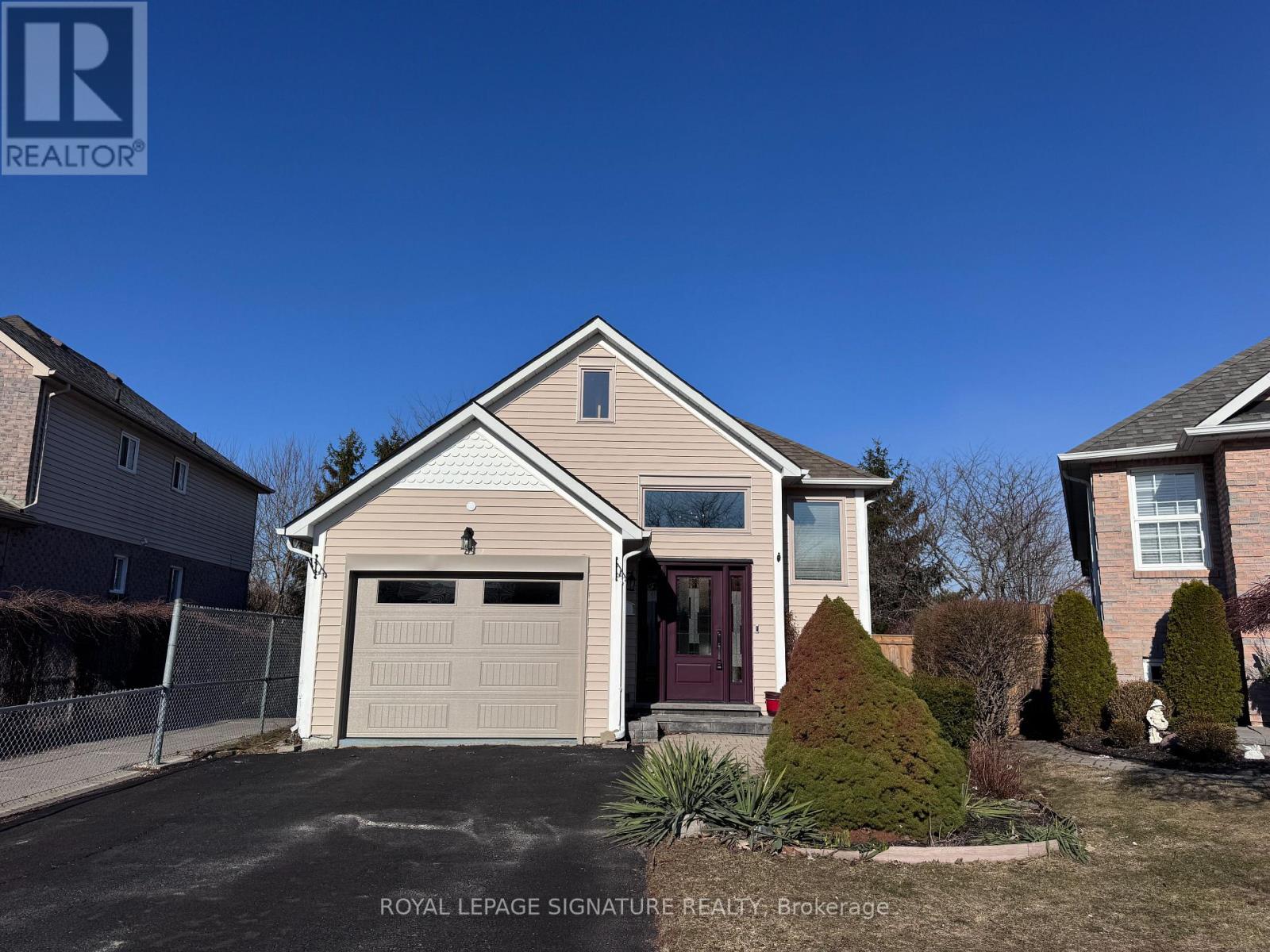 For Sale
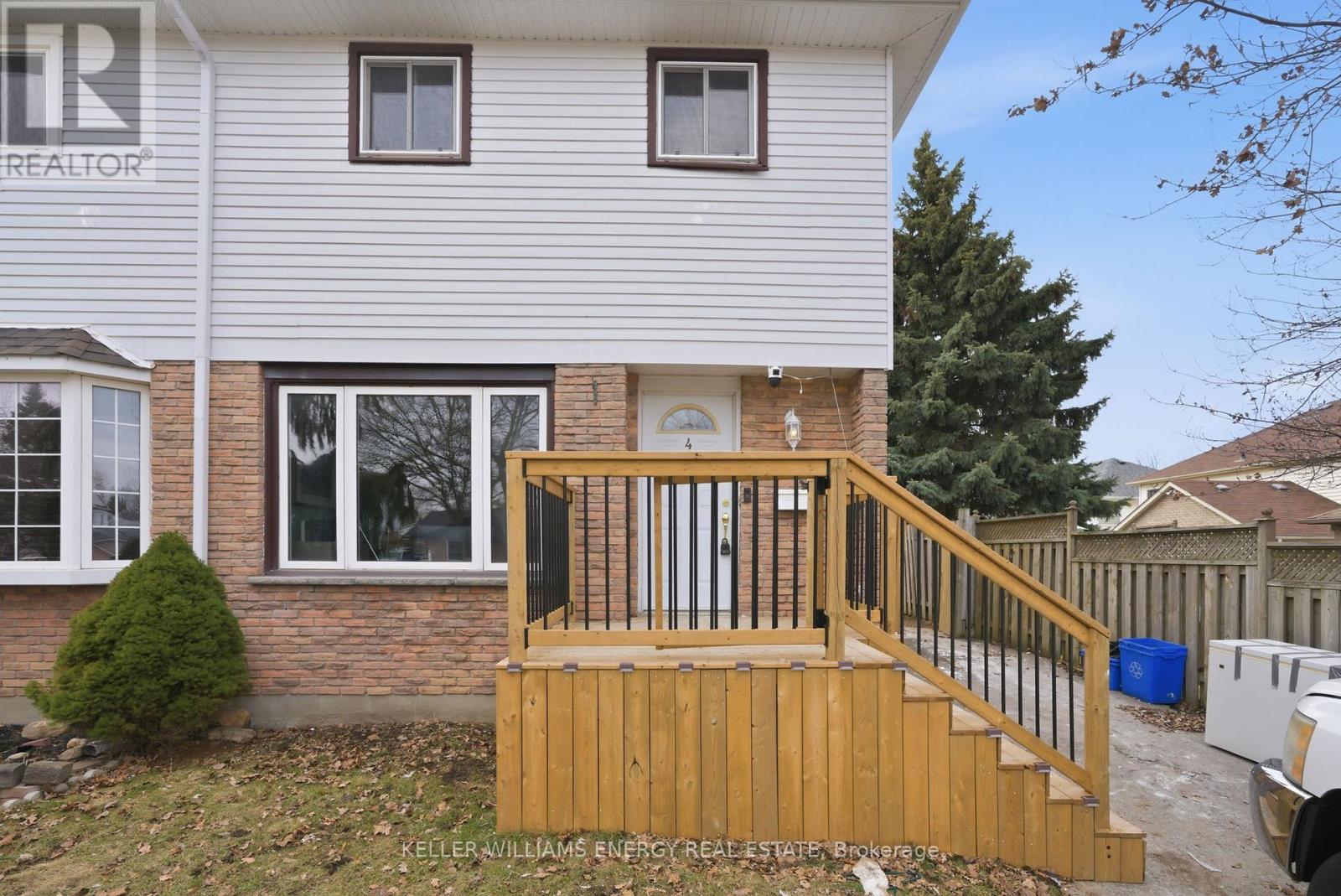 For Sale
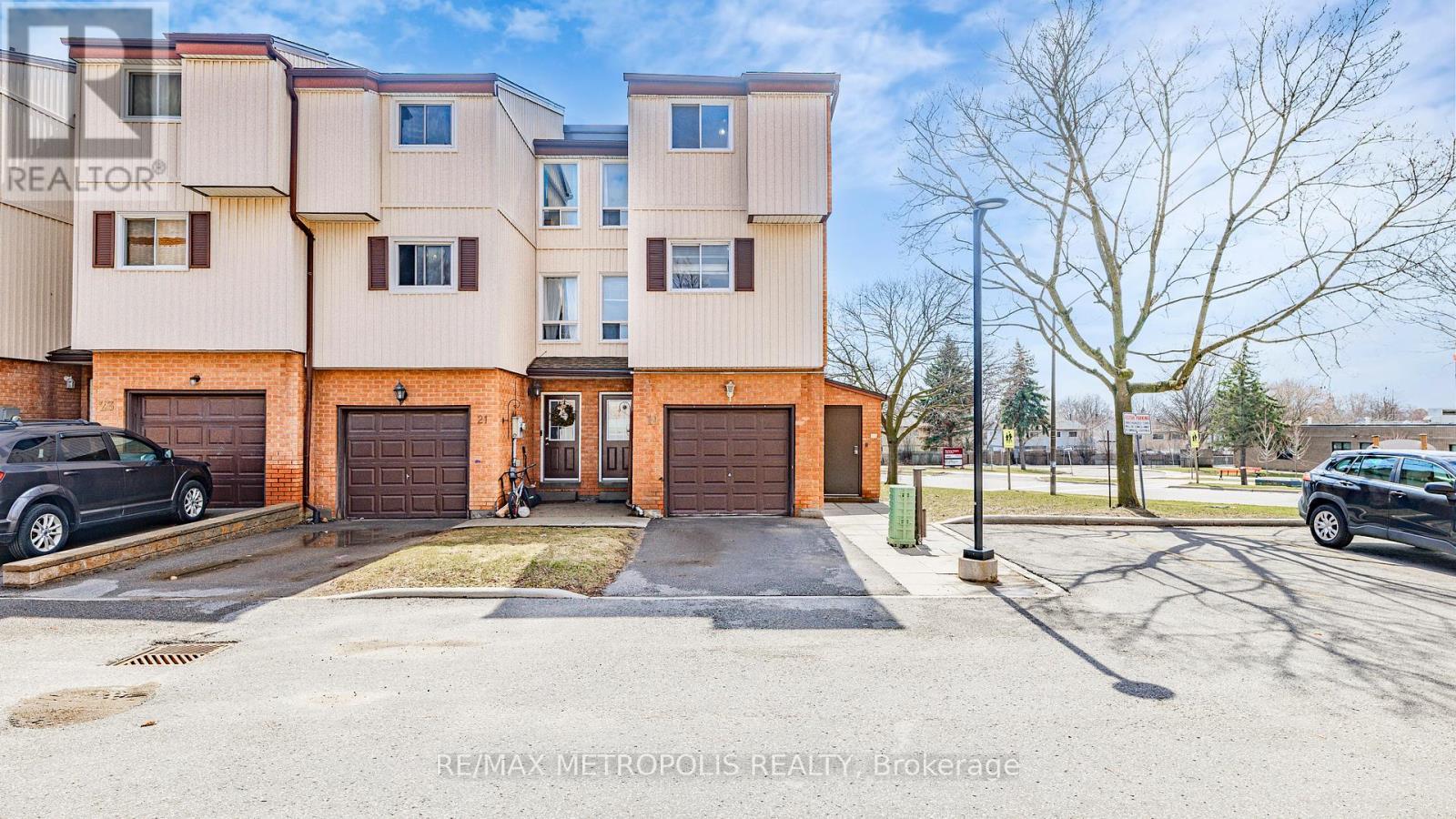 For Sale