
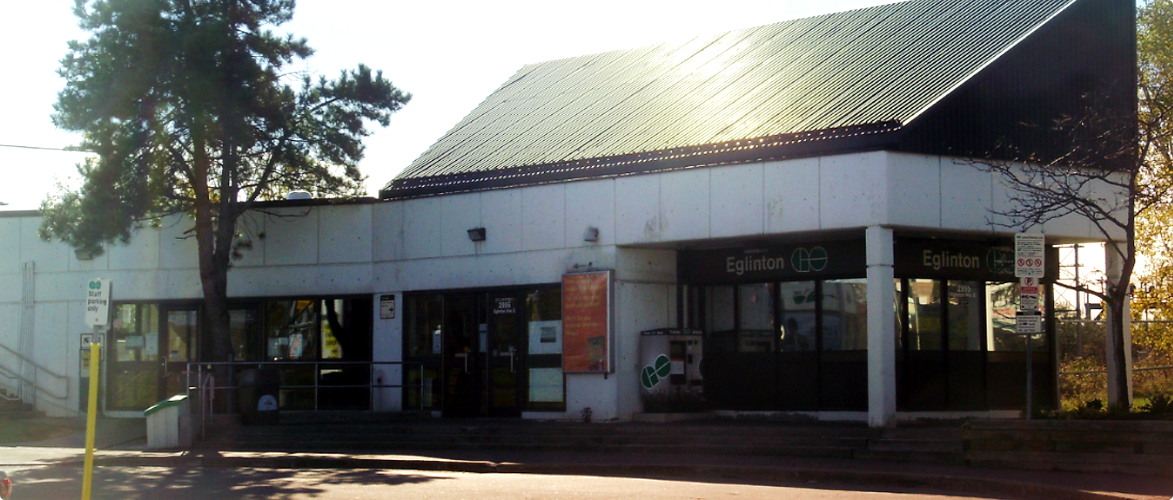
Eglinton East is a diverse, mixed residential and commercial neighbourhood in Scarborough running along Eglinton Avenue East, now served by the Eglinton Crosstown LRT with multiple stations providing rapid transit access west to Midtown Toronto. Post-war freehold streets sit adjacent to a commercially active corridor that is recovering and growing since the Crosstown opened.
Eglinton East is a corridor neighbourhood more than a traditional residential enclave. It runs along Eglinton Avenue East through central Scarborough, roughly from the Kennedy Road intersection eastward through to the Midland Avenue area, and its character is shaped by the arterial road that gives it its name. Mixed residential and commercial, diverse, moderate density, and fundamentally changing as the Eglinton Crosstown LRT has begun operating along the corridor. For buyers who understand what the Crosstown represents for this area’s long-term trajectory, Eglinton East presents an opportunity: real estate prices that still reflect a pre-Crosstown valuation, on streets that now have rapid transit within easy reach.
The neighbourhood developed primarily in the post-war period, with the residential streets north and south of Eglinton Avenue carrying the standard Scarborough brick bungalow and semi-detached housing stock from the 1950s and 1960s. Commercial development along Eglinton itself layered in over subsequent decades, creating the arterial mixed-use pattern that now defines the main street. The residential streets feeding off Eglinton are quieter and primarily owner-occupied, providing the residential stability that contrast with the commercial activity on the corridor itself.
The Eglinton Crosstown LRT runs along Eglinton Avenue East through the neighbourhood, with multiple stations providing access at regular intervals. This transit upgrade fundamentally changed the neighbourhood’s commute calculus. Riders heading west can reach Yonge and Eglinton in under 30 minutes, Mount Avon and Midtown within 25, and the broader network connections at Kennedy station link north and south on Line 2. What used to be a bus-only commute corridor is now a rapid transit corridor, and that reclassification has consequences for how properties in the area should be valued.
The neighbourhood’s diversity is deep and long-established. South Asian, Chinese Canadian, Caribbean, Filipino, and East African communities are all well represented in the residential population and visible in the commercial character of the Eglinton strip. This isn’t a transitional demographic; it’s the permanent character of a neighbourhood that has been diverse for decades and continues to serve as an entry point for newcomers arriving in Toronto as well as an established community for families who’ve been in Scarborough for generations.
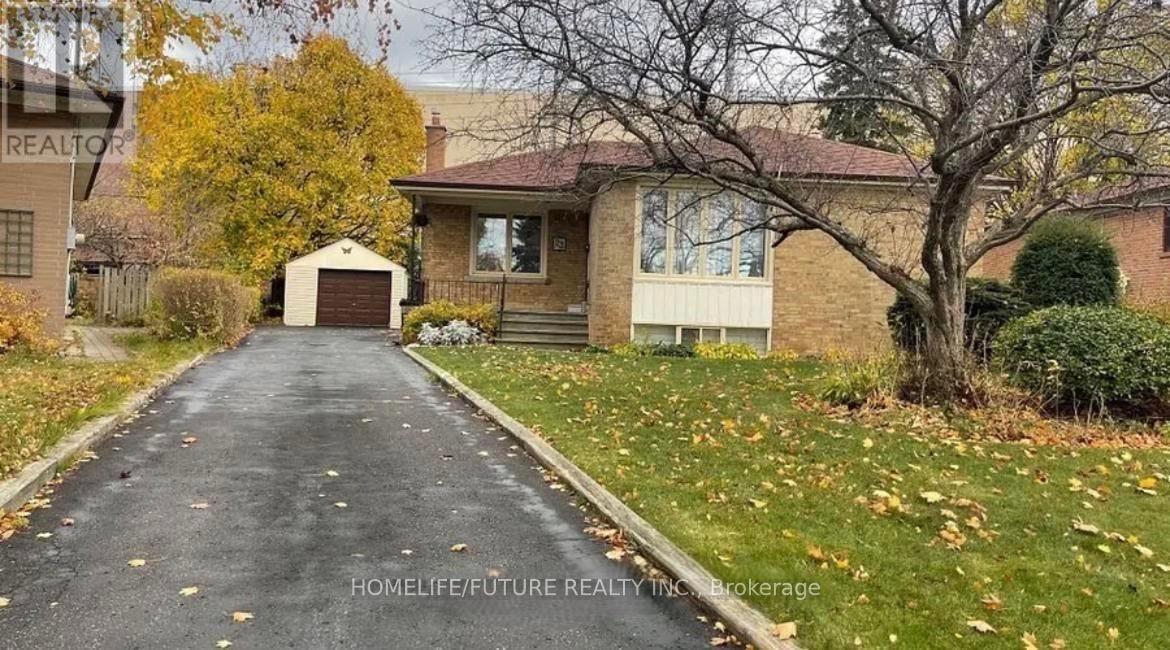
The housing stock in Eglinton East is a mix of post-war low-rise freehold and mid-rise residential, with the freehold product concentrated on the residential streets running north and south of Eglinton Avenue. Detached bungalows and semis from the 1950s and 1960s are the dominant product type on these streets, on standard lots of 35 to 50 feet wide and 100 to 120 feet deep. The Eglinton Avenue frontage itself carries older commercial buildings, some with apartments above, and several newer mid-rise residential projects built in the past decade in response to the corridor’s intensification designation.
In 2026, detached homes in Eglinton East trade in the $850,000 to $1.2 million range. Well-maintained bungalows with updated interiors on standard lots within walking distance of Crosstown stations reach the higher end of that range. Properties in original or fair condition, further from the primary LRT stations, are available in the $850,000 to $950,000 range. Semi-detached homes trade between $720,000 and $900,000 depending on location and condition.
The Crosstown premium in Eglinton East is a real and measurable price factor. Properties within a five-minute walk of an Eglinton Crosstown station consistently sell for more than comparable properties further from the LRT, and the premium has been growing as the Crosstown becomes established and riders begin to build their routines around it. Buyers who pay attention to which specific streets fall within comfortable walking distance of which stations will make better purchase decisions than those who treat the neighbourhood as a uniform geography.
Mid-rise condo units along the Eglinton corridor represent a different entry point for buyers who want the neighbourhood’s transit access without the freehold price. Units in these buildings trade in the $550,000 to $800,000 range depending on size and age of the building. The older buildings on the corridor have lower price points but also lower maintenance standards; newer projects are better built but priced closer to the freehold range. Buyers considering condos in Eglinton East should compare total cost, including maintenance fees, against freehold alternatives before assuming the condo is the more affordable option.
Eglinton East’s market has been in a multi-year repricing as the Crosstown has moved from construction to operation. The construction period along Eglinton was genuinely disruptive, with years of road closures, noise, and commercial disruption that suppressed values on the corridor itself. With construction substantially complete, those suppressed values have been correcting upward, and the trajectory is toward a market that reflects the transit premium the LRT creates. Buyers who understand this cycle and are buying during the normalisation phase, rather than at the peak of anticipation, are in a reasonable position.
The freehold market on the residential streets feeds off broader Scarborough price trends while carrying the specific Crosstown uplift for the most transit-adjacent properties. Competition on well-priced listings is present but manageable. The buyer pool is motivated by value relative to the rest of the city, and buyers who’ve done their comparables work can participate in the market without the anxiety that characterises truly hot markets where every listing becomes a bidding war. The neighbourhood’s specific dynamics mean that preparation and knowledge of which streets and locations carry the transit premium is more valuable than aggression or willingness to waive conditions.
The commercial properties along Eglinton Avenue have seen gradual turnover as the post-construction environment settles and new tenants fill spaces that were vacated or left empty during the Crosstown build. This commercial normalisation is a positive signal for the neighbourhood’s retail environment, which was genuinely disrupted for years by the construction activity. New food and service businesses opening along the corridor are a lagging indicator of the transit investment paying off.
Turnover in the residential fabric is moderate. The neighbourhood has a mix of long-term owner-occupants who bought before the Crosstown was planned and are now sitting on appreciated properties, and more recent buyers who purchased specifically for the transit story. The combination creates a market with some consistent supply as longer-term owners move on, and steady demand from buyers who’ve identified the neighbourhood’s value case. Neither extreme — complete illiquidity nor constant churn — characterises the market.
Eglinton East draws buyers in two main groups. The first is the value-and-transit buyer: someone who has determined that rapid transit access matters for their commute and has priced several corridors, finding that Eglinton East offers the Crosstown connection at a price point that still allows freehold ownership. These buyers are often comparing directly to Clairlea at the western end of the same LRT corridor, and choosing Eglinton East when the specific LRT stations in this stretch of the corridor are more convenient for their commute pattern.
The second group is buyers with community ties to Scarborough’s South Asian, Chinese Canadian, and Caribbean communities who want to own in the neighbourhood they’ve lived and worked in. These buyers know the area intimately — the grocery stores they use, the community organisations they belong to, the restaurants they go to — and the Eglinton East address is partly about owning within their established social geography. The transit upgrade is a welcome bonus rather than the primary reason they chose the area.
First-time buyers with limited budgets appear frequently in the Eglinton East market, attracted by the combination of modest price points on semi-detached and some detached properties, transit access, and the practical commercial infrastructure of the Eglinton corridor. For buyers who can’t afford the premium Scarborough neighbourhoods but don’t want to sacrifice transit, Eglinton East is a logical landing point. The trade-off is the density and commercial character of the corridor environment rather than the quiet residential streets of a Bendale or Cliffcrest.
What buyers give up in Eglinton East relative to more residential Scarborough neighbourhoods is the quiet residential character that post-war bungalow streets away from major arterials provide. Living on or near Eglinton Avenue is a different experience from living on a residential street in Bendale or Cliffcrest. The commercial activity, the LRT infrastructure, and the urban density of the corridor create an environment that’s more urban and less serene. For buyers who want urban activity and transit at their door, that’s a feature. For those who want residential quiet, it’s a real cost.
The Eglinton Crosstown stations along this stretch of the corridor are the primary organising geography for understanding value within Eglinton East. The station locations — broadly at or near Kennedy, Midland, and points between — define the walking-distance catchment that determines which streets carry the most significant transit premium. Properties within a five-to-seven-minute walk of a station entrance are in the prime transit catchment. Streets ten or more minutes from any station trade at a smaller Crosstown premium and are priced accordingly.
The residential streets north of Eglinton, running into the Clairlea and adjacent neighbourhood areas, tend to be quieter and more consistently residential than the streets south of Eglinton, which in some stretches back onto more mixed-use or industrial-transition land. Buyers looking for a residential street experience with Crosstown access should prioritise the north-of-Eglinton streets, particularly those running between the Kennedy corridor and Midland Avenue. These streets offer the transit proximity without the commercial and mixed-use adjacency that reduces residential appeal on some south-of-Eglinton addresses.
Ionview Road and the streets east of Kennedy toward Midland are in the transition zone between Dorset Park and Eglinton East proper, and they offer some of the more affordable entry points in the neighbourhood while retaining reasonable Crosstown station access. These streets tend to attract the most budget-conscious buyers who are maximising transit access per dollar spent. The residential environment is functional rather than particularly attractive, but the transit value is real.
The corridor itself, Eglinton Avenue East between the station zones, is a commercial and mixed-use environment with active retail ground floors and residential above, particularly in newer mid-rise buildings. Buyers considering corridor-facing properties should be honest with themselves about noise and activity tolerance. Living directly on Eglinton is a fundamentally different experience from living on a residential side street, even one within walking distance of the LRT. Both have their buyers; knowing which experience you actually want is more important than the nominal address.
The Eglinton Crosstown LRT is the defining transit feature of the neighbourhood and the reason most buyers are here. Multiple stations along the Eglinton East corridor connect to the broader Crosstown network, which runs from Scarborough in the east through the midtown Yonge corridor and into the west end. For commuters heading to Yonge and Eglinton, Midtown, or points west, the Crosstown provides a rapid transit option that the old Eglinton bus couldn’t match. Connections at Kennedy station on the Crosstown provide access to Line 2 of the subway, linking riders to the full subway network. The commute to Union Station via this connection runs approximately 40 to 45 minutes depending on origin point within the neighbourhood.
For buyers whose commute runs primarily along the Eglinton corridor rather than requiring a subway transfer downtown, the Crosstown is an even more direct benefit. Riders with workplaces in Midtown, at Yonge and Eglinton, or at the hospitals and employment nodes along the Crosstown’s central stretch will find that Eglinton East’s LRT access puts them closer to work in real travel time than many inner-city neighbourhoods that require multiple transfers.
Bus service on Eglinton Avenue East provides coverage beyond the LRT station spacing, and the north-south bus routes on Kennedy and Midland connect to the subway and to the broader Scarborough bus network. The TTC’s surface network through this part of Scarborough is reasonably comprehensive, making car-free living practical for most daily needs. Weekend and evening service frequencies are lower than peak-hour headways, which is the standard surface transit limitation across the city.
Driving from Eglinton East is convenient. The 401 is accessible via Kennedy or Midland in about 10 minutes, and the corridor’s east-west orientation means that driving is efficient for commutes that run along the Eglinton corridor itself. Street parking on residential streets is generally available. Most freehold properties have driveways. For buyers with regular car use, Eglinton East’s position on a major east-west arterial provides efficient driving access to the broader Scarborough and Toronto highway network.
Eglinton East is not a neighbourhood known for exceptional green space, and buyers who prioritise natural amenity should factor that honestly into their comparison with other Scarborough neighbourhoods. The green space options are community-scale rather than natural or ravine-scale: parks with playgrounds, sports fields, and occasional splash pads serving the surrounding residential streets. The nearest significant natural amenity is the Highland Creek ravine system, accessible within about 20 minutes by car or longer by transit.
McGregor Park is accessible to the western part of Eglinton East and provides a community recreation and park hub with an indoor pool at the adjacent community centre. The park is used actively by the neighbourhood’s families and provides the standard suite of community green space programming. For residents in the eastern parts of the neighbourhood, Scarborough Village Park and similar community parks provide comparable facilities further along the corridor.
Taylor-Massey Creek ravine connects to the broader Don River trail system and is accessible from the western edge of the Eglinton East area. The ravine trail access provides a genuine green connection to Toronto’s most extensive linear park network, and riders and walkers who make the effort to access the trail head will find several hours of ravine and valley exploration available without leaving the city. This is more accessible from the western, Kennedy-adjacent part of Eglinton East than from the eastern Midland-area end.
Eglinton Flats along the eastern Don Valley, accessible by cycling or a short drive west from Eglinton East, provide a large natural sports and green space area. The flats have sports fields, cycling paths, and access to the Don Valley trail network. It’s not within walking distance for most Eglinton East residents, but the 20-minute cycling route or 10-minute car trip is reasonable for a weekend visit. For buyers who want access to serious natural amenity and are willing to use a vehicle to get there, Eglinton East’s position between the Crosstown and these green resources is workable, even if the neighbourhood itself doesn’t provide them directly.
Eglinton Avenue East is the neighbourhood’s commercial spine, and it carries a dense mix of retail, dining, and services along its length. The commercial character reflects the neighbourhood’s demographics: South Asian grocery stores, restaurants spanning Tamil, Punjabi, Bengali, Chinese, and Caribbean cuisines, halal butchers, sari and clothing stores, jewellery shops, and the full range of service businesses that a working diverse community supports. The strip is active during business hours and has the kind of practical, lived-in commercial density that purpose-built suburban commercial areas don’t generate.
For grocery shopping, the Eglinton East corridor is well-served. Several South Asian grocery stores stock specialty items. No Frills and Food Basics provide budget chain options accessible by transit along the corridor. For buyers who rely on specialty ethnic groceries or who cook cuisines not well-served by mainstream Canadian supermarkets, Eglinton East’s commercial strip is a genuine and valuable resource rather than a neutral background fact.
The LRT construction that disrupted the Eglinton Avenue commercial environment for several years has ended, and the corridor is in a process of commercial recovery and renewal. Some businesses that closed during construction have been replaced by new tenants, and the improved streetscaping and transit access that the Crosstown brings will continue to attract new commercial investment. The retail environment along Eglinton East in 2026 is better than it was in 2022 and likely to continue improving as the transit premium works through the commercial real estate market.
For dining beyond the corridor, Scarborough Town Centre is 15 minutes by car or transit and provides a full food court alongside chain restaurant options. The Kennedy Road commercial strip to the west extends the commercial range for residents who want variety. Residents of Eglinton East who appreciate the corridor’s independent and diverse restaurant environment will find it a satisfying daily option; those expecting a Danforth-density restaurant scene will need to adjust their expectations or make more trips off the corridor.
Elementary schools serving Eglinton East through the TDSB include several neighbourhood schools on the residential streets both north and south of the corridor. Mason Road Junior Public School and Scarborough Village Public School are among the TDSB elementaries serving this part of the neighbourhood, reflecting the broader spread of residential development on both sides of Eglinton. French Immersion programming is available in the broader catchment area, and parents interested in French Immersion should verify which specific schools in the Eglinton East area offer it and what the registration process involves.
At the secondary level, TDSB students from Eglinton East typically attend Scarborough Collegiate Institute or other secondary schools in the Scarborough East catchment, depending on their specific address. The specialty program options at the secondary level, including arts programs and technical streams, are relevant for families who want something beyond the standard academic curriculum. Students in the TDSB secondary system can apply to specialty programs citywide, which means the school at the end of your street isn’t necessarily the right comparison point for secondary education quality.
The TCDSB serves Catholic families through elementary schools including St. Dorothy Catholic School and others in the Eglinton East area. Catholic secondary students access the TCDSB’s east Scarborough secondary schools. The Catholic school network in this part of Scarborough is active and well-used by the neighbourhood’s Filipino, Caribbean, and other Catholic-community households.
The Eglinton East neighbourhood’s schools reflect the broader challenges of serving high-diversity, high-newcomer communities: multilingual student bodies, a range of prior educational backgrounds, and the resource demands that come with a large proportion of students for whom English is a second language. The TDSB invests in settlement services and language supports in schools across Scarborough, and these supports are present in the Eglinton East school cluster. Families with strong academic achievement expectations should investigate specific school profiles rather than drawing conclusions from neighbourhood-level generalisations.
Eglinton East is in the middle of a significant transition driven by the Crosstown LRT. The corridor has been designated for mixed-use intensification in city planning documents, and development applications for mid-rise and high-rise residential buildings along Eglinton Avenue East are advancing through the approval process. Some projects are under construction; others are in site plan or zoning approval stages. The medium-term result will be substantially more residential density along the corridor, more retail and service demand, and a more urban character to the Eglinton Avenue streetscape.
The residential streets north and south of Eglinton are less directly affected by the corridor’s intensification plans, but increased density on the main street will gradually change the street-level environment on the adjacent residential streets as well, through increased foot traffic, changing retail, and the spillover effects of a denser corridor. These changes are generally positive for property values on the residential side streets, as more residents and more retail on the corridor improves the neighbourhood’s overall utility and livability.
Several mid-rise buildings have already been completed along the Eglinton East corridor in the past five to seven years, adding purpose-built rental and condominium units to the neighbourhood’s housing mix. These buildings brought new residents who have in turn supported the commercial recovery of the corridor post-construction. More buildings of this type are approved or advancing, and buyers should expect the physical appearance of the Eglinton corridor in 2026 to look noticeably different by 2030.
The Crosstown’s operating record matters for the neighbourhood’s trajectory. The LRT’s reliability, frequency, and ridership will determine how fully the transit premium manifests in property values over the next several years. If the Crosstown becomes as central to east-end commuting patterns as the Yonge and Bloor-Danforth subways are to their neighbourhoods, the repricing of Eglinton-corridor real estate will continue. If operational issues or lower-than-expected ridership temper enthusiasm, the premium will be smaller. Buyers are making an implicit bet on the Crosstown’s performance when they buy in Eglinton East, which is worth naming clearly.
Is the Eglinton Crosstown transit premium fully priced into Eglinton East real estate yet? Partially, but not completely. The most transit-adjacent properties, those within a five-minute walk of a Crosstown station, have already seen meaningful price appreciation relative to comparable properties further from the stations. The full transit premium takes years to manifest as buyers and the market calibrate to the new transit reality, and Eglinton East is still in that calibration process. Properties in the one-to-two-station walking catchment that have not yet been renovated or repositioned are likely still underpriced relative to what comparable transit-adjacent properties command in more established rapid-transit corridors in the city. Buyers who recognise this are buying ahead of the full repricing. The risk is that the repricing takes longer than expected or the Crosstown’s ridership builds more slowly than anticipated.
How does Eglinton East compare to Clairlea at the other end of the Crosstown corridor? Both neighbourhoods are on the Eglinton Crosstown, but their specific transit access, commercial character, and price points differ. Clairlea is at Victoria Park station on the western end of the Scarborough section, while Eglinton East properties are spread across several stations further east. Clairlea tends to be slightly better priced for the quality of transit access because Victoria Park station has been operating longer and is better established in buyer consciousness. Eglinton East properties further from Kennedy may offer better value per dollar for the transit access they provide, depending on specific address and commute destination. Buyers commuting westward along the Eglinton corridor should map their specific origin and destination stations and calculate actual travel time rather than assuming one neighbourhood is better positioned than the other.
What are the main things to check in due diligence on an Eglinton East freehold? The standard post-war housing checks apply: roof, HVAC, electrical panel, and foundation integrity. Properties on or near the Eglinton corridor should also be checked for any vibration effects from the LRT infrastructure, though the LRT is underground through the central section and the at-grade section uses standard LRT technology rather than heavy rail, so vibration concerns are minimal for most residential properties set back from the track. Basement moisture is the primary caution in any Scarborough post-war property. Permit history on secondary suites is important given the neighbourhood’s rental culture. Any property adjacent to the former construction zone should be checked for any site-specific disturbances from the construction period, though these are typically cosmetic rather than structural.
Is Eglinton East a good choice for a buyer who wants to live on the Crosstown corridor but doesn’t want the commercial noise of Eglinton Avenue itself? Yes, if you choose carefully. The residential streets running north and south of Eglinton Avenue are several blocks removed from the corridor traffic and commercial activity, and they provide a genuinely quieter residential experience while maintaining Crosstown access at a walkable distance. The key is understanding which streets are close enough to a station to benefit from transit access without being so close to Eglinton itself that traffic and commercial noise intrude on the residential environment. Generally speaking, two to three blocks from Eglinton on either side puts you in good territory: enough distance for quiet, close enough for a comfortable walk to the LRT. Your agent should be able to walk you through this geography for the specific streets you’re considering.
Buying in Eglinton East is fundamentally about buying into the Crosstown corridor at a price point that still reflects some of the pre-transit-upgrade valuation. Getting this right requires knowing the station geography well enough to identify which properties carry the real transit premium and which are marketed as Crosstown-adjacent without the walking distance to back that claim up. An agent who has done the route-timing exercise for the specific addresses you’re considering, and who can tell you honestly whether a property is a seven-minute walk or a 12-minute walk to the nearest platform, is doing useful work.
The corridor’s ongoing development means that some listings are positioned primarily for future value rather than current livability. Buyers who are end-users rather than investors should prioritise what the neighbourhood delivers now: the transit connection, the commercial strip, the specific street environment. The future intensification along Eglinton is a real factor, but it’s secondary to whether the place works for your daily life at the point of purchase.
Competition on the better listings is real but manageable. Pre-approval and a clear sense of your price ceiling, along with a specific understanding of which properties represent transit-adjacent value versus those that are simply on a street with an Eglinton postal code, is the practical preparation that translates into successful offers here. Bidding wars on specific well-priced properties happen; systematic overpayment across the neighbourhood does not. A buyer who knows what they’re looking for can find value in Eglinton East without paying through the nose for it.
One specific due diligence point worth flagging for Eglinton East: the construction period along the corridor left some properties with residual issues from the extended excavation and vibration work, particularly those immediately adjacent to the Crosstown infrastructure. These issues are typically cosmetic, cosmetic settling, driveway cracks, minor plaster movement, rather than structural, but they can sometimes be used as a negotiating factor where a seller hasn’t disclosed them and an inspection reveals them. An experienced inspector familiar with Eglinton corridor properties will know what to look for.
Street-level knowledge is hard to find online. Our team works in Eglinton East every day. They know which pockets hold value, where the school catchment lines actually fall, and what the market is doing right now. Talk to us before you make a decision about Eglinton East.
Talk to a local agent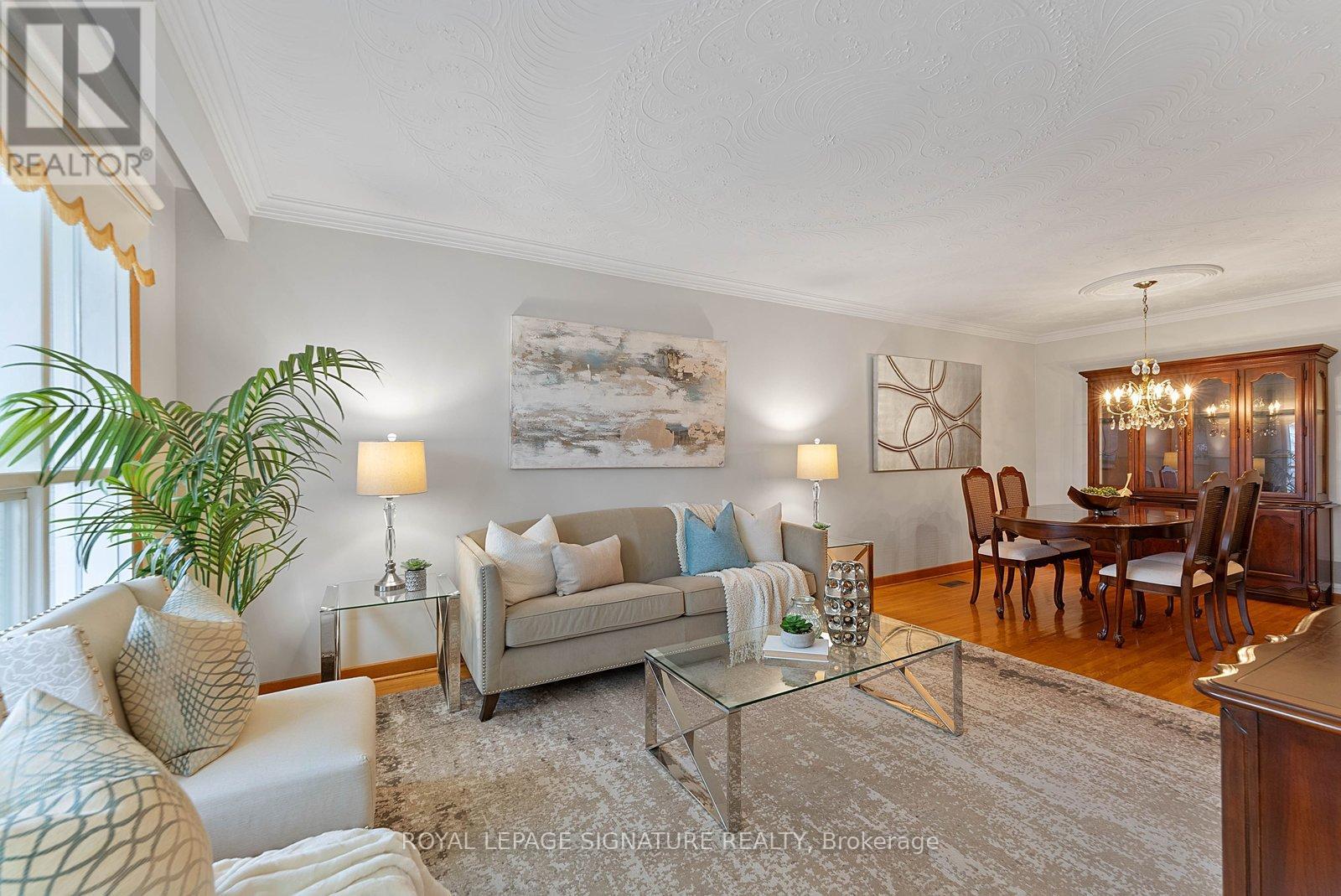 For Sale
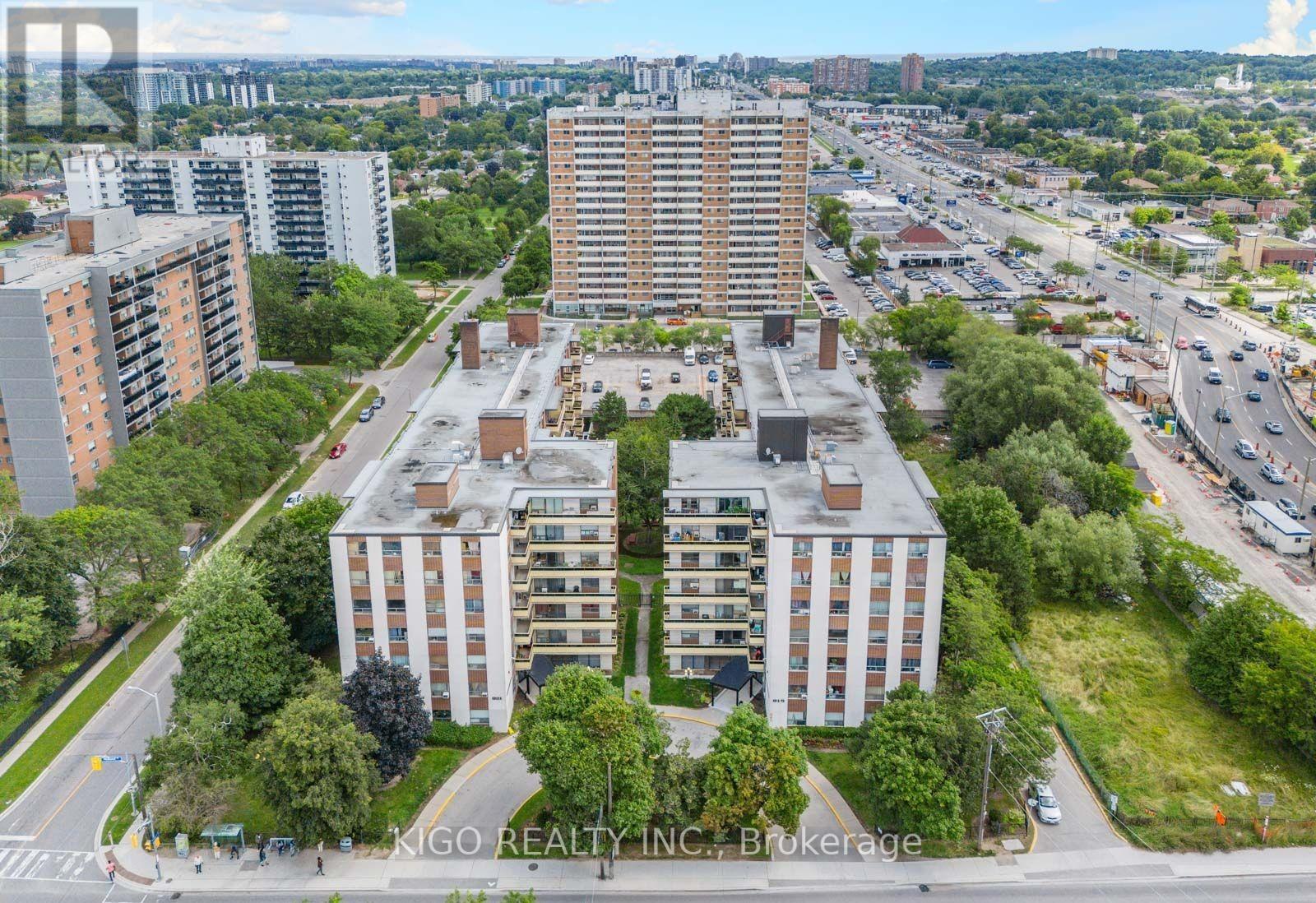 For Sale
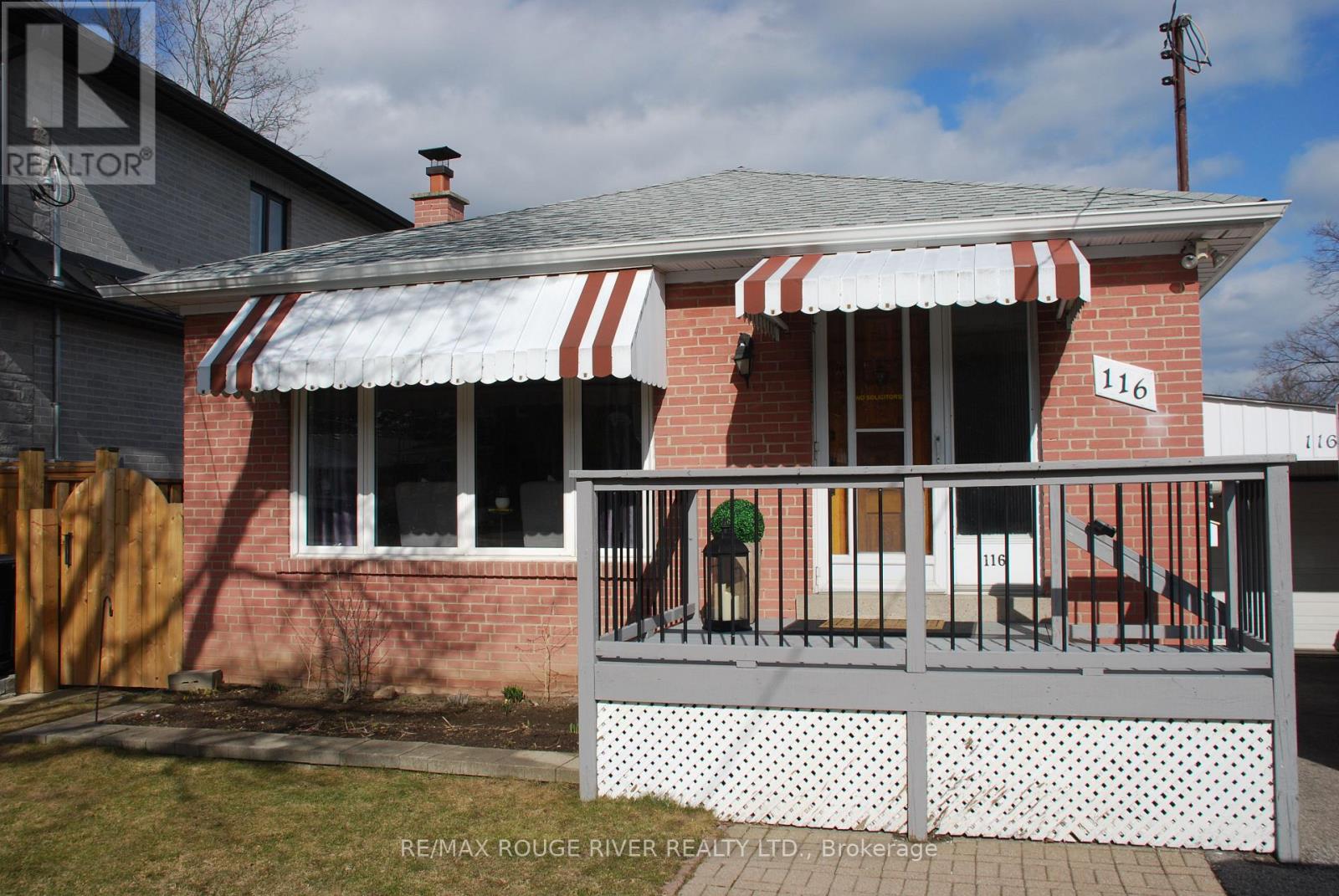 For Sale
 For Rent