
Erin Mills is one of Canada's original master-planned communities in west Mississauga. Built from the late 1960s through the 1980s, it offers detached homes, townhomes, and condominiums set among mature trees, with Credit Valley Hospital, Erin Mills Town Centre, and the Credit River trail system all within reach. John Fraser Secondary School draws buyers specifically to its catchment.
Erin Mills occupies a substantial portion of west Mississauga, stretching roughly between Highway 403 to the east and the Credit River valley to the west, with Burnhamthorpe Road as a useful north-south reference point through the middle. It was conceived in the late 1960s and developed steadily through the 1970s and 1980s as one of the most deliberately planned residential communities in Canadian suburban history, designed from the outset with a mix of housing types, commercial nodes, and parkland built into the plan rather than added later. That original planning discipline shows in how the neighbourhood holds together today: it’s more coherent than most communities of comparable size and age.
The tree canopy along the older streets is one of the first things visitors notice. Maples and oaks planted in the 1970s now arch over the residential streets in the northern sections of the community, giving Erin Mills a visual maturity that newer suburbs in Brampton or north Mississauga simply can’t replicate. The southern sections, developed slightly later, have mature trees as well, but the earliest phases of the community in the northwest, around the original Erin Mills Parkway corridor, have the densest canopy and the most settled character.
Credit Valley Hospital anchors the community’s eastern edge and has grown from a regional hospital into a major healthcare facility with expanded speciality services. The hospital’s presence matters beyond healthcare: it employs thousands of people and has supported the growth of medical offices and health services in the surrounding area. Erin Mills Town Centre, the community’s main retail hub, sits at the intersection of Erin Mills Parkway and Eglinton Avenue and has served as the commercial heart of the neighbourhood since its opening in the 1980s. Together, these two anchors give Erin Mills an unusual stability for a suburban community.
Erin Mills offers a wider variety of housing types than most comparably priced Mississauga communities. The original planned community model deliberately mixed detached homes, semi-detached houses, townhomes, and low-rise condominiums rather than zoning the entire area for one housing type. In practice this means a buyer entering the Erin Mills market can find properties ranging from condominium apartments in the $550,000 to $750,000 range up through townhomes in the $800,000 to $1.1 million range and detached homes from roughly $1.1 million to $2 million for the most desirable lots and updated finishes.
The detached homes vary significantly by age and size across different phases of development. The earliest detached homes in the community, built in the mid-1970s, are typically two-storey four-bedroom houses on 50-foot lots with brick or brick-and-siding exteriors and layouts that feel dated by current standards but structurally sound. Homes built in the late 1980s and 1990s phases are larger and more contemporary in their floor plans, with double garages and family-room-focused layouts that align better with current buyer expectations. Both cohorts are now old enough that age-related costs need to be factored into any purchase decision.
Townhomes in Erin Mills, particularly the freehold townhomes built in the 1980s and 1990s, trade at a meaningful discount to detached homes but offer more space and privacy than condominium options. These properties have seen steady appreciation as younger families, priced out of the detached market, have looked to townhomes as a viable alternative. Many have been updated inside, and well-renovated freehold townhomes in good locations within Erin Mills are not difficult to sell. The condominium apartments scattered through the community, mostly low-rise stacked units from the 1980s, serve buyers looking for lower maintenance and lower price points but don’t carry the same long-term appreciation characteristics as the freehold stock.
Lot sizes in the detached sections of Erin Mills are generally generous by modern standards, particularly in the earlier phases where 50-foot frontages were the norm. The wider the lot, the more desirable the property, and this rule holds consistently throughout the community. The additional outdoor space and the possibility of future improvements or additions are both real factors in the premium buyers pay for wider lots.
The Erin Mills market is layered by housing type in a way that creates somewhat different dynamics within the same geographic community. The condominium segment behaves more like a commodity market, with investor activity, rental demand, and price sensitivity to the broader condo market trends in Mississauga and Toronto. The freehold segment, covering detached and townhome properties, behaves more like an end-user market where buyers are making long-term housing decisions rather than investment plays. These two segments don’t always move in the same direction at the same time.
Through the 2022-2024 period, the freehold detached segment held value more consistently than the condominium segment. Condo prices across Mississauga softened materially in 2023 and into 2024 as investor sentiment weakened and carrying costs rose, and Erin Mills condos were not immune to this. Detached homes pulled back from the early 2022 peak but recovered more quickly, supported by persistent demand from move-up buyers and limited supply in the freehold sector. By early 2025, well-priced detached homes in the neighbourhood were again seeing competitive offer situations.
One characteristic of the Erin Mills market is the diversity of the buyer pool. The community draws buyers from Toronto who want more space, buyers moving up from condos within Mississauga, newcomer families who have established themselves in Mississauga and are moving into the ownership market, and buyers relocating from elsewhere in the GTA who value the highway access and the hospital proximity. This diversity of demand sources makes the market somewhat more resilient than communities with a narrower buyer base.
Days on market for well-presented freehold properties in Erin Mills tend to run in the two to four week range, which is typical for suburban Mississauga. Properties that are overpriced or in below-average condition for their price point can sit considerably longer. The community’s size means there is usually some inventory, which gives buyers more options than in smaller, tighter neighbourhoods but also means sellers can’t rely on scarcity alone to drive their price.
Erin Mills draws a broad cross-section of buyers precisely because of its range of housing types and price points. Families with children are the core buyer group for the freehold detached segment, drawn by the school reputation, the green space, and the practical family-house format. Many of these buyers are moving from within Mississauga or from Toronto’s west end and are making a deliberate choice for more space in a planned community with established infrastructure rather than a newer subdivision further north or west.
Healthcare workers and hospital employees represent a notable buyer sub-group that has grown as Credit Valley Hospital has expanded. The convenience of living within a few minutes of your workplace is real, and the hospital’s employee base contributes to a consistent layer of demand for properties in the surrounding Erin Mills area. This demand doesn’t dominate the market but it provides a steady undercurrent of activity that other communities don’t have.
The community has a significant South Asian population, reflecting the broader demographic pattern of west Mississauga, and the retail and cultural infrastructure that serves this community is well-developed. The Erin Mills Town Centre area has evolved to include options that reflect the community’s actual composition, from South Asian grocery stores and restaurants to cultural event spaces and community programming. Buyers who are drawn to that environment specifically find that Erin Mills has a more established and varied offering than some of its neighbours.
There’s also a contingent of empty-nesters and older residents who have been in Erin Mills since the first phases of development and have no desire to leave. When these long-term residents do eventually sell, often to downsize within the community or to move closer to family, the properties that come to market from this cohort tend to be well-maintained and in stable structural condition, even if the finishes are dated. These are often the best underlying assets in the neighbourhood and buyers who recognise this find good value in homes that look tired on the surface but are sound underneath.
The northern sections of Erin Mills, built in the earliest phases of the planned community in the 1970s, are the most canopied and the most architecturally consistent. Streets like The Collegeway and Folkway Drive, running through the northwest portion of the community, have a suburban formality to them that the newer sections don’t fully replicate. The homes here are older but many have been extensively updated, and the lot sizes are among the most generous in the community. This is the part of Erin Mills that most closely matches the romanticised version of the planned community idea.
The central sections, developed through the 1980s, include a range of housing types from detached to townhomes and are more varied in character. The streets here are less uniformly canopied and the housing mix means you might have a townhome row adjacent to detached houses, which affects the residential feel of any given block. That said, many of the central-Erin-Mills streets are pleasant and well-maintained, and the proximity to Erin Mills Town Centre makes them practical for daily life.
The sections east of Erin Mills Parkway, closer to the Highway 403 corridor and the Credit Valley Hospital area, have a more institutional feel in places, given the hospital complex and the commercial development it has attracted. Residential streets in this eastern band are generally quieter once you move off the main arterials, but they sit closer to traffic and activity than the more interior streets to the west.
Premium pockets include the ravine-adjacent streets backing onto the Credit River valley, the original northern streets with the largest lots and mature canopy, and homes backing onto the community’s internal parks and greenway corridors. These properties trade at consistent premiums and are the first to attract attention when well priced. The interior court addresses, tucked away from arterial traffic, are also sought after by families with young children because of the reduced through-traffic.
Highway 403 forms the eastern boundary of Erin Mills and is the neighbourhood’s primary highway connection. From most addresses in the community, the 403 on-ramps are a five to ten minute drive, and the highway connects westward to the 401 interchange and eastward into Toronto via the QEW and Gardiner system. For drivers commuting to downtown Toronto, Mississauga’s corporate centres, or west toward Hamilton, the 403 access is a genuine practical asset. Rush hour traffic on the 403 is significant in both directions during peak periods, but the volume is manageable compared to the 401 east of the 403 interchange.
Streetsville GO station on the Milton line is the nearest GO Transit access point for most of Erin Mills, roughly a ten-minute drive to the southeast. The Milton line runs express service to Union Station during peak periods, with a commute time in the 45 to 55 minute range from Streetsville depending on the specific service. Meadowvale GO station on the Milton line is also accessible for residents in the northwestern parts of the community. Neither station is walkable from most Erin Mills addresses, which means GO Transit use requires driving to the station or a connecting bus, adding time to the overall commute.
MiWay routes serve the community along the main arterials, including Erin Mills Parkway, Eglinton Avenue West, and Burnhamthorpe Road. The service connects to Erin Mills Town Centre, the Transitway BRT, and onward connections throughout Mississauga. For residents working within Mississauga or commuting to Brampton, MiWay service is workable as a primary transit option. For Toronto commuters, transit use typically requires a combination of bus and GO Train that adds substantially to travel time compared to driving.
The Hurontario LRT, nearing completion in 2025, runs along Hurontario Street to the east and does not directly serve Erin Mills, but it will improve east-west bus connections and generally raise transit service quality in central Mississauga. The medium-term effect on Erin Mills transit access is modest but positive. For the near term, car ownership remains the practical assumption for most households.
The original planned community model for Erin Mills incorporated greenspace corridors from the beginning, and this shows in how the parks and trails are distributed through the community. Rather than a few large isolated parks, Erin Mills has a network of smaller parks and greenway corridors that connect throughout the residential areas, meaning most homes in the community are within a short walk of some form of green space. This pattern was intentional and it works well in practice for daily dog walking, children’s play, and general outdoor activity.
The Credit River valley forms the western boundary of the community and provides the most significant natural greenspace. The Credit Valley Conservation trail system runs through the valley here, with trail access points from several western Erin Mills streets. The river corridor is wide and ecologically active, with significant tree cover, bird populations, and the kind of natural trail experience that most urban residents have to travel much farther to find. For buyers who prioritise access to serious trail walking or cycling, the Credit River access from Erin Mills is a genuine selling point.
Erin Meadows Park and Community Centre is one of the larger dedicated parks in the community, offering sports fields, a splash pad, tennis courts, and a community centre with indoor recreation programs. The City of Mississauga runs the facility and the associated programming, and it serves as a hub for organised community activity in the area. The park is maintained to a good standard and is well-used through the warmer months.
The greenway corridors running through the neighbourhood connect parks and create walking routes that partially shield pedestrians from road traffic. These internal routes are part of what makes Erin Mills feel more like a place than most comparable suburban communities. The planned community model, for all its dated assumptions about car dependency, at least got the green corridor integration right, and residents benefit from that decision made five decades ago.
Erin Mills Town Centre is the commercial heart of the community and one of the stronger regional malls in west Mississauga. It anchors at the intersection of Erin Mills Parkway and Eglinton Avenue West and includes a Walmart, a wide range of national fashion and home retailers, a cinema, and a food court. The mall has been progressively updated over the past decade and remains a functional, well-tenanted regional retail hub. For daily shopping needs, Erin Mills Town Centre handles most categories without requiring a drive elsewhere.
The retail strip along Eglinton Avenue West, extending east from Erin Mills Parkway, includes a Canadian Tire, a Fortinos supermarket, and a range of service businesses and restaurants. Fortinos is well-regarded for its fresh produce and Italian specialty items, and it draws shoppers from across the broader west Mississauga area. The strip-plaza retail along Eglinton and Burnhamthorpe fills in the everyday service needs, from pharmacies and banks to drycleaners and coffee shops.
South Asian grocery options and restaurants are well represented in the plazas along Eglinton and in the commercial nodes near Erin Mills Parkway. The community’s demographic composition has shaped the retail mix meaningfully, and residents looking for South Asian groceries, spice shops, or regional cuisine find more variety here than in many comparable west-end Mississauga communities. This is a practical observation about what exists on the ground rather than a generalisation about who lives here.
Credit Valley Hospital, while primarily a healthcare facility, anchors a growing cluster of medical offices, specialist clinics, and health-related services in the eastern part of the community. This concentration of healthcare services is unusually convenient for residents managing ongoing medical needs or caring for family members who require regular appointments. The hospital campus has expanded considerably and the surrounding commercial area has grown to serve the needs of patients, staff, and visitors.
Erin Mills falls within the Peel District School Board for public schools and the Dufferin-Peel Catholic District School Board for the separate Catholic system. The community has a reasonable density of schools given its size, with several elementary and secondary options within or close to the neighbourhood. Secondary school options accessible to Erin Mills students include Erin Mills Secondary School and the University of Toronto Mississauga-adjacent options in the broader west Mississauga area.
John Fraser Secondary School, located in the Erin Mills area, has maintained a strong academic reputation and draws attention from families making buying decisions with secondary school catchment in mind. The school’s International Baccalaureate (IB) program has historically been a draw for academically focused families, and the school appears in the Fraser Institute rankings among the stronger secondary schools in the region. As with most strong-reputation schools, catchment boundary details matter, and buyers should verify current boundaries directly with the PDSB rather than relying on informal sources.
At the elementary level, schools including Middlebury Public School and others distributed through the community serve the PDSB system. The Catholic elementary schools through DPCDSB provide an alternative for families who prefer the separate system. French immersion programming is available in the area, though placement is competitive and waitlists for sought-after programs are real. Families with specific French immersion requirements should check placement procedures and timelines well before making a purchase decision.
The University of Toronto Mississauga campus is a few kilometres southeast along the Credit River, and while it primarily serves post-secondary students, its presence contributes to the educational character of the broader area. Continuing education programs, research activities, and the campus’s cultural programming are all accessible from Erin Mills without a significant commute.
The most significant development story in and around Erin Mills over the next decade is the planned intensification around Erin Mills Town Centre. The mall site has been designated as a major transit and commercial node in Mississauga’s planning framework, and the city and the mall ownership have been working toward a higher-density mixed-use redevelopment that would add residential towers and expanded retail and transit connections to the site. This has been in planning for several years and implementation will be gradual, but the direction is clear: the Erin Mills Town Centre area will densify significantly over time.
For existing residential neighbourhoods around the town centre, this is a story of proximity effects rather than direct disruption. The residential streets away from the commercial node are not themselves targets for intensification under current zoning, but increased density at the mall site will change traffic patterns, add transit connections, and alter the character of the commercial area around the community’s main retail hub. Whether this is net positive or negative depends on what you value: more urban amenity versus a quieter commercial environment.
The Hurontario LRT running along Hurontario Street to the east is now in the final construction phase and expected to open in 2025. While Erin Mills is not on the LRT route, the improved transit connections along Hurontario will benefit residents who commute to central Mississauga or who use connecting bus routes. The broader transit improvement in Mississauga’s corridor will gradually reduce car dependency for certain trip types, though Erin Mills will remain primarily car-dependent for the foreseeable future.
Individual lot development activity in the residential areas of Erin Mills is modest at present, with some older or smaller homes being replaced by larger custom builds where lot configuration permits. This is scattered rather than systematic, and the dominant residential character of the community remains the original planned suburban form. Buyers who buy in the established residential streets are not facing near-term disruption from infill development, though this can change over longer time horizons as the housing stock ages further.
Q: How does John Fraser Secondary School affect home values in Erin Mills?
A: John Fraser Secondary School has a strong academic reputation and an IB program that draws families specifically to the catchment. Homes confirmed within the John Fraser catchment do carry a premium relative to comparable properties in adjacent zones, and this is a real and measurable demand driver in the detached and freehold townhome market. The premium is difficult to isolate precisely because other factors like lot size and renovation level vary simultaneously, but buyers who have researched the school know the catchment matters and bid accordingly. Verify current catchment boundaries directly with PDSB before making an offer, as boundaries are subject to periodic revision.
Q: Is Erin Mills a good place to buy a condo as a first-time buyer?
A: Erin Mills has condominium options in the $550,000 to $750,000 range that represent a realistic entry point into the ownership market. The low-rise stacked townhome condos from the 1980s offer more space than typical high-rise suites, though they come with older building systems and maintenance considerations. Before buying a condo in Erin Mills, review the status certificate carefully, paying particular attention to the reserve fund, any upcoming special assessments, and the history of condo fee increases. Some of the older condominium corporations in the community have reserve fund shortfalls that will eventually require remediation. A real estate lawyer reviewing the status certificate before you waive conditions is not optional.
Q: How close is Credit Valley Hospital and does it affect the neighbourhood?
A: Credit Valley Hospital is located at the eastern edge of Erin Mills at Eglinton Avenue West and Erin Mills Parkway, making it a five to ten minute drive from most addresses in the community. For residents who need regular medical appointments, have ongoing health conditions, or are managing family members with healthcare needs, the proximity is a meaningful practical benefit. The hospital is a full-service regional facility with emergency, maternity, surgical, and specialist services. Its presence also means the surrounding area has a high density of medical offices and clinics, which concentrates healthcare services conveniently. Residents near the hospital do experience some ambient activity from the facility, including ambulance traffic, but this is typical of any hospital-adjacent neighbourhood.
Q: What is the realistic renovation cost for an older Erin Mills home?
A: A 1970s or early 1980s detached home in Erin Mills that needs a full kitchen and bathroom update, new windows, and a mechanical systems refresh is looking at $150,000 to $300,000 in the current Mississauga renovation market, depending on the scope and finish level. Kitchen renovations alone run $40,000 to $80,000 for a proper gut-and-rebuild with mid-range finishes. Bathroom renovations typically cost $20,000 to $40,000 each. If the home needs a new roof, furnace, and electrical panel upgrade as well, add another $30,000 to $50,000. These are not reasons to avoid buying an older home in Erin Mills, because the underlying assets are sound, but they must be modelled honestly alongside the purchase price to understand the total cost of ownership.
Erin Mills is large enough that generalising about it is not particularly useful. The northern first-phase streets, the central mixed-use sections, and the eastern hospital-adjacent areas are genuinely different in character, price, and long-term outlook. An agent who can tell the difference between these pockets, and explain why a specific address on a specific street commands the price it does, will save buyers both time and money. The community’s size also means there are usually multiple properties available, which makes comparative analysis possible in a way that isn’t always the case in tighter communities.
The John Fraser catchment question is one of the most consistently asked questions from buyers exploring Erin Mills, and it’s one that requires precise address-level verification rather than a general neighbourhood answer. An agent who handles this routinely will have the current boundary information ready and will run your specific target addresses through the PDSB lookup before you spend time on homes that won’t deliver the catchment you’re buying for. This sounds like a small detail but in practice determines whether a home at a given price makes sense for your household or doesn’t.
For buyers considering older homes, understanding how to read an inspection report in the context of the neighbourhood’s typical age issues is genuinely valuable. A report on a 1970s Erin Mills detached home will flag many items, most of them routine for a house of that age, and some of them material. The ability to distinguish between a cosmetic condition issue, an age-normal maintenance item, and a genuine structural or mechanical concern that affects value changes what you should offer. An agent with established relationships with reliable inspectors and local trades in Mississauga makes this analysis much more practical.
Pre-approval and genuine purchase readiness matter in Erin Mills because desirable properties, particularly in the northern first-phase sections and on ravine or park-adjacent lots, attract multiple offers relatively quickly. Having your financing confirmed, your legal counsel identified, and your trade contacts in place before a property appears means you can move when the right opportunity comes rather than scrambling to assemble the basics after the fact. In a community this size, that preparation pays off.
Street-level knowledge is hard to find online. Our team works in Erin Mills every day. They know which pockets hold value, where the school catchment lines actually fall, and what the market is doing right now. Talk to us before you make a decision about Erin Mills.
Talk to a local agent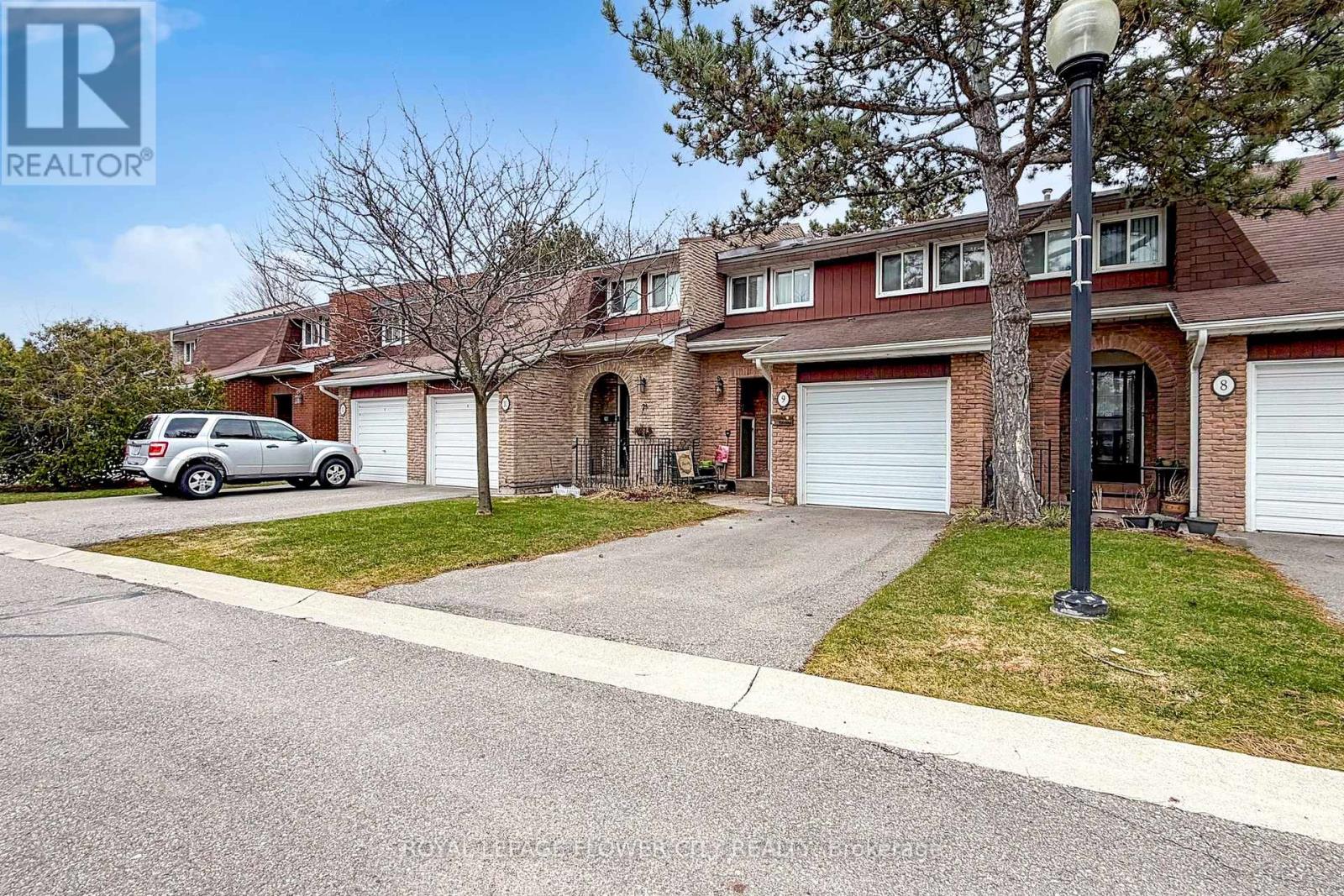 For Sale
 For Rent
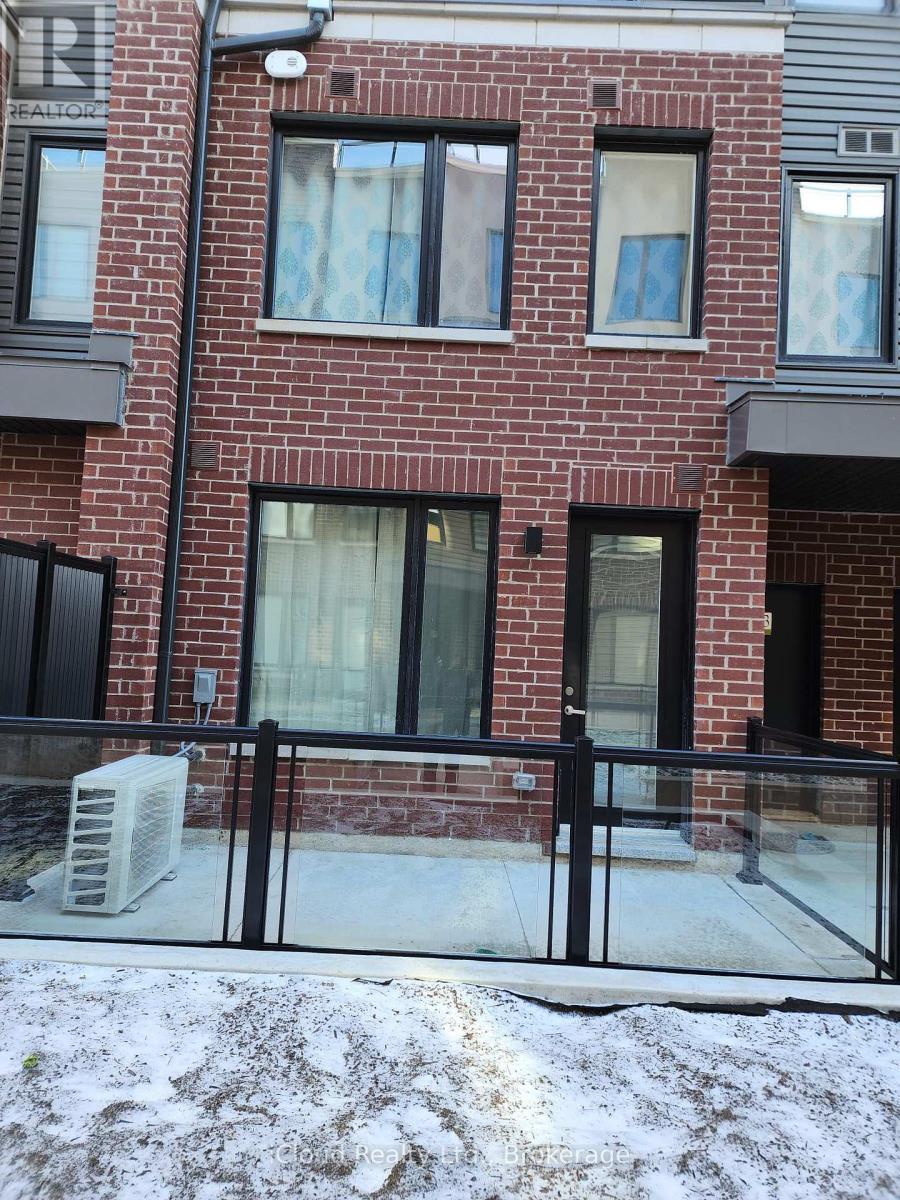 For Rent
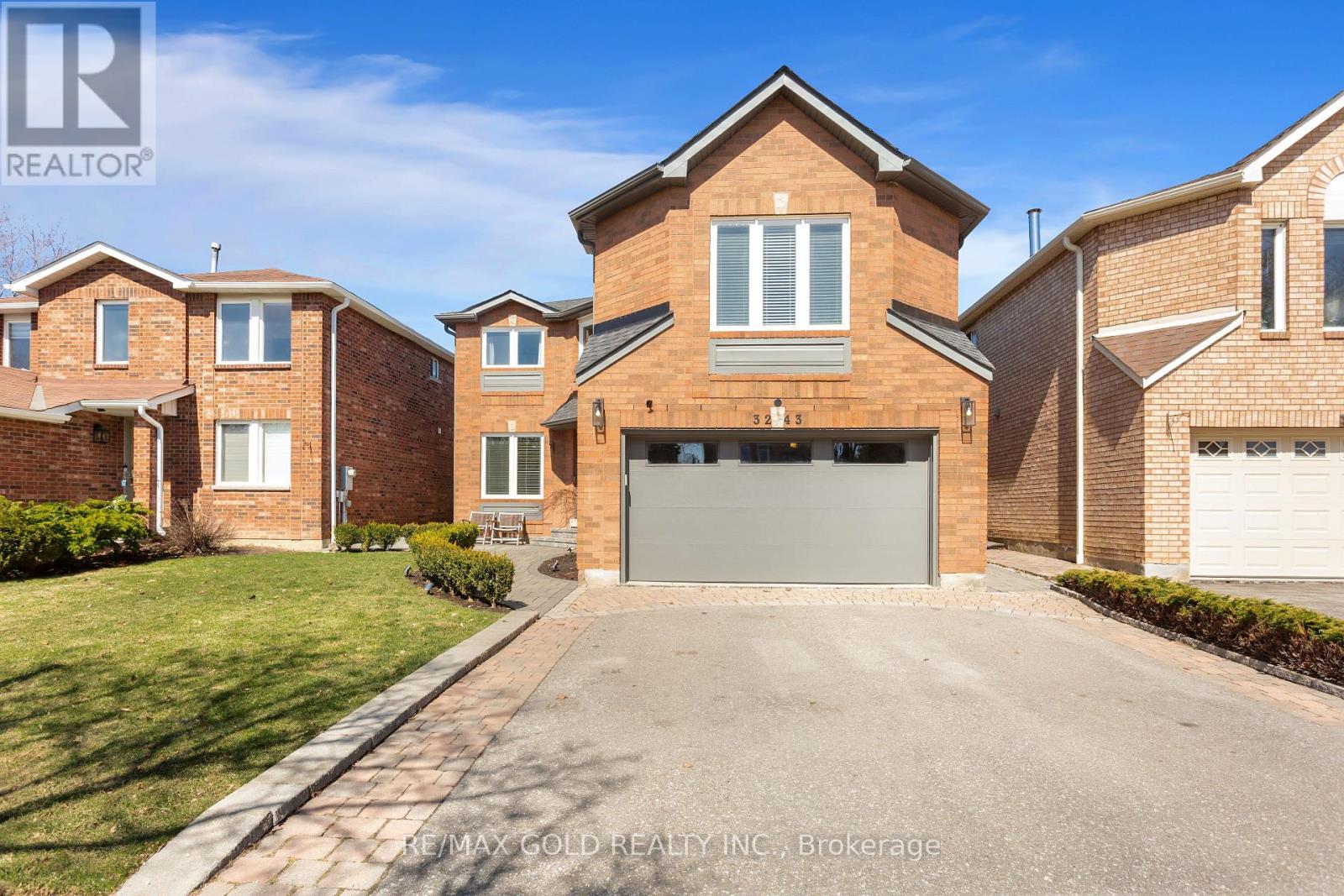 For Sale