
Etobicoke West Mall is a high-rise condo neighbourhood built around Kipling subway station, the western terminal of Line 2 and a major interchange for Mississauga and GO bus routes. Condos range from $550,000 to $900,000, transit access to downtown is among the best in the west end, and the area is on a clear path toward intensification as Cloverdale Mall and the station precinct redevelop.
Etobicoke West Mall sits at one of the most transit-connected corners in the western city: Kipling Avenue and Bloor Street West, where the subway terminates and the Mississauga bus network begins. The neighbourhood takes its name from The West Mall, a commercial corridor that runs north from Bloor through a landscape of office parks, strip plazas, and high-rise residential towers. Cloverdale Mall anchors the retail side. The Etobicoke Civic Centre, a landmark building from the 1950s with its distinctive copper dome, gives the area a civic identity that the surrounding towers and parking lots do not immediately suggest.
Residentially, this is a high-rise neighbourhood. The ownership and rental towers that cluster around Kipling station house a dense and diverse population that cycles with transit access more than with the neighbourhood’s own character. The streets immediately west of The West Mall contain some older low-rise residential buildings and a handful of bungalows, but these are exceptions. Most people buying here are buying into a condo, and they are buying primarily because of Kipling station and the commute it enables.
That transit connection is real and significant. Kipling is a terminal station, which means you board at the origin point and generally get a seat on the westbound platform. The GO bus terminal at Kipling connects Mississauga Transit routes with the subway, making this a genuine interchange node. For buyers who work downtown or in Mississauga and want a commuter-friendly base without paying inner-city prices, West Mall is worth understanding properly. The neighbourhood itself does not have the street life or retail depth of somewhere like the Queensway or Mimico, but its infrastructure is hard to match for the price.
The dominant product here is the high-rise condo, and that shapes everything a buyer needs to understand. Towers built from the 1960s through the 1980s make up most of the ownership stock. These are generally large-format units: one-bedrooms in the 600-square-foot range, two-bedrooms often pushing 900 to 1,100 square feet. The layouts are functional rather than inspired, with long hallways and separated rooms that differ from the open-concept condo format most buyers now expect from new construction. Maintenance fees on the older buildings run higher than on newer towers, and some buildings have deferred capital work that buyers need to research before committing.
Newer condo buildings have come to the area around Kipling station over the last decade, and these follow the current format: smaller units, open layouts, lower fees, and better amenities. Prices in 2026 run roughly $550,000 to $900,000 depending on floor, view, building age, and unit size. A well-maintained two-bedroom on a high floor in a newer building pushes toward the top of that range. An older one-bedroom in a 1970s tower can be had significantly lower, but the maintenance levy risk is real and the reserve fund status should be reviewed carefully before any offer.
Freehold options exist in the residential streets to the west of The West Mall, particularly in the blocks approaching Renforth Drive and the Eringate boundary. These are mostly post-war bungalows and backsplits. They trade at a premium over the condo market given their scarcity in this part of Etobicoke, and they attract a different buyer entirely. Anyone looking at freehold in this area is often better served by expanding their search west to Eringate-Centennial or east along the Bloor corridor, where the supply of post-war houses is deeper. West Mall’s core offer is the transit-connected condo, and that is where it genuinely competes.
The condo market around Kipling tracks closely with the broader Toronto high-rise market, with some specific dynamics worth understanding. Because a large share of inventory in these buildings is investor-held, listing volumes can spike when rental yields compress or when capital gains tax considerations change. This creates windows of opportunity for end-user buyers who can act without a conditional sale. It also means the market can feel choppy in a way that established freehold neighbourhoods do not, with a cluster of competing listings followed by periods of thin inventory.
Days on market in the older towers tends to run longer than in the newer buildings near the station. Buyers have become more sophisticated about maintenance fees and reserve fund health, and units in buildings with deferred repair programs or upcoming special assessments sit longer. This is worth knowing both as a risk and as an opportunity: a motivated seller in an older building with a clean reserve fund status is often more negotiable than the listing price suggests.
The mid-market condo in the $600,000 to $750,000 range has seen the most activity from first-time buyers in recent years. The combination of Kipling’s transit connection and a lower price point relative to inner-city condos keeps demand stable even when the broader market softens. The upper end of the range, approaching $900,000, is more sensitive to rate movements and tends to attract upgrading buyers who have options elsewhere. Seasonality follows the city pattern: spring and fall are more active, summer and January quiet down, but the transit-driven demand base smooths the curve more than in purely residential neighbourhoods.
The buyers who choose West Mall are almost always buying the commute first and the neighbourhood second. That is not a criticism. It is accurate, and it is the honest frame for understanding who ends up here. Professionals who work in downtown Toronto and want to be on the subway without driving to a park-and-ride are the core buyer. The ability to board at Kipling as the train’s first stop and read quietly for 30 minutes into Union Station is a genuine quality-of-life advantage that the price does not fully reflect.
A second group comes from Mississauga or Brampton, where they grew up or have family, and they are establishing their first Toronto home without cutting ties to that network. West Mall sits at exactly the right seam: on the Toronto side of the city boundary, connected to both the subway and the Mississauga transit system, and priced in a range that makes first ownership achievable. The Kipling terminal has historically been a social and geographic meeting point for communities from both sides, and the neighbourhood reflects that.
Downsizers occasionally arrive here from the larger freehold homes in Markland Wood or Eringate to the west. They want to stay in the west end, maintain easy transit access, and give up the maintenance burden of a detached house. The larger two-bedroom units in the better buildings appeal to this group more than the compact layouts common in newer construction. Investors remain a consistent presence and keep the rental market active, which maintains resale liquidity but also means the community character is less rooted than in owner-occupied neighbourhoods.
The street geography here is less about residential character and more about proximity to transit infrastructure. The towers closest to Kipling station, along Kipling Avenue itself and the streets immediately adjacent, command the strongest prices because the walk to the platform is shortest. Buildings on the east side of Kipling between Bloor and Dundas have the most direct connection. Buyers in this cluster are minimising their commute friction as much as possible, and it shows in the premium they pay.
The West Mall corridor running north from Bloor is more commercial and office-heavy, but the residential buildings set back from the main road in this area offer quieter settings than their arterial proximity suggests. The pocket between The West Mall and Renforth Drive to the west has a mix of low-rise and high-rise residential that feels less transit-saturated. It is marginally quieter, slightly further from the station, and priced accordingly.
The Cloverdale Mall area, around The Queensway and The West Mall intersection, is undergoing a slow transformation as redevelopment interest has grown. This is less about the existing neighbourhood character and more about what is being planned, which is covered in the development section. For buyers interested in shorter-term ownership, the buildings immediately around Kipling station are the most liquid. For buyers planning to hold longer and curious about upside from area intensification, the Cloverdale adjacency is worth tracking, though the timeline on any redevelopment remains uncertain.
Transit is the defining infrastructure of this neighbourhood, and it genuinely works well. Kipling station is the western terminal of Line 2 (Bloor-Danforth), which means every westbound train originates here. Peak-hour trains run frequently, and the ride to Bloor-Yonge is roughly 25 minutes. For downtown workers, this is among the better-connected commutes available in west Toronto at this price point. The station has been upgraded with elevator access and improved platform facilities, making it more functional than many older stations on the line.
The GO bus terminal at Kipling connects Mississauga Transit routes serving Meadowvale, Malton, and the northwest Mississauga suburbs. MiWay routes also terminate here. This makes West Mall a genuine interchange for people whose destinations are distributed across the inner suburbs rather than concentrated downtown. If your workplace is in the Mississauga office corridor or you frequently travel to Pearson airport, the transit connections from Kipling are hard to replicate elsewhere in the west end.
Cycling infrastructure is limited. The neighbourhood is built around arterial roads and surface parking, and the cycling network between here and other destinations requires confidence on roads that are not particularly bike-friendly. Driving remains necessary for many errands outside the immediate Cloverdale and Kipling station area. Highway 427 is accessible within a few minutes from the neighbourhood, connecting to the 401, the Gardiner, and QEW. For buyers who use transit for the commute but drive for everything else, that highway access is a practical convenience.
Green space is not a strength of this neighbourhood, and buyers for whom parks matter significantly should understand that before looking here. The area around Kipling station and The West Mall is built to a high commercial and residential density with limited parkland set aside. That said, there are accessible options within a reasonable distance.
Centennial Park sits to the northwest, roughly a 10-minute drive or a bus ride. It is one of the largest parks in the city and offers serious green space, sports fields, a ski hill, and the Centennial Park Stadium. It is not walkable from West Mall, but it is accessible enough that residents who want to use it do. West Deane Park, which follows the Etobicoke Creek ravine system to the southwest, is another destination worth noting for its trail network along the creek valley.
Closer to home, the Etobicoke Civic Centre grounds offer a bit of open space and are well maintained, with formal landscaping and a reflecting pool area that residents use in warmer months. This is not the same as a neighbourhood park with open grass and play equipment, but it is usable urban open space in an otherwise dense commercial environment. Smaller parkettes exist in the residential pockets west of The West Mall. Buyers with young children who want frequent walkable park access would do better in the quieter residential parts of Eringate or Markland Wood, where parks are woven into the residential fabric in a way they are not here.
Cloverdale Mall is the retail anchor and it handles the basics adequately: a grocery store, a pharmacy, some service retailers, and a food court. It is not a destination mall but it is practical. The adjacent commercial strip along Bloor and Kipling broadens the options with banks, fast food, a mix of independent restaurants, and the service businesses that cluster around a busy transit terminal. Daily errands are manageable without a car for residents in the towers nearest the station.
The West Mall corridor heading north from Bloor has more office and big-box commercial than neighbourhood retail, and this is where the car becomes useful. Home Depot and similar big-box retailers are accessible along this corridor. The Sherway Gardens mall is roughly 10 minutes by car or reachable by bus, and it offers a significantly wider range of retail including major department stores and more upmarket fashion and dining.
Dining options near Kipling station are improving but remain workmanlike. The population drawn by the transit terminal means there is consistent demand for fast, affordable food, and the strip reflects that. For a wider restaurant selection, residents typically travel east along the Queensway corridor toward Mimico and New Toronto, where a more diverse and interesting restaurant scene has developed over the last decade. The Etobicoke Civic Centre area has a couple of lunch-focused spots that serve the office population there. Medical and dental services are present, pharmacies are plentiful, and banking is easy. For most daily needs, residents manage fine without leaving the immediate area.
Public elementary schools serving the West Mall area fall under the Toronto District School Board and the Toronto Catholic District School Board. John G. Althouse Middle School handles intermediate grades for much of the area and has a reasonable academic reputation. Burnhamthorpe Junior School covers the younger grades in the western portion of the neighbourhood. Secondary students in the public system typically attend Burnhamthorpe Collegiate Institute or Etobicoke Collegiate Institute, both of which are established schools with decent programming but not the kind of specialised program offerings that draw families from across the city.
The Catholic system is served by local elementaries feeding into Monsignor Percy Johnson Catholic Secondary School. For families with strong Catholic education preferences, the system here is functional and well-established, with consistent enrolment.
French immersion access is available in parts of this area, though families seeking early immersion often need to be deliberate about confirming availability and boundary details, since catchment boundaries in Etobicoke are less straightforward than in some other parts of the city. The TDSB has expanded French immersion access across the board in recent years, and the relevant boundaries are worth confirming directly with the school board before purchasing if French immersion is a priority.
Buyers coming to West Mall primarily for the commute rather than for school-zone reasons tend not to weight schools as heavily in their search. The neighbourhood attracts a large number of young professionals and investors, and school quality is a secondary consideration for most buyers in this segment. Families with school-age children who want to be in this part of Etobicoke often look slightly west into Eringate or Markland Wood where the school catchments and the residential environment are both more family-oriented.
The most significant development conversation around West Mall centres on the Cloverdale Mall site. The mall’s owners have had intensification plans in circulation for several years, envisioning a mixed-use redevelopment with significant residential density, retail at grade, and potential public space improvements. This would represent a fundamental change to the character of the Kipling and Queensway intersection area. As of 2026 the approvals process has advanced, and while the timeline for any construction remains subject to market conditions and phasing decisions, the direction is established.
The area around Kipling station itself is also subject to the City’s Major Transit Station Area planning framework, which designates transit terminals as priority zones for residential and commercial intensification. This means applications for new towers in the immediate station area are likely to receive favourable planning treatment, and several sites within a short walk of the subway are either in pre-application discussions or have moved through the approval process. Buyers in existing towers should understand that their neighbourhood will look materially different in ten years, with more buildings, more residents, and eventually more street-level activity.
That trajectory is generally positive for long-term property values, though it comes with construction disruption and increasing density in the short to medium term. The Etobicoke Civic Centre precinct has also been discussed as a candidate for some replanning, given the underutilised land around the building. None of these changes happen quickly in Toronto’s planning environment, but West Mall is on a clear path toward greater density and more mixed use, which is a meaningful consideration for buyers with a long horizon.
Are the older condo buildings around Kipling worth buying, or is the maintenance risk too high?
The older towers in this area are worth buying if you do the proper due diligence. The key document is the status certificate, which every buyer should review with a real estate lawyer before firming up any condo purchase. Pay particular attention to the reserve fund study and the current reserve fund balance. Buildings where the reserve fund is underfunded relative to the study projections carry the risk of a special assessment, which can run tens of thousands of dollars per unit. Buildings with adequate reserves and no pending major capital work can be excellent value at the price point. Do not rely on the listing agent to characterise the building’s financial health. Get the status certificate, pay a lawyer to review it, and decide based on what it actually says.
How does living at Kipling station compare to living further east on the Bloor line?
The commute to downtown is comparable in time but different in experience. Boarding at Kipling as the origin station means you almost always get a seat during peak hours, which is not the case at stations further east where trains arrive full. The trade-off is neighbourhood character. Roncesvalles, Parkdale, or Bloor West Village offer far more walkable, residential, street-level character than West Mall does. The price difference reflects this. Buyers who prioritise the commute comfort over neighbourhood amenity often find Kipling works well. Buyers who want to live in a neighbourhood with cafes and groceries at grade and street life on evenings and weekends tend to prefer further east, and pay accordingly.
Can I connect easily to Pearson airport from West Mall?
Yes. The UP Express departs from Kipling station on a frequent schedule and reaches Pearson in approximately 15 minutes. This is one of West Mall’s genuine practical advantages that does not get enough attention in neighbourhood descriptions. For frequent fliers, the ability to reach the airport from your front door in under 30 minutes without a car or a cab is a meaningful quality-of-life benefit. The UP Express also stops at Bloor station and Union Station, making the Pearson connection work in both directions for airport employees or business travellers with Union connections.
What should I know about the Mississauga transit connections at Kipling?
Kipling is not just a Toronto subway terminal. It is also the eastern endpoint for several major MiWay routes serving Mississauga, and GO buses connect from here to points further west. If you have family in Mississauga or Brampton, work in the Mississauga office corridor, or split your time between the two cities, the transit access from Kipling is legitimately useful in a way it would not be from most other Toronto addresses. The GO bus connection at Kipling provides access to Mississauga GO stations on the Milton and Lakeshore West lines, depending on the route. Check the specific routes against your regular destinations before assuming they cover where you need to go, but the network is real and well-used.
Buying a condo near Kipling station involves a different set of considerations than buying a freehold house in a residential neighbourhood, and an agent who understands those differences saves buyers real money and real aggravation. The status certificate review process is non-negotiable, and a buyer without a condo-experienced agent can easily miss red flags in reserve fund reporting or pending litigation that are plainly visible to someone who reads these documents regularly. The difference between a healthy building and a problematic one is often not visible from a showing.
An agent who works regularly in west Etobicoke will also know the specific buildings to favour and the ones to avoid. There are towers in this area with histories of deferred maintenance, contentious condo board governance, or aging mechanical systems that generate ongoing levy pressure. There are also buildings that have been well managed for decades and carry no such risk. That institutional knowledge is not searchable online and does not appear in a listing description.
On the offer side, the condo market around Kipling has pockets of genuine negotiability, particularly in the older inventory. An experienced agent will know which buildings have had listings sitting and why, which sellers are under timeline pressure, and whether a unit has any specific history that warrants further investigation. In a market where individual building dynamics matter as much as neighbourhood-level trends, local knowledge is not a nice-to-have. It is the difference between buying well and paying more than you needed to for a building that costs you more than expected to own. We work in this market regularly and are glad to walk through any building or street with you before you commit to anything.
Street-level knowledge is hard to find online. Our team works in Etobicoke West Mall every day. They know which pockets hold value, where the school catchment lines actually fall, and what the market is doing right now. Talk to us before you make a decision about Etobicoke West Mall.
Talk to a local agent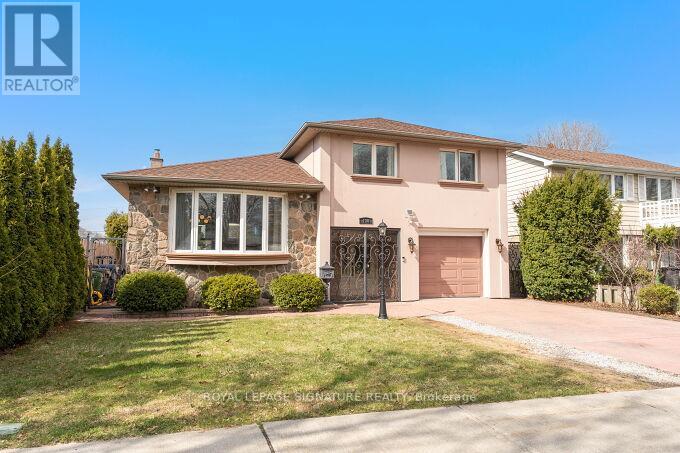 For Sale
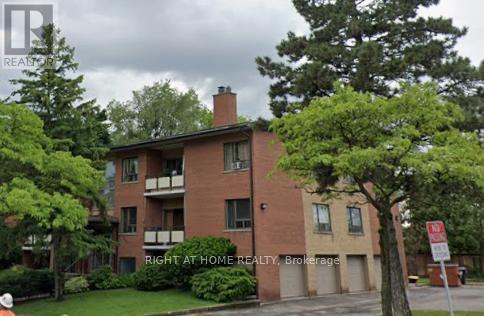 For Rent
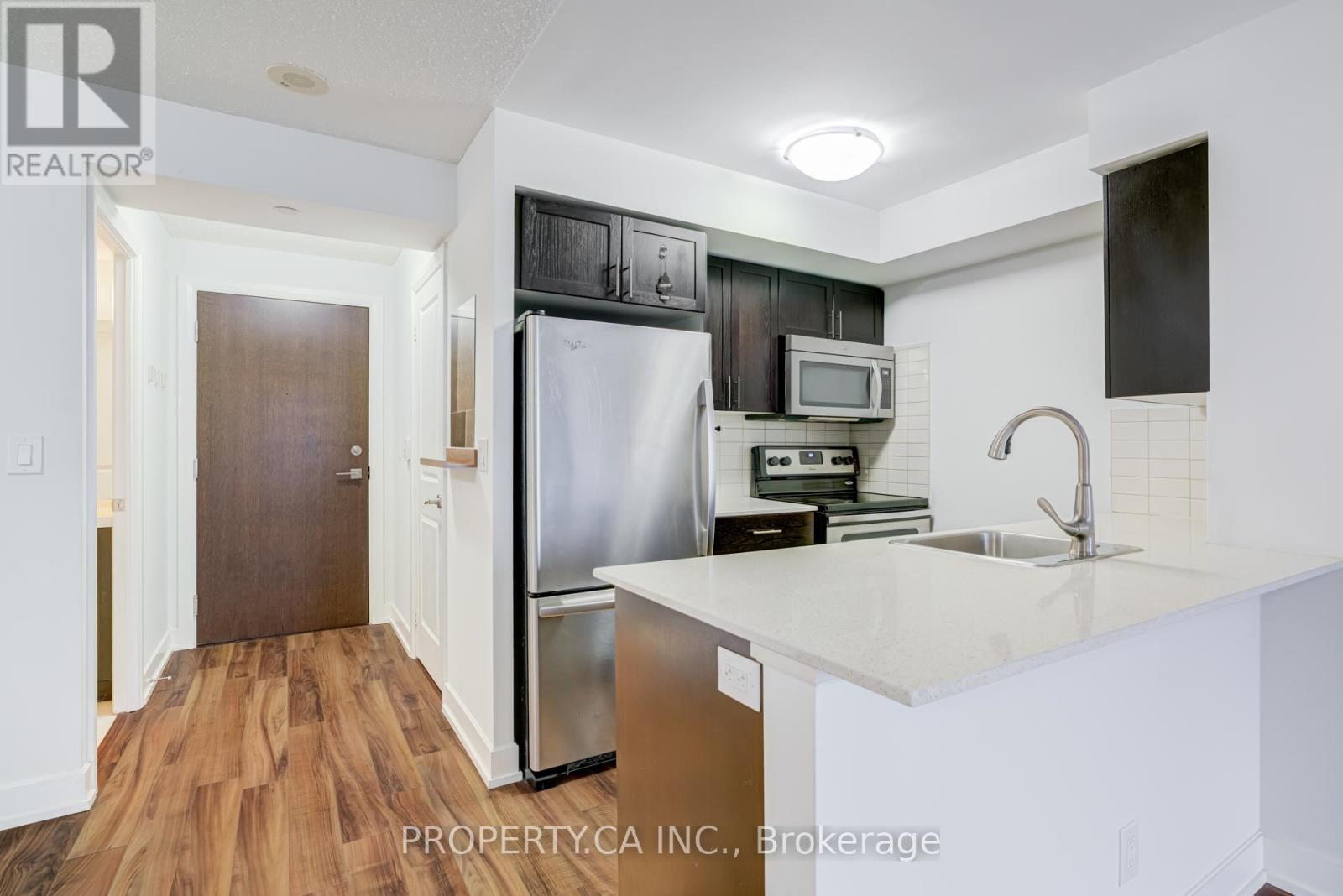 For Rent
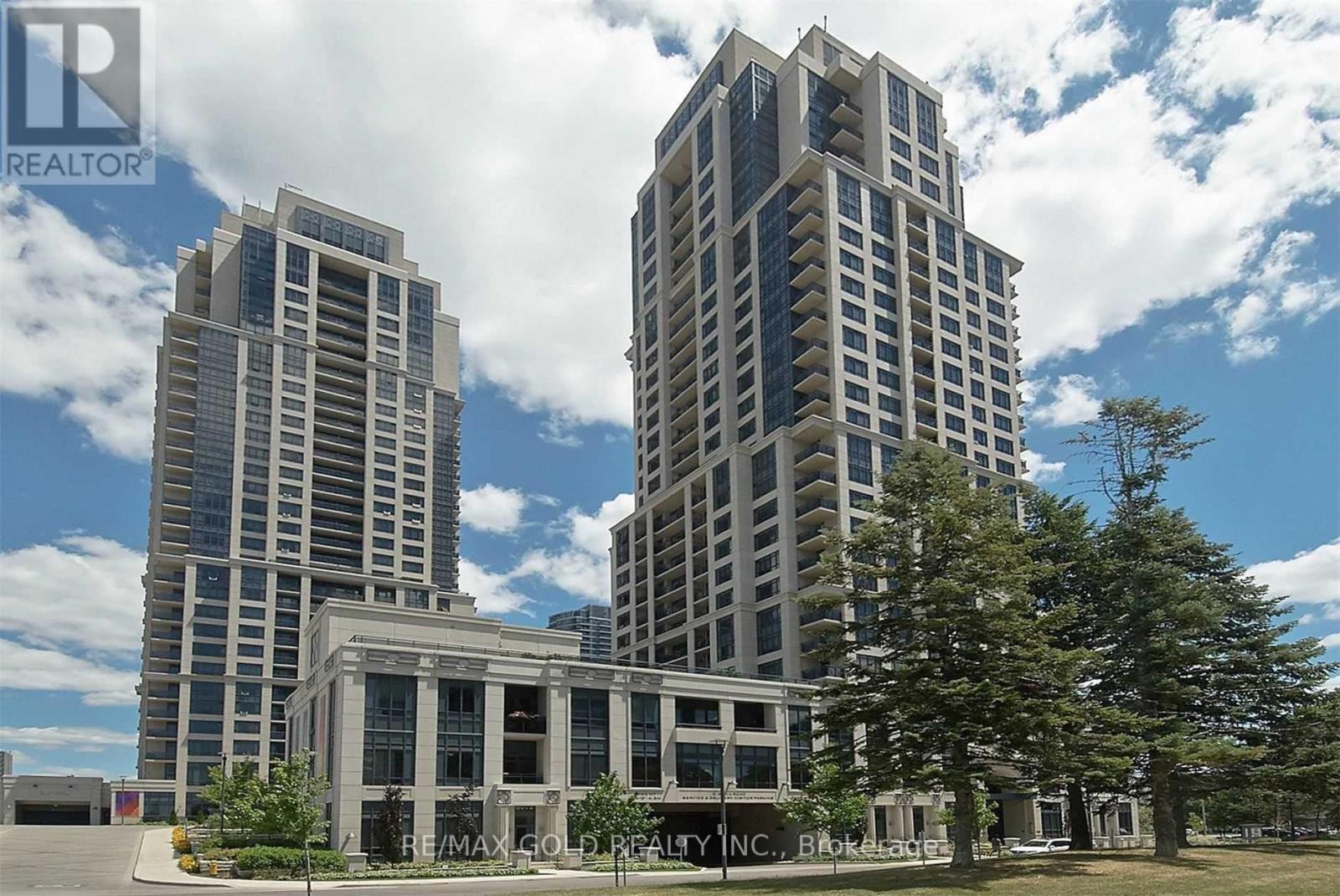 For Rent