
Fletchers Meadow is a planned residential neighbourhood in north-central Brampton built through the 1990s and 2000s. Large detached family homes, strong school access, and proximity to Heart Lake Conservation Area define this community.
Fletcher’s Meadow sits in north-central Brampton, developed largely through the 1990s and early 2000s as the city pushed its residential footprint northward along Chinguacousy Road. It’s a planned community in the clearest sense: wide residential streets, consistent lot sizes, and a housing stock that skews toward larger detached homes built for families. The neighbourhood runs roughly between Bovaird Drive to the south and Mayfield Road to the north, with Chinguacousy Road forming its western spine and Highway 410 providing the eastern edge.
What distinguishes Fletcher’s Meadow from older Brampton communities is its deliberate design around family living. Schools, parks, and transit stops were built into the plan rather than added later, and the result is a neighbourhood where young families can manage daily life without a car for most trips. Heart Lake Conservation Area sits close enough to the northwest that residents treat it as a local amenity, accessing its trails, lake, and naturalized areas on weekends without the drive that conservation areas usually require.
The population is predominantly South Asian, reflecting broader demographic patterns across north Brampton that took shape in the 2000s. Community life centres on the neighbourhood’s schools, local mosques and temples, and the retail strips along Bovaird Drive and Sandalwood Parkway. The community feels settled and established now, a generation removed from its construction phase, with mature trees lining the older streets and a sense of neighbourhood stability that newer areas further north have not yet developed.
Fletcher’s Meadow consistently draws buyers who want more house for their money than comparable Toronto suburbs offer, combined with school options that are competitive within the Peel District School Board and Dufferin-Peel Catholic District School Board. The trade-off is a longer commute to downtown Toronto, typically 60 to 90 minutes by transit, which buyers from this area generally accept as the cost of homeownership at this price point.
Detached homes in Fletcher’s Meadow were trading in the $900,000 to $1.15 million range through late 2024 and into 2025, depending heavily on lot size, basement finish, and whether the property has been updated since original construction. The neighbourhood’s housing stock runs almost entirely to detached two-storey homes with attached garages, typically on lots of 30 to 40 feet, built between 1995 and 2008. Semi-detached homes are less common here than in other Brampton communities but exist in pockets, generally priced between $750,000 and $850,000.
Townhomes in Fletcher’s Meadow, both freehold and condominium, have been active in the $650,000 to $780,000 range. Freehold towns on the larger end of that spectrum, with three bedrooms and a finished basement, represent some of the best value in the north Brampton market for buyers who want a complete family home without the maintenance demands of a full detached property.
The market here tracked the broader Brampton correction that followed the 2022 peak, with prices dropping 15 to 20 percent from their highs and then stabilizing through 2023 and 2024. By 2025, Fletcher’s Meadow was seeing modestly competitive conditions on well-priced detached homes, with clean properties in the $950,000 range drawing multiple offers in the spring market. Overpriced listings sat, and the correction punished sellers who bought at the 2022 peak and needed to sell quickly.
Rental demand in Fletcher’s Meadow is strong, driven by families who cannot yet afford ownership and by newer arrivals who want to assess the neighbourhood before committing. Basement suites in detached homes are common and typically command $1,400 to $1,800 per month, which meaningfully offsets carrying costs for owner-occupants. Investors have been active in the area, though the mathematics of carrying costs versus rental income have tightened considerably since 2022.
Fletcher’s Meadow operates as a family-driven resale market with relatively low turnover. Most residents who bought here in the early 2000s have stayed, which means the homes that do come to market are often estate sales, life-stage transitions, or owners who bought at the 2022 peak and found themselves needing to sell in a corrected market. That low turnover keeps inventory tight in a normal market, and spring seasons regularly see more buyer demand than available listings.
Days on market in Fletcher’s Meadow averaged 18 to 28 days through most of 2024, with well-priced detached homes moving faster and overpriced properties sitting for 45 days or more before price reductions. The gap between list and sale price narrowed significantly from the frenzied conditions of 2021 and 2022, with most transactions landing within 2 to 4 percent of the asking price rather than the 10 to 20 percent premiums that briefly characterized this market.
Townhome condominiums in the area have faced headwinds from rising maintenance fees, which have eroded the value proposition for buyers comparing freehold and condo ownership. Buyers who can stretch to freehold have been doing so, pushing freehold townhome demand above condo townhome demand in the current market. This is not unique to Fletcher’s Meadow but is particularly visible in a neighbourhood where the townhome stock is mixed between the two tenure types.
The new construction pipeline in immediately adjacent northwest Brampton has created some competitive pressure, as builders offer incentives on new homes that resale sellers cannot match. Buyers choosing between a 2002-built detached resale and a new-construction option 10 minutes north face a genuinely difficult comparison, and some resale sellers in Fletcher’s Meadow have adjusted pricing accordingly. Agents working this market understand the new construction calendar and advise resale clients accordingly.
The dominant buyer profile in Fletcher’s Meadow is a family with children, typically purchasing their second home after outgrowing a townhome or condo elsewhere in Brampton or Mississauga. These buyers have household incomes in the $120,000 to $180,000 range, are often dual-income, and have spent several years saving while watching the market. School quality is a primary consideration, and proximity to specific PDSB or DPCDSB schools drives some purchasing decisions more than the house itself.
First-generation homebuyers from South Asian communities make up a substantial portion of the buyer pool, often purchasing with extended family financial support and sometimes intending to house multiple generations under one roof. These buyers prioritize bedroom count, basement suite potential, and proximity to cultural institutions and community gathering spaces. They are often highly informed about the market, have done extensive research, and negotiate hard.
Investors remain active but have become more selective. The buyers who remain in the investor segment are those with longer holding horizons and the financial capacity to carry negative cash flow in the short term, betting on long-term appreciation. Pure cash-flow investors largely left this market during the rate increases of 2022 and 2023 and have not fully returned.
Move-up buyers from downtown Toronto make occasional appearances but are less common than in years past. The commute math from Fletcher’s Meadow to downtown Toronto works for buyers who are fully remote or hybrid with occasional office visits, but it’s a harder sell for anyone commuting five days a week. The buyers who come from Toronto to this part of Brampton have generally made a deliberate choice about lifestyle priorities: more space, a specific school, proximity to family already in the area, or the ability to own outright rather than carry a downtown mortgage.
The most sought-after streets in Fletcher’s Meadow tend to be those backing onto or flanking the greenway corridors that run through the neighbourhood, where rear yards open onto walking paths rather than other properties. Streets in the northern portion of the neighbourhood, closest to Mayfield Road, were built later and often feature slightly larger lots and more recent construction, which appeals to buyers who want newer mechanicals without paying new-build prices.
The pocket along Creditview Road offers some of the neighbourhood’s larger lots, with occasional pie-shaped or irregular lots that are rare in this part of Brampton. Properties here are consistently among the highest-priced in the area, particularly when they have direct or near access to the trail network. Chinguacousy Road itself is a main arterial and properties directly on it are less desirable for families with young children, but the streets running east from Chinguacousy into the neighbourhood’s interior are quiet and well-established.
The area around Sandalwood Parkway and Chinguacousy, where retail and transit converge, is convenient but noisier than the neighbourhood’s interior. Buyers looking for walkability to grocery stores and services find this area useful; buyers prioritizing quiet and green space tend to look a few streets further in. Both choices are well-represented in the resale inventory at any given time.
Fletcher’s Creek Valley, which forms the eastern boundary of Fletcher’s West to the south, extends trails into this area as well. The connected trail network is one of the neighbourhood’s strongest assets and consistently mentioned by residents as a reason they stay. Families with dogs and young children in particular rate trail access highly, and homes near these corridors carry a modest premium that has held even through the broader market correction.
Transit in Fletcher’s Meadow centres on Brampton Transit routes along Bovaird Drive and Chinguacousy Road, which connect to the Züm rapid transit network. The Züm Bovaird route runs east-west across the neighbourhood’s southern edge, providing frequent service to downtown Brampton’s terminal and connections to GO Transit. Route 51 along Chinguacousy and several local routes serve the interior streets, though the frequency on local routes is modest and many residents drive to a bus stop rather than walking from their front door.
GO Transit access requires getting to Bramalea GO or Brampton GO station, both south of Fletcher’s Meadow. Most residents drive to these stations, with Bramalea GO offering parking and connecting to the Kitchener line into Union Station. The commute to Union Station on GO takes approximately 45 to 55 minutes, making it workable for downtown Toronto workers with hybrid schedules but a meaningful daily commitment for five-day office commuters.
Highway 410 runs along the eastern edge of Fletcher’s Meadow and provides the most direct road connection south toward Brampton’s commercial core, Mississauga, and Highway 401. The highway is heavily congested during peak hours, particularly the southbound morning and northbound evening commutes, and residents routinely add 20 to 40 minutes to their travel time during rush hour. Highway 407 is accessible via 410 for those willing to pay tolls, and it provides meaningfully faster east-west movement across the GTA.
Residents who work within Brampton or in the industrial employment areas along Airport Road and the 410 corridor fare much better commute-wise than those heading downtown. Brampton has significant employment within its own borders, and a portion of Fletcher’s Meadow residents work close enough to home that the transit limitations matter less to their daily life than they would for a downtown-bound commuter.
Heart Lake Conservation Area is the defining natural asset for this part of Brampton, and Fletcher’s Meadow residents are among those who benefit most from its proximity. The conservation area encompasses Heart Lake itself, naturalized wetlands, forested trails, a swimming beach, and fishing areas managed by the Toronto and Region Conservation Authority. Day passes are required for entry, but the cost is low enough that regular use is practical for families. The lake is stocked and the trails are maintained year-round, making it a genuinely multi-season amenity rather than a summer-only attraction.
Within Fletcher’s Meadow itself, the network of local parks and greenway connections provides everyday recreation without requiring a drive. Fletcher’s Creek Linear Park connects into this area from the south, and the trails running along creek corridors give walkers, joggers, and cyclists a connected off-road network. These green corridors are the result of the planned nature of the development: the land was set aside before houses went in, and the trail network reflects that deliberate planning.
Chinguacousy Park, one of Brampton’s largest and most programmed parks, is accessible from Fletcher’s Meadow by car or bicycle and offers a ski hill, splash pad, sports fields, a petting zoo, and a large outdoor rink in winter. The park hosts community events throughout the year and draws families from across north Brampton. Its proximity to Fletcher’s Meadow is a genuine quality-of-life asset that residents use regularly rather than treat as background.
Local parks within the neighbourhood itself provide sports fields, playground equipment, and open green space at a scale appropriate for the residential density. None of them are destination parks on the scale of Chinguacousy, but they serve their purpose well for pickup games, after-school play, and weekend family time. The overall green space provision in Fletcher’s Meadow is better than in many comparable suburban communities of similar density.
Retail for Fletcher’s Meadow residents concentrates along Bovaird Drive and the Sandalwood Parkway corridor, where strip plazas and big-box anchors provide most everyday needs. A Walmart Supercentre anchors the retail node at Bovaird and Chinguacousy, surrounded by a pharmacy, fast food outlets, and service businesses. This configuration is typical of north Brampton’s retail planning: car-oriented, efficient for stocking up, and not particularly interesting as a shopping destination but entirely functional for a family doing a weekly grocery run.
Trinity Common Mall on Bovaird Drive East offers a more complete retail experience, with a Walmart, Cineplex, and a range of fashion and service retailers. It’s a 10 to 15-minute drive from Fletcher’s Meadow and serves as the neighbourhood’s closest traditional mall option. The mall has maintained occupancy reasonably well compared to regional malls elsewhere in the GTA, partly because north Brampton’s growing population creates sustained retail demand.
Bramalea City Centre, the largest mall in Brampton, is accessible via Bovaird and Highway 410 but is far enough south that it’s not a routine destination for Fletcher’s Meadow residents. It draws for larger shopping trips and specific stores not available at Trinity Common. The drive typically takes 20 to 25 minutes in non-peak traffic.
Independent retailers catering to South Asian communities are well-represented along the Bovaird corridor and increasingly within the neighbourhood’s own commercial nodes. Grocery stores carrying South Asian products, halal butchers, and Indian and Pakistani restaurants have established strong presences in these plazas over the past decade. For residents whose daily food shopping involves these categories, Fletcher’s Meadow is now well-served in a way that was less true in the neighbourhood’s early years.
Fletcher’s Meadow is served by both the Peel District School Board and the Dufferin-Peel Catholic District School Board, with several schools located within walking distance of most residential streets. Fletcher’s Meadow Secondary School serves the neighbourhood’s high school students and has developed a reputation for solid academic programming alongside strong cultural diversity. The school’s enrollment is predominantly South Asian, which has shaped its extracurricular offerings and community culture in ways that families from similar backgrounds often cite as a reason for choosing this neighbourhood specifically.
At the elementary level, several PDSB schools serve the area, including schools on Creditview Road and in the neighbourhood’s northern sections. Overcrowding has been a recurring issue across Brampton elementary schools as population growth outpaced school construction, and Fletcher’s Meadow has not been immune to this. Portable classrooms are common and some students have been redirected to schools outside their immediate catchment due to capacity constraints. This is an important consideration for buyers whose school placement expectations are firm.
On the Catholic board side, DPCDSB elementary schools serve the community with a Catholic faith-based curriculum that appeals to many of the neighbourhood’s Filipino and South Asian Catholic families. The Catholic schools in this area have also experienced enrollment pressure, though capital improvements have addressed some of the capacity issues at specific schools.
Private school options within practical driving distance include a handful of faith-based and independent schools in the broader north Brampton and Caledon area. These are used by a small minority of Fletcher’s Meadow families, most of whom are content with the public system. The overall school quality picture in Fletcher’s Meadow is adequate to good, with individual schools varying in their Fraser Institute ratings and parent perception, and buyers who have done their research tend to have a specific school in mind before selecting a street.
Fletcher’s Meadow itself is largely built out, with the remaining developable parcels largely exhausted through the 2000s and 2010s construction. Development activity in the immediate area now focuses on the communities north of Mayfield Road in Northwest Brampton, which is the frontier of new residential construction. This pipeline matters for Fletcher’s Meadow because it creates competitive supply pressure: buyers considering a resale home in Fletcher’s Meadow can often compare it to new construction north of Mayfield at similar price points.
The City of Brampton’s intensification agenda, aligned with provincial growth policies, has identified corridors along Bovaird Drive and Chinguacousy Road as candidates for higher-density development over the long term. This means the commercial nodes at major intersections may eventually see mid-rise residential added above or beside existing retail uses. No specific approvals are in place for the immediate Fletcher’s Meadow area as of early 2025, but the policy framework supports this type of intensification and developers have been assembling properties along arterial corridors across Brampton.
Infrastructure investment has followed the residential growth, with road widening and transit improvements along Bovaird and Chinguacousy completed over the past decade. The 410 extension north to Mayfield Road was a significant infrastructure investment that improved access for the entire north Brampton residential area including Fletcher’s Meadow. Further highway expansion is planned as the Northwest Brampton communities continue to build out.
Community facility development has kept reasonable pace with population growth, with the Flower City Community Campus and other recreation facilities serving the broader north Brampton population. The Gateway Community Centre in Sandringham-Wellington to the northeast draws residents from Fletcher’s Meadow as well. Residents generally describe the public amenity situation as adequate, though not exceptional, for a community of this size and density.
Q: What are typical home prices in Fletcher’s Meadow in 2025?
A: Detached homes in Fletcher’s Meadow are trading in the $900,000 to $1.15 million range in 2025, with the variation driven by lot size, condition, and basement suite finish. Semi-detached homes, which are less common in this neighbourhood than detached, typically land between $750,000 and $850,000. Freehold townhomes are in the $650,000 to $780,000 range, and condominium townhomes are priced somewhat lower depending on monthly fees. The market has stabilized after the 2022 correction, with well-priced homes drawing reasonable interest but overpriced listings sitting. Buyers should budget for a home inspection and be prepared for competition on the right product at the right price.
Q: How long does the commute from Fletcher’s Meadow to downtown Toronto take?
A: Plan for 60 to 90 minutes each way by transit, depending on your destination and the time of day. Most residents drive to Bramalea GO station and take the Kitchener line to Union Station, a trip of 45 to 55 minutes on the train, with 15 to 20 minutes of additional travel time at each end. By car, the drive to downtown Toronto via Highway 410 and the 401 or 427 typically takes 45 to 70 minutes in peak traffic, and can be considerably longer on bad days. This commute suits hybrid workers well but is a significant daily investment for full-time office commuters. Residents who work within Brampton itself face much more manageable travel times.
Q: What are the schools like in Fletcher’s Meadow?
A: Fletcher’s Meadow has both PDSB and DPCDSB schools within the neighbourhood, with Fletcher’s Meadow Secondary School serving high school students. The schools have strong enrollment and a culturally diverse student body that reflects the neighbourhood’s demographics. Overcrowding has been an issue at the elementary level, and some students have been redirected to schools outside the immediate catchment. Buyers with school preferences should verify current catchment boundaries and available capacity before committing to a specific address, as these can change with board enrollment decisions. The overall academic performance is in line with comparable north Brampton schools.
Q: Is Heart Lake Conservation Area actually accessible from Fletcher’s Meadow?
A: Yes, Heart Lake Conservation Area is a genuine local amenity for Fletcher’s Meadow residents rather than a distant attraction. The conservation area is approximately a 10-minute drive from most parts of the neighbourhood, and some residents access it by bicycle via trail connections. The TRCA manages the area with a swimming beach, fishing spots on the lake, and forested trails that are open for hiking and light recreation year-round. A day-use fee applies, but the rates are low enough for regular family use. In winter the trails remain accessible for snowshoeing and dog walking, making it a multi-season resource. Properties on the western and northern edges of Fletcher’s Meadow are closest to the conservation area entrance.
Buying in Fletcher’s Meadow rewards preparation. The neighbourhood has enough inventory variety that a focused buyer can find a property that fits their school, street, and price requirements, but the right homes move quickly and the wrong ones sit for reasons that aren’t always obvious from the listing. Working with an agent who knows the difference between a street that backs onto a trail and one that backs onto a commercial lot, or which elementary school catchments are at capacity, makes a measurable difference in the quality of the purchase.
On the sell side, Fletcher’s Meadow sellers in 2025 need to price honestly from the start. The 2022 peak is not coming back quickly, and buyers in this neighbourhood have done their research. Overpriced homes accumulate days on market in a way that weakens the negotiating position progressively. An agent who can price accurately against recent comparable sales, including the new construction competition north of Mayfield, will consistently outperform one who sets a high list price and hopes for the best.
The legal basics that matter in this neighbourhood: many Fletcher’s Meadow homes have basement suites, and buyers should verify whether these were permitted and whether the work meets current code. Unpermitted suites can affect insurance, financing, and future sale. An agent familiar with the municipality’s inspection and compliance process, and a lawyer who regularly closes Brampton properties, are both worth having on your side.
Our agents work Fletcher’s Meadow and the surrounding north Brampton communities regularly. We know the schools, the streets, and the current market well enough to give you a straight answer when you ask whether a specific property is worth the asking price. Get in touch to talk through what you’re looking for.
Street-level knowledge is hard to find online. Our team works in Fletcher’s Meadow every day. They know which pockets hold value, where the school catchment lines actually fall, and what the market is doing right now. Talk to us before you make a decision about Fletcher’s Meadow.
Talk to a local agent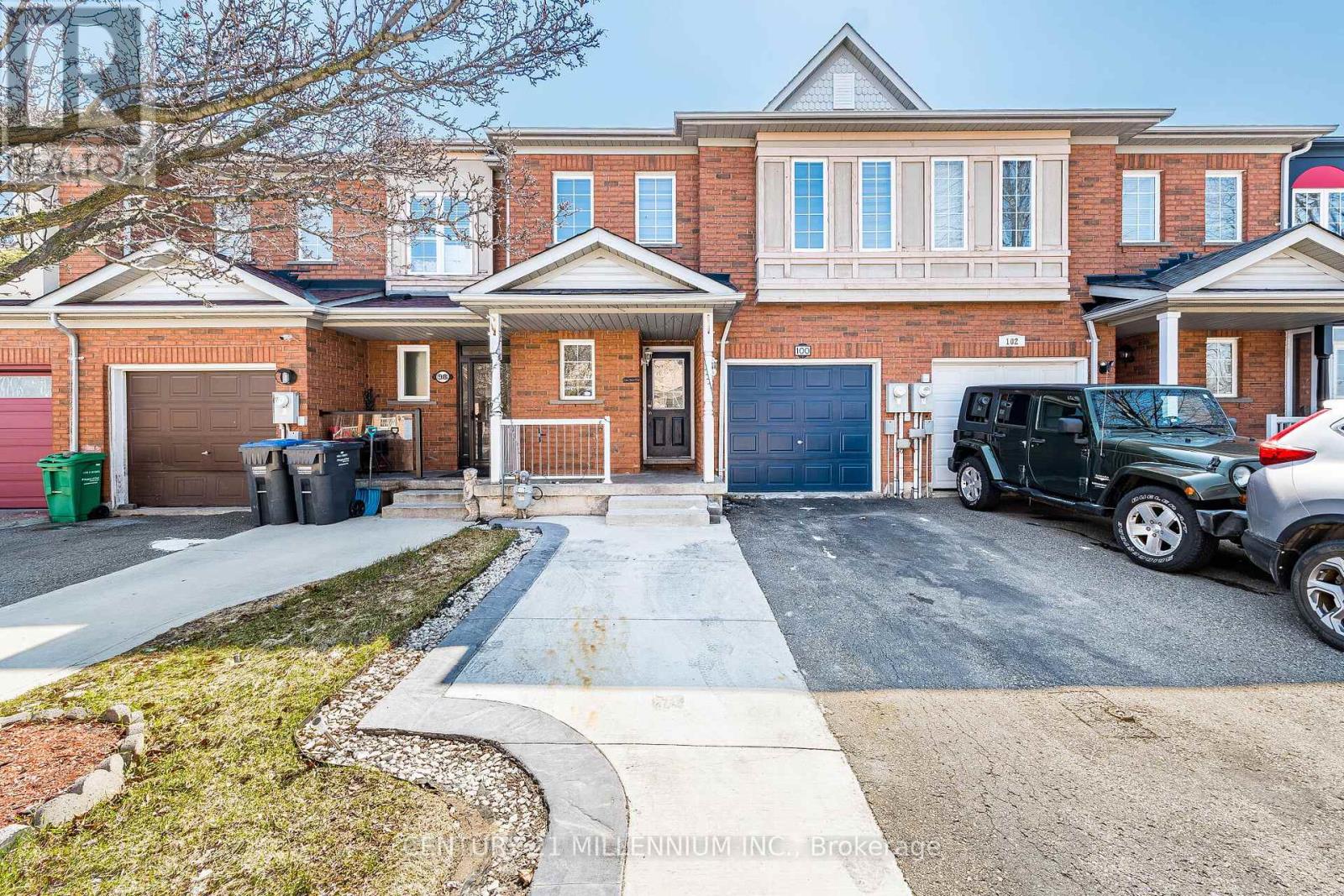 For Sale
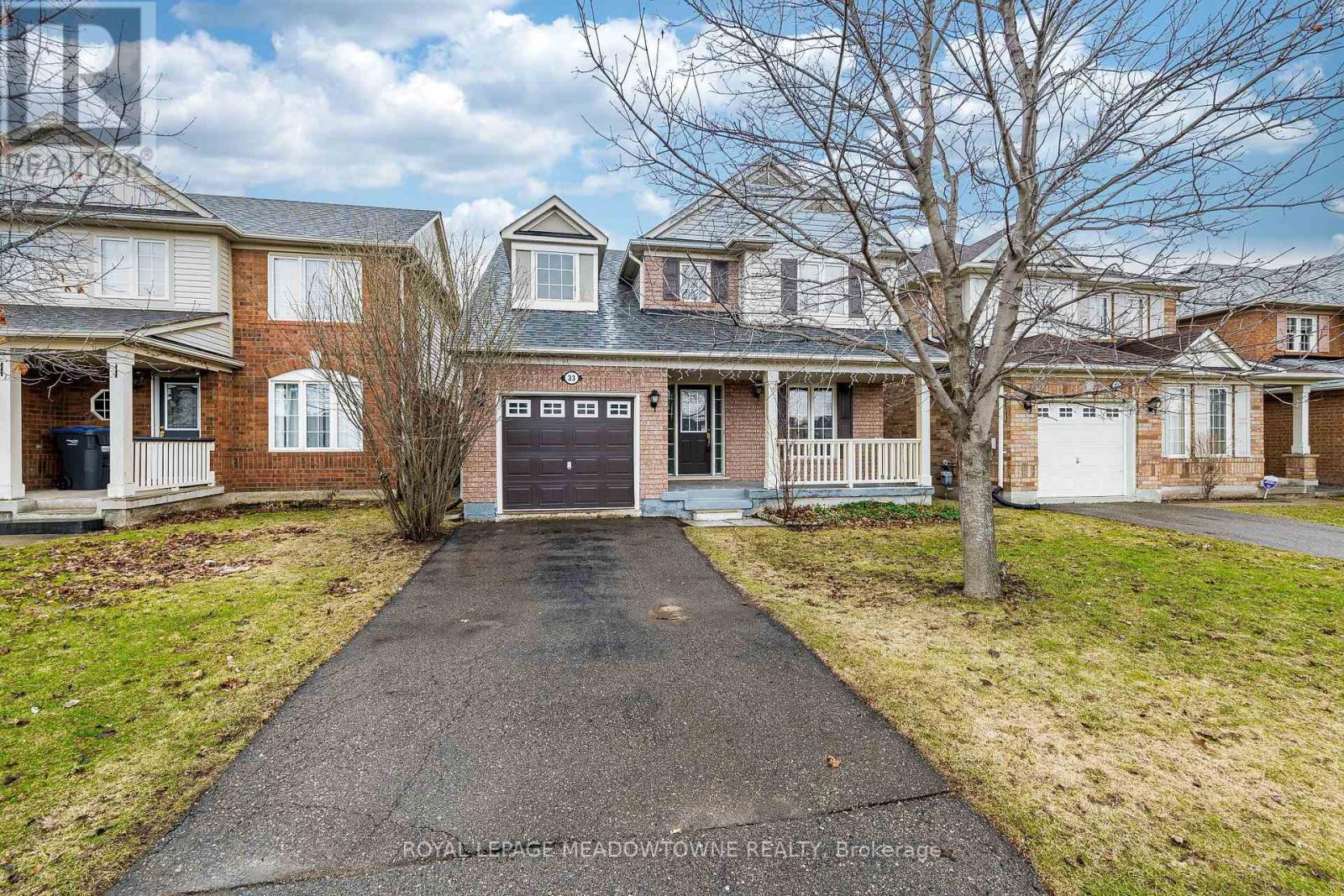 For Sale
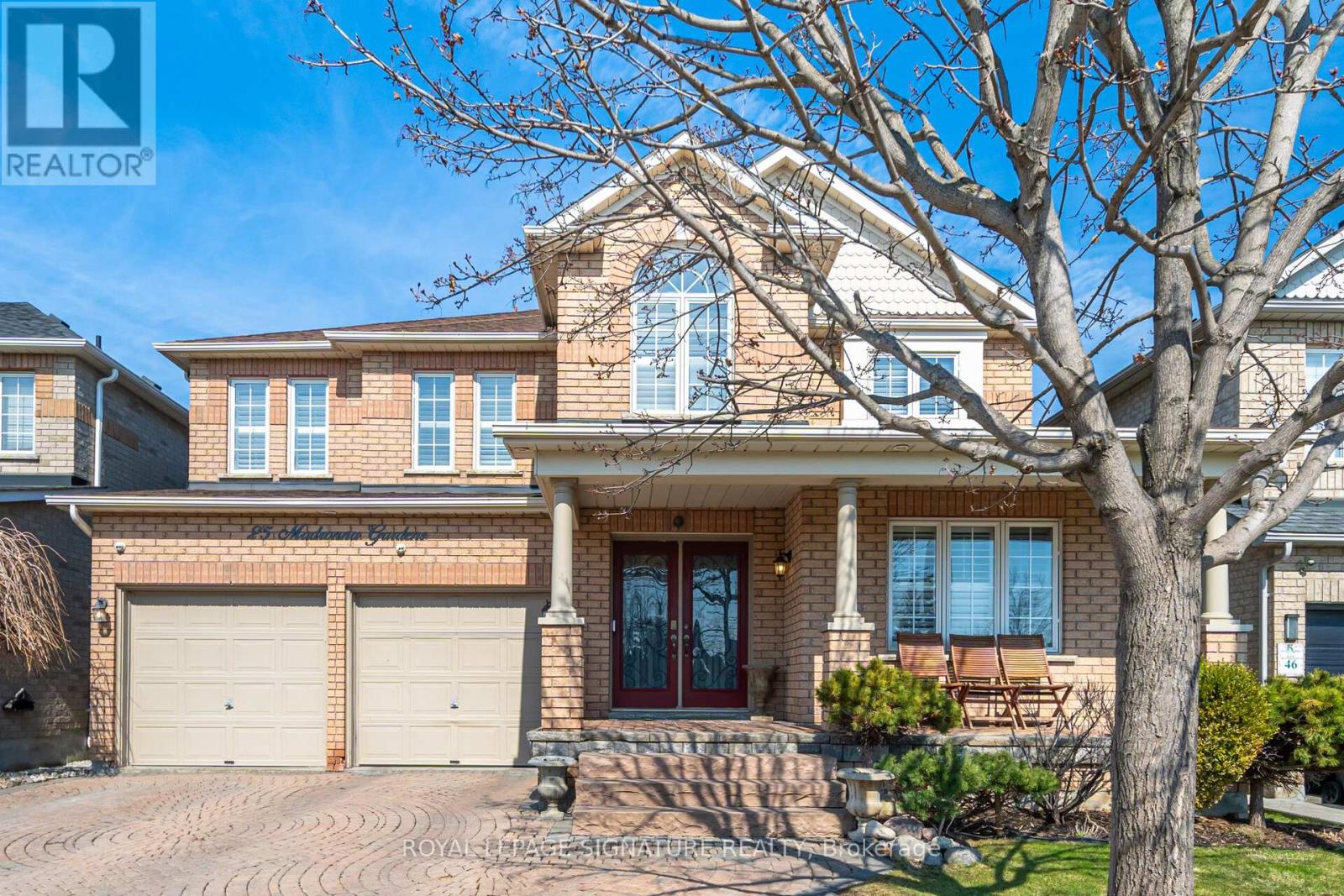 For Sale
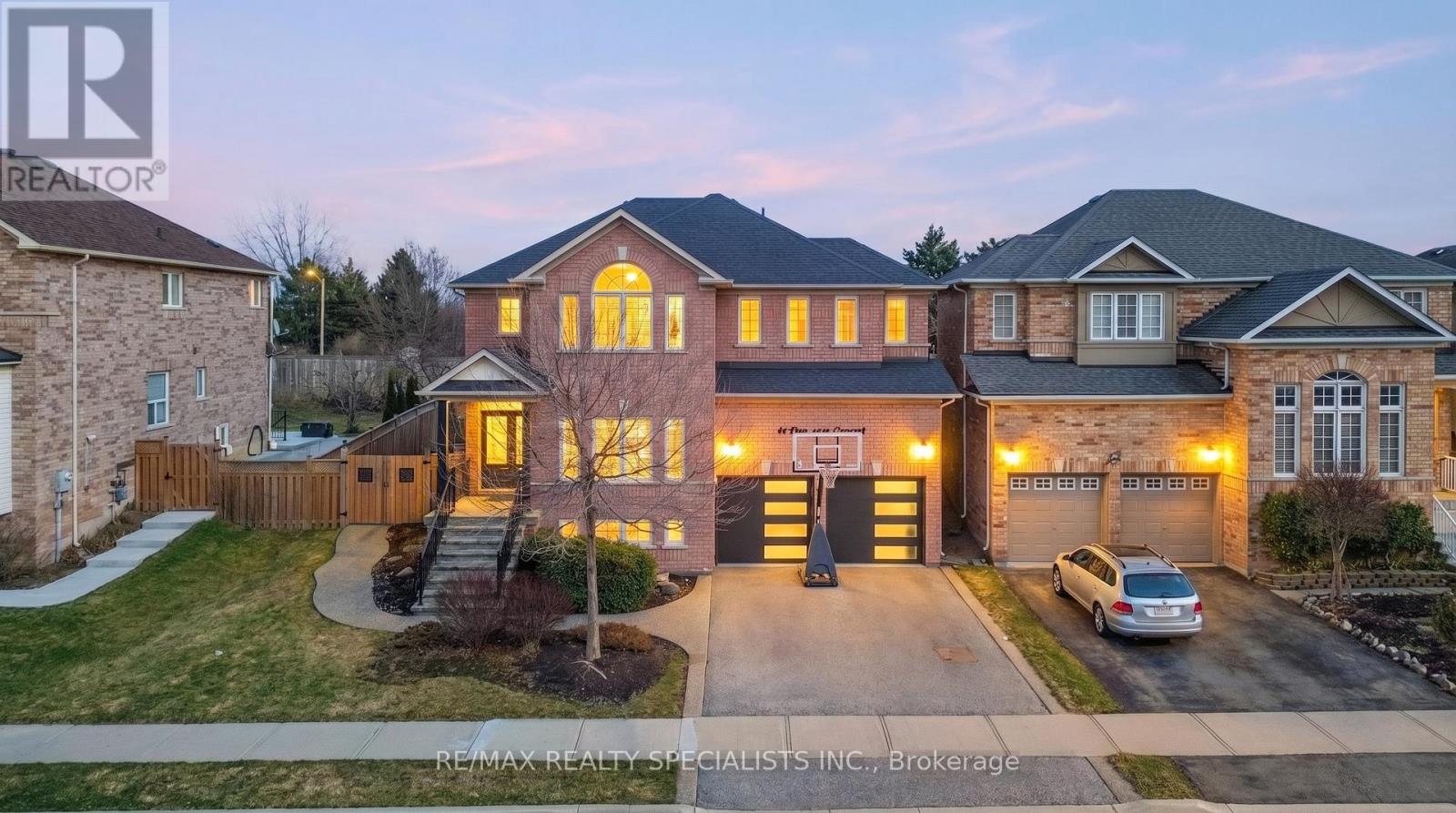 For Sale