
Fletchers West is a residential neighbourhood in central-west Brampton built around the Fletchers Creek valley trail network. Detached homes, townhomes, and strong green space access define this community along the Queen Street West corridor.
Fletcher’s West occupies central-west Brampton along Fletcher’s Creek valley, a community shaped as much by its natural setting as by its residential streets. Development here began in the 1990s and continued into the early 2000s, producing a mix of detached homes and townhomes on a street grid that was designed around the creek corridor rather than imposed over it. The result is a neighbourhood with more green space woven through it than most of Brampton’s suburban communities, and a trail network along Fletcher’s Creek that gives residents a genuinely naturalized walking and cycling route without leaving the neighbourhood.
The neighbourhood sits west of the 410 corridor, bounded roughly by Queen Street West to the south and Bovaird Drive to the north, with Chinguacousy Road forming the eastern edge and the city’s western boundary pushing toward the credit watershed beyond. The creek valley runs north-south through the community, and the streets that back onto it carry a modest premium over comparable properties on interior lots. The valley itself is wide enough in places to feel genuinely natural rather than ornamental, with mature trees, wildlife corridors, and a water system managed by the Credit Valley Conservation Authority.
Demographically, Fletcher’s West is diverse but somewhat less densely South Asian in character than some of the north Brampton communities further east. It draws a mix of established families, move-up buyers from other parts of Brampton, and some buyers from Mississauga attracted by the price difference for comparable square footage. The neighbourhood feels quieter than east-side equivalents, partly because it sits away from the main transit corridors and retail nodes that generate activity.
The Queen Street West corridor forms the commercial spine at the southern edge, providing transit connections, grocery access, and the service retail that residents need day to day. The interior of Fletcher’s West is predominantly residential, with the creek valley greenway doing the work that parks and plazas do in other parts of Brampton. It’s a neighbourhood built on a natural feature rather than around a commercial centre, and that distinction shapes what it feels like to live here.
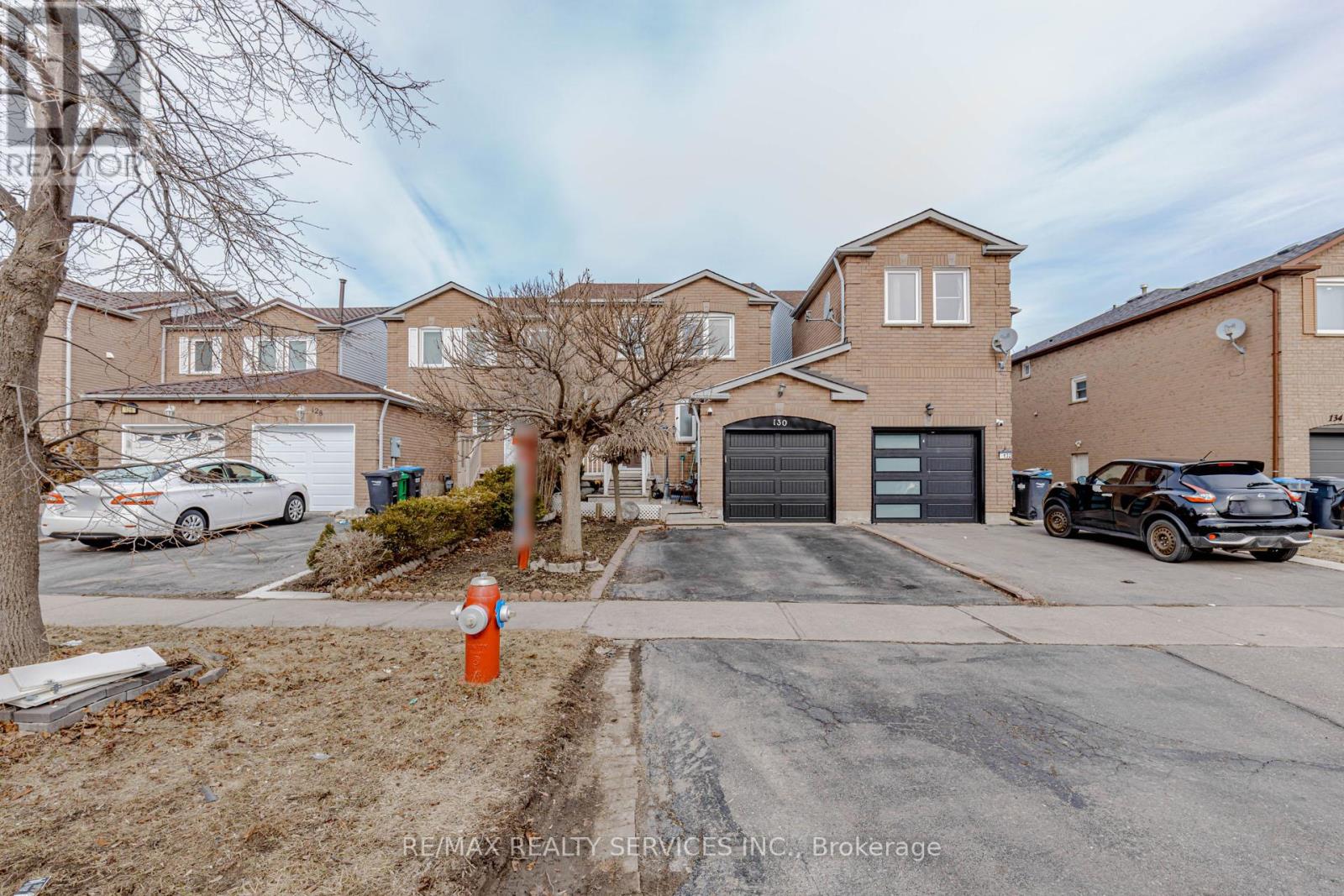
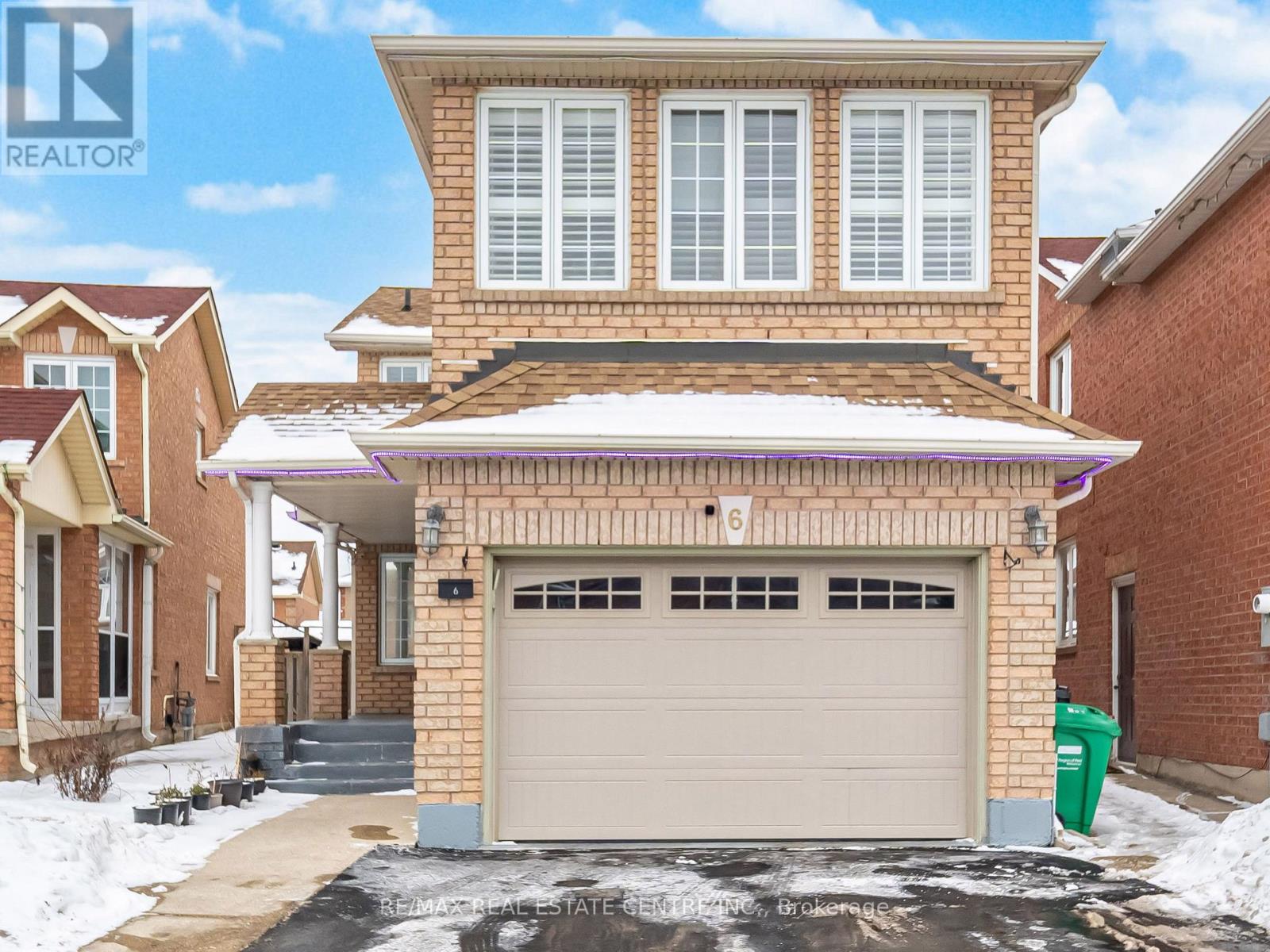
Detached homes in Fletcher’s West were trading in the $850,000 to $1.05 million range through 2024 and into 2025, with the upper end reserved for larger homes on wider lots, particularly those backing onto the creek valley. The housing stock is predominantly 1990s to mid-2000s construction, with two-storey detached homes as the dominant form and attached garages standard. Lots in this area tend to run 30 to 40 feet wide, with occasional larger parcels near the creek edge.
Semi-detached homes in Fletcher’s West are present in moderate numbers and have been trading between $720,000 and $830,000 depending on size and condition. These properties appeal to buyers who want the neighbourhood’s green amenity access without the higher entry cost of a full detached home. The semi-detached stock here is generally well-maintained, reflecting the stability of the owner-occupant base.
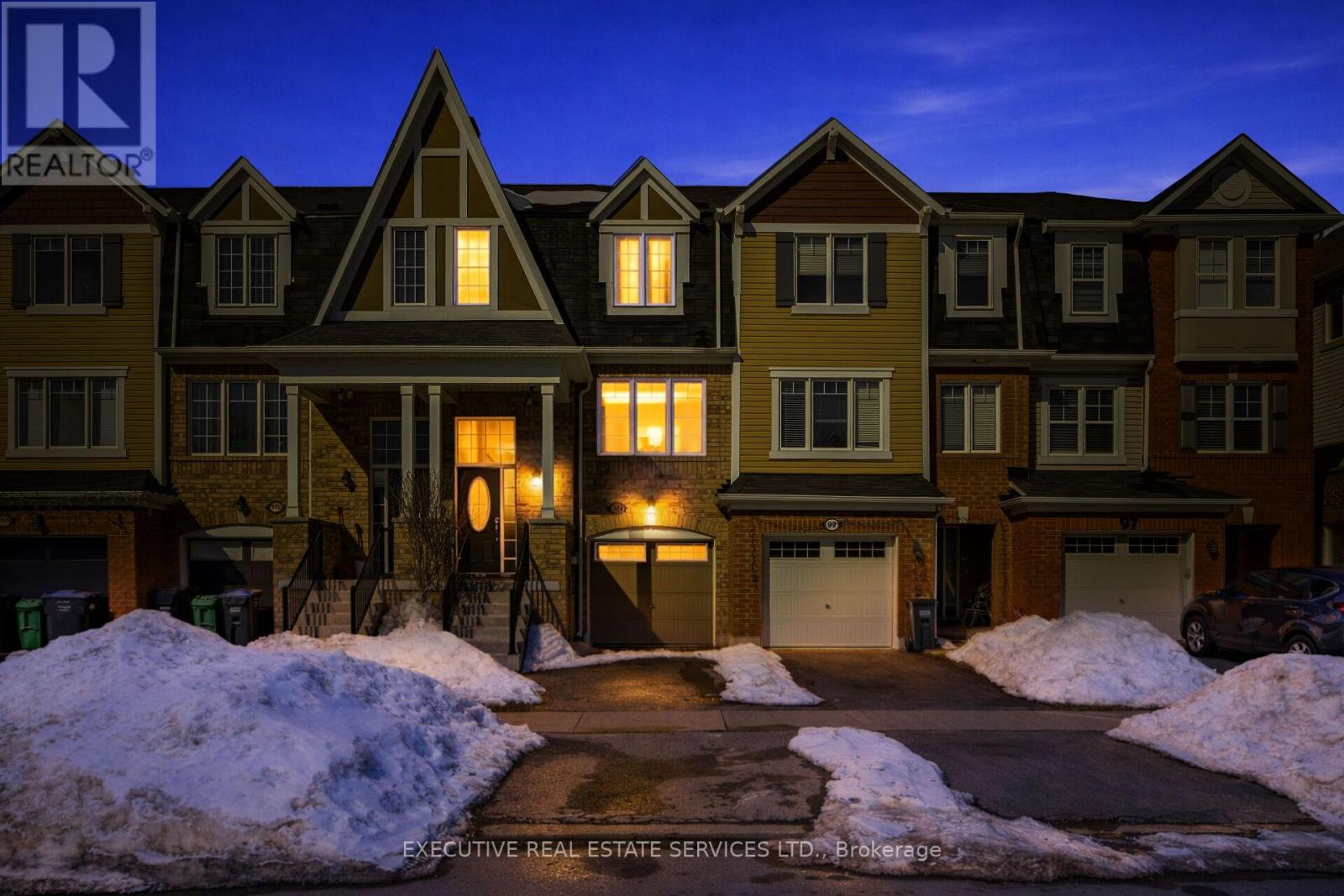
Townhomes represent a significant share of the housing mix, more so than in Fletcher’s Meadow to the north. Freehold towns have been moving in the $620,000 to $740,000 range, and condominium townhomes somewhat lower, around $560,000 to $650,000, depending on the maintenance fee load and the building’s age and condition. The freehold town segment has held up better than condos through the post-2022 correction, as buyers avoiding monthly fees have gravitated toward that tenure type.
Creek-backing properties carry a consistent premium of roughly $30,000 to $60,000 over comparable homes on interior lots, which has held through the market cycle. Buyers who understand the value of that backing consistently seek these properties, and they move faster than interior equivalents. Overall, Fletcher’s West prices are modestly below Fletcher’s Meadow to the north, partly because the school catchments differ and partly because the neighbourhood is slightly older and more heterogeneous in housing quality.
The Fletcher’s West resale market saw the same correction dynamics as the rest of Brampton after the 2022 peak, with prices falling 15 to 18 percent from their highs before stabilizing through 2023. The 2024 market was characterized by measured activity, with buyers cautious on rate exposure and sellers having adjusted their expectations from the frenzy of 2021. By early 2025, the market was moving with reasonable velocity on well-priced homes while overpriced listings accumulated days on market.
Days on market averaged 20 to 30 days for typical resale properties through 2024, with creek-backing detached homes often moving faster due to their specific buyer pool. The list-to-sale ratio stabilized around the 98 to 101 percent range for competitively priced properties, a significant change from the 110 to 120 percent premiums seen in 2021 and early 2022. Buyers who understand the current market are not in a rush, and sellers who try to recreate the conditions of that period are consistently disappointed.
Condominium townhomes in the area faced the most pressure through the correction, with maintenance fee increases adding to the cost of ownership at a time when buyers were already stretched by higher mortgage rates. Several condo town buildings in west Brampton have seen fee increases of 15 to 25 percent over the past two years as operating costs for aging common elements caught up with reserve fund contributions. Buyers looking at condo towns in this area should conduct careful status certificate reviews before committing.
The west Brampton location creates some structural differences from the east side of the city. The employment base in this part of Brampton is largely residential, with buyers generally commuting south to Mississauga or west along the 407 corridor. The lack of major employment concentrations nearby means the rental market is somewhat thinner than in east Brampton near the industrial corridors, which affects the investor calculus for this neighbourhood compared to areas further east.
Fletcher’s West draws a broad family buyer base with a somewhat different profile than the predominantly South Asian communities in north Brampton. The neighbourhood is genuinely diverse, with established families from South Asian, Black, Filipino, and European backgrounds living alongside each other in a community that has been settled long enough to have developed its own identity. Move-up buyers from other parts of Brampton, particularly those who started in a townhome further south or east, are a consistent buyer segment.
Nature-oriented buyers, a small but real segment of the Brampton market, specifically seek out Fletcher’s West for the creek valley access. These are typically buyers who have looked at comparable priced homes across north and west Brampton and decided that the trail access and natural setting justify the choice, even though the commute and retail access are not markedly different from other options in the same price range. This buyer type often has children and a dog, values outdoor access highly, and has usually spent time walking the trail before making an offer.
First-time buyers stretching for a detached home appear in the freehold and semi-detached segments, often purchasing with family financial support and a clear plan for the basement suite. The income profile in Fletcher’s West is middle-market Brampton: dual-income households in the $100,000 to $160,000 range, often in trades, healthcare, manufacturing management, or local professional services. These are practical buyers who research the market carefully and expect honest advice from their agent.
Investors have been less active in Fletcher’s West than in some east Brampton communities, partly because rental yields are thinner and the commute profile does not attract the same density of transient renters that employment corridors generate. The investor activity that does exist is primarily long-term family investors buying a second property to house family or hold for 10-plus years.
The most consistently sought properties in Fletcher’s West are those backing directly onto the Fletcher’s Creek valley. These lots vary in depth and the quality of the creek backing itself, ranging from properties with full valley views and mature tree buffers to those with a narrower greenbelt strip between the fence and the managed valley edge. The best of these have genuine privacy and a naturalized rear yard experience that is rare in suburban Brampton at this price point.
Streets in the northern half of Fletcher’s West, closer to Bovaird Drive, tend to have newer construction and slightly larger homes than the southern sections nearer to Queen Street. Bovaird-adjacent properties are convenient for transit and retail but noisier, and families with young children often prefer streets further into the neighbourhood’s interior. The interior streets running east-west across the creek corridor have consistent residential character with good tree coverage on the older sections.
The southern portion of the neighbourhood, near Queen Street West, has a more heterogeneous quality. The housing stock is older in places and includes some smaller homes that predate the main 1990s development wave. These properties appeal to first-time buyers and downsizers who want a detached home in a green setting at the lower end of the neighbourhood’s price range. The Queen Street access is an advantage here: the Züm BRT stop is walkable, which reduces car dependence for households that commute by transit.
Properties within a short walk of the Fletcher’s Creek trail entry points carry the clearest premium in this neighbourhood. There are several access points along the valley, and the trail itself is well-maintained and signed as part of Brampton’s broader trail network. Buyers who have walked the trail during a viewing typically need less convincing about the value of trail-backing properties than those who have only seen it on a map.
Queen Street West is the primary transit corridor for Fletcher’s West residents, with the Züm Queen Street BRT providing frequent east-west service connecting to downtown Brampton and onward to the GO network. The Züm route runs along Queen Street with dedicated lanes in some sections and represents one of Brampton’s better transit options for cross-city travel. Residents in the southern portion of Fletcher’s West have reasonable walk access to Züm stops; those in the northern sections near Bovaird have access to the Züm Bovaird route, though service frequency is lower.
GO Transit access requires a drive or bus connection to either Brampton GO station on Main Street or Mount Pleasant GO station to the southwest. Brampton GO connects to the Kitchener line into Union Station, a 40 to 55 minute rail journey depending on the stop pattern. Mount Pleasant GO is accessible via local buses and provides another option on the Kitchener line. Neither station is walkable from Fletcher’s West, making a car or connecting bus trip part of any GO commute.
Highway 410 is accessible from both Bovaird Drive and Queen Street West, providing a north-south corridor connecting to Highway 401 southbound. The 410 moves well outside of peak hours but is typically congested during the morning and evening rush, with queues building from 401 northbound toward Bovaird in the evening peak. Highway 407 is accessible via the 410 and charges tolls, but it provides meaningfully faster east-west travel for those whose destination or origin is along the 407 corridor.
The western edge of Fletcher’s West is not far from the developing northwest communities, and as Highway 410 has extended north toward Mayfield, the road network in this area has improved. Residents heading west toward Georgetown or Guelph use Highway 7 or the 401-410-407 combination depending on their destination. The road network is adequate for suburban Brampton driving patterns, though all peak-hour movement in this part of the city requires patience.
Fletcher’s Creek Linear Park is the defining green feature of this neighbourhood and one of the reasons residents consistently rate it above comparable Brampton communities in quality-of-life surveys. The park runs along the creek valley through and beyond the neighbourhood, connecting to a broader trail network that extends south toward the Credit River and north toward Heart Lake. The trail surface is paved in sections and natural path in others, accommodating walkers, joggers, and cyclists. Dogs on leash are common and the trail culture is genuinely community-oriented, with regular users knowing each other by sight.
The creek valley itself functions as a wildlife corridor, and residents report seeing foxes, deer, and a variety of bird species regularly. The Credit Valley Conservation Authority manages the natural areas and conducts periodic restoration and invasive species management work that has improved the ecological quality of the corridor over the past decade. The creek’s water quality has benefited from upstream management efforts, and while it is not suitable for swimming, it supports native fish species and contributes to the naturalized character of the valley.
Beyond the creek linear park, Fletcher’s West has neighbourhood parks distributed through the residential areas, providing the standard complement of play structures, soccer fields, and open green space. These local parks are well-maintained and heavily used by families with young children. The parks are not exceptional individually, but the combination of local park access and the creek trail system gives residents an unusually good green space provision for a suburban neighbourhood of this density.
Chinguacousy Park is accessible by car in about 15 minutes and offers programmed recreation facilities including the ski hill, splash pad, and seasonal events that serve the broader west and north Brampton community. Residents who want organized recreation options beyond what the neighbourhood’s own parks provide typically point to Chinguacousy as their go-to destination.
Everyday retail for Fletcher’s West residents concentrates along Queen Street West and the Bovaird Drive corridor, with a range of strip plazas providing grocery stores, pharmacies, and service retail. The Shoppers World Brampton plaza on Queen Street West is the nearest large-format retail destination, anchored by a Canadian Tire and a range of mid-market retailers, and it sits close enough to the southern portion of Fletcher’s West to be genuinely convenient. For a larger grocery shop, several major supermarket chains operate within a 5 to 10 minute drive.
The west Brampton retail landscape is not as concentrated as the east side’s Bramalea City Centre or the north’s Trinity Common, which means residents spread their shopping across several destinations rather than anchoring to one mall. This suits families who run errands by car and do their shopping trip-by-trip rather than as one major weekly outing, which is the dominant pattern in this part of the city.
Specialty retail and South Asian grocery options are well-represented along the Queen Street corridor, with Indian grocery stores, halal butchers, and South Asian restaurants established along the commercial strip and in the surrounding plazas. The concentration is not as dense as in some east Brampton communities but is sufficient for routine South Asian household shopping without making a special trip.
Dining options near Fletcher’s West are casual and functional rather than destination-oriented. The Queen Street corridor has a range of fast food chains and independent restaurants covering South Asian, Caribbean, and Chinese cuisines, with a growing selection of newer fast-casual concepts. Residents who want more interesting dining typically drive to downtown Brampton or to Mississauga, but the neighbourhood’s own options cover everyday eating well enough that the absence of a destination dining scene rarely comes up as a complaint from residents.
Schools serving Fletcher’s West fall under both the Peel District School Board and the Dufferin-Peel Catholic District School Board, with several elementary schools located within the neighbourhood or immediately adjacent. The area is served by a mix of established schools that reflect the neighbourhood’s demographic composition, with strong representation from South Asian, Black, and Filipino communities across the school populations.
The high school catchment for most of Fletcher’s West feeds into schools in the surrounding west and central Brampton area. Heart Lake Secondary School and Brampton Centennial Secondary School are among the secondary schools serving this part of the city, each with its own academic programming and extracurricular culture. Parents who have researched the options typically have views on which school suits their child better, and some make address choices specifically to land in a preferred catchment.
Elementary school quality varies by school rather than by neighbourhood in this part of Brampton, and prospective buyers are well-advised to look at specific school performance data and parent feedback rather than assuming uniformity. The PDSB schools in west Brampton have faced capacity pressures similar to the rest of the city, with portables common and some catchment adjustments made over the past decade to manage enrollment. Catholic board schools in the area have generally experienced similar pressure.
The broader west Brampton school landscape includes a small number of private and faith-based options within a reasonable drive, though uptake from this neighbourhood is modest. Most Fletcher’s West families use the public system and are broadly satisfied with their experience, particularly at the elementary level where the neighbourhood schools are well-established and have consistent teaching staff. School choice is a more active conversation at the high school level, where program differences across PDSB secondary schools are more meaningful.
Fletcher’s West is substantially built out, with limited greenfield development remaining within the neighbourhood itself. The active development frontier has moved north of Bovaird and into the Northwest Brampton communities along Mayfield Road, which draws some buyer attention away from Fletcher’s West resale but has not dramatically changed the neighbourhood’s character. The creek valley corridor is protected land and will not be developed, which preserves the neighbourhood’s defining natural feature indefinitely.
The Queen Street West corridor is subject to the City of Brampton’s arterial intensification policies, and the commercial strips along Queen Street could eventually see mid-rise residential development above or beside existing retail uses. This type of intensification has been approved in principle under provincial growth policies and the city’s official plan, but specific applications in this corridor are in early stages as of 2025. The practical impact on the neighbourhood’s residential character would be modest, concentrated at the arterial edge rather than within the established residential streets.
Transit improvements along the Queen Street corridor have been under discussion for years, with proposals for enhanced Züm service and potential LRT consideration as part of the broader Brampton rapid transit network. The Queen Street Züm already provides good east-west connectivity, and any further transit investment would improve the commute calculus for Fletcher’s West residents who currently drive to GO stations. The timeline for these improvements has been repeatedly extended, but the direction of the policy is clear.
The Credit Valley Conservation Authority’s ongoing management of the Fletcher’s Creek corridor includes periodic trail improvements and natural area restoration that have incrementally improved the quality of the greenway over time. Residents can expect this to continue, as CVC programs have a consistent track record of improving the natural character of managed creek corridors across the west GTA. This is a low-visibility but real long-term asset for the neighbourhood.
Q: What makes Fletcher’s West different from other west Brampton neighbourhoods?
A: The Fletcher’s Creek valley is the clearest differentiator. Most suburban Brampton communities of similar vintage have standard neighbourhood parks and no significant natural feature running through them. Fletcher’s West has a genuine creek valley corridor with a maintained trail network that residents use daily rather than occasionally. This makes it popular with families who want the space and affordability of suburban Brampton without giving up outdoor access entirely. Prices in Fletcher’s West are modestly lower than in Fletcher’s Meadow to the north, partly because the school catchments are different, but the green space amenity is arguably better here.
Q: How is the commute from Fletcher’s West to downtown Toronto?
A: Budget 60 to 80 minutes each way by transit. The most practical route is a local bus or short drive to Brampton GO station or Mount Pleasant GO, then the Kitchener line to Union Station. The train ride itself is 40 to 55 minutes. By car, the Queen Street to Highway 410 to 401 route takes 45 to 70 minutes in peak traffic, sometimes more. The commute works for hybrid workers but is demanding for full-time office commuters. Residents who work within Brampton, in Mississauga, or along the Highway 7 or 407 corridor have much shorter commutes and rarely cite transit as a concern.
Q: Are the homes in Fletcher’s West in good condition, given they are 1990s construction?
A: Most are well-maintained, but 1990s Brampton construction varies in quality and every property warrants a thorough home inspection. The main issues to watch for in homes of this vintage are aging HVAC systems, roof shingles approaching or past their service life, original windows and doors that are inefficient, and basement waterproofing that may not have been updated. Homes that were well-maintained by owner-occupants are typically in good shape. Homes that were rented for extended periods or had deferred maintenance show more clearly. Never skip the inspection in this price range regardless of market conditions.
Q: Is the creek trail safe and maintained year-round?
A: The main trail sections along Fletcher’s Creek are maintained by the City of Brampton and the Credit Valley Conservation Authority and are accessible year-round. Winter conditions make the unpaved sections slippery, and some users switch to boots rather than running shoes in icy conditions, but the trail remains passable in all but the most extreme weather. Safety on the trail is generally good, with regular use by families, dog walkers, and joggers throughout the day. The connected trail network into the surrounding communities means there are usually other users on the path, which contributes to the feeling of safety that residents consistently report.
Fletcher’s West rewards buyers who take the time to understand the difference between properties that are genuinely creek-backing and those that are merely close to the valley edge. The distinction matters for privacy, views, and resale value, and it is not always obvious from a listing description or a map. Agents who have walked this neighbourhood know which streets have the best access and which properties on those streets actually deliver on what the listing implies.
For sellers, the creek valley backing is a feature worth marketing specifically rather than burying in a long list of property details. The buyer who wants trail access is looking for that feature deliberately, and a listing that leads with the creek view and trail access will find that buyer faster than one that treats it as an incidental detail. Pricing trail-backing properties requires comparable sales analysis that accounts for the premium those properties have consistently carried through the market cycle.
Practical points for buyers in this neighbourhood: the condo townhome market requires careful status certificate review given the maintenance fee trends in aging complexes. Basement suites in detached homes are common, and buyers should verify permit status before factoring suite income into their financing calculations. School catchment verification is worth doing before committing to a specific street if school placement is a priority for your family.
Our agents know west Brampton and its market well. We can walk you through the creek valley, explain the catchment boundaries, and give you an honest read on whether a specific property is priced correctly given current comparables. Get in touch if you’re thinking about buying or selling in Fletcher’s West.
Street-level knowledge is hard to find online. Our team works in Fletcher’s West every day. They know which pockets hold value, where the school catchment lines actually fall, and what the market is doing right now. Talk to us before you make a decision about Fletcher’s West.
Talk to a local agent For Sale
 For Sale
 For Sale
 For Sale