
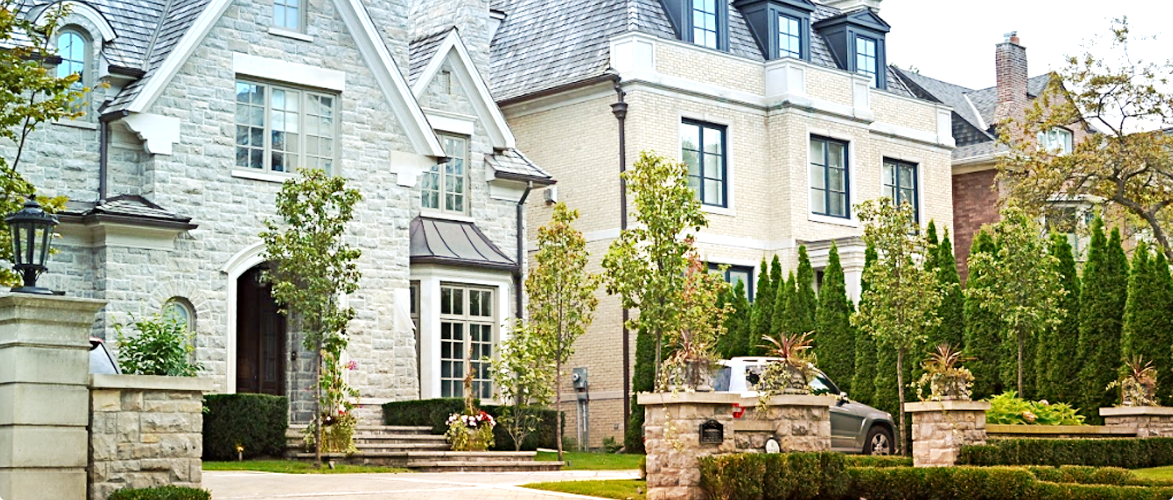
Forest Hill North sits between Bathurst Street and Allen Road, from Eglinton Avenue north to Lawrence Avenue West: a neighbourhood of post-war bungalows and split-levels on streets like Coldstream Avenue and Dunforest Avenue, anchored by a long-established Jewish community. Detached homes traded between $1.4 million and $2.5 million in early 2026, with well-renovated or rebuilt properties approaching the upper end. Buyers get the Forest Hill name, the school catchment, and the community at roughly half the cost of Forest Hill South.
Forest Hill North occupies the blocks between Bathurst Street and Allen Road from Eglinton Avenue north to Lawrence Avenue West. It’s a neighbourhood that gets conflated with its more famous neighbour to the south, which is understandable and worth untangling. Forest Hill South, below Eglinton, is where the grand Tudor and Georgian houses sit on deep lots with high hedges and three-car garages. Those properties sell for $3 million to $6 million on the low end. Forest Hill North is a different neighbourhood in almost every physical sense: the houses are post-war, the lots are smaller, and the price points are a third to half of what the southern section commands.
What the two areas share is more significant to buyers who have thought it through. They share the Forest Hill address, the Forest Hill Collegiate catchment for secondary school, and the community character that has defined this part of Toronto for decades. The Jewish institutions along Bathurst and on the side streets, the community organisations, the synagogues including Beth Tzedec on Codsell Avenue and others anchoring the commercial strips, these remain consistent across the Eglinton boundary. Buyers who want that community context, that school, and that postal address, without the $4 million entry point, find Forest Hill North is where that calculation lands.
The residential streets are Coldstream Avenue, Castlebar Road, Dunforest Avenue, and Otter Crescent, among others. The houses were built between the early 1950s and the late 1960s, mostly by the families of Jewish professionals and business owners who were moving north from older streets further downtown. Many of those families stayed. The neighbourhood’s character reflects that continuity.
The dominant housing type in Forest Hill North is the post-war bungalow and split-level, built from the early 1950s through the mid-1960s. These are solid brick homes, typically 1,200 to 1,800 square feet of above-grade living space, on lots of 40 to 50 feet wide and 100 to 120 feet deep. The original builds are modest by current standards: three bedrooms, one or two bathrooms, attached garage, a basement that various owners have finished to varying standards over the decades.
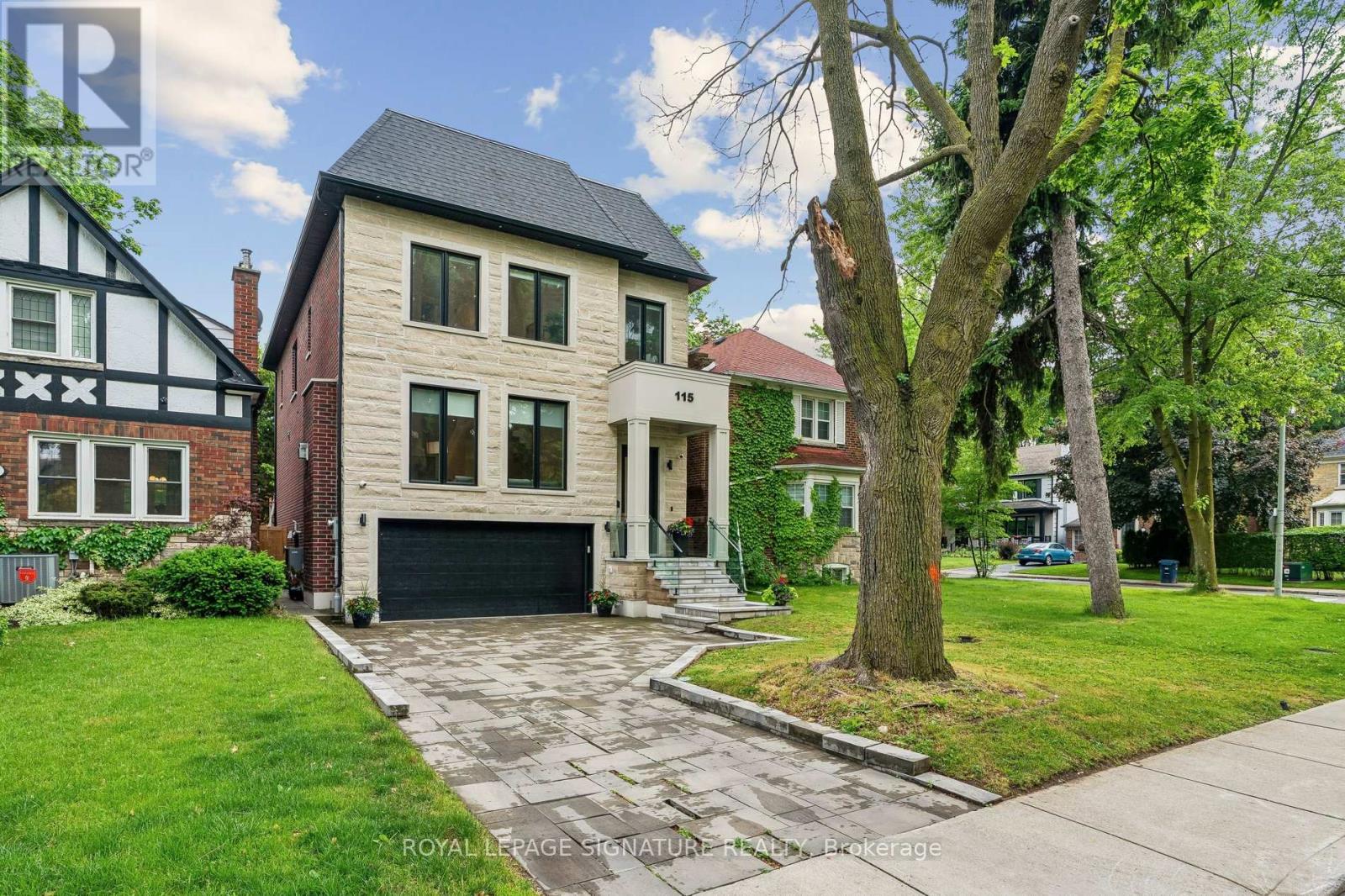
What makes the housing stock more interesting than the original footprint suggests is what’s happened to it. A meaningful number of these bungalows have been significantly renovated or torn down and rebuilt entirely. The rebuilt homes on Coldstream and Dunforest sit on the same lots but bear no resemblance to the originals: open-concept main floors, four or five bedrooms, double-height spaces, and the kind of finishes that explain how a 1958 bungalow lot commands $2.4 million. The renovated originals vary considerably in quality. Some have been updated carefully and show well; others carry fifty years of accumulated decisions that are more visible the more carefully a buyer looks.
Two-storey detached homes exist in the neighbourhood and generally traded at $1.7 million to $2.3 million in early 2026 depending on lot size, condition, and whether the renovation was functional or merely cosmetic. Post-war bungalows in original or lightly updated condition started below $1.5 million and represented the neighbourhood’s entry point for buyers who planned to renovate or rebuild themselves. There are no condos in Forest Hill North proper. The condo market along Bathurst and Eglinton serves adjacent areas but sits outside the neighbourhood boundary.
Forest Hill North detached homes traded between $1.4 million and $2.5 million in early 2026. The range reflects genuine variation in the housing stock, not noise in the data. A post-war bungalow in original condition on Castlebar Road represents one end of that range. A rebuilt four-bedroom house on Coldstream Avenue, with a finished lower level and a professionally landscaped rear yard, represents the other. Buyers who walk the streets and look at what’s been listed over the past two years will develop a clear feel for where on that spectrum a specific property sits.
The neighbourhood sits at a meaningful discount to Forest Hill South, where equivalent square footage on comparable lots trades 60 to 100 percent higher. That discount is structural rather than temporary: the southern section has architectural pedigree, larger lots, and a prestige premium that the northern section doesn’t carry and probably won’t. Buyers who are drawn to Forest Hill specifically for the address and the school catchment should understand that gap won’t close and factor it into resale thinking accordingly.
Compared to Lawrence Park immediately to the east, the prices are broadly similar for equivalent property types. The gap between Forest Hill North and Lawrence Park is smaller than most buyers expect before they start looking. The choice between them often comes down to community connection rather than price.
Days on market in early 2026 were running longer than the 2021 and 2022 peaks. Well-priced properties that showed well were still attracting multiple buyers. Properties that sat needed price adjustments. The overall market was patient rather than frantic, which gave buyers time to be more deliberate than they’d been able to afford in recent cycles.
The buyer profile in Forest Hill North is more specific than in most Toronto neighbourhoods. A significant share of purchasers arrive through the Jewish community connection: families moving from older North York neighbourhoods like Downsview or Bathurst Manor who want to stay within the community’s geographic core, or buyers coming in from Thornhill and Vaughan who want a Toronto address without leaving the community context that defines daily life. The shul, the kosher stores, the community organisations, and the established social networks are part of what’s being purchased alongside the house.
The school catchment draws a second distinct buyer group: families who have specifically researched Forest Hill Collegiate and are making a purchase decision with that secondary school in mind. These buyers are often comparing Forest Hill North to other Forest Hill Collegiate catchment properties in Forest Hill South, find the price gap substantial, and choose the north side as the practical entry to the catchment at a manageable price.
A third group consists of buyers who value the physical neighbourhood itself: quiet residential streets, decent lot sizes, established trees, proximity to both the Beltline Trail and the linear greenspace along Allen Road, and a low-rise character that feels removed from the density of the city despite being four subway stops from downtown. This group may not have a specific community or school connection but finds the neighbourhood provides the suburban feel within the 416 that’s increasingly hard to find at these price points.
The variation in renovation quality across Forest Hill North is wide enough that two properties priced identically can represent very different purchases. The original post-war construction is sound, the brick is solid, and the bones of these homes are generally good. What varies is everything that’s happened since. A basement finished in 1978 is a different proposition from a basement finished in 2019. A kitchen updated in 2003 is not what the listing description means when it calls the home “updated.” Buyers who rely on listing copy rather than careful inspection tend to be surprised by the gap between how a home presents and what it costs to bring it to where they want it.
The rebuilt homes present a different question. When a 1958 bungalow has been torn down and replaced, the new build is effectively a custom home on a Forest Hill North lot. The quality of that custom build varies from excellent to speculative-grade. Buyers considering a recently rebuilt property should review the permits pulled for the work, not because problems are common, but because the permit record tells you what was done with oversight and what wasn’t.
Lot size and orientation matter more in a low-rise neighbourhood than in a condo building. A south-facing rear yard on a 50-foot lot is a meaningfully different outdoor space from a north-facing rear yard on a 40-foot lot, and buyers who plan to spend time in that space will feel the difference year-round. Walk the street at different times of day before deciding whether the specific address works for how you actually live.
The Eglinton Crosstown LRT, when it eventually opens, will add a station at Eglinton and Bathurst, improving east-west connectivity from the southern edge of the neighbourhood. Properties near that station may see transit-related value adjustments once the line is operating. Buyers who are five to ten years from selling should factor that context into a purchase on the southern streets.
Sellers in Forest Hill North are working with a buyer pool that has done their research. The buyers who arrive at a Forest Hill North showing have usually looked at Forest Hill South and found the entry point impossible, or compared against Lawrence Park and decided the community connection tips the balance. They know what they’re getting. That means presentation matters less in the sense of staging and more in the sense of honest communication about the property’s condition and its history.
The homes that perform best here are not necessarily the most recently renovated. A well-maintained original home with a clear condition history, a clean basement, a functional kitchen, and a logical floor plan will attract a renovation buyer who is buying the lot and the bones. An over-renovated property where a seller has spent $300,000 on finishes without addressing the fundamental floor plan rarely recovers those costs. The neighbourhood’s buyers are sophisticated enough to distinguish between renovation that adds genuine value and renovation that was done for the listing.
Timing in Forest Hill North follows the same seasonal pattern as the rest of the Toronto market. The spring window from late February through May draws the most buyers. Properties listed in September through October benefit from the back-to-school urgency that drives family buyers, particularly those who are motivated by school catchment. A family that wants their child in Forest Hill Collegiate in the coming September has a clear deadline. Sellers who understand that deadline and time their listing accordingly have a built-in buyer motivation to work with.
The commercial activity closest to Forest Hill North runs on Bathurst Street and along the strips near Lawrence Avenue. The Bathurst corridor from Glencairn south toward Eglinton carries kosher restaurants, bakeries, delis, and food shops that serve the community and have done so long enough to have become institutions rather than amenities. For residents with any connection to the Jewish community, the density of that infrastructure within walking distance is part of what makes the neighbourhood function as a neighbourhood rather than simply a collection of houses.
Beth Tzedec Congregation on Codsell Avenue is one of the largest Conservative synagogues in North America and serves as a central community anchor. Smaller congregations are distributed across the neighbourhood and the surrounding streets. The community organisations that operate around these institutions, from educational programmes to social services to cultural events, create an active neighbourhood calendar that residents who are part of the community find meaningfully different from what most Toronto neighbourhoods offer.
For outdoor space, the Beltline Trail provides a continuous linear park running east-west through the area, used daily by cyclists and runners. Allen Road and its surrounding green buffer, while not a formal park, creates a visual and acoustic separation on the western edge. Eglinton Park on the southern boundary has sports fields and a community centre. The neighbourhood doesn’t have a single dominant green space the way Trinity Bellwoods Park defines that neighbourhood, but the combination of the Beltline, the smaller parks, and the established tree canopy on the residential streets gives the area a greener feel than its density on paper would suggest.
Lawrence West subway station sits at Lawrence Avenue and Allen Road, at the northwest corner of the neighbourhood. Glencairn station is a short distance further north on the same Spadina line. Both stations are on Line 1, connecting directly south through Eglinton, St. Clair West, and Spadina stations to the Bloor-Yonge interchange and then south to Union. For a neighbourhood that reads as residential and quiet, the subway access is genuinely good. Most streets in Forest Hill North are within a 10 to 15-minute walk of at least one of those two stations.
The Eglinton Crosstown LRT is planned to include a station at Eglinton and Bathurst, which will serve the southern edge of the neighbourhood. The Crosstown’s opening has been delayed repeatedly, but when it does open, it will add east-west rapid transit along Eglinton, connecting Forest Hill North’s southern boundary to Yonge, to the Scarborough communities to the east, and to the Eglinton-Crosstown West extension toward Renforth Drive. Residents on the southern streets near Eglinton will benefit most directly from that addition.
Allen Road connects north to Highway 401 and south toward the Spadina Expressway corridor and the Gardiner. For residents who drive regularly, the Allen Road access is a practical asset that buyers coming from more congested central neighbourhoods tend to notice. The Bathurst corridor carries bus service that supplements the subway and connects south through the Annex and toward downtown. Cycling is possible but less central to daily life here than in the core west-end neighbourhoods: the streets are wider and more car-oriented than the Victorian grid further south.
Forest Hill South is the most common comparison because the name is shared. The practical difference is significant. Forest Hill South is pre-war, architecturally ambitious, and priced to match: $3 million to $6 million is a realistic range for a house in reasonable condition. The Tudor and Georgian houses on Old Forest Hill Road, Dunvegan Road, and Kilbarry Road were built as a self-contained wealthy suburb with its own zoning and character, and that character has held. Forest Hill North shares the postal code and the community, but the houses were built by a different generation for a different budget, and that is reflected in the prices. Buyers who find Forest Hill South out of reach are not getting a lesser version of the same thing in Forest Hill North: they’re getting a distinct neighbourhood with its own logic, priced accordingly.
Lawrence Park sits immediately east across Bathurst Street and offers the closest parallel in price range. The housing stock in Lawrence Park tends toward slightly older and larger homes on the streets closest to Bathurst, with more of the pre-war construction that commands higher prices. Lawrence Park’s historical character is Anglican and Protestant, which sits alongside Forest Hill North’s Jewish character without much friction in practice but does produce a different feel in the community organisations, the institutions on the commercial strips, and the social fabric of the streets. Buyers choosing between the two neighbourhoods most often make that decision on community rather than on property type or price.
Bathurst Manor, further north toward Sheppard, is where buyers land when Forest Hill North is also out of reach. The houses are similar post-war stock, somewhat larger in footprint on average, and priced $200,000 to $400,000 less depending on condition and street. Many families have made the move from Bathurst Manor into Forest Hill North as an upgrade for exactly the reasons Forest Hill North buyers from the suburbs cite: the school, the community infrastructure, and the sense of being in a more established address without crossing into a completely different price tier.
Forest Hill Collegiate Institute on Lonsdale Road is the secondary school that drives a significant number of purchasing decisions in this neighbourhood. The school has an academic reputation that exceeds most Toronto public secondary schools, consistent university placement results, and a student body drawn from both Forest Hill South and Forest Hill North. For families purchasing with school-age children, confirming that a specific property falls within the Forest Hill Collegiate catchment is a necessary step before making an offer. Catchment boundaries shift. The TDSB boundary tool at the city’s school finder confirms the current boundary for any specific address. Properties on Coldstream Avenue, Castlebar Road, and Dunforest Avenue have consistently been within the catchment, but a few blocks in the northern part of the neighbourhood may fall outside it.
For elementary school, the neighbourhood is served by several TDSB schools including Forest Hill Junior and Senior Public School on Dunvegan Road, which benefits from the same community character that anchors the neighbourhood. The Toronto Catholic District School Board serves families in the Catholic system, with options accessible from Forest Hill North. The Associated Hebrew Schools, a private Jewish day school, operates in the area and serves a meaningful share of Forest Hill North families who prioritise Jewish education alongside secular academics.
Parents buying Forest Hill North for the Forest Hill Collegiate catchment should also know that the school, while strong, is not a gifted or specialty program school in the TDSB sense. It draws from a geographically defined catchment rather than from city-wide applicants. Families with children who are targeting TDSB specialty programs like Etobicoke School of the Arts or a gifted program may find those run on a separate application process entirely independent of home address.
What is the difference between Forest Hill North and Forest Hill South? Forest Hill South is the part of Forest Hill below Eglinton Avenue: the grand Tudor and Georgian houses on Old Forest Hill Road, Dunvegan Road, and Kilbarry Road that were built in the 1920s and 1930s as an affluent planned suburb. Forest Hill North is the area above Eglinton, where most of the housing stock dates from the 1950s and 1960s: bungalows, split-levels, and two-storey detached homes built for a different era and a different budget. Forest Hill South properties regularly trade at $3 million to $6 million and above. Forest Hill North properties traded between $1.4 million and $2.5 million in early 2026. Both areas share the Forest Hill address and the Forest Hill Collegiate secondary school catchment. The long-established Jewish community character is consistent across both. For buyers who want the address and the school at a price the southern section can’t offer, Forest Hill North is where that calculation works.
Does Forest Hill North feed into Forest Hill Collegiate? Forest Hill Collegiate Institute on Lonsdale Road serves students from both Forest Hill South and a significant portion of Forest Hill North. The school has a strong academic reputation and consistent university placement results. Buyers purchasing in Forest Hill North specifically for school catchment should verify the current boundary using the TDSB school finder before making a decision. Catchment lines shift periodically and a small number of streets in the northern part of the neighbourhood may fall outside the Forest Hill Collegiate boundary. Properties on Coldstream Avenue, Castlebar Road, and Dunforest Avenue have historically been within the catchment. Confirm at the specific address before relying on a neighbourhood-level answer.
How is transit in Forest Hill North? The Lawrence West and Glencairn subway stations on Line 1 (Spadina line) are the primary transit connections. Lawrence West station is at Lawrence Avenue and Allen Road at the neighbourhood’s northwest edge. Glencairn is slightly further north and walkable from the northern streets. Both give direct access south to St. George, Bloor, and Union without a transfer. The Eglinton Crosstown LRT, when it opens, will add a station at Eglinton and Bathurst serving the southern edge of the neighbourhood with east-west rapid transit. Allen Road provides fast road access to Highway 401 northbound and the downtown expressway network southbound. For a low-rise residential neighbourhood this far from the core, the transit picture is better than buyers often expect before they start looking.
How does Forest Hill North compare to Lawrence Park? Lawrence Park is immediately east across Bathurst Street and the two neighbourhoods run at broadly comparable prices for equivalent property types. Lawrence Park’s housing stock skews slightly older and tends toward larger homes on the streets closest to Bathurst, with some pre-war construction that commands a premium. Lawrence Park carries an Anglican and Protestant community character historically, while Forest Hill North is anchored by Jewish institutions including Beth Tzedec and the synagogues and kosher businesses along the Bathurst corridor. The practical price difference between the two is smaller than most buyers expect before they look. The choice comes down to community connection more often than to property specifics or price.
The area that is now Forest Hill North was farmland and bush well into the early twentieth century. Forest Hill Village, incorporated as a separate municipality in 1923, covered what is now Forest Hill South: a planned residential development on the model of the English garden suburb, with deed restrictions that limited property use and preserved the wooded character that gave the place its name. The Village’s northern boundary stopped at Eglinton Avenue. What lay north of Eglinton remained outside the incorporated village and was developed later, in a different era, by a different hand.
The post-war building boom of the late 1940s through the 1960s produced most of Forest Hill North’s housing stock. Toronto amalgamated Forest Hill Village into the city in 1967, ending its separate municipal status, but the Forest Hill name persisted across both sides of Eglinton as a shared address even as the two areas continued to develop distinct identities. The northern area, built primarily for Jewish professional and business families who were part of the same community that had established itself in Forest Hill South in the pre-war decades, developed a character tied more to community than to architecture. The houses are modest by Forest Hill South standards, but the neighbourhood they formed was not.
The Jewish community’s presence in Forest Hill North has been consistent and self-reinforcing for over sixty years. Institutions established in the 1950s and 1960s remain active. Families that arrived in the post-war period have been succeeded by children and grandchildren who returned to the neighbourhood or never left. That continuity is visible on the streets and in the community organisations, and it’s the thing that buyers arriving from outside the community often find hardest to quantify but most clearly feel once they start spending time there.
Street-level knowledge is hard to find online. Our team works in Forest Hill North every day. They know which pockets hold value, where the school catchment lines actually fall, and what the market is doing right now. Talk to us before you make a decision about Forest Hill North.
Talk to a local agent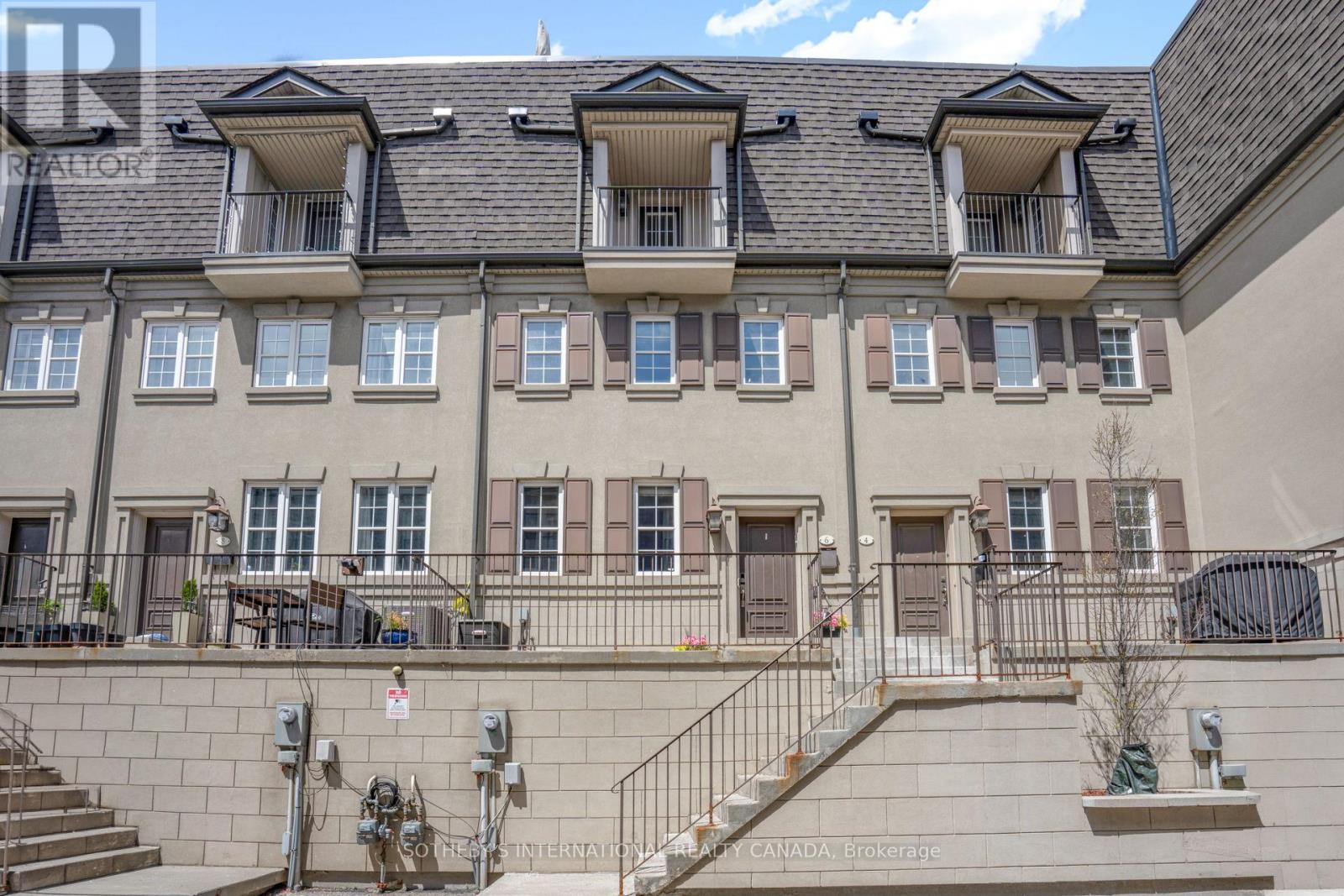 For Sale
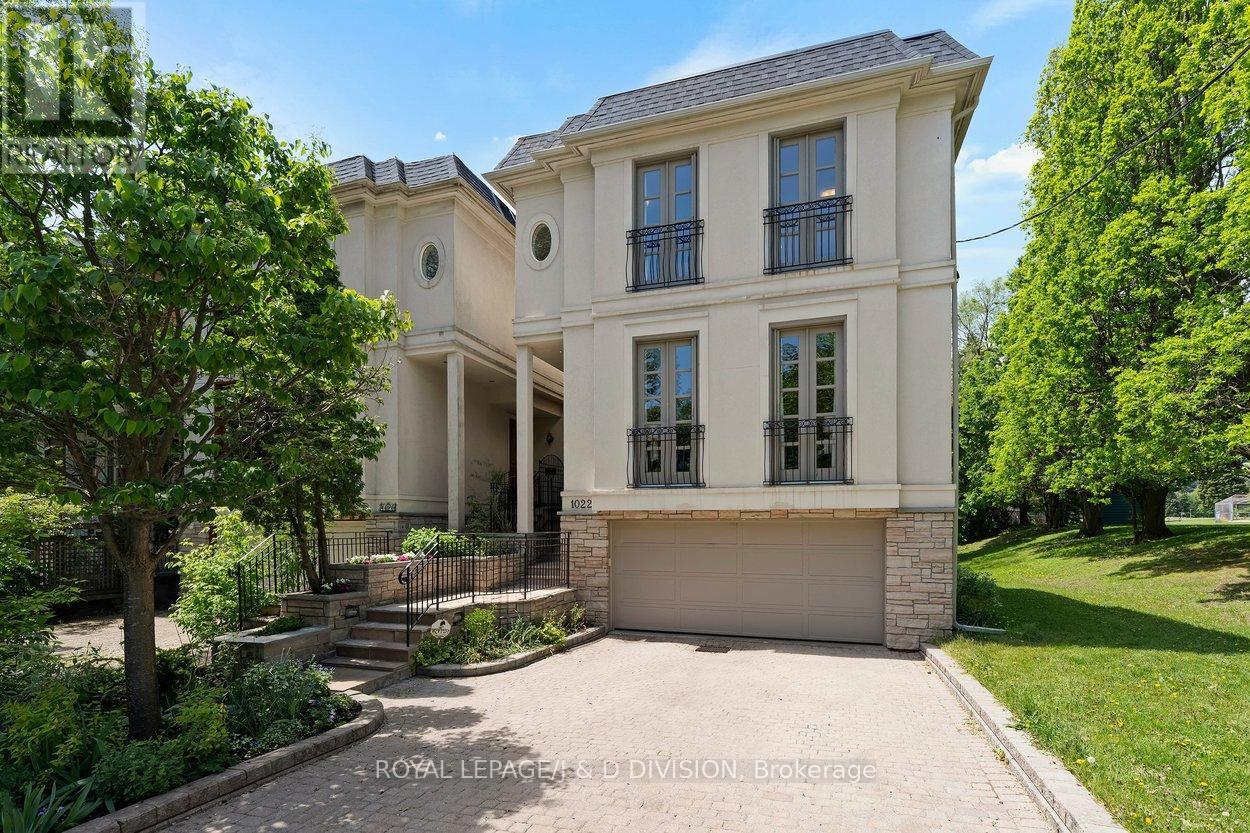 For Sale
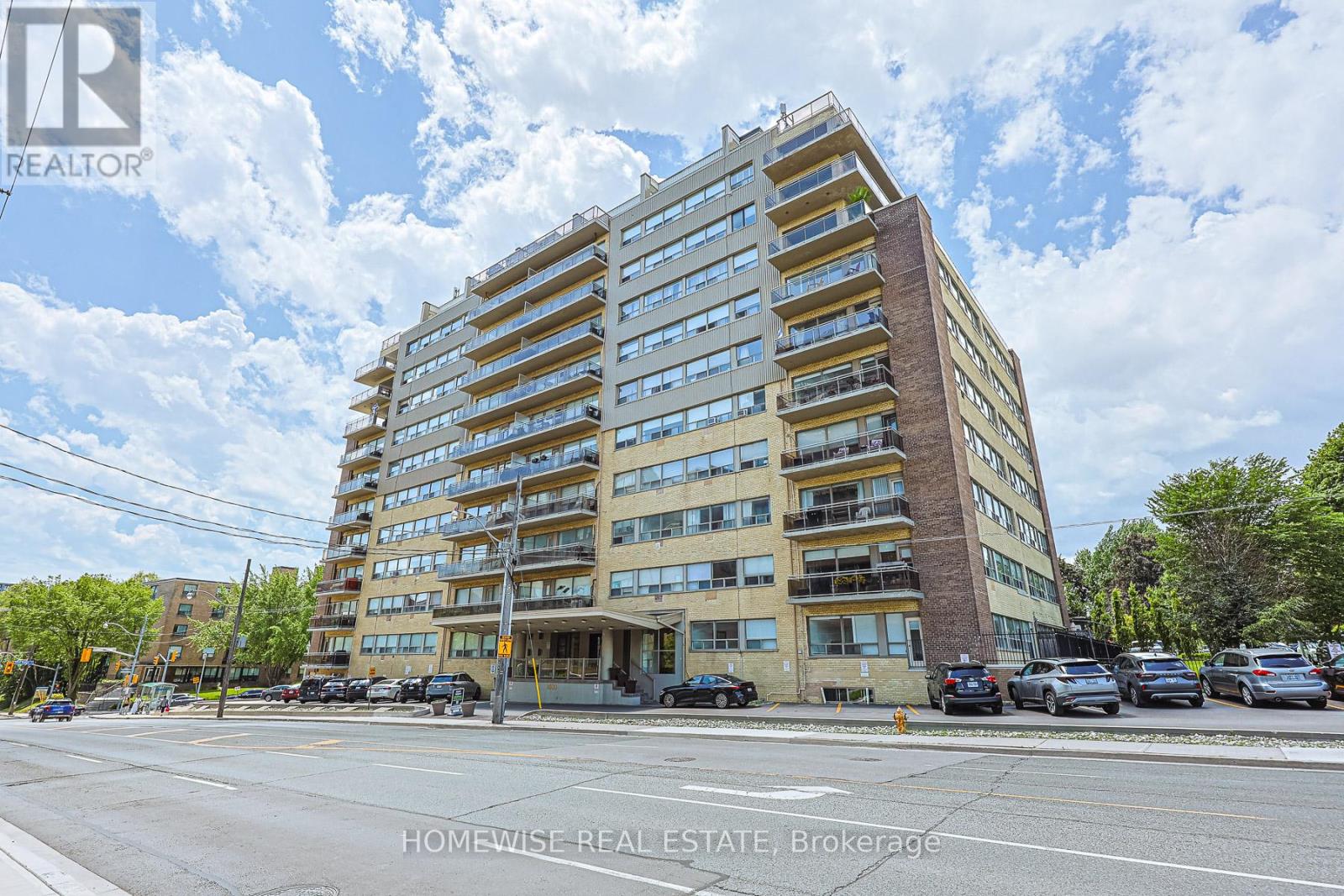 For Rent
 For Sale