
Freeman is a small south Burlington neighbourhood with affordable 1950s-1960s bungalows near Burlington GO station on the Lakeshore West line and the QEW. Detached homes trade from $800K to $1.0M in 2025.
Freeman is a small residential community in south Burlington, tucked between the QEW to the south and Harvester Road to the north, east of Brant Street. Its neighbours include light industrial and commercial uses that define the area around it, giving Freeman a location that is convenient but not particularly scenic. The neighbourhood’s value proposition is straightforward: it offers some of the most affordable detached housing in south Burlington, with GO station access and QEW connections that serve the commuter market well.
The housing stock is primarily 1950s and 1960s bungalows and split-levels on modest lots, with a smaller proportion of 1970s and 1980s semis and detached homes. The neighbourhood’s proximity to the industrial corridor and the QEW means that it has never attracted the premium renovation investment that the waterfront communities to the west and south have. Most homes are in reasonable condition with modest updates, rather than the high-end renovations seen in Roseland or LaSalle Burlington.
Freeman offers the ability to buy a detached home in south Burlington below $900,000, which is a meaningful entry-point advantage in a city where south Burlington detached homes routinely trade above that threshold. The trade-off is a location that prioritizes access over ambiance. Buyers who need south Burlington proximity and good commuter connections, and who are less concerned with neighbourhood prestige or waterfront character, find Freeman a pragmatic choice.
Detached homes in Freeman were trading in the $800,000 to $1.0 million range in 2025. The lower end of that range reflects the smallest bungalows on standard lots; the upper end reflects updated homes with good lot sizes and better placement within the neighbourhood. This pricing makes Freeman one of the most accessible detached home markets in south Burlington and positions it as an entry-level option for buyers who are committed to a south Burlington address but have a budget that doesn’t stretch to Roseland or Shoreacres.
The housing quality in Freeman is mixed. Some homes have been renovated to a good standard; others retain original kitchens, bathrooms, and mechanical systems from the 1950s and 1960s construction. Buyers purchasing at the lower end of the Freeman price range should budget for renovation investment and not expect the finishes of a comparable-priced home in a newer Burlington neighbourhood.
The lot sizes in Freeman are modest by Burlington standards, typically 40 to 50 feet wide on standard residential depths. The configuration is not unusual for 1950s development in southern Ontario. Buyers who want lot size should look at Bayview or Brant Hills rather than Freeman; the Freeman lots are sized for the modest bungalow format of their era rather than for large rear yards or significant expansion potential.
Freeman’s market is quiet and low-competition compared to the more sought-after south Burlington communities. The neighbourhood does not attract the intensity of buyer interest that drives Roseland and Shoreacres prices, which means buyers in Freeman can generally negotiate without the urgency of a competitive offer situation. Days on market are longer than in the premium Burlington markets, and motivated sellers are willing to negotiate on price and conditions.
The neighbourhood’s industrial adjacency is a meaningful factor in its pricing. The presence of light industrial uses along the QEW corridor and the non-residential character of the surrounding area places a ceiling on Freeman’s appreciation potential that the pure residential south Burlington communities don’t have. This doesn’t make Freeman a poor investment, but it means the price ceiling relative to premium Burlington is bounded by uses that are not going to be replaced by park space or residential development.
The buyer profile for Freeman is consistent with its pricing: first-time buyers entering the south Burlington market, investors who want south Burlington rental properties at lower acquisition costs, and buyers who need south Burlington access and have a fixed budget that makes the more prestigious communities inaccessible. The neighbourhood serves this demand steadily without the volatility of the premium markets.
Freeman draws buyers for whom south Burlington access and commuter convenience are priorities that outweigh neighbourhood character. First-time buyers who have maxed out their borrowing capacity in the south Burlington market often find Freeman as the only detached option within their range. They are buying location rather than neighbourhood, and that is a legitimate strategy in a city where the GO station access and QEW proximity of south Burlington are genuinely valuable.
Investors purchasing rental properties find Freeman’s lower acquisition cost attractive relative to the rental income potential, which is set by the south Burlington rental market rather than the specific neighbourhood. A $900,000 Freeman bungalow and a $1.2 million Appleby bungalow can generate similar rental income because the south Burlington rental market does not differentiate significantly between Freeman and Appleby for a comparable rental unit. The lower acquisition price improves the yield calculation.
Buyers who are prioritizing a south Burlington school catchment while working within a tight budget sometimes end up in Freeman. The school assignments from Freeman feed into the established south Burlington school system, and buyers for whom the school is the primary driver of the neighbourhood choice rather than the neighbourhood’s residential character may find Freeman acceptable on that basis.
Freeman is geographically compact, bounded by the QEW, Brant Street, Harvester Road, and the industrial uses to the east. Within this small area, the neighbourhood is fairly uniform — a grid of residential streets with consistent housing type and modest variation in lot size and condition. There are no dramatically different pockets within Freeman, and the main variation is proximity to the QEW noise corridor versus the quieter interior streets.
The streets closest to the QEW carry the most highway traffic noise, which is audible from rear yards and windows facing south on the most exposed properties. The interior streets running parallel to and set back from the highway have significantly better noise conditions. Buyers should visit at different times of day to assess the noise environment from any specific Freeman property before purchasing.
The Brant Street edge of Freeman has some commercial activity and the retail of the Brant Street corridor, which provides walkable access to basic services from the western portion of the neighbourhood. The eastern edge of the neighbourhood transitions to light industrial and commercial uses that are not directly disruptive to residential life but give the neighbourhood a less pure residential character than the surrounding Burlington communities.
Burlington GO station on the Lakeshore West line is the primary transit asset for Freeman residents. The station is on Fairview Street, about 10 minutes east by car or a 20-minute walk from the Freeman residential streets. The GO station access is the main reason south Burlington including Freeman maintains its pricing premium over north Burlington at a comparable housing quality level. Train service from Burlington GO to Union Station runs approximately 55 minutes, making it a viable daily commute.
Driving to the QEW from Freeman is quick — the neighbourhood sits directly north of the QEW interchange at Brant Street, making the highway accessible in 5 to 10 minutes at most times. This is the most direct highway access of any Burlington residential neighbourhood and is a genuine practical advantage for buyers who drive to Toronto or commute west toward Hamilton.
Burlington Transit serves the Brant Street corridor adjacent to Freeman, providing bus connections to downtown Burlington, the hospital, and the GO station. The service is adequate for occasional transit trips within the city, and the walkability of some daily errands along Brant Street reduces the car dependence for some households compared to the north Burlington communities.
Freeman does not have significant green space within the neighbourhood itself. The neighbourhood parks in the immediate area are functional rather than notable, providing basic playground and sports field access without the natural character of the escarpment communities or the waterfront access of the lakefront neighbourhoods. The Burlington waterfront and Spencer Smith Park are accessible by car in 15 to 20 minutes, and the rest of Burlington’s park system is similarly accessible by car without being walkable from Freeman.
Bronte Creek Provincial Park, accessible in about 20 minutes by car, provides a larger natural outdoor area for Freeman residents who want hiking, natural trails, and organized recreation. The park is one of the more accessible large natural areas from south Burlington and serves as the primary outdoor destination for residents of the non-waterfront south Burlington communities.
The area along the QEW and the adjacent creek corridors has some trail infrastructure as part of Burlington’s broader trail system, but the industrial adjacency limits the recreational quality of the immediately adjacent natural areas compared to what the escarpment communities or the waterfront neighbourhoods offer.
Freeman benefits from the retail and commercial density along Brant Street and the QEW corridor. The Brant Street commercial strip provides a range of restaurants, grocery, pharmacy, and service retail that is accessible within a short drive or, for some properties in the western part of Freeman, a reasonable walk. The QEW interchange area has gas stations, fast food, and convenience services that are directly accessible from the neighbourhood.
The downtown Burlington retail and restaurant concentration, 10 to 15 minutes by car, is the best restaurant and boutique shopping option for Freeman residents who want something beyond everyday commercial. The proximity to downtown Burlington is one of Freeman’s genuine advantages over the north Burlington communities that are further from the city centre.
Joseph Brant Memorial Hospital is about 10 to 15 minutes from Freeman, which is similar to the hospital access that other south-central Burlington communities have. The hospital’s central Burlington location gives south Burlington residents generally good emergency access relative to the outer Burlington communities.
Freeman falls within the Halton District School Board for public education. Elementary school assignments from the Freeman neighbourhood feed into the south Burlington school system, with specific catchment schools confirmed through the HDSB school locator. The south Burlington school context includes several well-regarded HDSB elementary schools, and buyers with school-aged children should confirm the specific school assignment for their address.
Secondary students from Freeman typically attend a south Burlington HDSB secondary school, with the specific assignment depending on the street address. The secondary schools serving south Burlington have generally strong reputations within the HDSB system. Buyers with secondary school considerations should confirm the catchment school for the specific address they are considering rather than assuming a specific school assignment for all Freeman addresses.
The Halton Catholic District School Board serves Catholic-faith families in Freeman, with Catholic elementary and secondary options accessible from the neighbourhood. Assumption Catholic Secondary School is the primary Catholic secondary option for south Burlington families.
Freeman is unlikely to change dramatically, given its position between the QEW and the established Burlington residential fabric. The industrial corridor to the east provides a stable land use that is unlikely to be converted to residential or premium commercial in the near term. The QEW boundary to the south is permanent infrastructure. Within those constraints, the neighbourhood will continue to see gradual renovation and household turnover without significant redevelopment.
There is a possibility that the industrial corridor immediately east of Freeman sees some gradual conversion to mixed-use or higher-density residential as Burlington implements its intensification policies along employment corridors. This is a longer-term and uncertain process, but if it occurs it would change the character of Freeman’s eastern edge from industrial adjacency to more of a mixed neighbourhood environment. This would likely be positive for Freeman values.
The ongoing densification of the Burlington GO station area, 10 minutes east of Freeman, will gradually improve the urban character of that corridor and may attract more transit-supportive retail and services to the Fairview Street area. This is positive context for south Burlington generally and indirectly positive for Freeman’s commuter value proposition.
Q: Is Freeman a good neighbourhood for first-time buyers in south Burlington?
A: For buyers whose primary goal is a detached home in south Burlington with GO station access and a household budget under $950,000, Freeman is often the most realistic option. The neighbourhood gives you the south Burlington address, the QEW and GO proximity, and a freehold detached home at a price point that the more prestigious south Burlington communities have moved well above. The realistic trade-offs are industrial adjacency, modest lot sizes, and a neighbourhood character that is functional rather than charming. Buyers who understand those trade-offs going in tend to find Freeman perfectly livable, particularly when they compare it to the condo alternative at the same price point. First-time buyers who are focused primarily on building equity and maintaining a south Burlington lifestyle rather than on neighbourhood character tend to find the Freeman value proposition compelling. The risk to avoid is purchasing without understanding the industrial adjacency and then feeling misled by the experience — the neighbourhood is exactly what it looks like from the street.
Q: How does the industrial adjacency affect daily life in Freeman?
A: The industrial uses adjacent to Freeman generate truck traffic on the local roads connecting to the QEW, some ambient noise from operations, and the visual character of a commercial and industrial area at the neighbourhood’s eastern edge. None of these create genuine nuisance for most residents on the interior residential streets, but they do prevent Freeman from feeling like a pure residential enclave the way Roseland or Shoreacres does. Residents who are in the neighbourhood for daily life — working, caring for children, going about their day — generally adapt to the ambient context within a few weeks of moving in. It becomes background rather than foreground. Buyers who have a strong preference for a purely residential neighbourhood character, with no industrial or commercial adjacency in their immediate surroundings, should look elsewhere in Burlington. But buyers who are more focused on the practical attributes of location, transit, and value for money will find Freeman functional and reasonable.
Q: What is the rental income potential for a Freeman bungalow?
A: A detached bungalow in Freeman with a legal basement apartment would likely generate whole-house rental income in the $2,800 to $3,400 range per month, or alternatively $1,600 to $2,000 for the basement suite alone and $2,000 to $2,400 for the main floor. The south Burlington rental market does not penalize Freeman significantly relative to Appleby or LaSalle for comparable unit quality. Investors buying a Freeman bungalow with a basement apartment at $900,000 and generating $3,200 in monthly rent are looking at a gross yield of approximately 4.3 percent, which is comparable to what a well-purchased south Burlington property generates and better than what the premium Roseland or Shoreacres properties generate at higher acquisition prices with similar rents. The investment case for Freeman depends on the quality of the specific property and the unit configuration. A well-functioning legal basement apartment is meaningfully better than a rough non-compliant suite for both rental income and resale value.
Q: Are there heritage or character designations in Freeman that affect renovations or additions?
A: Freeman does not have the heritage street designations found in some of Burlington’s older established communities. The 1950s and 1960s housing stock in Freeman is not typically subject to heritage restrictions, and standard renovation and addition work proceeds under the normal Burlington building permit process without heritage review requirements. This is an advantage relative to the older Brant and Roseland streets where heritage considerations add complexity to renovation and addition approvals. Buyers who want maximum renovation freedom without heritage constraints will find Freeman straightforward from a permits standpoint. The normal Burlington building by-law requirements — setbacks, lot coverage, building height — apply to all Freeman properties, but there are no additional heritage layers that would restrict what you can do with the exterior of the house.
Freeman is a straightforward market for an experienced Burlington buyer’s agent. The low-competition dynamic and negotiable nature of most transactions means buyers are not at risk of the urgency errors that occur in the premium south Burlington markets. The main role of a good agent in Freeman is honest comparative analysis: understanding what the neighbourhood’s industrial adjacency implies for the pricing ceiling and long-term appreciation potential, and helping buyers calibrate their expectations for what Freeman delivers versus what the premium communities to the west and south deliver.
The home inspection in Freeman should be taken seriously despite the lower price point. 1950s and 1960s bungalows can carry oil tank liabilities, knob-and-tube wiring, original galvanized plumbing, asbestos in floor tiles and insulation from early renovation eras, and foundation drainage issues that need to be specifically investigated rather than assumed. The lower purchase price does not reduce the due diligence requirement — it increases the importance of understanding exactly what you are buying before committing.
Buyers considering Freeman specifically for the basement apartment income should have the specific suite inspected for compliance before purchasing. Not all Freeman basement suites are legal or safe, and the difference between a legal suite and a non-compliant one is significant for both the income security and the eventual resale value. An agent who helps you confirm the status of any existing suite, and who can connect you with a building official or inspector familiar with Burlington’s basement suite standards, is providing a concrete service in this market.
Street-level knowledge is hard to find online. Our team works in Freeman every day. They know which pockets hold value, where the school catchment lines actually fall, and what the market is doing right now. Talk to us before you make a decision about Freeman.
Talk to a local agent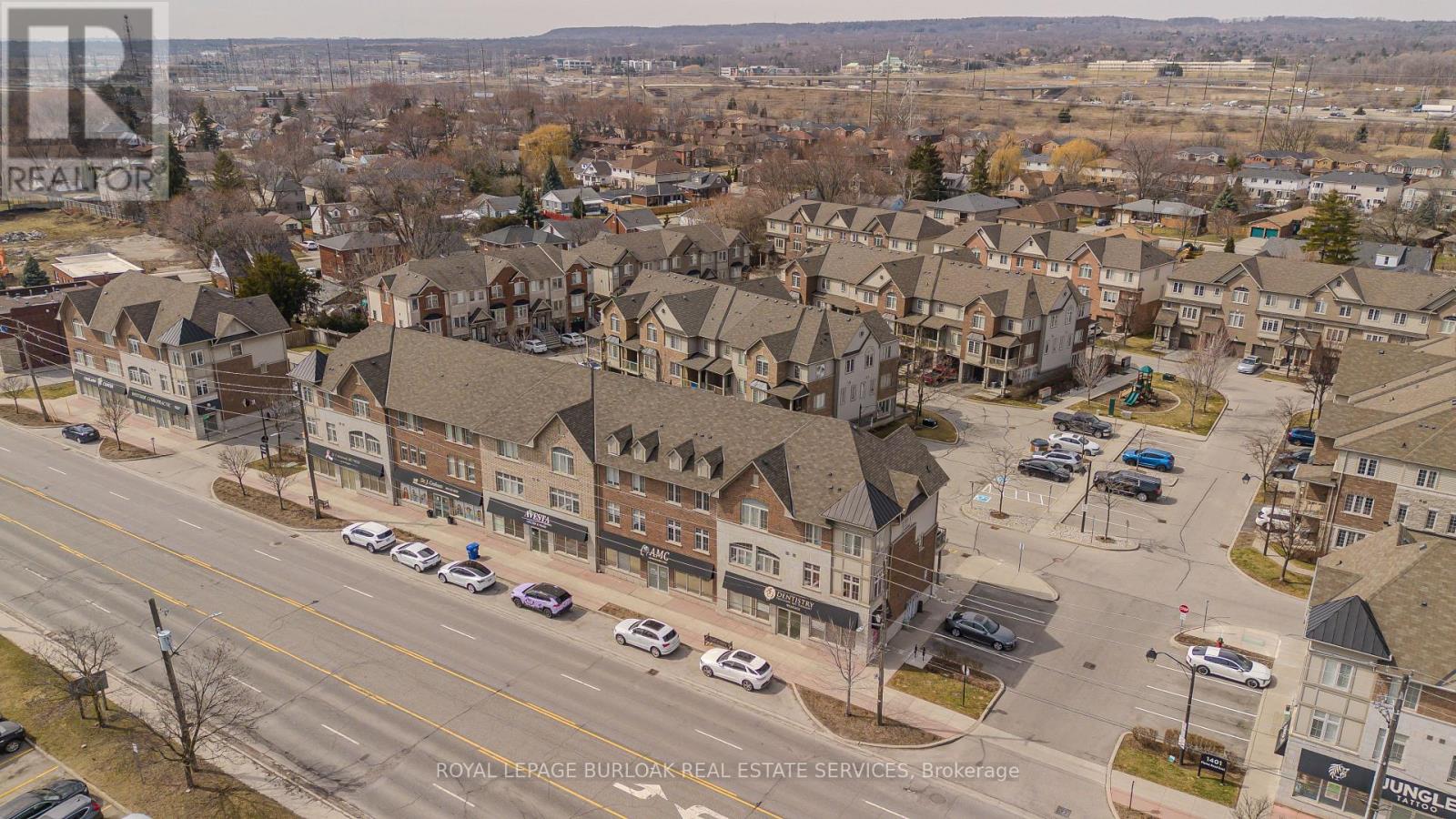 For Sale
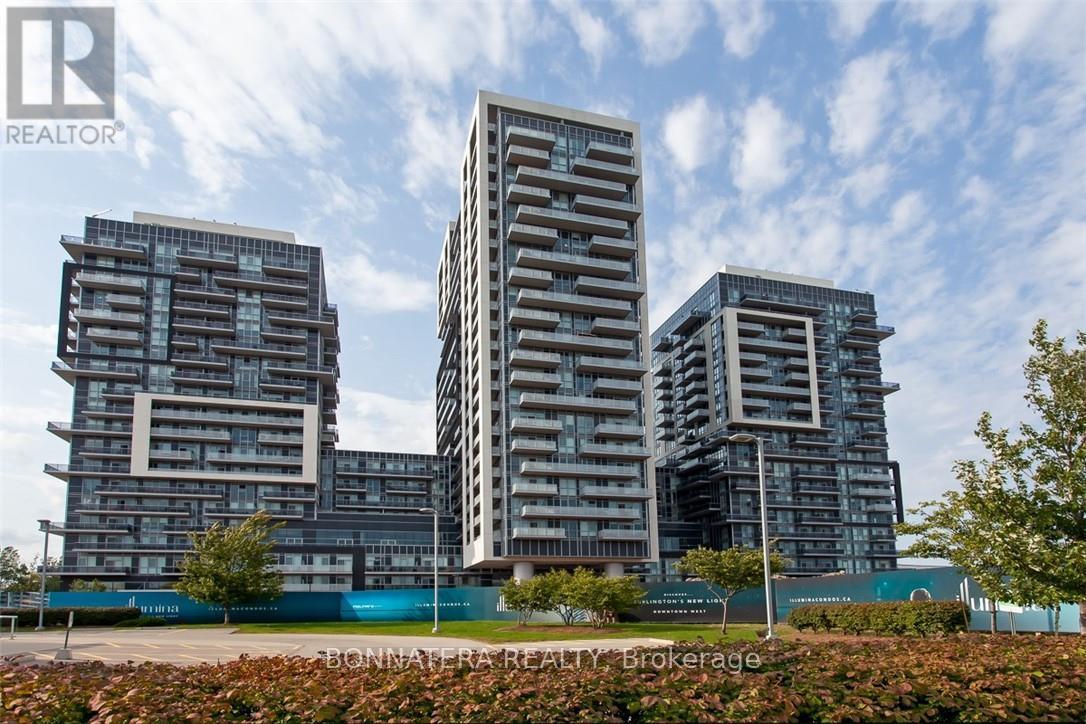 For Rent
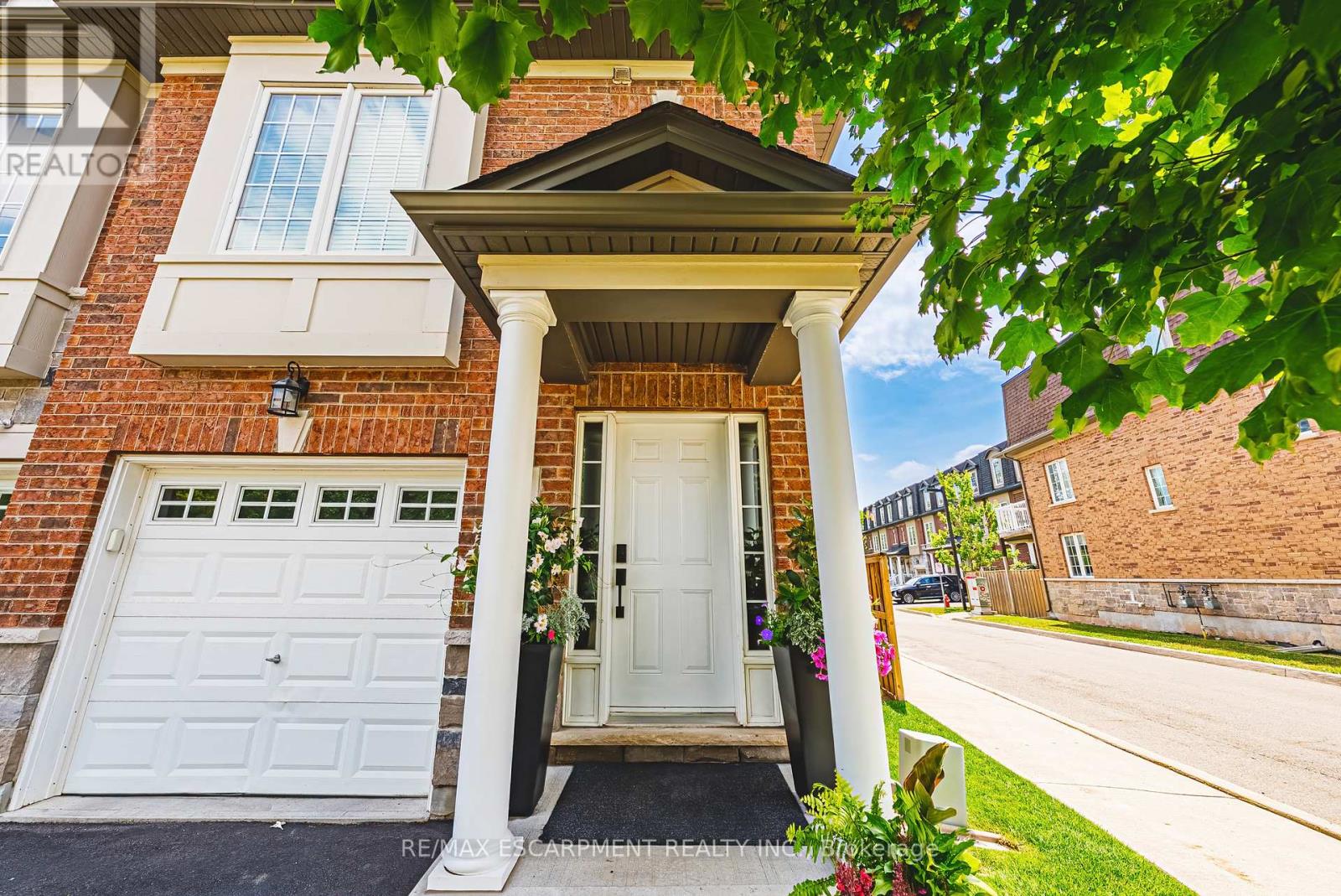 For Sale
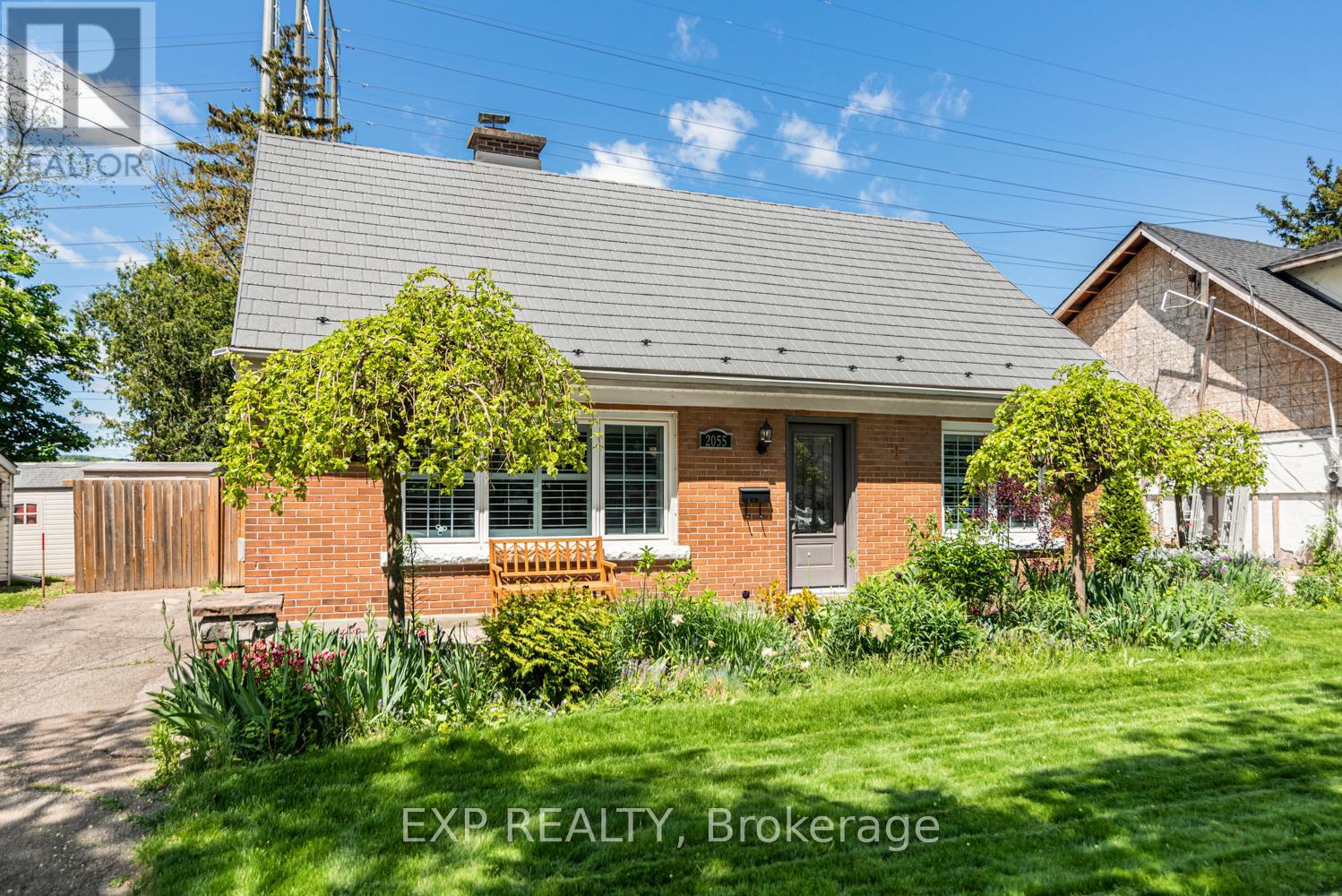 For Sale