
Georgetown is the main urban centre of Halton Hills in Halton Region, about 50 kilometres west of Toronto. It combines Kitchener GO line access to Union Station, the Halton District School Board school system, Georgetown Hospital, a complete commercial strip, and Credit River valley recreation access at prices below Oakville and Mississauga. It draws families from Peel Region seeking Halton school access and first-time buyers priced out of the inner GTA.
Georgetown is the main urban centre of the Town of Halton Hills in Halton Region, situated roughly 50 kilometres west of downtown Toronto and about 20 kilometres north of the QEW corridor. It’s a functioning small city of approximately 40,000 people with a complete commercial and service infrastructure, its own hospital, strong secondary schools, and direct GO Train access to Union Station via the Kitchener line. For buyers who want a house rather than a condo, Halton Region’s school system rather than Peel’s, and a commute to Toronto that’s manageable on the GO train, Georgetown is among the best value propositions in the GTA’s western arc.
The community has two distinct characters. The historic core around Mill Street and the older residential streets surrounding it retains 19th-century commercial buildings and century homes that give Georgetown a small-town Ontario aesthetic. The newer subdivisions that have grown at the town’s edges over the past 30 years are suburban in the standard Ontario sense: brick two-storeys on 40 to 50-foot lots, regular grid streets, newer schools and parks. Both characters coexist within the same municipality without one dominating the other.
Georgetown is on the Kitchener GO line, with two GO stations within the community, Georgetown and the newer Georgetown South station, providing rail access to Union Station in approximately 55 to 65 minutes during peak service. This GO connection is the primary reason buyers from Mississauga and Brampton look west to Georgetown when they’re priced out of their home municipalities: they can keep the GO train commute and trade suburban density for more space at a lower per-square-foot price.
Halton Hills remains a fully municipal entity with its own Official Plan, development policies, and planning staff. Georgetown is the dominant urban centre, generating the tax base, the commercial activity, and the institutional infrastructure that the wider municipality depends on.
Georgetown’s housing stock covers the full range from older detached homes in the historic core to newer detached, semi-detached, and townhouse product in the subdivisions built over the past 30 years. The historic core properties, on streets like Guelph and Queen in the downtown area, include century homes, older bungalows, and mid-century two-storeys that offer more character and larger lots than comparable-priced properties in newer phases.
Prices in Georgetown run above Acton but well below Oakville and Mississauga at comparable size. A three-bedroom detached home in a newer Georgetown subdivision typically trades in the $950,000 to $1.2 million range. Larger four-bedroom two-storeys in the more established Georgetown subdivisions run $1.1 to $1.5 million. Premium lots backing onto ravines, parks, or conservation areas add $100,000 to $200,000 to comparable base prices. Townhouses and semis range from $700,000 to $950,000 depending on size, condition, and location within the town.
The historic core properties add a premium for heritage character and lot size that doesn’t show up in subdivision comparables. A fully renovated century home on a 60-foot lot on one of Georgetown’s established streets can reach $1.3 to $1.6 million. Un-renovated versions of similar properties offer renovation opportunity in the $900,000 to $1.1 million range.
New development continues at Georgetown’s edges, primarily through detached and townhouse phases by the major Ontario builders. New construction carries current Ontario building code compliance, newer mechanical systems, and in some cases design options, but tends to come with smaller lots than equivalent resale and is priced at or slightly above comparable resale given the new-build premium. Buyers comparing new and resale should factor lot size, finished basement value, and HST implications into the comparison.
Georgetown’s market is one of the more active in the GTA’s western outer ring. It’s large enough that comparables are available in volume, allowing more reliable pricing assessment than in the smaller Halton Hills communities. The GO train connection drives consistent demand from commuter-profile buyers, and the Halton District School Board reputation generates family-buyer demand that extends through market cycles.
The 2020-2022 surge was pronounced in Georgetown as buyers from Mississauga and Brampton who had been priced out of those markets moved west along the Kitchener GO corridor. Georgetown prices climbed sharply in 2021 and into early 2022, with multiple-offer situations becoming the norm and properties selling above asking price as a matter of course. The correction through 2022 and 2023 brought values back from peak levels, and the market through 2024 was more balanced: properties spending 30 to 60 days, buyers having room to negotiate, and multiple-offer situations appearing only on the best-priced properties in the most desirable locations.
Georgetown’s price floor is maintained by the GO train access and the Halton school system demand, which together create a pool of buyers for whom Georgetown is specifically the right answer, not just a fallback. That structural demand base means the market doesn’t drop as severely as more purely suburban areas without those specific access and school advantages.
The townhouse and entry-level detached segment tends to move faster than the upper end, because first-time buyer demand and the affordability profile of that segment in Halton Region is broader than the pool for $1.2 million and up properties. Buyers in the $700,000 to $950,000 range face more competition than those at higher price points in the current market environment.
Georgetown draws a fairly consistent family-focused buyer profile with some important variations by price tier. At the entry level, first-time buyers from Brampton and Mississauga who need Halton Region school access and can use the GO train to maintain Toronto-area employment make up a significant share. They’re typically in their early 30s, buying a townhouse or semi-detached as their first owned home, and prioritizing school quality and commute access over commercial convenience.
Mid-range buyers, typically in the $1 to $1.4 million range, are more often families with school-age children who’ve sold a suburban Mississauga or Brampton home and want to upgrade to a larger detached with a yard in a community with a strong school system. They value the Halton DSDB, they’ve researched Georgetown’s schools specifically, and they’ve decided the longer GO commute or the occasional Highway 401 drive is worth the tradeoff.
The upper end of Georgetown’s market, the $1.4 million and above tier, includes executive buyers from the GTA who are moving to a smaller community for lifestyle reasons rather than purely financial ones. They may be coming from Oakville or Mississauga, they want more land and a quieter community, and they’re choosing Georgetown over Acton because Georgetown’s service infrastructure is more complete. Some are semi-retired professionals who commute only a few times a week and prioritize quality of life in the community over commute optimization.
Retirees from nearby communities, particularly from Brampton and Mississauga, who want a quieter community with good medical services, complete commercial infrastructure, and lower prices than their home municipalities also appear in Georgetown’s buyer profile, typically purchasing bungalow and bungalow-loft product in established subdivisions.
Georgetown’s residential geography is organized around the historic core and the concentric rings of subdivision development that have expanded outward from it over the past 50 years. The historic downtown area, centred on Mill Street between Guelph and Main, has the character that distinguishes Georgetown from a purely suburban community: older commercial buildings, the Town Hall, and the residential streets running off the main road with century homes and mid-century character housing.
The Silver Creek and Meadows areas in the northern and northeastern parts of Georgetown are the most recently developed, with newer homes on smaller lots and newer parks and school sites. These neighbourhoods have the expected character of recent subdivision development: clean, functional, and consistent, without the maturity or variety of older areas.
The Mountainview, Delrex, and Crescent areas in the western and southwestern parts of Georgetown are mid-era subdivisions from the 1980s and 1990s. They have larger lots than the newer phases, more mature trees, and the established neighbourhood feel that comes from 30 to 40 years of continuous residency and incremental improvement. These are Georgetown’s most comfortable family neighbourhoods in terms of lot size and streetscape quality.
The areas near the Credit River valley, including the Glen Williams Road corridor and the streets backing onto conservation lands, offer the most distinctive settings in Georgetown proper. Properties with ravine backing or conservation area adjacency command consistent premiums and trade to buyers who specifically sought them out rather than stumbled onto them. Glen Williams, technically a separate hamlet a few kilometres northeast of Georgetown, adds another distinct character area within practical Georgetown distance.
Georgetown GO Station on the Kitchener line is the community’s defining transit asset. Peak service frequency from Georgetown to Union Station is reasonable, with trains running every 30 minutes during rush hours and approximately every 60 minutes off-peak. The journey time to Union Station runs 55 to 65 minutes from Georgetown GO. Georgetown South station, opened more recently to serve the southern subdivisions, reduces driving time to the GO station for residents on that side of town.
For residents who commute to downtown Toronto, Mississauga’s transit system, or the Union-accessible employment nodes in the GTA, the GO train is significantly more practical than driving. The 401 corridor between Milton and the 427 is among the most congested in Canada during peak hours, and the decision to use GO rather than drive downtown typically saves 30 to 60 minutes each way during business hour travel.
GO bus service supplements the rail, and Brampton Transit connects to the Brampton GO and transit network for residents who need those connections. Local transit within Georgetown is provided by Halton Hills Transit, which covers the main corridors within the community but is limited by small-town service frequency. Most Georgetown residents use a car for local travel and the GO train for Toronto-bound commuting.
Highway 401 is accessible from Georgetown via Highway 7 and Regional Road 25, approximately 15 kilometres south. The 401 provides the link to the full GTA highway network and to Highway 410 for Brampton and the Highway 400 corridor. Off-peak driving from Georgetown to downtown Toronto runs 55 to 70 minutes. Georgetown’s full commercial infrastructure handles local driving needs, with most daily errands manageable within a 5 to 10 minute drive from anywhere in the community.
Georgetown has a well-developed parks and recreation infrastructure for a community its size. The Credit River valley runs along the eastern edge of Georgetown, with conservation area trails managed by Credit Valley Conservation Authority accessible from multiple points within the community. These trails connect through the river valley woodland and provide year-round hiking, cycling, and nature access within walking distance of the riverside residential areas.
Hungry Hollow Trail system connects through the Georgetown area and extends into the rural Credit River valley to the north, providing one of the more extensive trail networks accessible directly from a community of Georgetown’s size. For residents who want to get onto serious nature trails without a drive, the riverside trail access from Georgetown is a genuine quality-of-life factor.
The Town of Halton Hills recreation infrastructure includes the Georgetown Recreation Centre with an indoor arena, gymnasium, and program space, outdoor sports fields and courts throughout the suburban areas, and the standard municipal park network that comes with 30 years of suburban development. These facilities are well-maintained and serve the community’s family population effectively.
The Niagara Escarpment and its associated conservation areas are accessible within 15 to 20 minutes of Georgetown by car, bringing Limehouse Conservation Area, Terra Cotta Conservation Area, and the Bruce Trail network into practical day-trip range. For Georgetown residents who want escarpment hiking and the Credit River valley recreation environment, the proximity to these resources is a consistent quality-of-life benefit that suburban communities further east, at comparable commute distances from Toronto, don’t have.
Georgetown has a complete commercial and service infrastructure for a community of 40,000 people. The main retail corridor along Guelph Street carries most of the big-box and chain retail: Canadian Tire, Sobeys, No Frills, Winners, and a well-developed strip of national chain services and restaurants. The Town mall and adjacent retail area handle larger shopping needs. For weekly errands, medical appointments, banking, and routine services, Georgetown residents don’t need to leave town.
Georgetown Hospital, operated as the Halton Hills Health Centre within the Halton Healthcare network, provides emergency services and a range of in-patient and out-patient care for the community. Specialist care is available locally for some disciplines and requires driving to Brampton Civic Hospital or Mississauga hospital facilities for others. Major surgery and specialized care connect to the Brampton and Hamilton health networks via Highway 401.
The historic downtown on Mill Street adds a layer of independent retail, restaurants, and professional offices that gives Georgetown a commercial character that pure-suburban communities at comparable distances from Toronto lack. Several independent restaurants, a few specialty food businesses, and a range of professional service offices make the downtown walkable and genuinely functional as a commercial main street rather than just a heritage backdrop.
Library services, a community centre, recreational programming, and the full range of municipal services are all provided by the Town of Halton Hills. Georgetown residents have access to a more complete range of public services than residents of smaller Halton Hills communities like Acton or the rural areas, which justifies the price premium that Georgetown carries within the municipality.
Georgetown is served by the Halton District School Board and the Halton Catholic District School Board, both with strong provincial reputations. The HDSB’s academic outcomes and the board’s commitment to program quality across its schools are a consistent draw for families from Peel Region who can access Halton Hills schools by moving to Georgetown.
Georgetown’s main public secondary school is Erin District High School, which serves the northern Georgetown area and the broader Halton Hills community. Georgetown District High School serves the southern Georgetown and Acton students. Both are larger secondary schools with diverse program offerings including arts, technology, cooperative education, and advanced academic options. Holy Cross Catholic Secondary School serves the Catholic board secondary stream for the community.
French immersion is well-established within the HDSB from Georgetown, with full elementary and secondary program access. Families committed to French language education through both levels can access it in Georgetown without requiring transportation to another community.
Multiple elementary schools operate within the Georgetown urban area, giving the large residential population adequate school proximity and avoiding the extreme crowding that occurs in rapidly growing communities without adequate school construction. Georgetown has generally received school construction that kept pace with residential development, maintaining manageable class sizes in a way that some higher-growth Ontario communities haven’t managed.
The Halton school boards’ reputation for academic outcomes, parental involvement, and program quality is consistently cited by families who specifically move to Halton Hills from Peel Region to access the Halton education system. This school-driven migration is a structural source of demand for Georgetown housing that persists through market cycles.
Georgetown is growing actively. The Town of Halton Hills has designated additional lands within and around Georgetown’s settlement boundary for future residential and employment development, and builder activity in new phases continues to add supply. The growth is constrained by the Greenbelt Plan to the north and west but has room to expand to the south and east where the land base is available for development under current approvals.
Georgetown South, which has developed significantly over the past decade as a distinct residential area south of Mountainview Road, continues to receive new development phases. The Georgetown South GO station opened to serve this area, reflecting the density of new residential development and the transit demand it generates. Ongoing development in the south end will continue to add detached and townhouse supply over the coming years.
Commercial development in Georgetown has kept pace with residential growth, with new retail and medical facilities opening along the Guelph Street corridor as the population base warranted their operation. The healthcare infrastructure has improved, with new medical buildings and specialist offices reducing the Georgetown-to-Brampton drive that used to be necessary for more specialist care.
Metrolinx’s Kitchener corridor improvement plans, which include electrification and improved service frequency over the medium term, would significantly increase Georgetown’s GO service quality if delivered. Improved GO frequency would reduce the scheduling limitations that currently affect some commuter-profile buyers and could further increase Georgetown’s attractiveness. Buyers factoring anticipated service improvements into their purchase decision should check current Metrolinx project timelines, as GO expansion projects in the GTA have historically moved on longer timelines than initial announcements suggest.
How does Georgetown compare to Oakville or Mississauga as a place to raise a family?
Georgetown offers meaningfully more square footage per dollar than Oakville and somewhat more than comparable Mississauga addresses, with the Halton school system advantage that applies in Oakville as well. The main trades relative to Oakville are scale, commercial variety, and the commute dynamic. Oakville’s GO service on the Lakeshore West line is more frequent than Georgetown’s Kitchener line service, and Oakville’s commercial and cultural infrastructure is substantially larger. Georgetown is a smaller community where life is more locally organized around the town itself rather than the surrounding GTA. For families who want a functioning small city with a genuine community identity, strong schools, and a manageable price point relative to Oakville, Georgetown delivers that combination. Families who specifically want the urban density, waterfront amenity, and cultural infrastructure of Oakville should stay in Oakville and accept the higher price, because Georgetown won’t replicate that experience.
What is the realistic GO Train commute from Georgetown to downtown Toronto?
Peak service from Georgetown GO Station reaches Union Station in 55 to 65 minutes. Off-peak service runs approximately every 60 to 90 minutes, which limits scheduling flexibility for commuters who need to travel outside rush hours. The total door-to-door time from most Georgetown residential areas to a downtown Toronto destination, including the drive or walk to the GO station, the train journey, and travel from Union to the final destination, runs 75 to 95 minutes each way for most commuters. This is workable for people going in three days a week and can be managed for four or five days with appropriate schedule discipline. For comparison, driving from Georgetown to downtown Toronto in morning rush hour takes 75 to 120 minutes depending on traffic conditions, making the GO train clearly preferable for peak-hour travel. Current GO schedules are on the Metrolinx website and should be checked against your specific employment schedule.
Are there any flood risk areas in Georgetown that buyers should know about?
The Credit River and its tributaries run through portions of Georgetown, and Credit Valley Conservation Authority maintains flood plain mapping for the Georgetown area. Properties within mapped floodplains face restrictions on development activity and potential flooding risk in significant storm events. Georgetown’s older residential areas near the river have in some cases had flood-related history, while newer developments have been built outside the mapped floodplain with stormwater management designed to current engineering standards. Buyers should check the CVA flood plain mapping for any specific property near the Credit River corridor, and should ask the seller about any history of basement flooding or stormwater issues. Flood insurance requirements from mortgage lenders may apply to properties within designated floodplains.
What is the land transfer tax in Halton Hills, and are there first-time buyer rebates available?
Properties in Halton Hills are subject to Ontario provincial Land Transfer Tax only. There is no municipal land transfer tax in Georgetown or Halton Hills, unlike Toronto where a municipal LTT doubles the tax burden. Ontario provincial LTT on a $1 million purchase runs approximately $16,475. On a $1.2 million purchase it runs approximately $21,475. First-time home buyers in Ontario are eligible for a rebate of up to $4,000 on the provincial LTT, which effectively eliminates the tax on the first approximately $368,000 of purchase price and reduces it on amounts above that. The first-time buyer definition includes the requirement that neither the buyer nor their spouse has previously owned a home. The rebate is claimed on the Ontario LTT return filed at closing through your real estate lawyer. There is no equivalent federal LTT or additional Halton Region LTT.
Georgetown is an active market with enough transaction volume that a buyer’s agent can work from real comparables rather than judgment alone. That’s a good thing, but it also means the market is competitive enough that buyers who come in without proper representation and market knowledge are at a genuine disadvantage relative to experienced local buyers. The listing agents in this market know the neighbourhood premiums, the backing lot values, and the GO station proximity differentials within Georgetown, and they price accordingly. A buyer without equivalent knowledge overpays or loses properties to better-informed competition.
The practical value of a buyer’s agent in Georgetown is clearest in offer situations. When a well-priced townhouse or a backing-onto-ravine detached property generates multiple interested buyers, understanding how to construct an offer that’s competitive without overpaying for the specific property and condition is the skill that earns its value. That skill comes from knowing the market, knowing the comparables, and knowing the property’s actual position in the current buyer pool.
Georgetown’s new development component adds a layer that many buyers don’t navigate well alone. Builder purchase agreements are not standard OREA forms, they’re builder-specific agreements that protect the builder’s interests and often contain provisions that buyers should understand before signing. Having legal review and agent representation for new build purchases is as important as for resale, even though builders sometimes suggest their sales representatives can serve both parties. They cannot.
Our agents work the Georgetown and Halton Hills market regularly. We know the neighbourhoods, the specific pricing within Georgetown’s different areas, the GO station proximity differentials, and the development history that affects current property values. Get in touch when you’re ready to look seriously at Georgetown.
Street-level knowledge is hard to find online. Our team works in Georgetown every day. They know which pockets hold value, where the school catchment lines actually fall, and what the market is doing right now. Talk to us before you make a decision about Georgetown.
Talk to a local agent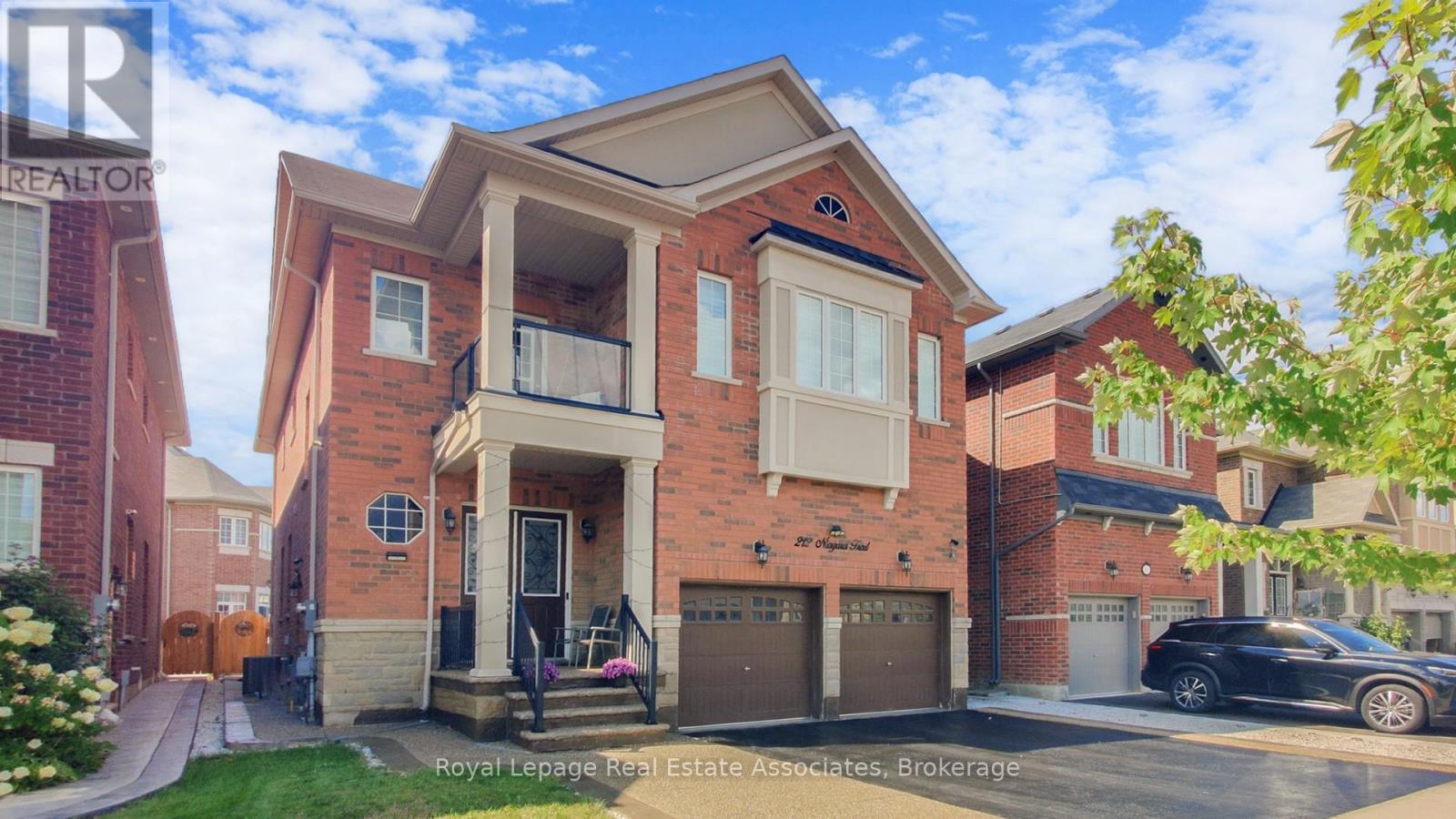 For Sale
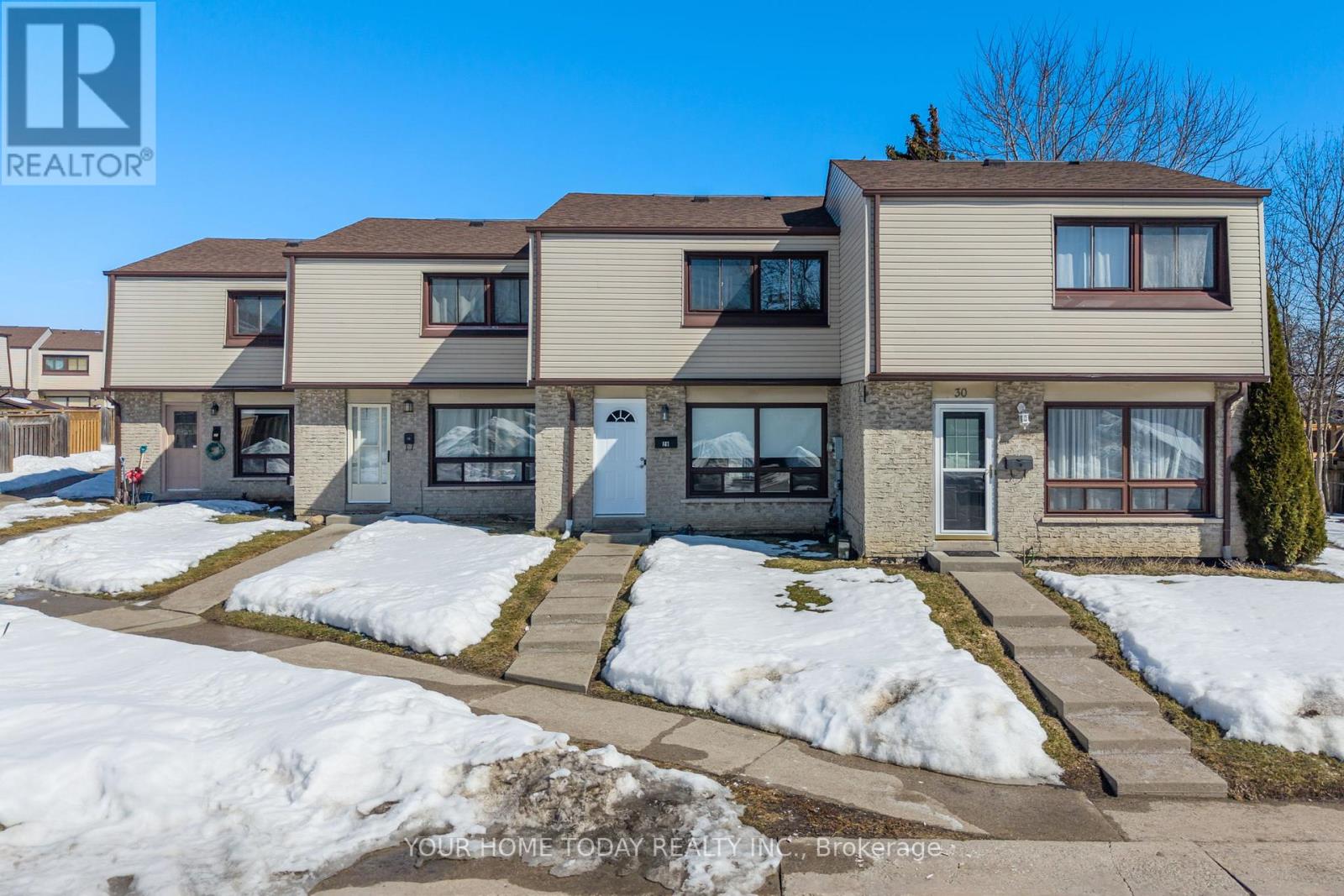 For Sale
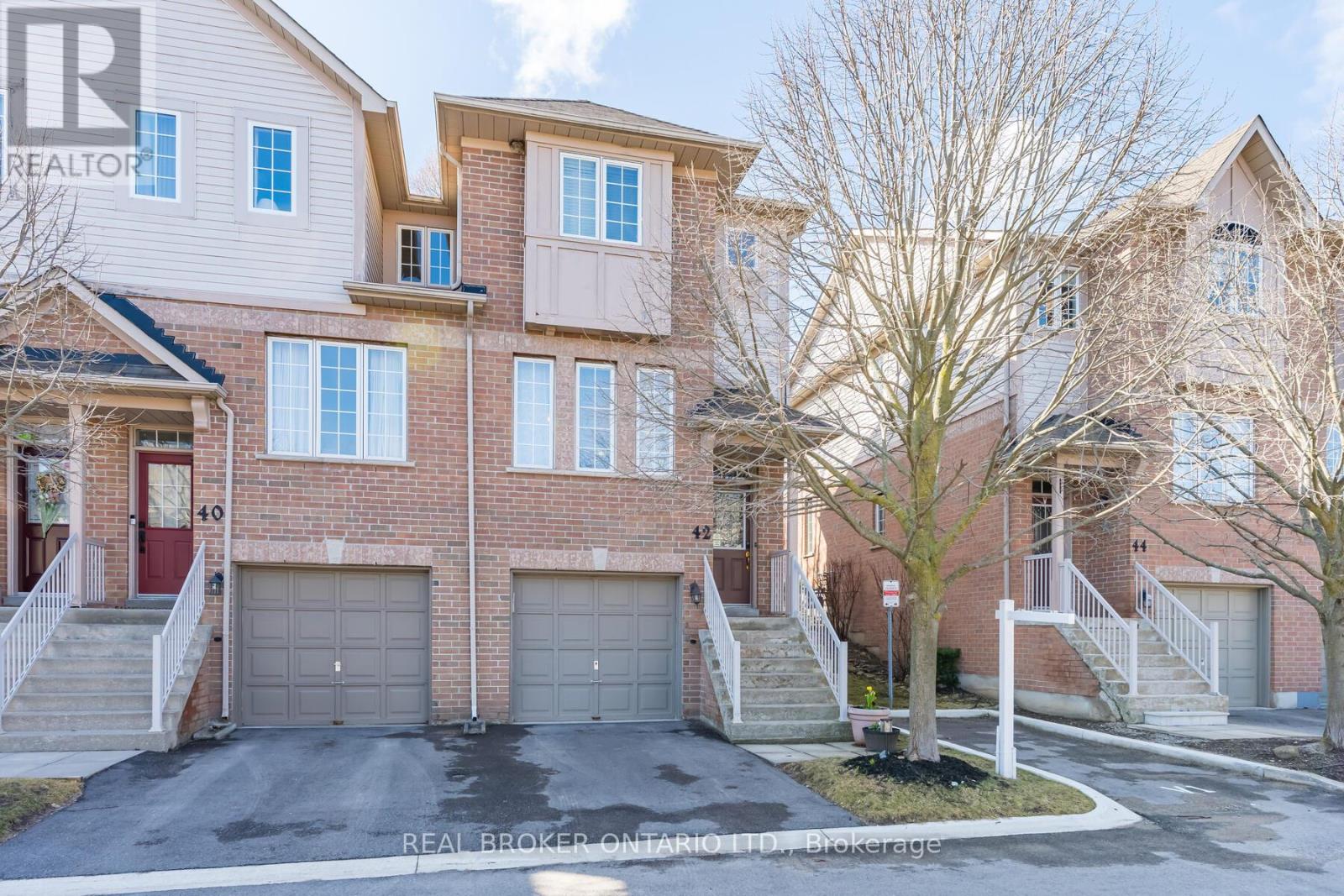 For Sale
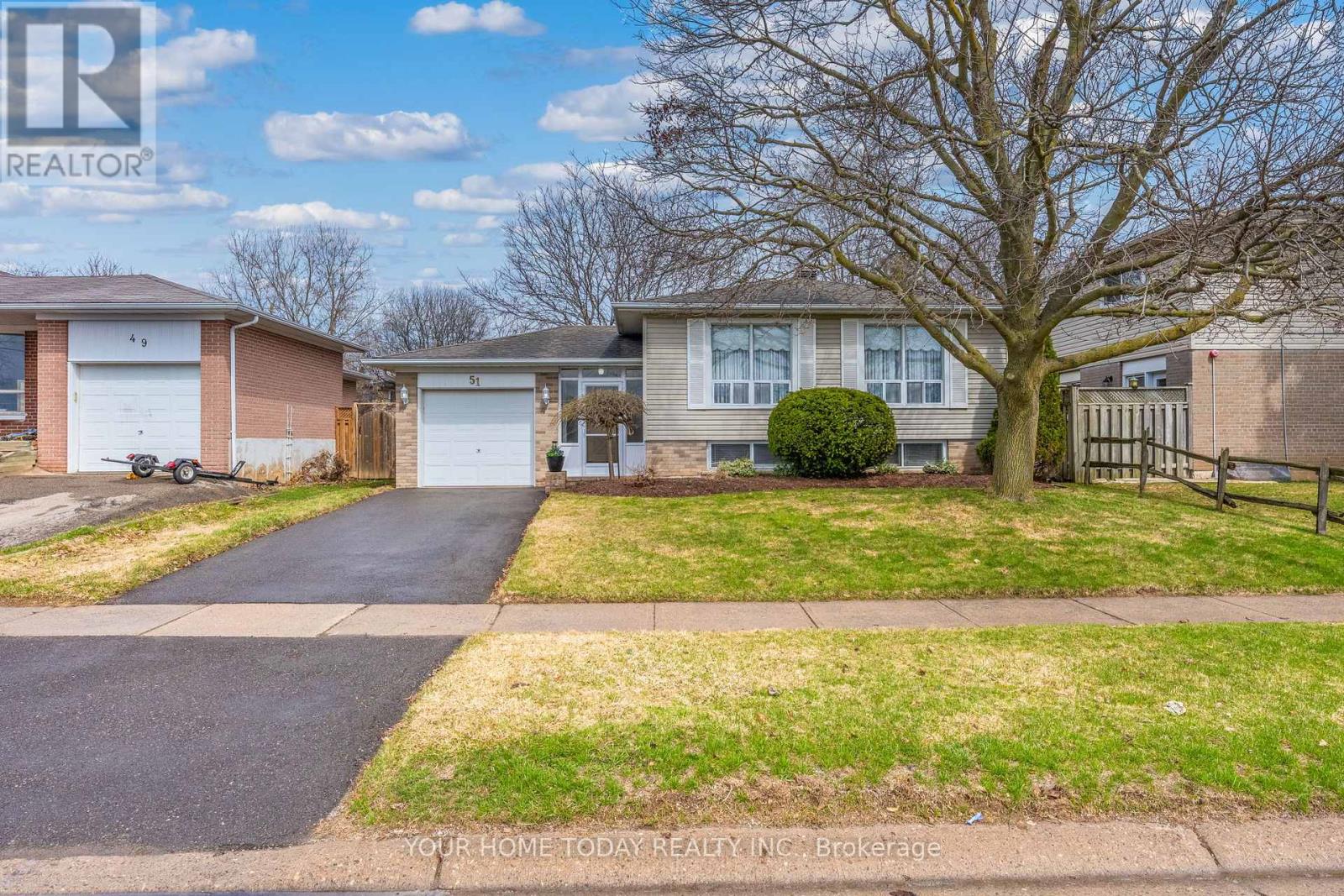 For Sale