
Glen Shields is an established south Vaughan neighbourhood near the Thornhill border with 1980s-90s detached and semi-detached homes, access to Highway 7 retail, and proximity to Jewish community infrastructure.
Glen Shields occupies the southern edge of Vaughan, sitting on the Thornhill boundary along a corridor that blends the settled character of south Vaughan’s 1980s and 1990s housing with the commercial fabric of Highway 7. The neighbourhood is less prominent than its neighbours to the south in Thornhill and to the north in Woodbridge, but it occupies a genuinely functional position: close enough to Yonge Street to access the full range of Jewish community infrastructure, close enough to Dufferin Street to connect south toward Toronto, and priced at a level that makes it accessible for buyers who find Beverley Glen or Crestwood-Springfarm-Yorkhill above their range.
The housing stock runs primarily to semi-detached homes, smaller detached bungalows, and some townhouse configurations built in the late 1980s and early 1990s. This makes Glen Shields one of the few south Vaughan communities where a buyer can enter the York Region market below $1 million in some product types, which creates a specific buyer profile: first-time purchasers, downsizers from larger Vaughan properties, and investors who see the semi-detached and townhouse stock as income opportunities. The detached segment is present but smaller in proportion than in adjacent neighbourhoods.
The Jewish community presence along the Highway 7 and Yonge Street corridor extends into Glen Shields, and the proximity to synagogues, Jewish day schools, and kosher commercial services is a factor in demand for specific streets within the neighbourhood. The community infrastructure that characterizes all of south Vaughan’s Yonge-Thornhill corridor is accessible to Glen Shields residents without the premium that comes with Beverley Glen or Crestwood-Springfarm-Yorkhill addresses.
For buyers who are weight price per square foot heavily in their decision, Glen Shields consistently offers more space for the money than the better-known south Vaughan communities to its east and north. The trade-off is a housing form that runs more heavily to semis and townhouses than the detached-dominant streets of adjacent communities, which matters to buyers for whom detached is a hard requirement but represents genuine value for those who are flexible on property type.
Glen Shields pricing sits at the lower end of the south Vaughan residential market. Semi-detached homes in reasonable condition trade in the $900,000 to $1.1 million range, which positions them below comparable semis in Beverley Glen and well below detached pricing in the neighbourhood directly north. Smaller detached bungalows on standard lots trade in the $1.0 million to $1.3 million range depending on condition and renovation level.
Townhouse product, where present at the neighbourhood edges, starts in the mid-$800,000 range for standard end-unit configurations and rises to approximately $1.0 million for larger or recently updated units. This price tier draws a distinct buyer compared to the detached market: first-time purchasers from within York Region, downtown Toronto buyers making a move out with a tighter budget, and investors who see the semi and townhouse inventory as a source of income property returns that are harder to find in the higher-priced parts of Vaughan.
The renovation potential in Glen Shields is meaningful. A significant portion of the housing stock has not been updated since original construction, and dated kitchens and bathrooms in otherwise structurally sound 1985 to 1995 builds create the opportunity to buy below the fully-updated comparable and renovate toward market value. Buyers who can manage a renovation project often find better value here than in communities where all the easy renovation plays have already been executed.
Price movement in Glen Shields tracks the broader south Vaughan market but with less drama in both directions. The neighbourhood did not see the same degree of speculative pressure during the 2021-2022 peak as premium Vaughan communities, and the correction since has been proportionally smaller. For buyers who are optimizing for stability over upside, Glen Shields offers a predictable market position.
Glen Shields is a buyers’ market in the technical sense of the current York Region real estate cycle, with supply sufficient to give buyers genuine choice and negotiating room. Days on market for correctly priced properties runs 25 to 45 days, reflecting a market where buyers are evaluating options carefully but are not being pressured by scarcity. Sellers who have priced aspirationally are experiencing longer waits and in some cases price reductions that bring them into range of actual market value.
The semi-detached market in Glen Shields competes with product in adjacent Thornhill communities and with the townhouse-heavy sections of Concord and Vaughan Grove. Buyers who are flexible on postal code and focused on product type will find comparable inventory across several communities in this price range, which keeps Glen Shields sellers honest about pricing relative to alternatives.
Investment interest in Glen Shields is moderate. The semi-detached and townhouse stock at sub-$1 million entry points is the most investor-active segment. Properties with legal or potentially legal basement suites draw more investor attention than those without. Rental demand in south Vaughan is real, driven by workers who want York Region proximity without ownership costs, and the income-offset math works better at Glen Shields price points than at the $1.4 million to $2 million tier.
Long-term, Glen Shields benefits from the same structural demand drivers as the broader south Vaughan market: proximity to the Jewish community corridor, access to Dufferin Street and Highway 7, and the underlying fact that the land south of Highway 7 in Vaughan is fully built out, meaning there is no new supply competing with resale stock. These factors support sustained demand even in a market cycle that is currently buyer-favourable.
Glen Shields attracts buyers who are specifically working within a budget constraint that eliminates the more expensive south Vaughan communities. The typical buyer is a first-time purchase for a young family, a couple or individual buying in York Region for access to the Jewish community corridor without the Beverley Glen or Uplands price tag, or an established family downsizing from a larger Vaughan property who values the south Vaughan location and community context over square footage.
The Jewish community buyer segment is present here as it is across south Vaughan, and the specific streets that are closest to synagogues or within eruv boundaries attract premiums that are real but not always visible in aggregated MLS data. Buyers who understand the community geography well often identify the best value streets within Glen Shields based on this local knowledge.
First-time buyers from within York Region are a consistent buyer segment in Glen Shields, and they are typically well-researched, have been renting in the area, and are choosing Glen Shields as a reasonable-quality entry into homeownership while building equity toward a future detached purchase. These buyers are not purchasing aspirationally; they are making a functional economic decision and they know the difference between Glen Shields and Beverley Glen.
Investors represent a minority of Glen Shields buyers but are consistently active. The price tier and housing form make income property calculations viable, and the south Vaughan location ensures a stable tenant pool. The best investor opportunities in Glen Shields are typically the semi-detached units with existing secondary suite income or with clear conversion potential, where the yield math justifies the purchase at current prices and financing rates.
Glen Shields is compact enough that street-level variation is less pronounced than in larger Vaughan communities. The main distinction is between streets that are fully residential and quiet, those that back onto Highway 7 commercial or have service exposure, and the townhouse clusters at the neighbourhood edges. Buyers sensitive to commercial noise should evaluate the specific backing of any property they are considering before submitting an offer.
The streets running parallel to Highway 7, one to two blocks south, are typically quiet residential streets that benefit from the commercial proximity without the noise and traffic. These are the preferred positions within Glen Shields for buyers who want easy access to the Highway 7 strip without living adjacent to it. The blocks closer to Dufferin Street on the western edge are similarly quiet but somewhat more exposed to arterial traffic than the deeper interior streets.
Corner lots in Glen Shields are worth evaluating carefully. The neighbourhood has a number of semi-detached corner units where the exposed side of the building faces an arterial or collector street, which affects both privacy and street noise. The premium or discount associated with corner position depends entirely on which corner and which facing, and a physical visit at peak traffic hours is the most reliable assessment.
The interior crescents of Glen Shields are the most consistently quiet addresses in the neighbourhood, and these streets tend to hold value well because the combination of south Vaughan location and genuinely quiet residential character is what the buyer pool for this area specifically wants. Properties on these streets are less likely to appear overpriced relative to what the buyer receives in terms of daily living quality.
Glen Shields benefits from south Vaughan’s reasonable transit context. The YRT routes along Dufferin Street and Highway 7 provide service connections to Finch West subway station to the south, making this one of the more transit-accessible parts of Vaughan for buyers who use public transit for at least some trips. The Dufferin route connects through Thornhill and into Toronto’s TTC network at Finch West station, which is on the Toronto subway’s Line 1. From Finch West, downtown Toronto is approximately 35 to 40 minutes by subway.
The Rutherford GO station on the Barrie line is accessible by a short drive east from Glen Shields along Highway 7 or Rutherford Road. This provides the fastest downtown Toronto commute option for residents with a downtown destination: Rutherford GO to Union Station runs approximately 40 to 45 minutes on peak trains. The Park and Ride at Rutherford GO fills during peak periods, so early arrival is practical for consistent users.
Highway 7 carries the east-west arterial load for south Vaughan, and residents can access the 407 ETR to the north and the 401 to the south by connecting through Dufferin Street or Yonge Street. For buyers who drive to most destinations, Glen Shields is adequately connected. Morning drive times to downtown Toronto from Glen Shields run 35 to 55 minutes depending on route and time of departure, with the 400 or 407 being the primary options for the highway portion.
Cycling is possible for short trips within south Vaughan, and the flat terrain makes it physically manageable. It is not a practical commuting option for downtown destinations from this location, but for trips to nearby parks, schools, or commercial nodes, cycling infrastructure along some of the less-trafficked routes is adequate for this purpose.
Glen Shields has a modest parks profile that serves the practical daily needs of residents without offering the destination-park character of communities adjacent to conservation lands. Neighbourhood parks within the residential fabric provide the functional green space for children, dogs, and informal community activity that sustains daily residential life. These parks are maintained by the City of Vaughan and are adequate for their purpose.
The more substantial green space experiences accessible to Glen Shields residents require a short drive. Dufferin-Clark Park, the Thornhill community park accessible via Dufferin Street to the south, provides sports fields and recreational facilities. The Humber River ravine trail system, accessible from Woodbridge to the north, gives residents who drive access to the GTA’s major recreational trail corridor without living adjacent to it.
Earl Bales Park and the Black Creek conservation corridor, accessible via Dufferin Street south into Toronto, are a more significant natural resource accessible to Glen Shields residents than the immediate neighbourhood parks suggest. Residents who drive south along Dufferin have access to meaningful conservation-managed green space within 15 minutes, which compensates somewhat for the lack of conservation land immediately adjacent to the neighbourhood.
For families with young children, the distribution of tot lots and playground equipment within the neighbourhood’s park spaces is the most practically relevant green space consideration. These spaces are used daily and their location relative to specific streets affects how much independent outdoor access children have. Streets adjacent to or within easy walk of a playground tend to be preferred by families with children under 10.
Highway 7 is the primary commercial strip serving Glen Shields, and its Jewish community commercial character is a specific asset for residents in this community. Kosher grocery stores, bakeries, delis, and restaurants along the Highway 7 corridor between Dufferin Street and Yonge Street constitute one of the more complete Jewish community commercial strips in York Region. For residents who use these services regularly, proximity to the Highway 7 strip is a practical daily convenience rather than an occasional destination.
For general grocery and household needs, the commercial nodes along Highway 7 and Dufferin Street carry the standard range of grocery anchors and pharmacy chains. Most household shopping trips in Glen Shields take five minutes or less by car, which is genuinely convenient. The Promenade Shopping Centre in Thornhill, accessible via Yonge Street, provides department stores and mid-market retail within 15 minutes.
Restaurant options along Highway 7 and the Dufferin Street corridor reflect the south Vaughan demographic mix: Jewish-category restaurants, Israeli-style cuisine, Italian options, and the general mid-market chain dining that serves the suburban GTA. The food access is genuinely good relative to price point, which is not always true of suburban communities. Residents who dine out regularly will find more than adequate choice within a 10-minute drive.
The VMC area to the north is developing a commercial district alongside its residential intensification, which will eventually provide a more urban commercial fabric accessible to Glen Shields residents by car or bus. This is a medium-term development story rather than a current resource, but it adds to the long-term commercial context for south Vaughan communities including Glen Shields.
Glen Shields is served by YRDSB public schools and YCDSB Catholic schools within the south Vaughan educational framework. Westmount Collegiate Institute is the secondary destination for YRDSB students and carries the strong academic reputation that characterizes the south Vaughan school community. Father Bressani Catholic High School serves YCDSB secondary students and benefits from the active Catholic community in this part of Vaughan.
YRDSB and YCDSB elementary schools serving Glen Shields include options that reflect the neighbourhood’s community demographics, with strong parent engagement and consistent academic results that are typical of owner-occupied south Vaughan residential communities. French Immersion is available through the YRDSB elementary stream for families who prioritize bilingual education, and the program is well-established in the Vaughan south catchment.
Jewish day schools accessible from Glen Shields via Highway 7 include Netivot HaTorah, Toronto Heder, and several other institutions whose specific program offerings vary from Orthodox through community-oriented approaches. These schools attract families from Glen Shields who are committed to Jewish education and are willing to drive or arrange busing from the neighbourhood. Proximity to these institutions is factored into the housing decisions of observant Jewish families, and the streets within walking distance of specific schools carry premiums that reflect this.
Post-secondary access from Glen Shields is reasonable. Finch West subway station connects south to York University in approximately 20 minutes from the subway, and Finch is accessible from Glen Shields by YRT bus. Seneca College and Humber College are both accessible within 30 to 45 minutes by a combination of driving and transit. The south Vaughan location provides better post-secondary access than most of northern Vaughan because the transit connection through Finch station provides direct access to the major post-secondary corridor.
Glen Shields is a built-out neighbourhood, and development activity is happening on its edges rather than within. The most significant change in the area’s planning context is the mid-rise intensification framework for the Highway 7 corridor, which designates the commercial strips along Highway 7 for mixed-use redevelopment over time. For residential buyers, this means the commercial character of the Highway 7 strip will evolve toward higher-density mixed-use over the coming 10 to 20 years, adding residential density and commercial diversity to the corridor.
The VMC intensification continues to transform the area around the subway station to the west, and the commercial and employment development there will gradually extend its influence along the Highway 7 corridor eastward. For Glen Shields residents, this means improved commercial services and more urban-feeling options along a corridor that is currently predominantly single-storey commercial. The timing is gradual but the direction is consistent.
Within Glen Shields’s residential fabric, the primary change driver is the renovation and modernization cycle of the late 1980s and early 1990s housing stock. As more properties are updated, the overall neighbourhood character trends upward in quality, which supports price stability and gradual appreciation. The proportion of properties with modern kitchens, updated bathrooms, and current mechanical systems is rising each year, which is the organic quality-of-life improvement that keeps established communities competitive with newer developments.
Infrastructure maintenance by the City of Vaughan addresses roads, curbs, and utility systems on a rolling capital works schedule. Glen Shields has not been the focus of major infrastructure controversy, and the basic municipal service quality is consistent with the broader Vaughan standard. Buyers should check the Vaughan capital works calendar for any active projects on specific streets before purchasing.
Q: Is Glen Shields worth considering if I can afford Beverley Glen or Crestwood-Springfarm-Yorkhill?
A: The honest answer is that it depends on your priorities. Beverley Glen and Crestwood-Springfarm-Yorkhill offer predominantly detached housing stock, more established neighbourhood identity, and marginally closer proximity to the most-sought-after Jewish community infrastructure along the Yonge corridor. If you can stretch to those communities, the detached product and the more homogeneous neighbourhood character may justify the extra cost. Glen Shields makes most sense for buyers where the semi-detached entry point is genuinely necessary for budget reasons, where the specific streets near Jewish institutions in Glen Shields serve the community access need adequately, or where the buyer is specifically comfortable with semi-detached living and values the lower price over the detached-dominant character of adjacent communities. There is no shame in choosing Glen Shields for real reasons. The question is whether those reasons apply to your specific household.
Q: Are there legal secondary suite income opportunities in Glen Shields semi-detached homes?
A: Yes, and this is one of the more practical uses of the semi-detached and townhouse stock in the neighbourhood. A significant proportion of Glen Shields semis have basement configurations that are either already set up as suites or can be converted at manageable cost. Legal suite requirements in Vaughan include minimum ceiling height (1.95 metres), proper egress windows in sleeping areas, fire separation between the main unit and suite, and registration with the City of Vaughan’s second suite program. The conversion cost for a basement that meets the structural requirements but lacks finishes and fire separation runs approximately $30,000 to $60,000. Rental income from a registered basement suite in south Vaughan runs approximately $1,400 to $1,900 per month depending on size and condition. The income-offset math works at current financing rates when you purchase at Glen Shields price points, which is part of why investor interest here is consistently higher than in the upper-end Vaughan markets.
Q: How does the eruv boundary affect property values in south Vaughan including Glen Shields?
A: The eruv boundary matters specifically to observant Jewish families for whom Shabbat walking restrictions make eruv location a hard requirement in housing decisions. Properties within the eruv are accessible for Shabbat errands and social visits, which for observant families removes a significant practical friction from daily community life. The eruv in south Vaughan covers portions of the Dufferin-Clark and Highway 7 corridor area, and the specific boundary varies by section. Properties within the eruv consistently command premiums relative to comparable properties outside it, and those premiums are not captured by automated valuation tools. For the observant Jewish buyer, confirming eruv inclusion is a non-negotiable pre-offer step. For the non-observant buyer, the eruv is irrelevant to the purchase decision.
Q: What are the best streets in Glen Shields and how do I identify them?
A: The best streets in Glen Shields share a few characteristics: they are deep enough in the interior to avoid commercial and arterial noise, they have consistent maintenance quality among surrounding properties, and in some cases they sit close enough to Jewish community institutions to carry community proximity premiums. The specific streets within this profile are best identified by physical visits at different times of day combined with recent comparable transaction data from a local agent. Aggregator tools and generic neighbourhood guides cannot accurately identify street-level variations within a community as small and specific as Glen Shields. The most useful research is: drive the neighbourhood on a Saturday morning and a weekday evening, note which streets feel quiet and well-maintained, then cross-reference those streets with recent sale prices to find where value is concentrated. Your agent should be able to pull the data for specific streets you identify.
Glen Shields rewards buyers who approach it with clear-eyed realism about what the neighbourhood is and isn’t. It’s not Beverley Glen. The housing mix is different, the prestige positioning is different, and the community infrastructure density is slightly less accessible. But for the right buyer, at the right price, on the right street, it offers genuine south Vaughan value with access to the same community corridor that makes the adjacent communities desirable.
The semi-detached and townhouse market here requires more specific comparable analysis than a detached market where properties are more homogeneous. The spread between a well-bought semi on a quiet street close to community infrastructure and a poorly-bought semi adjacent to commercial noise can be $100,000 or more in real value, and that spread is not visible in standard neighbourhood-level pricing data. An agent who knows this specific community can identify which side of that spread you are on.
If you are purchasing for income, the secondary suite analysis needs to be done rigorously before you commit. The difference between a property that supports a legal, registered suite and one that technically has a basement but cannot practically support conversion is significant in terms of your return. A walkthrough with a contractor or experienced inspector before you submit an offer is the most valuable hour you can spend in your search process.
Contact TorontoProperty.ca if Glen Shields is on your list. We know south Vaughan, we understand the community context, and we can tell you whether a specific property at a specific price represents good value or not. Use the contact form or call us directly.
Street-level knowledge is hard to find online. Our team works in Glen Shields every day. They know which pockets hold value, where the school catchment lines actually fall, and what the market is doing right now. Talk to us before you make a decision about Glen Shields.
Talk to a local agent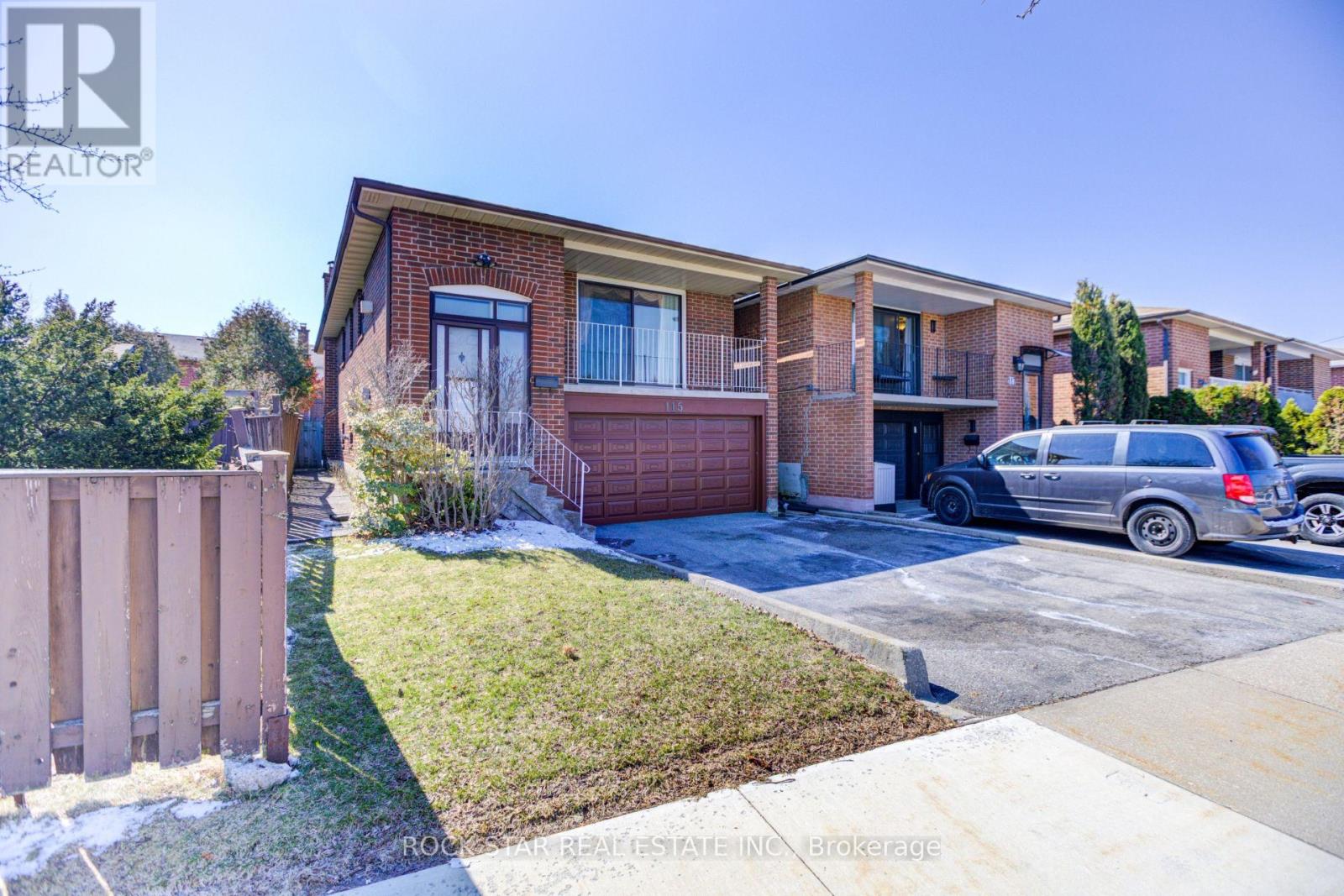 For Sale
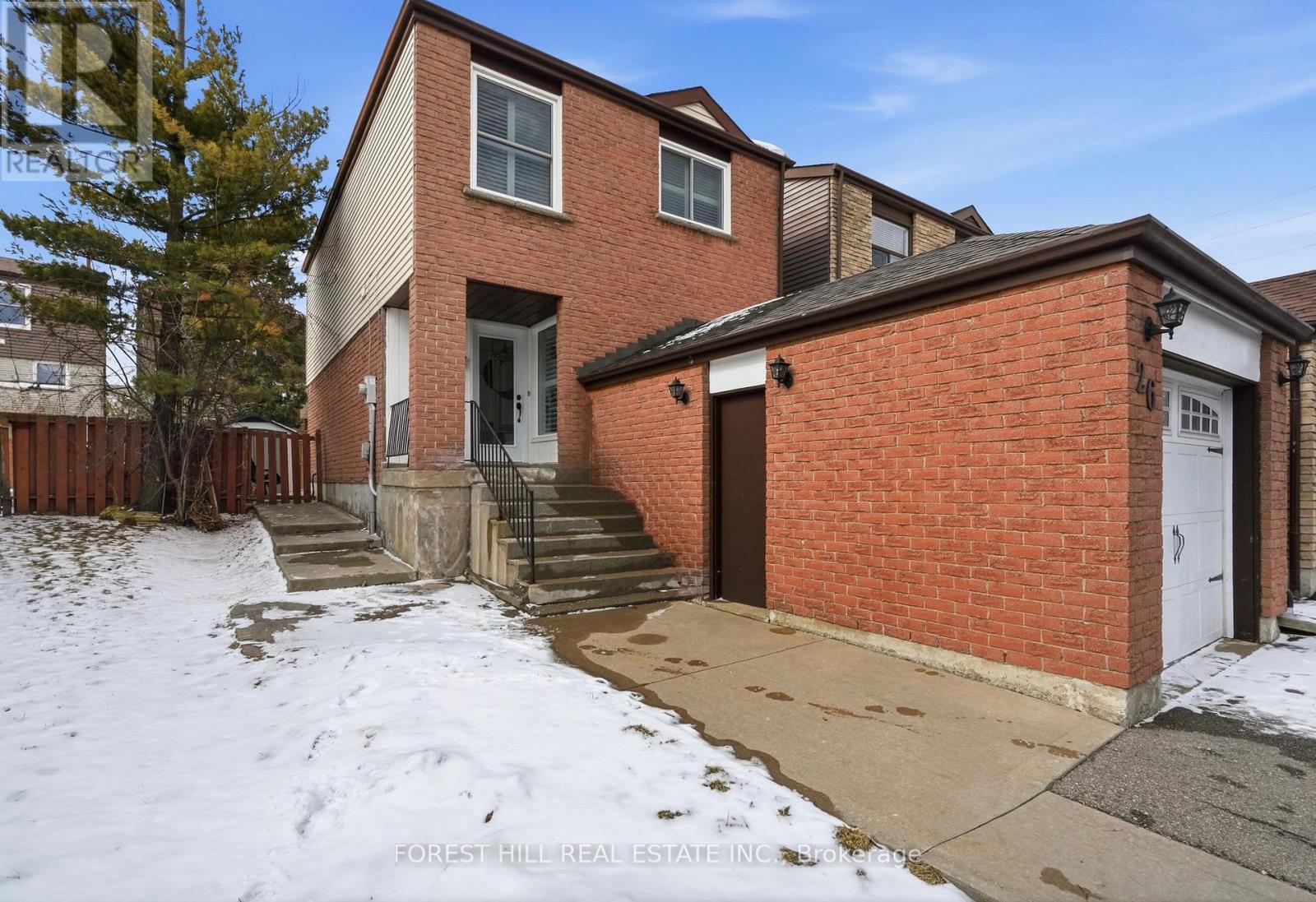 For Sale
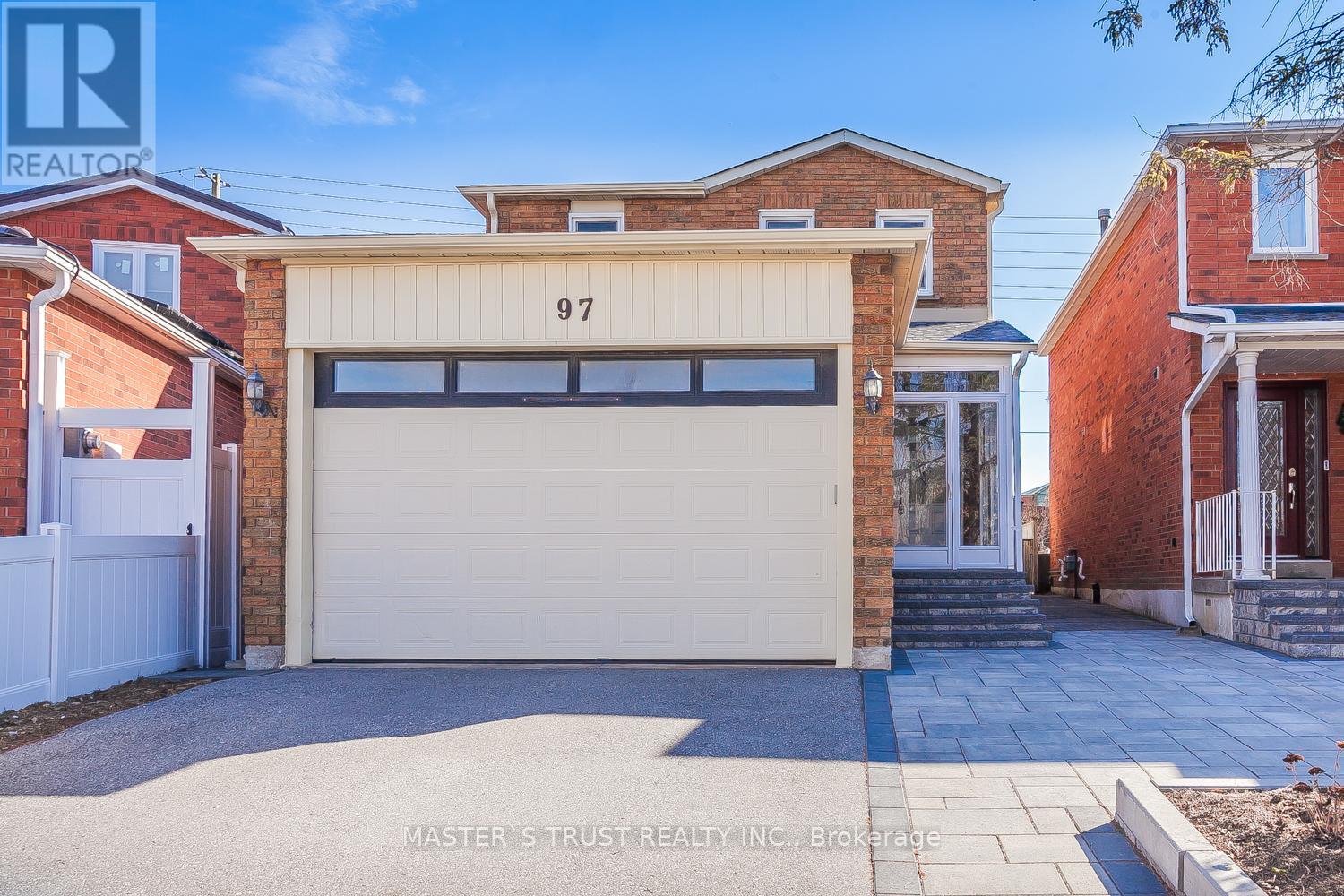 For Sale
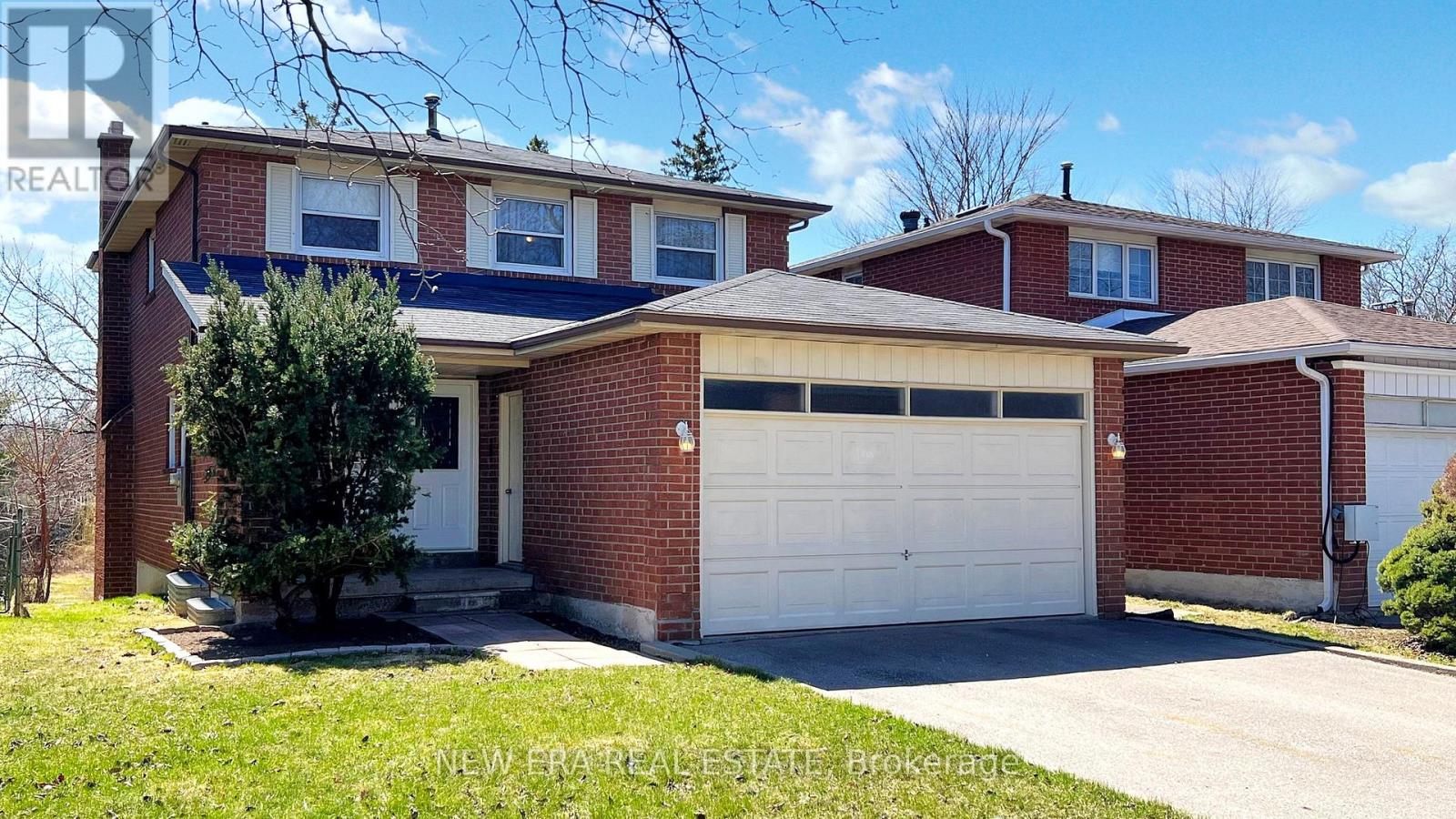 For Sale