
Gore Industrial North is a large employment zone in northeast Brampton near the Gore Road and Highway 427 corridor. It contains warehousing, logistics, and light industrial operations. Not a residential neighbourhood. Adjacent to Bram East and the Vales of Castlemore area.
Gore Industrial North is not a residential neighbourhood in the conventional sense. It is a large-format employment area in northeast Brampton, anchored by warehousing, distribution, and logistics operations of considerable scale. The area runs along the Gore Road corridor north of Castlemore Road toward Mayfield, occupying a swath of land that was farmland two decades ago and is now one of the most active logistics hubs in the Greater Toronto Area. Amazon, FedEx, and major third-party logistics providers have built or leased large facilities here, drawn by proximity to Highway 427, Highway 50, and the broader 400-series network.
For real estate purposes, Gore Industrial North matters because of what it means for the surrounding residential communities rather than for the industrial land itself. The nearby residential areas of Vales of Castlemore, Sandringham-Wellington, and the communities along Castlemore Road sit within a few kilometres of this employment zone, and their property market is directly influenced by it. Workers at the logistics facilities here need housing, and the northeast Brampton residential market absorbs a significant portion of that demand. Vacancy rates in nearby rental properties are low, and turnover in ownership housing is relatively modest because employment stability has held up well.
The industrial area’s growth has also driven infrastructure investment that benefits nearby communities. Road upgrades along Gore Road, Castlemore Road, and the Airport Road corridor have improved movement through the northeast quadrant of Brampton. The truck traffic generated by logistics operations is a trade-off that nearby residents manage, particularly on Gore Road itself, but the employment base has contributed to a stable economic foundation for the surrounding residential market.
Understanding Gore Industrial North requires seeing it as an economic engine embedded in the city’s northeast rather than as a neighbourhood with traditional residential attributes. Buyers and investors looking at northeast Brampton homes should understand how the proximity to this employment cluster affects everything from morning traffic patterns to rental demand to the long-term development pressure on remaining rural land in the Gore Road corridor.
The land within Gore Industrial North itself is industrial in designation and is not available for residential purchase. Industrial land in this part of Brampton has traded at significant premiums as logistics demand drove up land values through the late 2010s and into the 2020s. Serviced industrial land in the broader Airport Road and Gore Road corridor was achieving prices of $1.5 million to $3 million per acre at the market peak, reflecting the intense competition for developable logistics land in the GTA. By 2024 and 2025, some softening occurred as the post-pandemic logistics boom moderated, but the market remains significantly above pre-2020 levels.
The relevant residential price data for this area refers to the communities adjacent to the industrial zone. Detached homes in the Vales of Castlemore and Castlemore Road area, which sit closest to Gore Industrial North, have been trading in the $1.05 million to $1.35 million range through 2024 and 2025. These prices reflect the premium residential character of those communities rather than any discount for industrial proximity, as the separation between the employment area and the residential streets is sufficient to mitigate direct impact on living conditions.
Rental properties near the employment corridors have seen consistent demand from logistics and warehouse workers, including a significant proportion of new Canadians who arrive to work in the sector before transitioning to other industries. Basement suites in detached homes within a 5 kilometre radius of Gore Industrial North are almost fully occupied, and investors who purchased in the northeast Brampton residential market specifically to serve the logistics workforce have generally been satisfied with occupancy rates.
Commercial land uses are also evolving at the edges of the industrial zone, with some secondary commercial and service industrial development filling in at the margins. Gas stations, truck stops, restaurants catering to the logistics workforce, and auto service businesses have established themselves along the main arterials connecting the industrial area to the highway network.
The industrial land market in northeast Brampton followed the broader industrial real estate cycle closely, with vacancy near zero and rents rising sharply through 2020 to 2022 as e-commerce demand drove unprecedented expansion of the logistics sector. Rent for class A industrial space in this corridor peaked at $18 to $22 per square foot net in late 2022, levels that would have been unthinkable a decade earlier. The 2023 and 2024 adjustment saw vacancy rise modestly as new supply came online and some occupiers consolidated space, but the fundamental demand for well-located last-mile and regional distribution space in the GTA has not evaporated.
For the adjacent residential market, the industrial employment base has created a structural floor under rental demand that is largely independent of the broader interest rate cycle. Workers employed at logistics facilities do not stop needing housing when mortgage rates rise, and the rental market near Gore Industrial North has remained tight even as the ownership market softened through the rate cycle. This makes northeast Brampton residential an interesting investment location for those whose analysis is grounded in employment fundamentals rather than pure price speculation.
The industrial market’s maturation also means that newer supply coming onto the market is sophisticated: multi-level warehouses, cold storage facilities, and automated distribution centres with specific power and infrastructure requirements. These are not interchangeable with older industrial stock, and the market is differentiating between class A modern logistics facilities and the older, smaller-bay industrial buildings that dot the margins of the employment area. Investors in industrial real estate specifically are navigating this segmentation actively.
From a residential market monitoring perspective, the key indicator to watch in northeast Brampton is net employment in the logistics sector. Strong employment supports rental demand and population growth, which in turn supports resale prices. Any significant contraction in the logistics sector, driven by automation reducing labour requirements or economic slowdown reducing parcel volumes, would have a measurable effect on the residential market in this quadrant of the city.
The buyer profile for residential properties near Gore Industrial North breaks into two clear groups. The first is logistics workers and their families, who want to minimize commute time to large facilities along Gore Road and Airport Road and are willing to accept modest residential accommodation in exchange for low travel cost. Many of these buyers are recent immigrants who have arrived specifically to work in the logistics sector, and their housing decisions are driven by proximity to work, affordability, and access to community institutions serving their cultural background.
The second group is investors, both individual and small-scale institutional, who have identified the employment density in this corridor as a reliable rental demand driver. These buyers are purchasing single-family homes or small multi-unit properties within a 5 to 10 kilometre radius of the industrial area, renting them primarily to logistics workers and their families. Investment returns have been acceptable even in the tightened rate environment because of the consistently low vacancy, and investors with longer horizons are banking on the employment base continuing to expand as new industrial development fills remaining land parcels.
The broader northeast Brampton residential buyer pool, including the Vales of Castlemore community, includes a significant South Asian ownership demographic that has been building equity in this part of the city for two decades. Many of these original buyers are now in a life stage where they are purchasing second properties or helping children buy first homes, contributing to the internal circulation of capital within the community that partially insulates this market from external demand shocks.
Developers of new residential land on the fringes of the employment area have also identified the workforce housing gap and are proposing mid-density and townhome product in accessible price ranges. These proposals, where approved, are targeted squarely at the logistics workforce household who earns too much to qualify for affordable housing programs but too little to comfortably carry a $1 million detached home.
Within Gore Industrial North itself, the built fabric is predominantly large-format logistics buildings on generous lot sizes. The street layout follows a functional industrial pattern: wide roads capable of accommodating 53-foot trailers, generous truck court setbacks, and minimal street-level pedestrian infrastructure. Goreway Drive and Gore Road are the primary north-south movements, with Castlemore Road and Mayfield Road providing east-west connections to the broader network.
The industrial buildings range from earlier-generation warehouse stock built in the 1990s and 2000s to current-generation facilities with clear heights of 36 to 40 feet, ESFR sprinkler systems, and heavy power supplies for automated systems. The newer buildings are concentrated in the areas that were assembled and serviced most recently, generally in the northern sections of the employment area closer to Mayfield Road. The older stock is being repositioned or redeveloped in some cases as lease renewal economics favour new construction over retrofitting.
The intersection of Airport Road and Castlemore is a key node within the broader northeast Brampton employment area, where the Gore Industrial South and Gore Industrial North areas effectively meet. Retail and service commercial has grown up around this intersection to serve the workforce: Tim Hortons, fast food outlets, and auto service businesses in a functional strip commercial pattern.
Goreway Drive itself runs through both the industrial north and south designations and is the most important road for understanding movement through this employment area. Properties on Goreway Drive with industrial designation have commanded strong pricing from occupiers who need high-visibility or convenient road frontage. The drive north on Goreway from Castlemore toward Mayfield passes through the core of the logistics campus zone, giving a direct sense of the scale of investment in this corridor over the past 15 years.
Road access is the defining transit consideration for Gore Industrial North and its surrounding communities, and the highway network is both the area’s primary asset and its primary bottleneck. Highway 427 connects the area to the 401 and the QEW to the south, and to Highway 400 to the north via the 427 extension. Highway 50 runs along the eastern edge of the employment area, connecting south to the 407 and north toward Bolton and Caledon. The combination gives the logistics operators here multi-directional highway access that was central to their location decision.
For residents of the nearby communities, the highway access works well for car commuters heading south into Mississauga, Etobicoke, or onto the 401 for downtown Toronto. Peak-hour congestion on Highway 427 southbound is significant, as the GTA-wide morning commute converges on limited north-south corridors. Residents who work in the logistics area itself and those heading generally southward manage their departure times around the peak congestion window.
Brampton Transit provides bus service along the Castlemore Road and Airport Road corridors, connecting the employment area to the Züm network and onward to downtown Brampton and GO Transit. For logistics workers who are transit-dependent, the service is usable though not frequent by Toronto standards. Shift workers at warehouse operations, whose hours do not align with standard peak-period transit schedules, often find transit less practical and rely on cars or ridesharing arrangements.
GO Transit access from northeast Brampton is limited. The nearest GO stations are Brampton GO and Bramalea GO to the south and west, both requiring a significant drive or transit connection. The lack of GO service in the northeast quadrant is a genuine gap that the City of Brampton and Metrolinx have acknowledged, but capital investment in this corridor has not matched the growth in residential and employment activity. Regional rapid transit access remains a future aspiration rather than a current reality for this part of the city.
Gore Industrial North has no parks within its boundaries, as it is an employment area without a residential population requiring park provision. The green space story for this part of northeast Brampton sits in the adjacent residential communities and in the natural corridors that the Humber River watershed manages through the area. The West Humber River tributaries cross through portions of the northeast Brampton landscape, and the Toronto and Region Conservation Authority manages naturalized corridor land along these watercourses that provides some green buffer between industrial and residential uses.
The Claireville Conservation Area, a significant TRCA-managed natural area, sits to the south and southeast of the Gore Industrial North employment lands. The conservation area encompasses thousands of acres of naturalized land, trails, and the Humber River valley, and it represents the most substantial natural amenity accessible to residents of northeast Brampton. While not immediately adjacent to the industrial employment area, it is accessible from the surrounding residential communities by car in 15 to 20 minutes.
The Gore Road corridor itself has limited parkland, reflecting its evolution as an industrial employment location rather than a planned community. As development pressure on remaining rural land in the northeast grows, the City of Brampton and TRCA have been working to identify and protect natural corridor land before it is absorbed by industrial or residential development. This process is ongoing, and the quality of green infrastructure in the northeast quadrant will be partly determined by how effectively these protection efforts succeed in the coming decade.
For residents choosing homes near Gore Industrial North for employment proximity, park and green space access is generally found in the established residential communities nearby rather than immediately adjacent to the employment area. Communities like Vales of Castlemore and Sandringham-Wellington have neighbourhood parks, and the TRCA natural areas are accessible for those who seek more naturalized outdoor experiences.
Commercial retail in the Gore Industrial North area serves the working population of the employment corridor rather than a residential neighbourhood. The primary commercial nodes are along Airport Road and Castlemore Road, where strip plazas and standalone fast food and fuel outlets meet the needs of the logistics workforce. Tim Hortons, McDonald’s, Subway, and similar chains cluster near the highway ramps and main intersections. The commercial offering is functional for grab-and-go work break needs rather than destination retail.
The nearest meaningful retail concentration for the surrounding residential communities is along Airport Road south toward Castlemore, where grocery stores, pharmacies, and a range of service businesses have established over the past decade as northeast Brampton’s residential population grew. South Asian grocery stores and halal food retailers are well-represented in these plazas, reflecting the community demographics of the surrounding residential areas.
Bramalea City Centre is accessible from northeast Brampton via Airport Road south to Queen Street East, a drive of roughly 20 to 30 minutes depending on traffic. It’s the nearest major mall for residents of the Gore Industrial North area’s surrounding communities, providing department stores, fashion retail, and a cinema. For residents whose primary shopping occurs on weekends, the distance is manageable; for weekday convenience shopping, the Airport Road corridor plazas serve the need.
The workforce support retail that clusters around large-format logistics operations has evolved in this corridor: equipment dealers, work boot retailers, staffing agency offices, and cheque-cashing services alongside the standard food service chains. This commercial ecology reflects the character of the employment area and distinguishes the Gore Road corridor from the residential retail strips of established Brampton neighbourhoods. It’s practical and dense with activity during shift change hours, and quiet otherwise.
Gore Industrial North has no residential school catchment. Workers who live in adjacent communities access schools through the PDSB and DPCDSB systems serving Bram East and Vales of Castlemore. Sandalwood Heights Secondary School and Cardinal Ambrozic Catholic Secondary School are among the schools serving the residential communities near this employment zone.
Gore Industrial North will continue to see new large-format logistics and distribution facility construction as long-term leases on older facilities roll and as new parcels are developed. The GTA logistics market continues to attract national operators who need proximity to the consumer population and highway access. The longer-term planning for the 407 Transitway West and the Highway 427 extension will incrementally improve the transportation network serving this corridor. No residential development is planned or approved for the employment lands in this area.
Q: Are there jobs available at the facilities in Gore Industrial North?
A: Yes. The distribution and logistics facilities in this corridor employ thousands of workers in warehouse, operations, and management roles. Major employers include national retailers, third-party logistics companies, and manufacturing operations. Jobs range from entry-level warehouse and order-picking positions to management and technical roles. Workers typically apply directly to the company occupying a specific facility or through staffing agencies that serve the logistics sector. The facilities in this corridor are among the larger private-sector employment sites in Brampton.
Q: Does living in Bram East mean being close to heavy truck traffic from Gore Industrial?
A: For residential streets directly adjacent to the industrial boundary in east Bram East, truck traffic on the arterial roads is a real environmental factor. Gore Road itself carries significant truck volumes during shift changes and throughout the business day. Residential streets set back from the industrial boundary are shielded from most of this traffic. Buyers considering homes on the eastern edge of Bram East should visit at a time of day when the facilities are in operation to assess the ambient noise and traffic for themselves before purchasing.
Q: Is the industrial land in Gore Industrial North protected from residential conversion?
A: The Gore Industrial North area is designated employment land under Brampton’s official plan and the provincial Growth Plan for the Greater Golden Horseshoe. Employment land conversion to residential requires provincial approval under Bill 108 and subsequent planning legislation. Brampton has generally resisted large-scale employment land conversion to protect its economic base and job creation capacity. The logistics demand for this specific corridor is strong, which makes conversion economically irrational in any near-term scenario. Residential buyers adjacent to the industrial boundary can be reasonably confident the employment use will continue.
Q: How far is Gore Industrial North from Pearson Airport?
A: The drive from Gore Industrial North to Pearson International Airport via Highway 427 south is typically 20 to 30 minutes in off-peak traffic. This proximity is one of the primary reasons the corridor has attracted logistics and airfreight-related operations. For workers in the aviation and airport services sector who prefer to live in Brampton, the commute from the Bram East and Vales of Castlemore residential areas to the airport is manageable and is one of the factors that drives demand for housing in this part of the city.
If you work in Gore Industrial North and are looking for a home in the adjacent residential communities of Bram East, Vales of Castlemore, or Goreway Drive Corridor, TorontoProperty.ca can help you find options that balance commute time, price, and community fit. Get in touch for a conversation about what your budget looks like in this part of Brampton.
Street-level knowledge is hard to find online. Our team works in Gore Industrial North every day. They know which pockets hold value, where the school catchment lines actually fall, and what the market is doing right now. Talk to us before you make a decision about Gore Industrial North.
Talk to a local agent For Sale
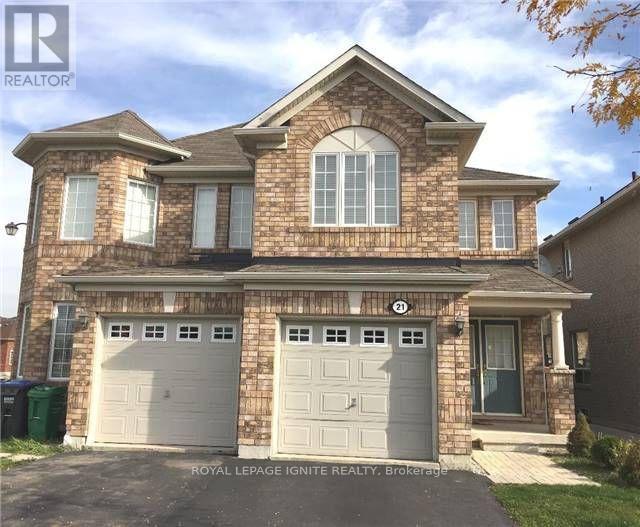 For Sale
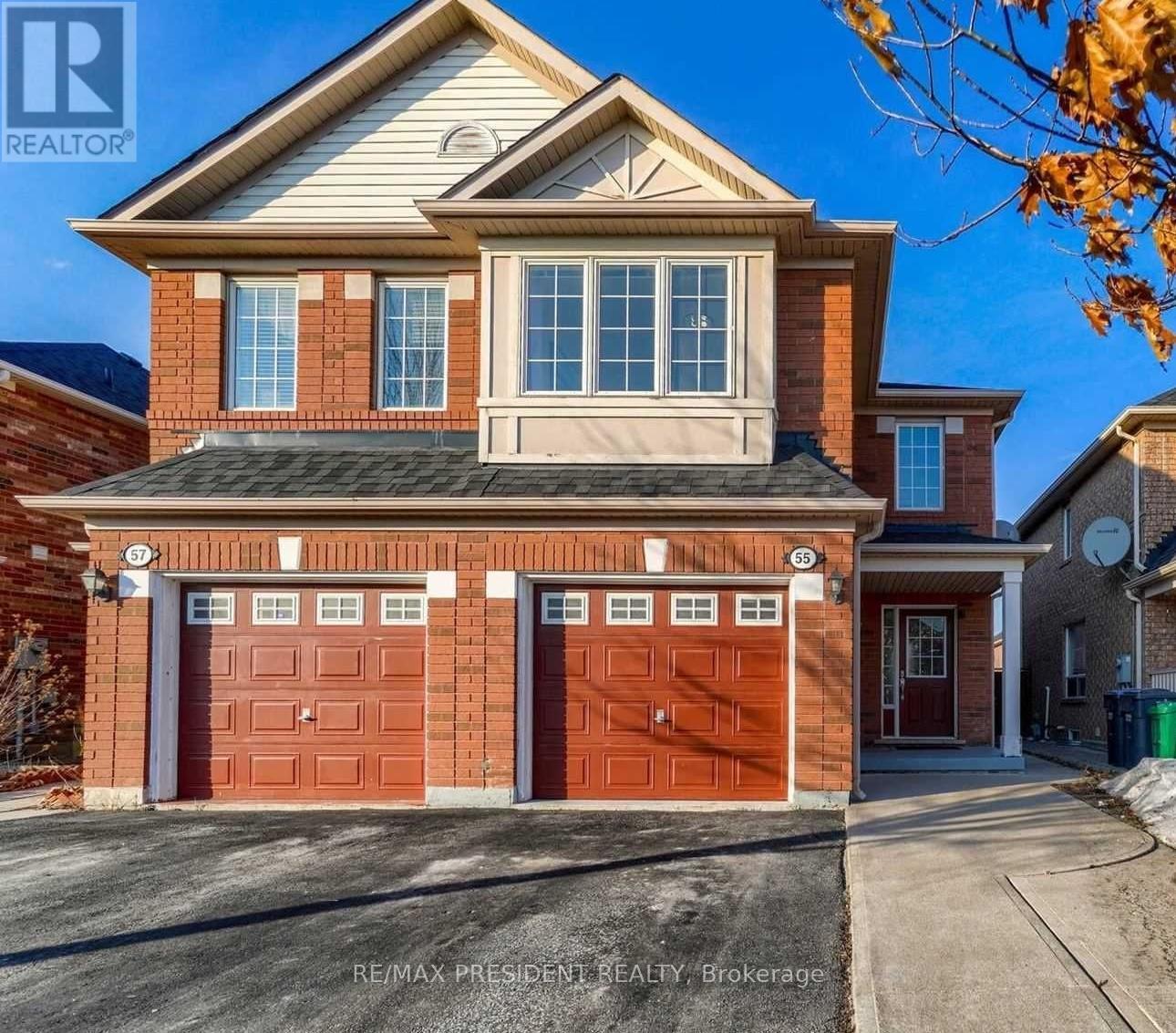 For Rent
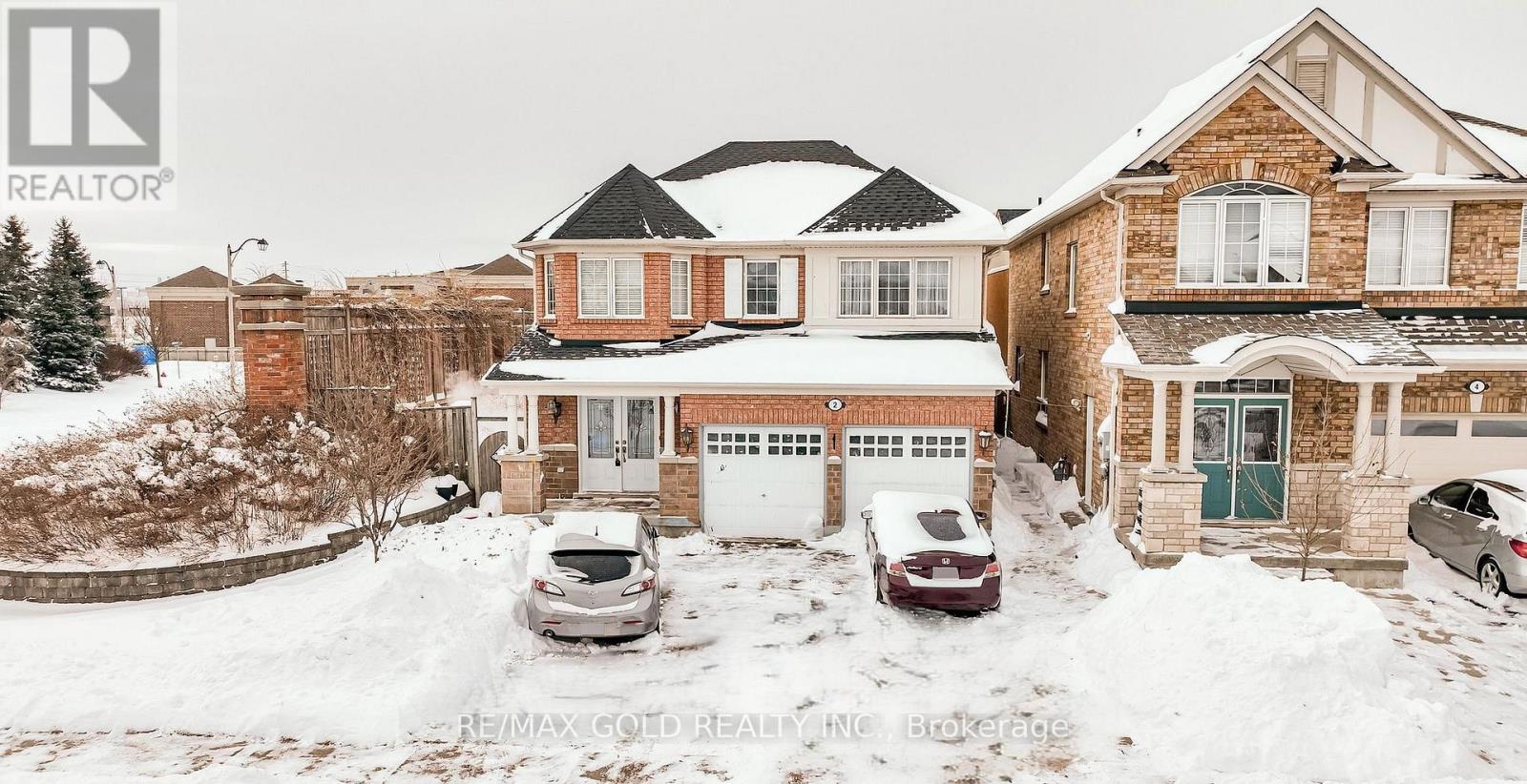 For Sale