
Gorham-College Manor is an established central Newmarket neighbourhood with mid-century bungalows and two-storey homes on larger lots, within walking distance of the Yonge Street commercial corridor and Fairy Lake. It offers central Newmarket access at prices below the Main Street heritage core, attracting downsizers, first-time buyers, and renovation investors.
Gorham-College Manor is an established residential area in the central and south-central part of Newmarket, covering the residential streets between the Main Street South heritage district and the Bathurst Street corridor to the west, in the area roughly bounded by Mulock Drive to the north and Eagle Street to the south. It includes some of the older and more established residential streets in Newmarket outside the core heritage area, with a mix of mid-20th century housing and later infill development that gives the neighbourhood a character distinct from both the Victorian heritage core and the planned suburban developments of the 1990s and 2000s.
The name combines two distinct geographic references: Gorham refers to the residential streets west of Yonge Street in this general area, and College Manor to the streets associated with the neighbourhood’s proximity to Upper Canada College’s historic York County campus. The combined designation reflects a planning and community identity that recognises the shared character of this central-south Newmarket residential area, even where individual streets have their own specific character.
The neighbourhood’s central position in Newmarket provides access to the full range of city services and amenities without the premium that the Main Street South core commands. Residents have walkable access to Yonge Street services, reasonable proximity to Newmarket GO Station, and the established residential character of streets that have been lived in for 40 to 60 years. This is not the most glamorous address in Newmarket, but it is one of the most functionally convenient.
Upper Canada Mall at Yonge and Davis Drive is accessible within 5 to 10 minutes from most Gorham-College Manor addresses, as is the Southlake Regional Health Centre. The combination of mall retail and hospital proximity, alongside the Yonge Street commercial corridor, gives this neighbourhood better daily service access than most comparable residential areas in the city at a lower price point than the premium central neighbourhoods immediately to the east.
The housing stock in Gorham-College Manor is primarily from the 1950s through the 1980s, with the bungalows, raised bungalows, and split-level homes that were the dominant residential type in Ontario suburban development during that period. These homes are on lots that are larger than contemporary new construction — 50 to 60 foot frontages are common — reflecting the land abundance of the era and the Ontario planning standard that provided more generous lot widths than today’s higher-density suburban codes permit.
The bungalow inventory is particularly notable. Single-storey homes on large lots represent a housing type that is functionally well suited to a wide range of households: empty nesters who don’t want stairs, families who want to extend into the basement, and investors who recognise the value of a single-storey home on a large lot in a central urban location. Bungalows in Gorham-College Manor are among the most sought-after property types in the neighbourhood when they come to market.
The range of renovation investment within the neighbourhood is wide. Some homes have been extensively updated through multiple renovation cycles, with modern kitchens, bathrooms, and mechanical systems in well-maintained condition. Others retain their original finishes and require buyers to budget for the full range of updates. The price difference between a well-renovated and an original-condition home in this neighbourhood can be significant, and the opportunity for buyers who renovate is real if the purchase price reflects the unrenovated condition.
Infill development over the past 30 years has added some newer housing into the neighbourhood fabric, on lots where older homes were demolished or where property severances created new building sites. These newer homes stand out against the mid-century fabric but are generally of better construction quality than their predecessors, and they provide a contemporary housing option within the established neighbourhood context for buyers who want new construction but value the central Newmarket location over the planned suburban alternative.
Gorham-College Manor occupies a practical middle tier in the Newmarket market: less expensive than the Main Street South heritage core but more centrally located and service-accessible than the outer suburban neighbourhoods. The pricing reflects the housing vintage and the renovation investment cycle that characterises mid-century suburban housing everywhere in the GTA: renovated examples trade close to or above the neighbourhood average; unrenovated examples offer entry-level prices that attract investors and first-time buyers willing to do the work.
The neighbourhood has benefitted from the broad GTA trend toward valuing central locations with large lots over newer suburban product with smaller lots. A bungalow on a 55-foot lot in a central Newmarket location near Yonge Street, transit, and Upper Canada Mall is a more flexible and liquid asset than an equivalent house in a newer subdivision on a 30-foot lot 40 minutes from a GO station. This relative value proposition has supported prices in Gorham-College Manor through the market cycles that have been more volatile in the outer suburban areas.
Investment activity is a consistent part of the Gorham-College Manor market. Buyers purchasing bungalows for conversion to secondary suite properties or for renovation-and-hold strategies are active, particularly when market conditions soften and the gap between purchase price and post-renovation value is large enough to justify the investment. The neighbourhood’s central location and large lots provide the foundation for this investment activity in a way that smaller-lot suburban properties don’t support.
First-time buyers looking for detached housing in central Newmarket find Gorham-College Manor to be one of the more accessible options. The unrenovated inventory, while requiring investment, allows buyers to enter at lower price points than the renovated-comparable market would require, and the neighbourhood’s strong fundamentals — location, lot size, school quality — provide confidence that the investment will be supported by the market over time.
Gorham-College Manor draws a diverse buyer mix that reflects its mid-tier pricing, central location, and functional appeal across different life stages. First-time buyers entering the detached market, investors pursuing renovation strategies, established families seeking space and school quality, and downsizers reducing from larger suburban homes all find relevant options in the neighbourhood’s varied inventory.
The downsizer segment is particularly active. Households reducing from four-bedroom two-storey suburban homes in the outer Newmarket neighbourhoods find that the Gorham-College Manor bungalow market offers the right combination of reduced maintenance, single-floor living, central location, and Southlake proximity. The transition from a two-storey 1990s subdivision home to a renovated central bungalow is a very common Newmarket life-stage move, and Gorham-College Manor is one of the primary destinations for it.
Families with children in the school system who want central Newmarket access without the full Main Street heritage premium are a consistent segment. The neighbourhood’s school quality, Yonge Street walkability, and Fairy Lake proximity are shared with the central Newmarket core at a lower price point, making Gorham-College Manor the value alternative for buyers who want the same central context but are not specifically attached to the Main Street South character or willing to pay the full heritage premium for it.
Healthcare workers at Southlake Regional Health Centre are a small but consistent buyer segment, drawn by the short commute from Gorham-College Manor to the hospital. The 5-minute drive or reasonable cycling distance to Southlake means that healthcare workers who are on call or work irregular shifts benefit practically from the proximity in ways that more distant neighbourhoods don’t provide. This segment is modest in absolute numbers but reliable in demand.
Within Gorham-College Manor, the streets closest to Yonge Street offer the best walkability to the Yonge commercial corridor and the Viva rapid transit stops, with the tradeoff of more arterial adjacency noise on the blocks immediately facing Yonge. Interior streets set back from Yonge are quieter and more insular while still being within a short walk of the arterial. The Fairy Lake area to the east, accessible via the park trail system, is within walking distance of the neighbourhood’s eastern streets and within cycling distance of the western blocks.
The northern streets of Gorham-College Manor, closest to Mulock Drive, transition toward the Davis Drive commercial area and have more mixed land use at their edges. Properties on the streets adjacent to Davis Drive will have more commercial traffic noise than those deeper in the neighbourhood interior. The southern streets, closest to Eagle Street, are quieter and more insulated from arterial traffic.
Lot size variation within the neighbourhood is worth investigating before targeting specific streets. The older parts of the neighbourhood have the most generous lots; later infill and some re-surveyed sections have smaller parcels. A buyer specifically seeking the large-lot bungalow opportunity should focus on the streets with original 1950s-1960s development and verify lot dimensions before assuming that a property described as a bungalow on a large lot fits the specific parameters they have in mind.
School assignment for elementary students in Gorham-College Manor follows the York Region District School Board catchment boundaries, which divide the neighbourhood among several schools depending on the specific street. The schools serving the area are generally well regarded within the Newmarket system, and the proximity to the historic school infrastructure of central Newmarket means that some Gorham-College Manor students attend schools with deeper community roots than the newer suburban schools serving the growth areas.
Gorham-College Manor has among the better transit access in Newmarket, driven by proximity to both the Yonge Street Viva corridor and the Newmarket GO Station. Viva rapid transit stops are accessible on foot from the eastern streets of the neighbourhood, providing the north-south rapid bus service that connects Newmarket through Richmond Hill to the Vaughan Metropolitan Centre subway. This is a meaningful transit asset for residents who commute along the Yonge corridor to destinations between Newmarket and the subway.
Newmarket GO Station is approximately 1 to 3 kilometres from most Gorham-College Manor addresses, within cycling distance and a short drive. The Barrie line service to Union Station in approximately 55 minutes makes this a practical commute for downtown Toronto workers. The proximity to both the GO station and the Viva corridor gives Gorham-College Manor residents the best multi-modal transit access in the central Newmarket area outside of the immediate Main Street core.
Car access via Yonge Street southbound connects to Highway 404 via Green Lane or Highway 400 via Davis Drive. The central Newmarket location means that highway access is equally convenient in multiple directions, which benefits residents whose employment destinations are distributed across the GTA rather than concentrated in a specific highway corridor. Downtown Toronto by car is typically 50 to 65 minutes in normal conditions.
Walking to daily needs is realistic from Gorham-College Manor’s eastern streets. The Yonge Street grocery, pharmacy, and restaurant options are within 10 to 15 minutes on foot for residents on the blocks between the neighbourhood and Yonge. This is one of the better walkability situations in Newmarket outside the Main Street South core, and it is a genuine daily convenience that reduces car dependence for routine errands in a way that is rare in York Region suburban municipalities.
Fairy Lake and the East Holland River trail system are the primary outdoor assets for Gorham-College Manor residents. The lake and its surrounding park are accessible by walking or cycling from the neighbourhood’s eastern streets, and the trail connections through the Newmarket green space corridor extend the outdoor network well beyond the immediate park. Fairy Lake is one of Newmarket’s signature outdoor spaces, and proximity to it is a consistent quality-of-life factor that buyers in this part of the city value.
The neighbourhood’s own park network includes several community parks with playground and open field space distributed through the residential streets. These are the daily-use parks for families with young children and dog owners, providing immediate outdoor access without requiring a drive or a significant walk. The park network quality in central Newmarket has benefitted from consistent municipal investment over the years.
The mature tree canopy on many of Gorham-College Manor’s residential streets is a visual and environmental asset that reflects the age of the neighbourhood. Trees planted when the homes were built in the 1950s and 1960s are now substantial, providing the shaded streetscape and the cooling effect on summer temperatures that contributes to the liveability difference between established neighbourhoods and newer developments. This is not something that can be recreated quickly; it is the result of 60 years of growth.
The Newmarket trail system connections from Gorham-College Manor extend northward toward the LSRCA conservation lands and southward toward the Aurora-Newmarket boundary, providing linked cycling and walking routes that go beyond the immediate urban area. For residents who use the trail network for fitness or commuting by bike, the central Newmarket location provides good connectivity in multiple directions.
The Yonge Street commercial corridor is the primary service resource for Gorham-College Manor residents, and it is more accessible from this neighbourhood than from most of Newmarket. Grocery, pharmacy, bank branches, coffee, and the variety of restaurants along Yonge Street from Davis Drive south are within walking distance of the eastern streets and a short drive from the western streets. The combination of independent and chain options on this stretch of Yonge gives residents more commercial variety than the power centre retail format provides alone.
Upper Canada Mall at Yonge and Davis Drive is one of the most accessible major retail destinations from Gorham-College Manor, within a 5-minute drive from most addresses. Department store shopping, enclosed mall retail, and the full range of specialty stores at Upper Canada are a genuine convenience for a neighbourhood at this price tier, reducing the need to drive to Vaughan or Richmond Hill for major retail that many more outlying Newmarket residents face.
Southlake Regional Health Centre is approximately 2 to 3 kilometres from Gorham-College Manor, one of the best hospital proximity situations in the city. The medical office and specialist clinic cluster in the Southlake area is accessible in under 10 minutes, making the full range of York Region medical services readily available. For households with regular medical needs, elderly family members, or young children requiring frequent health visits, this proximity is a practical daily advantage.
The Main Street South restaurant and specialty retail area of central Newmarket is accessible from Gorham-College Manor by a short walk or a 5-minute drive. Residents who specifically value independent dining and the Main Street character can access it easily, while the Yonge Street commercial corridor handles routine daily needs without requiring the trip to Main Street.
Gorham-College Manor falls within the York Region District School Board for public schools and the York Catholic District School Board for Catholic families. The neighbourhood is served by several elementary schools in the central Newmarket area, with secondary school assignment to Newmarket’s two public secondary schools. The schools in this part of Newmarket have the stability and community character of institutions serving established, long-settled neighbourhoods rather than the newer schools in the growth area suburbs.
The elementary schools serving the area benefit from the stable residential demographic and the community engagement that characterises established central neighbourhood school communities. Parent councils are typically active, extracurricular programming is supplemented by volunteer effort, and the school community identity that develops over decades in a settled neighbourhood creates a school experience that is distinct from the institutional newness of recently opened schools in high-growth suburbs.
The Newmarket Public Library main branch, in the central area, is accessible from Gorham-College Manor by walking or cycling, providing library system access that supplements the school resource and gives students and adults a research and reading facility within reach without requiring a drive. The library programming for children and youth is active and well attended.
Private school access from Gorham-College Manor is similar to the broader central Newmarket situation: King Township private schools are 20 to 25 minutes by car, Aurora private options are similar. The neighbourhood’s central Newmarket location provides adequate access for families pursuing private education without a lengthy commute, though the neighbourhood itself is not specifically identified with private school demand in the way that some of the more affluent outer Newmarket neighbourhoods are.
Gorham-College Manor is a stable established neighbourhood with incremental change rather than significant development activity. The residential fabric is mature and the development pressure within the neighbourhood is limited to lot-by-lot infill on the occasional severance or demolition site. This is not a neighbourhood in transition; it is one that has found its equilibrium as central urban Newmarket residential, and that equilibrium is maintained by the planning framework that limits intensification in established low-density residential areas outside the Yonge Street and Davis Drive corridors.
The Yonge Street corridor adjacent to the neighbourhood is the area of active change. Mid-rise residential development has been approved and is progressing along the Yonge Street corridor through central Newmarket, bringing new residents into the Yonge Street precinct and increasing the commercial activity and pedestrian life along the arterial. This intensification is generally positive for the Gorham-College Manor context: it increases the vibrancy of the adjacent commercial street without directly changing the residential character of the neighbourhood’s interior streets.
The Upper Canada Mall redevelopment question, which has been a subject of planning discussion for years, remains unresolved as a long-term consideration. Any significant redevelopment of the mall site toward mixed-use residential would affect the immediate context of the Davis Drive and Yonge intersection, which is at the northern boundary of the Gorham-College Manor area. This is a medium to long-term variable that buyers near the northern boundary should be aware of, though it remains speculative rather than approved in the near term.
High-speed internet infrastructure in Gorham-College Manor is consistent with the central urban Newmarket standard: Bell and Rogers service is available throughout, and connectivity is not a concern that requires investigation. The neighbourhood’s urban servicing standard extends to telecommunications infrastructure, and buyers can plan on urban-quality internet access without the variability that affects rural and semi-rural addresses.
What is the bungalow market like in Gorham-College Manor?
Bungalows on large lots in Gorham-College Manor are among the most sought-after properties in the Newmarket market. The combination of single-storey living, larger lots than available in newer subdivisions, central location, and the flexibility for basement conversion or main-floor renovation makes them attractive to a wide range of buyers. Well-renovated examples sell quickly and at strong prices. Unrenovated bungalows sell at discounts that can be significant — sometimes 15 to 25 percent below renovated comparables — which creates genuine opportunity for buyers prepared to do the work. The key due diligence step is assessing the renovation scope accurately before the offer, not after.
How does Gorham-College Manor compare to buying on Main Street South?
Gorham-College Manor is generally less expensive than the Main Street South heritage core for comparable square footage, reflecting the older mid-century housing stock versus the Victorian and Edwardian character that commands the Main Street premium. The walkability and commercial access are similar for the streets closest to Yonge; the heritage character and Fairy Lake immediacy are closer in the Main Street core. Buyers for whom the Victorian character and Main Street address identity are important will pay the core premium; buyers who primarily want central location, walkability, and good value in the established Newmarket residential market find Gorham-College Manor to be the better value proposition.
Are there any environmental concerns in the neighbourhood?
The neighbourhood is generally clean, reflecting its residential character over 60 years. Properties near the former industrial areas along the East Holland River system should be investigated for any contamination history, though the residential core of Gorham-College Manor is away from historical industrial sites. The Fairy Lake area has had periodic water quality monitoring by the Lake Simcoe Region Conservation Authority, and the broader Holland River watershed is managed actively for water quality. Standard environmental due diligence on any specific property — a Phase I environmental assessment if there is any history of commercial or industrial use — is advisable but typically straightforward for properties in the residential core.
What is the typical lot size for bungalows in the neighbourhood?
Bungalows from the 1950s and 1960s in Gorham-College Manor typically sit on lots with 50 to 60 foot frontages and depths of 100 to 125 feet, providing 5,000 to 7,500 square feet of land. These are meaningfully larger than the lots available in most post-2000 Newmarket developments, which typically range from 30 to 40 feet frontage. The larger lots support both garden use and, for buyers considering future intensification, the possibility of a secondary suite or a garden suite in jurisdictions where the planning rules support it. Buyers should verify specific dimensions in the listing data and on the survey.
Gorham-College Manor is a well-understood and well-traded neighbourhood for agents who work central Newmarket regularly. The comparable data is adequate for pricing, the buyer pool is active and varied, and the neighbourhood’s fundamentals are stable enough that well-priced properties move without extended days on market. An agent familiar with the central Newmarket bungalow market, with knowledge of the renovation cost landscape and the specific lot and street premiums within the neighbourhood, is the right partner for transactions here.
The inspection of mid-century Ontario housing requires specific knowledge of the issues characteristic of the era. Knob and tube wiring, asbestos in older pipe insulation and floor tiles, galvanised pipes approaching the end of their service life, and the structural approaches used in 1950s basement construction are all conditions that may appear in Gorham-College Manor homes. A buyer who understands these conditions and has priced them into the offer is in a better position than one who discovers them on closing. The negotiation room created by identified maintenance needs is often significant in the unrenovated segment of this market.
Buyers who are considering renovation should get trade quotes before the offer, not after. The cost of a full bungalow renovation — kitchen, bathrooms, mechanical update, possibly a secondary suite in the basement — has increased substantially with trade costs, and the difference between an investor’s estimate and a real quote can be significant. Buyers who do this work in advance can set offers at prices that reflect realistic post-renovation value and realistic renovation cost; buyers who don’t sometimes discover that the gap between their purchase price and their renovation cost leaves less upside than the purchase appeared to promise.
The neighbourhood’s central position in Newmarket means that properties purchased here hold their value well through the market cycles that affect the outer suburban areas more significantly. Central Newmarket has consistently been one of the better-performing price tiers in the city because the combination of location, lot size, and transit access is not replicable by new construction in a city whose growth is happening at the outer edges rather than the inner core.
Street-level knowledge is hard to find online. Our team works in Gorham-College Manor every day. They know which pockets hold value, where the school catchment lines actually fall, and what the market is doing right now. Talk to us before you make a decision about Gorham-College Manor.
Talk to a local agent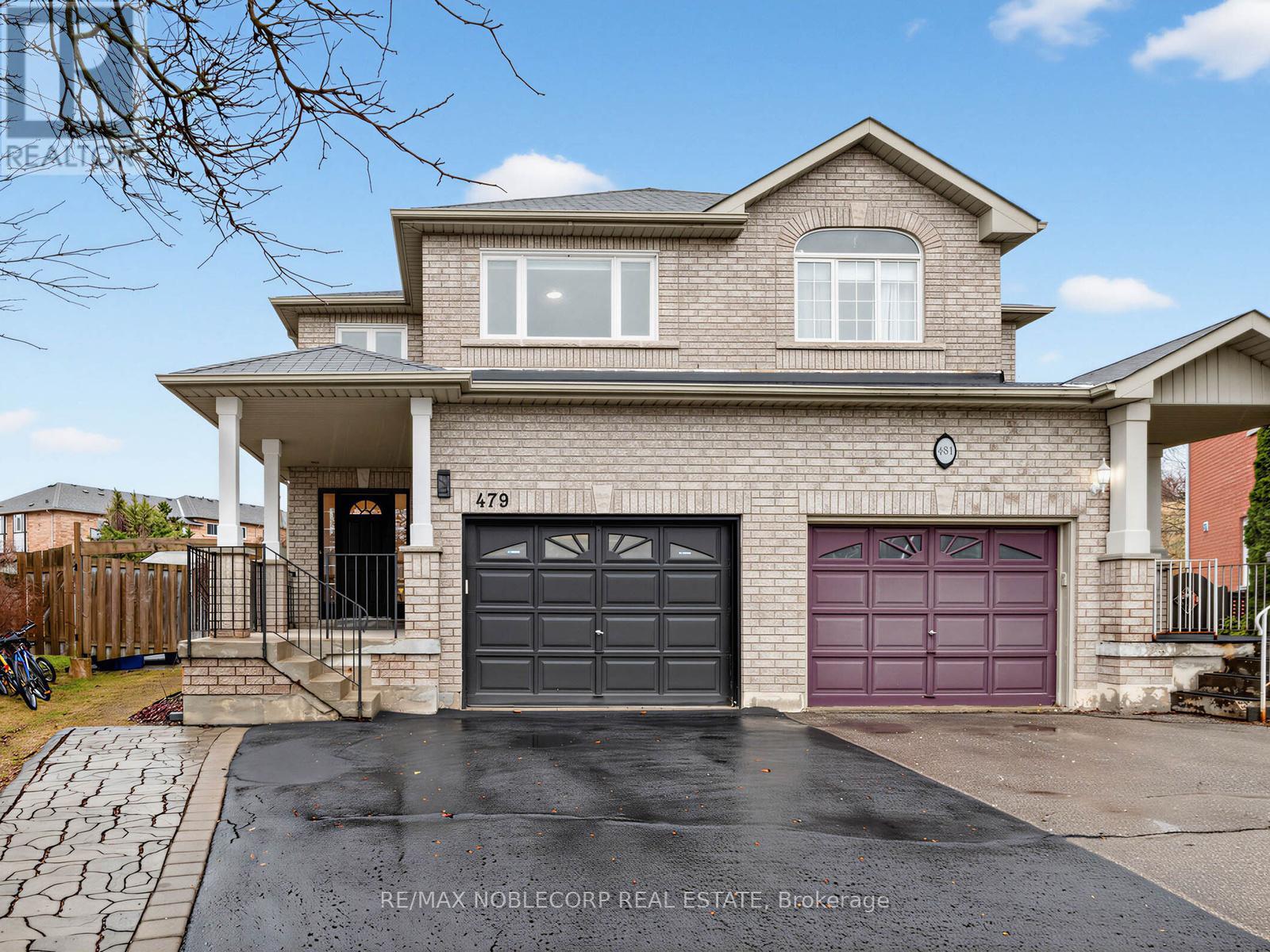 For Sale
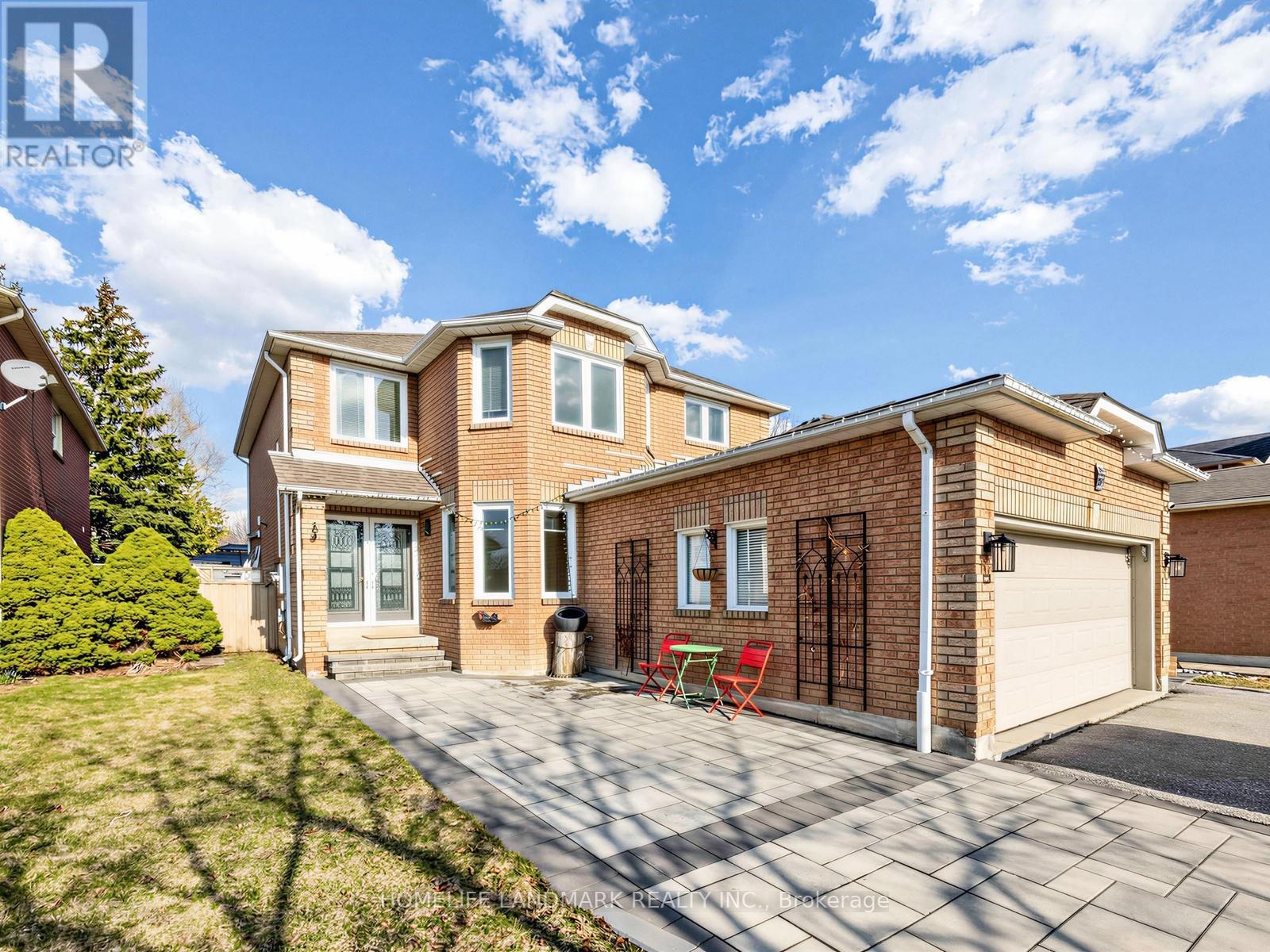 For Sale
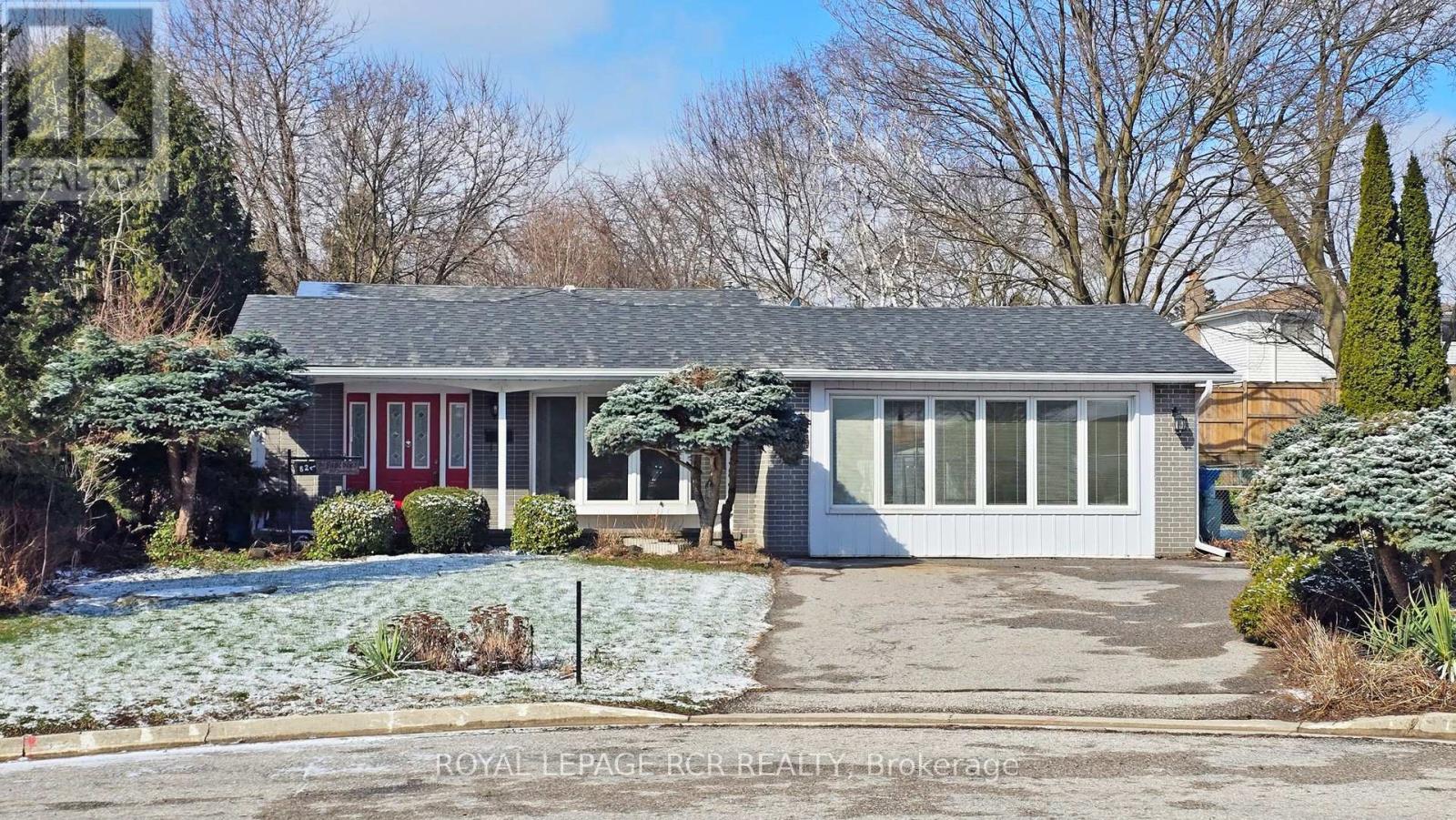 For Sale
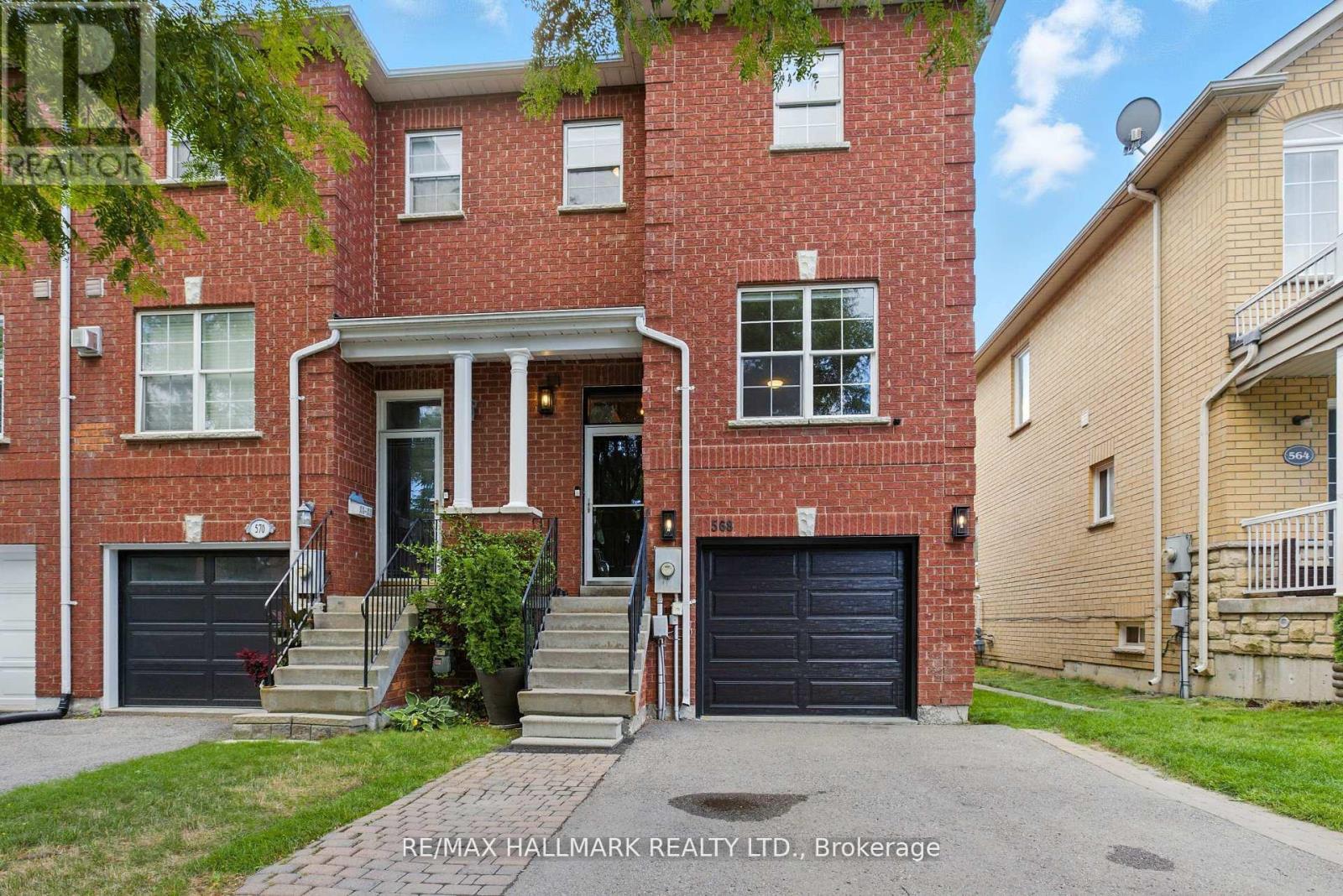 For Sale