
Grandview is an established central Markham neighbourhood built through the 1970s and 1980s. Detached family homes on generous lots, mature tree canopy, and close proximity to Markville Shopping Centre and the GO Stouffville line at Unionville station make it a strong mid-tier choice for families.
Grandview sits in central Markham, bounded roughly by Highway 7 to the south, Woodbine Avenue to the west, and16th Avenue to the north. It is one of Markham’s established residential neighbourhoods, built out through the 1970s and 1980s when the city was rapidly expanding from its historic village core. The streets here carry that era’s character: wide lots, mature tree canopy, brick detached homes set back from quiet crescents and cul-de-sacs. It is not a glamorous neighbourhood, but it is a solid one, and buyers who know Markham understand what that means.
The neighbourhood’s position in central Markham gives it advantages that newer northern developments don’t have. Markville Shopping Centre is minutes away. Highway 7 provides quick east-west movement. The GO Stouffville line at Unionville station is accessible without a long drive. Residents are close to the concentration of services, schools, and commercial strips that make up the city’s middle band, without the congestion of the most densely built southern sections near Steeles Avenue.
The housing stock reflects the values of the era it was built in. Lots are generous. Garages are attached. Layouts favour families, with four-bedroom detached homes the dominant type. Many properties have been updated over the decades as original owners aged out and younger families moved in, so you’ll find renovated kitchens and finished basements alongside more original interiors waiting for investment. The neighbourhood rewards buyers who can see past cosmetic aging to the structural quality underneath.
Grandview doesn’t dominate Markham real estate conversations the way Unionville or Cornell do, and that relative quietness is part of its appeal. Prices here have historically come in below the Unionville premium while offering comparable lot sizes and better access to central amenities than developments further north. Families priced out of prestige pockets find Grandview offers genuine value without compromise on the fundamentals: good schools, safe streets, quick access to the 407 and 404, and the full commercial infrastructure of a mature city.
Grandview’s detached homes have traded in a range that reflects both the neighbourhood’s age and its central location. Through 2024, typical detached properties sold between $1.1 million and $1.45 million, with four-bedroom homes on larger lots pushing toward the upper end. Semi-detached properties, less common here than in newer Markham developments, came in between $850,000 and $1.05 million. The neighbourhood sits comfortably in the mid-tier of Markham pricing, above the Steeles-area entry points and below the Unionville premium.
Lot sizes vary across the neighbourhood. The original subdivision streets tend to run 40 to 55 feet of frontage, with depths reaching 100 to 130 feet. Corner lots and pie-shaped lots on crescents occasionally exceed these figures and attract buyers who want space for additions or a larger backyard. Finished square footage in typical homes runs between 1,600 and 2,400 above grade, with many properties carrying finished basements that extend usable space significantly.
Days on market in Grandview through 2024 ran slightly longer than the Unionville area, typically 14 to 21 days for well-priced properties. Sellers who came in at market price moved their homes. Those who tested above market sat longer. Multiple offer situations occurred, particularly in spring, but were not the norm they represent in prestige pockets. This is a market where preparation and realistic pricing matter more than speculative listing strategies.
Into 2025, pricing has held relatively stable in Grandview compared to more speculative parts of York Region. The neighbourhood’s owner-occupier base tends to transact for life reasons rather than investment cycling, which dampens volatility somewhat. Buyers looking at Grandview in the current environment are getting established infrastructure, mature landscaping, and central location at prices that would have been considered strong value even before the broader Markham appreciation of the past decade.
The Grandview market operates as a steady mid-tier segment within Markham’s broader real estate landscape. Turnover comes primarily from families who bought here in the 1980s and 1990s and are now downsizing, and from younger families moving up from condos or townhomes in the southern Markham and Scarborough areas. The neighbourhood doesn’t attract significant investor activity, which helps keep the market grounded in owner-occupier fundamentals rather than speculative swings.
Competition among buyers is moderate. Properties that show well and are priced accurately draw strong attendance at open houses and often sell within the first two weeks. Properties that are overpriced or present poorly tend to sit, sometimes requiring price reductions of 3 to 5 percent before selling. The Grandview market is not forgiving of wishful pricing in the way that a prestige pocket like Unionville sometimes is, where name recognition pulls buyers in regardless of asking price.
Renovation activity has accelerated in Grandview over the past decade. The combination of large lots, solid brick construction, and central location has made the neighbourhood attractive to buyers who want to purchase and update rather than pay prestige prices for a turnkey property in a more prominent address. Kitchen and bathroom renovations are the most common improvements. Some owners have added second-floor additions or detached garden suites as the city’s zoning reforms have made intensification more accessible.
The rental market in Grandview is mostly confined to basement suites in owner-occupied detached homes. Rents for two-bedroom basement apartments ran between $1,800 and $2,200 per month through 2024. Full-home rentals are uncommon. The neighbourhood is not a natural destination for institutional or purpose-built rental investment, and that keeps the resident composition predominantly family owner-occupiers, which in turn supports neighbourhood stability and maintenance standards.
Grandview’s typical buyer is a family with children, purchasing a first or second detached home, often arriving from a condo or townhome. Many come from Scarborough or the eastern parts of Toronto, attracted by the price differential relative to comparable properties in the city. The school quality in York Region is the single most commonly cited driver: families who’ve researched the YRDSB and YCDSB systems understand they’re getting a strong public school environment, and Grandview sits within catchments that reflect that.
South Asian families have been a significant demographic in Grandview’s buyer base for two decades. The neighbourhood is close to the cultural and commercial infrastructure along Highway 7 and has long-established community networks that make it a natural destination for buyers relocating from other parts of the GTA or arriving as newer immigrants with family already in the area. Chinese Canadian buyers are also present, particularly those who want central Markham access without the pricing of more sought-after pockets.
Move-down buyers from larger homes in the area represent a secondary but consistent segment. Empty-nesters who spent years in Unionville or Markville but no longer need 3,000 square feet sometimes move to Grandview’s smaller footprint when they want to stay in the area. These buyers typically purchase with cash or minimal financing, and they tend to be selective about condition.
Investor buyers are a small minority in Grandview. Those who do purchase here are typically acquiring properties to hold as rentals or to renovate and resell. The neighbourhood’s lot sizes and zoning make it viable for garden suite additions, and a small number of investors have pursued this path as provincial and municipal rules have opened up low-rise intensification. But the dominant buyer profile remains the family that plans to live here for years, which gives the neighbourhood its character.
The streets that define Grandview’s character run north of Highway 7 and south of 16th Avenue, with Woodbine Avenue forming the western edge and Warden Avenue roughly the eastern boundary. Within this grid, a few patterns stand out for buyers doing serious neighbourhood research.
The streets closest to Markville Shopping Centre offer convenience but also some traffic noise, particularly along the Highway 7 frontage roads. Buyers who want central amenity access without the traffic noise are better served on the crescents and courts that sit deeper into the neighbourhood, particularly north of Carlton Road. These interior streets see lower traffic volumes and have some of the neighbourhood’s best tree canopy, with maples and oaks that were planted in the early subdivision years and now create genuine shade in summer.
The Grandview Wash area, the creek-side land that runs through the neighbourhood, provides green corridor access and backs some of the most desirable lots. Homes backing onto the wash typically command a premium of 5 to 10 percent above comparable interior lots. Buyers who want outdoor access from their property without paying for a ravine lot in a more expensive area find these properties represent genuine value.
Sherwood Forrest Park and the surrounding streets on the neighbourhood’s eastern side have attracted renovation investment over the past decade. Original homes on these blocks have been steadily updated, and the pocket has a cleaner, more maintained feel than some of the less-trafficked crescents. For buyers who want to enter Grandview at a renovated level rather than taking on a project, this eastern pocket is the most reliable area to find move-in-ready properties at consistent price points.
Grandview is primarily a car-dependent neighbourhood for commuting purposes, but it is meaningfully better served by transit than Markham’s newer northern developments. The York Region Transit network runs along Highway 7, Woodbine Avenue, and Warden Avenue, providing connections to the Finch GO Bus Terminal, the Unionville GO station, and transfer points for routes heading into Toronto. For residents who rely on transit for downtown commuting, GO Transit is the practical option.
Unionville GO station on the Stouffville line is the closest heavy rail option for Grandview residents. The station is approximately a 5 to 10 minute drive depending on exact location within the neighbourhood. GO trains run frequently during peak hours, with 20 to 30 minute service between Unionville and Union Station during rush periods. The train takes roughly 45 to 55 minutes from Unionville to downtown Toronto, making it a workable commute for office workers. Midday and weekend service runs less frequently, so residents who need off-peak downtown access typically drive.
By car, Grandview’s central Markham position gives it reasonable access to the highway network. Highway 7 connects west to Highway 404 in minutes. From 404, the 401 interchange and the 407 ETR both follow quickly. The 407 is the premium option for congestion avoidance and is heavily used by Markham residents who commute to destinations across the north GTA. Drive times to downtown Toronto by car run 40 to 60 minutes depending on time of day, with the morning express lanes on the DVP providing meaningful relief for early starters.
For local trips, the Highway 7 commercial strip is walkable from the southern parts of Grandview, and Markville Shopping Centre is within a 10-minute walk of many addresses. YRT route coverage means that most errands can be completed by transit, though most residents choose not to. Cycling infrastructure is limited in this part of Markham, but the Grandview Wash trail provides off-road cycling access and connects to the broader Markham trail network.
Grandview’s park network is adequate rather than exceptional, but it includes the Grandview Wash trail corridor, which is the neighbourhood’s most significant green asset. The wash runs through the neighbourhood as a naturalized creek-side trail, connecting north toward Milner Park and south toward Highway 7. The trail is used for walking, jogging, and cycling, and the creek environment provides a natural contrast to the surrounding residential streets. In spring, the watershed flora along the wash is worth seeking out.
Sherwood Forrest Park serves the eastern part of the neighbourhood with sports fields, a playground, and open lawn space. The park is sized for local use rather than regional draw and hosts the kinds of informal use that define a family neighbourhood: pickup soccer on summer evenings, children on the playground after school, winter ice on the rink when temperatures hold. The Friends of Grandview community group has been involved in maintaining this park over the years, which shows in its upkeep.
Markham Village Park, just south of the neighbourhood boundary near Highway 7, offers additional green space and connects into the wider Markham trail system. This park has been the site of community events including seasonal markets and outdoor programming. For families with young children, the combination of local parkettes and the wash trail provides enough outdoor access to support an active outdoor lifestyle without requiring a car trip.
Further north, Toogood Pond in Unionville is a 15-minute drive and provides a more scenic destination for weekend walks and outdoor events. Markham’s broader trail network, which connects much of the city through natural corridors, gives Grandview residents access to significantly more green space than what exists within the neighbourhood itself. The city has invested consistently in trail infrastructure over the past decade, and this investment benefits Grandview as much as any other central Markham neighbourhood.
Grandview’s retail position is one of its genuine practical advantages. Markville Shopping Centre, one of York Region’s major enclosed malls, sits at the southern edge of the neighbourhood along Highway 7. The mall anchors a commercial district that includes a broad range of chain retail, restaurants, and services. For day-to-day shopping, the proximity to Markville means Grandview residents are rarely more than a few minutes from what they need.
The Highway 7 commercial strip provides additional retail depth. The strip running through central Markham has evolved significantly over the past decade and now includes a strong concentration of Chinese Canadian and South Asian restaurants, grocery stores, and specialty food shops. Foody Mart and other large Asian supermarkets in the area make the corridor a grocery destination for a wide range of residents. For families who cook specific cuisines and require specialty ingredients, the Highway 7 corridor provides access that is unusual in a suburban context.
For daily necessities, the neighbourhood is served by a mix of plaza retail along Woodbine and Warden Avenues. Pharmacies, banks, medical offices, and LCBO locations are all accessible within a short drive. The commercial infrastructure that builds up around a major shopping centre tends to fill in these everyday categories thoroughly, and Grandview benefits from that effect without being directly on the mall’s traffic corridors.
Unionville Main Street, approximately 10 minutes north by car, provides an alternative retail and dining experience. The heritage streetscape there is the most distinct commercial environment in Markham, with independent restaurants, specialty shops, and seasonal events that don’t exist on the commercial strips. Grandview residents treat Main Street Unionville as a weekend destination rather than a daily convenience, but its proximity adds to the neighbourhood’s overall quality-of-life picture.
Grandview falls within York Region District School Board and York Catholic District School Board catchments, and school quality is one of the strongest arguments for the neighbourhood with family buyers. The public elementary schools serving the area have consistently performed in the upper tiers of York Region assessment results. Parents who research school performance before buying find Grandview competitive with more expensive Markham neighbourhoods.
Grandview Public School serves the core of the neighbourhood for junior kindergarten through Grade 8. The school has a stable teaching staff and a parent community that is actively involved in school council activities and fundraising. French immersion options are available within the YRDSB system, with busing provided for students who opt into immersion at designated schools in the area. Families committed to French immersion should verify current catchment boundaries and busing arrangements before purchasing.
For secondary school, students from Grandview typically attend Markville Secondary School, which is one of York Region’s more respected high schools. Markville Secondary runs a range of advanced academic programs and has strong provincial assessment results. The school’s location within walking distance of much of the neighbourhood is a practical benefit for families who value the independence of a student who can get to school under their own power.
On the Catholic side, YCDSB operates elementary schools in the area serving families who choose the separate stream. St. Augustine Catholic High School provides secondary options for YCDSB students in this part of Markham. Private school options within a reasonable drive include Unionville Montessori School and several independent schools in the broader York Region and Scarborough area. Grandview’s school landscape is genuinely strong, and it is a credible reason to choose the neighbourhood over alternatives at a similar price point.
Grandview is an established neighbourhood with limited greenfield development remaining. The large lot residential streets are fully built out, and new development in the immediate area comes primarily through infill: replacement of original homes with larger custom builds, additions to existing structures, and the emerging garden suite category enabled by recent provincial and municipal zoning changes.
The Highway 7 corridor adjacent to Grandview has seen consistent intensification pressure. Mid-rise and high-rise development along Highway 7 is part of Markham’s long-term growth plan, and several sites near the Markville Shopping Centre area have been the subject of planning applications. This densification brings new residents and additional retail demand to the corridor, which generally benefits the established residential neighbourhoods behind it without fundamentally changing their character.
Garden suites represent the most active development story within Grandview itself. Provincial legislation in 2023 made it significantly easier for property owners to add laneway or garden suite structures to residential lots, and Markham’s updated zoning bylaws have enabled this on many Grandview properties. A small number of owners have built or are in the process of building detached accessory dwellings in their rear yards, adding rental income potential and allowing multigenerational living arrangements that were previously prohibited.
The longer-term development picture for central Markham points toward gradual density increases along major corridors without wholesale redevelopment of established residential streets. The city’s Official Plan identifies Highway 7 and Warden Avenue as intensification corridors while protecting the stable residential areas between them. For buyers concerned about neighbourhood character, the planning framework offers reasonable assurance that Grandview’s street fabric will remain recognizable over the next decade, even as the broader area adds density.
Q: How does Grandview compare to Unionville for families?
A: Grandview costs less than Unionville and offers comparable school quality but less prestige. Unionville carries a significant premium, driven by the heritage character of Main Street and the cachet of the address. Grandview homes on equivalent lot sizes typically trade 10 to 20 percent below Unionville pricing. Both fall within strong YRDSB secondary catchments. Families who prioritize space per dollar and don’t need the Unionville address find Grandview delivers similar day-to-day quality of life at a lower entry point. The difference in premium is real but largely driven by perception rather than measurable quality-of-life factors.
Q: Is Grandview a good neighbourhood for first-time buyers in Markham?
A: Grandview is not an entry-level neighbourhood in absolute terms, as detached homes start above $1 million. But within the Markham detached market, it is among the more accessible options in a central location. First-time buyers who have adequate down payment and want a detached home in an established area close to Markville and the GO network find Grandview competitive. The neighbourhood rewards buyers who are prepared to do some updating, since many properties reflect 1980s finishes. A buyer who can handle a cosmetic renovation budget will get better value than one who needs a turnkey property at Grandview prices.
Q: What are the main traffic issues in Grandview?
A: Highway 7 congestion during peak hours is the main traffic concern. Residents who need to travel west toward Highway 404 during morning rush experience delays along the Highway 7 corridor, particularly at the major intersections. Woodbine Avenue southbound in the morning can also back up. Most Grandview residents who commute downtown use GO Transit from Unionville station or drive to 404 to access either the DVP or the 407. The 407 ETR is the most reliable all-weather route for western GTA destinations but carries a toll cost. Internal neighbourhood streets are quiet and well away from the corridor congestion.
Q: Are there good community and recreation facilities near Grandview?
A: Markham’s recreation infrastructure is strong relative to most suburban cities. The Markham Pan Am Centre on Birchmount Road, the Thornhill Community Centre, and the Angus Glen Community Centre are all within 15 to 25 minutes of Grandview, offering pools, arenas, fitness facilities, and court sports. Closer to home, the Grandview Wash trail provides accessible outdoor exercise without requiring a car. Markham’s community programming through the city’s parks and recreation department is consistently well-attended, and registration for seasonal programs like swimming lessons and youth hockey fills quickly. Families who want structured programs should plan registrations in advance.
Buying in Grandview requires understanding where you sit in the central Markham market and what the realistic competition looks like. The neighbourhood doesn’t move as fast as Unionville, which can lead buyers to underestimate how quickly a well-priced property disappears when one hits the market. Good properties at accurate prices still generate competition, and buyers who aren’t pre-approved and prepared to act will lose them.
A buyer’s agent with specific Grandview and central Markham experience will know the street-by-street differences within the neighbourhood, which lots back onto the wash, which crescents have the best tree canopy, and which streets see more cut-through traffic than they should. These details don’t appear on listing sheets and they affect the quality of daily life. An agent who lumps all of central Markham together won’t give you this granularity.
Home inspection is essential in Grandview given the age of the stock. Homes built in the 1970s and 1980s may carry knob-and-tube wiring in older sections, original plumbing that has never been updated, and HVAC systems at or past typical service life. None of these are disqualifying issues, but they affect your renovation budget and should be priced into your offer. An agent who advises waiving inspection in this neighbourhood without very compelling circumstances is not serving your interests.
Our agents have worked Grandview and the broader central Markham market for years. We know the properties, the pricing patterns, and the sellers’ agents well enough to navigate this neighbourhood effectively. If you’re serious about Grandview, reach out to start a specific conversation about what’s available and what’s coming.
Street-level knowledge is hard to find online. Our team works in Grandview every day. They know which pockets hold value, where the school catchment lines actually fall, and what the market is doing right now. Talk to us before you make a decision about Grandview.
Talk to a local agent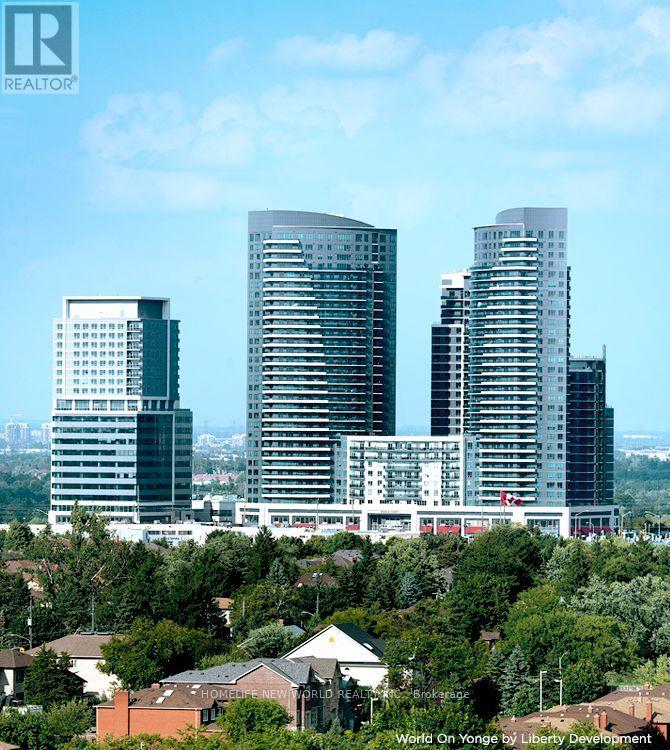 For Sale
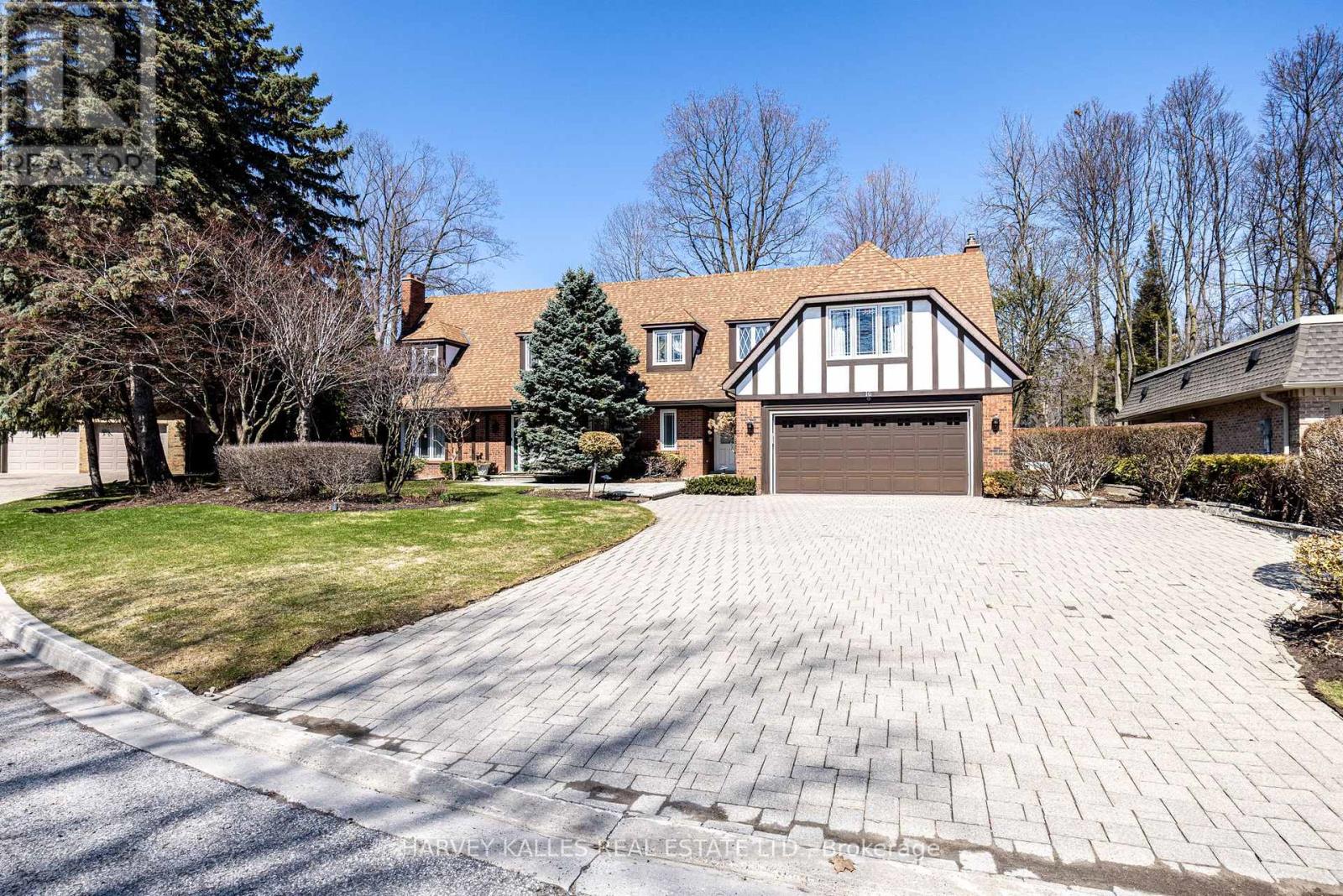 For Sale
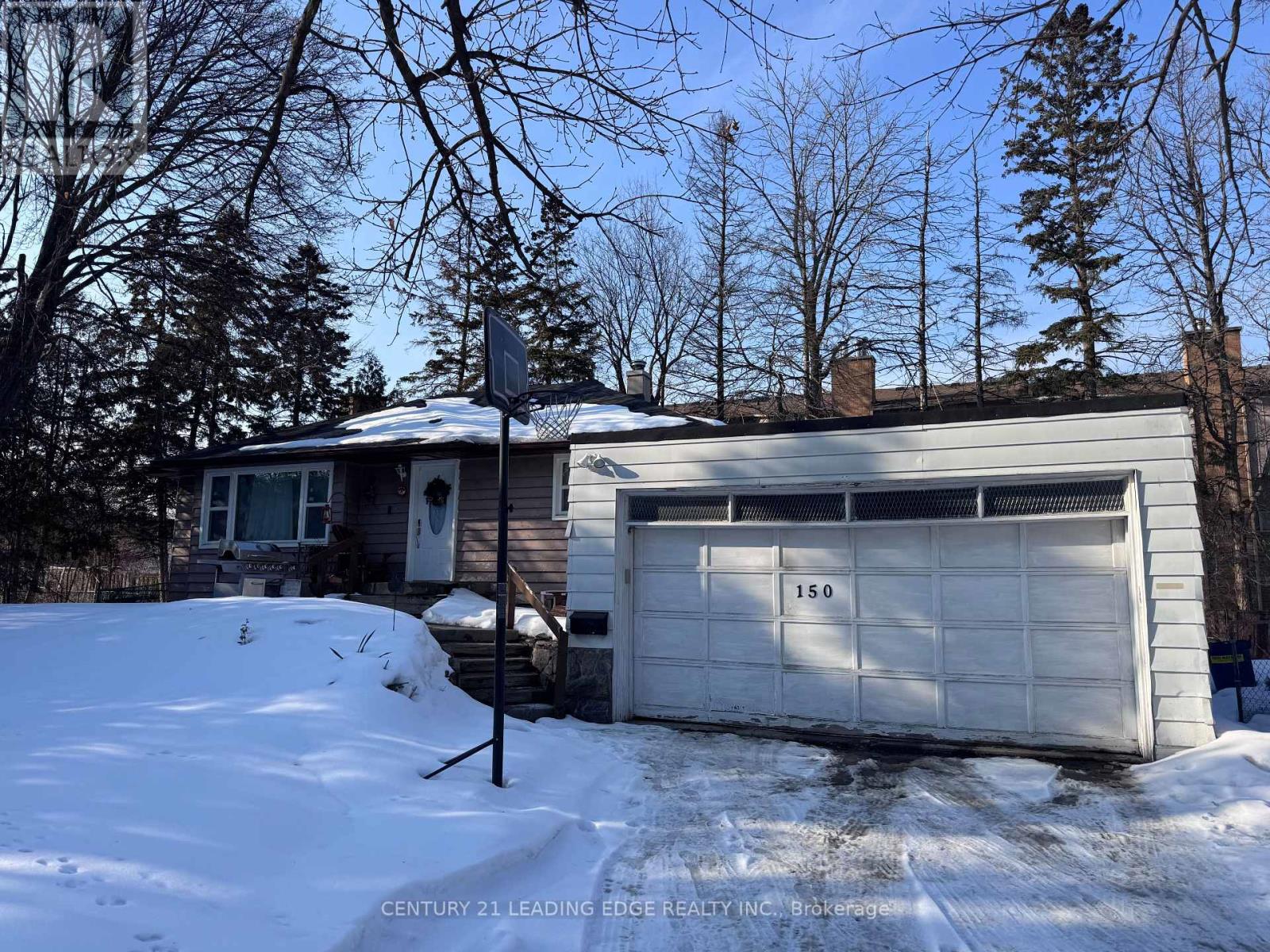 For Sale
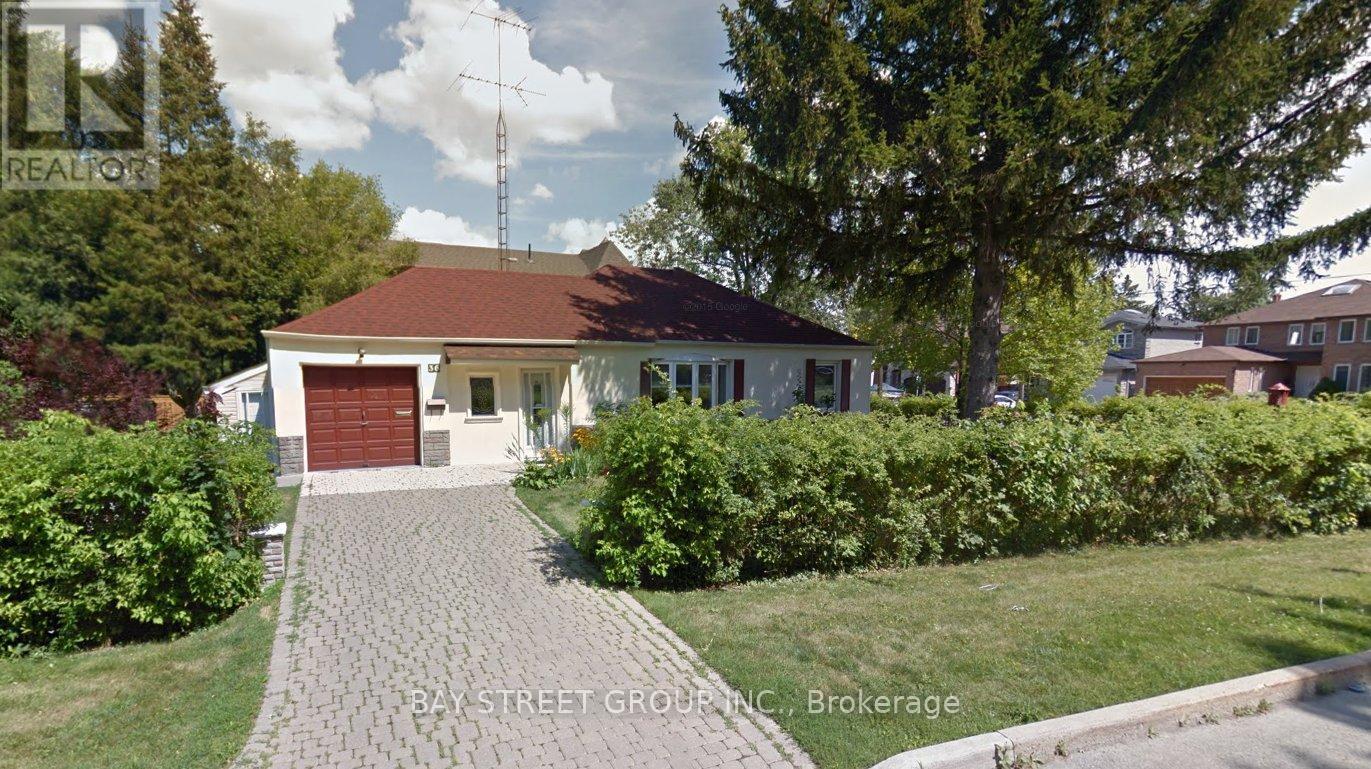 For Rent