
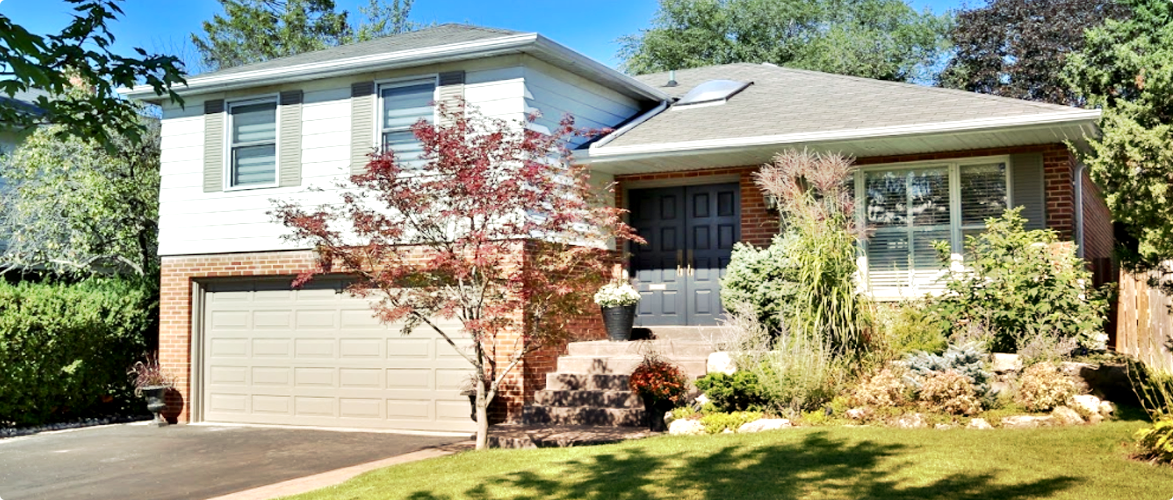
Henry Farm is a dense, transit-connected North York neighbourhood at the Don Mills Road and Sheppard Avenue East intersection. Most residents live in condominium towers with direct access to Don Mills subway station on the Sheppard line. Fairview Mall and major retail are within walking distance, making this one of the more practically convenient condo markets in North York.
Henry Farm sits at one of North York’s busiest intersections, Don Mills Road and Sheppard Avenue East, and it wears that positioning honestly. This is a dense, transit-connected, thoroughly urban neighbourhood where most residents live in high-rise condominiums and move through daily life by subway, bus, and on foot. It’s not the neighbourhood you choose for a quiet residential feel. You choose it because everything is close, transit is fast, and the price point for a condo here is considerably more accessible than equivalent units closer to downtown.
The neighbourhood name traces back to the old Henry Farm that once occupied this land before North York’s postwar development transformed it into the tower-and-suburban-street pattern you see today. That original agricultural past is visible mainly in the street grid, which doesn’t conform to the tight block structure of older Toronto neighbourhoods and instead has the wider lots and irregular geometry of land that was subdivided in a hurry.
What Henry Farm offers in 2026 is the combination of Sheppard subway access via Don Mills station, proximity to Fairview Mall and the retail cluster at Don Mills and Sheppard, and a housing supply that skews toward condominiums with relatively affordable price points by Toronto standards. The demographic is genuinely diverse: longtime residents who bought condos here in the 1990s, recent immigrants drawn by the area’s affordability and transit access, young professionals who work downtown and want a short subway commute, and a meaningful population connected to the East Asian communities that have been part of this corridor for decades.
The neighbourhood’s honest limitations are the lack of the kind of street-level character that makes urban neighbourhoods feel alive, and the relative dominance of parking lots, big-box retail, and arterial roads over pedestrian-scaled streets. But for buyers focused on transit, value, and practicality, Henry Farm delivers on what it promises.
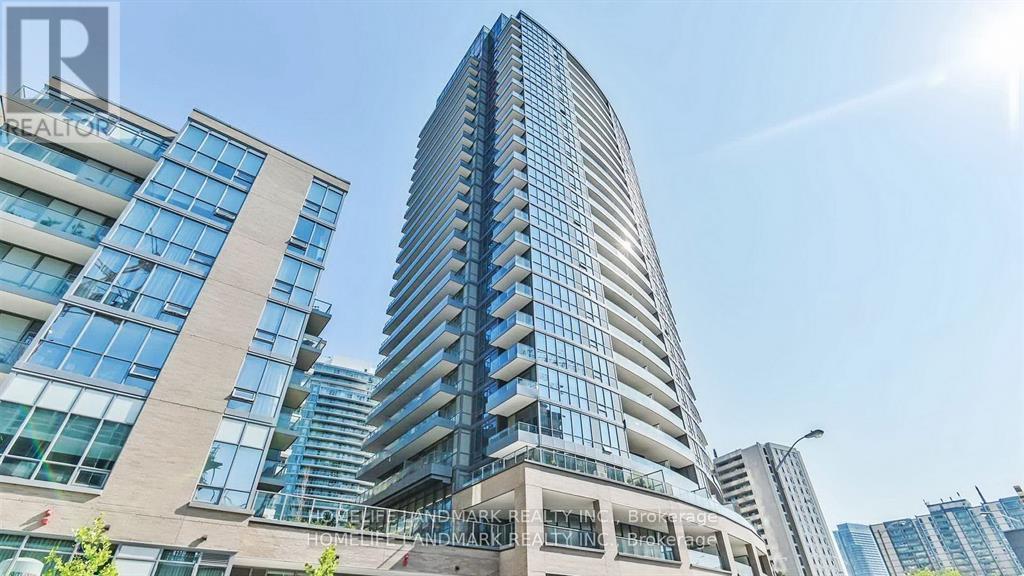
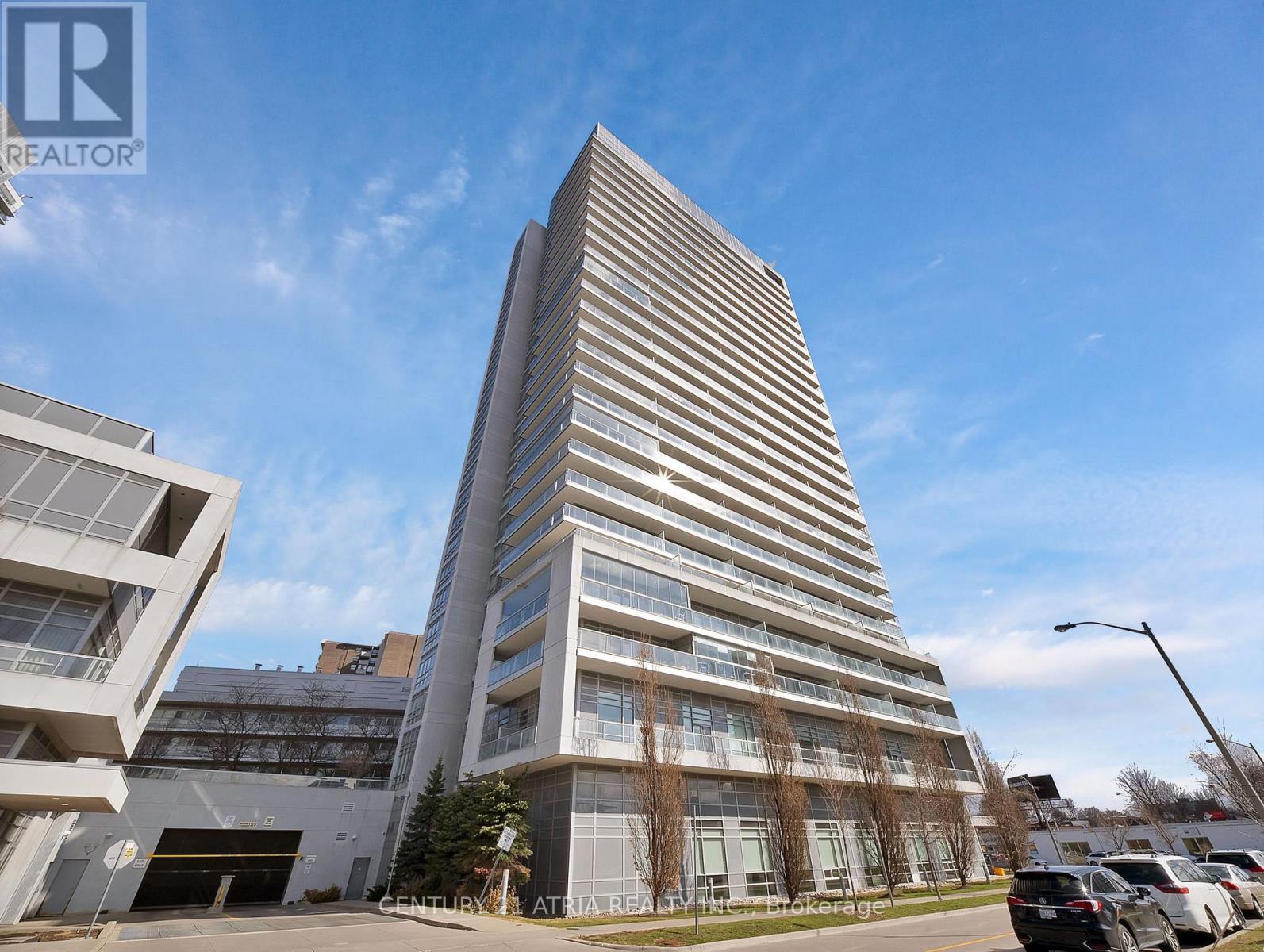
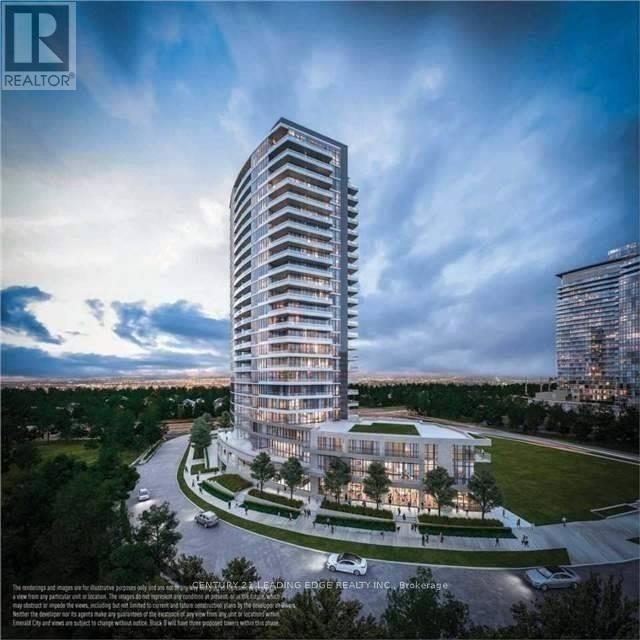
Henry Farm’s housing stock is dominated by condominium towers, and that’s what the majority of buyers here are purchasing. The towers range from older concrete buildings from the 1970s and 1980s to newer purpose-built condominium developments from the 2000s and 2010s. The older buildings tend to have larger floor plans and lower per-square-foot prices. The newer ones have better finishes, more amenities, and more competition for available units.
Typical one-bedroom condos in Henry Farm in 2026 are priced between $550,000 and $680,000, depending on building, floor, finish level, and exposure. Two-bedroom units range from roughly $720,000 to $950,000 for well-maintained suites in desirable buildings. Three-bedroom units and larger suites are available but less common and tend to command prices above $1 million. Parking and locker availability vary significantly by building and add to the total cost where included.
Townhomes exist in several complexes in and around the neighbourhood, offering buyers the appeal of a private entrance, a small outdoor space, and a multi-level layout without the expense of a detached freehold. These typically sell in the $850,000 to $1.2 million range, depending on size and condition. Demand for townhomes in this area is consistent because they’re a genuine alternative for families who need more space than a condo provides but can’t afford detached pricing in adjacent areas.
True freehold detached homes exist on the residential streets south and east of the main Don Mills and Sheppard intersection, but they’re a small fraction of the market. When they come up, they’re priced in line with the broader North York detached market, typically $1.1 million and up depending on size and condition. Buyers looking specifically for freehold detached will find Henry Farm’s options limited, and many redirect to adjacent neighbourhoods with more inventory in that category.
The condo market in Henry Farm moves at a pace that reflects the broader Toronto condo environment. Turnover is relatively high compared to freehold neighbourhoods, partly because condos are more liquid assets and partly because the renter and investor population in many buildings generates regular listing activity. In a healthy market, well-priced units in desirable buildings move within two to four weeks. In softer conditions, units sit longer, and price reductions become more common.
The condominium market in this area has been sensitive to interest rate movements and investor sentiment, both of which have created volatility since 2022. Buyers in 2026 are operating in a market that has corrected from its peak, with some condo prices down meaningfully from 2021 highs, and where sellers in some buildings are competing with assignment sales and new inventory. That creates opportunities for buyers who are prepared to move when they find the right unit, and it rewards buyers who understand what individual buildings are actually worth rather than relying on asking prices.
Maintenance fees are a significant variable in the condo market here and deserve careful analysis. Older buildings often have higher fees that reflect aging infrastructure, large amenity packages, and buildings that have had deferred maintenance addressed through special assessments. Newer buildings typically have lower fees in the early years, but those can rise as buildings age. A thorough review of the status certificate, including the reserve fund study and any pending special assessments, is essential before finalizing a condo purchase in this area or anywhere else.
The freehold market when it appears is more competitive. Detached homes in North York at accessible price points still attract multiple offers when they’re presented well, and the proximity to Don Mills station gives Henry Farm freeholds a transit argument that resonates with buyers who want the space of a house without giving up subway access entirely.
Henry Farm draws a specific type of condo buyer: practical, transit-reliant, and value-conscious. The most common buyer profiles are young professionals commuting downtown who want a short subway ride rather than a long bus connection, newer residents to Canada who are purchasing their first property in Toronto and are drawn by the relative affordability and the strong South Asian and East Asian community presence in the corridor, and investors purchasing rental units in a building near a subway station with proven tenant demand.
Downsizers from the detached North York market also appear here, trading a large home in need of maintenance for a well-located condo they can lock up and travel from. These buyers often have strong equity and can pay cash or close to it, which changes how they approach the purchase compared to first-time buyers stretching to their maximum qualification.
The trade-off Henry Farm buyers accept is character. The neighbourhood doesn’t have the street life of the Annex, the boutique retail of Leslieville, or the civic architecture of Rosedale. It’s a functional urban neighbourhood built around transit and retail convenience, and its identity reflects that. Buyers who prioritize lifestyle character over location value and transit access usually look elsewhere. Buyers who prioritize their commute time and their carrying costs tend to find Henry Farm’s argument compelling once they run the numbers against options further in or further out.
There’s also a contingent of parents buying for university-age children connected to Seneca College’s Newnham campus or other institutions in the broader Sheppard corridor. The proximity to transit and retail makes Henry Farm a practical base, and the condo market here is accessible enough that purchasing rather than renting makes financial sense over a multi-year horizon.
Henry Farm’s internal geography is shaped by the main Don Mills and Sheppard intersection and the towers and retail that cluster around it. Moving away from that core, the neighbourhood transitions into lower-density residential streets with a more suburban character.
The condo towers closest to Don Mills station, on and near Consumers Road and the Sheppard frontage, are the most transit-convenient and command prices that reflect it. Buildings with direct or near-direct access to the underground PATH or covered walkways connected to the subway entrance are a minority, but they’re worth identifying if convenience is a priority. Most residents walk exposed to the street to the station, which is a short walk in good weather and less appealing in a Toronto winter.
Consumers Road runs through the neighbourhood and has historically been an office park corridor. Some of that office space has converted or been redeveloped, and the road’s character has been shifting. Buildings set back from Consumers Road tend to have a quieter residential environment, while those fronting major arterials pick up more traffic noise and require attention to soundproofing quality.
The residential streets south of Sheppard, including the area around Henry Kelsey Senior Public School, have a more established neighbourhood feel with older detached homes and lower traffic. Buyers looking for the freehold options that exist in the area will find them in this pocket. The scale changes noticeably once you move away from the tower cluster.
North of Sheppard, the Don Mills Road corridor continues toward the Science Centre and Flemingdon Park. That’s technically a different neighbourhood, but buyers who are considering Henry Farm often look at properties in Flemingdon Park as well, given the proximity and the similar transit access. Flemingdon has more in the way of townhomes and some co-op housing, with prices that can be lower, but with a different community character and fewer of the newer condo amenities.
Transit is Henry Farm’s strongest asset and the primary reason buyers choose it over comparable product further from the subway. Don Mills station is on Line 4, the Sheppard subway, which runs east-west from Sheppard-Yonge station to Scarborough Centre. At Sheppard-Yonge, passengers connect to Line 1, which provides direct service north to Finch, south through downtown, and on to Vaughan Metropolitan Centre. The combined connection means downtown commutes of thirty to thirty-five minutes are realistic without a car, which is competitive for North York.
Bus connections from Don Mills station are extensive. The 25 Don Mills bus runs north-south along Don Mills Road into Flemingdon Park and south to Thorncliffe Park and beyond. Several TTC bus routes use the station as a terminal or major stop, providing connections east toward Scarborough and Agincourt. For anyone working in the Consumers Road office park, the area is effectively walking distance, which is unusual for suburban office employment.
Fairview Mall’s proximity adds a practical transit hub function. GO Bus routes and additional TTC connections operate from or near the mall, expanding the transit network for residents who need to reach destinations that the Sheppard subway doesn’t directly serve.
Driving is also straightforward. The DVP is close via Don Mills Road, and the 401 is accessible further north. The Don Valley is the fastest downtown driving option in light traffic. Rush hour adds significant time, which is one reason transit commuters in this neighbourhood tend to be satisfied with their choice.
Cycling infrastructure along Don Mills Road has been added incrementally, though the cycling environment on the major arterials is not particularly comfortable for less confident riders. The neighbourhood’s internal streets are quieter and more cycle-friendly for local trips. The ravine trail access to the south, via Flemingdon Park and the Don River trails, provides car-free off-road cycling that connects to a wide network.
Henry Farm’s green space picture is better than its dense urban character might suggest, largely because of the Don Valley ravine system that runs along its western edge. The ravine here connects to a trail network that runs continuously south into Flemingdon Park, Thorncliffe Park, and eventually into the Lower Don Trail system that reaches downtown. For residents who walk or run regularly, this is a genuine amenity, available year-round, and it offers a quality of natural environment that most urban neighbourhoods can’t match.
Havenbrook Park and the Don Mills Parkland system provide more structured green space, with paths and open fields accessible on foot or by bike. The Ontario Science Centre sits at the edge of this green corridor and its grounds add to the felt sense of openness along that western edge of the neighbourhood.
For residents living in the tower cluster near Don Mills station, access to green space requires a walk of five to ten minutes to reach the ravine entrances. It’s not a backyard, but it’s genuinely accessible. Residents on higher floors with ravine or park views feel the benefit even on days when they don’t go down to the trails.
The neighbourhood itself doesn’t have the same density of neighbourhood-scale parks as older Toronto residential areas. The postwar suburban development pattern prioritized setbacks and parking over parkettes and street trees. That means day-to-day green space in the immediate surroundings of many condo buildings is limited to landscaped setbacks and the occasional small park. Families with young children who prioritize easy access to playgrounds and small parks will find the area less convenient than more pedestrian-scaled neighbourhoods, though Fairview Park and other small parks fill some of that gap.
Retail convenience is one of Henry Farm’s clear strengths. Fairview Mall, a large enclosed shopping centre anchored by the Hudson’s Bay Company (or its successor following ongoing retail restructuring), Sears, and major national retailers, is within walking distance or a very short drive. The mall has over 180 stores and restaurants and serves as the main shopping destination for a wide catchment of North York and Scarborough residents. Its food court and dining options are well-used by the neighbourhood’s diverse population, with a particularly strong representation of Asian food vendors and restaurants reflecting the community makeup.
IKEA sits just south of the neighbourhood on Don Mills Road and is one of the more practically useful large-format retailers for the condo-buying demographic that dominates Henry Farm. The combination of Fairview Mall, IKEA, and the various big-box options along the Sheppard and Don Mills corridor makes this one of the better-supplied areas for everyday retail in North York.
For groceries, residents have several options within the mall or nearby, including a supermarket inside or adjacent to Fairview. T&T Supermarket, the large Asian grocery chain, has a location accessible from this area, which is heavily used by the Chinese, Vietnamese, and other East Asian households that are a significant part of the neighbourhood’s population. Multiple smaller Asian grocery stores, bakeries, and specialty food shops serve the corridor along Sheppard east of Don Mills.
Restaurant options near Don Mills station range from fast food chains to sit-down Korean, Chinese, Vietnamese, and South Asian restaurants. The density of dining improves as you move east along Sheppard, where the Agincourt and Scarborough dining strips start. The immediate area around the station is functional but not a culinary destination. Residents who are used to the restaurant density of the Danforth or Kensington Market will notice the difference. Residents who grew up in this part of North York won’t find anything missing.
Schools in the Henry Farm area serve a diverse student population that reflects the neighbourhood’s demographic character. The primary public elementary school associated with the neighbourhood is Henry Kelsey Senior Public School on Don Mills Road, which serves grades 6 through 8. For younger elementary students, options in the immediate area include schools in the adjacent Flemingdon Park and Don Mills catchments, and buyers with school-age children should confirm current boundaries with the Toronto District School Board rather than assuming based on proximity.
Don Mills Collegiate Institute is the area’s main public secondary school and is located on Don Mills Road south of Sheppard. Don Mills CI has a long history and serves a wide catchment. Its academic and extracurricular programming covers the full range, and the school reflects the area’s diversity in its student body. It has strong science and arts programming and has produced notable alumni in various fields. As with any secondary school, the experience varies by program, and families committed to a particular pathway, such as the arts or IB, should research current program offerings.
For Catholic families, the Toronto Catholic District School Board has schools in the broader Don Mills and Sheppard corridor, including St. John Henry Newman Catholic Secondary School to the east. French immersion is available through the TDSB, and given the neighbourhood’s diverse language background, there’s consistent demand for French immersion spots. Waitlists for popular programs exist and should be investigated early.
Seneca College’s Newnham Campus is a short distance from the neighbourhood on Finch Avenue East, making Henry Farm a practical base for students enrolled there. The transit connection from Don Mills station is straightforward, and a number of students rent or buy in the neighbourhood specifically for that reason. Parents buying for university-age children in the Seneca catchment often consider this area because the condo market is accessible and the transit is reliable.
Henry Farm and the Don Mills-Sheppard corridor have seen significant condominium development over the past fifteen years, and that activity hasn’t fully stopped. Several mid-rise and high-rise projects have been completed along the Sheppard and Don Mills frontages, adding units to a market that was already well-supplied. The Consumers Road office park has seen ongoing conversion and redevelopment pressure as suburban office loses favour to transit-accessible mixed-use development. Some of that conversion activity has shifted the character of the area, with residential uses replacing or being added to commercial buildings.
The most significant infrastructure change affecting this area is the Eglinton Crosstown LRT, which runs along Eglinton Avenue and connects to the Yonge-University subway at Eglinton station. While the Crosstown itself doesn’t serve Henry Farm directly, it changes access patterns for residents who travel south toward midtown and downtown. The broader intensification along the Eglinton corridor has also shifted some development interest there, which may relieve some pressure on the Sheppard corridor in the medium term.
There have been long-standing discussions about extending the Sheppard subway east or building a surface LRT on Sheppard East. These plans have been debated, revised, and deferred over many years. Buyers should not make purchasing decisions based on an assumed Sheppard subway extension. The existing Don Mills station is what currently exists and what can be relied upon.
Fairview Mall has been subject to ongoing redevelopment planning, with proposals for residential towers on its parking lands. Any significant change to the mall’s footprint or the addition of high-density residential on those lands would further intensify an already busy intersection. Buyers purchasing condos in the immediate vicinity should be aware that the area’s built form is likely to continue evolving, which has implications for shadow, traffic, and the availability of street-level amenities.
What should I look for when buying a condo in Henry Farm?
Building quality varies considerably here. Older concrete towers from the 1970s and 1980s have large floor plans but may have higher maintenance fees and dated common areas. Newer buildings from the 2000s onward tend to have better finishes and lower fees in the short term, but those fees will rise. The most important documents to review are the status certificate and the reserve fund study. The reserve fund tells you whether the building has been saving adequately for future capital repairs. A building with a reserve fund shortfall is a building where a special assessment is likely. That can cost unit owners tens of thousands of dollars on little notice. Always have a real estate lawyer review the status certificate before waiving conditions.
Is the rental market strong here for investment buyers?
Demand for rental units near Don Mills station is consistent. The area’s transit access, proximity to major employment nodes, and relative affordability compared to downtown make it attractive to tenants who are transit-dependent. Vacancy rates in well-maintained buildings have historically been low. That said, the investor-owned condo rental market in Toronto broadly has faced margin compression since 2022, with rising carrying costs from higher interest rates outpacing achievable rents in many buildings. Investment buyers should model conservatively, accounting for periods of vacancy, rising maintenance fees, and the possibility that rental rates don’t keep pace with ownership costs in the near term.
How do the schools here compare to other North York neighbourhoods?
Don Mills Collegiate Institute is a solid public secondary school with a diverse and active student body. It performs respectably on provincial assessments and offers a range of programs. It’s not in the same tier as some of the North York high schools associated with more affluent residential catchments, but it’s a functional school with strong programming in specific areas. For families where secondary school quality is the primary driver of the purchase decision, exploring the catchments of schools like York Mills Collegiate or Earl Haig Secondary would be worth the additional cost of housing in those areas. For families where transit access and affordability are the primary drivers, Don Mills CI is a workable option.
Is noise a significant issue in condos near Don Mills station?
It depends on the unit. Buildings directly on the Sheppard or Don Mills arterials, particularly on lower floors facing the street, will have noticeable traffic noise. Buildings set back from the arterials or oriented toward internal courtyards are generally quieter. Units facing the ravine side have both better air quality and less road noise. When viewing units, visit at different times of day, ask about window glazing and whether the building has had noise-related complaints, and check whether the building is near any planned construction projects that could add noise over the next few years. The Consumers Road corridor in particular has had ongoing redevelopment activity.
Buying a condo in Henry Farm requires more due diligence than buying a freehold property, and buyers who haven’t owned a condo before sometimes underestimate what that means. The status certificate is the key document, and it must be reviewed by a real estate lawyer, not skimmed by the buyer alone. A lawyer experienced in condo transactions will know what to look for: the reserve fund adequacy, any active litigation involving the building, upcoming special assessments, rule changes that affect how units can be used, and restrictions on rentals or short-term stays. These vary by building and can materially affect the value and use of a unit.
Building selection matters as much as unit selection in this market. Some buildings in the Henry Farm area are well-managed with stable fees and functional common areas. Others have had management turnover, deferred maintenance, or governance issues that create ongoing instability. A buyer’s agent with specific experience in this corridor will know which buildings have a track record and which have problems. That institutional knowledge is harder to get from a general-market agent who covers the whole city and treats this area as one of dozens of neighbourhoods.
For buyers interested in the smaller freehold inventory in the neighbourhood, the due diligence shifts back to the property itself: foundation condition, age of mechanical systems, permitted work documentation for any additions or finished basements, and lot coverage relative to zoning, which affects whether a buyer can add an accessory dwelling unit or expand the footprint. Older detached homes on smaller lots in this area often have work done without permits, which creates title complications and mortgage issues.
The buyer’s agent conversation for Henry Farm should include a direct discussion of which buildings to target and why, what price range to anchor offers to based on actual recent comparable transactions (not asking prices), and what conditions to include given the building and market context. Waiving conditions in a condo purchase is a meaningful risk and shouldn’t be done without a very clear view of the building’s financial health and the unit’s physical condition.
Street-level knowledge is hard to find online. Our team works in Henry Farm (Parkway Forest) every day. They know which pockets hold value, where the school catchment lines actually fall, and what the market is doing right now. Talk to us before you make a decision about Henry Farm (Parkway Forest).
Talk to a local agent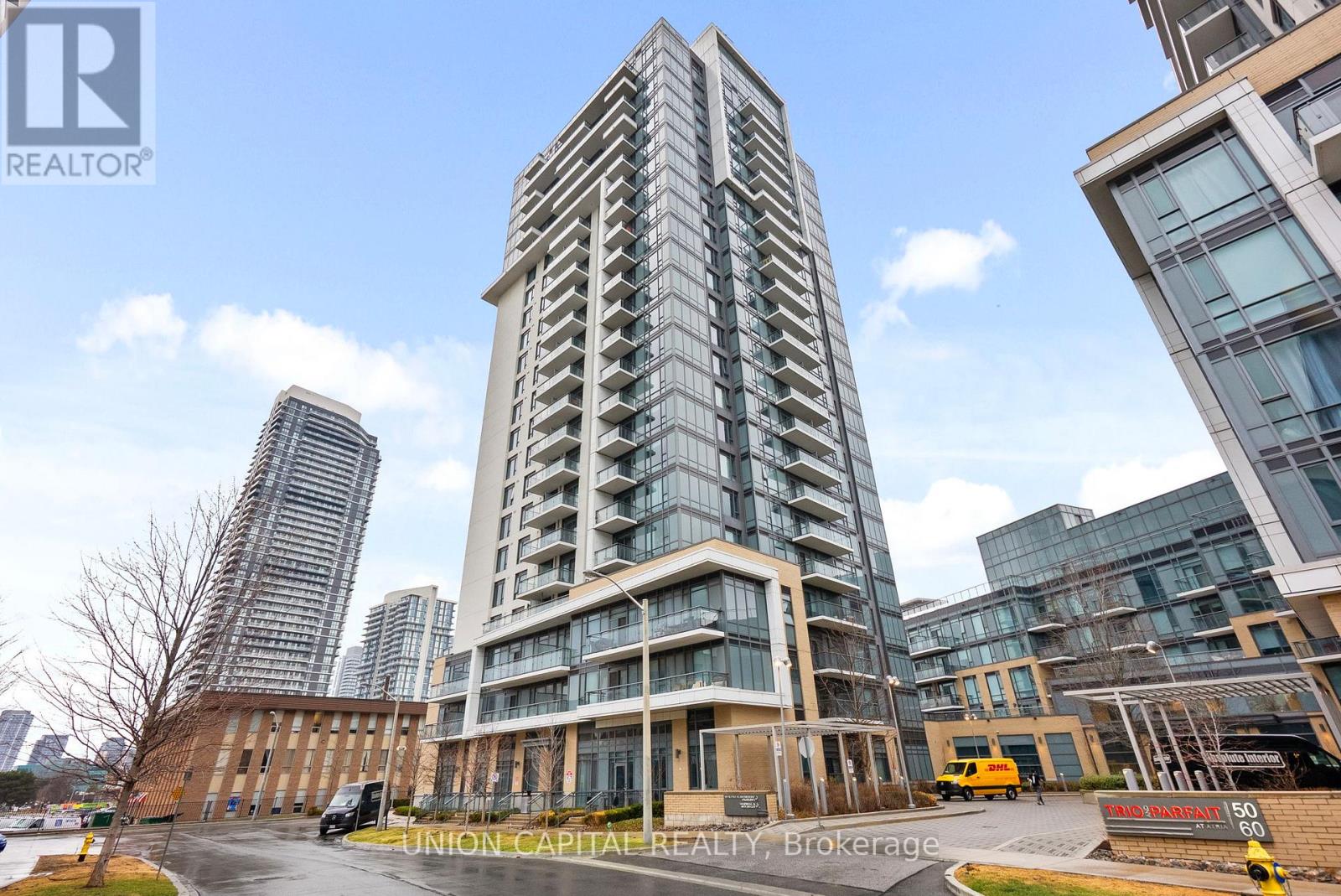 For Sale
 For Sale
 For Sale
 For Rent