
The Historic Lakeshore Communities include Jacksons Point, Roches Point, and several smaller hamlets along Lake Simcoe in Georgina Township, York Region. Originally established as summer cottage destinations in the late 1800s, these communities now draw a mix of primary-residence buyers and lifestyle purchasers attracted by lake access, heritage character, and a quieter pace than suburban York Region offers.
The Historic Lakeshore Communities designation covers a string of older settlements along Lake Simcoe’s southern shoreline in Georgina Township, including Jackson’s Point, Roches Point, and several smaller hamlets between Belhaven and Sutton. These communities share a common origin as summer cottage destinations established in the late 1800s and early 1900s when steamship service brought Toronto families north to the lake, and they share a common character today: a mix of original cottages, expanded seasonal homes, and full four-season renovations set close together on lots that were never designed for permanent suburban living.
Jackson’s Point is the most recognizable of the group, with a small commercial strip on Jacksons Point Road, a public beach at De La Salle Park, and a marina that’s been operating on the lakefront for generations. Roches Point, by contrast, is almost entirely residential, with no retail presence of its own and a quieter, more exclusive feel concentrated around its peninsula on Cook’s Bay’s eastern arm.
The Town of Georgina administers these communities as distinct planning areas under its Official Plan, recognizing the heritage character of the built environment and applying different density and development rules than apply to newer Georgina subdivisions in Keswick. The result is a collection of streets that still feel like the lake communities they were built to be, with an increasing proportion of year-round residents who’ve replaced the seasonal population that once dominated here.
These communities sit about 80 kilometres north of Toronto via Highway 404, making them viable for hybrid commuters while remaining genuinely removed from the suburban fabric of the GTA.
Housing stock across the Historic Lakeshore Communities is almost entirely detached, with a handful of small-scale multiplexes in Jackson’s Point that were converted from original larger summer houses. The properties range from unrenovated 1940s and 1950s cottages on the smaller lots to extensively rebuilt four-season homes that retain the original footprint but little else. The building quality variance is enormous, which means condition-based pricing matters more here than in any newer subdivision.
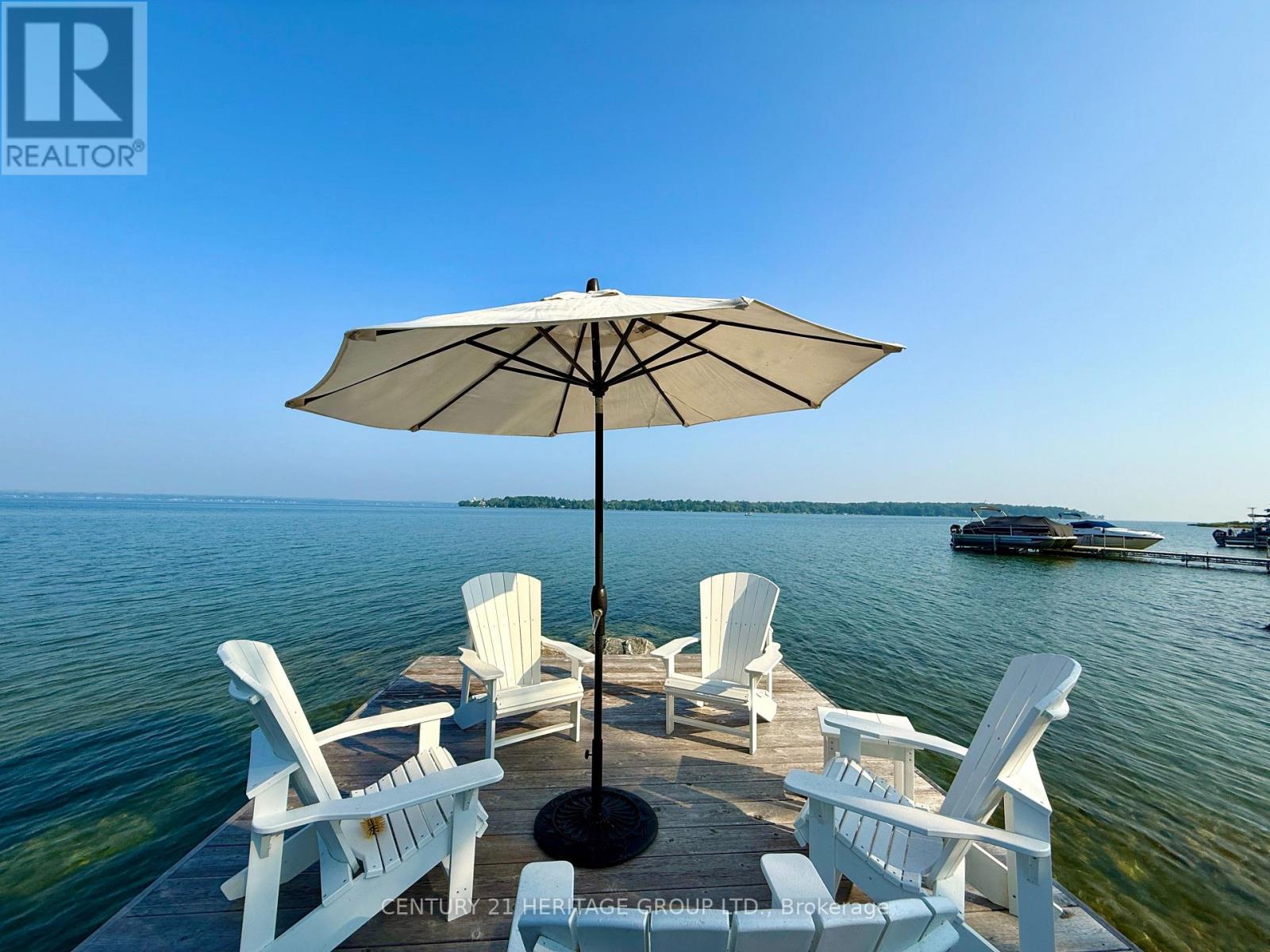
Waterfront properties directly on Lake Simcoe in the Jackson’s Point and Roches Point area range from roughly $1.5 million to $3 million, depending on lot frontage, dock quality, and the extent to which the structure has been rebuilt for year-round use. The premium for direct water frontage here is real but more moderate than comparable frontage on Georgian Bay or the Muskokas, partly because of the shorter drive from Toronto and partly because Lake Simcoe offers less of the rugged topography that commands top-end Muskoka prices.
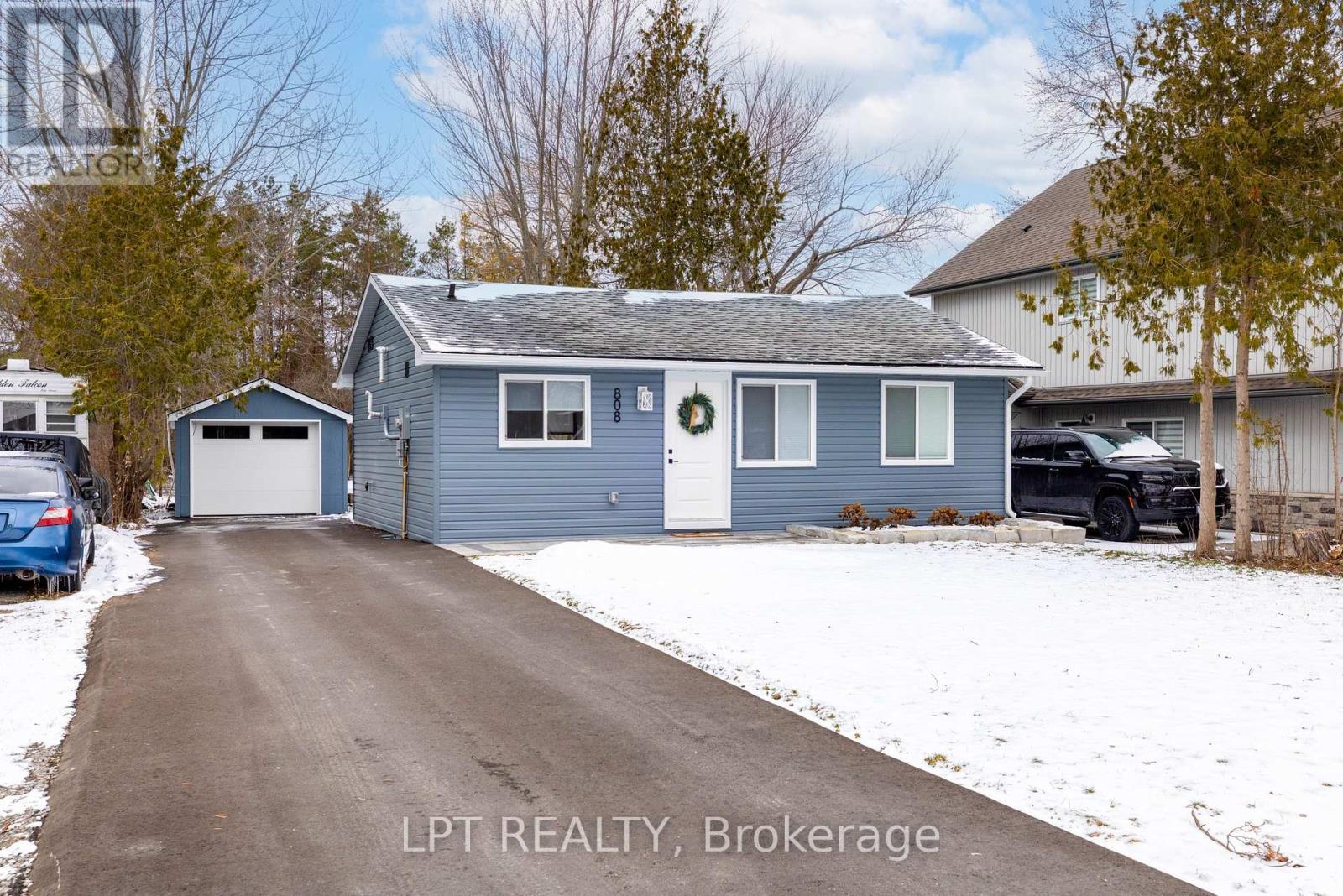
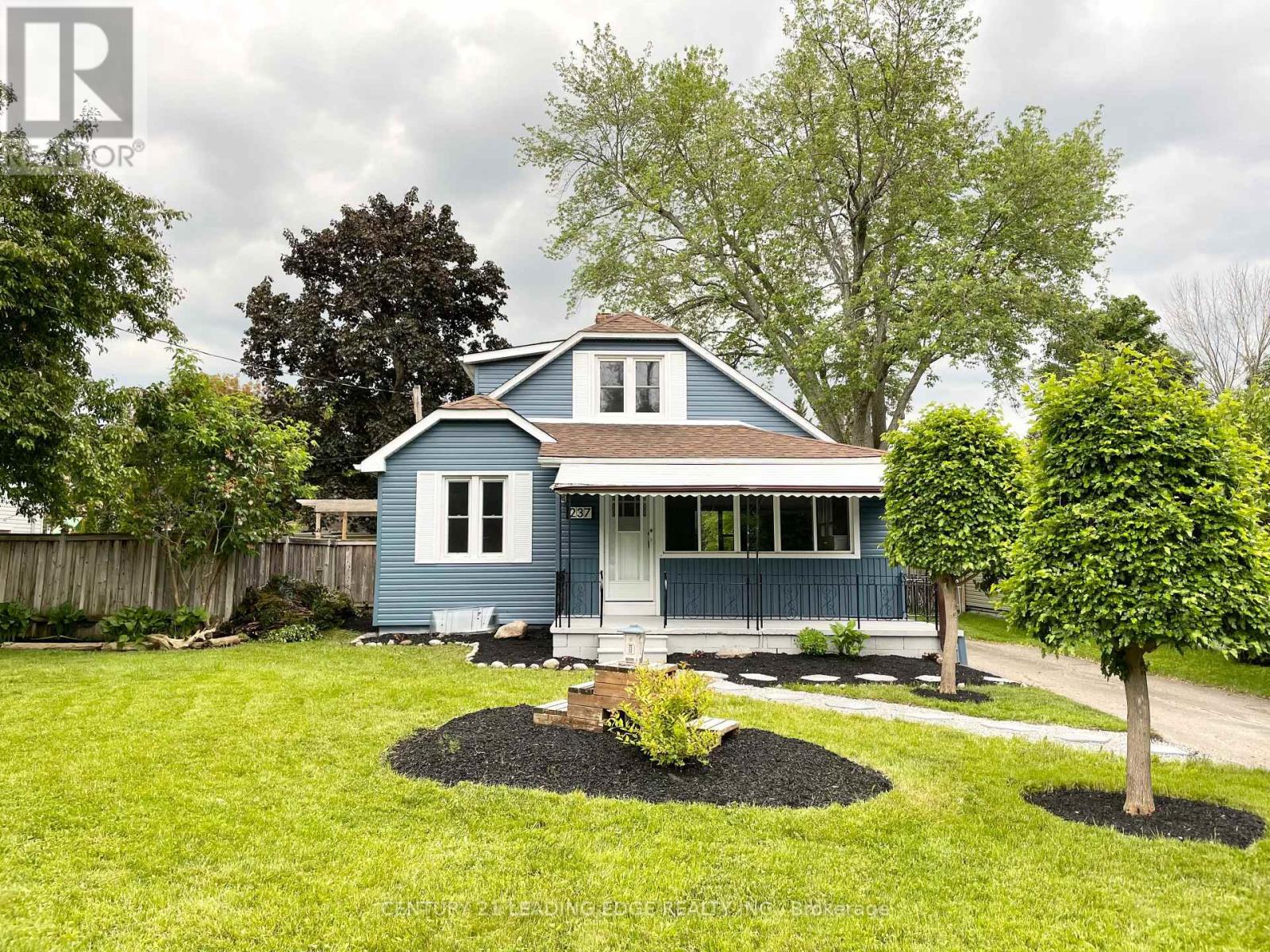
Properties within walking distance of the lake but without direct water frontage typically run from $700,000 to $1.2 million. These are often solid three- and four-bedroom bungalows or two-storey homes from the 1960s and 1970s, many of which have been updated over the years. Lot sizes vary considerably, and some interior lots have deeded access to shared waterfront areas rather than private frontage.
The small number of properties in Roches Point that come to market skew higher and sell more slowly than Jackson’s Point, partly because Roches Point’s exclusivity is real but also because the buyer pool for a peninsula community with a single road in is naturally narrower.
The market across the Historic Lakeshore Communities moves with Lake Simcoe’s seasonal rhythm. Spring listings appear in April and May as the ice comes off and properties can finally be shown to their best advantage. Sales peak in June and July. September listings that don’t sell before October tend to sit through winter, making late-season sellers either patient or flexible on price.
The 2020-2021 surge affected these communities significantly. Buyers who had been looking at Muskoka or Prince Edward County redirected toward Georgina’s lakefront when competition and prices at those more established cottage destinations became extreme. Prices in Jackson’s Point and Roches Point climbed sharply, with some waterfront properties selling for 30 to 40 percent above 2019 levels by the peak. The correction that followed in 2022 and 2023 brought values back meaningfully, and the market through 2024 was more measured, with properties spending more time listed and buyers having room to negotiate that didn’t exist in 2021.
Jackson’s Point tends to trade more actively than Roches Point because it has more properties, a more accessible location, and the small commercial strip that makes it feel like a working community rather than a purely residential enclave. Days on market in Jackson’s Point average 45 to 75 days for non-waterfront properties; waterfront can extend considerably longer depending on how the seller prices it initially.
The dual-market character of buyers (primary residence movers versus lifestyle purchasers holding another property) creates some interesting dynamics. Primary residence buyers tend to be more price-sensitive and more likely to walk away if an inspection reveals significant deferred maintenance. Lifestyle buyers are more tolerant of project properties if the location is right.
The buyer profile across Jackson’s Point and the surrounding Historic Lakeshore Communities has shifted markedly over the past decade. Where the communities once drew primarily seasonal cottage users from Toronto, they now draw a broader mix that includes growing numbers of year-round residents who’ve made the conscious decision to trade urban density for lake access.
Toronto-area professionals in their 40s making a primary-residence move account for a significant share of recent purchases. These buyers typically have school-age children, at least one partner working hybrid or remotely, and a price ceiling somewhere in the $1 to $1.5 million range for a non-waterfront property. They’re drawn by the quality of life, the lake, and the relative affordability compared to an equivalent home in Newmarket or Aurora. Their children enroll in local schools and they adapt to the Sutton and Keswick commercial infrastructure quickly.
Retirees from the York Region suburbs, particularly those coming out of larger Aurora and Newmarket homes, represent another active segment. They’re often selling equity that more than covers a Georgina lakefront purchase, and they prioritize walking access to the water, manageable lot maintenance, and the low-key social environment that the Historic Lakeshore Communities provide.
Lifestyle buyers maintaining a Toronto residence and adding a lake property here are a smaller segment than they were during the 2020-2022 peak, primarily because the carrying cost of two properties has become harder to justify as mortgage rates rose. Some who bought during that period have subsequently sold one property or the other as circumstances changed.
Jackson’s Point is the most active of the lakeshore communities and the one with the most street-level variety. The main residential streets run parallel to the lake and perpendicular toward it, creating a grid that’s easy to navigate. Jacksons Point Road carries the small commercial strip, including the marina, a restaurant or two, and basic services. The residential streets immediately behind the commercial area offer the closest thing to walkability in these communities.
De La Salle Park anchors Jackson’s Point’s public waterfront, providing a beach and green space that’s accessible to all residents. Properties within a few blocks of the park tend to attract families who want lake access without the cost and maintenance of a private dock. The trade-off is more foot traffic in summer, which bothers some residents and doesn’t register with others.
Roches Point is physically distinct from Jackson’s Point, occupying a small peninsula on the eastern side of Cook’s Bay. It’s reached by a single road, it has no commercial presence, and its character is distinctly more private. Properties here don’t come to market often, and when they do, they’re typically well-maintained, well-priced, and sold to buyers who specifically sought out this location. The peninsula geography means lake views are available from both sides of the property in some cases, which is unusual.
The smaller pockets between these two nodes, including areas around Duclos Point Road and the stretches of Lakeshore Road East, offer more mixed property types at more accessible price points. These are worth investigating for buyers who want the Georgina lakefront lifestyle without the full Jackson’s Point or Roches Point premium.
Transit access in the Historic Lakeshore Communities runs through Sutton. York Region Transit Route 501 stops in Sutton and connects southward through Newmarket and toward Barrie GO. For most residents, the practical transit option involves driving to either the Barrie GO line or deeper into the York Region network, then continuing by transit from there. The communities themselves have no local transit beyond what passes through Sutton.
The East Gwillimbury GO Station on the Barrie line is the most convenient rail option for southbound commuters. From Jackson’s Point, the drive south on Highway 404 to East Gwillimbury takes approximately 30 to 35 minutes. From there, the GO train reaches Union Station in about 65 minutes. For commuters making the trip two or three times a week, this is workable. For five-day commuters, the daily time commitment is significant.
Highway 404 is the primary driving route. From Jackson’s Point, the 404 on-ramp is roughly 20 to 25 kilometres south, and from the on-ramp to the DVP/Gardiner interchange is another 75 kilometres. In light traffic this takes about 70 to 80 minutes total from Jackson’s Point to downtown Toronto. During peak periods it extends considerably, which is why residents who commute regularly tend to be either hybrid workers or those who drive against traffic by working non-standard hours.
Within the communities, everything requires a car. Sutton covers weekly grocery and pharmacy needs. Keswick, 12 kilometres east, handles larger shopping. Newmarket, 45 to 50 kilometres south, fills in whatever else is needed. Most households run two cars because transit doesn’t serve the day-to-day needs of the area.
Lake Simcoe defines outdoor life in these communities in every season. The southern Georgina shoreline faces northwest across open water, providing the kind of lake views and prevailing wind conditions that sailing enthusiasts value. The lake is large enough that you can lose sight of the far shore in hazy conditions, giving it a scale that smaller cottage lakes can’t match.
De La Salle Park in Jackson’s Point is the main public green space, with a sandy beach, picnic areas, and a supervised swim area during summer months. It’s a genuine community gathering point in July and August. Residents without private water access use it regularly throughout the warm season for swimming, kayaking, and paddleboarding.
Sibbald Point Provincial Park, about five kilometres east of Jackson’s Point, offers additional public beach access, camping, a boat launch, and a well-maintained trail network that’s popular with hikers and cyclists year-round. It’s one of York Region’s most-visited provincial parks and a practical amenity for lakeshore community residents who can reach it quickly by car or bicycle along the lakeshore roads.
Winter on Lake Simcoe is an attraction in its own right. Ice fishing for perch, lake trout, and walleye from hut villages that form each January is a well-established local tradition. Snowmobiling trails connect through the area. Cross-country skiing is available at conservation areas nearby. Residents who engage with winter recreation rather than retreating from it describe the off-season as one of the best parts of lake community life rather than something to survive.
Jackson’s Point has a small commercial presence on Jacksons Point Road: a marina with fuel, repair, and boat storage, a diner, a pub, and a handful of seasonal businesses that operate through the summer and scale back or close in winter. It’s enough for a breakfast out and a tank of gas, not enough for a weekly grocery shop. That role falls to Sutton, five kilometres west, where Foodland and No Frills cover the basics alongside an LCBO, pharmacy, Canadian Tire, and a reasonable range of independent businesses.
Keswick, 12 to 15 kilometres east depending on the exact starting point within these communities, offers full suburban retail: Walmart, Loblaws, Winners, Home Depot, and a well-developed strip of chain services and restaurants along The Queensway South. Most households in the Historic Lakeshore Communities make a Keswick trip once a week or so for anything beyond the essentials.
Newmarket, 45 to 50 kilometres south, remains the regional centre for major purchases, specialist appointments, and anything the Sutton-Keswick corridor can’t provide. Upper Canada Mall is there, along with all major banking branches and healthcare infrastructure.
Healthcare access is the most significant service limitation for these communities. Southlake Regional Health Centre in Newmarket is the nearest hospital, and the drive takes 40 to 50 minutes depending on traffic and starting point within the lakeshore communities. Family physician availability in Georgina has been constrained, though Sutton has family medicine clinics and there are walk-in options in Keswick. Anyone with regular medical needs should verify they can establish local care before finalizing a purchase decision.
The Historic Lakeshore Communities are served by the York Region District School Board and the York Catholic District School Board. Elementary students from Jackson’s Point and Roches Point attend schools in the Sutton area, with Sutton Public School handling the core public stream for Grades JK through 6. Catholic elementary students attend St. Thomas Aquinas Catholic Elementary School in Sutton.
Sutton District High School serves secondary students from across the western Georgina area, including the lakeshore communities. It’s a smaller school by York Region standards with a broad academic program and active co-op placements. The school has a practical, community-oriented reputation that suits the area’s character, though families seeking specialized arts or advanced academic programs may need to look further afield.
Bus service covers the area to both elementary and secondary schools, which matters practically on rural roads where walking to school is not a realistic option. York Region’s transportation system establishes eligibility by distance from the school address, and incoming families can generally confirm coverage before their move is complete.
French immersion is available within the York Region District School Board program stream, with French immersion classes at schools in Sutton and Keswick. Families committed to French language education can access it without relocating south of Georgina.
Private school options require driving to Newmarket or further south. Families with children already enrolled in independent schools in Aurora, Newmarket, or Toronto need to factor the driving time and distance into their practical assessment of a move to this area. It’s manageable for some family configurations and genuinely difficult for others.
The Historic Lakeshore Communities are not growing through new development. Georgina’s Official Plan treats these areas as stable communities where the planning priority is heritage character protection rather than intensification. Lot sizes are fixed, severances are rare, and the streetscapes reflect decades of organic, owner-driven change rather than developer-led transformation.
What is changing is individual property quality and the shift from seasonal to year-round occupancy. The pace of cottage-to-home conversion accelerated during 2020 to 2022 and continues. Properties that spent decades as summer-only destinations have been purchased by buyers who insulated them, upgraded the mechanical systems, replaced septic infrastructure, and made them livable in January as well as July. This improves the general housing quality across the communities without adding supply.
The Lake Simcoe Protection Plan and the Lake Simcoe Region Conservation Authority’s shoreline regulations continue to shape what property owners can do with waterfront lots. Setback requirements from the high-water mark, restrictions on new impervious surfaces near the lake, and the permitting requirements for dock and boathouse work all affect renovation planning. Buyers with specific renovation intentions should consult the LSRCA before committing to a purchase, not after.
Internet connectivity has improved in parts of Georgina through Bell and Rogers expansion programs, but service quality remains variable across the lakeshore communities. High-speed fibre is available at some addresses and not others within the same area. Remote workers considering a primary-residence move here should verify service at the specific address they’re considering rather than relying on neighbourhood-level coverage maps.
Are the older cottages in Jackson’s Point and Roches Point suitable as year-round principal residences?
Many of them are now, but you need to look at each property carefully rather than assuming. A cottage that operated seasonally for 40 years and was only converted to year-round use recently may have insulation, heating, and plumbing systems that were done to minimum standards rather than to the level you’d want for a Canadian winter as your primary residence. Properties that were comprehensively rebuilt rather than patch-converted are noticeably better. Ask specifically about the insulation rating in the walls and attic, the heating system age and type, whether the plumbing has been winterized correctly, and whether the septic system is rated for year-round full-time occupancy. A thorough home inspection from someone with rural and cottage experience, not just suburban home inspection background, will identify the issues that matter before you’re committed.
What are the property tax implications of buying in the Historic Lakeshore Communities?
Property taxes in Georgina are set by the Town of Georgina based on current assessed value, with York Region and education levy components added. Waterfront properties tend to carry higher assessed values and correspondingly higher taxes than comparable non-waterfront properties in the same area. As a general benchmark, a waterfront property in the $1.5 to $2 million range might carry annual property taxes in the $7,000 to $10,000 range, though the exact figure depends on the current MPAC assessment, which may not reflect market value accurately given assessment cycles. Buyers should request the most recent tax bill as part of their due diligence and independently verify the assessment status of any property before closing.
Can I rent out a lakefront property in the Historic Lakeshore Communities on Airbnb?
Short-term rental of residential properties in Georgina is subject to Town of Georgina licensing requirements. As of 2025, Georgina requires operators of short-term rentals to hold a municipal licence, limits the number of nights per year a property can be rented, and has zoning rules that determine whether a specific property is eligible. The rules have been evolving, and enforcement has increased. Anyone purchasing in the lakeshore communities with a plan to offset carrying costs through Airbnb income should review the current Town of Georgina short-term rental by-law before assuming that income stream is available on the specific property and to the extent they’re projecting.
What is the water quality like in the southern Lake Simcoe area?
Lake Simcoe’s water quality has improved substantially over the past 15 years as a result of the Lake Simcoe Protection Plan and the significant reduction of phosphorus inputs from surrounding development and agriculture. Blue-green algae blooms, which were a significant problem in the 2000s and early 2010s, are less frequent and less severe in the southern areas, though they still occur in certain conditions during late summer. The Lake Simcoe Region Conservation Authority publishes water quality monitoring results and beach advisories in real time during the swimming season. Properties that draw drinking water from the lake directly, rather than from a well or municipal supply, are rare today, but buyers with well water should still test for lake-related contamination in addition to standard potability tests.
The Historic Lakeshore Communities present a buying process that’s more complicated than a standard suburban transaction. Heritage-area properties, older building stock with layered renovations, well and septic systems, conservation authority permitting questions, and seasonal market dynamics all create more moving parts than a resale in a newer Keswick subdivision. Working with an agent who knows this market specifically isn’t a luxury here; it’s the thing that separates buyers who close with confidence from those who discover problems after the fact.
A buyer’s agent working this territory needs to know which properties have had proper LSRCA permits for any dock work or shoreline modifications, which homes have outstanding building permits for renovations done without approval, and which septic systems were replaced in the last decade versus those that are 40-year-old originals on a property that now has three bathrooms instead of one. These aren’t hypothetical concerns. They’re the actual questions that come up on property after property along this shoreline.
Representing buyers rather than sellers means the agent’s professional obligation runs to you. That matters when you’re considering a $1.5 million purchase that might need $200,000 in work to meet modern standards, or when you’re deciding whether the waterfront home you’ve fallen in love with has clean title for its dock structure. The right agent will tell you what they see without hedging it.
Our agents work the Georgina lakeshore regularly. We know the communities, we’ve been inside a meaningful number of the properties that trade here, and we have the contacts to get well inspectors, septic evaluators, and conservation authority consultations arranged efficiently. Reach out before you start making offers.
Street-level knowledge is hard to find online. Our team works in Historic Lakeshore Communities every day. They know which pockets hold value, where the school catchment lines actually fall, and what the market is doing right now. Talk to us before you make a decision about Historic Lakeshore Communities.
Talk to a local agent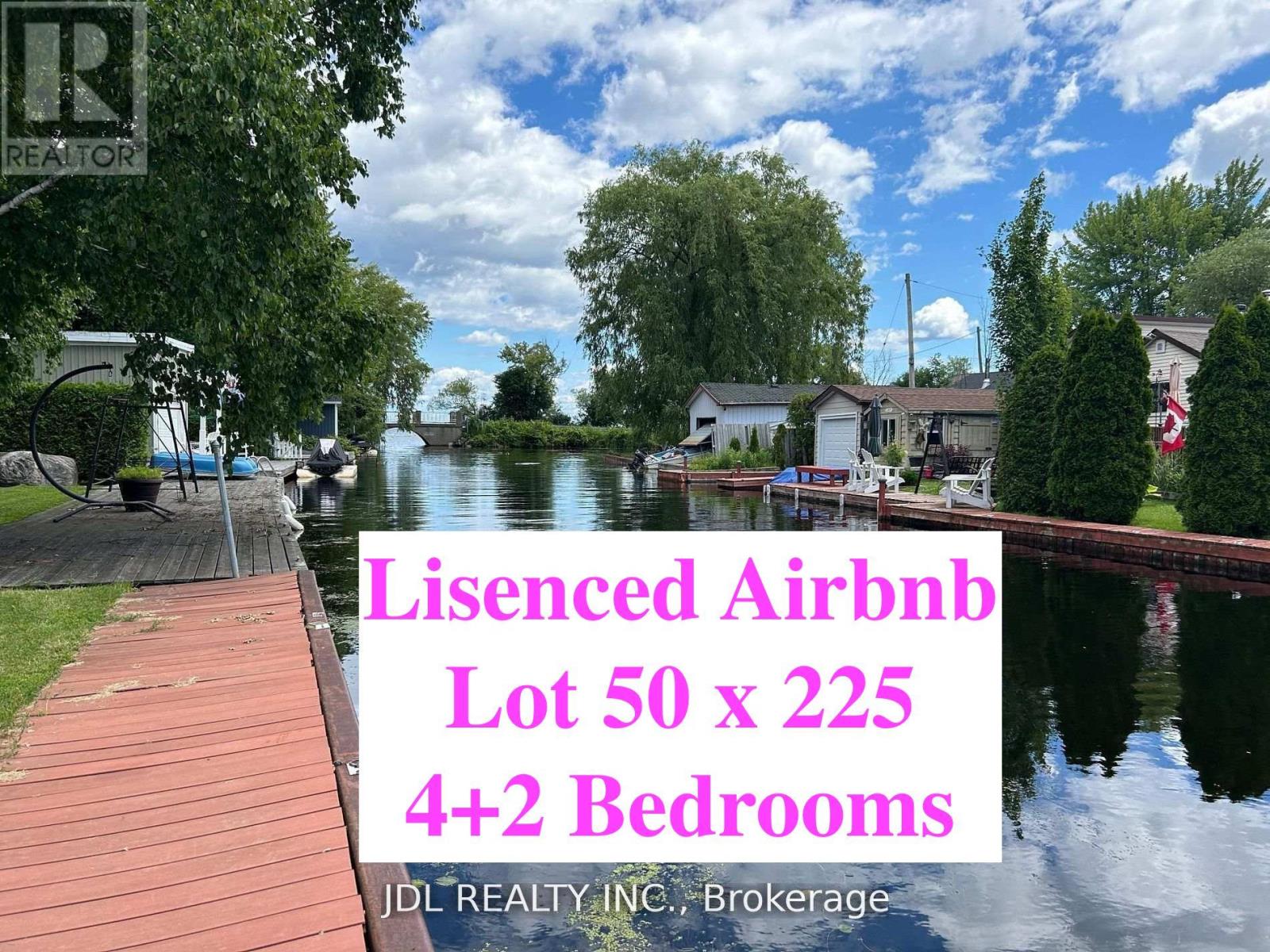 For Sale
 For Sale
 For Sale
 For Sale