
Humberlea-Pelmo Park W4 is a quiet northwest Toronto freehold neighbourhood where post-war bungalows sit adjacent to the Humber River ravine. Wilson station on Line 1 is accessible by bus. Detached homes trade between $800K and $1.1M in 2026. Families who want a house with a backyard, ravine trail access, and a manageable commute find it here at a price that remains achievable.
Humberlea-Pelmo Park W4 sits at the northwest Toronto and Etobicoke border, in the quiet residential zone defined by Wilson Avenue and Weston Road. The neighbourhood takes its name from the Humberlea community and Pelmo Park, two related residential developments that together form a pocket of post-war bungalows adjacent to the Humber River ravine. It’s not a neighbourhood that makes news or features prominently in Toronto real estate conversations, which is partly why the prices remain accessible relative to what Wilson subway station access would command in other parts of the city.
The Humber River is the neighbourhood’s eastern boundary, and the ravine system that follows it is the dominant natural feature of the area. Coming into Humberlea-Pelmo Park W4, you notice the green almost immediately: the ravine edges are visible from residential streets, and the trail access points are not hidden behind fences or infrastructure but genuinely accessible from the neighbourhood. For a quiet northwest Toronto bungalow neighbourhood, the green space access here is notably good.
Wilson station on Line 1 is accessible by bus from most of the neighbourhood, which gives residents subway access to the rest of the city without the walk-to-subway premium that pushes prices up in transit-adjacent neighbourhoods with higher profiles. That combination of bus-to-subway transit, ravine access, quiet streets, and post-war bungalow stock at reasonable prices is what draws buyers here who’ve done the comparison shopping carefully. The neighbourhood doesn’t have the retail or restaurant infrastructure of more central Toronto communities, but it offers something those communities don’t: freehold ownership at a price that doesn’t require either exceptional income or substantial family assistance.
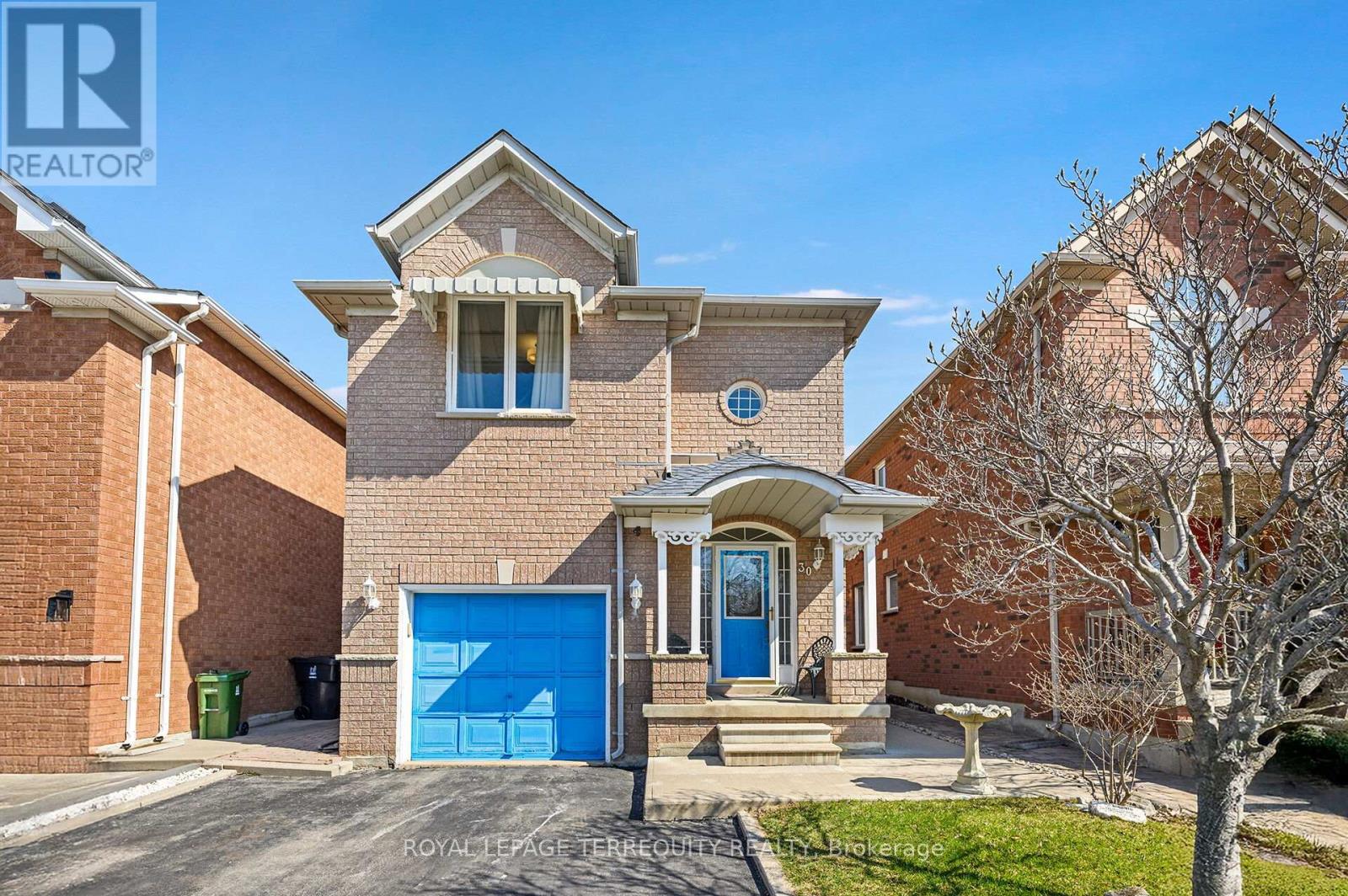
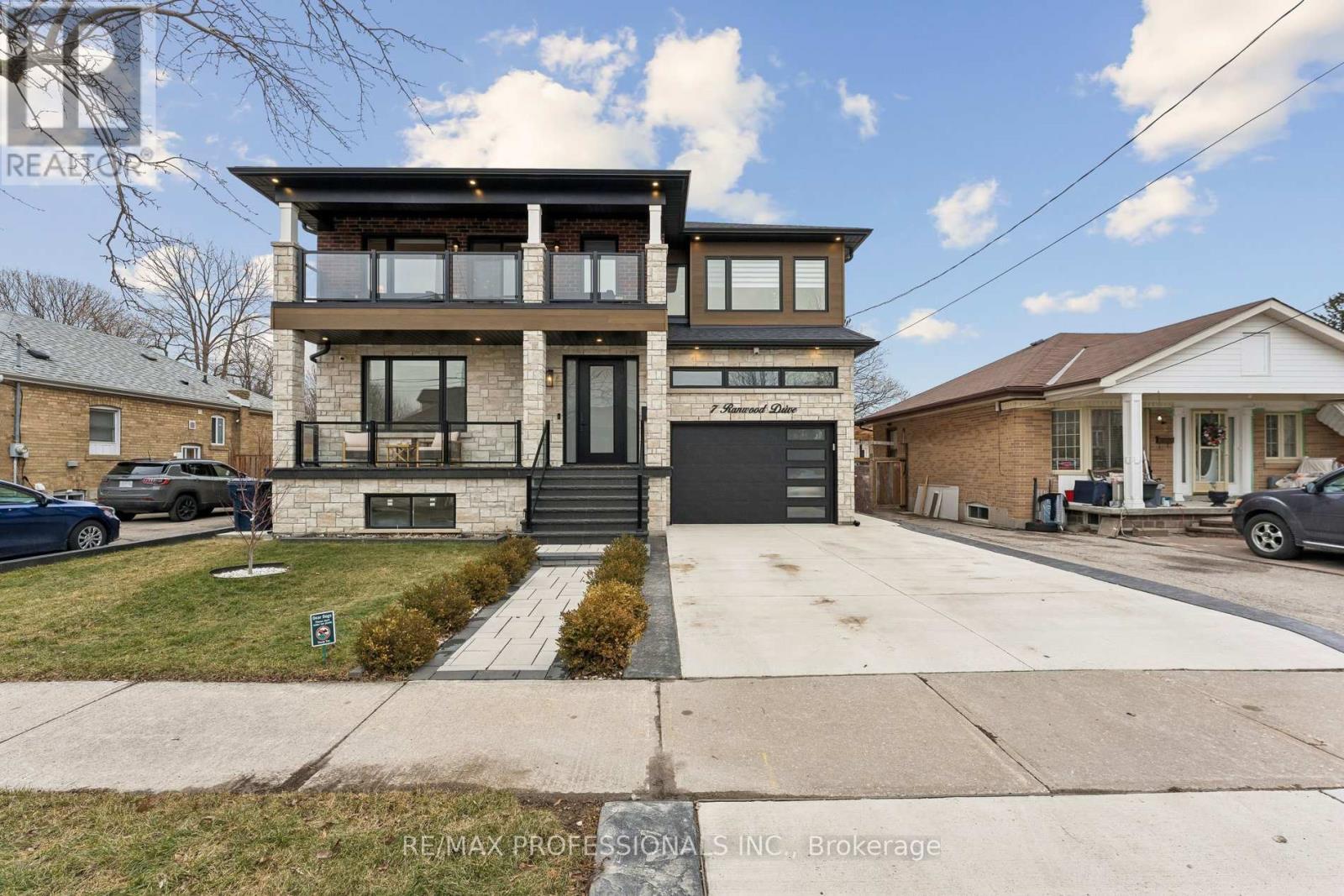
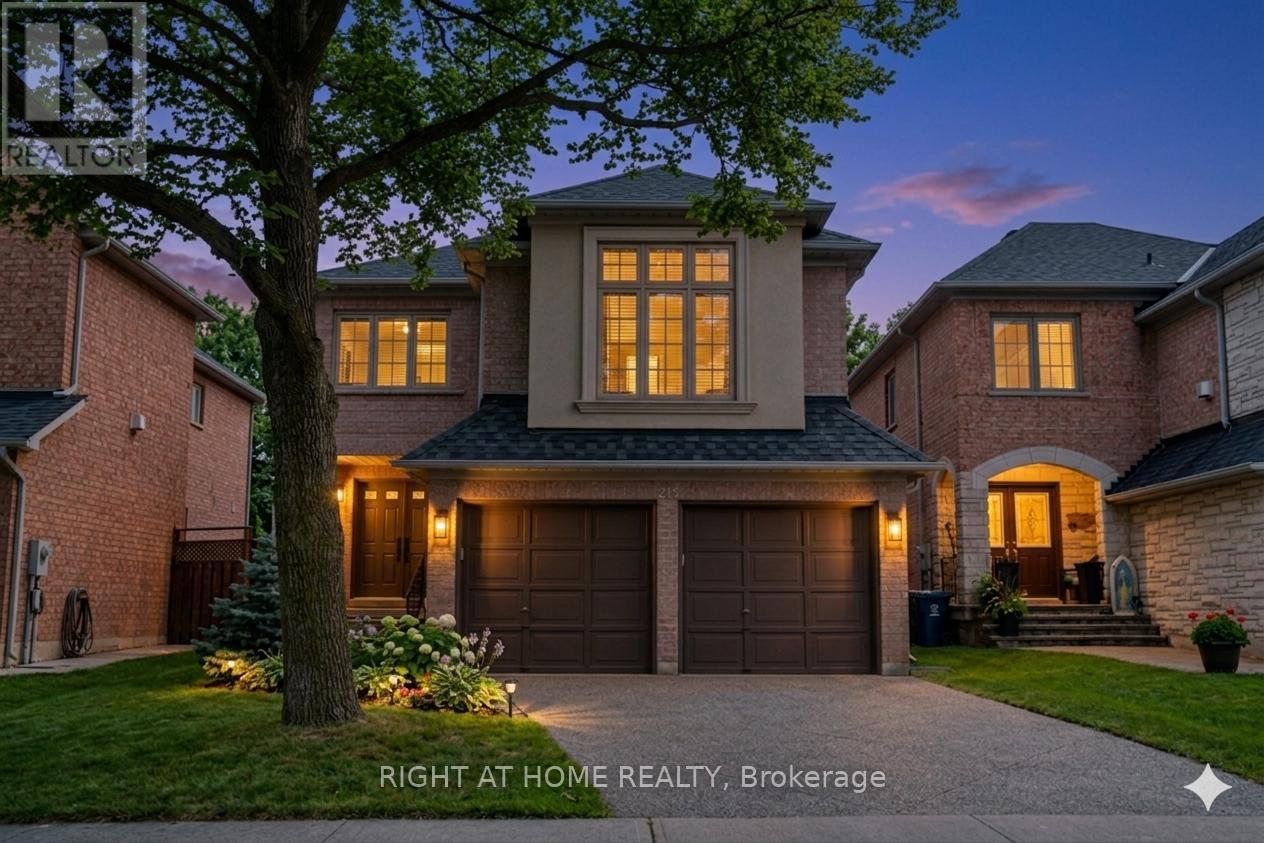
Humberlea-Pelmo Park W4 is almost entirely a freehold neighbourhood. The dominant housing type is the post-war detached bungalow, typically one storey with a basement, a single-car garage or concrete driveway, and a backyard that ranges from modest to genuinely spacious depending on the lot. Some bungalows have been extended, either with second-storey additions or rear extensions, giving them significantly more interior space than the original footprint would suggest. Semi-detached homes also exist in the neighbourhood, typically at lower price points than the detached stock.
The housing quality here varies by street and by how actively individual owners have maintained and updated their properties. Some streets have been largely renovated, with properties showing newer windows, updated kitchens, and fresh exteriors. Other streets have older homes in original condition, maintained but not updated, which represent the entry point for buyers who want to do their own improvements. There’s enough of both to give buyers at different renovation tolerances and price points something to work with.
Lot sizes in Humberlea-Pelmo Park W4 are generally consistent with post-war Etobicoke development: roughly 30 to 40 feet of frontage with reasonable depth. The lots are neither the narrow infill-era lots of downtown Toronto nor the suburban expanse of outer GTA developments, but they provide real backyard space that families with children or dogs use meaningfully. The backyard is one of the things buyers consistently mention when they explain why they chose this kind of neighbourhood over a condo or townhouse.
Detached homes in this neighbourhood were trading in the $800,000 to $1.1 million range in 2026. The lower end of that range reflects properties in original condition or needing significant work; the upper end reflects renovated or extended homes on better lots or streets. Semis typically come in $50,000 to $100,000 below comparable detached properties. There is essentially no condo inventory in this neighbourhood, making it a pure freehold market.
Humberlea-Pelmo Park W4’s market is stable and moderately paced. It doesn’t experience the frenzied bidding activity of higher-profile Toronto freehold neighbourhoods, nor does it languish with properties sitting for months without buyers. Well-priced homes in good condition typically find buyers within a few weeks, while overpriced or poorly presented properties can sit longer and eventually require price reductions. The market here rewards accurate pricing and penalizes optimism.
The buyer pool for this neighbourhood is steady rather than deep. There’s a consistent set of buyers looking for affordable northwest Toronto freehold with some transit access, and Humberlea-Pelmo Park W4 competes for those buyers with adjacent neighbourhoods like Humbermede, Humber Heights-Westmount, and parts of the Weston area. When comparable properties are available across these neighbourhoods simultaneously, buyers make choices based on specific street preference, proximity to transit or ravine, and price. Understanding how this neighbourhood competes within that set helps both in making an offer and in knowing when to walk away from a specific property.
Multiple offers are possible in spring on well-priced properties, and an agent who knows the market can advise you on when a property is likely to attract competition and when it isn’t. The difference in strategy between a property likely to see competing offers and one that’s been sitting for three weeks is significant, and making that assessment correctly saves both money and stress.
Long-term appreciation in Humberlea-Pelmo Park W4 has followed the general northwest Toronto freehold trajectory: steady appreciation over long holding periods, with less volatility than the higher-priced neighbourhoods but also less dramatic upside in strong market cycles. It’s a market that rewards long-term ownership over short-term speculation, which suits the buyer profile that tends to choose here.
Families form the largest cohort of buyers in Humberlea-Pelmo Park W4. The combination of detached housing with backyards, quiet residential streets, and access to the Humber River ravine for outdoor activity makes this an appealing choice for parents with young children who need both indoor space and safe outdoor space. The neighbourhood’s quietness is not accidental; it’s a function of being residential without major commercial or transit activity on its interior streets, which is exactly what families with children often want.
First-time buyers who have prioritized freehold ownership over neighbourhood amenity are another significant group. For buyers who’ve concluded that owning a house in Toronto is the financial goal, and who are willing to trade some urban convenience for the ability to achieve that goal, Humberlea-Pelmo Park W4 offers a price point that’s achievable without extraordinary income. The transit connection to Wilson station, while bus-dependent, means they’re not cutting themselves off from the city; they’re just not walking out their front door onto a vibrant commercial street.
Move-up buyers from northwest Toronto’s rental market, or from condo ownership in other parts of the city, appear in this neighbourhood when they’re ready for a house but aren’t willing or able to pay central Etobicoke prices. For a buyer who owns a condo near Wilson or Downsview station and wants to step into freehold, the bus ride to Wilson station from Humberlea-Pelmo Park makes that transition without completely sacrificing transit access.
The ravine access draws a subset of buyers specifically: people who run, cycle, or walk regularly and for whom access to off-road trails is a genuine lifestyle requirement rather than a nice-to-have. The Humber River trail system connects to a remarkable range of natural spaces from this neighbourhood, and buyers who use it daily find the ravine proximity one of the most valued aspects of their purchase, often more than they expected before they owned here.
The residential streets of Humberlea-Pelmo Park W4 are laid out in the curvilinear pattern typical of post-war suburban planning, with crescents, courts, and drives that reduce through-traffic and create the quiet residential environment that defines the neighbourhood. Streets like Pelmo Crescent, Humberlea Road, and the various drives and courts that branch off Wilson Avenue give the area an internal logic that makes it feel more contained and protected than grid-plan neighbourhoods on arterials.
Wilson Avenue forms the southern boundary and carries the most traffic in and around the neighbourhood. Properties on Wilson itself are exposed to that traffic, but the streets immediately north of Wilson, accessed from it but set back from its noise and activity, have a completely different character. This distinction is worth making clear: living on Wilson Avenue and living on a residential street two turns north of Wilson are meaningfully different experiences, even if the postal code is the same.
The eastern edge of the neighbourhood, where properties back or side onto the Humber River ravine, is the most sought-after pocket within Humberlea-Pelmo Park W4. Homes here have the most direct ravine access and sometimes ravine views, and they tend to trade at the upper end of the neighbourhood’s price range. The streets that provide this ravine adjacency are relatively few, and when a property on them comes available, it tends to attract attention from buyers who’ve been waiting for exactly that location.
The western portion of the neighbourhood, toward Weston Road, transitions into more commercially influenced territory as you approach the arterial. The residential streets in between are quiet, but the walk to Weston Road and the ambiance of that corridor matter to buyers who are assessing the neighbourhood’s edges as well as its interior. Properties deep in the neighbourhood’s core, away from both Wilson and Weston, give you the most insulated residential experience.
Wilson station on Line 1 is the primary transit connection for Humberlea-Pelmo Park W4, reachable by TTC bus along Wilson Avenue. The bus ride from the neighbourhood to Wilson station is typically 10 to 15 minutes, after which the subway provides rapid transit to Sheppard-Yonge, downtown, and the rest of the Line 1 network. It’s a bus-plus-subway commute rather than a walk-to-subway commute, which is a real distinction for anyone whose commute frequency makes the difference in daily time spent.
From Wilson station, downtown Toronto is about 30 to 35 minutes by subway, which is a commutable distance for most people. The subway runs frequently enough during peak hours that the wait at Wilson is rarely a problem. Off-peak service is adequate if slower. For residents whose work is along the Yonge-University line or near any of the downtown subway stations, the commute from Humberlea-Pelmo Park W4 is manageable rather than onerous.
Drivers have access to Highway 400, accessible via Wilson Avenue, and to Highway 401 a short drive away. These connections make the neighbourhood practical for car commutes to destinations across the GTA. Pearson Airport is about 20 minutes by car, which is relevant for airport workers and frequent flyers. The highway access is better than the transit access for anything other than the downtown commute, which is typical of this part of northwest Toronto.
Cycling on the residential streets of Humberlea-Pelmo Park W4 is pleasant and low-traffic. The Humber River trail provides off-road cycling south toward the lake and north into the ravine system, which is useful for recreational cyclists and for anyone whose cycling commute can be routed along the trail. Wilson Avenue itself is not a comfortable cycling route, and practical cycling commuting to downtown is a long, challenging trip. The neighbourhood is better understood as a transit-and-drive location than a cycling one.
The Humber River ravine is the neighbourhood’s signature green asset and the feature that most differentiates Humberlea-Pelmo Park W4 from comparable post-war bungalow neighbourhoods without ravine access. The ravine here is wide and forested, with the river running through it in a way that feels genuinely natural even in the middle of a large city. Trail access points are reachable from the neighbourhood’s eastern streets, and the trails themselves connect to an extensive network that runs north toward the Oak Ridges Moraine and south toward Humber Bay and the lake.
Pelmo Park, within the neighbourhood, provides a neighbourhood-scale green space with a playground and open lawn that serves families with younger children who don’t need the full ravine trail for their outdoor time. It’s a functional park rather than a destination, but its presence in the residential core means families have immediate green space access without having to cross arterials or walk significant distances.
Humber Summit Park is accessible from the north end of the neighbourhood and provides a larger park experience with sports facilities and open space. The park is not immediately adjacent to most of Humberlea-Pelmo Park W4, but it’s within cycling or a short drive, expanding the outdoor options available to residents beyond what the immediate neighbourhood provides.
For residents who use the ravine actively, whether for daily runs, dog walks, or cycling, the trail system from this neighbourhood is exceptional. The route south along the Humber passes through some of the most scenic ravine sections in Toronto before reaching the Humber Marshes and the waterfront trail. Residents who make regular use of this connection report that it’s one of the things they value most about living here, often more than any neighbourhood characteristic that would appear on a standard real estate listing description.
Humberlea-Pelmo Park W4 is not a neighbourhood with a walkable commercial strip. The local retail is sparse and functional, covering convenience needs but not much else within walking distance. Residents who prioritize walkable retail and dining as part of their neighbourhood experience will be regularly driving or taking transit to find it. This is a known tradeoff in choosing this neighbourhood, and buyers who make peace with it before purchasing rather than discovering it after are much more satisfied residents.
Wilson Avenue has some commercial activity along its length, including restaurants and service businesses, but the strip is more utilitarian than appealing. For grocery shopping, a mix of options is accessible along Wilson and in nearby commercial nodes along Weston Road. Most residents do a weekly grocery run by car, which is the practical reality of living in this part of northwest Toronto.
Yorkdale Shopping Centre is about 15 minutes away, providing access to major retail chains and a full mall experience when needed. The Weston Road corridor has additional retail options including a supermarket and pharmacy. For anything beyond everyday needs, residents are typically driving to a larger commercial area rather than walking from home.
Healthcare services are accessible through clinics along Wilson Avenue and Weston Road. Humber River Hospital serves the northwest Toronto area and is accessible by bus or car. The library branch nearest to the neighbourhood is on Wilson Avenue, providing library access without requiring significant travel. Community recreation through the City of Toronto’s parks and recreation system is available, with the nearest recreation centre serving the area for programming and indoor activities. The neighbourhood’s service infrastructure is adequate for residents who don’t need it to be exceptional; it covers what families need on a day-to-day basis even if it doesn’t cover every preference.
TDSB schools serving Humberlea-Pelmo Park W4 include Humberlea Public School and Pelmo Park Junior Public School within or adjacent to the neighbourhood for elementary-age children. These are neighbourhood schools that serve the local catchment, and parents report them as functional community schools with engaged teaching staff. Specialized programs like French immersion may require travel to schools outside the immediate catchment; the TDSB’s program placement process should be confirmed for current program availability and locations.
For secondary school, students from Humberlea-Pelmo Park W4 typically feed into Emery Collegiate Institute or other northwest Toronto TDSB high schools. Specialized secondary programs across the TDSB are accessible via transit for students willing to commute, and the Wilson subway connection makes programs at schools elsewhere in the city more practical than from transit-poor northwest Toronto locations. Parents should research the secondary options their children are likely to encounter, as program availability and catchment boundaries change over time.
Catholic school families have access to TCDSB schools in the northwest Toronto area. The Catholic system’s catchment for this neighbourhood includes elementary and secondary options within reasonable distance, and the TCDSB has been consistent in this area. Families for whom the Catholic school environment is a priority should confirm current boundaries with the board, as these are updated periodically and may not align perfectly with TDSB catchments for the same address.
Humber College’s North Campus is accessible by transit from the neighbourhood, which is a practical consideration for families with college-age children or for adults considering upgrading their credentials. Having a college campus within a manageable transit commute adds an educational resource dimension that isn’t always factored into neighbourhood assessments. George Brown and other GTA colleges are also accessible via the transit network from Wilson station.
Humberlea-Pelmo Park W4 has not attracted significant large-scale development. Its post-war bungalow character has remained essentially intact, with change occurring primarily through individual lot-level decisions: bungalow tear-downs replaced by larger custom homes, occasional lot severances producing side-by-side infill, and the steady drumbeat of renovation and extension that is visible on almost every street in a neighbourhood of this age.
The City of Toronto’s policy direction toward allowing greater residential density on existing lots, including laneway suites and garden suites as of right, applies to properties in this neighbourhood. Some homeowners have begun to explore these additions as a way to generate rental income or house extended family, and the permission structure makes this more straightforward than it used to be. Buyers who are interested in adding a secondary unit to a property in Humberlea-Pelmo Park W4 should look at lot configuration and setbacks when assessing properties, as these determine what’s physically feasible.
Wilson Avenue has seen some commercial and mixed-use development activity that has gradually improved its character, though the pace has been slow. Any intensification along the Wilson corridor would eventually have effects on the residential neighbourhood to the north, primarily in terms of improved retail options and changed street character along the arterial boundary. That’s a positive direction even if the timeline is uncertain.
For buyers thinking about the neighbourhood’s trajectory over a 10 to 15 year holding period, the key variables are the continued improvement of the northwest Toronto freehold market generally, any development along the Wilson corridor, and the broader Toronto housing cost dynamics that continue to push buyers toward affordable freehold wherever it can be found. None of these are dramatically different from what’s been happening for the past decade, suggesting a stable if unspectacular appreciation story for buyers who hold.
What is Pelmo Park, and why does the neighbourhood have that name?
Pelmo Park is a neighbourhood park located within the residential area, and it gives the broader neighbourhood designation part of its name alongside the Humberlea community. The park itself is a local green space with playground equipment and open lawn, used primarily by residents of the immediate surrounding streets. It’s not a destination park in the way that major Toronto parks are, but it provides the kind of immediate, walkable outdoor space that matters for families with young children who want somewhere to take kids after school without getting in a car. The naming convention reflects the City of Toronto’s planning practice of combining adjacent community names when they share common boundaries and characteristics, which is why you see both Humberlea and Pelmo Park referenced together in the formal neighbourhood designation. The W4 designation refers to the ward designation used in earlier Toronto planning documents.
How does W4 compare to the adjacent W5 neighbourhood?
Humberlea-Pelmo Park W4 and W5 share the same general character: post-war bungalows, Humber River ravine proximity, Wilson Avenue as a nearby transit corridor, and similar price ranges. The distinction is primarily geographic: W4 covers the northern portion of the shared neighbourhood area, while W5 covers the southern portion closer to Wilson Avenue. In practical terms, properties in W5 are generally closer to Wilson station and Wilson Avenue transit, while properties in W4 tend to be further north and potentially more insulated from arterial activity. The price difference between the two designations is not significant; the more important variation is within each designation based on specific street and proximity to the ravine. Buyers looking in one area should look at both, as the boundary between them is a planning designation rather than a meaningful on-the-ground distinction.
Is there any risk of flooding near the Humber River here?
The Humber River has a history of flooding, most dramatically during Hurricane Hazel in 1954, which led to significant changes in how the floodplain was managed and developed in subsequent decades. Toronto and Region Conservation Authority (TRCA) manages development and land use within the Humber River floodplain, and properties within the regulated area face restrictions on what can be built or altered. Most of the residential properties in Humberlea-Pelmo Park W4 are outside the active floodplain, but buyers should confirm a property’s TRCA status before purchasing, particularly for properties close to the ravine edge. Your agent can help you identify which properties warrant a TRCA check, and the TRCA itself has mapping tools that show regulated areas. If a property is in a regulated area, you’ll want to understand what that means for any planned renovations or additions before finalizing your purchase.
What does a laneway suite or garden suite actually cost to build here?
Laneway suites and garden suites are legally permitted in most Toronto residential neighbourhoods as of right, meaning you don’t need a rezoning or variance to build one on a qualifying lot. The construction cost for a basic one-bedroom garden suite in Toronto ranges from approximately $250,000 to $400,000 as of 2026, depending on size, finishes, and whether you’re doing a prefabricated modular build or a full custom construction. The qualifying lot requirements include minimum dimensions and setbacks that vary by property, so you’d need a survey and a check against the City’s guidelines before knowing whether a specific property qualifies. The rental income from a legal garden suite in this area, for a one-bedroom unit, would be in the $1,500 to $2,000 per month range depending on the unit’s quality. At that rent, the payback period on a $300,000 build is long, roughly 12 to 15 years before considering financing costs, but the suite also adds to the property’s market value and provides housing security in the form of rental income. Buyers considering this strategy should run the numbers carefully and get quotes from builders before treating it as a guaranteed investment.
Buying in Humberlea-Pelmo Park W4 benefits from an agent who knows the specific streets rather than the neighbourhood name. The distinction between a property on the ravine edge and one near Weston Road is significant in both livability and resale, and that distinction doesn’t show up in automated valuation models or MLS search filters. It shows up when you walk the streets with someone who knows which ones are worth prioritizing.
Post-war bungalow inspections in this neighbourhood should cover the standard aging-stock concerns with particular attention to TRCA regulated areas if the property is near the ravine. An inspector who knows northwest Toronto bungalows will assess the usual suspects: foundation movement from frost and moisture, older electrical panels that may need upgrading, plumbing that may have original galvanized pipes in unrenovated sections, and insulation levels that don’t meet modern energy standards. These are fixable issues, but knowing their cost before you commit allows you to negotiate appropriately rather than discovering them after closing.
On permit history: some bungalows in this neighbourhood have had additions or renovations done without permits, which can create complications for future sales, insurance, and compliance. An agent who asks about permit history as a matter of course, and who can help you navigate what to do if there are unpermitted alterations, is operating in your interest in a way that agents who don’t raise the issue are not.
The TorontoProperty.ca team covers northwest Toronto including Humberlea-Pelmo Park and can help you assess specific properties in this neighbourhood alongside comparable options in adjacent areas. If you’re comparing W4 against W5, or against Humbermede or Humber Heights-Westmount, we can walk you through the real differences rather than the ones that exist only on a planning map.
Street-level knowledge is hard to find online. Our team works in Humberlea-Pelmo Park W4 every day. They know which pockets hold value, where the school catchment lines actually fall, and what the market is doing right now. Talk to us before you make a decision about Humberlea-Pelmo Park W4.
Talk to a local agent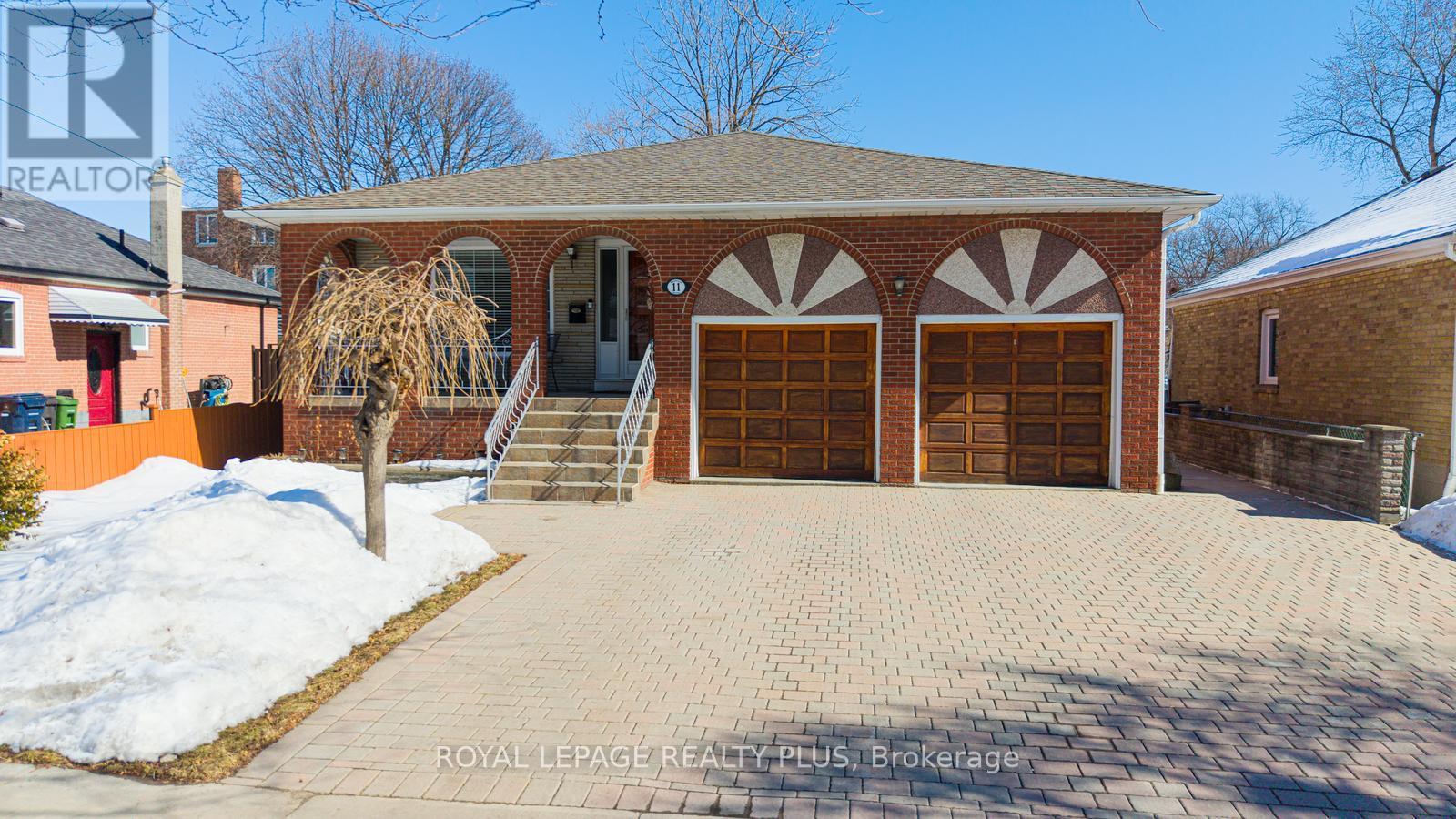 For Sale
 For Sale
 For Sale
 For Sale