
Huron Heights-Leslie Valley is an established east-central Newmarket neighbourhood with mid-century housing on larger lots, East Holland River conservation land adjacency on its eastern edge, and convenient Highway 404 access via Green Lane. A practical family neighbourhood with conservation-backing properties that attract buyers seeking permanent natural green space.
Huron Heights-Leslie Valley is a residential area in the east-central part of Newmarket, covering the residential streets east of Yonge Street in the central and south-central part of the city, in the area roughly bounded by Mulock Drive to the north, Leslie Street to the east, Eagle Street area to the south, and Yonge Street to the west. The neighbourhood takes its name from two identifiable areas within its boundaries: the Huron Heights area associated with the mid-century residential development south of Davis Drive, and Leslie Valley, which reflects the proximity to the Leslie Street corridor and the valley lands of the East Holland River system at the eastern edge.
The neighbourhood’s eastern boundary near Leslie Street puts it adjacent to the natural areas and trail system associated with the East Holland River, which is one of Huron Heights-Leslie Valley’s distinguishing outdoor assets. The valley lands managed by the Lake Simcoe Region Conservation Authority at the Leslie Street edge provide natural green space that backs many of the neighbourhood’s eastern properties, a feature that commands premiums and contributes to the residential character of those streets.
The neighbourhood sits between the central Newmarket commercial core on Yonge Street to the west and the increasingly employment-oriented Leslie Street corridor to the east. This position gives residents good access to both the Yonge Street commercial and transit infrastructure and the highway network via the Leslie Street and Green Lane connections to Highway 404. It is a functionally convenient location within the city’s residential matrix.
Like Gorham-College Manor to the west, Huron Heights-Leslie Valley is primarily mid-century housing stock from the 1950s through the 1980s, with infill additions over subsequent decades. The bungalow and two-storey home inventory on larger lots characteristic of mid-century Ontario suburban development is the dominant housing type, and the neighbourhood occupies the same middle tier of the Newmarket market that the central residential areas generally occupy.
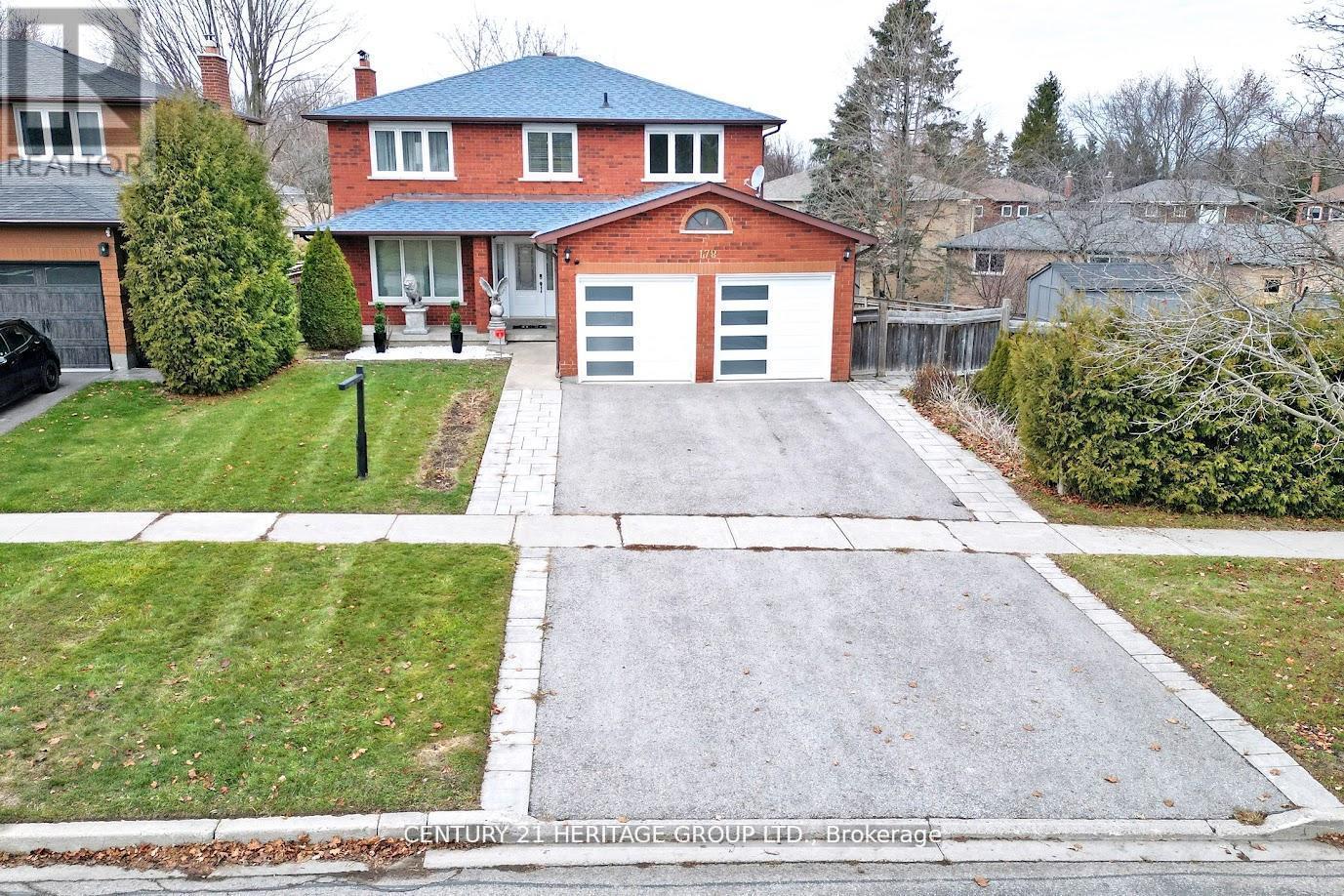
The housing stock in Huron Heights-Leslie Valley spans several decades, with the oldest homes from the late 1950s and 1960s and later additions from the 1970s, 1980s, and early 1990s filling in the neighbourhood to its current density. Bungalows are well represented in the older sections, particularly in the Huron Heights area south of Davis Drive. The Leslie Valley streets closer to the eastern edge of the neighbourhood tend to have more 1970s and 1980s two-storey homes that reflect the expansion of Newmarket’s eastward residential development during that period.
The properties backing onto the East Holland River valley lands along the eastern edge of the neighbourhood are among the most desirable within the area. Conservation land adjacency creates a private, green setting at the rear of properties that would otherwise back onto more conventional suburban lots. These properties typically command premiums over comparable houses without the conservation backing, and they are identified specifically in the market as a distinct sub-tier.
Lot sizes in the older sections of the neighbourhood are consistent with mid-century Ontario residential development: 50 to 60 foot frontages with adequate depth, supporting meaningful garden space and the possibility of secondary suite additions within the existing envelope or in basement or accessory structure form. The lots are larger than what new construction in Newmarket produces today, which is a consistent value consideration for buyers who weight outdoor space and future flexibility.
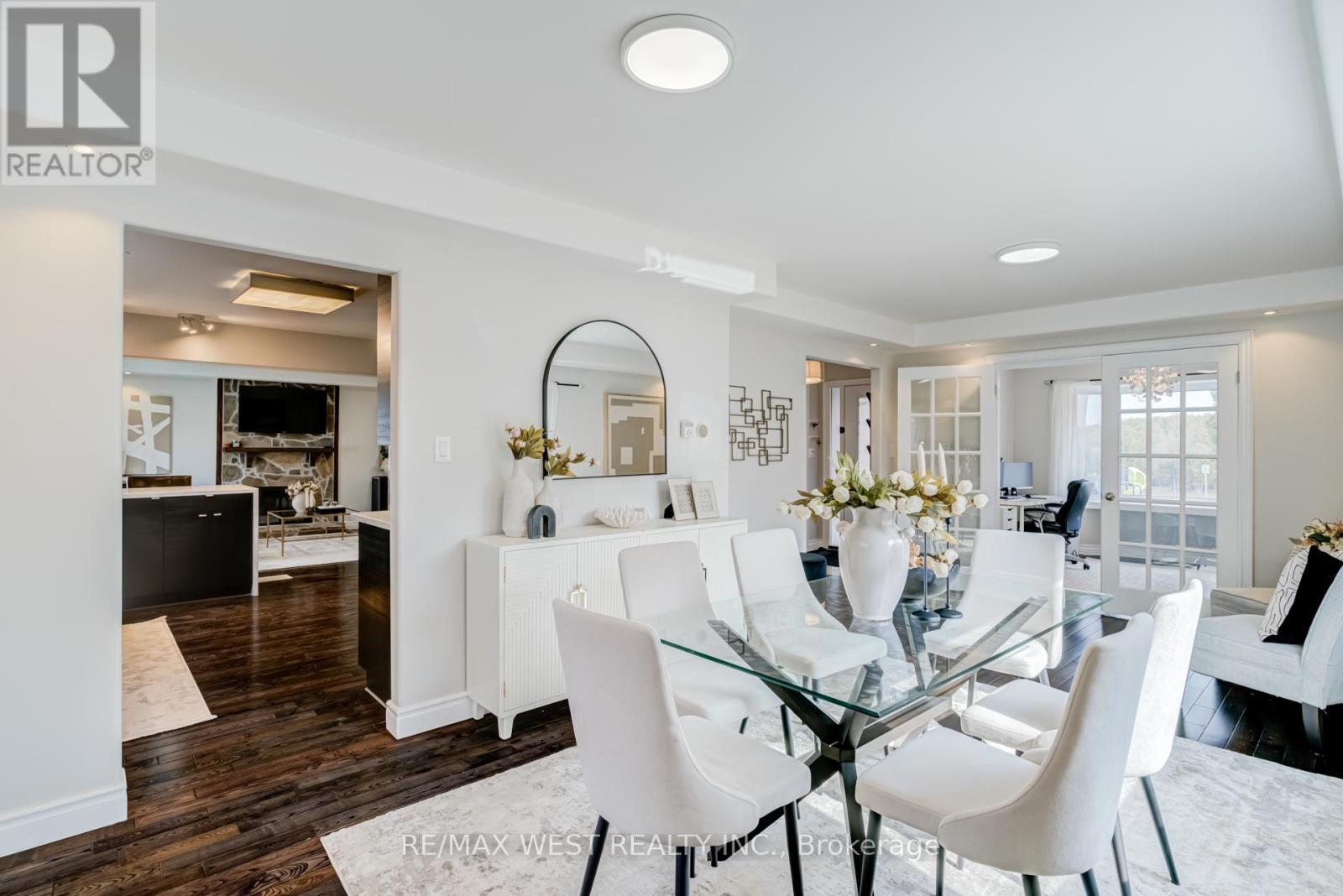
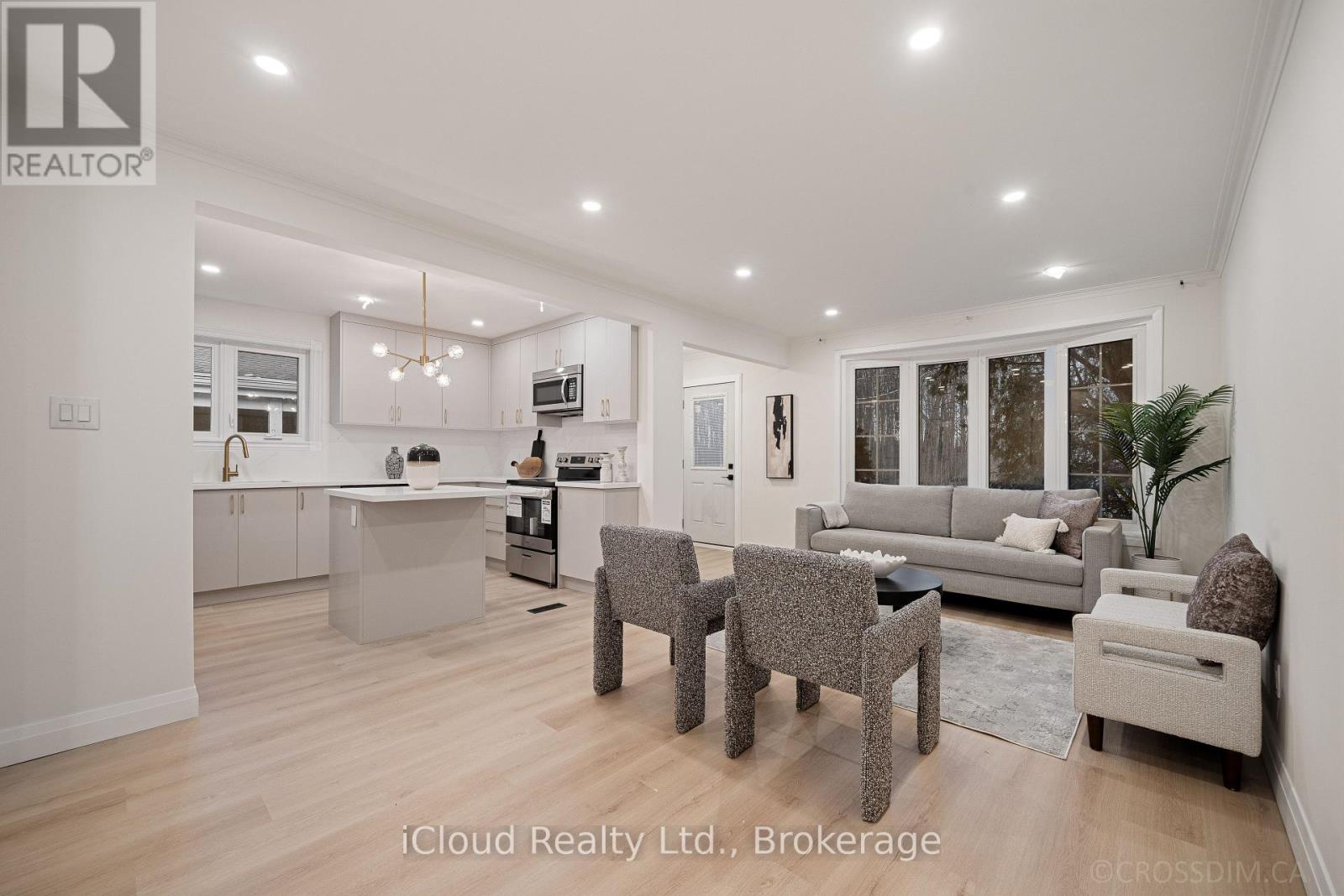
Renovation investment varies across the neighbourhood. Some streets have seen consistent updating by successive homeowners; others have homes in less updated condition that reflect the original occupants aging in place without substantial renovation. This variation creates the full price range from move-in-ready renovated to original-condition requiring full update, giving buyers with different budgets and renovation appetites relevant options within the same neighbourhood geography.
Huron Heights-Leslie Valley trades in a similar tier to Gorham-College Manor, with pricing that reflects mid-century housing vintage, larger lots, and the east Newmarket position that is farther from the Yonge Viva corridor than the western counterpart. The conservation land backing premium on the Leslie Street edge properties adds a measurable premium over interior comparables, and buyers specifically targeting that feature should budget for it rather than expecting to find it at mid-neighbourhood prices.
The neighbourhood has benefitted from the same trend that has supported central Newmarket mid-century housing generally: buyers seeking larger lots and established neighbourhood character relative to the compressed new construction available in the outer growth areas. Properties in Huron Heights-Leslie Valley sell at prices that reflect this relative value, though the lack of Viva walking proximity (relative to the more western central neighbourhoods) means a modest discount compared to Gorham-College Manor and Bristol-London for equivalent housing types.
The investor and renovation buyer segment is active here for the same reasons as in Gorham-College Manor: large lots, established central location, and the gap between unrenovated prices and renovated comparables that supports a renovation return. The Leslie Valley conservation-backing properties are specifically sought by investors who understand that the environmental amenity is difficult to price conventionally and often trades below its market value when sellers and buyers haven’t done the comparison work.
First-time buyers find entry points in the unrenovated segment of the neighbourhood’s inventory, and the east Newmarket position provides Highway 404 access that is useful for commuters whose destinations are along that corridor. This makes the neighbourhood slightly more appealing to highway commuters than to transit-dependent buyers, which is the reverse of the Gorham-College Manor buyer composition that skews more toward transit users.
Huron Heights-Leslie Valley draws families seeking central Newmarket location at accessible price points, highway commuters who value the Leslie Street and Green Lane access to Highway 404, and buyers specifically attracted to the conservation land adjacency that the eastern edge of the neighbourhood provides. It is a less distinctly positioned neighbourhood than some of the more characterful Newmarket areas, which means its appeal is broadly functional rather than identity-driven.
Families with school-age children are the core demographic. The neighbourhood’s schools, park network, and proximity to Southlake satisfy the practical checklist for family buyers. The mid-century housing provides the square footage, lot sizes, and structural quality for long-term family living at prices that are more accessible than the premium Newmarket neighbourhoods without requiring the commute to the outer suburban growth areas.
The conservation-backing properties attract a specific buyer type: those who specifically want a green, private rear yard without the maintenance obligations of a large private lot, and who understand that conservation adjacency in a built-up urban area is a permanent and irreplaceable amenity. These buyers often come from Toronto inner neighbourhoods where ravine-backing properties command the highest premiums in the market, and they bring the same valuation framework to Newmarket.
Southlake healthcare workers are a modest but consistent segment here as well, for the same reasons as in Gorham-College Manor: the short commute to the hospital is a practical daily advantage for shift workers and on-call staff. The east Newmarket position is actually slightly more convenient for some Southlake workers depending on where they live within the building, and the neighbourhood’s price tier is accessible at the income levels of nursing and allied health professionals whose housing budgets don’t reach the premium Newmarket areas.
The most clearly differentiated micro-location within Huron Heights-Leslie Valley is the conservation-backing eastern edge along the Leslie Street and East Holland River valley corridor. Properties here back onto the conservation land rather than conventional rear yards, providing a private green setting that is the neighbourhood’s most distinctive asset. Buyers specifically targeting this feature should research the specific streets where the conservation boundary provides rear-yard backing, as the LSRCA’s regulated area varies in width and the depth of conservation land behind individual properties is not uniform.
The Huron Heights section south of Davis Drive has the older bungalow inventory that is most associated with the area’s renovation and downsizer market. The streets in this area have the most consistent lot sizes, the most mature street trees, and the bungalow-dominant housing type that makes the area specifically attractive to the segments who seek that combination.
The sections closer to Green Lane and Mulock Drive at the neighbourhood’s northern edge are the newest additions to the mid-century residential fabric, with some later infill development from the 1980s and 1990s that is more conventionally suburban in character than the older sections. These areas are convenient to the Green Lane commercial and Highway 404, which is a highway commuter advantage, but lack the character and lot sizes of the Huron Heights core.
School assignment within the neighbourhood spans multiple catchments, and the specific school for a given address depends on the York Region District School Board boundary at that location. The Huron Heights Public School, after which the neighbourhood area is partly named, is the primary elementary school for much of the area, and it has the community character of a school serving an established, stable neighbourhood population over many decades.
Huron Heights-Leslie Valley’s transit situation is east of the Yonge Viva corridor, which means Viva rapid transit requires a short drive or a YRT bus connection rather than being walking-accessible for most residents. Newmarket GO Station is approximately 2 to 4 kilometres west, reachable by car in under 10 minutes. The Barrie line GO service to Union Station in approximately 55 minutes is the primary transit commute option, following the same drive-and-park pattern as most Newmarket neighbourhoods.
Highway 404 is more directly accessible from Huron Heights-Leslie Valley than from the more westerly Newmarket neighbourhoods. Green Lane provides direct access to the 404 interchange, and the Leslie Street corridor connects to the Green Lane ramp efficiently. For commuters whose destinations are along the 404 corridor — in Markham, North York, or accessing the Don Valley Parkway toward downtown — the east Newmarket position provides a measurable commute advantage over the more highway-distant central and western neighbourhoods.
The Leslie Street corridor at the eastern edge of the neighbourhood is becoming more employment-oriented, with the industrial and business park development that characterises the Leslie Street and Green Lane area. This is relevant for residents whose employment is in the Newmarket or East Gwillimbury business parks, as the commute can be very short — sometimes under 5 minutes — for workers in these nearby employment areas.
YRT bus routes serve the arterial roads at the neighbourhood’s edges, with the Yonge Street and Davis Drive routes providing the most frequent service. Internal neighbourhood streets have limited transit coverage, and walking to a useful bus stop requires reaching the arterials. For non-driving household members, the east Newmarket location is one of the less transit-convenient in the city; the Yonge corridor is a walk or short bus ride away rather than being immediately adjacent.
The East Holland River valley lands at the eastern edge of the neighbourhood are the defining outdoor asset for Huron Heights-Leslie Valley. The LSRCA-managed conservation corridor along the river provides natural green space with trail access that extends northward through the Newmarket natural open space network. The valley setting provides the ecological character of a natural watercourse — forested slopes, wetlands, and the wildlife that concentrates in riparian habitats — within the urban boundary of a mid-sized York Region city.
The Newmarket trail system connects through the neighbourhood’s eastern edge and links to the broader city trail network, including the East Holland River corridor trail that can be followed for several kilometres without leaving the trail system. This is a meaningful trail length for daily exercise, with enough distance for a full running or cycling outing rather than a short neighbourhood loop. The conservation land quality makes the experience noticeably more natural than equivalent urban trail networks in more heavily developed areas.
Fairy Lake, central Newmarket’s signature park, is accessible from Huron Heights-Leslie Valley via the trail network or a short drive. The lake and its park are within 2 to 3 kilometres of the neighbourhood’s western edge, close enough for regular use. For residents who want water-facing park experience in their daily outdoor routine, the combination of the East Holland River conservation backing and Fairy Lake proximity delivers more than most comparable central Newmarket neighbourhoods except those immediately adjacent to the lake.
The neighbourhood’s own park network distributes smaller community parks through the residential streets, providing playground and open field space for families with children. These parks serve the daily neighbourhood needs while the conservation lands and the trail network serve the more recreational and fitness-oriented outdoor use. The combination is practically adequate for the active family households that form the core of the neighbourhood’s demographic.
Huron Heights-Leslie Valley residents primarily use the Yonge Street commercial corridor for retail and services. The 5 to 10 minute drive to the Yonge Street grocery, pharmacy, and restaurant concentration covers most daily needs, and Upper Canada Mall at Yonge and Davis Drive handles major retail. The east Newmarket position means that the Green Lane commercial corridor — with its big-box retail format — is also accessible in a comparable drive time, giving residents two distinct commercial destinations for routine shopping.
Southlake Regional Health Centre is approximately 3 to 5 kilometres from most Huron Heights-Leslie Valley addresses, accessible in under 10 minutes. The medical services available at and around Southlake — emergency, specialist, diagnostic, and primary care clinics — are the practical healthcare infrastructure for this neighbourhood as for all of central Newmarket. The proximity is good by suburban standards, and residents with regular medical needs are well served by the Southlake location from this neighbourhood.
The Leslie Street and Green Lane employment areas immediately east and north of the neighbourhood provide a local commercial and service layer for routine needs. Some residents in the northern sections of Huron Heights-Leslie Valley use the Leslie-Green Lane commercial nodes for closer-to-home errands, particularly for the stores and services that have located in the business park area to serve the working population there. This is a secondary option rather than a primary one, but it reduces the need to drive to Yonge Street for every errand.
The Main Street South independent dining and specialty retail of central Newmarket is accessible from Huron Heights-Leslie Valley in approximately 5 to 10 minutes by car. The east Newmarket position means Main Street is slightly more of a deliberate trip than it is for the western central neighbourhoods, but it is close enough that residents use it regularly rather than treating it as an occasional destination.
Huron Heights-Leslie Valley falls within the York Region District School Board for public schools, with the York Catholic District School Board serving Catholic families. Huron Heights Public School is the primary elementary school for much of the neighbourhood, reflecting the geographic naming association with the school that has served this area for decades. The school has the community character and stability associated with long-established neighbourhood schools rather than the institutional newness of recently opened growth-area schools.
Secondary students from Huron Heights-Leslie Valley attend Newmarket High School or Dr. John M. Denison Secondary School, both within the city and accessible by school bus. The York Catholic secondary system serves Catholic families through the Newmarket area Catholic schools. Secondary school quality in Newmarket is consistent with the York Region system’s generally strong performance, benefitting from the region’s tax base and the engaged parent demographic that has characterised the municipality.
The neighbourhood’s position relative to the East Holland River conservation lands creates a school environment with accessible natural areas for outdoor education activities, which some of the neighbourhood’s elementary schools have incorporated into their programming. The proximity of genuine natural areas to urban schools is a curricular asset that is increasingly valued, and Huron Heights-Leslie Valley’s conservation adjacency provides this in a way that many comparable urban school settings don’t.
After-school childcare and extracurricular programming availability in the neighbourhood schools is consistent with the York Region standard, with active parent councils supporting supplementary programming beyond the base curriculum. The stable, established residential demographic of the neighbourhood produces the parental engagement that sustains this supplementary programming over time.
Huron Heights-Leslie Valley is a stable established neighbourhood with limited internal development activity. The residential fabric is mature and complete, and the development pressure in the immediate neighbourhood is limited to occasional infill. The significant changes affecting the neighbourhood context are external: the continued growth of the Green Lane and Leslie Street employment areas to the east and north, and the ongoing intensification along the Yonge Street corridor to the west.
The Leslie Street employment corridor has seen consistent commercial and industrial development that has built a significant employment base in the east Newmarket and East Gwillimbury area. This development is generally positive for the neighbourhood’s context from a commute standpoint — employment nearby reduces the need for all household members to commute to Toronto — but the industrial adjacency at the eastern edge is a consideration for buyers on the streets closest to Leslie Street who should be aware of the employment land context on the other side of the road.
The East Holland River conservation lands at the neighbourhood’s eastern boundary are permanently protected, which provides assurance that the conservation backing that makes the eastern edge properties distinctive will not be eroded by development. The LSRCA’s regulated area designation and provincial conservation authority regulations effectively prevent conversion of the valley corridor to any use that would change its natural character. This planning security is part of the long-term value proposition for buyers who are paying a premium for conservation adjacency.
The Newmarket GO station precinct intensification and the Yonge Street mid-rise residential development that is proceeding through planning and approvals processes will bring more residential density to the Yonge and GO station area over the next decade. This increases the urban vitality of the adjacent commercial area and the transit resource quality, both of which benefit Huron Heights-Leslie Valley residents whose primary commercial and transit access is through the Yonge Street and GO station corridor.
What does conservation land backing mean for properties on the Leslie Valley edge?
Conservation land backing means that the rear property line adjoins land managed by the Lake Simcoe Region Conservation Authority as part of the East Holland River valley system. This land cannot be developed, providing a permanent natural buffer at the rear of the property. The immediate practical effect is a private, green, and quiet rear yard setting that differs from properties backing onto other residential lots. The LSRCA regulated area may also extend slightly onto the rear of some adjacent properties, which can restrict certain types of construction or grading near the conservation boundary. Buyers of these properties should ask their agent or the LSRCA to confirm the specific regulated area extent on any property of interest before making an offer.
How accessible is Highway 404 from Huron Heights-Leslie Valley?
Highway 404 is accessible via the Green Lane interchange, roughly 3 to 5 kilometres from most neighbourhood addresses. The drive to Green Lane from the neighbourhood typically takes 5 to 8 minutes, making the 404 access one of the more convenient in Newmarket. From Green Lane and 404, the drive south connects to the Don Valley Parkway and downtown Toronto destinations in approximately 45 to 55 minutes in normal non-peak conditions. For commuters whose destinations are in Markham, North York, or the Technology Drive employment corridor along the 404, this access is a meaningful advantage over the more westerly Newmarket neighbourhoods.
Are the older homes in Huron Heights connected to the city’s sewer and water systems?
Yes. The residential areas of Huron Heights-Leslie Valley within the Newmarket urban boundary are on municipal water and sewer, as all of Newmarket’s established residential neighbourhoods are. Private wells and septic systems are not a consideration for buyers within the city limits. Water quality and septic inspections are rural-specific concerns that don’t apply to Huron Heights-Leslie Valley properties.
Is the neighbourhood affected by flooding?
The East Holland River valley has a documented floodplain that extends along the valley corridor. Properties immediately adjacent to the valley edge may be within the LSRCA’s regulated area or in some cases within the flood plain fringe. The residential streets within the neighbourhood proper are above the valley floor and are not subject to routine flooding. Buyers of properties on the streets closest to the valley edge should confirm flood risk and regulated area status with the LSRCA as part of their due diligence.
Huron Heights-Leslie Valley transactions benefit from agents who understand both the mid-century housing stock and the conservation land adjacency considerations specific to the neighbourhood’s eastern edge. The combination of older home inspection requirements and LSRCA regulated area questions that arise on the Leslie Valley properties requires broader knowledge than a standard suburban transaction demands. An agent who treats every Newmarket detached home transaction as interchangeable is not the right partner for a conservation-backing property where the regulatory and environmental context shapes what a buyer can do with the property.
The LSRCA regulated area check is the most important additional due diligence step for properties on the eastern edge. Before an offer, confirm the extent of the regulated area on the specific property, understand what construction or alteration activities within the regulated area require LSRCA approval, and verify that any planned improvements are consistent with the regulations. This is not a complicated process, but it requires being done before the offer rather than after the deal is firm.
The home inspection on mid-century housing should follow the same principles as in Gorham-College Manor: specific attention to the systems and materials of the era, a realistic budget for maintenance and system replacements, and a willingness to negotiate based on inspection findings rather than waiving conditions under pressure. The unrenovated segment of the market here provides genuine opportunity for buyers who do this work correctly.
Buyers who have identified a conservation-backing property in Huron Heights-Leslie Valley and are weighing the premium it commands over interior comparables should compare it to what conservation and ravine backing properties in comparable Toronto east end neighbourhoods sell at relative to their non-backing neighbours. The premium in Newmarket for this specific feature is generally lower than in Toronto, which means buyers who correctly value the amenity may be paying less relative to the benefit than the comparable Toronto transaction would require.
Street-level knowledge is hard to find online. Our team works in Huron Heights-Leslie Valley every day. They know which pockets hold value, where the school catchment lines actually fall, and what the market is doing right now. Talk to us before you make a decision about Huron Heights-Leslie Valley.
Talk to a local agent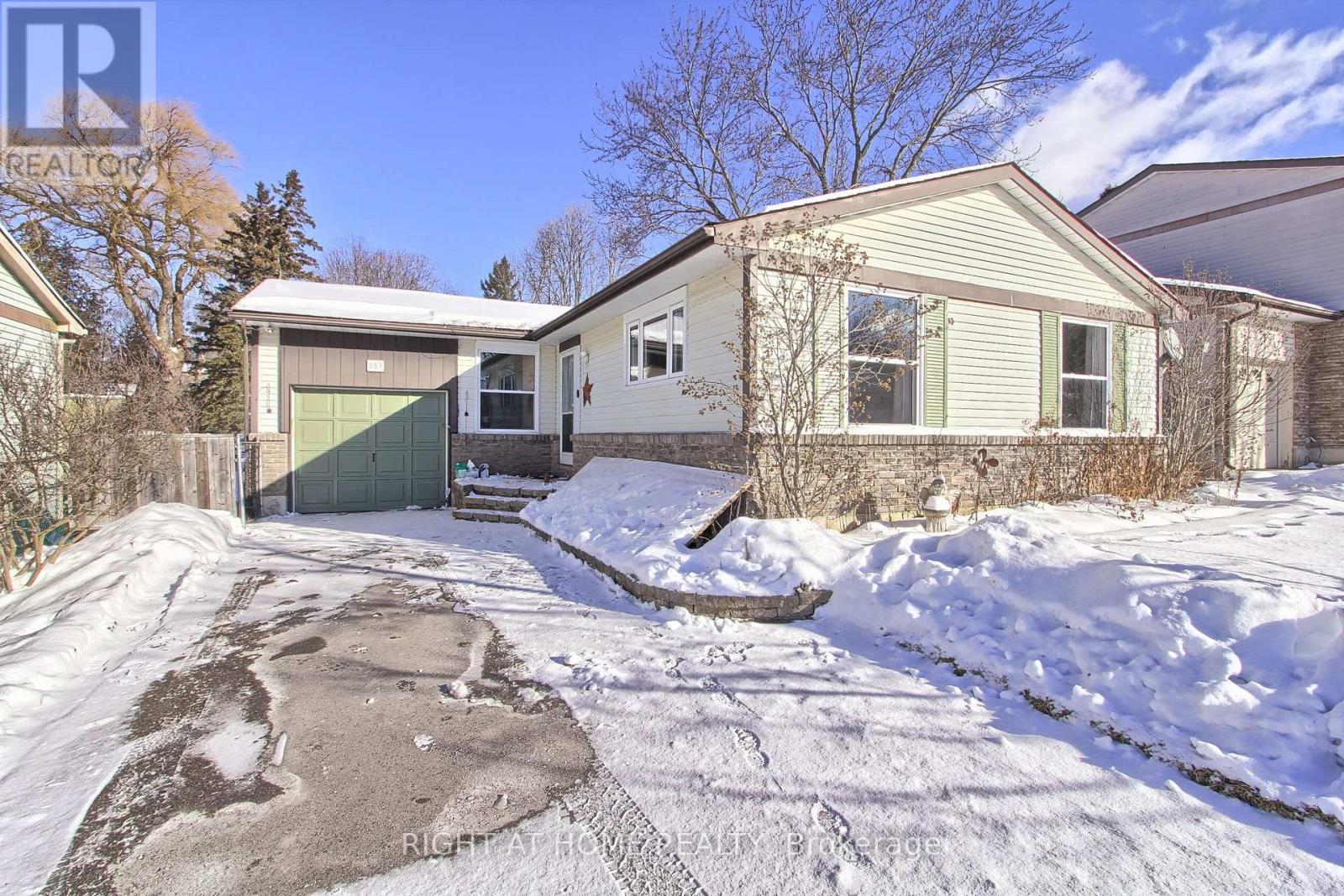 For Sale
 For Sale
 For Sale
 For Sale