
Hurontario is a mid-Mississauga neighbourhood on the Hazel McCallion LRT corridor, with established family residential streets and growing transit-oriented condo development. Detached homes from $1M in a central location.
Hurontario is a mid-Mississauga neighbourhood that takes its name from the major arterial running through it, and the Hurontario Street corridor is both the neighbourhood’s defining feature and its most active development zone. Bounded roughly by Highway 403 to the south, Highway 401 to the north, Mavis Road to the west, and the Cooksville boundary to the east, Hurontario contains a mix of established residential streets from the 1970s and 1980s alongside newer condo development clustered near the arterial. The neighbourhood sits directly in the path of the Hazel McCallion LRT, which will run north-south along Hurontario Street through the community when it opens.
The neighbourhood’s residential streets away from the Hurontario corridor have a quiet, established family character. Detached homes on crescents and loops running off the main arterials give the interior streets a suburban feel that contrasts with the transit corridor activity a few blocks away. This duality, established family neighbourhood plus major transit corridor intensification zone, defines the Hurontario experience for current and prospective residents.
The average home listing price in the broader Hurontario area runs in the mid-range for Mississauga, reflecting a balance between the older detached stock on the residential streets and the newer condo development near the transit corridor. Buyers who are drawn to the LRT opportunity but want more space than a corridor condo provides often land in the residential streets of the Hurontario neighbourhood as a middle path.
The employment corridor along Highway 403 to the south provides a large concentration of office and commercial employment within commuting distance of the Hurontario residential streets. The 403 corridor is one of the densest employment nodes in Mississauga, and the combination of living in Hurontario and commuting within Mississauga to the 403 employment area provides short, manageable commutes for many households in this neighbourhood.
Hurontario’s housing stock reflects the neighbourhood’s development history from the late 1970s through the early 2000s, supplemented by more recent condo construction along the transit corridor. Detached homes on the residential streets typically trade in the $1,000,000 to $1,350,000 range depending on size, condition, and distance from the arterial. Semi-detached homes and older townhomes provide entry points in the $800,000 to $1,050,000 range. The condo supply near Hurontario Street has grown significantly and provides units in the $500,000 to $750,000 range for various building types and ages.
The older detached homes in the interior streets represent the neighbourhood’s most stable value segment. These are homes that have been owner-occupied for decades on established streets, with the mature landscaping, settled character, and structural soundness that comes from original owner maintenance. The challenge is that many are dated in finish and require meaningful renovation investment, which buyers need to factor into their all-in cost assessment rather than comparing list price to list price against newer inventory.
New condo development along the Hurontario corridor has introduced more contemporary product at prices that reflect the LRT anticipation premium. These buildings offer modern finishes, amenities, and transit proximity at price points that are higher per square foot than the older detached stock on nearby streets. The trade between space and modernity is the central buyer choice in this neighbourhood, and it plays out differently depending on household size, lifestyle preferences, and timeline for the LRT opening.
Investment demand in the Hurontario corridor has been sustained by the clear transit infrastructure commitment. The LRT station locations are confirmed, the construction is visible, and the policy direction toward LRT-adjacent density is documented in the official plan. This transparent investment signal has kept investor demand active in the corridor even as the broader condo market corrected from 2022 peaks.
The Hurontario neighbourhood market is bifurcated between the established residential streets and the transit corridor condo market, and these two segments have behaved differently through market cycles. The residential detached market has been broadly stable, with values tracking Mississauga mid-range patterns. The condo corridor market has been more volatile, rising sharply in the 2020-2022 period as the LRT anticipation premium built, then correcting as rate increases hit investor-held condo portfolios across the GTA.
As of 2025 and into 2026, both segments are in a broadly buyer-friendly environment with elevated inventory and extended days on market compared to the peak period. The current conditions give buyers genuine negotiating room that did not exist two to three years ago. For buyers who have been watching and waiting, the current window in the Hurontario market is more favourable than anything seen since 2019-2020.
The pending LRT opening is the unknown variable that most buyers are trying to price. Properties within a defined walking distance of confirmed LRT station locations carry a premium that reflects expected upside from the transit opening. Whether this premium is fully reflected already or still has room to appreciate depends on the specific property, its distance from a station, and the market conditions at the time the LRT opens. Buyers who have clear convictions about the LRT timing and impact are the ones most able to make informed decisions in this corridor.
The detached residential segment in the interior streets is less directly affected by the LRT premium because it is not within walking distance of the corridor stations for many addresses. These properties trade more purely on neighbourhood fundamentals: school catchments, street quality, and condition rather than transit proximity uplift.
Hurontario attracts families seeking central Mississauga locations with mid-range price access, transit-oriented buyers and investors focused on the LRT corridor, and commuters who work in the Highway 403 employment district and want short daily drive times. These three buyer types coexist in the neighbourhood without conflict because they are attracted to different property types: families to the residential streets, transit buyers to the corridor condos, and 403 commuters primarily to the detached stock for its space and access.
Families value the school catchments that come with the Hurontario address. The neighbourhood is served by schools in the PDSB zone that feeds Mississauga Secondary School and other mid-range secondary options. The elementary school catchments are solid and the proximity to the Mississauga transit system makes extracurricular access reasonable for older children. The family character of the residential streets is well-established, with the stable owner-occupier demographics typical of Mississauga’s mid-era residential communities.
Transit investors who are positioning for the LRT opening are the most visible buyer group in the corridor condo segment. These buyers are typically purchasing with a 5 to 10 year holding horizon and are making a bet on both Mississauga’s long-term rental demand and the specific uplift that LRT access will bring to buildings within walking distance of stations. The thesis is rational but the holding period and the uncertainty of exact timing require patience and comfort with uncertainty that not all buyers are prepared for.
Downsizers from larger Mississauga homes who want to reduce maintenance and stay central but aren’t ready for a City Centre tower find the Hurontario neighbourhood a reasonable middle ground. The corridor condos offer urban convenience at mid-city prices without the City Centre premium, and the building amenities in newer corridor projects provide the lifestyle benefits that downsizers leaving large houses value.
The residential streets in the Hurontario neighbourhood that run east and west from the Hurontario Street spine provide the most desirable family addresses. Streets off Burnhamthorpe Road East, Eglinton Avenue East, and the crescents and loops in the mid-neighbourhood carry the typical Mississauga family detached home in good condition on established streets. The further from the Hurontario arterial, the quieter and more residential the street character becomes. Buyers seeking the family residential experience should focus their search on the interior streets rather than the properties immediately adjacent to the corridor.
The Hurontario Street corridor itself is the transit development zone, with mid-rise condo buildings at various stages of construction and completion from Burnhamthorpe northward toward Eglinton. These buildings are primarily for buyers who value transit access and urban convenience over the space of a detached home. The construction activity along the corridor will continue as the LRT approaches opening, with additional building permits and new project launches likely as opening date approaches.
The streets near the Highway 401 on-ramps in the north of the neighbourhood experience highway noise and have less residential appeal than the southern and central sections. Similarly, the properties closest to the 403 interchange in the south are adjacent to highway noise and traffic. The mid-neighbourhood streets between Burnhamthorpe and Eglinton represent the sweet spot of the residential market: good access in all directions without the proximity to highway noise sources that affects the northern and southern edges.
Some Hurontario neighbourhood streets overlap with or are adjacent to the Fairview neighbourhood, particularly in the eastern section near the boundary. Buyers should confirm which specific neighbourhood their target addresses fall in, as the school catchments and specific street characters can differ across the boundary even on adjacent streets.
The Hazel McCallion LRT is the central transit story for the Hurontario neighbourhood. Once it opens, expected around 2027 to 2028 based on current progress, the line will provide dedicated-lane light rail service from Port Credit GO station in the south through the neighbourhood to Brampton Gateway Terminal in the north. Multiple station stops are planned in or adjacent to the Hurontario neighbourhood along the Hurontario Street corridor. The LRT will dramatically reduce in-Mississauga travel times between the neighbourhood and City Centre, Port Credit, and Brampton’s transit hub.
Current transit options are MiWay bus routes on Hurontario Street and along the east-west arterials. Route 19 on Hurontario provides relatively frequent north-south service connecting the neighbourhood to Square One in City Centre. For downtown Toronto commutes, Cooksville GO station on the Milton line is accessible south on Hurontario, or the QEW and Highway 403 provide car alternatives. The Milton line from Cooksville reaches Union Station in approximately 35 to 45 minutes express.
Highway 403 at Mavis Road provides the primary highway access. The QEW is accessible south via Hurontario or Mavis. Highway 401 is north via the Hurontario/401 interchange. For residents who work in the 403 employment corridor between Burnhamthorpe and Highway 401, the neighbourhood’s position means commutes that are measurable in single-digit minutes rather than the 20 to 30 minute commutes from the western Mississauga communities.
When the LRT opens, Hurontario neighbourhood residents within walking distance of stations will have access to a rapid transit system that reduces dependence on car or bus for in-city trips. The combination of LRT for Mississauga travel and Cooksville GO for Toronto commutes will give this neighbourhood a two-mode transit capability that most of Mississauga currently lacks.
Creditview Road Park and several neighbourhood parks on the residential streets provide family recreation infrastructure. The Mississauga Valley Community Centre and Park in the adjacent Mississauga Valleys neighbourhood provides a large recreation complex accessible to Hurontario residents by a short drive or MiWay bus trip. The community centre includes pools, gym facilities, and programming that supplements the neighbourhood parks for residents who need indoor recreation options during the long Ontario winter.
Cooksville Creek runs through portions of the neighbourhood and its valley parklands provide trail access and creek-side green space. The creek valley is not dramatic, but it provides accessible walking and running trails away from the main arterials and a degree of natural setting that is unusual in a mid-density urban neighbourhood. Trail connections extend both north and south through the creek corridor.
Hurontario neighbourhood residents within range of Kariya Park or Celebration Square in City Centre can access these civic amenities via MiWay or a short drive north on Hurontario. The proximity to City Centre is one of the Hurontario neighbourhood’s practical benefits, as it brings urban amenities within reach without the City Centre price premium on residential property.
The neighbourhood has standard City of Mississauga park infrastructure, which means well-maintained neighbourhood parks, regular programming, and accessible facilities. The standout park experience requires a short trip outside the neighbourhood, either to the City Centre civic spaces or to the Credit River valley accessible to the west. This is a known feature of the mid-city location and most residents regard it as acceptable given the central location benefits they gain in exchange.
The Hurontario Street commercial corridor carries a mix of plazas, restaurants, and service businesses that provide day-to-day retail access. A Fortinos grocery store and various other grocery options are within a short drive or bus ride. The ethnic restaurant diversity along the Hurontario corridor reflects the neighbourhood’s multicultural population and provides a genuine variety of cuisines including Indian, Pakistani, Middle Eastern, and Caribbean options. This is an area where good food is accessible and inexpensive rather than polished or destination-worthy.
Square One is accessible north along Hurontario in approximately 10 minutes, providing the full retail and dining coverage of Mississauga’s main shopping centre. The proximity to Square One without being in the condo towers immediately adjacent to it is a benefit of the Hurontario neighbourhood’s slightly offset position. Heartland Town Centre to the north is accessible in 15 to 20 minutes for big-box shopping. The mid-city location means no major retail destination requires a trip of more than 20 minutes.
Service retail along the arterials, including medical clinics, pharmacies, dentists, banks, and dry cleaners, is well-represented in the Hurontario neighbourhood given its mature commercial character. The commercial strips along Hurontario, Burnhamthorpe, and Eglinton East have been serving the residential population for decades and carry a depth of service businesses that newer communities at the western edge of Mississauga are still developing.
The Mississauga Convention Centre and Living Arts Centre in City Centre are accessible by MiWay on Hurontario in under 15 minutes. For cultural events and performance arts programming, the Hurontario neighbourhood’s proximity to City Centre’s cultural infrastructure provides access that most western Mississauga communities require a significantly longer trip to achieve.
The Hurontario neighbourhood is served by the Peel District School Board (PDSB) and the Dufferin-Peel Catholic District School Board (DPCDSB). Secondary students in the area typically attend Mississauga Secondary School or Cawthra Park Secondary School, both within reasonable distance and accessible by MiWay transit from most neighbourhood addresses. Cawthra Park Secondary’s Regional Arts Program is accessible to Hurontario students who audition successfully, and its general academic programming is a strong option for the catchment.
Elementary schools in the neighbourhood include several PDSB schools serving the residential streets. The PDSB school finder provides current catchment boundaries that vary by specific address. Catholic elementary options under DPCDSB include schools in the mid-Mississauga zone, with St. Marcellinus Catholic Secondary serving as the primary Catholic secondary option for the area. French Immersion programs are available at various PDSB and DPCDSB schools in the catchment.
The University of Toronto Mississauga campus is accessible in approximately 15 to 20 minutes west along Burnhamthorpe Road or via Erin Mills Parkway. Sheridan College’s Hazel McCallion Campus in City Centre is accessible by MiWay in under 20 minutes. For families with post-secondary students, the Hurontario neighbourhood provides access to both major Mississauga post-secondary institutions without a long commute.
School rankings for the Hurontario elementary catchment are mid-tier by Fraser Institute metrics, similar to Cooksville and Fairview. The secondary school options at Cawthra Park and Mississauga Secondary are solid. Families who are prioritising top elementary school rankings will find more consistently high-scoring schools in western Mississauga communities. Families for whom central location and transit access are higher priorities than elementary ranking will find the school picture in the Hurontario neighbourhood adequate.
The Hurontario corridor is one of the most actively developing sections of Mississauga. The Hazel McCallion LRT under construction along Hurontario Street is the catalyst for a wave of transit-oriented development that will add significant density to the corridor through the coming decade. Multiple mid-rise and high-rise projects have been approved or proposed along Hurontario from Burnhamthorpe to Eglinton, with building activity visible at various points along the corridor. This development activity will continue to transform the corridor character from a commercial arterial into a mixed-use transit boulevard over the next 10 to 15 years.
The Mississauga official plan designates the Hurontario corridor as a major intensification zone, which means that higher-density residential and commercial development is not just permitted but actively planned for. Buyers who purchase properties immediately adjacent to the Hurontario corridor should understand that the neighbourhood’s physical character will continue to evolve significantly as the LRT opens and as additional development projects complete.
The residential streets away from the Hurontario corridor are expected to remain stable in character under current planning designations. The intensification is specifically concentrated on and near the transit corridor, with the residential streets in the interior of the neighbourhood protected from dramatic change by existing zoning. This means buyers can assess the corridor proximity trade-off clearly: those who want the transit access with minimum development disruption should focus on the interior streets; those who want to be closest to the LRT stations should understand the ongoing construction environment.
Long-term, the Hurontario neighbourhood’s position along a confirmed rapid transit line with multiple station stops represents one of the clearest infrastructure-driven investment arguments available in Mississauga real estate. The uncertainty is in timing and the extent to which anticipated transit premiums are already priced into corridor properties. Properties in the residential interior streets offer access to the transit benefit with less of the corridor development disruption and potentially more upside relative to current pricing.
Q: What do homes cost in the Hurontario neighbourhood and what is the price range?
A: The Hurontario neighbourhood spans a meaningful price range depending on property type. Detached homes on the residential streets away from the corridor typically sell in the $1,000,000 to $1,350,000 range, with older original-condition bungalows at the lower end and renovated two-storey homes at the higher end. Condo apartments in the corridor buildings range from $500,000 to $750,000 for one and two-bedroom units, with newer buildings priced higher per square foot than older stock. Townhomes and semi-detached properties fall in the $800,000 to $1,050,000 range. The neighbourhood sits at accessible mid-tier Mississauga pricing, below the south Mississauga premium communities and comparable to Cooksville and Fairview as peer neighbourhoods. The LRT proximity premium is present in corridor-facing properties but has moderated from its 2021-2022 peak.
Q: Will the Hazel McCallion LRT increase property values in the Hurontario neighbourhood and when will it open?
A: The LRT is expected to open around 2027 to 2028, delayed from the original 2024 target. Property values near confirmed station locations have been partially elevated by transit anticipation for several years, so some of the expected uplift is already in prices. When the line actually opens and residents experience the improved transit connectivity, a further adjustment in values near stations is generally expected based on how other Canadian transit openings have affected adjacent properties. The timing uncertainty and the partial pre-pricing of the premium mean that buyers should not expect a single dramatic price event at opening. The more reliable value argument is that Hurontario corridor proximity will sustain demand over many years as the transit system matures and the area’s transit identity strengthens.
Q: Is the Hurontario neighbourhood a good choice for families with school-age children?
A: The neighbourhood works reasonably well for families. The residential streets away from the corridor are genuinely quiet and family-oriented, with parks accessible and a stable community of long-term owner-occupiers. Secondary school options at Cawthra Park and Mississauga Secondary are solid. The elementary school catchments are mid-range rather than top-tier by Fraser Institute metrics. For families who are prioritising central Mississauga location, mid-range pricing, and good highway access alongside adequate schools, the Hurontario neighbourhood is a reasonable choice. Families who are choosing primarily on elementary school ranking should compare this to Churchill Meadows, Erin Mills, or the John Fraser Secondary catchment in Creditview, which score higher by that specific metric.
Q: How does the Hurontario neighbourhood compare to Fairview and Cooksville, which are nearby?
A: Hurontario, Fairview, and Cooksville are adjacent and overlapping communities with similar price points and character. Cooksville has the GO station, giving it better current transit access to downtown Toronto than the Hurontario neighbourhood. Fairview has a slightly different character with a higher proportion of mid-rise condo buildings. Hurontario sits directly on the LRT corridor and will have the most direct LRT station access of the three neighbourhoods when the line opens. For buyers whose priority is the LRT, Hurontario is the most direct option. For buyers whose priority is current GO Transit access, Cooksville is stronger. For buyers focused on the condo market at accessible prices, all three have product in a similar price range.
The Hurontario neighbourhood requires a buyer’s agent who understands both the residential street market and the LRT corridor development context, because these are genuinely different markets that happen to share a neighbourhood name. A buyer who is looking at a detached home on a crescent running off Burnhamthorpe is making a fundamentally different purchase from a buyer looking at a corridor condo two blocks away. The decision framework is different, the risk profile is different, and the timeline for value realisation is different. Mixing these up produces poor purchase decisions.
The LRT station proximity question is the one that requires the most current knowledge. Station locations are confirmed in planning documents, but the walking distances and the specific impact on surrounding properties involve detailed analysis that a buyer’s agent tracking the Hurontario corridor daily can provide. Buyers who are making location decisions based on a generic “near the LRT” description are making less precise decisions than they should be for the significance of the purchase.
Negotiating in the Hurontario detached market follows Mississauga mid-range patterns with some nuance around the interior versus corridor position. Properties on interior residential streets with no special corridor attributes are generally more negotiable in the current market than corridor-facing condos, where a higher proportion of transactions involves investors who have done explicit return analysis and may have clearer pricing convictions. A buyer’s agent who understands these nuances can position offers appropriately for each type of property.
For buyers comparing the Hurontario neighbourhood to the City Centre condo market at similar price points, the detached home option in Hurontario delivers substantially more space and a completely different daily living environment. The comparison requires an honest assessment of lifestyle priorities rather than a simple price-per-square-foot analysis. A buyer’s agent who has helped clients make this specific comparison multiple times can provide the perspective that makes the decision clear rather than abstract.
Street-level knowledge is hard to find online. Our team works in Hurontario every day. They know which pockets hold value, where the school catchment lines actually fall, and what the market is doing right now. Talk to us before you make a decision about Hurontario.
Talk to a local agent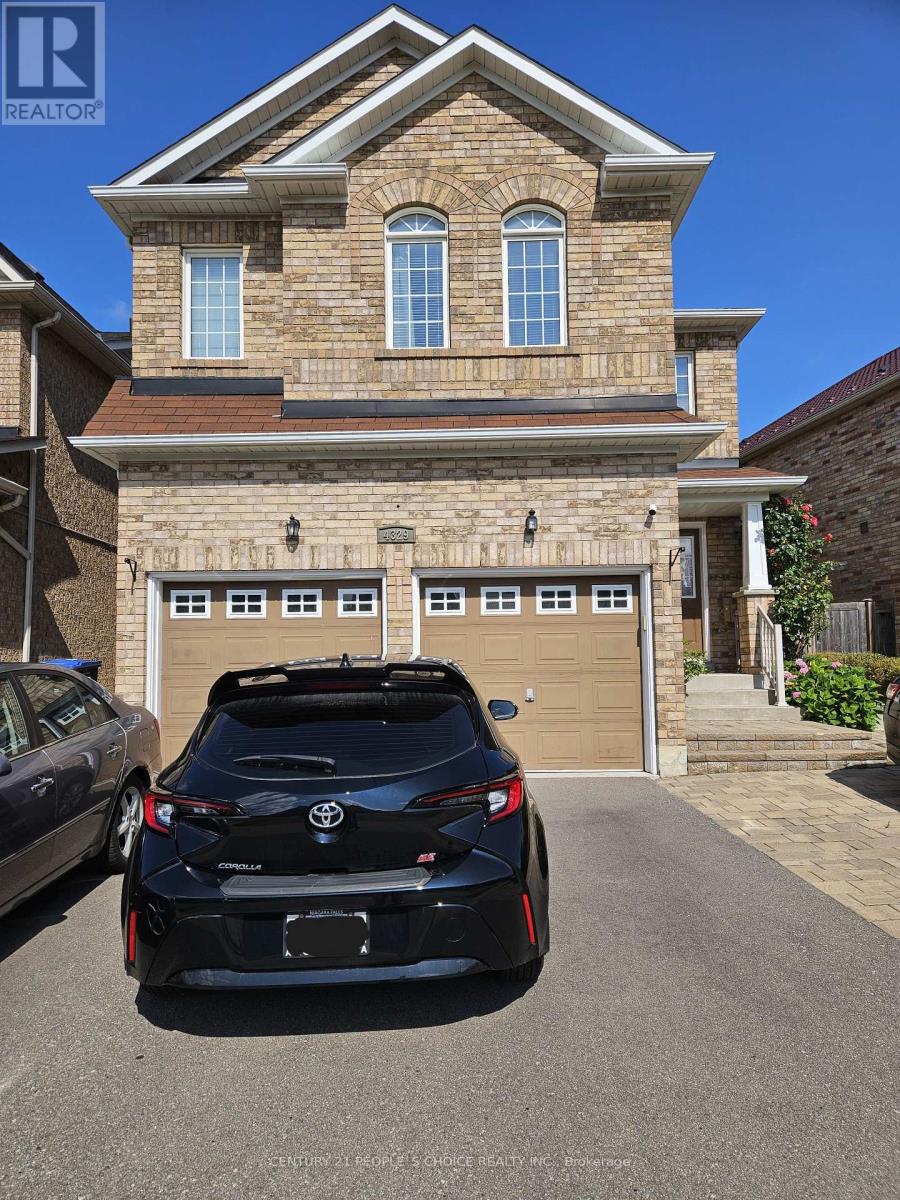 For Rent
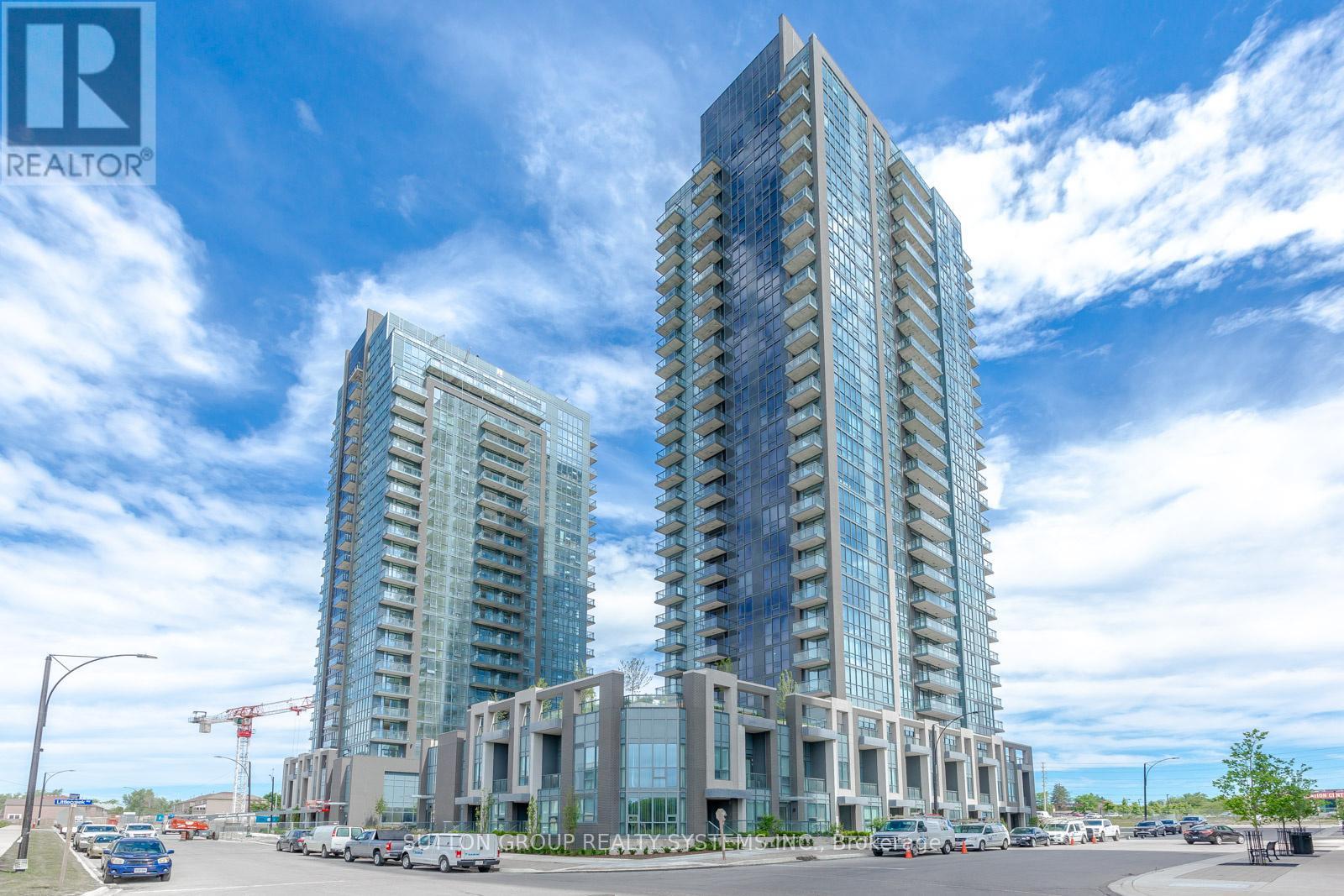 For Sale
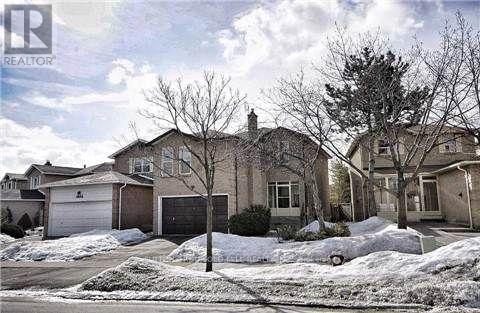 For Sale
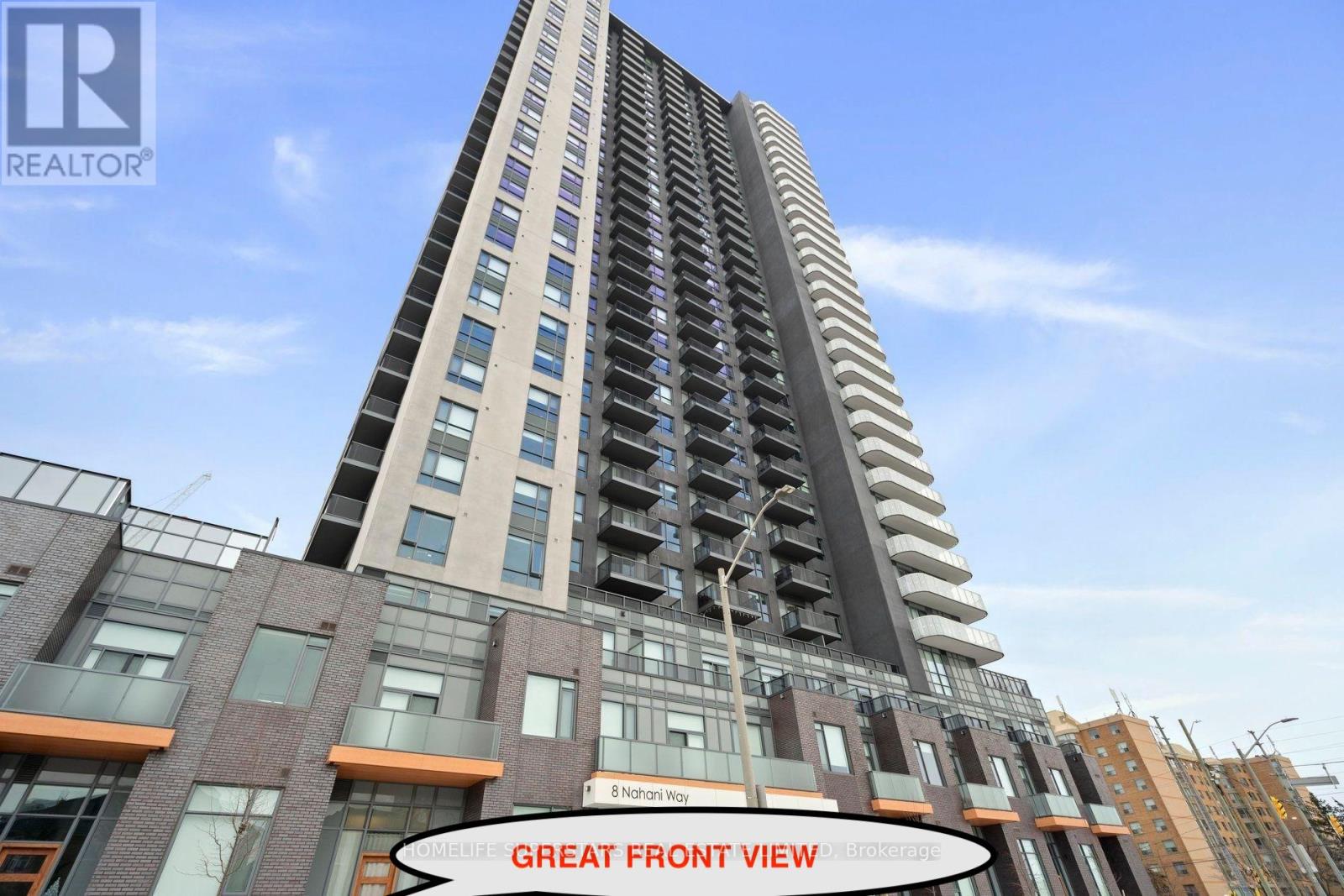 For Sale