
Islington Woods is a premium west Vaughan neighbourhood offering estate-style homes in a wooded ravine setting with Humber River trail access, strong Italian Canadian community, and Highway 427 connectivity.
Islington Woods sits at the western edge of Vaughan’s Woodbridge community, a premium residential neighbourhood defined by its ravine setting, mature tree canopy, and estate-style homes built into the Humber River valley topography. Where most of Vaughan is flat subdivision terrain, Islington Woods offers genuine topographic interest: streets wind around ravine edges, lots vary significantly in depth and character, and the neighbourhood has accumulated a physical character over the past 30 years that cannot be replicated by new construction. This is what serious money in west Vaughan buys.
The neighbourhood runs along and above the Humber River valley between Islington Avenue to the west and the Woodbridge residential fabric to the east. Properties on the ravine edge command the highest prices, with some backing directly onto the Humber River conservation land and offering unobstructed natural views. Interior streets away from the ravine are quieter and more conventionally suburban in character but benefit from the neighbourhood’s community standing and the natural setting that makes the entire area feel different from standard Vaughan development.
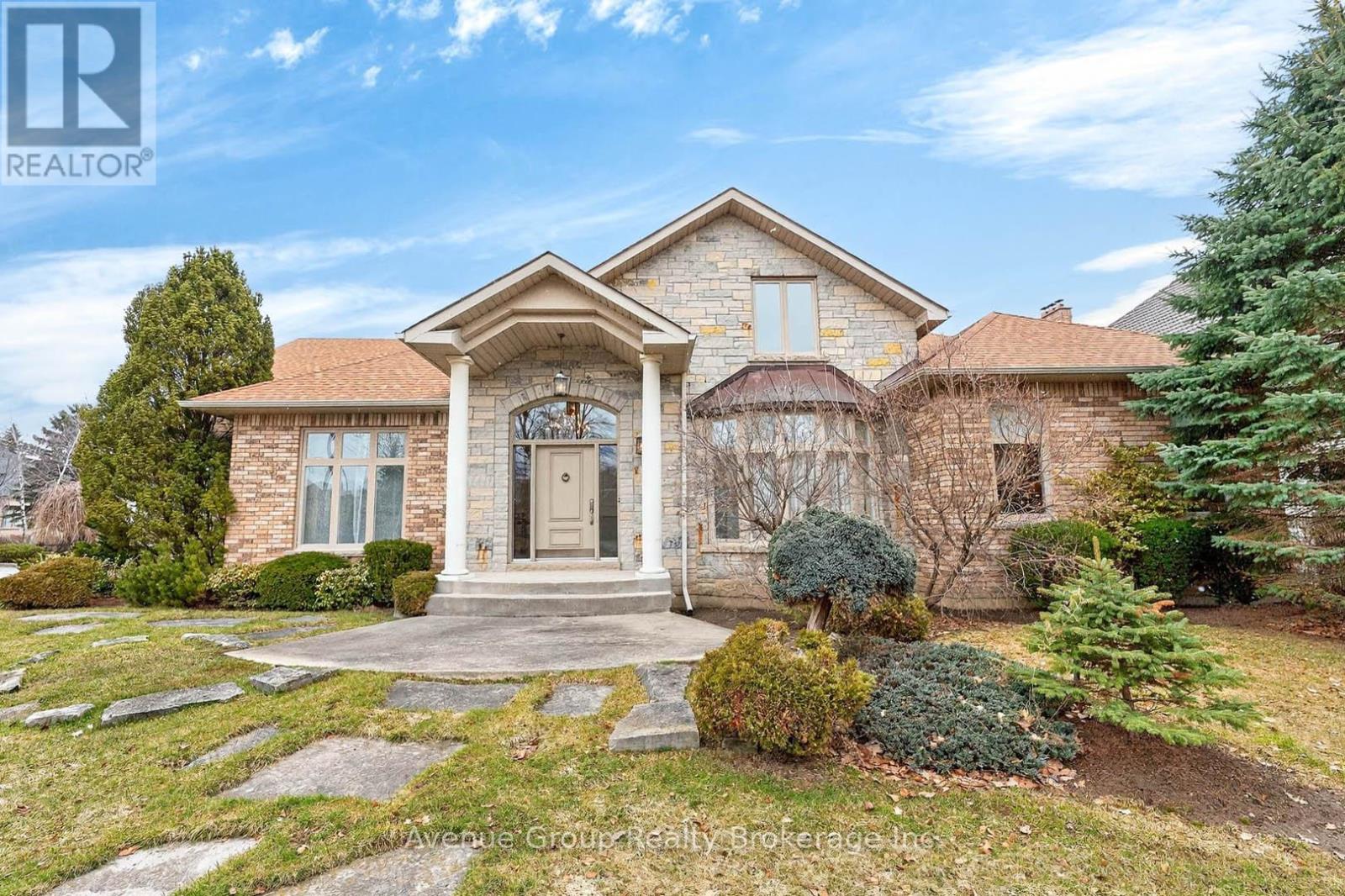
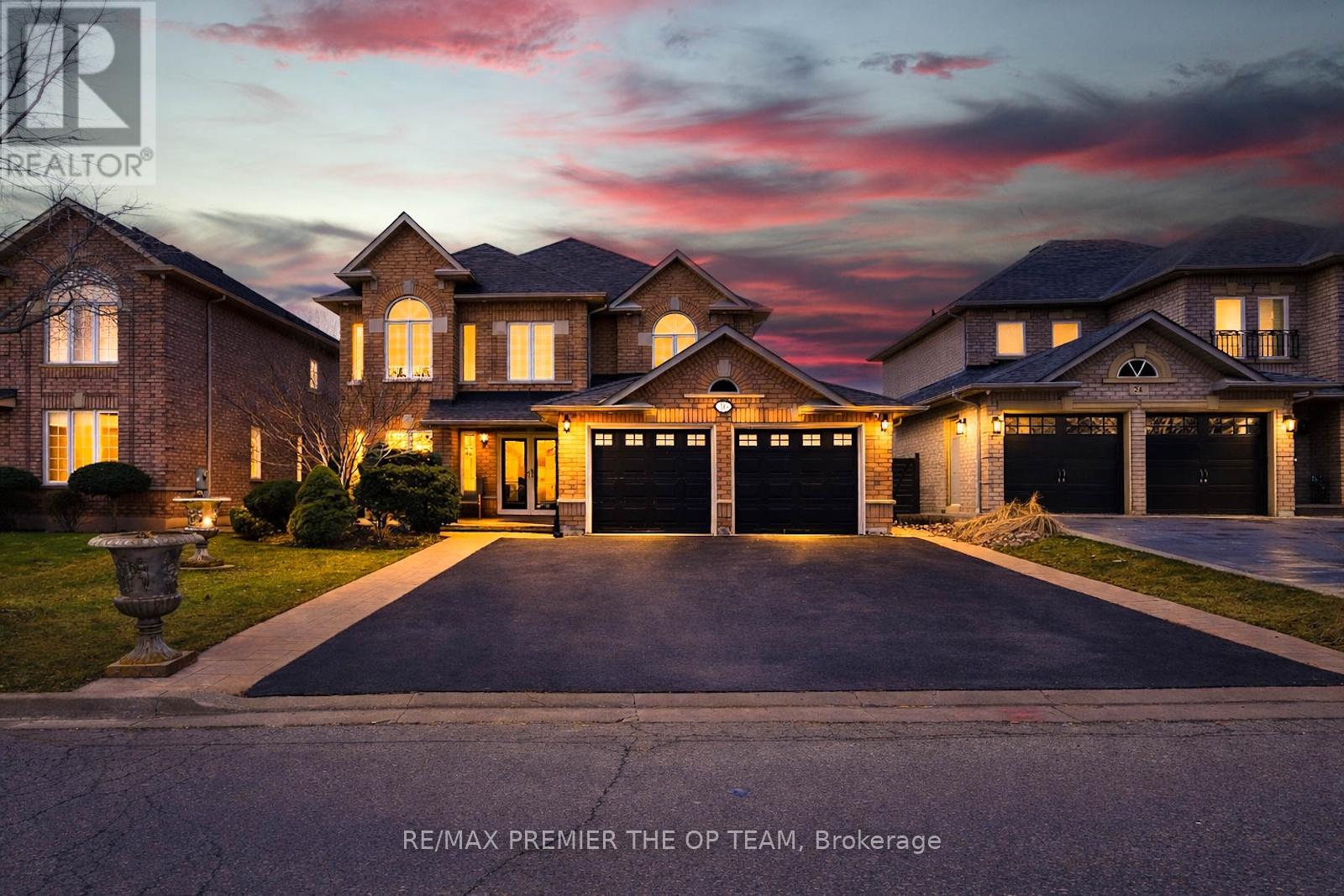
Housing in Islington Woods is predominantly custom or semi-custom detached, built from the late 1980s through the 2000s. The architectural variety is greater than in cookie-cutter subdivisions; buyers will encounter traditional colonial, transitional, and contemporary designs at different price points. The construction quality in the area is generally higher than in mass-market subdivisions because the buyers who have historically purchased here demanded it and paid for it.
The Italian Canadian community character of Woodbridge extends into Islington Woods, though the neighbourhood’s premium positioning means it draws from a broader affluent buyer pool than the working and middle-class Italian Canadian families who originally populated Woodbridge. Current buyers include established Italian Canadian families who have succeeded and moved up within the community, as well as affluent buyers from other backgrounds who recognize the combination of natural setting, city services, and highway access that Islington Woods provides.
Islington Woods properties trade at the upper end of the west Vaughan market. Detached homes in the $1.5 million to $2.5 million range represent the middle of the Islington Woods market, with entry-level properties beginning around $1.4 million for smaller or dated units and premium ravine-edge or custom properties reaching $4 million and above. The range is wider than in more homogeneous communities because the combination of lot position, home size, and renovation level creates meaningful value differentiation within the same postal code.
Ravine-edge lots carry a premium that runs $200,000 to $500,000 above comparable interior lots, depending on the quality of the view, the extent of the ravine backing, and the condition of the home. These premiums are consistent and have held through market corrections because the supply of ravine-edge lots is genuinely limited. When a well-maintained ravine-backed home comes to market in Islington Woods, motivated buyers who have been waiting for the right property tend to move quickly.
The renovation market is active in Islington Woods. Older custom homes that have not been updated since original construction create opportunities to acquire a premium lot and address at a meaningful discount to fully-updated comparables, invest in a renovation, and emerge with a property that reflects both the quality of the location and current finishes. The renovation investment required is typically substantial, given the scale of the homes, but the resulting value can justify the all-in cost when the lot and position are right.
Transaction volume in Islington Woods is modest; the neighbourhood does not turn over rapidly. In a given year, 15 to 25 transactions complete, which means the market data set for pricing decisions is smaller than in high-volume communities. Buyers and sellers both benefit from working with agents who have specific transactional experience in the neighbourhood rather than relying on automated valuations built on limited comparable data.
The Islington Woods market has stabilized from the 2021-2022 peak, and the premium segment specifically has seen more inventory accumulation and longer days on market than the general Vaughan market. This is a consistent pattern in the luxury segment: the buyer pool is smaller, financing is less leveraged, and the decision timeline is longer than in the move-up suburban segment. The result is that properties that are correctly priced still sell within reasonable timeframes, while aspirationally priced properties can sit for months.
Current buyers in Islington Woods have more leverage than they did three years ago. Sellers who purchased at 2019 pricing have room to negotiate without taking a loss; sellers who purchased at 2021-2022 peak pricing are in a more difficult position. Understanding which situation applies to a specific property is part of the offer preparation that a knowledgeable agent provides.
The ravine-edge premium segment has held better than the interior segment because the supply of ravine-backing lots is genuinely limited and the demand from buyers who specifically want that position has not disappeared. Interior lots in Islington Woods face more competition from the broader Vaughan estate market, including Kleinburg and Rural Vaughan alternatives, and their pricing has softened more than the ravine-premium tier.
Long-term demand in Islington Woods is supported by the Italian Canadian community move-up market, the broader affluent GTA buyer pool seeking natural-setting properties within city boundaries, and the structural scarcity of the product. The neighbourhood is fully built out with no new supply, the conservation lands are permanently protected, and the topographic character cannot be replicated. These are fundamentals that support sustained value over holding periods of five years or more.
Islington Woods buyers are typically at a career and family stage where space, privacy, and residential quality have become the priorities over commute convenience or urban proximity. The family with two or three children and a combined income of $400,000 or more, established in their careers and looking to upgrade from a quality suburban home to something they genuinely love, is the core buyer here. They have been looking for 12 to 24 months, have eliminated alternatives, and arrive at Islington Woods knowing it is what they want.
Italian Canadian families making the move-up from East or West Woodbridge to the premium tier represent a consistent and loyal buyer segment. The community continuity is important to them: staying in Woodbridge means staying connected to parish life, community organizations, and family networks that have been part of their lives for decades. For these buyers, Islington Woods is the logical next step from a quality suburban detached in the $1.0 to $1.3 million range, and the community context it preserves justifies the premium.
Buyers from outside the Italian Canadian community who value the natural setting, the ravine character, and the combination of city services with estate-feel residential life are a growing segment. These buyers have often looked at comparable ravine-setting communities in Toronto’s west end, found the prices unachievable, and discovered that Islington Woods offers a comparable physical environment at significantly lower cost. The transition from a Humber Valley Village or Baby Point property to Islington Woods is one that an increasing number of west-Toronto buyers are making as Toronto’s premium neighbourhoods price out all but the most affluent.
Buyers from the GTA west corridor, Brampton and Mississauga, who want an estate-feeling Vaughan address with Highway 427 highway access are another steady buyer category. The 427 extension has made this access better in recent years, and the improved connectivity has brought more western GTA buyers to the consideration set for Islington Woods.
The street character in Islington Woods varies more than in most Vaughan communities because the topography creates genuine variation. Streets along the ravine edge follow the contours of the valley, creating irregular lot shapes and varying degrees of ravine backing. The streets further into the interior of the neighbourhood are more conventional in layout but still benefit from the established tree canopy and the custom home character that defines the area’s market positioning.
The most sought-after positions within Islington Woods are on the ravine edge, where properties back onto the conservation land managed by the Toronto and Region Conservation Authority. These lots have permanent natural backing, mature trees, and in some cases direct visual access to the Humber River valley floor. They command premiums relative to everything else in the neighbourhood and rarely stay on the market long when they come in at reasonable prices.
Interior streets in Islington Woods have a consistent character of well-maintained detached homes with established gardens and the quiet residential feel that comes from owner-occupied families who care about their properties. Turnover is low, which means the neighbourhood does not experience the rapid demographic churn that affects some newer Vaughan subdivisions where investor-purchased properties cycle frequently.
The streets closest to Islington Avenue carry some commercial and traffic proximity that buyers sensitive to noise should evaluate. The depth of the residential setback from Islington Avenue varies, and properties with direct Islington Avenue exposure trade differently from those set back into the interior. Buyers who are comparing a specific Islington Woods property should evaluate the specific lot’s context rather than assuming all Islington Woods addresses are equivalent.
Islington Woods is a driving community. The neighbourhood’s premium positioning does not come with transit-dependent commuting; it comes with the assumption of two vehicles and highway access as the primary commute infrastructure. Highway 427 is accessible within 10 minutes from most Islington Woods streets, providing south access toward Toronto and connections to the 400-series highway network. The 427 to the 409 and 401 is the primary downtown Toronto commute corridor for Islington Woods residents who drive.
Highway 400 is accessible via Rutherford Road or Highway 7 to the east and north, adding a 10 to 15 minute drive to reach the 400 interchange from Islington Woods. For buyers whose commute destination is north of the 400/407 interchange in Vaughan or Barrie, the 400 is the practical route. Morning drive times to downtown Toronto from Islington Woods run 40 to 60 minutes depending on time of departure and specific destination.
The VMC subway terminus is accessible by a 20 to 25 minute drive along Islington Avenue and Highway 7. Some Islington Woods residents drive to VMC and take the subway for downtown commutes, particularly for destinations on the Yonge-University line. The hybrid drive-to-subway approach works for specific destination patterns; it is not competitive with driving for trips that don’t benefit from the subway’s speed advantage on the Toronto end of the journey.
YRT local routes provide service along Islington Avenue and Highway 7, connecting residents to Woodbridge commercial areas and, via transfers, to VMC and the broader York Region transit network. For most Islington Woods households, YRT functions as a backup option for specific trips rather than a primary commuting resource. The transit service frequency in this part of Vaughan is not sufficient to support car-free daily living.
The Humber River Recreational Trail is the defining green space asset of Islington Woods and the entire Woodbridge community. Direct trail access from within or immediately adjacent to the neighbourhood gives residents one of the GTA’s premier multi-use trail corridors on their doorstep. The Humber Trail runs continuously from the Bolton headwaters south to Lake Ontario, and the section through the Woodbridge area is well-maintained, wide, and used regularly by cyclists, joggers, and families. For residents who run, cycle, or walk regularly, this access is a daily quality-of-life asset.
Boyd Conservation Area, managed by the Toronto and Region Conservation Authority, provides additional outdoor recreation north of the neighbourhood with picnic facilities, equestrian trails, and river access. The Boyd CA attracts visitors from across York Region and provides a more natural, less developed outdoor experience than the manicured trail corridor, with habitat zones and wildlife sightings that are unusual within 30 minutes of downtown Toronto.
The ravine backing that characterizes the most desirable Islington Woods properties provides private green space beyond what any residential lot can offer. Homeowners with direct ravine backing have vegetation management obligations toward the conservation authority, but the practical effect is a natural rear boundary that cannot be built upon and that provides privacy, wildlife habitat, and a natural sound buffer that makes these properties genuinely distinctive.
Conservation authority regulations under the Toronto and Region Conservation Authority apply to properties adjacent to or within the flood plain of the Humber River. Buyers should review TRCA mapping for any specific property and understand what this means for building permits, landscaping, and any planned improvements to the rear of the property. These regulations are manageable with planning but should be understood before purchase.
Islington Avenue and Highway 7 provide the commercial backbone for Islington Woods residents. The Italian commercial character of Woodbridge’s main strips is directly accessible and includes restaurants, espresso bars, bakeries, delis, and the full range of Italian community commercial services that have been part of the Woodbridge fabric for decades. For residents who value this specific commercial environment, Islington Woods is among the best-positioned Vaughan communities to access it.
Vaughan Mills, at Highway 400 and Rutherford, is the major retail destination accessible within 20 minutes. The mall carries the full range of outlet retail, big-box anchors, and chain dining that serves the north Vaughan consumer market. For household purchases that require a trip to a major retail centre, Vaughan Mills is the practical destination. The Italian commercial strips serve the daily and specialty needs; Vaughan Mills serves the periodic larger purchase.
Kleinburg Village is accessible in approximately 15 minutes and provides the destination dining and boutique retail character that residents who want something beyond strip malls seek. The McMichael Canadian Art Collection adjacent to Kleinburg village is a significant cultural institution, and the combination of village character, heritage buildings, and independent restaurants makes Kleinburg a regular weekend destination for Islington Woods families who want an urbane commercial experience without driving to Toronto.
Healthcare services along Highway 7 and at the Vaughan Corporate Centre include the Mackenzie Health Vaughan hospital campus, which opened in 2021 and provides full-service acute care hospital services for west and central Vaughan. This is a significant quality-of-life improvement for the entire western Vaughan community including Islington Woods, which previously required longer drives to Humber River Regional Hospital for acute care services.
Islington Woods students attend YRDSB and YCDSB schools through the Woodbridge catchment. Emily Carr Public School (YRDSB) serves as the elementary destination for YRDSB students in this part of Woodbridge, with YRT route 468 providing the Emily Carr high-school special service that connects students to Woodbridge College for secondary education. The YRDSB secondary destination, Woodbridge College, has a strong academic reputation and a range of enrichment programs that serve the community’s academically engaged student population.
The YCDSB stream serves the significant Catholic population in the neighbourhood. St. Michael Catholic Secondary School (YCDSB) is the high school destination for Catholic board students, and the parish-school connection that characterizes the Italian Catholic community gives YCDSB schools a community cohesion that extends beyond the academic calendar. For Italian Catholic families, choosing the Catholic school stream often means staying within the specific community network they have been part of for years.
Private school access from Islington Woods is excellent. The Country Day School in King City is approximately 20 minutes north. Various independent and Montessori programs are accessible in the Woodbridge-Maple corridor. The premium buyer demographic that characterizes Islington Woods generates consistent demand for private school access, and the community awareness of available options is high. Families who are planning private secondary education from an elementary purchase decision will find the access adequate from this neighbourhood.
York University and the Humber College Lakeshore campus are both accessible from Islington Woods in under 40 minutes by a combination of driving and transit. For families with post-secondary age children, the VMC subway connection from a drive-to-station origin gives access to York University in approximately 30 minutes total. The broader post-secondary corridor including Seneca College, OCAD, and U of T are accessible within one hour, which is competitive with comparable York Region locations.
Islington Woods is protected from dramatic internal development change by two forces: the conservation authority designation over the ravine and flood-plain areas, and the built-out nature of the residential fabric. New construction within the neighbourhood is essentially limited to individual lot redevelopment, and even that is constrained by the TRCA regulations that govern properties adjacent to the Humber River. This conservation protection is a feature, not a limitation, for buyers who are purchasing specifically for the natural setting.
The broader Woodbridge development context involves the Woodbridge Urban Centre framework, which designates the Weston Road and Islington Avenue commercial corridors for mixed-use intensification over time. For Islington Woods residential buyers, this means the commercial edges will gradually evolve toward higher-density mixed-use development, adding residential and commercial density to the arterial strips without affecting the protected interior residential fabric. The long-term effect is generally positive: better commercial services accessible from the neighbourhood and increased density at the edges without compromise of the residential core.
The Highway 427 extension completed in 2022 has improved highway access from west Vaughan and will gradually attract more commercial and employment development to the 427 corridor. This employment development benefits Islington Woods by improving in-Vaughan job access for residents, reducing the proportion of households that need to drive to downtown Toronto for work.
The VMC intensification will continue to expand the urban character of the area around the subway station, approximately 20 minutes from Islington Woods. The commercial and employment development associated with VMC will gradually improve the range of urban services accessible to west Vaughan residents, including the Islington Woods community. This is a long-term development story that buyers with 10-year-plus holding horizons should factor into their decision.
Q: Is the Humber River ravine backing worth the premium, and what restrictions come with it?
A: The ravine backing is worth the premium for buyers who will actively use the trail access, who value the privacy and natural views, and who are planning a long hold. The premium runs $200,000 to $500,000 depending on the extent and quality of the backing, which is real money. The restrictions that come with TRCA jurisdiction over ravine-adjacent properties are manageable but real: building permits for any structure within a certain distance of the ravine edge require TRCA approval in addition to City of Vaughan approval; landscaping within the regulated area may require TRCA vegetation management permits; and any filling, grading, or alteration to the regulated area is subject to TRCA oversight. For most residents who want a beautiful natural rear boundary and trail access, these regulations are background noise rather than daily friction. For buyers who have specific plans for rear additions, major landscaping projects, or structures within the regulated area, the TRCA approval process should be understood before purchase. Confirm the extent of any TRCA overlay on a specific property with your agent before submitting an offer.
Q: How does Islington Woods compare to Kleinburg for estate buyers?
A: Islington Woods offers closer proximity to the full Woodbridge commercial and community infrastructure, better highway access via both the 427 and 400 corridors, and generally lower per-square-foot pricing than Kleinburg for comparable size homes. Kleinburg offers the village character of Islington Avenue, a more established luxury reputation, and the aesthetic of the Boyd Conservation Area immediately adjacent to the village. Islington Woods buyers are typically more focused on the Humber Trail access and the Woodbridge community connection, while Kleinburg buyers are typically more focused on the village character and the prestige address. The two communities serve overlapping but distinct buyer profiles. The price difference has narrowed as both markets have attracted growing interest, but Kleinburg still carries a premium for its historic village identity. Neither is objectively better; the right choice depends on which specific features matter more to your household.
Q: What should I know about the renovation market in Islington Woods?
A: The renovation market in Islington Woods requires a different approach than standard suburban renovations. Homes here were custom or semi-custom builds, which means the existing structures are often more complex to work with than cookie-cutter construction. Discovering unexpected structural treatments, unusual foundation configurations, or non-standard mechanical systems is more common than in mass-market subdivisions. The trades cost for a premium Islington Woods renovation also runs higher than in average Vaughan communities because the buyers, sellers, and renovators in this market have higher quality expectations. A full kitchen and bathroom renovation in a premium Islington Woods home will typically cost $80,000 to $150,000 for the kitchen alone, compared to $50,000 to $80,000 in a standard Vaughan renovation. Budget for contingency generously and get a detailed scope estimate from experienced contractors before submitting an offer on a renovation candidate.
Q: Is now a good time to buy in Islington Woods given the luxury segment correction?
A: The luxury segment correction has created genuine buying opportunities in Islington Woods for buyers who can move decisively on correctly priced properties. Days on market have lengthened, seller leverage has reduced, and the spread between list and sale price on the average premium property has widened. The buyers who do best in this environment are those who are pre-approved, have done their research, know what comparable ravine-edge and interior lots should actually be worth, and can move quickly when the right property appears. The risk of buying now is not that values are going to fall dramatically from current levels; the fundamentals of conservation-protected ravine setting, city services, and Italian community character are durable. The risk is paying list price for a property that has been on the market 60 days and whose seller still expects 2022 pricing. Do the comparable analysis, understand the seller’s situation, and make an offer that reflects current market reality. Properties priced correctly are selling; those are the ones worth pursuing.
Islington Woods is a neighbourhood where the difference between a well-bought property and a poorly-bought one is measured in hundreds of thousands of dollars. The ravine premium, the renovation cost estimation, the TRCA implications for specific lots, and the community context that determines what a buyer will pay for a specific address all require specific knowledge that generic York Region market expertise does not provide.
The current market conditions give qualified buyers the time and leverage to do this work properly. The frenzied conditions of 2021-2022 required buyers to waive conditions and make rapid decisions with incomplete information. The current market allows you to get a home inspection, review the TRCA overlay, talk to a contractor about the renovation scope, and make a fully informed offer. Use that time well.
Working with an agent who has closed transactions in Islington Woods specifically, rather than one who covers all of Vaughan generically, is worth the effort to find. The street-level knowledge, the community network connections, and the comparable transaction data at the specific property type level are assets you cannot replicate with general market research. The right property at the right price in Islington Woods is genuinely excellent real estate; the wrong property at the wrong price is an expensive disappointment.
Contact TorontoProperty.ca if Islington Woods is on your list. We work this part of Vaughan and can give you the specific information you need to buy well here. Call or use the contact form to start the conversation.
Street-level knowledge is hard to find online. Our team works in Islington Woods every day. They know which pockets hold value, where the school catchment lines actually fall, and what the market is doing right now. Talk to us before you make a decision about Islington Woods.
Talk to a local agent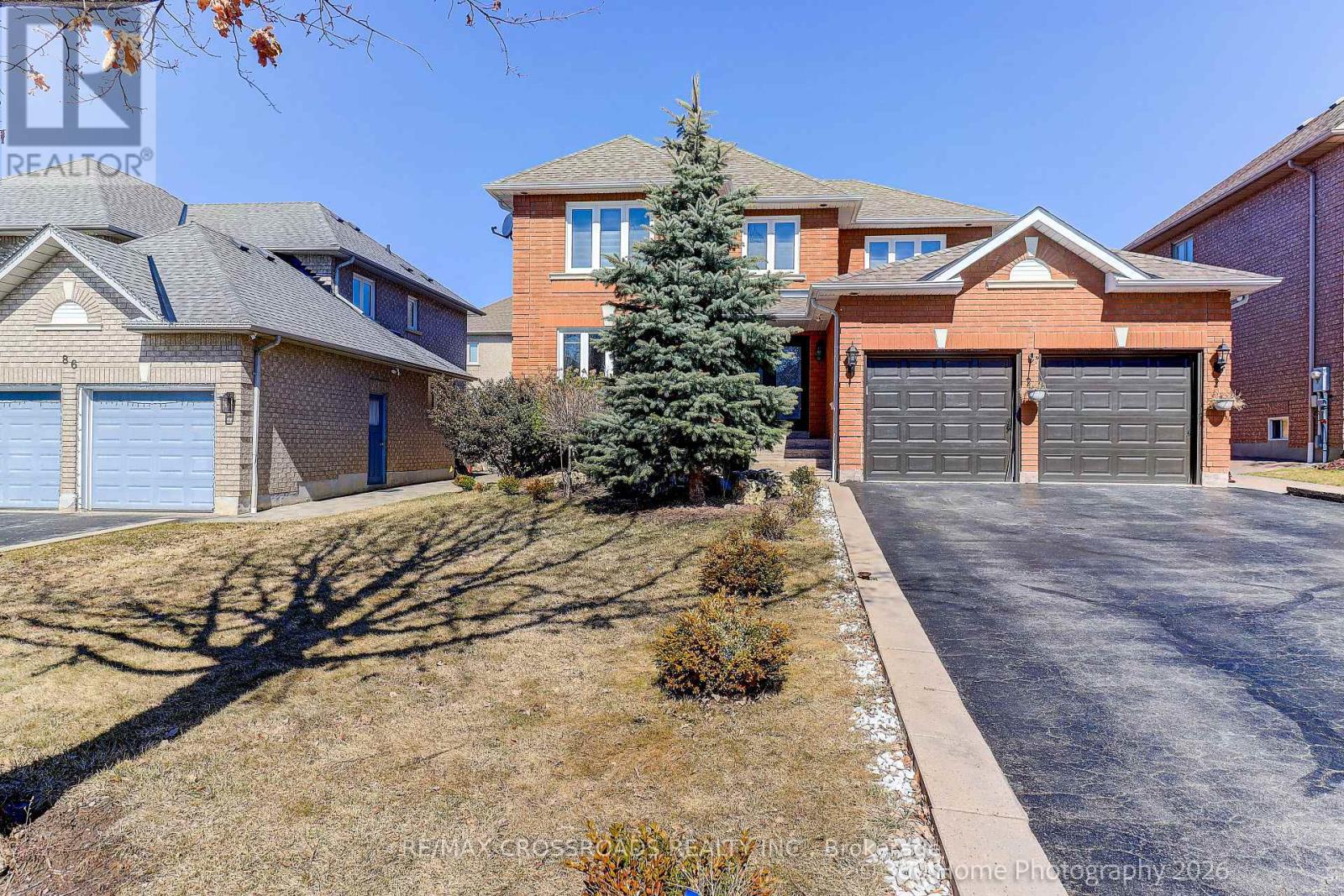 For Sale
 For Sale
 For Sale
 For Rent