
Taunton North is a newer north Whitby neighbourhood with detached family homes from the 2000s and 2010s, with access to Taunton Road commercial services and Brooklin to the north.
Taunton North is one of Whitby’s newer residential communities, built primarily in the 2000s and 2010s on land that was previously agricultural north of Taunton Road. It sits in the northern part of the city, between the established residential areas to the south and the rural fringe and Brooklin to the north. The neighbourhood is characterised by the newer construction and planned layout typical of recent Durham Region subdivision development, with wide streets, prominent garages, and consistent brick construction on standard lots.
The community has grown rapidly as part of Whitby’s northern expansion. Infrastructure, schools, and commercial services have been added in phases to keep pace with the residential development. The neighbourhood is still developing in some sections, which means buyers encounter the benefits of new construction alongside the typical incompleteness of a community that has not yet fully matured.
Families with children form the overwhelming majority of the buyer and resident population. The housing stock is almost entirely larger detached homes designed and marketed to families. The schools, parks, and community amenities that have been built to serve the neighbourhood are scaled for a family demographic. Taunton North is, in the most explicit sense, a planned family suburb.
The commute situation from Taunton North is longer than from southern Whitby communities. Whitby GO Station is 15 to 20 minutes by car from the neighbourhood. Highway 401 access requires driving south. The trade-off that buyers accept when they choose Taunton North is newer construction and larger homes at prices that are generally competitive within the Whitby market, in exchange for a longer commute and less proximity to urban services.
The neighbourhood delivers well on what it was designed to provide: new or near-new detached family homes in a safe, clean, planned suburban environment with schools and parks. Buyers whose priorities align with that description will find Taunton North satisfying. Buyers who discover they value something else more will find the neighbourhood limiting.
Taunton North prices reflect the newer construction premium that applies throughout Whitby’s newer northern subdivisions. Detached homes in the neighbourhood were trading in the range of $950,000 to $1.25 million in early 2025, depending on square footage, lot size, and exact street. The upper end of the range reflects larger homes with premium lots, upgraded finishes, or double garages. The lower end covers standard two-storey detached homes in good condition.
Townhouse inventory in Taunton North provides a lower entry point. Townhouses were selling in the $700,000 to $850,000 range depending on configuration and square footage. These represent the accessible end of the Taunton North market for buyers who want a ground-level home in the newer northern community without the full detached price.
Lot sizes in Taunton North are consistent with post-2000 Durham Region development standards: narrower than older suburban lots, with consistent setbacks and garage-prominent facades. The tight lot spacing of newer builder development is more pronounced here than in established communities with 1970s and 1980s housing stock. Buyers who value lot size over newness should compare Taunton North to older Whitby communities where the same budget may buy more land.
The builder warranty and newer construction benefits are relevant for buyers purchasing recently built homes. Newer mechanical systems, modern insulation standards, and the relative absence of deferred maintenance that affects older housing stock are practical advantages. The trade-off is the higher price per square foot for new construction relative to established homes.
Prices in Taunton North have followed the broader northern Whitby and Durham Region trajectory. The community participated in the significant appreciation of the 2020 to 2022 period and the subsequent correction. Current pricing reflects a normalised level above the pre-2020 baseline but below the 2022 peak, consistent with the broader market pattern.
Taunton North has a family-oriented, owner-occupier market with the characteristics of a newer planned community. Demand is driven by families seeking new or near-new detached homes in a growing suburb with good school catchments. The buyer pool is broad and consistent, reflecting the straightforward appeal of newer construction at northern Whitby prices to the family buyer demographic across Durham Region.
New construction sales from builders continue to add supply in active sections of the neighbourhood. The balance between new construction supply and resale demand affects pricing dynamics in ways that purely resale markets are not subject to. Buyers comparing builder pricing to resale pricing in Taunton North are participating in a market where both sources of supply compete for the same buyer pool.
Turnover in the resale market is moderate. Families who moved into Taunton North during the rapid development phase of the 2010s are now at varying stages of their life cycle, and some are moving to larger homes or to other communities as circumstances change. This creates a flow of resale inventory that supplements new construction supply.
The investor market in Taunton North is limited. The price range is above typical rental investor targets for yield in Durham, and the family-oriented character of the community does not generate the specific rental demand that transit-adjacent areas attract. Owner-occupier buyers dominate and provide a stable demand base.
Market activity follows the seasonal pattern typical of family-oriented suburban Durham communities. Spring is the peak season, multiple offers are common on well-priced detached homes during this period, and the fall and winter markets are functional but less competitive. Buyers with timing flexibility may find modest advantages in the off-peak seasons.
Families who want new or near-new construction in a growing Whitby community form the dominant buyer segment. They have compared the newer northern subdivisions in Whitby, Ajax, and Pickering, and they have decided that Taunton North offers the right combination of price, housing quality, and community amenities for their household. These buyers are making a practical, informed comparison across comparable products rather than being drawn by a specific distinguishing feature.
First-time buyers who can access the detached market in Taunton North represent a significant segment. For dual-income households who have been saving and who qualify at current mortgage rates, Taunton North’s detached homes are at the accessible end of a new-construction purchase in Durham Region. The newer construction appeal is a positive factor for first-time buyers who prefer not to deal with the renovation issues and aging systems of older housing stock.
Move-up buyers from within Durham who are growing their households and need more space are a consistent market segment. Buyers who started in a townhouse or a smaller detached home in another part of Whitby, Ajax, or Pickering and are ready for a larger family home find Taunton North’s detached inventory appropriate for that life stage transition.
Buyers relocating to Durham from Toronto for more space and lower prices are present. The newer construction, the family orientation, and the planned community infrastructure are familiar to buyers from Toronto suburbs who are extending their radius while maintaining a similar suburban lifestyle. The specific attributes of Taunton North align well with what suburban Toronto buyers are accustomed to expecting.
Buyers comparing Taunton North to Williamsburg or Rolling Acres within Whitby are making a relatively narrow comparison, since these northern Whitby communities are broadly similar in character. The differences in specific street, builder, and available inventory are often more relevant to the decision than neighbourhood-level distinctions.
Taunton North has the community character of a newer suburb that is still building its social infrastructure. Schools are active and parent communities are forming around them. Parks are used by families. The neighbourhood has the energy of a community in its early years, where residents are meeting for the first time and establishing relationships through the daily life of a family neighbourhood.
As the neighbourhood matures, the social infrastructure will deepen. Trees planted at construction are growing. Schools have had several years to develop their parent communities. Long-term residents are becoming known to their neighbours. The trajectory from newly built subdivision to established community is underway, though it will take another decade before Taunton North has the settled character that distinguishes Whitby’s more established communities.
Commercial services require driving to Dundas Street or to the northern commercial development on Taunton Road. The neighbourhood does not have a walkable commercial district within it, consistent with most newer Durham subdivisions. Daily errands require a car, and the distance to a full range of services is greater from Taunton North than from more centrally positioned Whitby communities.
Community events and programming are supported by the schools, the parks, and the community associations that have formed in the neighbourhood. Youth sports through Whitby Minor Sports and recreation programming through the city’s parks and recreation department provide structured community activity for families with children.
The trade-off for newer construction and the planned community environment is a longer commute and more car dependence than in established central Whitby communities. Buyers who prioritise newness and family community over commute efficiency accept these trade-offs and find them worthwhile. The lifestyle Taunton North offers is functional and specific. It works well for the family it was designed for.
Whitby GO Station is approximately 15 to 20 minutes by car from Taunton North via Brock Street or Thickson Road heading south. Durham Region Transit provides bus connections along these corridors with connections to the station. The GO journey from Whitby to Union Station takes 46 to 59 minutes, giving Taunton North residents a total commute time of approximately 65 to 85 minutes to downtown Toronto. This is at the upper end for a regular five-day commute.
Highway 401 is accessible 15 to 20 minutes south via Brock Street or Thickson Road. The 401 access is adequate for car commuting but the driving distance from Taunton North to the highway is longer than from central or south Whitby communities. Buyers who commute by car to employment along the 401 corridor should factor this additional commute time into their assessment.
Highway 412 provides connection to Highway 407 east for commuters heading to Markham or the York Region employment corridor. The 407 access is an important advantage for buyers with employment along that corridor, making the total commute from Taunton North to Markham technology employment areas shorter than the GO commute to downtown would suggest.
Taunton Road is the primary east-west arterial through the neighbourhood, providing connections to the commercial strips and to the highway network. Brock Street and Thickson Road are the main north-south connectors. The arterial network around Taunton North is adequate for the suburban driving patterns that characterise the neighbourhood.
Car dependence in Taunton North is consistent with other northern Whitby subdivisions. All daily activities require driving. The transit connections support the GO commute for Toronto workers, but there is no walkable access to services or transit that would allow car-free daily living.
Taunton North has neighbourhood parks distributed throughout the development that provide playgrounds, open space, and sports fields. The parks were planned as part of the subdivision development and were constructed with municipal parkland dedication requirements in mind. They are appropriately scaled for a family neighbourhood and are actively used by the resident population.
The greenway trail system that connects Whitby’s northern communities includes sections accessible from Taunton North. The Heber Down Conservation Area is accessible within 10 to 15 minutes by car and provides hiking trails and natural habitat for residents seeking more substantial natural space. This conservation area is a regular destination for families from Taunton North who want trail use beyond neighbourhood parks.
Pringle Creek trails are accessible within the broader central Whitby area by car. The natural creek corridors that distinguish some of Whitby’s more established communities are not present within Taunton North itself, which was developed on agricultural land that did not have significant creek frontage. This is one of the character differences between Taunton North and neighbourhoods like Lynde Creek or Pringle Creek.
Whitby’s waterfront parks are accessible within 20 to 25 minutes by car. The Lake Ontario shoreline is a seasonal recreational destination rather than a daily amenity from Taunton North, consistent with the neighbourhood’s position in northern Whitby away from the lake.
Future parkland provision will continue to be added as the neighbourhood develops its remaining phases. Community park and trail connections planned in Whitby’s parks master plan for the northern growth areas will add to the accessible outdoor infrastructure over time. Current residents may have access to planned parks and trails that do not yet exist as the community fills in.
Taunton North is served by DDSB schools built specifically to serve the northern growth areas of Whitby. The newer schools in this part of Whitby have modern facilities reflecting construction standards from the 2000s and 2010s. The specific elementary school assignment for Taunton North addresses should be confirmed with DDSB, as the northern Whitby area has had school capacity management activities as the neighbourhood population has grown.
Sinclair Secondary School in Brooklin serves students from the northern Whitby area including Taunton North. The school was opened to serve the growing northern population and has developed its academic and extracurricular programs as enrollment has built up. Students from Taunton North typically travel by school bus to Sinclair.
The DCDSB serves the area through the appropriate Catholic elementary and secondary schools for the northern Whitby catchment. Parents should confirm current assignments with DCDSB, as the northern Whitby Catholic school catchment may have been adjusted as the population has grown.
French immersion availability within DDSB for Taunton North students should be confirmed with the board. As a growing area, the French immersion program availability and the designated school may have changed as the student population has increased. Parents who prioritise French immersion should verify current options before purchasing.
The schools serving Taunton North are newer and purpose-built for the community, which is generally positive for facility quality. The challenge in rapidly growing school areas is maintaining program quality through the years of population growth when enrollment and staffing are actively being managed. Parents who are concerned about this should ask DDSB specifically about enrollment projections and planned capacity for the schools serving their target address.
Taunton North is still developing. Active construction continues in some sections of the neighbourhood, and the planned build-out of the community extends over several more years. This active development is both a benefit and a disruption. New homes and infrastructure are being delivered. Construction traffic, noise, and the incomplete character of unfinished sections are ongoing realities for current residents in areas adjacent to active development.
The full buildout of Taunton North will be followed by the gradual maturation of the community: growing trees, established community associations, and the settled character that takes a decade or more to develop after the physical construction is complete. Buyers purchasing now are investing in a community that will be better in 10 years than it is today, which is the nature of purchasing in a newer development area.
The planned growth of Whitby continues to add to the city’s population base and service infrastructure. New schools, parks, recreational facilities, and commercial development in the northern growth area will serve Taunton North residents as they are completed. The specific timeline of these improvements should be confirmed for any specific planned facility that a buyer is counting on, as timelines in municipal planning often extend beyond initial estimates.
The Seaton community in Pickering and similar large-scale growth areas in Durham Region are part of the broader development trajectory that will transform the northern Durham landscape over the next two decades. The character of the rural and semi-rural areas surrounding Taunton North will change as adjacent municipalities develop, though the specific impact on Taunton North itself will depend on specific development decisions in adjacent areas.
Long-term value in Taunton North is supported by Whitby’s overall growth trajectory and the continued demand for family housing in Durham Region. The neighbourhood will continue to mature and improve, and buyers who hold properties through the maturation process should benefit from the value that comes with an established community character developing over time.
Taunton North as a residential neighbourhood is recent history. The land was agricultural through most of the twentieth century, farmed as part of the agricultural landscape of northern Whitby Township. The Taunton Road corridor that anchors the south edge of the neighbourhood takes its name from an older place name that connected this part of Durham to early settlement history, though the residential development that created the current neighbourhood is entirely a product of the early twenty-first century growth period.
The decision to develop the northern Whitby lands for residential use was part of Whitby’s official plan and Durham Region’s growth management strategy from the 1990s onward. As the population of Durham Region grew with commuters who were priced out of Toronto and the inner suburbs, the demand for housing extended northward along the highway and GO rail corridor. Taunton Road became the frontier of suburban development, which then extended further north as demand continued.
The infrastructure that supports Taunton North, including the school sites, park dedication, and road connections, was planned as part of the development framework that brought the neighbourhood into existence. Unlike older communities that accumulated infrastructure gradually, Taunton North was planned with full knowledge of the standards and requirements that govern contemporary subdivision development. This results in a neighbourhood that is physically well-provided for from a planning perspective, even if the social and community infrastructure takes longer to develop than the physical infrastructure.
The families who moved into Taunton North in the early phases of its development are now established in the community and are the long-term residents around whom the neighbourhood’s identity is forming. The community events, school parent associations, and neighbourhood networks that current residents experience are the product of these families’ investment in making the neighbourhood work. This investment is the human infrastructure of the community, and it tends to grow and strengthen as the neighbourhood matures.
The history of Taunton North is short but genuine. It is the history of post-2000 Durham suburbanisation, a continuation of the suburban growth pattern that has been building the GTA’s periphery for decades. Whether this history will generate the kind of community identity that distinguishes older communities like Brooklin is an open question. The ingredients are present, but the process takes time.
Q: How does Taunton North compare to Williamsburg and Rolling Acres in Whitby?
A: Taunton North, Williamsburg, and Rolling Acres are all newer northern Whitby subdivisions with broadly similar housing stock, price ranges, and community character. The differences between them are more granular than categorical. Williamsburg is positioned slightly more to the west and south, closer to some commercial services and with a slightly longer-established character. Rolling Acres is to the east with its own internal variation. Taunton North spans a large area north of Taunton Road with multiple phases of development. Buyers comparing these communities should focus on specific streets, specific school catchments, and the proximity of available properties to the services and infrastructure they prioritise, rather than making a decision based on neighbourhood branding alone.
Q: Are there any issues with builder quality in Taunton North?
A: Multiple builders have constructed homes in Taunton North across different development phases. Builder quality in Canadian suburban development is variable, and specific builders have different track records for construction quality and warranty service. Before purchasing a new or recently built home in Taunton North, research the specific builder’s reputation on Ontario homebuilder review forums, check the Tarion warranty claim history if available, and have a home inspection performed even on new homes to identify any issues before closing. Common issues in newer Durham Region construction include poor lot drainage, settlement cracks, and HVAC installation deficiencies that a good inspector will identify. The Tarion warranty provides 1, 2, and 7 year protections for new construction, but claims require documentation and timely submission.
Q: What is the timeline for the remaining development in Taunton North?
A: The full buildout of Taunton North’s remaining phases is subject to builder timelines and approval schedules. Buyers should confirm with the city’s planning department and with the specific builder which phases are actively under construction, which are in the approval process, and what the expected completion timeline is for the immediate surroundings of any target property. Active construction adjacent to an existing home typically continues for 1 to 3 years before the immediate area is complete. Buyers who are purchasing existing homes in areas still under development should understand the construction timeline for adjacent lots before committing.
Q: Is Taunton North a good long-term investment compared to more established Whitby communities?
A: The investment case for Taunton North versus established Whitby communities involves a trade-off between different risk profiles. Newer communities in growing areas tend to appreciate as they mature and as infrastructure fills in, but the appreciation timeline is uncertain and the value of community maturation is not guaranteed. Established communities have a demonstrated price history, a known character, and a stabilised community infrastructure. Buyers who hold either for long periods typically benefit from Durham Region’s overall growth trajectory. The choice between them is more about lifestyle fit and current budget than about which will produce better investment returns, because the data does not strongly support one over the other for comparable quality properties in different stages of development.
Buyers in Taunton North benefit from an agent who understands the difference between builder pricing and resale pricing in an active development area. When builders are selling new inventory in adjacent phases, the resale market competes with new construction for the same buyer. An agent who understands how builders price and what premium or discount new construction carries relative to resale in the specific current market conditions provides practical guidance on offer pricing that general market knowledge alone does not support.
New construction due diligence in Taunton North requires Tarion warranty documentation review, builder agreement of purchase and sale review (which is different from standard MLS offer forms), and understanding of the closing cost structure for new builds, which includes development charges, HST adjustments, and utility connection fees that can add $20,000 to $40,000 to the total cost of a new home purchase. An agent experienced in new construction transactions will walk buyers through these costs before they commit.
For resale properties, home inspections are essential. Even newer homes that are 5 to 10 years old can have builder-related deficiencies that were not identified at original construction. A thorough home inspection by a qualified inspector is the primary protection against discovering these issues after closing. The inspection report should specifically assess drainage, HVAC installation, window and door sealing, and any evidence of water intrusion that can develop in newer construction.
School catchment confirmation is particularly important in Taunton North. The northern Whitby area has had active enrollment management as the population has grown faster than school capacity in some periods. Catchment boundaries in growing areas can change, and the school serving a specific address today may not be the school serving it in two years. Buyers who are purchasing specifically for a school catchment should confirm with DDSB that the catchment is stable before relying on it.
Buyers comparing Taunton North to other northern Whitby communities should ask their agent for an explicit comparison covering price per square foot, builder/phase, lot size, distance to the GO station, and school catchment for specific available properties. These comparisons are more useful than neighbourhood-level descriptions and should be based on current listings rather than general impressions. An agent who does the work of building this comparison specifically for the buyer is providing real value.
Street-level knowledge is hard to find online. Our team works in Jefferson every day. They know which pockets hold value, where the school catchment lines actually fall, and what the market is doing right now. Talk to us before you make a decision about Jefferson.
Talk to a local agent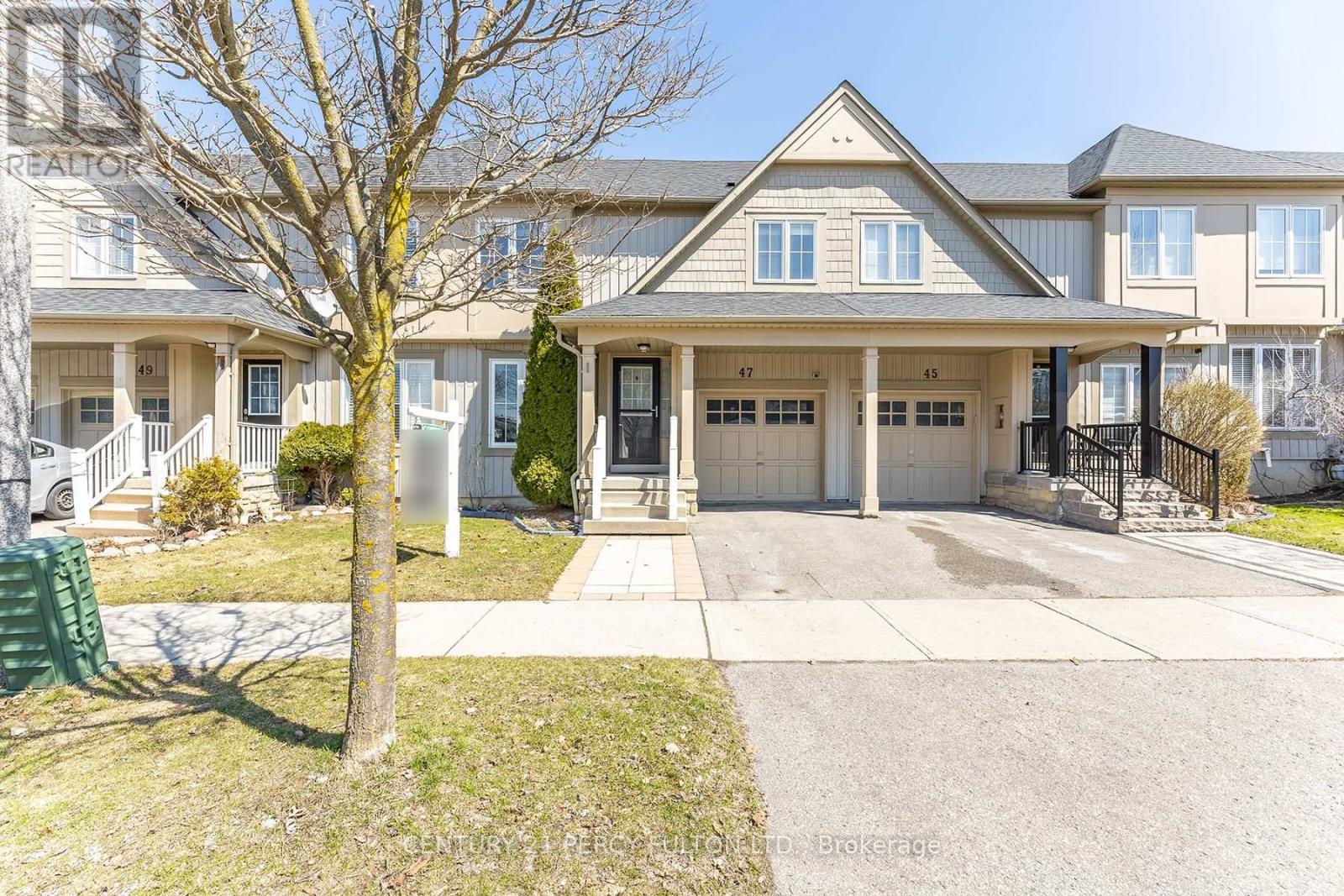 For Sale
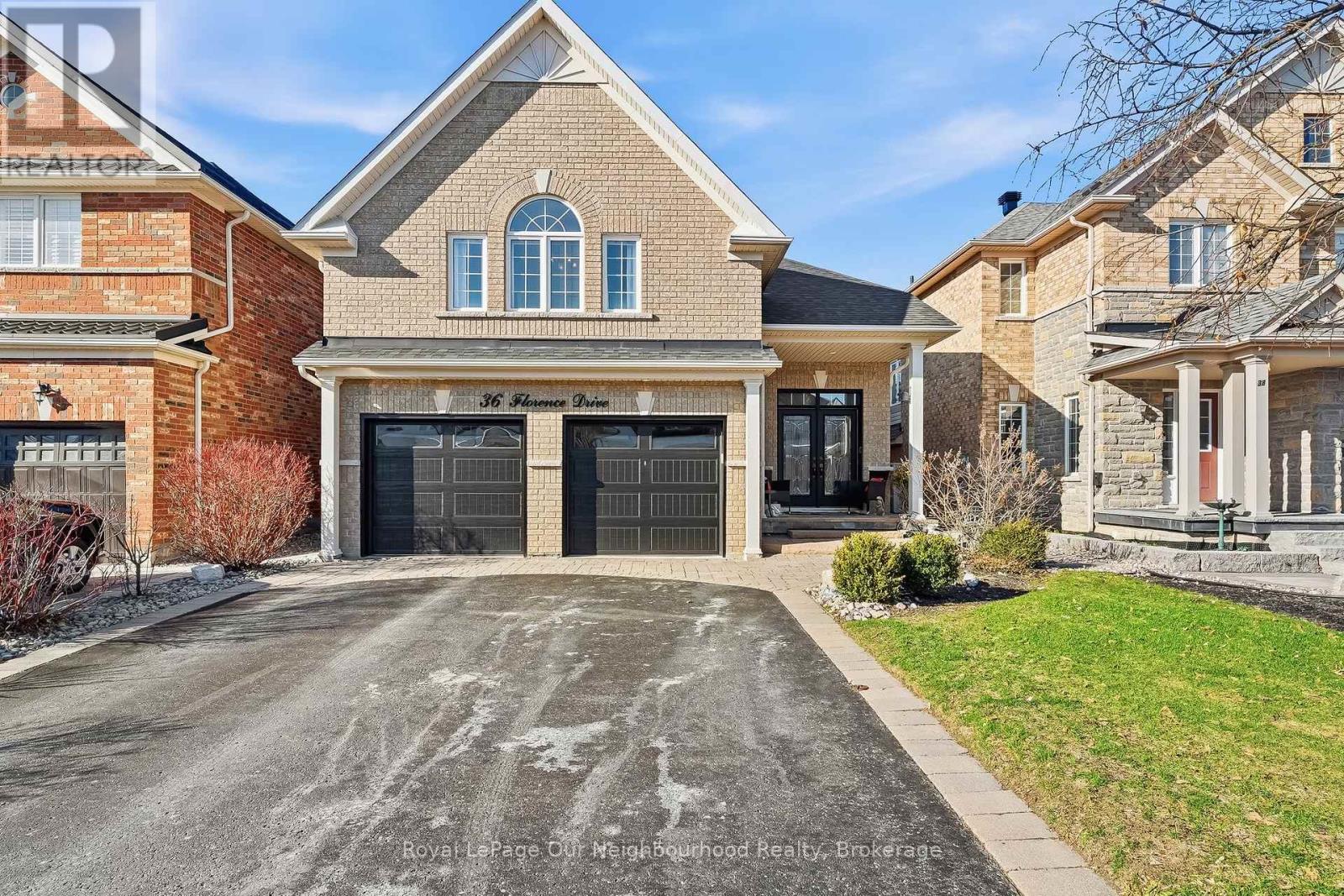 For Sale
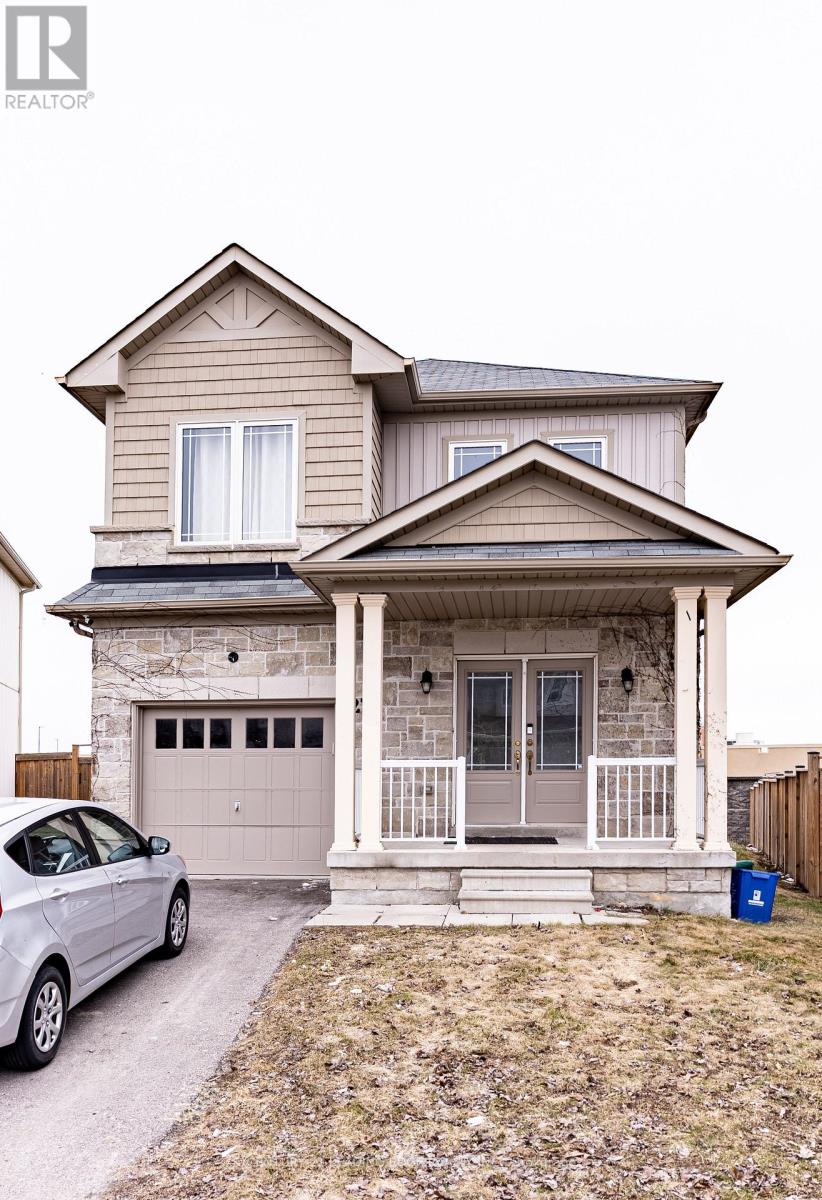 For Sale
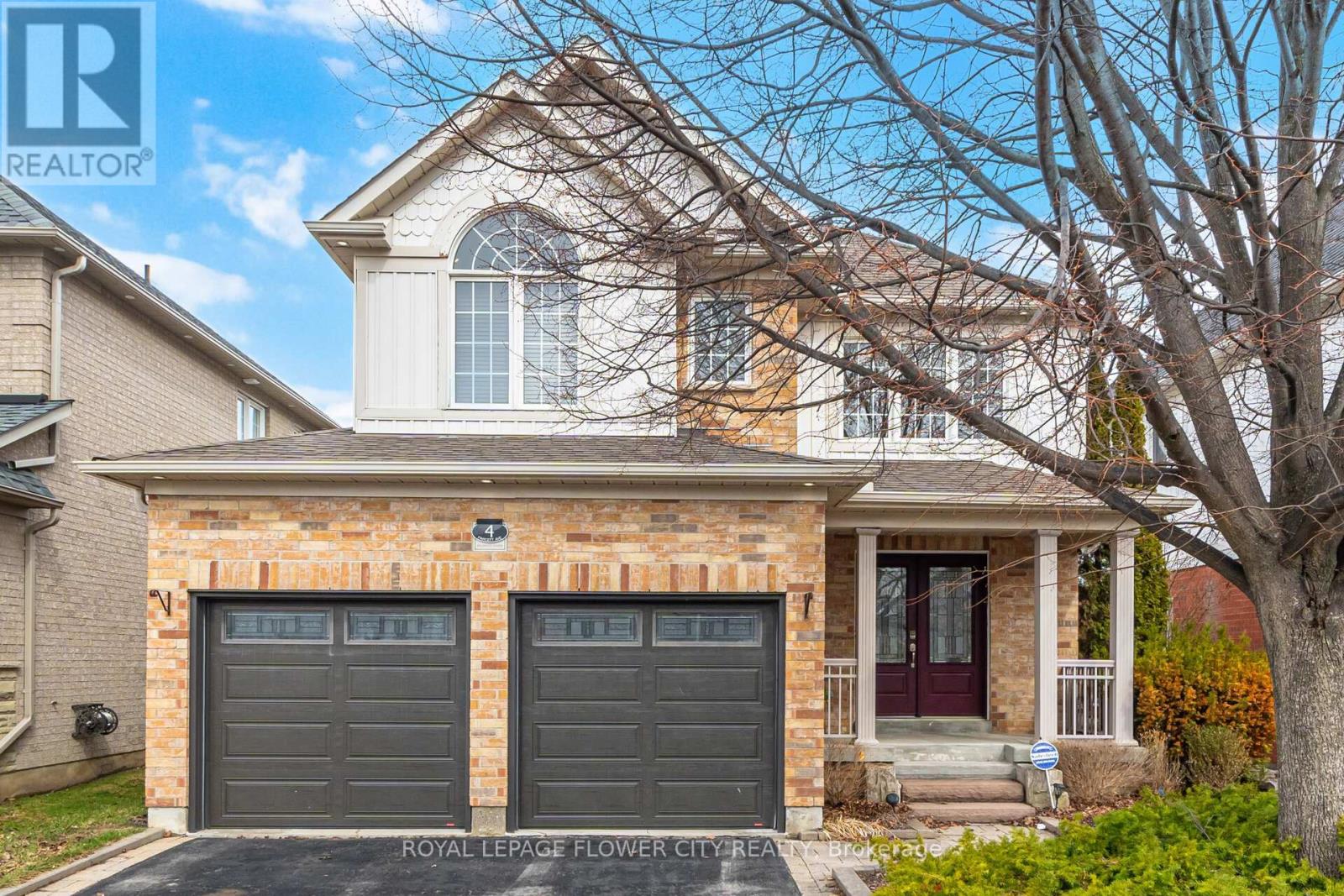 For Sale