

Junction Triangle is a literal triangle of a neighbourhood, bounded by CPR rail lines on the south and west and Dupont Street on the north, roughly between Symington Avenue and Bloor Street West. It's one of the few inner-city west-end neighbourhoods still moving through the earlier stages of gentrification, which means the prices haven't caught up to comparable areas despite the transit access and housing stock. Semis on Perth, Ernest, and Peel were selling between $800,000 and $1.1 million in early 2026, with detached homes from $1 million to $1.5 million and condos along Sterling Road from the mid-$400,000s.
Junction Triangle gets its name from its shape. CPR freight lines run along the southern and western boundaries, and Dupont Street closes the northern edge, producing a rough triangle between Symington Avenue and Bloor Street West. The rail lines aren’t decorative geography: they’re active freight corridors that set a noise baseline for the streets closest to them and shaped the neighbourhood’s working-class industrial past. They also sealed it off from the housing demand pressure that ate through Roncesvalles and Bloordale to its east and west, which is why the prices here are still recoverable for buyers who missed those windows.
The residential core sits on Perth Avenue, Ernest Avenue, Peel Avenue, and Vine Avenue. These are early 20th century working-class brick streets: narrower lots than Roncesvalles, smaller frontages than Trinity Bellwoods, same era and general construction quality. A dozen blocks of two-storey semis and the occasional detached home, built between roughly 1905 and 1930 for factory workers and tradespeople employed at the yards and shops the rail economy supported. The bones are real. The renovation quality is mixed, which creates genuine opportunity on a block-by-block basis.
The neighbourhood’s character shifted visibly after 2018 when MOCA opened in the former Tower Automotive building on Sterling Road. The Sterling corridor had been absorbing artists and studios for years before that, but the museum gave the area a recognisable identity beyond its residential streets. Condo development followed, and the mix today is original housing stock, infill townhouses from the 2000s and 2010s, and newer towers concentrated on and around Sterling. It’s a neighbourhood in transition with the transition still visible rather than complete.
The main purchase here is the early 20th century brick semi: two storeys, three bedrooms, one or two bathrooms, 14 to 18-foot frontage, small rear yard. These are narrower and smaller than comparable semis in Roncesvalles or Trinity Bellwoods, and they price accordingly. A renovated semi on Perth or Ernest with updated kitchen and bathrooms was trading between $800,000 and $1.1 million in early 2026. Properties at the top of that range are the ones with deeper lots, parking, or a second bathroom added as part of a recent renovation.
Detached homes exist in the neighbourhood but aren’t common. When they appear, they run from $1 million for something that needs work to $1.5 million for a fully renovated property on a reasonable lot. The step up from semi to detached here is less dramatic than in Trinity Bellwoods because the detached homes aren’t substantially larger than the semis they sit beside. Many were built to the same footprint with a side passage rather than a shared wall.
The condo and loft market is centred on the Sterling Road and Bloor West corridors. One-bedroom units start in the mid-$400,000s, which is among the lowest entry points for a new or recent condo in the inner west end. Two-bedrooms run from around $600,000 to $800,000. The loft conversions and boutique buildings in the Sterling arts district attract buyers who want the industrial character rather than the standard concrete tower finish. Several purpose-built rental and condo buildings from the 2010s development wave along Bloor and Dundas fill out the lower end of the price range.
Parking is available on more properties here than in Trinity Bellwoods or Roncesvalles, partly because the lots are on lanes that were built to support the working-class households who needed yard access. Not universal, but worth confirming at each specific property rather than assuming.
Junction Triangle doesn’t have the deep, competitive buyer pool that fires up spring bidding wars in Trinity Bellwoods or Roncesvalles. That’s the structural fact that keeps prices where they are. The buyers who land here are typically making a considered choice based on value: first-time buyers who’ve done the math on comparable west-end streets, investors buying ahead of the Galleria redevelopment and the Sterling corridor build-out, and creative-industry buyers who want the neighbourhood character without paying for the address.
In early 2026, most freehold listings run without formal offer dates. Properties sit longer than equivalent stock in Bloordale or Dovercourt. Well-priced semis on the interior streets, particularly Perth and Ernest, attract serious interest and occasional multiple offers, but the urgency that defines buying in Trinity Bellwoods isn’t consistently present here. That’s the opportunity and the risk in one sentence: more time to think, less confidence in a straight comparison sale six months later.
Condos are slower still. The buildings along Bloor and Dundas have inventory sitting at longer days on market, consistent with the broader 416 condo weakness. Buyers considering condos here have more room to negotiate and more choice. Units that have been on the market more than 30 days are worth a direct conversation about terms.
The Galleria redevelopment is a genuine forward-looking factor. Dufferin Street’s eastern edge gains density, retail, and a rebuilt community park over the next several years. Buyers treating this as a 10-year hold are pricing in a neighbourhood that looks different on the other side of that project’s completion.
The buyers who end up in Junction Triangle have usually considered Dovercourt, Bloordale, and sometimes Roncesvalles and decided the price gap isn’t justified by the practical difference in daily life. The transit access from Junction Triangle is genuinely good: Bloor-Dufferin and Lansdowne stations are accessible from the eastern edge, and Dundas West station a short distance south. A buyer on Perth Avenue is 10 minutes from the Bloor line on foot without any particular effort. That’s the same math that works in Bloordale, and Bloordale costs more.
A significant segment are first-time buyers who were priced out of their first-choice neighbourhood. They ran the numbers on Roncesvalles or Trinity Bellwoods, couldn’t make the entry price work, and came west looking for similar housing at a manageable cost. Junction Triangle is where that search currently ends for a lot of people. The semis on Perth and Ernest are the same era and general type as the ones on Roncesvalles Avenue at half the price, and that comparison is not lost on buyers who’ve done the touring.
Creative and arts-sector buyers specifically seek out the Sterling Road district. The combination of MOCA, the gallery cluster on Matisse Court, and the industrial-to-residential conversion buildings creates an environment that doesn’t exist in the same form elsewhere in the west end. These aren’t buyers choosing a neighbourhood despite its industrial history; they’re choosing it because of it. Reunion Coffee on Bloor has been the neighbourhood’s daily anchor for years and represents the kind of independent commercial presence that tends to precede broader neighbourhood change rather than follow it.
The CPR lines are the single most important thing to assess before buying in Junction Triangle, and most listings don’t handle it honestly. The tracks run freight, not GO service, which means the schedule isn’t predictable and overnight movements happen. Properties directly adjacent to the corridor, particularly on the southern edge of Symington and on blocks immediately beside the western boundary, sit close enough that you’ll hear the trains and feel them on certain nights. This isn’t a dealbreaker for every buyer, but it’s a real condition that varies enormously by location within the neighbourhood.
The interior streets, Perth Avenue, Ernest Avenue, Peel Avenue, and Vine Avenue, are a different experience. A block or two of building stock and urban fabric buffers those streets from the direct rail noise. Buyers on these streets report the trains as background presence rather than intrusion. The distinction matters and it isn’t visible in a listing address. The street and the specific block determine the noise exposure, not the neighbourhood name.
The practical advice is to visit the property on a weeknight. Walk to the back of the yard. Stand there for 10 minutes and see what you hear. If the listing is on a block adjacent to the corridor, do that visit after 10pm. That’s the test, and it’s the one buyers who’ve lived here recommend. The discount on rail-adjacent properties relative to interior streets reflects this difference. Buyers who can absorb the noise get the deepest value; buyers who can’t should stick to the interior streets and accept the narrower discount over Dovercourt.
Junction Triangle sellers are operating in a market that rewards honesty more than presentation. The buyers who show up here have done significant neighbourhood research, they’ve usually toured Dovercourt and Bloordale, and they arrive with specific questions about the rail corridor, about the specific street, and about what the neighbourhood looks like in five years. A listing that glosses over proximity to the tracks or presents an outdated kitchen as “original character” will get found out at the showing and lose the serious buyers it needed.
Properties that perform well here are the ones where the work matches the era. A renovated Victorian semi that keeps original hardwood, plaster moulding where it exists, and exposed brick in a basement or kitchen conversion sells to exactly the buyer who chose this neighbourhood over a condo in Etobicoke. A semi where every original detail has been replaced with builder-grade laminate and pot lights is competing in a different category and at a different price point.
Timing follows the same broad pattern as the rest of the city: spring listings from February through May attract the best-prepared buyers, October produces the second window of serious activity, and listings that appear in November or December are typically held by sellers with specific reasons. Unlike Trinity Bellwoods or Roncesvalles, Junction Triangle doesn’t see the same concentration of bidding wars in the spring window, which means a well-priced spring listing here gets a deeper buyer pool than usual without necessarily producing the multiple-offer situation its equivalent in Roncesvalles would attract. That can work in a seller’s favour if the pricing is set to invite competition rather than assume it.
Sterling Road is the neighbourhood’s cultural centre and its most photographed street. The former Tower Automotive building that houses MOCA runs most of a block and gives the strip its industrial scale. The galleries, studios, and creative tenants clustered around Matisse Court and the adjacent blocks were there before MOCA and have stayed since: this is a working arts district rather than a branded one, and the difference is noticeable. On a Friday evening during an opening, Sterling Road has the specific energy of a street that grew into its identity rather than having it designed in.
Bloor Street between Dufferin and Lansdowne is the neighbourhood’s daily commercial street. Reunion Coffee has anchored the block for long enough that regulars treat it as furniture. The Dufferin and Lansdowne node has independent retail, takeout, and services. It’s not the Bloor Street of the Annex or Bloor West Village, but it’s a functional and improving strip with the density to support good independent businesses. The Galleria site redevelopment to the east on Dufferin will add retail options and a rebuilt community park over the next several years, which changes the calculus for that end of the neighbourhood.
Dundas Street West through the neighbourhood has the younger commercial character that Dundas tends to carry in this part of the city: cafes, a few bars, vintage clothing, the sort of retail that moves in before rents fully catch up. It’s where the neighbourhood runs its daily life rather than its weekend evenings.
The transit case for Junction Triangle is stronger than its reputation suggests. Bloor-Dufferin subway station sits on the eastern edge of the neighbourhood at Bloor and Dufferin. Lansdowne station is accessible from the eastern side as well. Dundas West station, on the Bloor-Danforth line, is a short distance south and connects the southern edge of the neighbourhood to the subway. From a mid-block address on Perth Avenue, you’re 10 to 15 minutes on foot from the Bloor line on any route you choose, which is comparable to mid-block addresses in Bloordale and better than some parts of Roncesvalles.
The 29 Dufferin bus runs north-south along the eastern boundary and connects to Bloor-Dufferin station and down to Exhibition. The 505 Dundas streetcar runs east to Dundas West subway station. Neither is especially fast, but both connect reliably to the subway network. Downtown Bloor-Yonge is 20 minutes by subway from Dufferin station, which puts most of the city within 30 to 40 minutes on transit from the residential streets.
Cycling is practical and common. The Bloor bike lanes run east from Dufferin through the Annex and across the Bloor Viaduct. Sterling Road and Dundas West both have bike infrastructure at varying quality levels. A cyclist from Perth Avenue can reach King and Bay in about 25 minutes on a flat route, which for many residents is the standard commute. Car ownership is useful but not required, and that’s a meaningful distinction for buyers who are weighing the cost of parking against the cost of the address.
Dovercourt and Bloorcourt Village are the most direct comparisons for Junction Triangle buyers. The housing stock is the same in type and era: early 20th century brick semis and detached homes, similar lot widths, same general construction quality. Bloorcourt has a more established Bloor Street commercial strip, more retail options within walking distance, and slightly better elementary school catchment options. It also costs roughly 10 to 15 percent more for equivalent freehold properties. That gap exists because the neighbourhood is further along in the cycle, not because the houses are better. Junction Triangle today looks similar to what Dovercourt looked like 10 years ago, and buyers who made that comparison on Ossington relative to Trinity Bellwoods a decade ago and chose the cheaper option came out well.
Roncesvalles is a larger jump in both price and character. Roncesvalles semis run $300,000 to $500,000 more than equivalent properties in Junction Triangle for houses of similar size and era. High Park anchors the western edge of Roncesvalles and is a substantially larger green space than anything Junction Triangle offers. The trade-off is a neighbourhood that feels fully established, with a commercial strip that serves families rather than explorers, and a depth of buyer demand that produces consistent resale strength. Junction Triangle buyers who picked Roncesvalles as their first choice but couldn’t absorb the price usually find the practical difference in daily life is smaller than the price difference implies.
The Junction itself, to the west on Dundas West, is a different neighbourhood entirely. It has good independent retail and the Keele Street node, with higher detached prices driven by lot size and buyer competition from High Park-adjacent buyers. Junction Triangle shares a name fragment but not a market with the Junction.
The school options within the Junction Triangle catchment are modest, and families with specific academic priorities usually build a separate plan before buying. Brock Public School at Perth and Brock is the main TDSB elementary option for the residential core. It’s a neighbourhood school with a small student body and a reasonably close-knit community, but it doesn’t carry a strong academic reputation and doesn’t offer French Immersion within the building. Families who want French Immersion apply separately through the TDSB, which means a different school and likely a different commute for school-age children.
For secondary school, the catchment runs to Bloor Collegiate Institute on Bloor Street East, which has a well-regarded arts program and mixed academic results. It’s a large school with the range of outcomes that large urban high schools tend to produce. Families who need a specific academic program, a gifted stream, or an IB curriculum will be looking at program schools that require separate applications, or at private options.
The honest summary is that Junction Triangle works well as a family neighbourhood for households with children in the early elementary years, and the school question becomes more pressing as secondary approaches. Families who know they want a specific secondary outcome often plan to reassess their housing situation before that decision arrives. A two-block difference in address can place a child in a different school catchment, so it’s worth verifying current boundaries with the TDSB boundary tool rather than relying on what neighbouring families report.
How noisy is living in Junction Triangle because of the rail lines? The CPR freight lines that define the neighbourhood’s southern and western boundaries run active trains, and proximity to the corridor matters enormously. Streets immediately adjacent to the tracks, including the southern end of Symington and blocks closest to the Dupont and Bloor rail crossings, get noise and occasional vibration from overnight freight. The interior residential streets, Perth Avenue, Ernest Avenue, Peel Avenue, and Vine Avenue, are buffered enough that the trains register as background rather than intrusion. The honest advice is to visit the specific street on a weeknight, stand in the back yard after 10pm, and see what you hear. The tracks shaped the neighbourhood’s geography and priced it accordingly. Buyers who do that site visit and find the noise acceptable get the best freehold value in the inner west end.
What is happening with the Galleria Mall redevelopment? The Galleria Mall site on Dufferin Street, just east of the Junction Triangle boundary, is being redeveloped into a large mixed-use complex with residential towers, retail, office space, and a rebuilt community park. The project has been approved and construction is proceeding in phases. For Junction Triangle buyers, this is genuinely significant: Dufferin Street gains a new retail and community hub, and the neighbourhood gains density on its eastern edge that will improve the street-level experience along Dufferin over the coming years. It’s one of the structural reasons buyers with a 10-year horizon are making their move now.
How does Junction Triangle compare to Dovercourt and Bloorcourt Village? The housing stock is the same in type and era. The practical difference is that Bloorcourt has a more established Bloor Street commercial strip and prices that run roughly 10 to 15 percent higher for equivalent freehold properties. Junction Triangle’s discount reflects the rail corridor, the earlier stage of neighbourhood development, and less retail density rather than any fundamental difference in housing quality. The transit access is comparable: both sides of Dufferin have Bloor line stations within a reasonable walk. Buyers who ran the same analysis on Ossington relative to Trinity Bellwoods a decade ago and chose the cheaper neighbourhood came out well. That’s the frame most Junction Triangle buyers are working with.
What is MOCA and how has it affected the neighbourhood? MOCA, the Museum of Contemporary Art Toronto, opened in 2018 in the former Tower Automotive building on Sterling Road, a five-storey industrial structure from the 1910s with the original character largely intact. MOCA’s arrival on Sterling Road accelerated what was already happening along that corridor: artists’ studios and galleries that had been there for years gained a major cultural anchor, and the area got visibility beyond the neighbourhood. Several condo developments followed on Sterling and nearby blocks. The cluster around Sterling Road and Matisse Court is now one of the more genuine arts districts in the city. It wasn’t designed to be one, which is precisely why it works.
Junction Triangle’s shape and character both come from the same source: the railway. When the CPR and Grand Trunk lines were consolidated through this part of Toronto in the late 19th century, the rail corridors carved a wedge out of the city’s west end and set limits on what could be built and where. The neighbourhood that grew inside those limits was industrial and working-class, populated by the workers who staffed the rail yards, machine shops, and small manufacturers that the freight economy supported. The housing built to serve them, the brick semis on Perth, Ernest, and Peel, reflected the modest incomes and practical priorities of families who needed transit and not much else.
Through most of the 20th century, Junction Triangle sat outside the attention of buyers and investors who were focused on the more polished west-end addresses. The rail lines that defined it also insulated it. The industrial tenants along Sterling Road and the Dupont corridor stayed as the economy shifted around them, and when those buildings began to empty in the 1990s and 2000s, artists and studios moved in because the rents were low and the space was real. That organic process produced the Sterling Road arts district that MOCA formalised in 2018.
The residential streets followed the pattern that industrial-to-arts transitions tend to produce: first artists, then professionals who want to live near artists, then the broader buyer pool that prices artists back out. Junction Triangle is in the middle of that sequence, far enough along that the neighbourhood character is established and the infrastructure is present, but not so far that the prices have fully caught up to what the location justifies. The rail lines that historically held the neighbourhood back now define a distinctive geography that buyers specifically seek out.
Street-level knowledge is hard to find online. Our team works in Junction Triangle every day. They know which pockets hold value, where the school catchment lines actually fall, and what the market is doing right now. Talk to us before you make a decision about Junction Triangle.
Talk to a local agent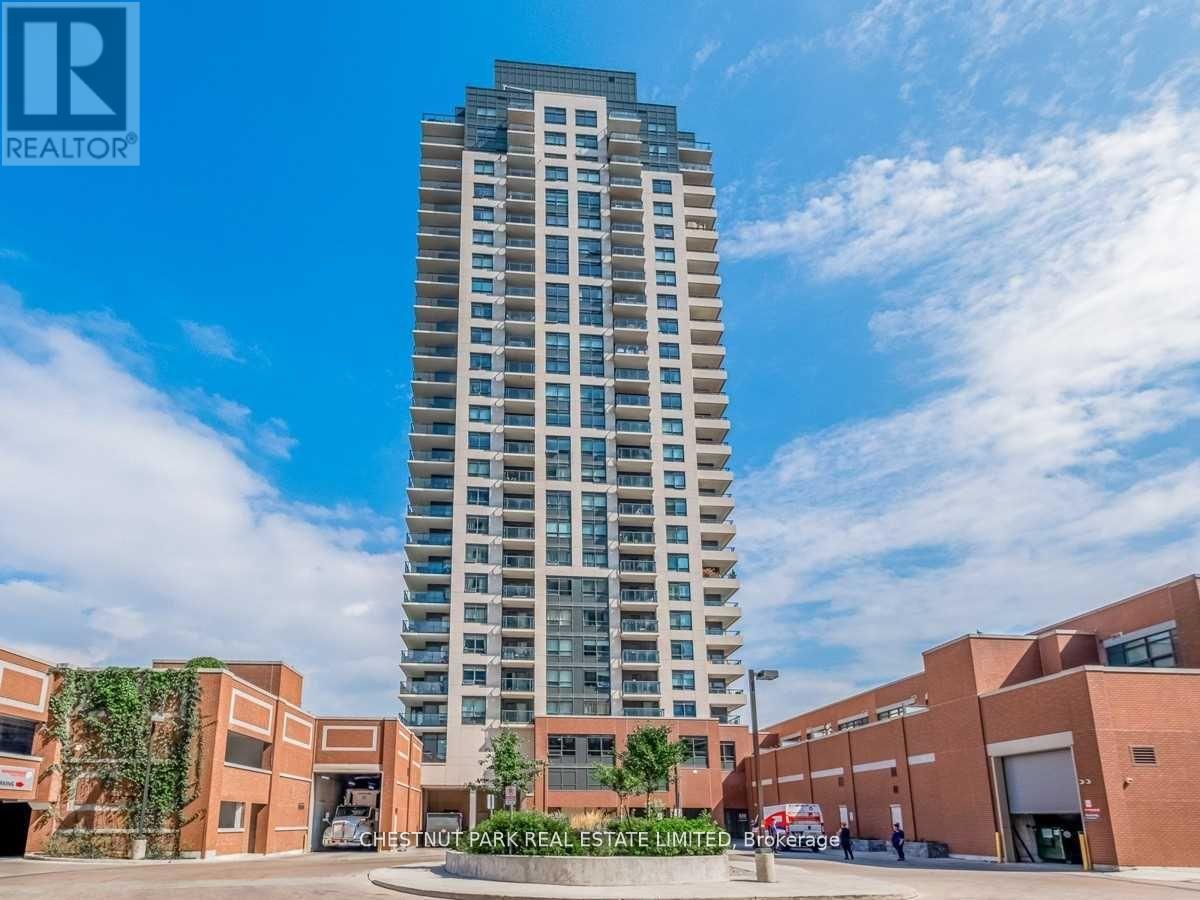 For Rent
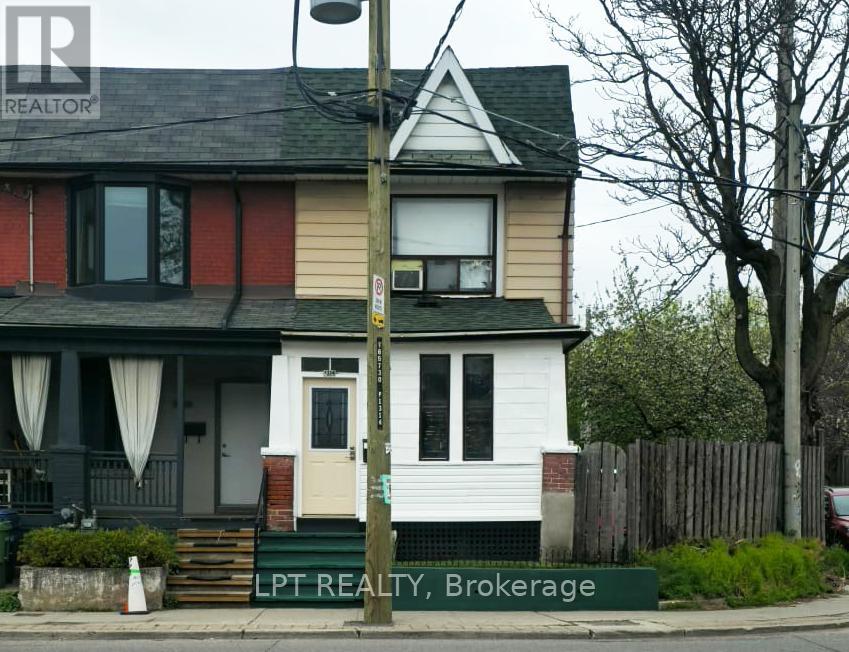 For Sale
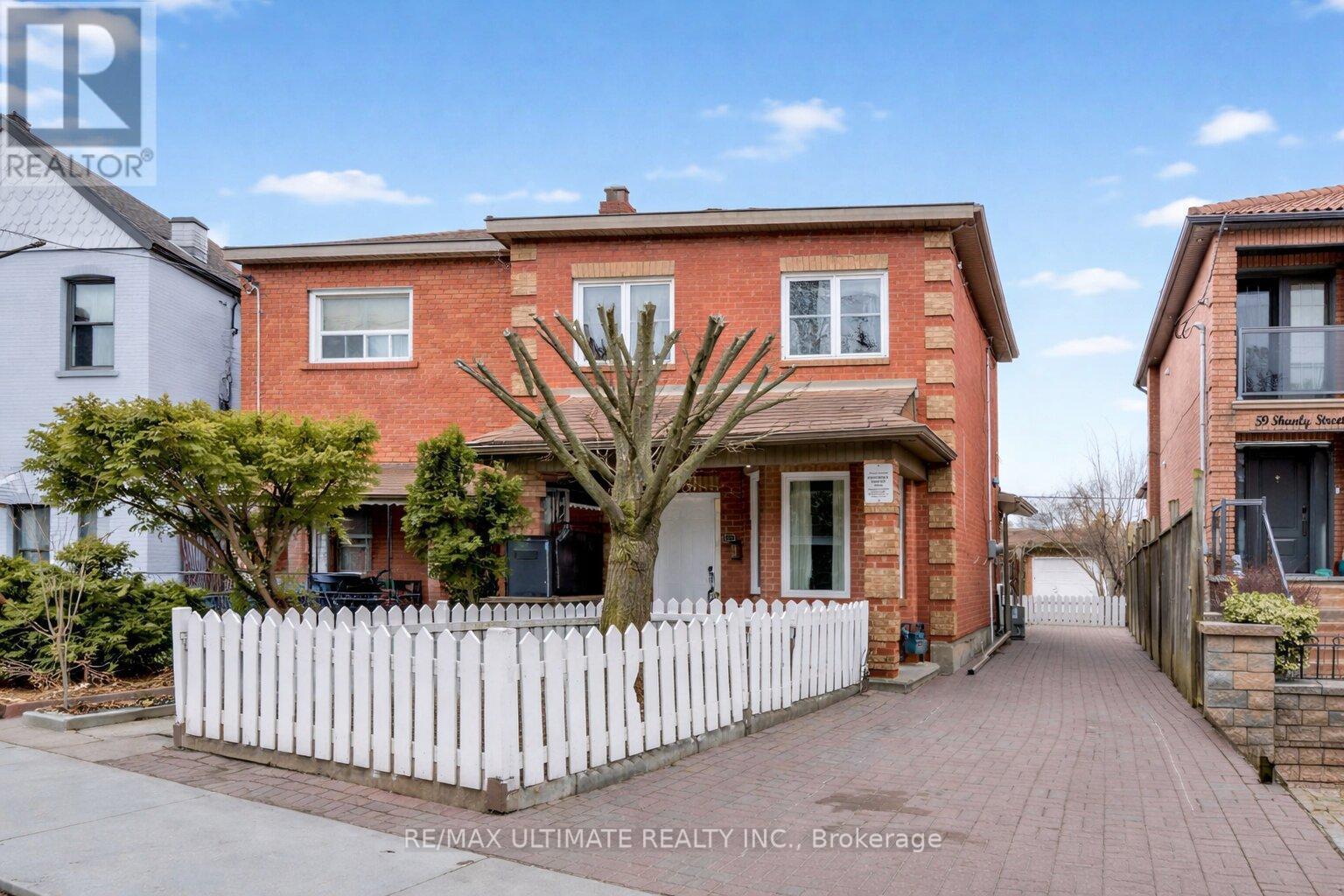 For Sale
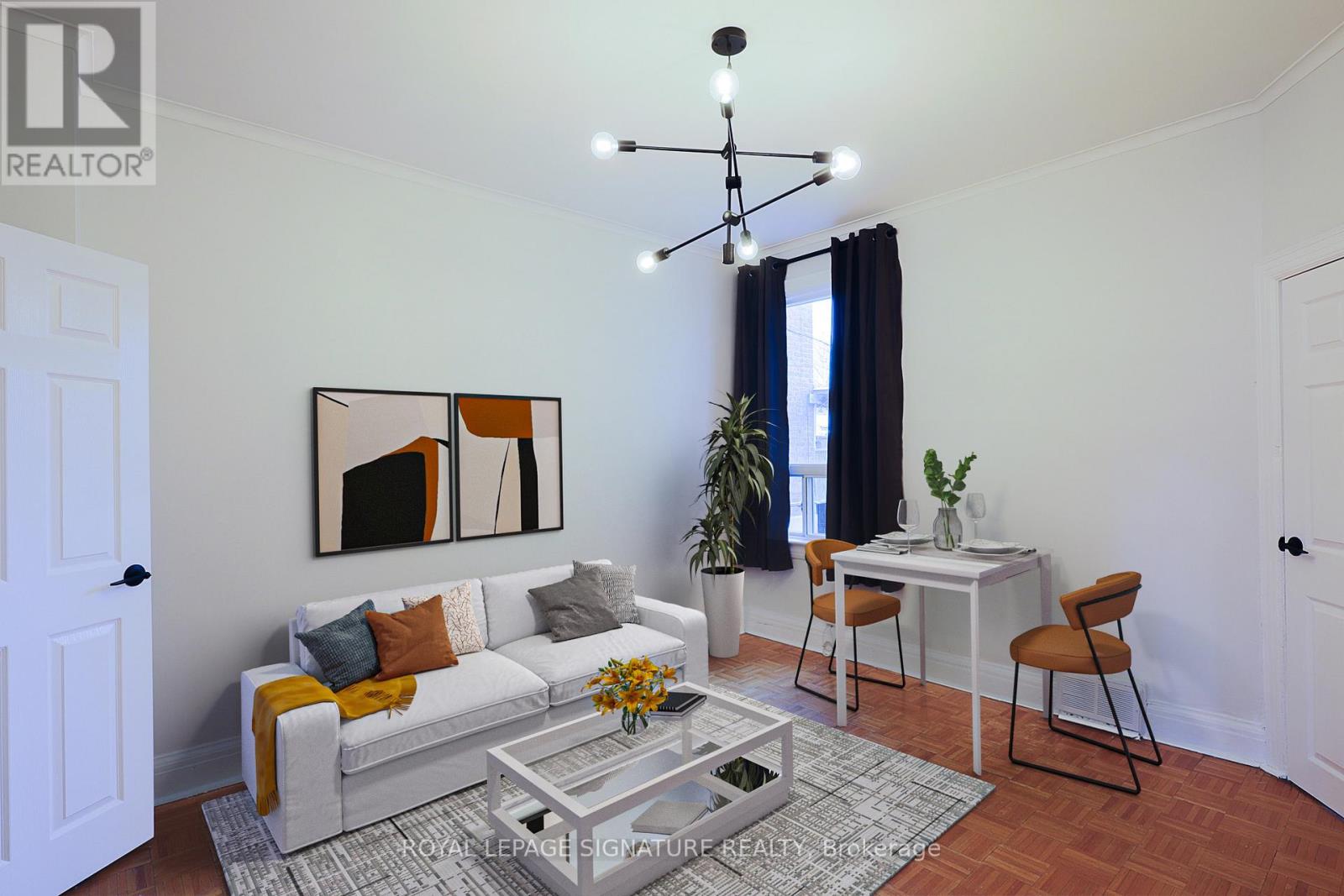 For Rent