
Kleinburg is a historic arts village at the northern edge of Vaughan, built along the Humber River valley. Home to the McMichael Canadian Art Collection and a protected heritage main street, it combines genuine village character with some of the most expensive residential real estate in York Region.
Kleinburg sits at the northern edge of Vaughan, tucked along the Humber River valley where the city’s ambitions give way to something older and quieter. It’s one of the few places in the GTA where you can walk a heritage main street, visit a world-class art gallery, and come home to a multi-million dollar estate property — all without leaving the same postal code. That combination is rare, and the market reflects it.
The village itself was established in the mid-1800s and retains a physical character you won’t find further south in Vaughan. Nash’s Fine Art and Antiques, boutique restaurants, and heritage storefronts line Islington Avenue through the old core. The McMichael Canadian Art Collection anchors the cultural identity of the place — 100 acres of conservation land holding Canada’s most significant collection of Group of Seven and Indigenous art. It draws visitors from across the country and gives Kleinburg a cultural credibility that no amount of new development can manufacture.
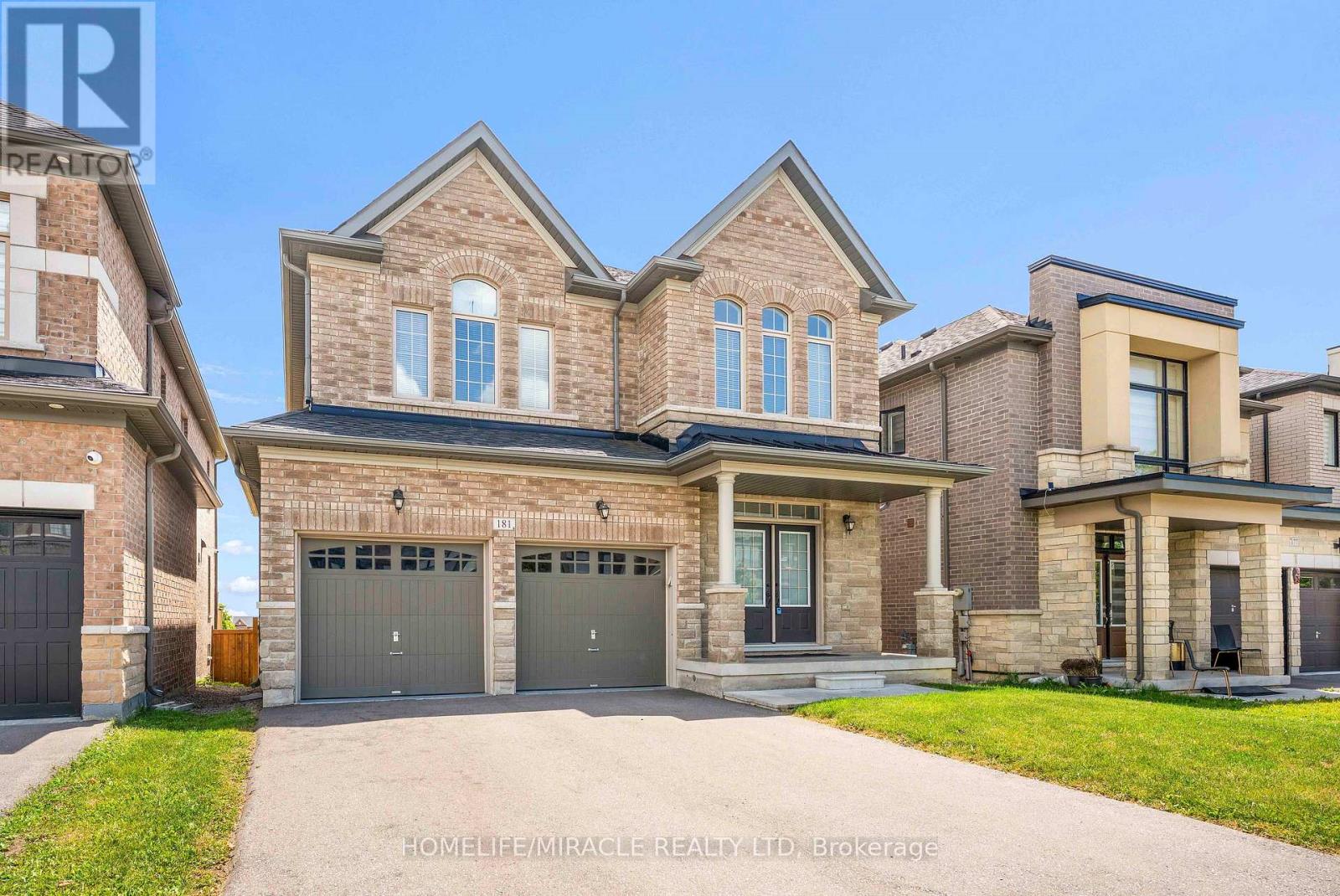
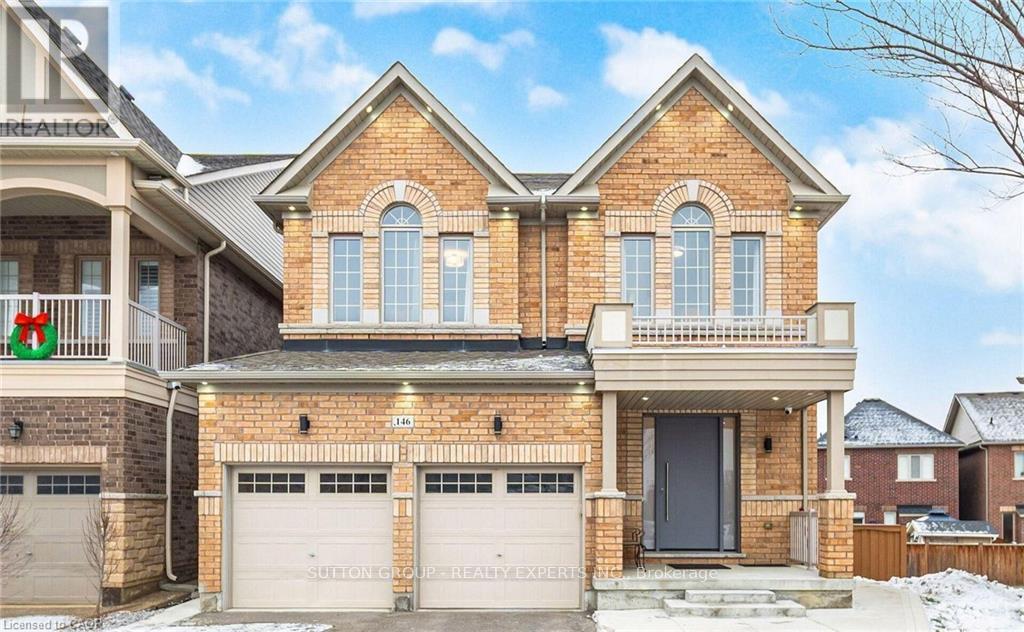
Outside the heritage core, Kleinburg has grown substantially over the past two decades. The communities of Kleinburg Summit, Vellore Woods, and the estates along Pine Valley Drive and Humber Station Road represent some of the most expensive new housing in all of Vaughan. Detached homes on premium lots, custom builds, and estate-scale properties with conservation land views are the norm rather than the exception. The buyers here are not trading up from Woodbridge — they’re arriving from Forest Hill, Thornhill, and Oakville.
Highway 427 and Highway 50 connect Kleinburg southward to the 400-series network, and the drive to downtown Toronto runs about 45 to 55 minutes outside of peak hours. That commute is a conscious trade-off that Kleinburg buyers make willingly — the character of the place is the point. There is no subway coming here. There is no Vaughan Mills. The trade is urban access for genuine village character, and for the buyers who want that trade, Kleinburg is effectively unique in the GTA.
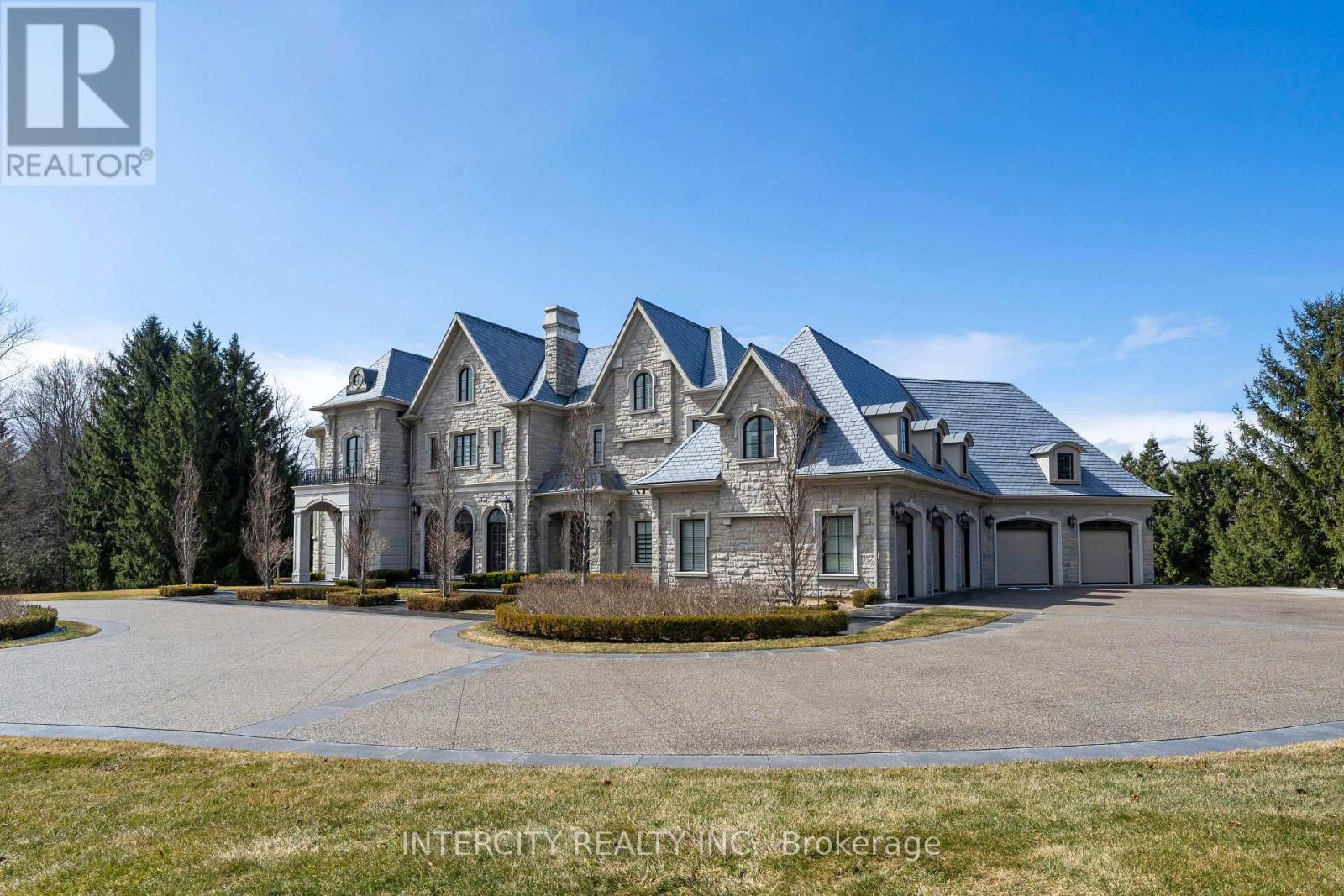
Kleinburg operates at the premium end of the Vaughan market, and its price points reflect that consistently. Detached homes in the newer Kleinburg Summit community typically trade in the $1.6 million to $2.4 million range depending on lot size, finish level, and proximity to the conservation lands. Custom estate properties on larger lots along Humber Station Road, Pine Valley Drive, and the established enclaves closer to the village can reach $3 million to $6 million and beyond — with the ceiling effectively set by what a buyer will pay for a view of the Humber River valley and a custom build with no neighbours in sight.
Heritage homes within the village core itself trade less frequently but command a premium when they come to market. A restored century home on Islington Avenue or one of the village side streets will attract buyers specifically seeking that character — not buyers comparing it to new builds down the road. These are different products serving different motivations, and the village inventory is thin enough that serious interest tends to convert to an offer quickly.
Townhomes and semi-detached properties exist in the newer planned sections of Kleinburg, where the price range drops to $900,000 to $1.3 million, making the community accessible to buyers who want the Kleinburg address and the school catchments without the estate price tag. These products trade more like the broader Vaughan market — seasonally sensitive, volume-driven, and more negotiable in softer conditions.
In 2024 and into 2025, the luxury end of Kleinburg has been more resilient than the broader Vaughan market. Demand for properties above $2 million has held reasonably well, partly because the buyer profile is less rate-sensitive than the typical first or second move-up buyer. Estate purchasers are often equity-rich and partially financing — meaning Bank of Canada rate decisions affect them less dramatically than they affect the $1.1 million townhome buyer. Days on market at the high end have stretched, but prices have not fallen sharply.
The Kleinburg market divides cleanly into two segments that behave differently and require different strategies. The estate and luxury segment — properties above $1.8 million — operates with longer listing timelines, more selective buyers, and pricing that reflects unique attributes rather than per-square-foot comparables. The newer planned community segment behaves more like the standard Vaughan market: comparable-driven, seasonally patterned, and responsive to rate movements.
Inventory in Kleinburg has historically been constrained at both ends. New construction in Kleinburg Summit and the adjacent planned communities releases in phases and sells through relatively quickly, particularly for detached homes on premium lots. The resale market in the village core and on the estate streets is thin by nature — these are properties that trade once every decade, and buyers looking for them need to work with agents who track the area closely and can identify off-market opportunities before listings appear on MLS.
The 2022-2023 correction hit Kleinburg’s mid-range product harder than its top end. Properties in the $1.2 million to $1.8 million range saw meaningful price softening from the 2022 peaks, and the recovery through 2024 has been partial rather than complete. The estate market above $2.5 million effectively has its own dynamics — thin enough in volume that one or two unusual sales can skew the apparent trend in either direction.
Buyer activity in 2024 picked up through spring and moderated again through summer, consistent with broader York Region patterns. The fall 2024 market showed continued interest from buyers priced out of comparable communities further south and east. With interest rate relief beginning to materialize through late 2024 and into 2025, the entry-level detached segment in Kleinburg’s newer communities is attracting renewed attention from buyers who had been waiting on the sidelines since 2022.
Kleinburg attracts a buyer profile that is distinct from most of Vaughan. At the estate level, the typical purchaser is in their late 40s to 60s, has already cycled through Toronto’s move-up market, and is buying for lifestyle rather than investment return. They’re not comparing Kleinburg to Woodbridge or Maple — they’re comparing it to King City, Caledon estate communities, or country properties in Mulmur or Grey County. They want acreage or the feel of it, conservation land proximity, a real village within walking distance, and a premium home that looks like it was designed rather than produced.
A second significant buyer profile is the family relocating from Toronto’s established neighbourhoods — Forest Hill, Lawrence Park, Rosedale, Moore Park — who want to stay in a community with genuine character and cultural amenities without accepting the density of Thornhill or the pure suburban uniformity of newer Vaughan. The McMichael, the village main street, and the trail network are not incidentals for these buyers — they’re requirements.
The newer planned communities in Kleinburg Summit attract a younger family buyer, typically mid-30s to mid-40s, who values the Kleinburg school catchments, the quieter character compared to central Vaughan, and the access to green space. These buyers often have Italian Canadian or South Asian family connections elsewhere in Vaughan and are seeking a premium within the York Region market they already know.
International buyers and new Canadians represent a smaller share of Kleinburg’s market than in VMC or the more urban parts of Vaughan — the village character and the estate product type tend to attract buyers with longer local roots who understand and specifically seek what Kleinburg offers. That said, demand from buyers arriving from Hong Kong, Iran, and parts of South Asia for premium detached product has been a consistent presence in the broader Vaughan luxury market, including here.
Islington Avenue through the historic village core is the street that defines Kleinburg’s identity. The heritage commercial strip, the stone and brick buildings, the proximity to the McMichael and the river valley — this is the street buyers mean when they say they want to live “in Kleinburg.” The residential streets running off this core, including Nashville Road to the north, carry a mix of heritage homes and properties that have been substantially renovated or rebuilt over the decades. Inventory here is rare and prized.
Humber Station Road and the surrounding estate streets represent Kleinburg at its most expensive and most private. Properties here sit on large lots with river valley or conservation land exposure, often custom-built and rarely appearing on MLS. Pine Valley Drive, running north-south through west Vaughan, connects to some of the most expensive residential land in the region — buyers who reference “the Pine Valley corridor” in Kleinburg typically mean the estate enclaves along this axis and the ravine exposures they offer.
Kleinburg Summit, the master-planned community developed primarily through the 2010s and early 2020s, sits northeast of the historic core along Kirby Road and Major Mackenzie Drive West. The streets here — names like Filomena Lane, Binder Twine Trail, and Conservation Drive — reflect the developer’s effort to echo the village character in the new build context. The product ranges from townhomes to large detached homes, with premium lots backing onto the McMichael conservation lands commanding the highest prices in the development.
The stretch along Rutherford Road where it meets the Kleinburg area offers more recently completed homes at slightly lower price points, serving buyers who want the community’s school catchments and general character without the top-of-market premiums. These pockets are actively developing and the street infrastructure is newer throughout.
Kleinburg’s transit situation is honest: if you need to get to downtown Toronto regularly without a car, this is not the right community. There is no GO station in Kleinburg itself, and the nearest rapid transit options are a significant drive south. Highway 427 extends north and connects to Highway 50 and the local road network, giving car commuters a viable if slow-in-peak-hours route south toward the 400/401 interchange and the downtown expressway network. The drive from Kleinburg to Union Station runs 55 to 75 minutes in typical morning rush conditions.
York Region Transit serves the area with bus routes connecting southward into the broader Vaughan network, but service frequency is limited and the practical utility for daily Toronto commuters is low. The closest GO station with meaningful service is Maple GO on the Barrie line, roughly a 15-minute drive from Kleinburg’s village core. From Maple GO, the train to Union Station takes approximately 40 minutes and runs frequently during peak periods. Many Kleinburg residents use this combination — drive to Maple, park, and train in.
The Vaughan Metropolitan Centre subway station at the Jane and Highway 7 intersection, the northern terminus of the Toronto-York Spadina extension, is accessible from Kleinburg by car in roughly 20 to 25 minutes in off-peak conditions, adding another option for buyers who need subway connectivity. Parking at VMC is available, though the GO train option from Maple is typically faster and more comfortable for the downtown-bound commuter.
Highway 427 northward through Kleinburg connects to the 400-series network efficiently. Highway 400 access is approximately 20 minutes east, and Highway 407 ETR provides a faster east-west option for buyers whose employment destinations are distributed across the 905 rather than concentrated in downtown Toronto. For buyers working in the Vaughan Employment Zone, the 427/400/407 network makes Kleinburg genuinely accessible.
The McMichael Canadian Art Collection property encompasses over 100 acres of conservation land in the Humber River valley, and while it’s primarily a cultural institution, its physical presence defines the green character of Kleinburg. Trails wind through the forested grounds along the river, and the conservation land buffers the village from development pressure in a way that few GTA communities can claim. Access for residents is a short walk or drive from anywhere in the historic village core.
The Humber River itself runs through Kleinburg and is the source of the valley character that defines the community’s most desirable real estate. The river valley land is protected through a combination of TRCA (Toronto and Region Conservation Authority) jurisdiction and Vaughan’s own official plan policies, which limits where development can occur and ensures that the ravine and valley exposures that back some of Kleinburg’s premium properties will remain green. Buyers paying a premium for conservation land views are buying something that’s structurally protected from being built out.
Kleinburg’s parks within the newer planned communities are well-designed and well-maintained. The parks in Kleinburg Summit include open play areas, pathways connecting to the conservation trail network, and stormwater management features integrated into the landscape. The overall green space ratio in this part of Vaughan is higher than in denser communities further south.
The Binder Twine Park at the heart of the historic village hosts the annual Binder Twine Festival in September — a longstanding community event that draws visitors from across the GTA and reinforces the village’s agricultural heritage identity. It’s a small park by area but significant in how it anchors the community’s sense of itself. For buyers who want a neighbourhood with an actual local identity rather than a street name and a subdivision, these kinds of places matter.
Kleinburg’s village commercial strip along Islington Avenue is small in scale but high in quality. Fine art galleries, antique dealers, specialty food shops, and well-regarded restaurants occupy the heritage storefronts. Nash’s Fine Art and Antiques has been a fixture here for decades. There are several restaurants with strong local reputations — casual and higher-end — and the overall character of the strip is closer to a Prince Edward County village than a Vaughan suburb. That’s deliberate. The city of Vaughan has heritage protection designations in place that limit the type of commercial development that can occur here.
For everyday retail needs — groceries, pharmacy, hardware, larger format retail — Kleinburg residents drive south. The Kleinburg Crown development on Highway 50 adds some convenience retail at the community’s edge. More substantially, the Vaughan Mills mall at Highway 400 and Bass Pro Mills Drive is roughly 20 minutes south and covers virtually every major retail category. Costco, HomeSense, SportChek, Bass Pro Shops, and a large food court serve as the regional draw. Promenade Mall at Yonge and Clark, Vaughan’s older regional centre, is approximately 25 minutes east and adds further retail options.
Kleinburg falls within York Region District School Board (YRDSB) and York Catholic District School Board (YCDSB) catchments. The public elementary school serving the community is Kleinburg Public School, which has a strong parent community and a positive reputation consistent with the demographic profile of the area. The newer Kleinburg Summit communities feed into additional schools as the community has built out — buyers should confirm current boundary assignments with YRDSB directly, as boundaries in growing Vaughan communities shift as new schools open.
Secondary school students from Kleinburg typically attend Vaughan Secondary School or Tommy Douglas Secondary School depending on their specific address and the year in question. Both schools are comprehensive programs with standard academic pathways. As with all of York Region, the presence of independent schools is significant — a number of Kleinburg families opt for private or independent school placements in the Vaughan and Toronto area given the area’s income profile, and a review of independent school options is a routine part of the relocation process for estate-level buyers.
The Catholic school system, operated by YCDSB, serves Kleinburg’s Catholic families with elementary options in the community and secondary placements at Father Bressani Catholic High School in Woodbridge, which has a strong academic reputation and is one of the more sought-after YCDSB placements in the region. The school’s Italian Canadian heritage roots align with a significant portion of the Kleinburg area community, and its programming reflects a longstanding emphasis on languages, arts, and academic preparation.
Private tutoring, enrichment programs, and extracurricular sports are well-supported by the community’s income profile and the availability of programs through Vaughan’s recreation system. The City of Vaughan operates recreation facilities across the municipality, and the Kleinburg community centre provides programming closer to home for younger residents.
Development in Kleinburg is constrained by design. The historic village core is protected through heritage designations that limit demolition and require compatible infill. The conservation land around the McMichael and along the Humber River valley restricts where residential expansion can occur. The net result is that the supply of new housing in Kleinburg is tightly controlled, which is part of why prices here hold at a premium to the rest of Vaughan.
The primary growth area has been Kleinburg Summit, developed by Mattamy Homes and other builders through the 2010s and early 2020s on the lands north and east of the historic core. This master-planned community has now largely built out in its initial phases, though additional phases and parcels continue to come to market as the city processes secondary plan amendments. The product mix in remaining phases skews toward larger detached homes as the builders have reserved premium lots for premium product.
Intensification within the village commercial core is limited and slow-moving. There has been periodic discussion of mixed-use development at the edges of the heritage district, but community opposition and heritage protections have generally constrained these proposals. Kleinburg is not on a trajectory toward density in the way that Maple, VMC, or even Patterson are — the community’s identity and its official plan protections work against the kind of high-rise or mid-rise infill that’s reshaping other parts of Vaughan.
The broader Vaughan Urban Area expansion has added some employment land and commercial development along Highway 50 at the community’s edges, including the Kleinburg Crown commercial development. These additions serve local convenience needs without fundamentally altering the character of the village itself. Future development pressure will continue along the Highway 427 extension corridor, but the most significant residential growth in north Vaughan is being directed toward other communities rather than through the Kleinburg heritage core.
Q: What makes Kleinburg different from other luxury communities in Vaughan?
A: Kleinburg has something the others don’t: a genuine pre-development identity. The historic village core, the McMichael Canadian Art Collection, and the Humber River valley all predate the residential growth and aren’t manufactured as amenities. Communities like Patterson or Vellore Village are well-designed and well-serviced, but they were built from scratch around residential demand. Kleinburg was already a place before the luxury homes arrived. That gives it a cultural and physical character that buyers willing to pay $2 million or more for a home often specifically want, and it’s not something that can be replicated by adding a community centre or naming streets after local history.
Q: Is Kleinburg practical for daily commuting to downtown Toronto?
A: It depends on your tolerance and your flexibility. Driving from Kleinburg to downtown Toronto takes 55 to 75 minutes in typical morning rush conditions via Highway 427 and the Gardiner or Allen Road. Many residents drive to Maple GO station, roughly 15 minutes away, and take the Barrie line train to Union Station in about 40 minutes — that’s a more predictable and comfortable option than driving the whole way. The subway at VMC is accessible in roughly 20 to 25 minutes by car. If you commute daily to a downtown office at fixed hours, the logistics are manageable but require planning. If your schedule is flexible or your work is partly remote, Kleinburg is considerably more practical than the raw distance might suggest.
Q: Are there townhomes or more affordable options in Kleinburg, or is it all estate pricing?
A: Kleinburg Summit has townhomes and semi-detached homes in the $900,000 to $1.3 million range, which is affordable only in relative terms but does represent the community’s entry point. These products give buyers access to the Kleinburg school catchments, the general community character, and the proximity to the conservation lands without requiring estate-level capital. The village core and the established estate streets have no townhome product — those areas are exclusively detached homes on substantial lots. So there is a range within Kleinburg, but its floor is still well above the GTA median, and buyers looking for starter homes or entry-level condos should look elsewhere in Vaughan.
Q: What should I know about the McMichael Canadian Art Collection as a neighbour?
A: The McMichael is an asset, not a nuisance. It brings cultural visitors to the village — good for the restaurants and the commercial strip — but the institution sits on 100 acres of conservation land that acts as a substantial buffer from any neighbouring residential. Traffic on event days concentrates on Islington Avenue and the McMichael’s own property, and the gallery’s hours and programming are oriented toward daytime and weekend visitors rather than evening crowds. Residents who back onto the conservation lands around the McMichael consistently cite the lack of rear neighbours and the forest views as among their primary reasons for choosing those specific lots. The gallery itself holds significant cultural events through the year and is consistently rated as one of Ontario’s top art destinations.
Buying in Kleinburg rewards specialization. The community is small enough, and its top-tier market thin enough, that working with an agent who tracks this area specifically makes a real difference — particularly for estate-level purchases where off-market inventory exists and where the difference between comparable properties is genuinely complex rather than a matter of bedroom count and lot frontage.
At the village core and estate level, expect due diligence to include a heritage status review for older properties, a TRCA mapping check for any property near the river valley or conservation lands (setbacks and permitted uses are relevant), and a careful look at what’s approved and pending for any adjacent or nearby land. The planning context in Kleinburg is not as fast-moving as in VMC or Maple, but it’s not static either, and a heritage home with an unprotected adjacent lot carries a different long-term risk profile than one surrounded by protected land.
For buyers targeting Kleinburg Summit and the newer planned communities, the standard Vaughan market approach applies more directly: run the comparables carefully, understand the premium for backing onto conservation versus backing onto another lot, and be clear on the current phase pricing from builders if considering new construction alongside resale.
TorontoProperty.ca covers Kleinburg and the full Vaughan market with agents who work this area regularly. If you’re comparing Kleinburg to King City, to the Caledon estate market, or to other premium GTA communities, we can help you understand where the value sits and what each community actually delivers for what it costs. Reach out through this page and we’ll connect you with the right agent for your target.
Street-level knowledge is hard to find online. Our team works in Kleinburg every day. They know which pockets hold value, where the school catchment lines actually fall, and what the market is doing right now. Talk to us before you make a decision about Kleinburg.
Talk to a local agent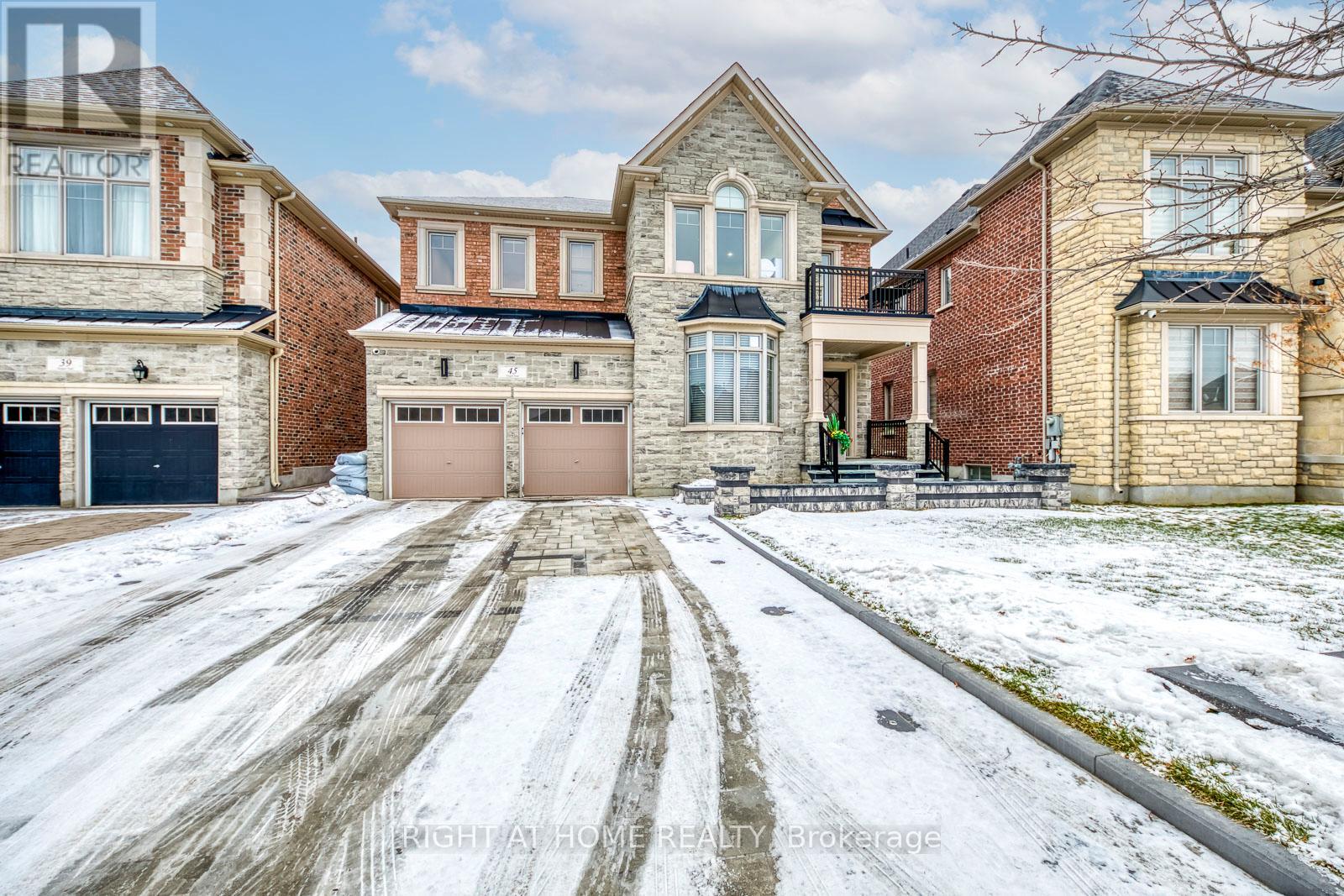 For Sale
 For Sale
 For Sale
 For Sale