
Lakeview is a south Oshawa waterfront neighbourhood with direct Lake Ontario access, the Lakeview Park, and older housing stock close to Oshawa GO Station.
Lakeview is the southernmost residential neighbourhood in Oshawa, positioned directly on the Lake Ontario shoreline between the Second Marsh to the east and the Oshawa Creek valley to the west. Its southern boundary is the lake itself. No other Oshawa neighbourhood has this relationship to the water, and that geographic fact explains both the neighbourhood’s distinctive character and its premium position in the local market.
The housing stock is old and varied. Some of the oldest residential streets in Oshawa run through Lakeview, reflecting the neighbourhood’s role as one of the city’s earliest residential areas. Victorian-era cottages and modest lakefront homes sit alongside post-war bungalows, and occasional newer infill fills gaps in the older fabric. The lots closest to the water are what buyers come for: direct lake frontage, lake views, or the kind of proximity to the shoreline that changes how you spend your mornings and evenings in the warmer months.
Lakeview Park, which serves as the primary public waterfront space for south Oshawa, is accessible from the western edge of the neighbourhood. The park and its beach area draw visitors from across the city, which gives Lakeview more pedestrian activity than most residential areas in Oshawa but also more summer traffic than some residents prefer. The waterfront trail connects west toward the creek valley and east toward the Second Marsh, giving the neighbourhood an amenity corridor that no inland address can match.
Waterfront and near-waterfront properties in Lakeview are Oshawa’s highest-priced residential real estate. Direct lake frontage, where it exists, commands significant premiums: properties on the lake side of Lakeview Park Drive have sold in the $1.2 million to $2 million range depending on lot size, frontage, and the extent of the building on the property. These are genuinely waterfront homes on Lake Ontario within the City of Oshawa, and that position is essentially irreplaceable because the shoreline has been developed and there is no new waterfront land to create.
Moving inland from the water, prices decrease fairly quickly. The post-war bungalows and modest two-storeys on the interior streets of Lakeview trade in a range comparable to south Oshawa generally — $550,000 to $750,000 for a reasonable bungalow depending on condition. The water view or easy trail access adds something over comparable homes in Eastdale or Farewell, but the premium for being close to the lake without being on it is modest. The premium for actually being on the lake is substantial.
The older housing stock in Lakeview requires careful inspection. Some of the original structures have foundation and structural issues related to age and proximity to the lake. Drainage and grading matter at this scale — properties that sit at or near lake level need to be evaluated for historic flooding and current flood risk. The Central Lake Ontario Conservation Authority maintains flood plain mapping and buyers should review it for any specific property near the water.
The Lake Ontario waterfront in south Oshawa is one of the least discussed premium markets in the eastern GTA. Buyers from the city who have been conditioned to think of Oshawa as an affordable market are sometimes surprised by what waterfront properties trade for. The premium is not irrational: a property on Lake Ontario in a city of 160,000 people, with a park and trail on the doorstep, is a different asset class than the mid-city bungalow that the Oshawa price average reflects.
The supply of true waterfront in Lakeview is very limited. The lakefront has been in private or public ownership for decades and the privately held lots change hands infrequently. When a waterfront property does come to market, the buyer pool is not limited to Oshawa residents. Buyers from throughout the GTA who want lake access without the premium of cottage country or the western Toronto price points sometimes discover Oshawa’s waterfront and find it meets their needs at a fraction of what comparable access would cost in Prince Edward County or the Muskoka lakes.
The near-waterfront streets — those within a few hundred metres of the lake with trail access but not direct frontage — represent a more accessible version of the same lifestyle. At $600,000 to $800,000, a bungalow on one of these streets provides lake views from the second floor or yard, a ten-minute walk to a beach, and the quality-of-life effects of the lake corridor without the waterfront premium. For buyers who value the lifestyle but don’t need the address, these streets offer genuine value.
The waterfront properties in Lakeview draw buyers from a wider geographic range than most Oshawa neighbourhoods. Some are coming from the Toronto market and are making a deliberate decision that lake access is a priority they can achieve in Oshawa at a price that’s inaccessible elsewhere. Others are long-term Oshawa residents who have been watching for a waterfront opportunity and move within the city when one arises. A smaller number are buyers from further afield — Peterborough, Northumberland County, or eastern Ontario — who want lake access in a city with municipal services and a reasonable commute window.
The inland streets of Lakeview attract a different buyer profile closer to the south Oshawa bungalow standard: first-time buyers, downsizers, and investors who want the south Oshawa price point with the added benefit of the neighbourhood’s trail and park access. For this buyer, Lakeview competes with Eastdale and Farewell on price and often wins on park access and the lake’s proximity, even for properties not directly on the water.
The neighbourhood’s population includes a set of long-term residents who have been in Lakeview for decades and are not leaving. Turnover is low relative to more transient suburban markets because people who choose lake proximity tend to stay once they have it. This means the listing inventory is thin at any given time and buyers who have identified Lakeview specifically need to be patient and ready to move when properties appear.
Lakeview Avenue and the streets east of it toward the Second Marsh represent the highest-value residential area. The lots closest to Lakeview Park have the most direct waterfront relationship and price accordingly. Lakeview Park Drive is the address that carries the lakefront premium. The streets immediately behind it, a block or two inland, are still within the Lakeview Park catchment for walkable access and offer more accessible prices while retaining the neighbourhood character.
Harbour Road and the marina area to the west of Lakeview Park have a slightly different character. The Oshawa Harbour and adjacent boat launch create an active marine use at the western edge of the neighbourhood. Residents near the harbour have access to the marina and the boat launch in addition to the park and trail. Some of the older houses in this part of the neighbourhood are among the most characterful in Oshawa, reflecting the long history of residential settlement near the original harbour.
Adelaide Avenue East and the parallel streets slightly inland carry the bungalow stock that makes up the majority of the neighbourhood’s residential fabric. These streets are quiet, tree-lined, and practical. They’re not the waterfront address, but they’re the neighbourhood that supports it, and they share the trail access and the Lakeview Park proximity that distinguish the area from the rest of south Oshawa.
Lakeview is in the south of Oshawa, which means that highway access and GO train access both require driving north. The Oshawa GO station is a 15 to 20 minute drive. Highway 401 is accessible at Harmony Road or Thickson Road, both north of the neighbourhood. The geography of Lakeview puts it further from the highway grid than north Oshawa’s new subdivisions, which is a trade-off buyers make consciously when choosing the waterfront address over transit convenience.
The waterfront trail connects Lakeview east to the Second Marsh and west toward the Oshawa Creek valley, providing an off-road cycling and walking route that is genuinely useful as a recreational corridor. The trail system is not a substitute for urban transit, but it does mean that movement along the waterfront is possible without a car. Cycling to Lakeview Park, the marina, or the nearby parks is a practical daily option for residents on the streets closest to the trail.
Durham Region Transit routes on King Street East and Bloor Street East provide the neighbourhood’s transit connection to the rest of Oshawa. The frequency is limited by Durham Region standards and most residents drive for daily trips. For commuters who want to use the GO train, the drive to Oshawa GO is the practical option. The neighbourhood is car-dependent in the way most of south Oshawa is, with the exception of the recreational walking and cycling infrastructure along the waterfront.
The waterfront trail system is Lakeview’s most significant public amenity and runs directly through the neighbourhood. The trail connects to Lakeview Park, Rotary Park at the mouth of Oshawa Creek, and eastward to the Second Marsh Wildlife Area. The total length of accessible trail from a Lakeview address is several kilometres in each direction, along terrain that combines open water views, creek valley, and marsh landscape. For daily walkers and cyclists, this is a serious recreational amenity.
Lakeview Park has a sandy beach, a picnic area with tables and barbecue facilities, and a parking lot that fills on summer weekends. The beach is swimmable in good conditions. The park is maintained by the City of Oshawa and represents the primary public waterfront access for the entire east end of the city. Its popularity with visitors from across Oshawa makes summer weekends more active than the surrounding residential streets generally are.
The Oshawa Creek valley to the west of the neighbourhood provides a green corridor that runs north into the city and south to the harbour. The valley trails are maintained for walking and provide a natural break in the urban fabric that residents west of the creek use as a daily walking route. The combined effect of the creek valley to the west and the Second Marsh to the east gives Lakeview a pair of natural assets that bracket the neighbourhood and define its ecological character.
Lakeview has minimal internal commercial uses. The neighbourhood is residential, with service retail and grocery accessible on the main arterials north of the neighbourhood — King Street East, Olive Avenue, and Bloor Street East each carry the standard Durham Region commercial strips within a five to ten minute drive. The functional needs of daily life are covered without a particularly long drive, but the neighbourhood itself is not walkable to retail in the way that an urban neighbourhood would be.
Downtown Oshawa is the closest commercial destination for a broader range of services, restaurants, and city amenities. The drive from Lakeview to downtown is about 10 minutes north on Simcoe Street or Ritson Road. The downtown has a mix of established businesses and more recent restaurant and café openings that have improved the food scene in recent years. For regular grocery shopping, the Walmart at Harmony and Bloor or the various grocery options on King Street cover the practical needs without going downtown.
The marina at Oshawa Harbour provides boat services for residents with marine interests. The harbour is the only active boat launch and marina facility in the neighbourhood and serves a consistent population of boaters. The marine service infrastructure at the harbour — fuel, mechanical services, storage — is available to residents who boat on Lake Ontario from this location.
School catchments in Lakeview follow the south Oshawa pattern administered by the DDSB. The neighbourhood’s southern streets are within the catchment areas of schools that also serve Eastdale, Farewell, and the adjacent south Oshawa neighbourhoods. Eastdale Collegiate and Vocational Institute is the catchment secondary school for most addresses, though the exact assignment should be confirmed at any specific property using the DDSB school locator at ddsb.ca.
Elementary school catchments are served by a set of DDSB public schools in south Oshawa. Durham Catholic District School Board (DCDSB) schools run parallel catchments for Catholic families. The proximity to the south Oshawa waterfront doesn’t place the neighbourhood in a particularly distinctive school catchment — the school quality in this area is comparable to the rest of urban Oshawa, and buyers for whom school performance is the primary purchasing criterion will find the north Oshawa growth areas offer comparable or better options for their purposes.
Ontario Tech University and Durham College, accessible by bus or car from south Oshawa, serve post-secondary students in the region. Some households in Lakeview accommodate post-secondary students in basement suites, contributing to the rental market that exists throughout the older south Oshawa housing stock.
Properties near the Lake Ontario shoreline and the creek valley in Lakeview require careful attention to flood risk and drainage conditions. The Central Lake Ontario Conservation Authority (CLOCA) maintains regulated areas and flood plain maps for properties near the lake and the Oshawa Creek. Some properties in Lakeview fall within regulated areas where development or alteration requires CLOCA approval. Buyers should check the CLOCA mapping for any property near the water before committing.
Lake Ontario water levels have shown variability in recent years, with record high-water events in 2017 and 2019 affecting shoreline properties across the lake. Lakeview’s waterfront properties are exposed to wave action and high-water events. Properties with seawalls or armourstone shoreline protection manage this risk better than those with unprotected banks. The condition of any existing shoreline protection is worth specific examination during a home inspection for waterfront properties.
Basement flooding risk exists in older south Oshawa properties, particularly those on streets that slope toward the lake or the creek valley. Older storm sewer systems in this part of the city can surcharge during heavy rainfall events. Buyers should ask about the flooding history of any property and confirm that proper backwater valves and sump pump systems are in place. Insurance availability and cost for properties with flood risk history is another factor to confirm before closing.
Q: What do waterfront homes cost in Lakeview Oshawa?
A: Direct lake frontage in Lakeview is Oshawa’s most expensive residential real estate and trades in the $1.2 million to $2 million range for properties with lake-facing position, depending on lot dimensions, frontage, and the quality of the existing structure. Near-waterfront homes within a few blocks of the lake — where you can walk to the beach in ten minutes — are in a much more accessible range, typically $600,000 to $800,000 for a bungalow in reasonable condition. The gap between “on the lake” and “near the lake” is large here, as it is on any shoreline. Supply of true waterfront is very limited and turnover is low; near-waterfront properties come to market more regularly and represent the accessible version of the same lifestyle for most buyers.
Q: Is Lakeview a good area for a waterfront lifestyle on an Oshawa budget?
A: Yes, if you’re realistic about what “waterfront lifestyle” means. You’re not in Muskoka or Prince Edward County. You’re on a Great Lake at the edge of a city of 160,000 people, with an active harbour, a maintained public beach, and a trail system along the shoreline. Lakeview Park is genuinely good, the Second Marsh trail is excellent for nature, and the lake effect moderates summer temperatures. The beach is swimmable, the marina is active, and the neighbourhood is quiet. For buyers who want lake-adjacent living in a house rather than a cottage, at a Durham Region price point, Lakeview delivers more than its reputation in the broader GTA market suggests.
Q: What should I watch for when buying in Lakeview?
A: Three things specifically. First, the age and condition of the property — these are old homes and the mechanical systems, foundation, and envelope need careful inspection. Second, flood and drainage risk — check CLOCA mapping for any property near the water or the creek valley, and confirm the flooding history directly with the seller. Third, the waterfront premium math — make sure the price reflects what you’re actually getting in terms of water relationship, because “near Lakeview Park” spans a wide range from properties with lake views to those where the park is genuinely a 15-minute walk. Verify the specific walking distance from the property to the beach before making any decision based on waterfront proximity.
Q: How does the GO commute work from Lakeview?
A: Residents drive to Oshawa GO station on the Lakeshore East line, approximately 15 to 20 minutes north of the neighbourhood. Peak trains run to Union Station in approximately 60 to 65 minutes. The drive to Oshawa GO plus the train makes total door-to-office commute time in the 80 to 90 minute range for downtown Toronto employment. Parking at Oshawa GO is free and available. For employment outside downtown Toronto — along the 407 corridor, in Durham Region, or at Ontario Tech or Lakeridge Health — the car commute from Lakeview is manageable in 20 to 40 minutes depending on destination. The neighbourhood is not well positioned for transit-dependent commuters but serves car owners well.
Lakeview is one of Oshawa’s oldest neighbourhoods, its settlement history connected to the original harbour at the mouth of Oshawa Creek and the early commercial activity that accompanied it. The harbour was a point of connection to the lake trade that predated the rail network, and the residential settlement near it reflects the economic importance of lake access to the community’s early development. The streets immediately inland from the harbour carry some of the oldest built fabric in the city.
Lakeview Park was established as a public recreation area in the early 20th century and has been maintained as the principal public waterfront access for south Oshawa ever since. The decision to dedicate this part of the shoreline to public use rather than private development shaped the residential neighbourhood around it permanently. Properties adjacent to the park benefit from its presence in ways that wouldn’t exist if the land had been developed for private uses.
The Second Marsh’s conservation status, secured through the Central Lake Ontario Conservation Authority’s activities in the mid-20th century, established the eastern boundary of the neighbourhood as permanently natural. Combined with the creek valley to the west, Lakeview ended up bracketed by two significant ecological features — an outcome that was partly planned and partly the result of early decisions whose long-term implications weren’t fully appreciated at the time. The result today is a neighbourhood with genuine natural assets that most Ontario residential communities lack.
Street-level knowledge is hard to find online. Our team works in Lakeview every day. They know which pockets hold value, where the school catchment lines actually fall, and what the market is doing right now. Talk to us before you make a decision about Lakeview.
Talk to a local agent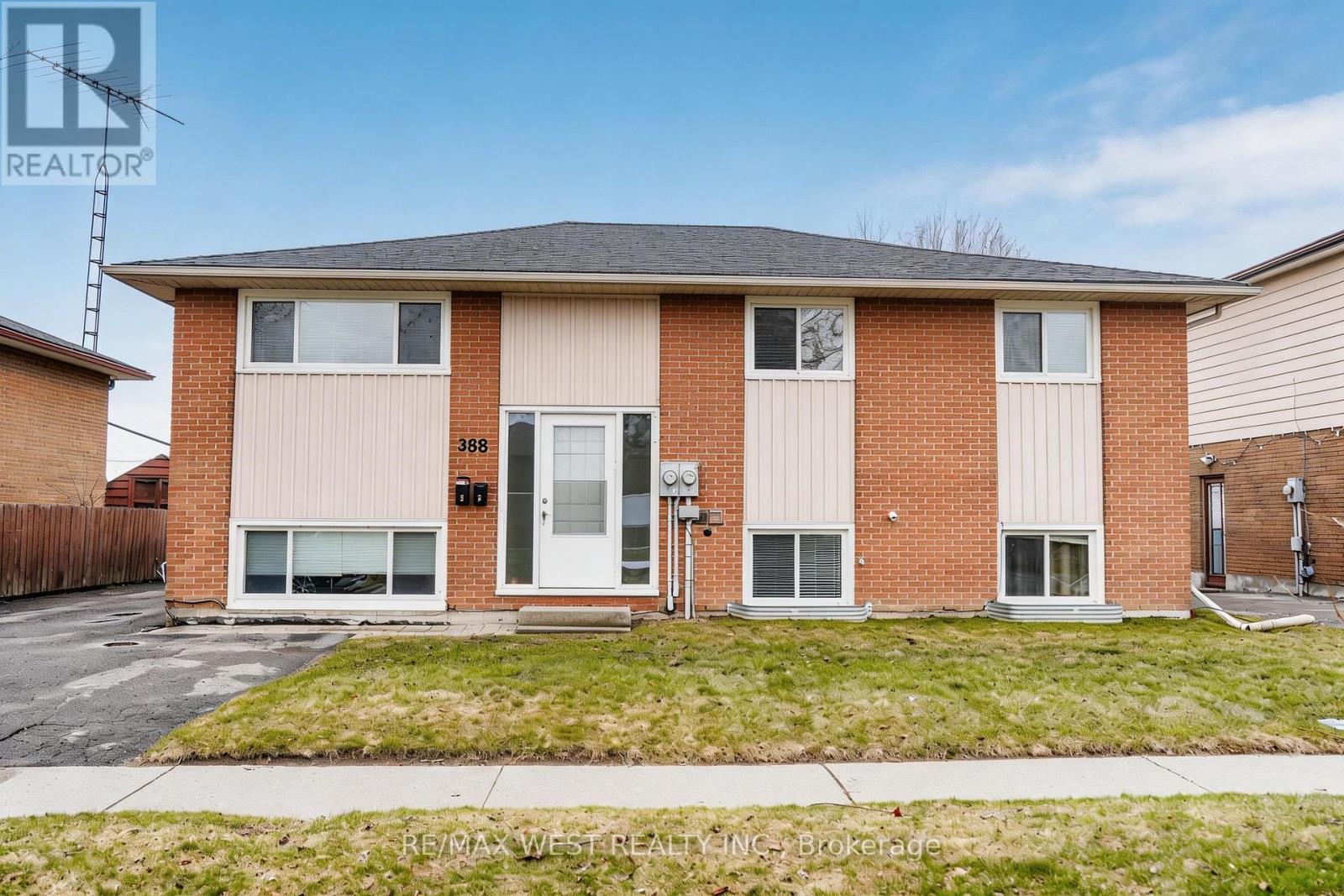 For Sale
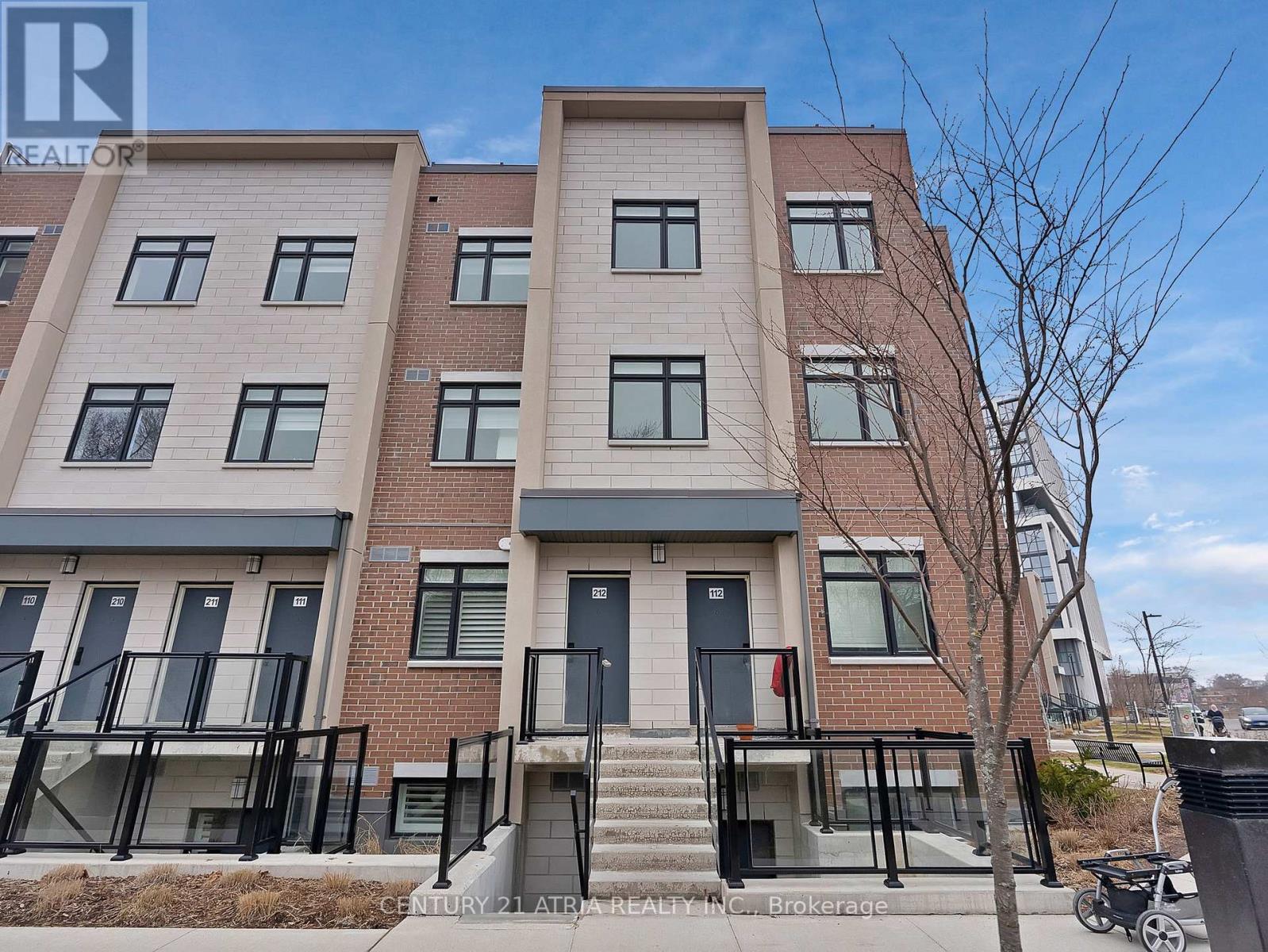 For Sale
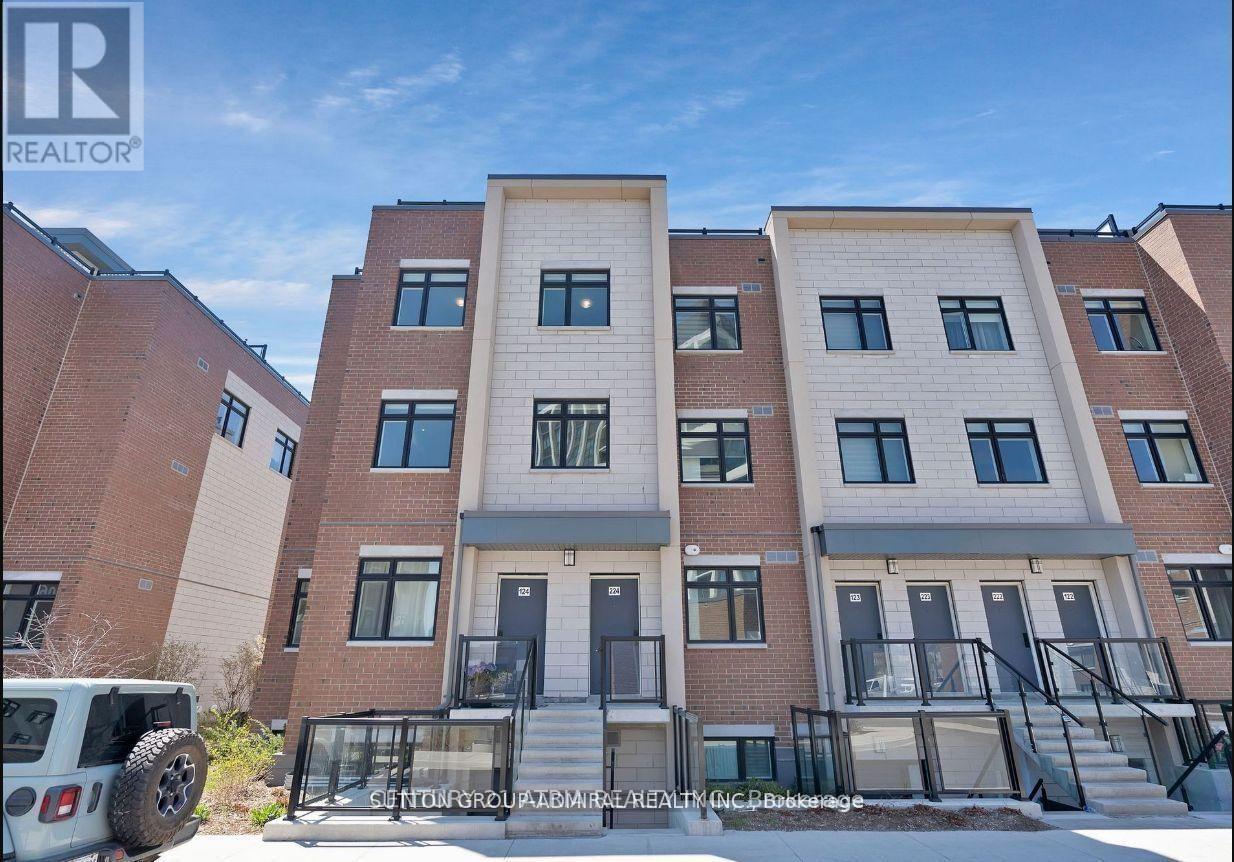 For Sale
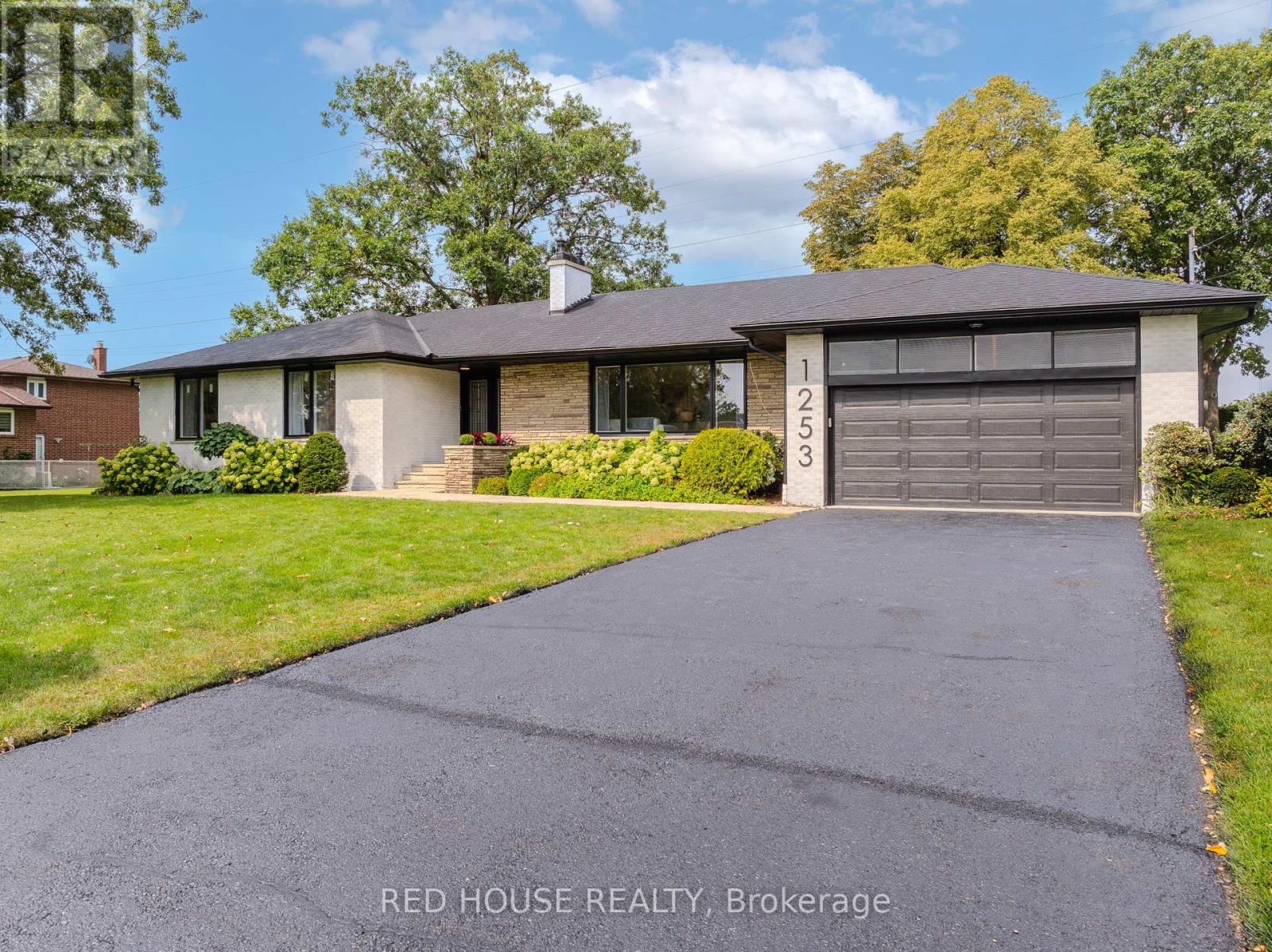 For Sale