
Williamsburg is a northern Whitby subdivision with newer family homes from the late 1990s through 2010s, positioned between central Whitby and Brooklin with good commercial access on Taunton Road.
Williamsburg is a northern Whitby neighbourhood positioned in the area between Taunton Road and the Brooklin hamlet, developed primarily from the late 1990s through the 2010s as Whitby’s population growth extended northward. It sits in a transitional zone between the established central Whitby communities to the south and the newer Taunton North developments to the north and east, giving it a slightly more established character than the most recent subdivisions while still reflecting the newer construction aesthetic of post-2000 Durham development.
The neighbourhood has a family-oriented character consistent with the northern Whitby growth areas. Detached homes on standard lots, wide streets, and attached garages are the standard built form. The variation within the neighbourhood comes from the multiple development phases and builders involved, which created some internal differences in lot size, street layout, and home style across different sections.
Williamsburg benefits from its proximity to the commercial development on Taunton Road and Thickson Road, which provides services closer to the neighbourhood than residents of more northern communities like Taunton North can access. The drive to Whitby GO Station and the 401 is somewhat shorter than from communities further north, which is a practical advantage for regular commuters.
The buyer who chooses Williamsburg is typically selecting a newer-construction family home at northern Whitby prices with acceptable commute distance to GO transit and reasonable access to commercial services. It is not a neighbourhood selected for a specific distinguishing feature. It is selected because it delivers the standard package of newer suburban Durham family housing at a price point and location that works for a specific household’s budget and commute requirements.
Like most newer northern Whitby subdivisions, Williamsburg is in the process of developing the community character that distinguishes truly established neighbourhoods. The trees are growing, the schools have several years behind them, and the social infrastructure is building. The neighbourhood is on a positive trajectory without having yet arrived at the settled quality of Whitby’s older established communities.
Williamsburg prices are broadly consistent with other northern Whitby newer subdivision communities. Detached homes in the neighbourhood were trading in the range of $925,000 to $1.2 million in early 2025, reflecting the variation in square footage, lot size, and builder finish quality across the neighbourhood’s different phases. The standard two-storey detached home at the entry end of the range is the most common transaction type.
Townhouse inventory provides a lower entry point, typically in the $700,000 to $850,000 range. These are appropriate for buyers who want a ground-level home in northern Whitby at a price below the full detached market. Some sections of Williamsburg have stacked townhouses and other ground-oriented housing forms that provide additional options below the detached price range.
Lot sizes in Williamsburg reflect the standard post-2000 Durham subdivision format. The lots are functional but tight, with limited rear yard depth in some sections. The garage-forward facade design that characterises most homes in the neighbourhood is a standard feature of builder homes from this era. Buyers who compare Williamsburg lot sizes to established Whitby communities from the 1970s and 1980s will find the older communities offer more generous lot dimensions at similar prices.
The condition of the housing stock in Williamsburg is generally good, reflecting the relatively recent construction. Homes built in the late 1990s and 2000s are at the age where some mechanical systems may be approaching end of useful life, while homes built in the 2010s remain in the early stages of their lifecycle. A home inspection should still be obtained for any purchase in this community, as builder-related deficiencies can persist for years in newer construction.
Williamsburg prices have followed the broader Durham Region trajectory. Current pricing reflects the normalised post-correction level that applies across northern Whitby’s newer communities.
Williamsburg has a standard newer suburban Durham market dynamic. Family buyers form the dominant demand segment, the spring season generates the most competitive conditions, and prices track the regional market average for comparable newer communities. There is nothing unusual or exceptional about the market structure here, which is itself a positive indicator of a healthy, normally functioning residential neighbourhood.
The buyer pool includes both first-time detached buyers and move-up buyers from smaller Durham properties. The neighbourhood’s price positioning makes it accessible to the first category on a dual-income household basis, while the newer construction quality and lot sizes are appropriate for the second category’s household growth needs.
Resale competition from new construction in adjacent development phases is a market dynamic buyers should understand. In areas where builders are still selling new inventory nearby, resale pricing must compete with builder pricing. This competition can depress resale values relative to what similar properties in fully built-out communities command. The specific impact depends on how close active builder sales are to the resale property being considered.
Investor activity is limited by the price range and the community character. The neighbourhood does not have the transit adjacency or the specific features that attract yield-focused investors. Owner-occupiers dominate and the rental market serves primarily transitional household needs rather than a permanent rental tenant base.
Long-term price appreciation in Williamsburg will be supported by Whitby’s overall growth trajectory and by the natural process of community maturation. As the trees grow, the schools develop deeper community roots, and the neighbourhood settles into its established phase, the premium that mature communities command will gradually apply here as well.
Families looking for newer detached construction at northern Whitby prices are the defining buyer segment. They have compared the northern Whitby communities and may not have a strong preference between Williamsburg, Taunton North, and Rolling Acres. Their decision is often driven by the specific available properties at the time of their search rather than by strong neighbourhood-level preferences. These are buyers who have evaluated the product category well and are choosing between comparable options rather than selecting a community with a specific distinguishing feature.
Move-up buyers from smaller Durham homes form a consistent segment. Buyers who have outgrown a townhouse or a smaller detached home in Ajax, Pickering, or southern Whitby often end up in Williamsburg or similar northern Whitby communities where the money goes further in terms of square footage and newer construction quality. The upgrade is practical rather than lifestyle-driven in many cases.
First-time buyers who can stretch to the detached market in Williamsburg are present. For a household with two incomes and savings accumulated over several years, the lower end of the Williamsburg detached market is accessible. The newer construction quality reduces the near-term capital requirements that older homes impose, which is an important practical consideration for first-time buyers who have limited reserves beyond the down payment.
Buyers from the west end of Durham or from the inner suburbs who are moving further east in search of newer construction at lower prices occasionally end up in Williamsburg after comparing options across the eastern GTA. The price comparison to Markham, Pickering’s premium areas, and Ajax’s waterfront communities consistently shows that northern Whitby offers more square footage for comparable money, and Williamsburg is well-positioned in that comparison.
The buyer profile in Williamsburg is functional and practical rather than distinctively motivated. These buyers want a new or newer family home in a growing community with schools and parks, accessible to the GO corridor. Williamsburg delivers those things, and that is why they are here.
Williamsburg is a community in the process of establishing itself. The physical infrastructure of houses, streets, parks, and schools is in place. The social infrastructure of community relationships, established neighbourhood networks, and the recognisable character of a mature community is still forming. This is typical for communities in the 10 to 20 year development window, and the trajectory is positive.
Schools are the primary community gathering point. Parent communities around the neighbourhood’s elementary and secondary schools are active and growing as the population stabilises after the initial development period. Sports and school events generate the social connections that are the foundation of a family community’s character. Families who engage actively with the school community tend to integrate into Williamsburg’s social fabric faster than those who remain in their homes.
Commercial services on Taunton Road and Thickson Road are accessible by car within 5 to 10 minutes and provide the daily service range that residents need. The proximity to these commercial corridors gives Williamsburg better service access than communities further north. Grocery stores, restaurants, pharmacies, and professional services are all accessible within a reasonable driving distance.
The neighbourhood is quiet and safe. Internal street traffic is low. Residents feel comfortable with children outside. The planned character of the development means that infrastructure is well-maintained and the visual environment is consistent. These qualities are appropriate to the suburban family demographic that Williamsburg serves.
The connection to Brooklin to the north, which provides a genuine community character and a functioning main street, is accessible within 10 minutes by car. Some Williamsburg families use Brooklin’s amenities and events, including the Victoria Day parade and the local businesses, which supplements what Williamsburg itself can offer as a newer community without its own commercial centre.
Whitby GO Station is approximately 12 to 18 minutes by car from Williamsburg depending on the specific address and route. Brock Street and Thickson Road provide the primary routes south to the station. Durham Region Transit bus routes along these corridors connect to the station for residents who prefer transit for the local leg. The GO journey from Whitby to Union Station is 46 to 59 minutes, giving Williamsburg residents a total commute time of roughly 60 to 80 minutes to downtown Toronto.
Highway 401 access requires driving south via Brock Street or Thickson Road, reaching the on-ramp in 12 to 18 minutes. The highway supports car commuting to employment along the 401 corridor. The drive is longer than from central or south Whitby communities but shorter than from the most northern areas.
Highway 412 and 407 access is available to the west for commuters heading to Markham or the York Region employment areas. From Williamsburg, the 407 is accessible within approximately 15 to 20 minutes. This makes the neighbourhood practical for buyers with employment along the 407 corridor as well as for GO commuters.
Taunton Road provides a direct east-west route connecting Williamsburg to the broader northern Whitby area and to Brooklin to the north. This connection is useful for residents who use Brooklin services or who work in the Brooklin industrial area.
Car dependence in Williamsburg is total. All daily activities require a car. This is the standard condition for northern Whitby residential communities and is not a specific limitation of Williamsburg, but buyers who are evaluating the neighbourhood should understand it clearly before purchasing.
Williamsburg has neighbourhood parks distributed throughout the development area, providing playgrounds, open space, and sports facilities appropriate for a family-oriented suburban community. The parks were planned as part of the development and reflect current Durham Region subdivision parkland standards. They are actively used by residents and serve the primary recreational needs of the neighbourhood’s family population.
The northern Whitby greenway trail connections, including paths that link residential areas to conservation lands to the north, are accessible from or near Williamsburg. These trail connections provide a recreational option that goes beyond the neighbourhood parks and connects residents to the broader natural landscape of northern Durham.
Heber Down Conservation Area is accessible within 15 minutes by car and provides hiking trails and natural habitat. This is the primary natural trail destination for northern Whitby residents who want more substantial outdoor access than neighbourhood parks provide.
Whitby’s waterfront parks are accessible by car in approximately 20 to 25 minutes. The Lake Ontario shoreline is a seasonal destination for Williamsburg residents who use it for recreational activities but do not have the immediate access that southern Whitby communities enjoy.
Future parkland additions as the northern Whitby area continues to develop will add to the accessible outdoor infrastructure available to Williamsburg residents. The planned greenway connections in Whitby’s parks master plan include trail links through the northern growth areas that will improve connectivity between neighbourhood parks and the broader natural corridor to the north.
Williamsburg is served by DDSB schools in the northern Whitby area. The specific elementary school depends on the address within the neighbourhood. Parents should confirm current catchment assignments with DDSB before purchasing. The northern Whitby area has had active school capacity management as the population has grown, and catchment boundaries may have changed since locally available information was last updated.
Sinclair Secondary School in Brooklin serves students from the northern Whitby area including Williamsburg. The secondary school serves a broad catchment across northern Whitby and provides comprehensive DDSB programming. Students from Williamsburg typically travel by school bus to Sinclair, which is approximately 5 to 10 minutes north.
DCDSB Catholic school options serve the northern Whitby area through the appropriate elementary and secondary schools. Parents committed to the Catholic system should confirm current catchment assignments and transportation arrangements with the board before purchasing.
French immersion availability within DDSB for Williamsburg students should be confirmed with the board. Program availability and the designated school may have changed as the northern Whitby population has grown. Parents who prioritise French immersion should verify current options before purchasing.
The school infrastructure serving Williamsburg has matured since the neighbourhood’s development began. Schools have several years of operation behind them, staff complements are established, and parent communities are functioning. The early-phase instability that sometimes affects school communities in brand-new developments has generally passed in the Williamsburg schools, though growth in adjacent new phases may continue to affect enrollment management.
Williamsburg is substantially built out in its core sections, though adjacent development areas in northern Whitby continue to add population and infrastructure to the surrounding area. The direct impact of active construction on Williamsburg’s established sections is diminishing, while the broader northern Whitby development context continues to shape the neighbourhood’s surroundings.
Taunton Road is subject to ongoing commercial development that is improving the service access available to Williamsburg residents. New commercial buildings, grocery-anchored plazas, and professional service centres along the Taunton Road corridor have been added in recent years and will continue to expand as the northern Whitby population grows. This commercial development is a long-term positive for Williamsburg residents who benefit from improved nearby services without living in the commercial corridor itself.
The planned Brooklin expansion to the north will add significant residential and commercial development adjacent to the Williamsburg area. As Brooklin grows, the boundary between Williamsburg and the Brooklin community will become less distinct over time. Whether this is positive or negative for Williamsburg depends on how the growth is managed and whether Brooklin’s small-town character survives the expansion pressure. The community’s identity will be partially shaped by how this boundary evolution unfolds.
Infrastructure serving Williamsburg will require ongoing maintenance as it ages. Roads, water, and stormwater infrastructure from the late 1990s and 2000s are entering the period of their first major maintenance cycle. Municipal capital plans address this work, and Whitby’s growing tax base from continued development provides the financial capacity for infrastructure maintenance.
Long-term value in Williamsburg will be supported by the combined effect of Whitby’s growth, the natural maturation of the community, and the incremental improvements to services and infrastructure that growing municipalities deliver to their established areas. The neighbourhood is not likely to change dramatically from its current character but will continue to improve steadily.
Williamsburg as a residential neighbourhood is a product of the late 1990s and 2000s suburban expansion of Whitby. The name was applied to the development area during the planning process and does not reflect a pre-existing community identity. Like most of the naming in newer Durham suburbs, it was chosen to give a geographic identity to land that was previously agricultural without a distinct place name.
The agricultural history of the Williamsburg area is the standard history of northern Whitby farmland: settled in the early nineteenth century, farmed through the nineteenth and twentieth centuries, and converted to residential development as Durham Region’s growth extended northward from the older established communities. The concession road geometry that underlies the street pattern in this part of Whitby is a remnant of the original survey that shaped the township.
The development period that created Williamsburg coincided with a significant period of Durham Region growth. The late 1990s and 2000s brought large numbers of buyers to Durham from Toronto and the inner suburbs, driven by price differentials and the expanding GO transit network. Whitby was a primary destination for this growth, and the northern areas including Williamsburg were developed to absorb it.
The first generation of residents who moved into Williamsburg in the late 1990s and early 2000s are now established community members with children in secondary school or beyond. The community has a cohort of long-term residents who have been through multiple phases of the neighbourhood’s development. Their presence gives Williamsburg a stability that brand-new developments lack.
The community character that Williamsburg will eventually have is being shaped by the people who live in it now. The investments they make in local schools, community organisations, and neighbourhood relationships are the foundation of the identity that Williamsburg will carry forward. This is a common story across newer Durham communities, and the outcome depends more on the people than on the physical infrastructure the development provided.
Q: How does Williamsburg compare to Rolling Acres and Taunton North?
A: Williamsburg, Rolling Acres, and Taunton North are all newer northern Whitby family subdivisions with similar housing stock, price ranges, and community character. Williamsburg is generally considered slightly more established and has better access to commercial services on Taunton Road. Rolling Acres is positioned to the east. Taunton North is the newest area and has active construction in some sections. The practical differences for buyers are modest at the neighbourhood level. Specific streets within each community may differ more than the communities differ from each other. Buyers should compare specific available properties across all three communities rather than making a decision based on neighbourhood distinctions, which are subtle.
Q: Is there good access to trails and outdoor spaces from Williamsburg?
A: Williamsburg has neighbourhood parks throughout the development area that provide standard recreational facilities. Natural trail access requires a short drive to conservation areas to the north, primarily Heber Down Conservation Area, which is approximately 15 minutes away. The neighbourhood does not have the creek corridor access that distinguishes Lynde Creek and Pringle Creek in central Whitby. Buyers who prioritise daily natural trail access should consider whether the drive-to-trail model that northern Whitby requires is satisfying for their household, or whether they would prefer a neighbourhood where the trail is walkable from the front door.
Q: What should I check on a home built in the early 2000s in Williamsburg?
A: Homes built in the late 1990s and early 2000s are approximately 20 to 25 years old. Key items to check in a home inspection include: roof condition (most roofs from this period are on their second or third life cycle), furnace age and condition (furnaces from this era are at or near end of useful life), air conditioner age and efficiency, window and door sealing for any early failure, basement waterproofing adequacy, and the condition of the deck or other exterior structures if present. Homes from this era do not typically have the electrical or plumbing issues of older housing stock, but they have their own age-related maintenance requirements. Budget $10,000 to $25,000 in near-term capital expenses for a home in this age range that has not had major system replacements recently.
Q: What is the elementary school situation in Williamsburg?
A: Elementary school assignments in Williamsburg depend on the specific address. The northern Whitby growth area has had active school capacity management as the student population has grown faster than the DDSB planned at various points. Some students in the area have been redirected to schools outside their immediate neighbourhood while capacity catchup occurred. Before purchasing in Williamsburg with school-age children, confirm the current catchment assignment with DDSB, ask about any planned boundary changes, and ask about current and projected enrollment at the assigned school. This due diligence is particularly important in growing areas where school planning is actively managing a fast-changing enrollment situation.
Williamsburg is a market where the agent’s value comes primarily from pricing accuracy, builder and phase knowledge, and helping buyers make informed comparisons across the northern Whitby newer community market. The neighbourhood does not have the specialised due diligence requirements of heritage properties or creek-adjacent lots, but it has its own specific knowledge requirements.
Builder and phase knowledge matters in Williamsburg. Different sections of the neighbourhood were built by different builders in different years, and the quality and character of homes varies as a result. An agent who knows which builders were responsible for which sections, and which have had better or worse track records for construction quality and warranty service, provides practical guidance that general neighbourhood knowledge does not supply.
The comparison across northern Whitby communities requires specific data rather than impressions. An agent who can provide price per square foot comparisons, lot size comparisons, and school catchment information across Williamsburg, Taunton North, and Rolling Acres is giving buyers the information they need to make a specific and informed choice rather than a vague one based on neighbourhood names. Buyers benefit most from this comparison when it is built from current listing and recent sale data rather than from generalised descriptions.
For buyers comparing new builder inventory to resale in the northern Whitby area, the agent should help the buyer understand the all-in cost of new construction including development charges, HST, and closing adjustments that do not apply to resale transactions. The headline price of a new build and the total closing cost can differ by $30,000 to $50,000 or more, and a fair comparison to a resale property requires accounting for all of these costs.
School catchment due diligence is particularly important for buyers with school-age children. The agent should proactively suggest DDSB contact to confirm current catchments and any pending changes for any specific address in the northern Whitby growth area. This is not optional due diligence for this neighbourhood type; it is a standard protection for buyers who are partly motivated by the school community.
Street-level knowledge is hard to find online. Our team works in Langstaff every day. They know which pockets hold value, where the school catchment lines actually fall, and what the market is doing right now. Talk to us before you make a decision about Langstaff.
Talk to a local agent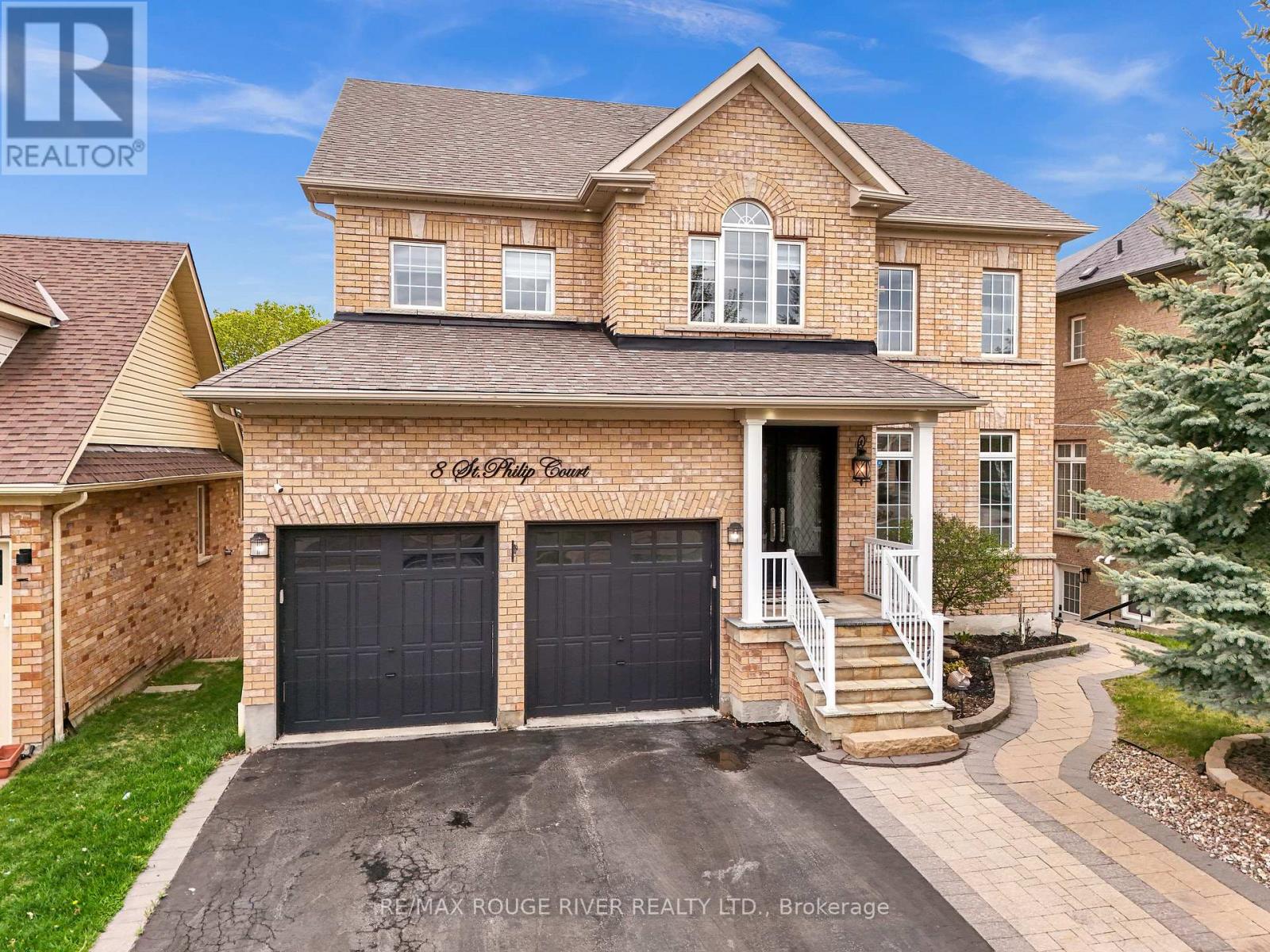 For Sale
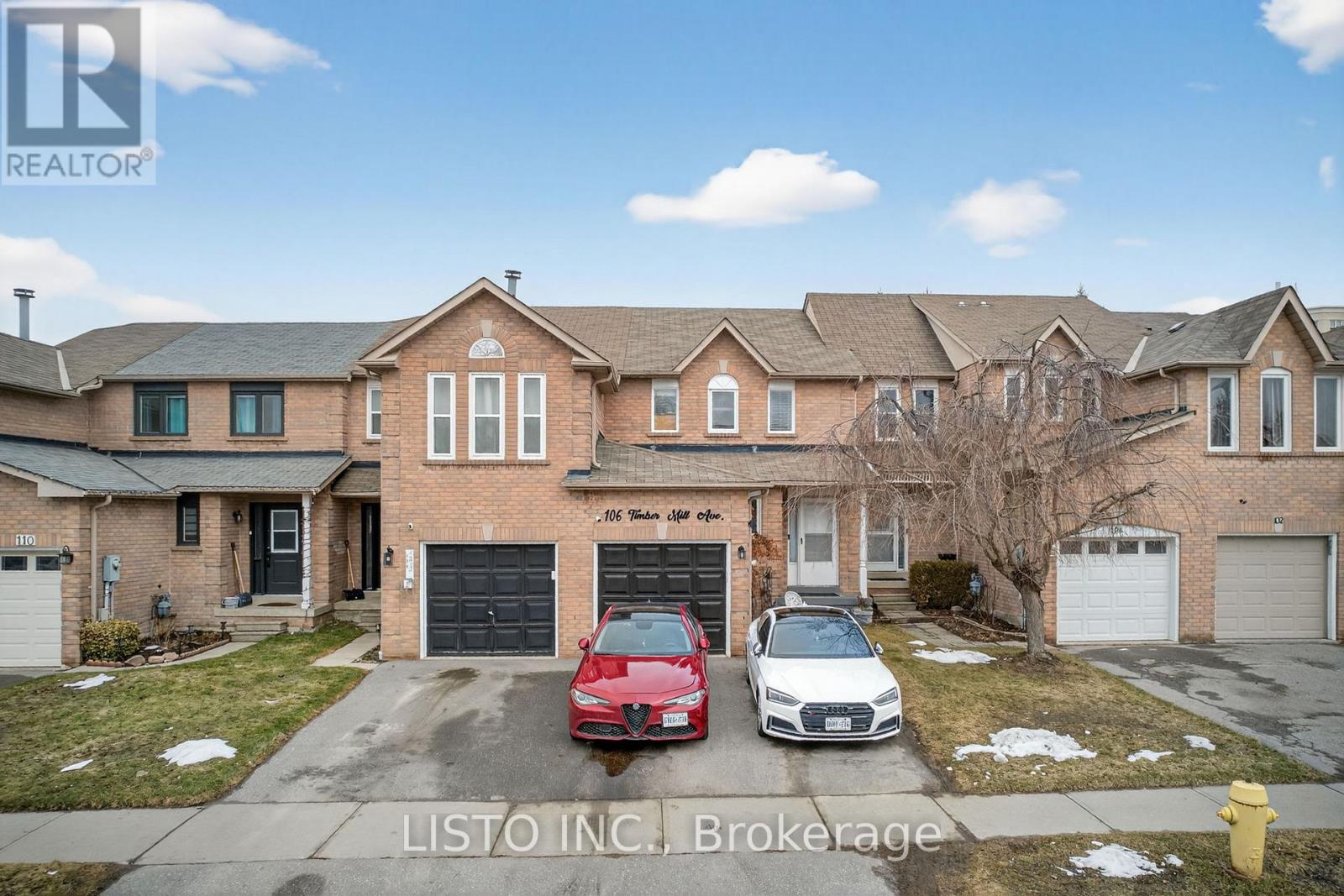 For Sale
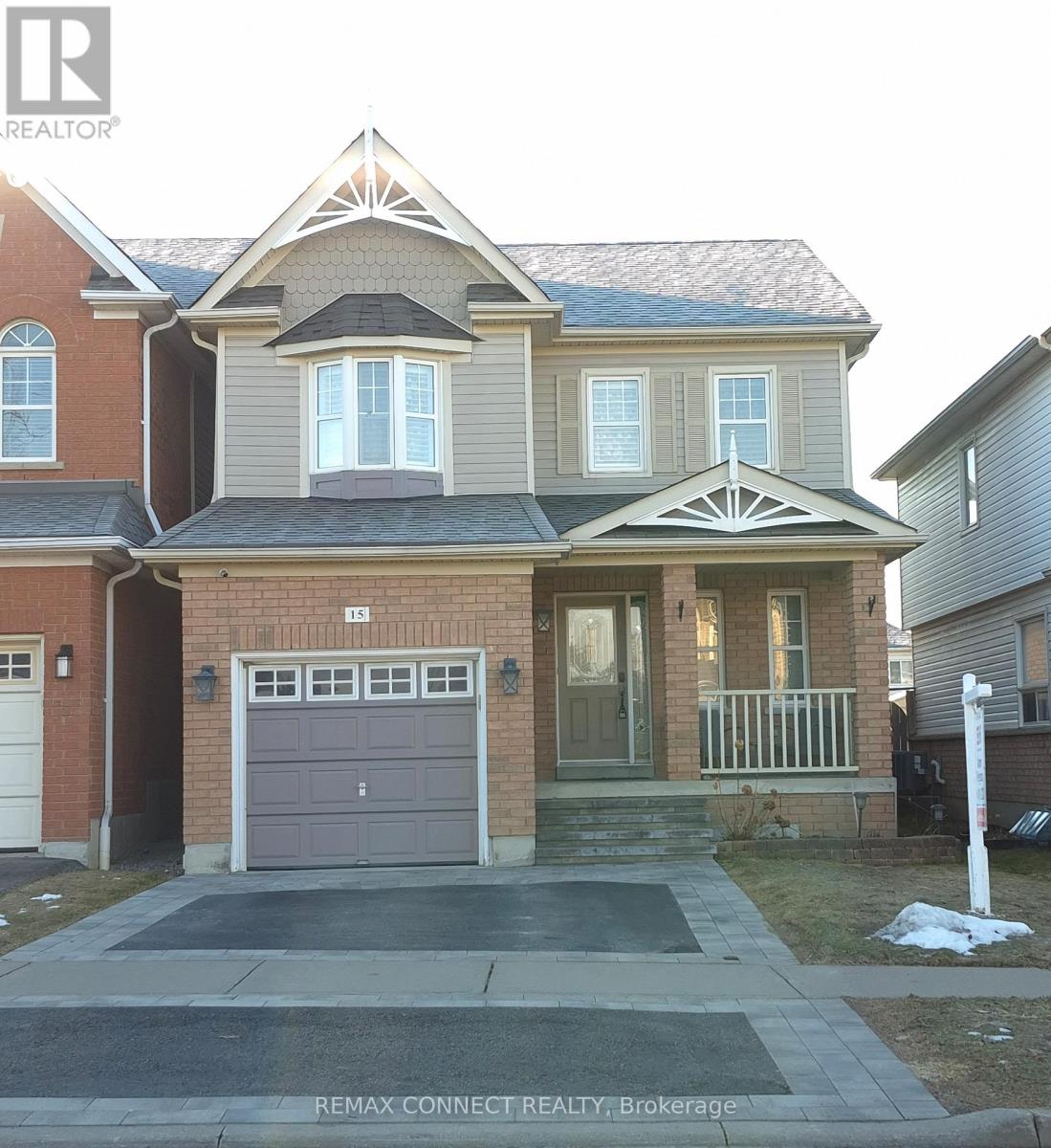 For Sale
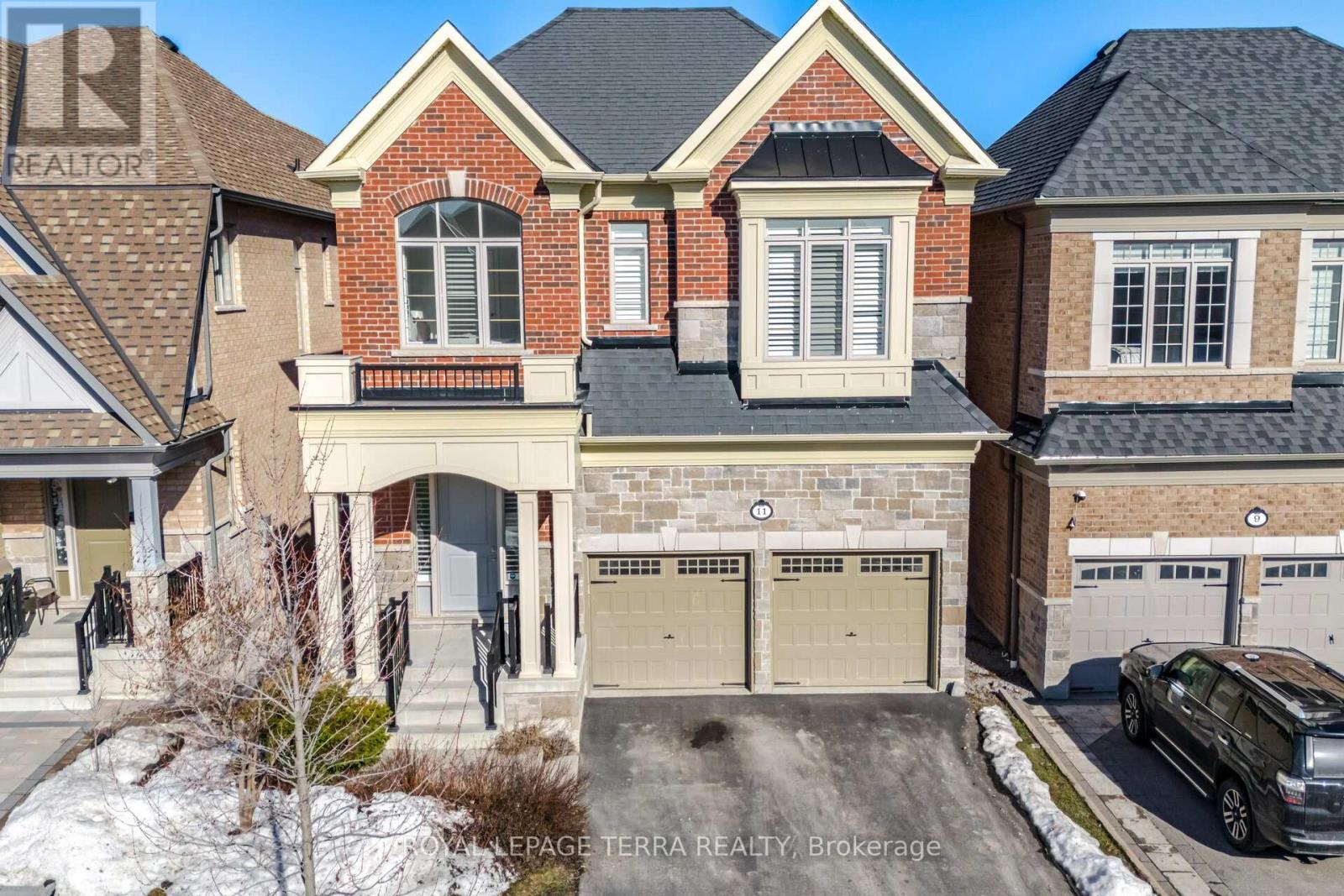 For Sale