
Lansing-Westgate is a North York neighbourhood south of Sheppard, west of Yonge, with York Mills subway access and a mix of apartment towers and quiet interior residential streets. Condos trade from $500K to $800K; freehold houses are rare and start at $1.5M in 2026.
Lansing-Westgate sits in the middle band of North York, south of Sheppard and west of Yonge Street, in the blocks around the York Mills Road area. It’s a neighbourhood with a mixed profile: apartment towers lining the main streets, a quiet interior residential zone that most people driving past never notice, and close proximity to the York Mills subway station on Line 1. The name Lansing-Westgate is less recognisable than the neighbourhoods to the north and south, and that relative anonymity is part of what keeps prices more accessible here than in the immediately surrounding areas.
The character of the neighbourhood shifts significantly depending on where you are within it. The blocks along Yonge Street and along the arterial roads are dominated by mid- and high-rise apartment towers, many of them from the 1960s and 1970s, that house a large renter population. These towers are a defining feature of the neighbourhood’s built form and streetscape. Step back into the interior residential streets and the scale drops completely: detached houses on quiet, tree-canopied streets that feel quite different from the arterial corridors. The two zones coexist without much friction, and buyers targeting the freehold interior streets can live in a genuinely quiet environment while being close to significant commercial activity.
The York Mills station provides Line 1 subway access, making downtown Toronto reachable without a transfer. Combined with the relative scarcity of freehold inventory in this area, that transit access makes Lansing-Westgate interesting to buyers who are looking for something that isn’t easily categorisable. Condos here price from $500,000 to $800,000 depending on building and unit. Freehold houses, when they come up, start at $1.5 million and reflect the scarcity premium that any freehold property in a transit-adjacent North York location now carries.
The housing market in Lansing-Westgate splits into two distinct segments that have almost nothing to do with each other except geography. The condo and apartment segment includes a large inventory of older purpose-built rental buildings, some of which have been converted to condo ownership over the years, and a smaller number of newer condo buildings. The older apartments, typically 1960s to 1980s construction, offer large floor plans by current standards and lower per-square-foot prices than newer buildings. The trade-off is building age, common area condition and maintenance fees that can run higher than newer buildings with better-insulated envelopes.
Condos in the neighbourhood were trading between $500,000 and $800,000 in 2026, a range that reflects substantial variation in building age, unit size, floor level and condition. A one-bedroom in an older building at the lower end of this range might have 700 to 900 square feet, which is generous by condo standards. A two-bedroom in a newer building at the upper end might have better finishes and lower maintenance costs but less floor space. Condo buyers in Lansing-Westgate need to assess the specific building’s status report, maintenance fee trajectory and reserve fund health, because the variation in building quality here is wider than in newer condo corridors.
The freehold segment is small and rarely comes to market. When a detached house on one of the interior streets does sell, it typically draws immediate attention from buyers who’ve been waiting for exactly that type of property. Prices start at $1.5 million and go up from there depending on lot size and house condition. Freehold buyers in Lansing-Westgate should be prepared to move quickly and be ready to compete, because the scarcity of supply means any well-priced freehold house will not sit.
The condo market in Lansing-Westgate behaves differently from the broader North York condo market because the building stock is older and more heterogeneous. Prices in the older buildings are more volatile than in newer mid-rise condos, because older buildings carry more uncertainty around capital expenditure, maintenance fee increases and building system replacements. In softer market conditions, the older buildings here can see more significant price drops than newer buildings elsewhere, because buyers who have options will choose newer construction. In strong markets, the lower price point attracts buyers who accept the building age in exchange for larger floor plans and transit access.
The freehold market in the neighbourhood is essentially its own micro-market, driven by scarcity. One or two freehold properties may trade in a given year on the interior streets, and each transaction is closely watched by agents who work in the area. The comparables for freehold houses in Lansing-Westgate are not abundant, which means pricing is more an art than a science. Sellers have some leverage from scarcity. Buyers have leverage from the relative lack of competition given that few people even know freehold is available in this neighbourhood.
For condo buyers, the key market behaviour to understand is that days on market can be misleading in the older buildings. A unit that’s been sitting for sixty or ninety days in one of the 1970s towers may be sitting because the price is genuinely wrong for that building, or because there’s a known issue with the building that experienced buyers know to avoid. An agent who works in this neighbourhood regularly will know the reputation of the individual buildings and can help you distinguish between an opportunity and a problem waiting to surface.
Lansing-Westgate draws two quite different buyer groups. The condo buyers are typically people who need subway access to downtown Toronto, want more space than a newer condo offers, and are willing to accept an older building in exchange for a lower per-square-foot price. Retirees and seniors who don’t need the urban amenities of the downtown core but want easy access to it make up a meaningful cohort of condo buyers here. So do young professionals who’ve priced the newer condo buildings and concluded that an older unit with twice the floor space is a better practical choice for their life stage.
Investors purchasing rental units are present in the older apartment buildings, attracted by the cap rates that older, lower-priced units in transit-accessible locations can offer. The building-wide rental demand here is supported by the neighbourhood’s employment proximity and transit access, and vacancy rates in well-maintained units tend to be low. Investors who know which buildings have stable management and adequate reserve funds find this a reliable rental market.
The freehold buyers in Lansing-Westgate are a very specific group: people who know the neighbourhood, want a house on a quiet interior street, need the York Mills subway access, and have accepted that they’ll pay a scarcity premium for the combination. These buyers are often families who’ve lived in the area before, seniors returning to a neighbourhood they know well, or people who’ve specifically targeted this area after deciding that the Lytton Park and Lawrence Park markets to the south are beyond their budget but that they’re not willing to go further north.
The residential interior of Lansing-Westgate, the streets that back away from the arterials into genuine quiet, is where freehold buyers should focus their attention. Westgate Boulevard, Willow Avenue and the streets in that zone offer the closest thing to a traditional residential neighbourhood experience that Lansing-Westgate provides. These are streets with detached houses, mature trees, low traffic and the kind of settled, maintained quality that comes from neighbourhood continuity. They sit surprisingly close to the subway and the commercial strips but feel removed from them.
The apartment corridors along Yonge Street and the approach roads to York Mills station are a different environment entirely: high-traffic, high-density, with the commercial activity that comes from building density. These sections of the neighbourhood are useful to walk through to understand the full character of the area before committing, because buyers who’ve only visited the interior streets sometimes underestimate how much the neighbourhood’s overall character is shaped by the towers along the main roads.
The blocks south of Sheppard and north of Lawrence, along the Yonge corridor, transition through several different neighbourhood designations and the character changes meaningfully between them. The stretch most directly associated with Lansing-Westgate is specific enough that even a few blocks’ difference in address can put you in a different neighbourhood with a different character and a different price point. Buyers who are open about their exact address within the broader area between Sheppard and Lawrence should look carefully at properties in both Lansing-Westgate and the adjacent neighbourhoods before settling on one versus the other.
York Mills station on Line 1 (Yonge-University) is the transit anchor for Lansing-Westgate and is within walking distance of most of the neighbourhood. From York Mills, the subway runs south to downtown Toronto: St. Clair in about ten minutes, Bloor-Yonge in about fifteen, Union Station in about twenty. North to Sheppard-Yonge and Finch takes about five and ten minutes respectively. For a neighbourhood that prices below the more central Midtown markets, the subway access is exceptional. Most condo buildings in the neighbourhood are within a fifteen-minute walk of the station.
Bus service along Yonge connects north and south along the main corridor, providing service to destinations that the subway doesn’t reach directly. The York Mills bus also runs east-west along York Mills Road, connecting the neighbourhood to the Don Valley Parkway corridor and to the Bridle Path and other residential areas to the east. For most transit-dependent residents, the combination of the subway and the Yonge bus handles their needs without difficulty.
Driving from Lansing-Westgate is convenient. The Don Valley Parkway is accessible via the York Mills Road interchange, which is one of the more useful DVP on-ramps in the northern part of the city for residents heading south toward downtown or east toward the 401. The 401 itself is reachable in about ten minutes by car. Avenue Road provides a direct driving route south into midtown without using the DVP. The neighbourhood is served adequately by parking in the condo buildings for residents, and the interior residential streets have standard street parking. For residents who drive frequently, the DVP access is a genuine advantage over some neighbouring areas where highway access requires navigating through more residential traffic.
Lansing-Westgate is not a neighbourhood defined by its green space, but it’s not without it. The Berczy Creek and the associated linear parks that run through the neighbourhood provide a thread of greenery through the residential fabric, with walking paths and natural planting that give the area more green character than its density might suggest. These small linear parks are well-used by residents of the surrounding apartment buildings and the freehold streets and serve as the neighbourhood’s primary daily green space.
The Don Valley ravine system is accessible to the east via York Mills Road, and the trail network there is genuinely excellent. Getting to the main ravine trails from Lansing-Westgate requires crossing York Mills Road and descending into the valley, which is a short trip but feels like entering a different world given how complete the transition from urban street to forested ravine is. For residents who use the Don Valley trails for running, cycling or walking, this access is a real neighbourhood asset.
To the west, the Hogg’s Hollow area along Yonge Street provides another green corridor with a distinct character: older houses in a valley setting along the west branch of the Don, with a neighbourhood feel quite different from the towers and commercial streets above. This isn’t park space in the formal sense but adds to the green character of the broader area. For outdoor amenity, Lansing-Westgate performs better than its dense, high-rise profile might suggest, because the ravine access from York Mills is genuinely close and the informal green corridors through the neighbourhood add day-to-day usable space.
The retail at Yonge and Sheppard, just to the north, is the most developed commercial area near Lansing-Westgate, with the Empress Walk complex, major supermarkets, banks, restaurants and the full range of chain and independent retail that a large mixed-use hub provides. Most Lansing-Westgate residents treat Yonge and Sheppard as their primary shopping destination, given its variety and the ease of reaching it on foot or by subway.
Along Yonge Street within the neighbourhood itself, the retail is more modest: convenience stores, service businesses, restaurants and the commercial uses that accompany high-density residential. There are no major supermarkets directly in Lansing-Westgate, which means grocery shopping typically requires a trip north to the Sheppard area or south toward Lawrence and beyond. For most residents who are already using the subway, this is not an inconvenience: the grocery run is part of the commute, handled on the way home.
The York Mills area to the east has some additional retail associated with the commercial office towers and residential development there, including restaurants and services catering to the office population. The Bayview Village Shopping Centre, a few minutes’ drive east, provides a high-end retail and food experience that supplements the more utilitarian retail available closer to the neighbourhood. Lansing-Westgate’s own retail offer is limited but functional for daily needs, with the understanding that the neighbourhood’s residents draw on the commercial infrastructure of the adjacent areas to the north and south more than on retail within their own neighbourhood boundary.
Secondary school assignment for Lansing-Westgate addresses varies and feeds into different TDSB schools depending on specific location within the neighbourhood. Lawrence Park Collegiate Institute to the south and other North York secondary schools are the typical destinations for students in this area, and the specific assignment for a given address should be confirmed through the TDSB school locator before purchasing if school placement is a consideration. The schools serving this neighbourhood are generally well-regarded, though the neighbourhood doesn’t have the same school-driven buying narrative that Earl Haig’s catchment creates further north.
Elementary schools in the area include TDSB and TCDSB options within reasonable proximity, serving the neighbourhood’s mix of apartment and freehold households. The elementary school picture is adequate without being exceptional, and parents who are closely tracking academic performance data will want to research specific schools rather than relying on neighbourhood-level generalizations. The density of population in the apartment towers creates a consistent enrollment base for neighbourhood schools, which typically means stable staffing and programming.
The neighbourhood’s position between the more affluent Lawrence Park area to the south and the North York commercial centre to the north means that families here have access to the private school and independent tutoring market that serves the broader mid-North York area. Private school options in the Lawrence Park and Lytton Park area are accessible by transit or short drive, and the supplementary education sector along the Yonge corridor north to Sheppard is readily accessible. For families who rely on supplementary education programs, the options are not embedded within Lansing-Westgate itself but are nearby enough to be practically accessible.
Development pressure in Lansing-Westgate is significant and ongoing. The neighbourhood’s position on the Yonge corridor, adjacent to York Mills station, makes it a natural candidate for intensification under Toronto’s planning frameworks, which encourage higher density near transit. Several new condo projects have been proposed or approved in the area in recent years, and the pattern of mid-rise and high-rise development along Yonge in this section of the city is expected to continue. This means the already-dense streetscape along the arterials will become denser over time.
The interior freehold streets have stronger planning protections, and major densification in those blocks is less likely in the near term. But the pressure is real and the direction of travel is clear: the Yonge corridor through Lansing-Westgate will see more residential units added over the next decade, which will increase the neighbourhood’s population and support the case for improved retail and service amenity over time. More residents mean more demand for services, which tends to improve the commercial offer in a neighbourhood that currently relies on the adjacent areas for most of its major shopping.
For buyers considering a condo purchase in one of the existing buildings, the development environment is worth understanding: new supply arriving on the Yonge corridor creates competition for resale units in older buildings, which can affect prices in the shorter term. Newer buildings attract buyers who might otherwise have purchased in the existing stock. This competitive dynamic typically pressures pricing in older buildings more than newer ones, which is one of the reasons that older units in the neighbourhood price at a discount that experienced buyers see as an opportunity.
Are the older apartment buildings in Lansing-Westgate worth buying into?
Some of them are and some of them are not. The key variables are the building’s reserve fund health, its maintenance fee trajectory over the past five years, any known or planned special assessments, and the physical condition of the building envelope, elevators and mechanical systems. An older 1970s concrete building that has been properly maintained and has a healthy reserve fund can be an excellent purchase, offering large floor plans at prices that newer buildings can’t match. An older building with a depleted reserve fund, rising fees and deferred maintenance is a risk that can result in unexpected costs after purchase. The status certificate is the essential document here: have your lawyer review it thoroughly before waiving any conditions, and treat any building with an inadequate reserve fund as a risk to price accordingly.
How often do freehold houses come up for sale in Lansing-Westgate?
Infrequently. One or two freehold transactions on the interior streets in a given year is typical. The owners of freehold houses in this neighbourhood tend to hold for long periods, partly because the transit access is genuinely valuable and partly because moving to a comparable situation elsewhere in the city would cost more. When a freehold house does come to market here, it tends to attract attention from buyers who have specifically been watching for it. If you’re targeting a freehold purchase in this neighbourhood, setting up automated alerts through your agent for any new freehold listing in the area and being genuinely prepared to move quickly is the practical approach. Waiting to see it on a Saturday before deciding whether to offer is typically too slow.
What’s the difference between Lansing-Westgate and Lawrence Park?
Lawrence Park, immediately to the south of the Lawrence-Allen area, is one of Toronto’s most established and expensive residential neighbourhoods, with larger houses, larger lots, more consistent housing quality and a clear social prestige that goes with its history. Lansing-Westgate is a mixed neighbourhood with a significant apartment tower presence, more affordable freehold prices (where freehold exists at all), and a less defined residential character. The transit access is similar: both are on or near the Yonge Line 1 corridor. The price difference on freehold property is $500,000 to $1 million or more. Buyers who want the Lawrence Park address and can’t access the budget for it sometimes consider Lansing-Westgate as a practical alternative for subway access and North York living, accepting that the prestige factor and housing quality are different.
Is the Don Valley Parkway access actually useful, or is it always congested?
The DVP at York Mills is one of the better on-ramps in the northern city for residents heading south, because it enters the parkway north of most of the congestion that builds up at Bayview and below. In morning peak hours going south, the DVP does back up through this section, and residents who commute to downtown by car will encounter delays. For residents heading north or east, the DVP at York Mills is very useful and congestion-free for much of the day. The 401 connection is a major advantage for anyone whose work or travel takes them east or west across the city. Whether this access point is genuinely useful depends on where you’re going: for downtown office commuters by car, it helps but doesn’t eliminate congestion. For residents whose daily driving takes them east or north, it’s a significant practical asset.
Working with a buyer’s agent in Lansing-Westgate is particularly important for condo buyers because the building-by-building knowledge required to make a good purchase here is not accessible from listing data alone. An agent who works regularly in this area will know which buildings have had recent special assessments, which are under-funded and likely to face capital expenditure pressure, and which have management companies with good reputations for maintenance. This intelligence is not on the listing. It comes from experience doing deals in the area and from reviewing the status certificates on multiple buildings over time.
For freehold buyers, the scarcity of inventory means the relationship with your agent matters in a different way: you need to be in the agent’s active buyer file, with a clear brief on what you’re looking for, so that when something comes to market you hear about it immediately and can respond within hours, not days. Agents who are active in the mid-North York freehold market will sometimes know about properties before they’re listed and can get you in front of a seller in a pre-listing conversation. This is not guaranteed, but it’s more likely the better-known your agent is in the specific area.
The status certificate review is non-negotiable for condo purchases in this neighbourhood. Budget for a lawyer to review it properly, not just look at the reserve fund balance. Understanding the trajectory of maintenance fees, any current or contemplated litigation involving the condo corporation, and the building’s five-year capital expenditure plan requires a careful read of the certificate and its attachments. Your agent should be able to tell you which issues in the certificate are normal and which are red flags based on their experience with similar buildings in the area. That interpretive knowledge, applied at the point of offer, is what you’re getting when you work with an agent who knows this neighbourhood.
Street-level knowledge is hard to find online. Our team works in Lansing-Westgate every day. They know which pockets hold value, where the school catchment lines actually fall, and what the market is doing right now. Talk to us before you make a decision about Lansing-Westgate.
Talk to a local agent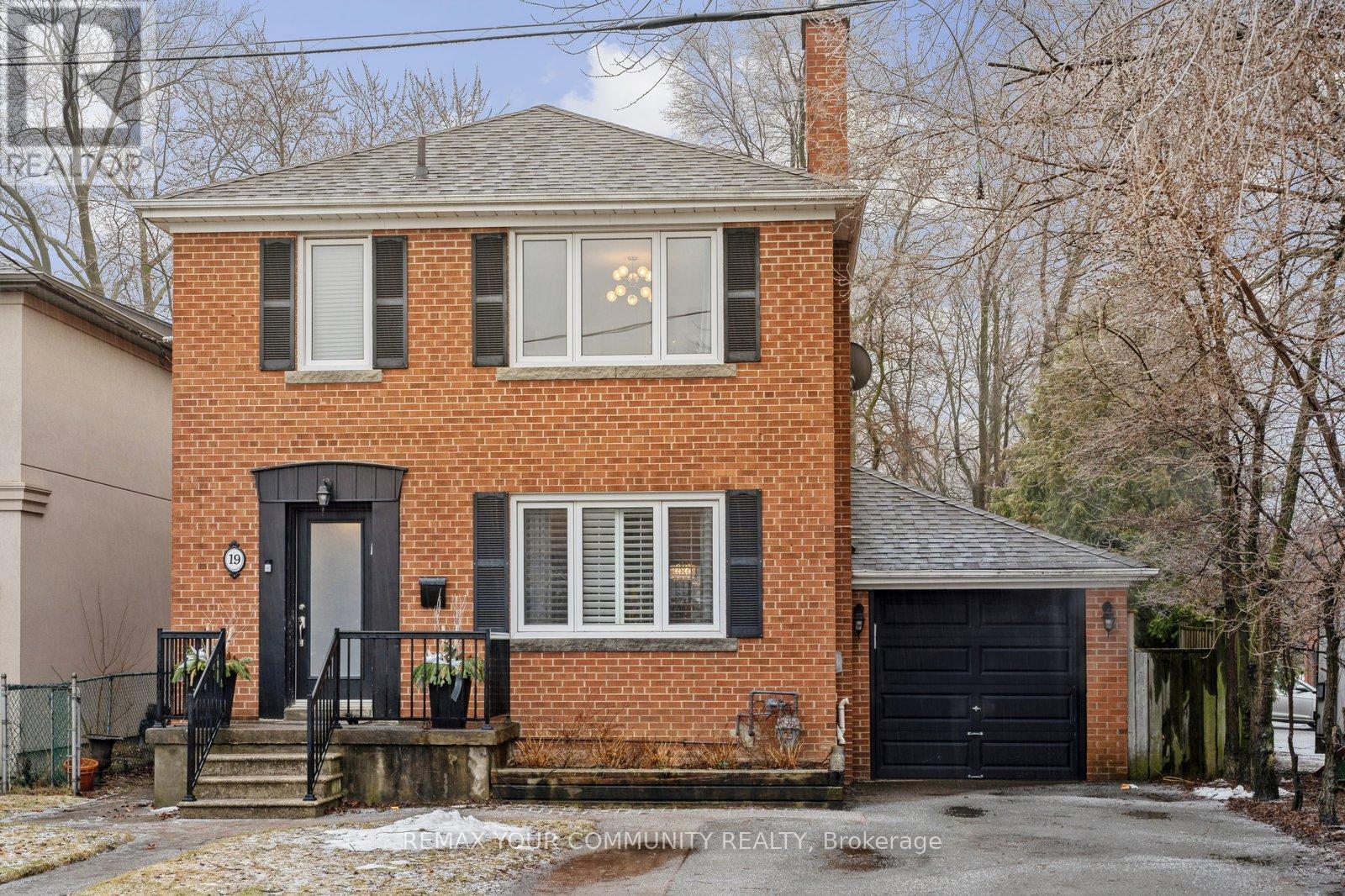 For Sale
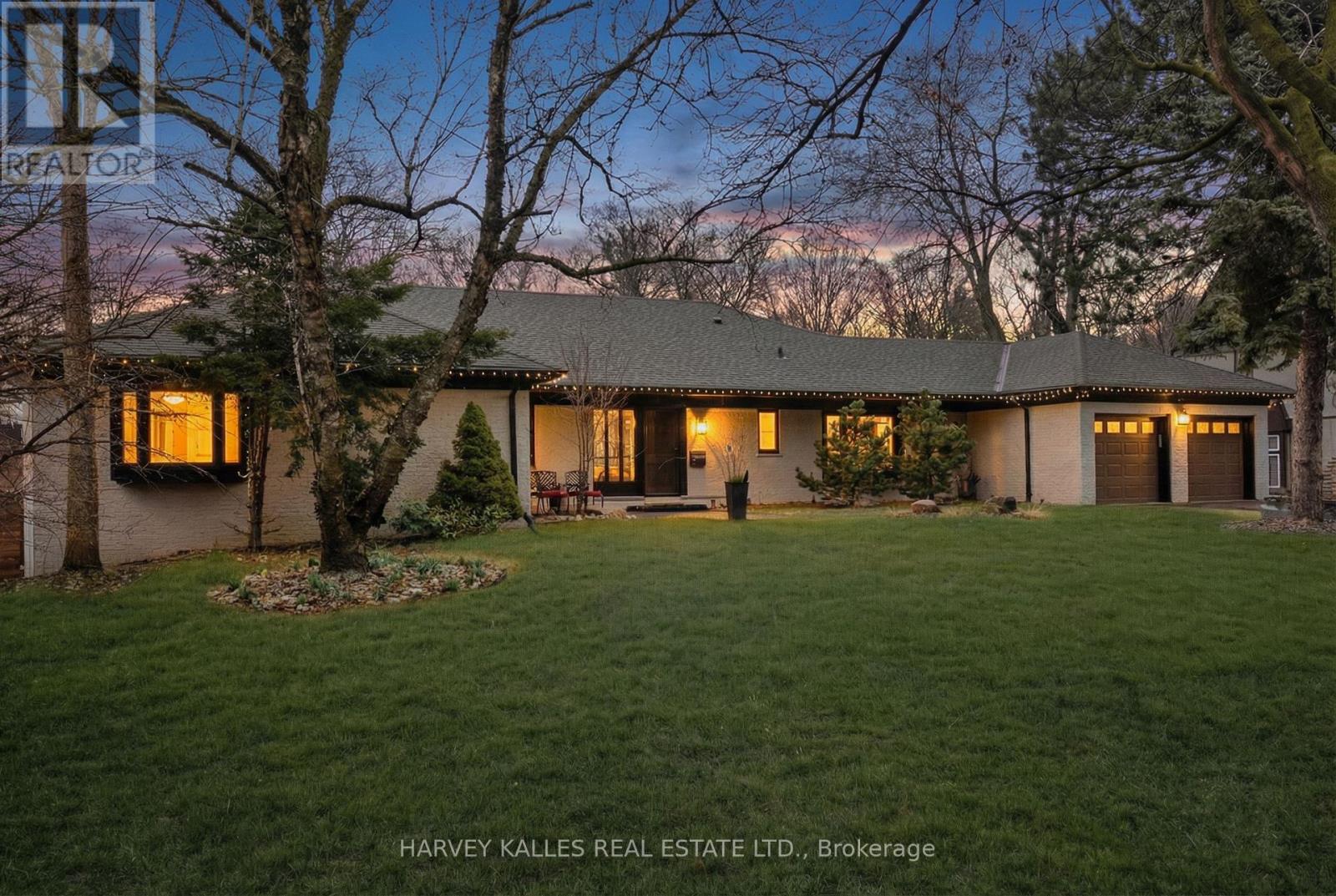 For Sale
 For Sale
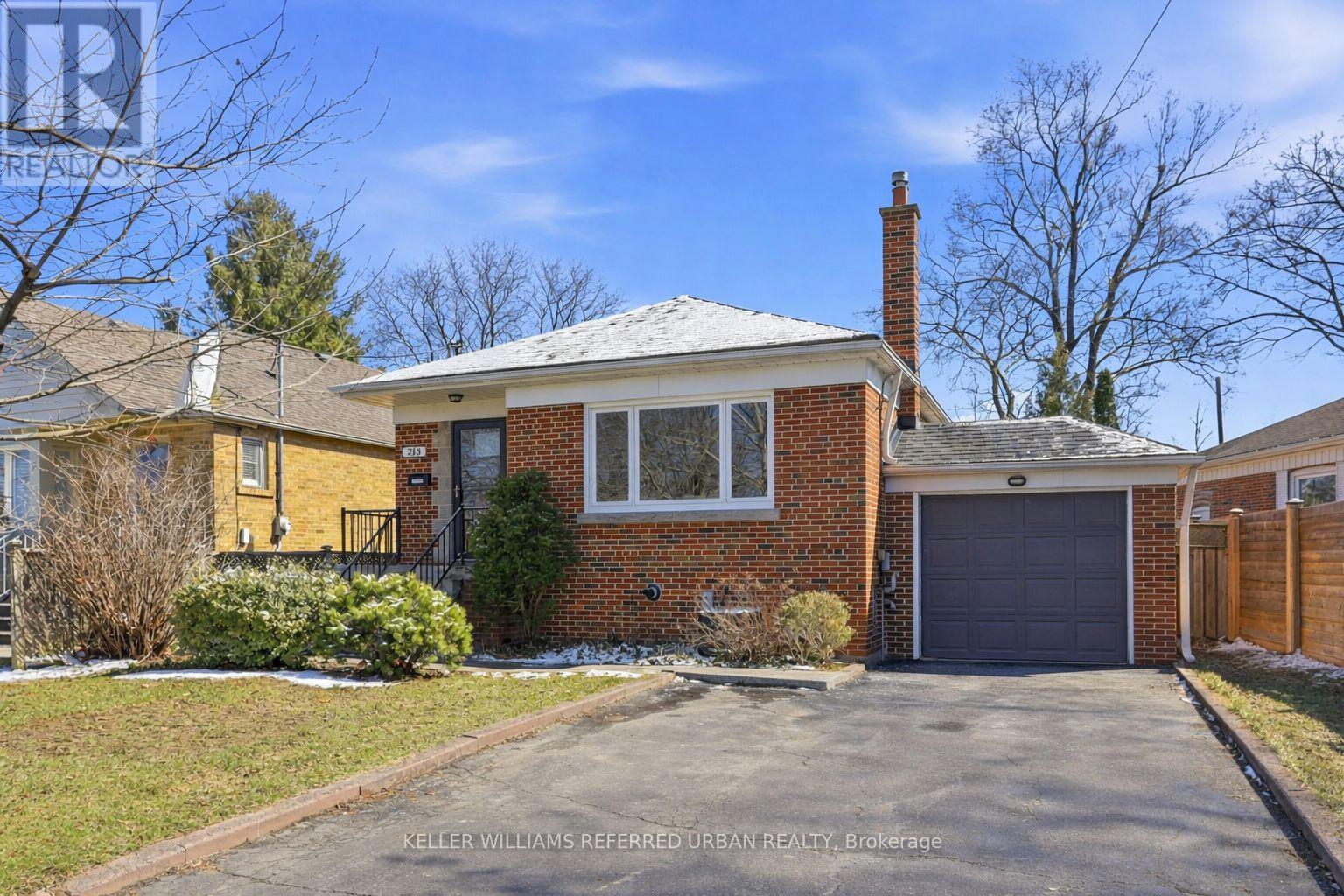 For Sale