
Lawrence Park North is a North York neighbourhood west of Yonge near Lawrence and Bathurst, with a strong Jewish community heritage and post-war bungalows priced more accessibly than Lawrence Park proper. Detached homes trade from $1.1M to $1.7M in 2026. Lawrence West and Glencairn subway stations provide Line 1 access.
Lawrence Park North occupies the blocks west of Yonge Street along the Lawrence Avenue West corridor, east of Allen Road and the Bathurst Street area. It’s part of the broader Lawrence Park community in name, but it differs from the more famous Lawrence Park neighbourhood to the east in price, character and composition. Where the classic Lawrence Park is among Toronto’s most expensive residential districts, Lawrence Park North offers a more accessible version of the same general geography: bungalows and split-levels rather than larger houses, more modest lots, and prices that reflect a neighbourhood that’s good but hasn’t achieved the prestige designation of its eastern neighbour.
The community here has a strong Jewish heritage, particularly in the blocks near Bathurst Street and along the major streets that run through this part of North York. Synagogues, kosher food businesses and Jewish community organisations have been part of the fabric of this area for generations. The demographic has evolved over the decades and the neighbourhood is more diverse than it once was, but the institutional presence of the Jewish community remains significant and shapes the character of the commercial strips on Bathurst and Lawrence.
Buyers come to Lawrence Park North for the combination of relative affordability in a well-positioned North York location, decent transit access via Lawrence West station, and easy access to Allen Road and the highway network. The bungalows here are on solid lots, the neighbourhood is well-maintained and established, and the price point is meaningfully below what comparable properties in the Lytton Park and Lawrence Park areas to the east would cost. For buyers who’ve priced themselves out of the more prestigious Lawrence Park proper, this neighbourhood represents a practical alternative.
The housing in Lawrence Park North is primarily post-war detached bungalows and raised bungalows, built through the 1950s and 1960s on standard North York lots. The lots here typically run 40 to 50 feet wide with depths of 100 to 130 feet, similar to the Newtonbrook and Willowdale areas further north. The construction quality is the solid brick post-war standard found throughout this part of the city. What makes these houses feel like Lawrence Park North rather than generic North York is partly the address, partly the neighbourhood maintenance standards, and partly the slightly more established character of the streets and tree canopy.
Detached properties in Lawrence Park North were trading in the $1.1 million to $1.7 million range in 2026. The lower end of that range represents original or lightly updated bungalows on standard lots. The upper end reflects renovated or custom-built properties on better lots or in the most desirable pockets of the neighbourhood. The spread in condition and price is wide, and the gap between an unrenovated original and a well-done renovation can be $300,000 to $400,000 on comparable lot sizes, reflecting both the renovation cost and the premium buyers place on not having to do the work themselves.
There is a small amount of newer infill construction in the neighbourhood where original bungalows have been replaced, but the teardown rate here has been lower than in the more expensive Willowdale corridors because the margin on a Lawrence Park North lot, while positive, is tighter than on lots further north where land values relative to construction costs make teardown projects more reliably profitable. The result is a neighbourhood with a more consistent, original housing stock than some comparable areas, which many buyers find appealing from a streetscape perspective.
Lawrence Park North is a market that moves steadily without the intense competition of the Midtown or Willowdale East markets. Properties here are absorbed at a measured pace, with days on market that are typically longer than in the hotter pockets further south or east. Conditional offers are possible on most properties, particularly in softer market conditions, and buyers have room to conduct proper due diligence without the pressure to waive conditions that characterises the most competitive North York markets.
The neighbourhood’s position at the boundary between more expensive Lawrence Park to the east and the broader North York market to the west and north creates a nuanced pricing environment. Properties that are closer to the established Lawrence Park boundary, with addresses or lot characteristics that approach Lawrence Park proper, can price at premiums that buyers from outside the immediate area might not expect. Properties further from that boundary, or with less appealing specific addresses, price more in line with the North York bungalow market generally. Understanding this gradient is important for buyers doing comparative analysis: not all addresses in Lawrence Park North carry the same market weight.
The teardown economics in this neighbourhood work, but they’re tighter than further north, which means the land value floor is genuine but lower relative to sale prices than in some Willowdale pockets. Builders are active but selective: they’ll pay well for the right lot on the right street, but they’re less willing to pay a premium for a lot with complications. This selectivity actually benefits end-user buyers in Lawrence Park North, because the teardown competition for unrenovated properties is somewhat lower than in hotter builder markets, and buyers who want to renovate rather than rebuild can sometimes acquire properties without competing against builder offers.
Lawrence Park North draws buyers who want the Lawrence Park general area at a price point that’s more accessible than the main Lawrence Park neighbourhood. Jewish families looking to stay close to community institutions along Bathurst and in the surrounding area are a consistent buyer group. So are buyers from the broader North York market who’ve been looking at Willowdale West and comparable neighbourhoods and have decided that Lawrence Park North, at a similar or slightly lower price, offers a better long-term position because of its more established character and proximity to the higher-value Lawrence Park market.
Families with children who want access to decent schools without paying Lawrence Park prices are another cohort. The neighbourhood feeds into public schools that perform adequately, and the private school market in the broader Lawrence and Bathurst area adds educational options that attract families who supplement public school with independent school. The cultural emphasis on education in the Jewish community has also created a robust tutoring and enrichment sector along the Bathurst corridor that serves families regardless of background.
Downsizers from larger properties in the broader Lawrence Park area sometimes choose Lawrence Park North because it keeps them close to their community and social networks without requiring the larger house that’s become impractical. A well-renovated bungalow in Lawrence Park North, bought for significantly less than a comparable bungalow in Lawrence Park proper, can serve this life stage well. The neighbourhood’s proximity to Lawrence West station and the Bathurst commercial strip means that aging-in-place without a car is more realistic here than in more car-dependent North York locations.
The residential streets in Lawrence Park North that command the most attention from buyers are those closest to the established Lawrence Park boundary to the east, particularly the streets that run east-west between Bathurst and Avenue Road in the blocks north of Lawrence Avenue. These streets benefit from their proximity to the higher-value neighbourhoods and have the most established character. Streets like Ranleigh Avenue and the cross streets in the mid-section of the neighbourhood are where buyers who know this area focus first.
Streets closest to Allen Road on the western edge are more affected by traffic noise from the expressway and from Bathurst Street. The Allen Road corridor creates a severance that affects the character of the blocks immediately to the east, and properties backing toward Allen carry a noise premium that’s priced into what buyers will pay. The further east from Allen, within the neighbourhood, the quieter and more desirable the streets become, all else equal. This gradient is consistent and buyers who haven’t experienced it first-hand tend to underestimate its significance.
Lawrence Avenue West itself is a busy arterial that creates noise and activity along the southern boundary of the neighbourhood. Streets running north from Lawrence into the quieter residential interior are preferable to those backing onto Lawrence or sitting directly on it. The mid-section of the neighbourhood, in the blocks between Lawrence and the Glencairn area to the north, offers the best balance of access and quiet. Buyers who walk the streets they’re seriously considering, at multiple times of day, consistently develop a clearer picture of which specific addresses work for their priorities than buyers who rely on driving past once on a weekend.
Lawrence West station on Line 1 (Yonge-University) provides subway access for Lawrence Park North residents, connecting south to downtown Toronto and north toward Sheppard and Finch. The station is accessible by foot from the eastern parts of the neighbourhood in about ten to fifteen minutes, and by bus from the western streets. Lawrence Avenue West buses run east-west along the southern boundary and connect residents to both Lawrence West station and, heading east, Lawrence station on the Yonge branch of Line 1 for those who prefer the Yonge side.
The Bathurst Street bus runs north-south through the neighbourhood, connecting to the subway at Bloor-Bathurst to the south and continuing north through the neighbourhood toward Glencairn and Wilson stations. For residents in the Bathurst-adjacent streets, this bus provides good coverage and avoids the need to walk to a station. Glencairn station, just to the north, is another subway access point on Line 1 that some residents in the northern part of the neighbourhood find more convenient than Lawrence West.
Allen Road is the neighbourhood’s major driving amenity. Direct access to Allen from the neighbourhood provides fast connections to the 401 and the highway network to the north and west, and the southward continuation of Allen as Avenue Road gives a direct driving route into Midtown Toronto. For residents who drive regularly, this access is one of Lawrence Park North’s practical advantages over some comparable North York neighbourhoods that require more indirect routes to the highway network. The combination of reasonable transit access and good highway connectivity makes Lawrence Park North work for households with mixed commuting patterns.
Green space in Lawrence Park North is better than in many North York suburbs of this vintage, partly because the neighbourhood’s position west of the established Lawrence Park area gives it access to some of the same ravine and park infrastructure that makes the broader Lawrence Park area attractive. Chatsworth Ravine, which runs through the broader Lawrence Park area, has trails that are accessible within a reasonable walk of the eastern parts of the neighbourhood. The green character of the area is more present than in denser suburban North York zones further north.
Alexander Muir Memorial Gardens, a formal park on Yonge just south of Lawrence, is a well-maintained public space with gardens, walkways and seasonal plantings. It’s a short distance from the neighbourhood and serves as a pleasant destination for walkers and families with young children. The gardens are one of the more cared-for small parks in this part of the city and are worth noting as an amenity that the neighbourhood’s proximity makes accessible.
Within the residential streets themselves, the park infrastructure is neighbourhood-scale: smaller parks and green spaces distributed through the area for everyday use. The tree canopy on many of the residential streets is mature and well-established, contributing to the neighbourhood’s overall green character in a way that extends beyond formal park boundaries. For families who want regular access to significant green space, the ravine systems accessible from the eastern edges of the neighbourhood and the broader park infrastructure available within a short drive or transit ride from Lawrence West station provide reasonable options without requiring the neighbourhood to be immediately adjacent to a major park.
The Bathurst Street corridor serves Lawrence Park North’s retail and service needs along its western edge, with kosher bakeries, Jewish delis, specialty food shops, restaurants and the range of service businesses that have served this community for decades. Marché des Saveurs and other specialty food retailers, kosher butchers, and the concentration of Jewish-oriented businesses along this stretch of Bathurst constitute a genuine food and retail infrastructure for the community it serves. For residents who participate in that community life, the Bathurst commercial strip is excellent.
Lawrence Plaza, at the corner of Lawrence and Bathurst, is a neighbourhood commercial centre with a grocery store, banking and service retail that handles routine errands for residents in the immediate area. It’s not a large-format shopping destination, but it functions reliably for the everyday shopping that families do without wanting to go far. More extensive shopping is available north at Sheppard and Bathurst, or east at the Yonge and Lawrence commercial area, both accessible by bus from the neighbourhood.
For mainstream grocery shopping, a Loblaws and other chain supermarkets are reachable within a short bus or car trip. The neighbourhood’s own retail footprint is modest by design: this is a residential neighbourhood that draws on the commercial infrastructure of adjacent arterials rather than hosting significant retail within its own boundaries. Most residents find this sufficient, because daily errands are manageable on the bus routes or in the car, and the combination of the Bathurst strip and the Lawrence area commercial cluster covers the practical range of what households need week-to-week.
Lawrence Park North feeds into several public schools depending on specific address, and the secondary school picture here is distinct from the Earl Haig-dominated Willowdale market to the north. Forest Hill Collegiate Institute is the secondary school serving many addresses in this neighbourhood, and it carries a solid academic reputation and a long history as one of North York’s well-regarded public high schools. The specific school assignment for a given address should always be confirmed through the TDSB, but the general secondary school situation in Lawrence Park North is positive.
Elementary schools in the area serve the neighbourhood’s residential population with a mix of TDSB schools including those with French Immersion options. The school quality at the elementary level varies by school, and parents who are tracking performance outcomes will want to look at specific school data rather than neighbourhood generalizations. The TDSB’s community schools in this area have served the neighbourhood’s diverse and mixed population for generations and are generally well-resourced relative to some other parts of the city.
The neighbourhood’s proximity to the Bathurst and Lawrence commercial area means that private tutoring, academic enrichment and Jewish day school options are all accessible. Robbins Hebrew Academy and other Jewish day schools in the broader Lawrence and Bathurst area draw from this neighbourhood, and for families who want an independent Jewish education alongside the public school option, the geography of Lawrence Park North makes that achievable. This adds a meaningful educational dimension to the neighbourhood for Jewish families and is a factor that some buyers specifically cite when explaining their choice of this neighbourhood over comparable ones to the north or west.
Development and change in Lawrence Park North is slower and more incremental than in North York’s more actively developing corridors. The neighbourhood doesn’t have the same level of teardown-and-rebuild activity as Willowdale East or Newtonbrook West, partly because the lot economics are tighter and partly because the neighbourhood’s established character has attracted buyers who value that stability. New construction does happen on some streets when original owners sell after long periods of occupancy, but it’s measured rather than transformative.
Allen Road is a fixed infrastructure element of the neighbourhood’s western boundary and is not changing. The expressway creates a clear edge on the west side of the neighbourhood that has been there since the 1960s. Development pressure from the broader Yonge-Eglinton and Midtown intensification is slowly moving north, and the Lawrence and Allen intersection area has seen some new residential development, but this is at the corridor level rather than within the residential interior of the neighbourhood.
The long-term development trajectory for Lawrence Park North is toward gentle upgrading of the residential stock through renovation and selective teardown, continued stability in the established character of the interior streets, and possible intensification at the major intersections along the arterial boundaries. The neighbourhood’s position as the more affordable version of a well-regarded address is a stable one: as prices in the real Lawrence Park neighbourhood continue to rise, buyers who want the general area and the community infrastructure but can’t access those prices will continue to choose Lawrence Park North. This consistent demand provides a floor for the neighbourhood that’s supported by factors beyond individual market cycles.
Is Lawrence Park North really related to Lawrence Park, or is it a separate neighbourhood using the name for cachet?
It’s a distinct neighbourhood that shares some of the geographic and community characteristics of the broader Lawrence Park area without being the same thing. The streets in Lawrence Park North are in the same general territory and accessible to the same community infrastructure, kosher retailers, synagogues and schools that serve the broader Jewish community centred around Bathurst and Lawrence. The housing stock and price point are different: Lawrence Park North is primarily post-war bungalows priced at $1.1M to $1.7M, while classic Lawrence Park to the east has larger, older homes on bigger lots at $2M and above. Buyers should understand that using Lawrence Park North as their search area gets them into a good neighbourhood at a lower price, but it’s not the same as buying in Lawrence Park proper. For many buyers, that’s exactly the point.
How bad is the Allen Road noise in the western streets?
The noise from Allen Road affects the streets closest to the expressway meaningfully, particularly those running parallel to Allen or backing toward it. Streets within a couple of hundred metres of Allen carry consistent traffic noise that’s audible in backyards and through open windows. This is a real factor, not a marginal one, and properties with Allen Road exposure price lower than comparable properties on quiet interior streets for exactly that reason. The noise gap between an Allen-adjacent street and a mid-neighbourhood street three blocks east can be substantial. Visiting any property you’re seriously considering at several times of day, including weekday rush hour, is the only way to assess the specific exposure at a given address. Don’t rely on a weekend visit to a quiet afternoon to judge noise levels.
What’s the difference between buying in Lawrence Park North and Willowdale West for the same budget?
The main differences are community character, school assignment and proximity to the established high-prestige Lawrence Park neighbourhood. Lawrence Park North has a distinct Jewish community infrastructure and cultural character along Bathurst that Willowdale West doesn’t. The secondary school assignment may differ: confirm the specific school for any address you’re considering in either neighbourhood. Lawrence Park North’s proximity to the Lawrence Park and Lytton Park market gives it a different long-term value position than Willowdale West, which is positioned relative to the North York Centre market. For buyers who value community infrastructure and establishment over proximity to subway and North York Centre amenities, Lawrence Park North is typically the better fit.
Is it possible to buy a property here that doesn’t need significant work?
Yes. While the neighbourhood has a significant proportion of original bungalows in various conditions, there’s consistent turnover of renovated properties that are genuinely move-in ready. These sell at premiums and move faster than unrenovated properties, so buyers who want move-in condition need to be prepared to act quickly and pay for the privilege of not doing the renovation work themselves. The renovation premium in this neighbourhood, the gap between an unrenovated and well-renovated bungalow, runs from $250,000 to $400,000 depending on scope and street. Whether paying that premium or taking on the renovation yourself makes more financial sense depends on your budget, your timeline and your appetite for managing a renovation project. Most buyers who target move-in-ready properties here are making a clear-eyed choice to pay for convenience rather than a failure to consider the renovation option.
Lawrence Park North is a neighbourhood where the difference between a good purchase and a mediocre one often comes down to specific address rather than general area. The gradient from the Allen Road western edge to the quieter mid-neighbourhood streets is meaningful and affects both quality of life and long-term price performance. An agent who knows which streets are genuinely quiet, which lots have the dimensions that work for the neighbourhood’s specific development economics, and which properties have been renovated properly versus superficially will give you a material advantage over approaching the market from first principles.
The community dimension of this neighbourhood is also worth understanding from an agent perspective. Many properties in Lawrence Park North sell through networks within the Jewish community, with information travelling through synagogues, community organisations and social networks before a listing appears publicly. An agent who is part of or connected to this community, or who has active relationships with the listing agents who work most frequently in the neighbourhood, can find you properties that aren’t broadly advertised and can get you accurate information about vendor motivation and situation.
On the due diligence side, Lawrence Park North’s post-war bungalow stock has the same inspection requirements as comparable properties throughout North York: furnace, electrical panel, roof, plumbing and foundation should all be assessed before you commit to an unrenovated property. An inspection here, as elsewhere, is a $500 to $700 investment that can identify issues worth tens of thousands of dollars to negotiate on or walk away from. In this market, where conditional offers are more frequently accepted than in some competitive neighbourhoods, taking the time to conduct a proper inspection is not just possible but expected. Don’t purchase an older bungalow in Lawrence Park North without one.
Street-level knowledge is hard to find online. Our team works in Lawrence Park North every day. They know which pockets hold value, where the school catchment lines actually fall, and what the market is doing right now. Talk to us before you make a decision about Lawrence Park North.
Talk to a local agent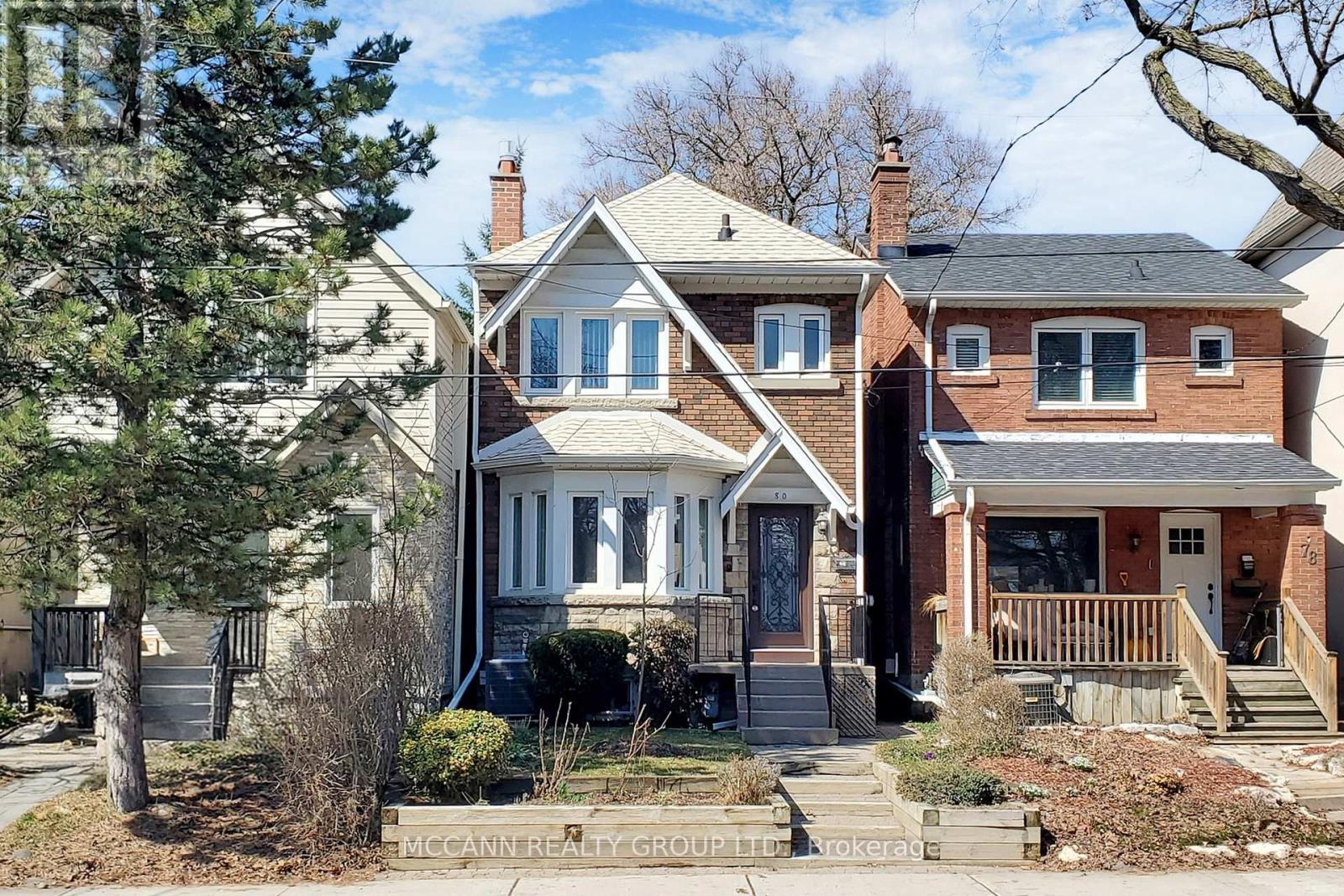 For Sale
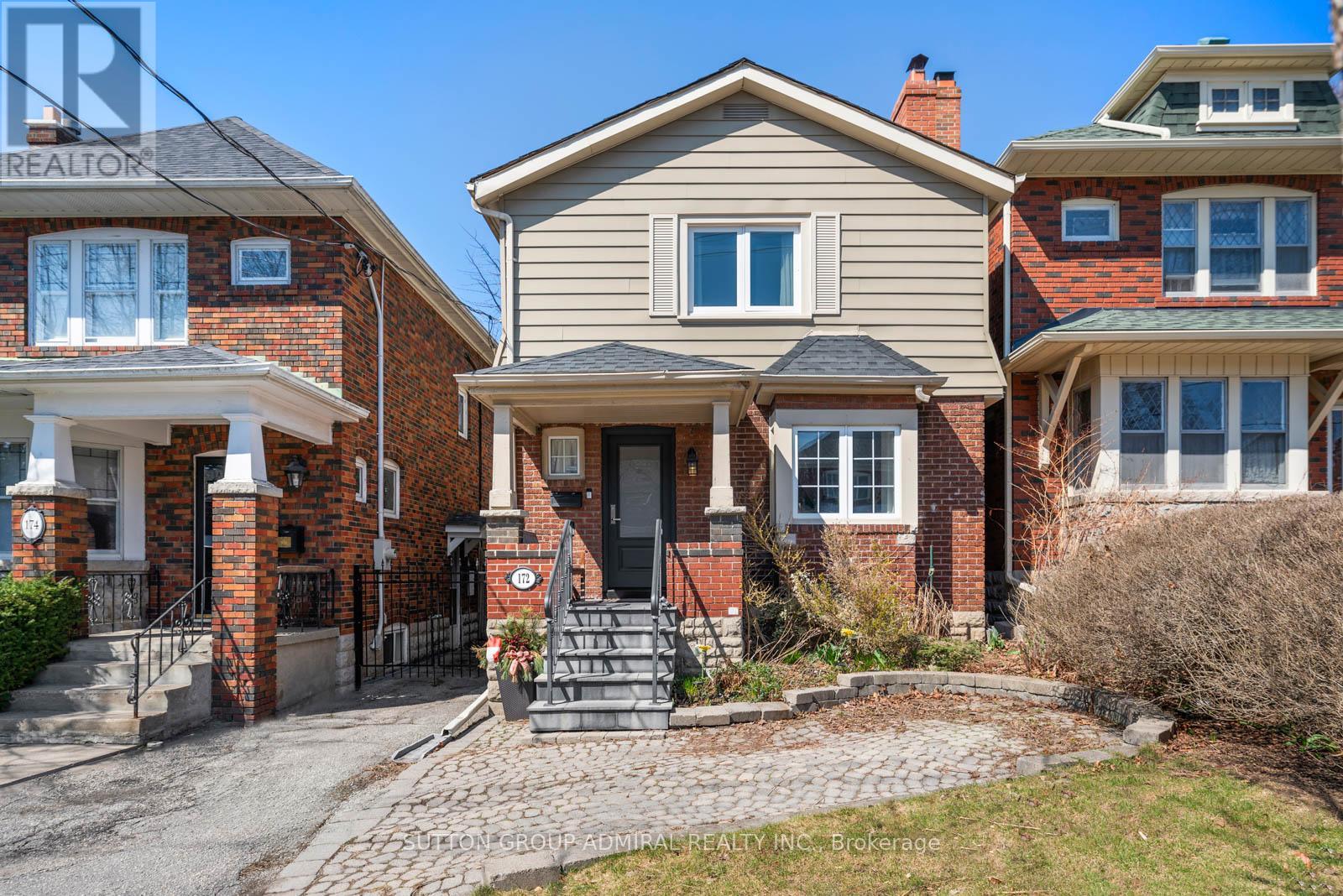 For Sale
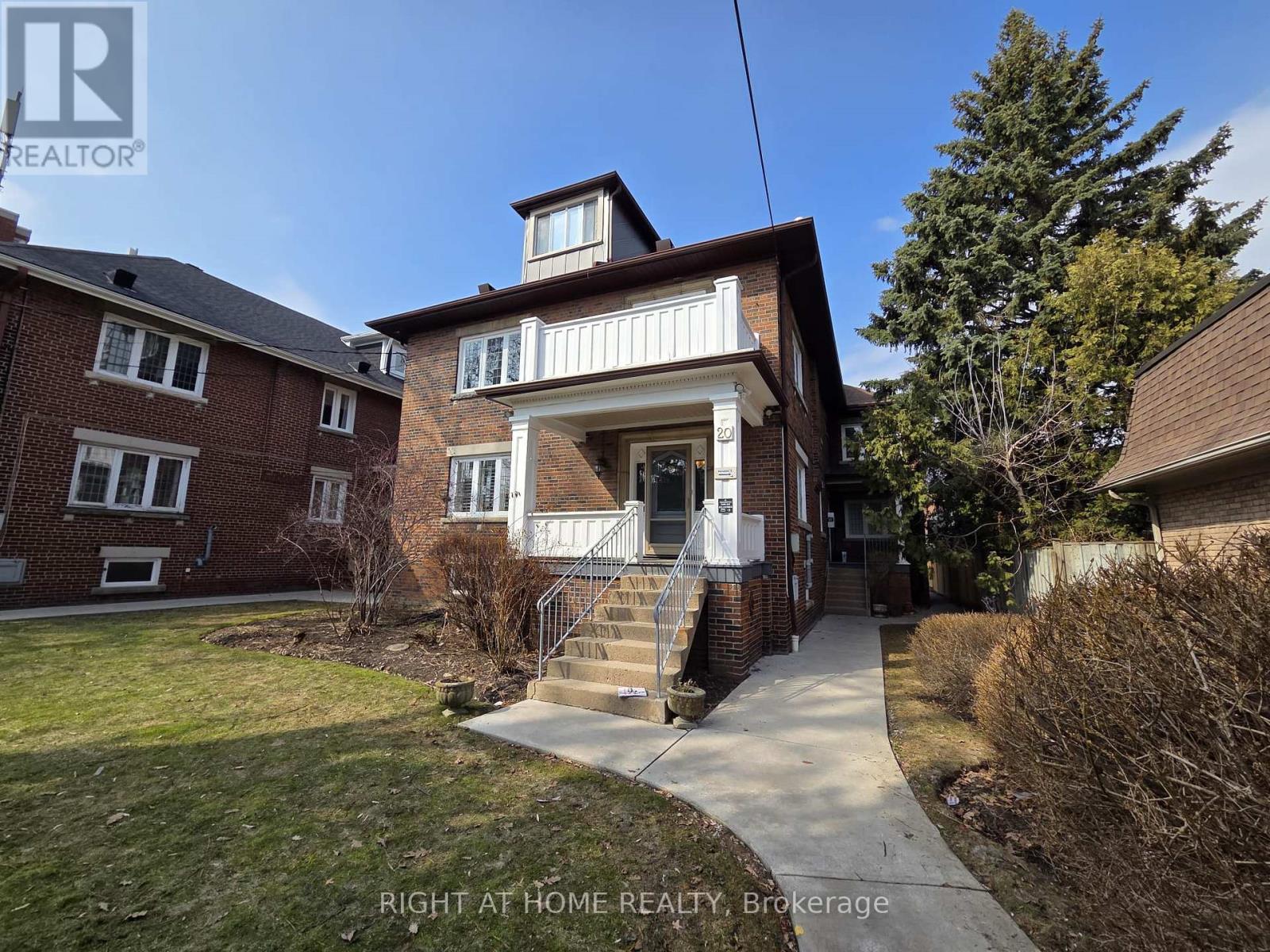 For Rent
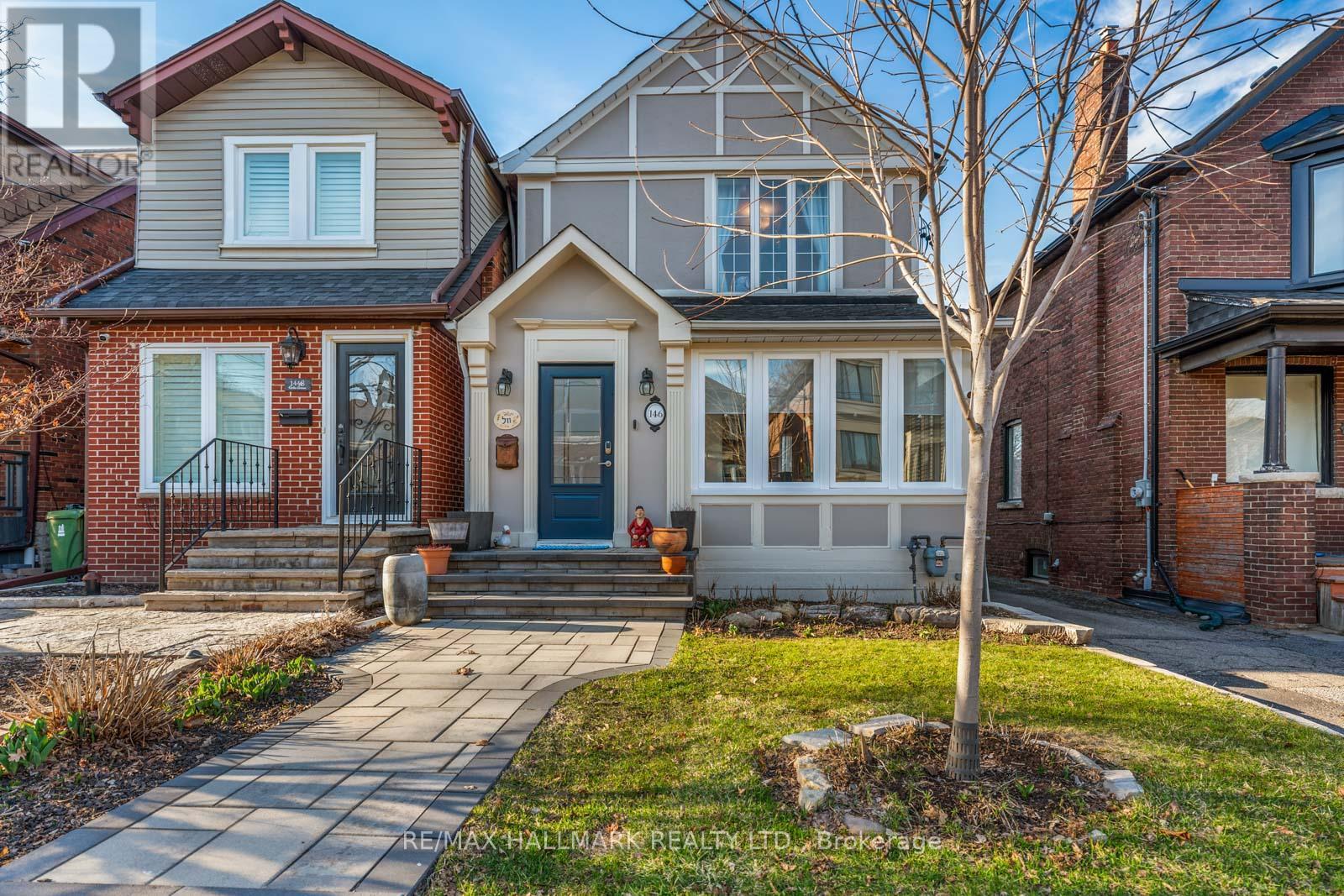 For Sale