

Leaside is an east Toronto neighbourhood of large lots and brick detached homes, built in the 1910s through the 1950s on a planned street grid that still gives McRae Drive, Bessborough Drive, and Lea Avenue their distinctive width and setback. Leaside High School's sustained ranking among Ontario's top public secondary schools drives consistent family demand that keeps prices elevated even when the broader 416 softens. Detached homes were trading between $1.6 million and $2.8 million in early 2026, with fully renovated and custom-built properties on larger lots above $3 million.
Leaside was designed before it was built. Canadian Industries Limited laid out the street grid in the 1910s to house its workers, and that origin shows in ways that matter to buyers today: wider-than-average streets, consistent setbacks, proper front yards, and a residential character that was engineered rather than accumulated. McRae Drive, Bessborough Drive, and Lea Avenue reflect that planning. They don’t have the cramped character of Toronto’s older Victorian streets. You can park, turn around, and feel like you have room.
The neighbourhood sits on a rough rectangle bounded by the Don Valley ravine to the west, Laird Drive to the east, Eglinton Avenue East along the north, and the CN rail corridor near Millwood Road to the south. That geography is relevant to buyers. The Don Valley edge means Serena Gundy Park and the ravine trail system are within walking distance. It also means the western boundary is defined by terrain rather than an arbitrary line, which gives Leaside a coherence that neighbourhoods absorbed into a larger urban grid don’t quite have.
Bayview Avenue runs north-south through the western half and carries most of the neighbourhood’s commercial life. The strip is functional in the best sense: there’s a good hardware store, a couple of independent coffee shops, wine and cheese shops, a deli, a pharmacy, and several restaurants that have survived long enough to become fixtures. It’s not the Ossington strip for hospitality density, and it doesn’t try to be. Residents use Bayview as a local main street, not a destination.
The dominant purchase in Leaside is a detached brick home built between 1940 and 1960, on a lot deeper and wider than most of inner Toronto, with a proper driveway, a garage, and a backyard that can accommodate children. This is the housing type the neighbourhood was built around and it remains the most common sale. A solid home in that category, in reasonable condition, with a decent kitchen and original character preserved, was trading between $1.6 million and $2.2 million in early 2026.
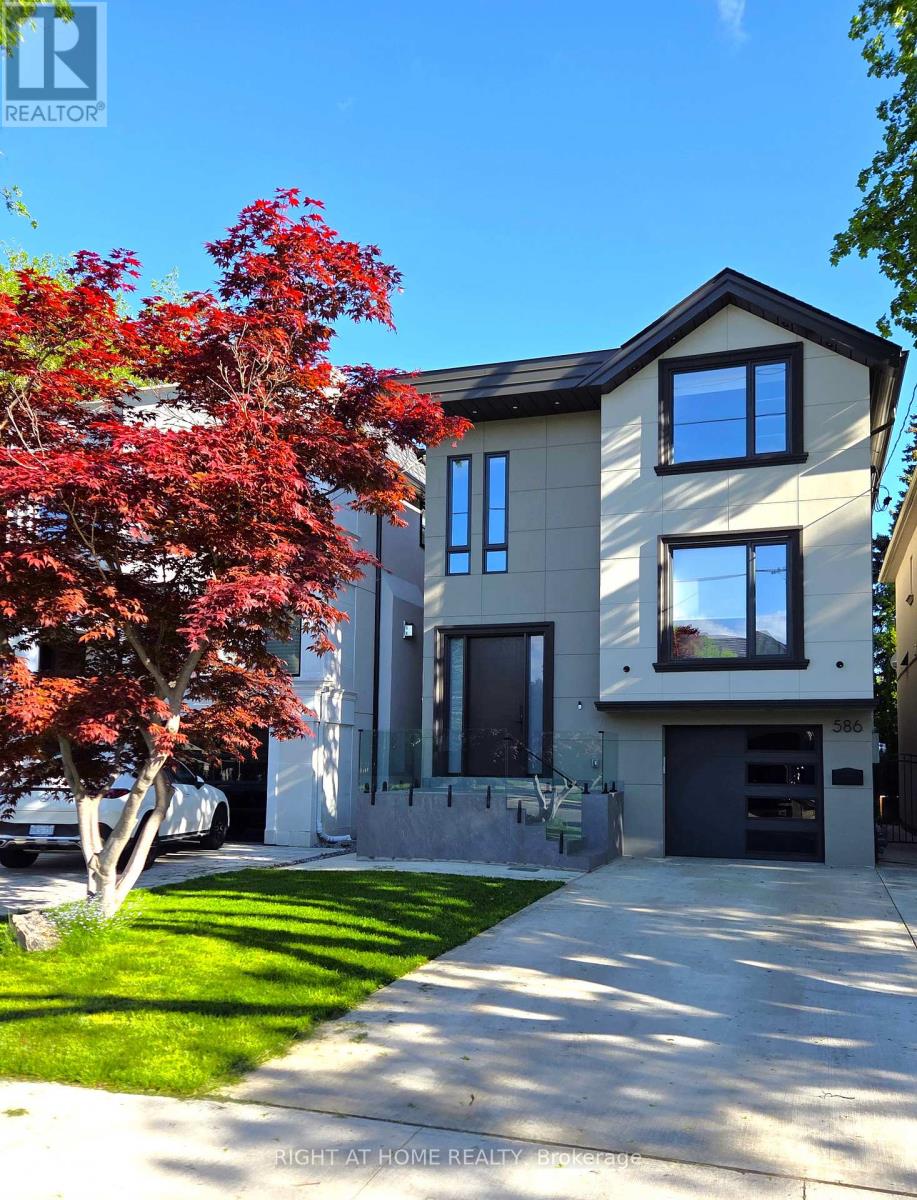
Renovated and expanded properties occupy the mid-upper range. Homes on McRae Drive and Bessborough Drive that have had thoughtful additions, updated mechanicals, and proper kitchen and bathroom work sell between $2.2 million and $2.8 million. Above $3 million you find custom-built replacements and deep-lot properties where the original home was substantially redeveloped. These sales are less frequent but they do happen, particularly on the widest lots with the best ravine or park proximity.
Semis exist but they’re the exception rather than the norm. Where they appear, they sell from around $1.3 million depending on condition and location. The neighbourhood doesn’t have the density of semis that characterises Davisville or Leslieville. Buyers coming from those neighbourhoods often find the proportion of detached properties one of Leaside’s clearest advantages.
There’s no meaningful condo inventory within Leaside’s core. Buyers who want a condo near the neighbourhood look to the Bayview and Eglinton intersection or further toward the Yonge corridor. The core residential streets are freehold.
Leaside’s market is driven by a buyer who has done the research. Most families arrive here after shortlisting two or three comparable neighbourhoods and have usually confirmed the school catchment before they start attending open houses. That makes the buyer pool informed and purposeful. It also makes it competitive. When a well-presented detached home on a good street comes to market in spring, it attracts attention quickly.
In early 2026, most listings are reviewed as they come rather than held to a formal offer date. The strongest properties on the best streets still see multiple offers when priced at market. Properties that need work, are priced at the high end of comparables, or come to market in slow periods tend to sit longer and negotiate. The gap between the top of the market and properties that require compromise is wider here than in denser, more uniform neighbourhoods, because the variation in lot size, condition, and street quality within Leaside is real.
The neighbourhood has historically been resilient in soft markets. The school argument provides a floor: families who need to be in the catchment before a child starts secondary school don’t have the same flexibility as discretionary buyers. That structural demand cushions prices when sentiment is weak and accelerates them when sentiment improves. Buyers who purchase in Leaside for the school generally stay for the duration of the secondary school years, which keeps turnover low and sustains scarcity.
Spring is the primary window, peaking from February through May. October brings a shorter second period of activity. Properties listed in November and December often reflect a seller who needs to move and are worth watching for buyers who can act outside the competitive windows.
The buyers who end up in Leaside are almost always choosing it over Davisville, Moore Park, or East York. The decision against Davisville usually centres on lot size and housing type: Davisville has the subway, but its lots are smaller and its semis more common. Leaside buyers want the garage, the backyard, and the space. They’ll accept the longer transit commute, especially in households where at least one adult drives to work or works partly from home.
The decision against Moore Park is typically financial. Moore Park is immediately west of Leaside across the Don Valley and has a similar family character and school focus, but detached homes on the better streets there push well above $3 million for unrenovated properties. Leaside offers comparable school quality and lot sizes at a meaningful discount. Buyers who look at both usually conclude that Leaside represents the better value unless the Moore Park address is a priority in itself.
East York sits to the south and east, with similar housing stock in type and era but outside the Leaside High School catchment in most cases. The price difference between East York detached homes and comparable Leaside properties largely tracks the school premium. Buyers who don’t have children or whose children are already through secondary school sometimes find East York a better proposition and accept that the address doesn’t carry the same resale momentum.
The Leaside buyer tends to be a family in their late 30s or early 40s, often with one child starting or approaching primary school and a second in mind. They’ve usually lived in a smaller Toronto property and are trading up. They understand the school argument and have often done more research on Leaside High’s programme than on the specific house they’re buying.
The school catchment question is the first thing to confirm, not the last. Leaside High School’s catchment doesn’t follow perfectly intuitive boundaries. Properties on streets near the Laird Drive or Millwood Road edges of the neighbourhood can fall outside it. The TDSB boundary tool lets you enter a specific address and confirm the assigned school. Do this before you bid, not after. A two-block difference can mean a different secondary school, and in this neighbourhood that difference is often worth six figures in price.
Bayview Avenue proximity is worth assessing honestly. The commercial strip on Bayview is one of the neighbourhood’s assets: walkable, functional, genuinely used by residents. But Bayview is also a moderately busy arterial, and homes directly on it or on the cross streets closest to it carry more ambient noise than listings typically acknowledge. Walk the block on a weekday morning and a Saturday afternoon before you decide whether the proximity is a convenience or a drawback for your specific household.
The western edge of Leaside near the Don Valley offers ravine and park access that mid-neighbourhood streets don’t have. Serena Gundy Park is reachable on foot from properties near Laird and Millwood. Buyers who value the trail access and the ravine character should look at the western streets first, where that proximity is priced into some listings but not all. Properties directly adjacent to the ravine edge warrant a soil and drainage assessment before purchase, particularly those with rear gardens that slope toward the valley.
Lot size variation within the neighbourhood is real and worth mapping before shortlisting. The planned grid means many lots follow consistent dimensions, but corner lots, irregular parcels from the original subdivision, and properties where neighbouring homes have been combined or split can vary significantly. Check the actual survey dimensions against the listing. The difference between a 40-foot and a 50-foot frontage affects both the feel of the property and its potential for any future addition.
Leaside buyers are practical people making a deliberate long-term decision. They’re not buying a lifestyle or an aesthetic. They’re buying a school, a lot, a garage, and a house they can grow into. That shapes what works in a listing and what doesn’t. A Leaside seller who has kept the mechanical systems in order, maintains a functional backyard, and presents a home that looks genuinely lived in rather than staged within an inch of its life will do well. One who tries to sell with cosmetic updates that mask deferred maintenance will run into buyers who have done their due diligence.
The homes that perform strongest are the ones that respect the 1950s bones and make them work. A kitchen that functions well, even if it’s not from 2024. Bathrooms that are clean and maintained. Hardwood floors refinished rather than covered with vinyl plank. Buyers here are experienced enough to see through fresh paint over problems and experienced enough to value solid, honest maintenance over renovation done to sell. They’re also buying into a neighbourhood where their neighbours will be equally practical and where the social culture is based on schools and children rather than on restaurants and nightlife.
Timing your sale matters. The spring market, from late February through May, produces the strongest buyer pool and the most competition. If you can list in that window, you’ll see more offers and better terms. Properties that come to market in July or August face a thinner buyer pool: the families who need to be settled before September are usually already under contract by then. October is a viable second window. November through January is quiet, and sellers who appear in that period often reveal flexibility in their negotiations that the spring period wouldn’t allow.
Trace Manes Park on McRae Drive is the neighbourhood’s gathering point. It has a community centre with an indoor pool, an arena, tennis courts, a splash pad, and playing fields. The arena is heavily used in winter. The community centre runs programming for children and adults year-round. For a neighbourhood built around families, this is not a peripheral amenity: it’s where a meaningful portion of the social life happens, particularly for households with younger children who are cycling through swimming lessons, skating lessons, and team sports simultaneously.
Serena Gundy Park on the Don Valley edge provides a different kind of green space: ravine trails, mature tree cover, and a quiet that sits in contrast to the mid-neighbourhood streets. The park connects to the broader Don Valley trail system, which runs from the lake at the Forks of the Don north toward the Rouge. A morning run from Leaside into the ravine and back is a genuinely good run, not just a neighbourhood-guide claim.
Sunnybrook Health Sciences Centre is about two kilometres north along Bayview, which is relevant for households where proximity to a major hospital matters. Whether that’s a working consideration or a stage-of-life one, Leaside’s location on the Bayview corridor puts Sunnybrook closer than it would be from most comparable east Toronto neighbourhoods.
The Bayview strip handles the daily shopping efficiently. Summerhill Market on Bayview has a loyal following. The LCBO, a hardware store, several coffee shops including a good independent on the Bayview strip, and enough restaurant options for a regular weeknight dinner without driving: the retail infrastructure is modest by density and strong by function. Residents who want the full restaurant and bar range drive or take transit to the Yonge and Eglinton corridor, which is 15 minutes from most Leaside streets.
Leaside doesn’t have rapid transit yet, and buyers who need it should be honest about what that means in practice. The nearest subway stations are on the Yonge line: Davisville and Eglinton stations are reachable by car in 10 to 15 minutes or by the 54 Lawrence East bus, which connects to Eglinton station. The bus works but it’s a local route with stops, and in winter or bad traffic it adds meaningful time to a downtown commute. Buyers who have been living near the subway and commuting on it daily sometimes find this adjustment harder than they expected.
The car is the dominant mode in Leaside, and the neighbourhood is set up for it. Most homes have a driveway and a garage. The streets are wide enough that parking isn’t a battle. The Don Valley Parkway is accessible from Millwood Road and provides a direct southern connection to the Gardiner and the lake. Northbound access to the 401 is via the DVP as well. For households where driving to work is realistic, Leaside’s location on the DVP on-ramp system is a genuine practical advantage over more transit-dependent neighbourhoods.
The Eglinton Crosstown LRT is the transit story that buyers keep returning to. The Laird Station and the Leaside Station on the Crosstown will put rapid transit directly in the neighbourhood when the line opens. From Laird Station, the Crosstown runs west toward Yonge and Eglinton and east toward Kennedy station on the Bloor-Danforth line. That’s a meaningful change from the current situation. Buyers buying now are buying in a pre-Crosstown neighbourhood and should price accordingly. The transit improvement, when it comes, is likely to tighten the value gap between Leaside and more transit-accessible neighbourhoods to the west.
Davisville is the comparison most Leaside buyers have already run before they arrive at a showing. The two neighbourhoods draw from the same pool: families prioritising a strong public secondary school, looking for a detached home with a proper lot, and trying to stay within a reasonable distance of central Toronto. What they’re trading is transit access against lot size and housing type. Davisville has the Yonge subway line at Davisville station, which is a real advantage for a two-commuter household where both adults need to get downtown by 9am. Its lots are smaller and its housing stock includes more semis. Leaside’s lots are wider, garages are standard rather than exceptional, and the detached-to-semi ratio is heavily in favour of detached. The secondary school calculus is more even than buyers assume: Davisville catches into North Toronto Collegiate Institute, which competes with Leaside High in any honest ranking. Buyers who choose Leaside over Davisville are usually accepting the transit trade-off in exchange for more property, and most report the compromise was worth it once they’re settled.
Moore Park sits immediately west of Leaside across the Don Valley, accessed via the Millwood Road bridge. It has a similar family character, similar school focus (the Leaside High catchment doesn’t extend into Moore Park, which has its own secondary school pathway), and a comparable emphasis on green space and quiet residential streets. The difference is price. Moore Park detached homes run significantly higher than comparable Leaside properties, reflecting the neighbourhood’s older establishment, its address prestige, and proximity to the Rosedale golf course and ravine system. Buyers who look at both neighbourhoods often conclude that Leaside delivers comparable daily life at a lower entry point.
East York covers a large area to the south and east of Leaside, with significant overlap in housing type and era. Post-war brick detached homes on the streets around Cosburn Avenue and Coxwell Avenue are priced materially below comparable Leaside properties. The gap tracks the school premium almost directly. Buyers without children in the secondary school system, or buyers whose children are already past that stage, often find East York a better financial proposition and accept that the Leaside address and its resale momentum aren’t available at East York prices.
Leaside High School is the reason most families end up here. Its Fraser Institute ranking has placed it consistently among the top five to ten public secondary schools in Ontario for more than a decade, and the school’s performance reflects a self-reinforcing dynamic: families move into the catchment for the school, the parent community is deeply engaged, the student culture is academically oriented, and the results sustain the ranking that brought the families there in the first place. Leaside High has strong programmes in arts, athletics, and academics, and a track record of university placement that parents with serious post-secondary ambitions find reassuring. It’s a public school that delivers outcomes comparable to private schools at public school cost.
The elementary feeding schools are Northlea Elementary School on Rumsey Road, which is the primary feeder for the central Leaside streets, and Bessborough Drive Elementary and Middle School. Both are well-regarded in their own right. The presence of a competent elementary pathway through to a strong secondary school, all within the same catchment, is the complete package that most family buyers are looking for and that most Toronto neighbourhoods can’t deliver.
French Immersion is available within the TDSB system but typically requires separate applications and may not place children at the neighbourhood schools. Buyers with French Immersion as a priority should confirm the programme availability and transportation implications before relying on the Leaside address to solve the problem.
The TDSB boundary tool at tdsb.on.ca is the definitive source for catchment confirmation. Use a specific address, not a postal code. Boundaries have been reviewed periodically and what applied three years ago may not apply today. Confirm before you bid.
What is the Leaside High School catchment and why does it affect property prices? Leaside High School draws from a catchment covering most of the neighbourhood and has ranked consistently among the top five to ten public secondary schools in Ontario on the Fraser Institute’s annual report card. The school’s strength in academics, arts, and athletics isn’t accidental: the parent community is deeply invested, the student population turns over slowly because families move into the catchment and stay, and the result is a school culture that reinforces itself year after year. Buyers who track this know it well. Leaside properties within the confirmed catchment carry a premium over comparable East York homes just outside it, and that premium has proven durable through multiple market cycles including the 2022 correction. Always verify your specific address using the TDSB boundary tool, as catchment boundaries are subject to review and what applied three years ago may have changed.
How will the Eglinton Crosstown LRT change Leaside real estate? The Eglinton Crosstown will bring two stations to Leaside’s edge: Laird Station on Laird Drive near Eglinton, and Leaside Station further east near Brentcliffe Road. When the line opens, residents will reach Yonge and Eglinton without driving or relying on a bus connection, and from there access the Yonge subway in either direction. The practical change is considerable. Right now, Leaside has no rapid transit of its own. Most commuters drive or take the 54 bus to Eglinton station. The Crosstown converts Leaside from a neighbourhood you drive out of into one with a direct rapid transit link. Properties along the Laird Drive and Brentcliffe corridor are likely to benefit most from the improved access. The opening timeline has shifted multiple times, so buyers should treat the transit improvement as a future upside rather than a present condition when making their purchase decision.
How does Leaside compare to Davisville for families? Davisville and Leaside draw from the same pool of family buyers weighing school quality against transit access and lot size. Davisville has the Yonge subway at Davisville station, which matters for households where both adults commute downtown by transit. Its housing stock leans toward semis and older detached homes on narrower lots with smaller backyards. Leaside’s lots are larger, its housing predominantly detached, driveways and double garages are common, and the street widths give the neighbourhood a different spatial feel. The secondary school comparison is more even than the Leaside reputation suggests: North Toronto Collegiate Institute in the Davisville catchment is also a strong public school. The decision usually comes down to lot versus transit. Leaside buyers accept less transit access in exchange for more property. That trade-off is likely to narrow once the Crosstown opens.
What are the best streets to buy on in Leaside? McRae Drive is the address most buyers name first. It’s a wide, tree-lined street with generous lot depths, well-maintained homes, and prices at the upper end of the neighbourhood range. Bessborough Drive is similar in character and consistently contested when properties come to market. Lea Avenue and Hanna Road attract buyers who want the neighbourhood without the very top-of-market prices and still deliver the same school catchment and lot quality. Properties on or very near Bayview Avenue can carry more traffic noise than buyers expect; the commercial strip is genuinely useful, but it’s a busy arterial and homes directly adjacent feel it. Walk the block on a weekday morning before committing. The streets between McRae and Bessborough, within easy walking distance of Trace Manes Park, represent the most consistent demand in the neighbourhood across multiple market cycles.
Leaside was incorporated as a town in 1913, and the story of why it exists is more deliberate than most Toronto neighbourhoods. The Leaside Land Company, working in conjunction with Canadian Industries Limited, laid out the town plan on land that had been agricultural to the point of being rural. The streets were wider than Toronto’s older grids from the start, the lots were larger, and the intention was always a planned community for a specific population: factory and industrial workers and their families. The CIL plant on Laird Drive was the employment anchor. The residential streets exist because of it.
The planned character explains several things that buyers find appealing about Leaside without always knowing why. The setbacks are consistent because they were mandated from the beginning. The brick construction of the 1940s and 1950s homes reflects both the era and the original decision to build a neighbourhood intended to last. The street widths that allow two cars to pass and still have a sidewalk on each side weren’t an accident; they were a specification.
Leaside was amalgamated into the City of Toronto in 1967, absorbed into East York borough, and then into the megacity in 1998. The CIL plant is long gone, replaced by the light industrial and retail uses on Laird Drive that buyers occasionally note as a character contrast to the residential streets two blocks away. That contrast is historically honest. Leaside was built as a company town and the industrial land still shows the outline of that origin, even as the residential neighbourhood has become one of the more expensive addresses in east Toronto.
Leaside High School was built in 1953, just as the post-war housing boom was filling in the street grid with the brick detached homes that now define the neighbourhood. The school and the neighbourhood grew up together, and the relationship between the school’s reputation and the neighbourhood’s sustained property values is now several decades old. That longevity is worth noting for buyers who wonder whether the premium is durable: it has survived multiple real estate cycles, demographic shifts, and market corrections without eroding significantly.
Street-level knowledge is hard to find online. Our team works in Leaside every day. They know which pockets hold value, where the school catchment lines actually fall, and what the market is doing right now. Talk to us before you make a decision about Leaside.
Talk to a local agent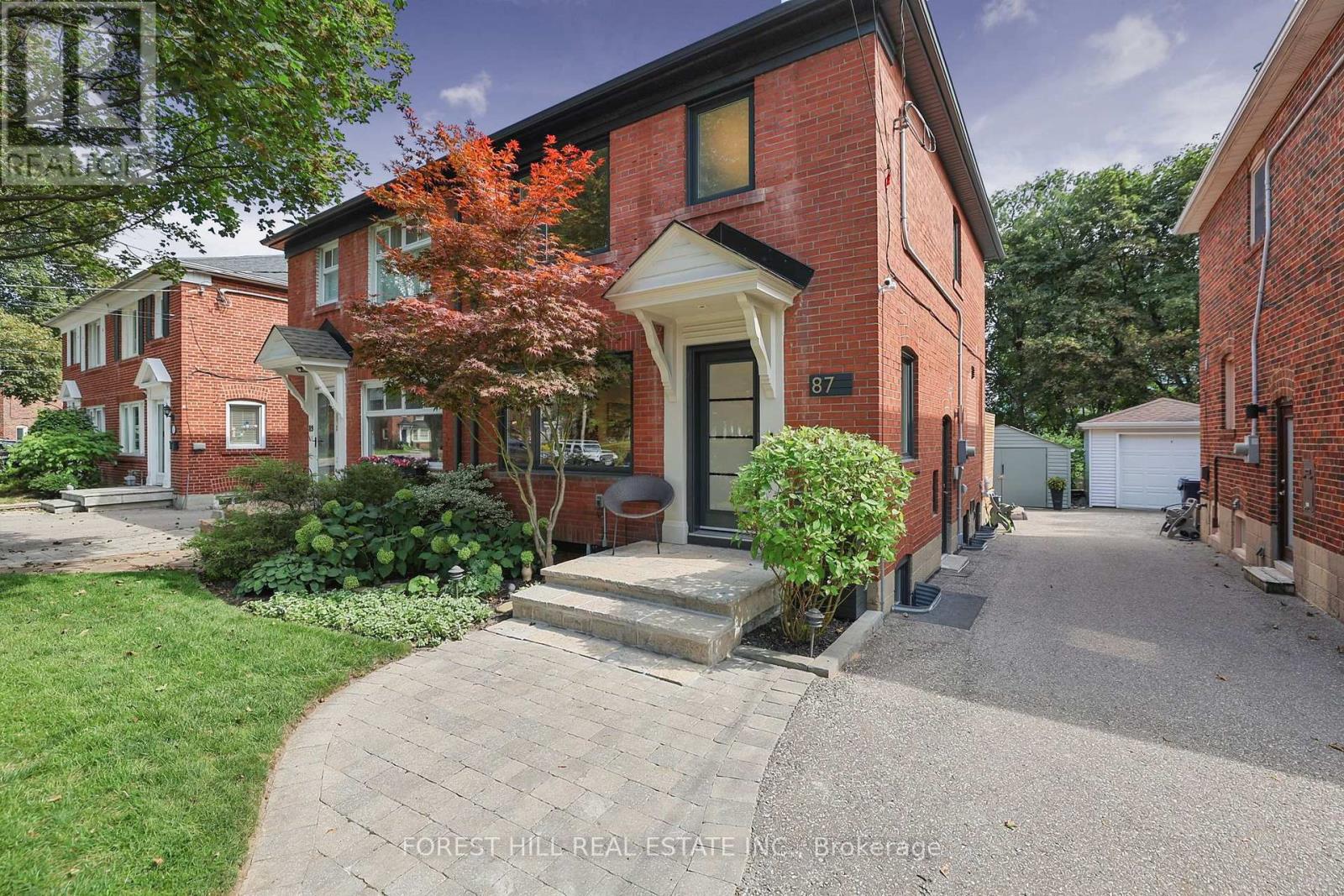 For Sale
 For Rent
 For Sale
 For Sale