
Black Creek is a northwest Toronto neighbourhood centred on Jane Street between Lawrence Avenue West and Finch Avenue West, characterized by 1960s and 1970s high-rise rental towers, significant social housing, diverse immigrant communities, and active community organizations working to address economic challenges and improve conditions for residents.
Black Creek occupies the northwest Toronto corridor along Jane Street between Lawrence Avenue West and Finch Avenue West. It is a neighbourhood best known by the surrounding arterials that define it, Jane and Finch is the common shorthand used across Toronto, and the reputation that corridor has carried for decades. That reputation is real in some respects and distorted in others, and understanding the actual neighbourhood requires moving past both the stereotype and the reflexive boosterism that sometimes replaces it.
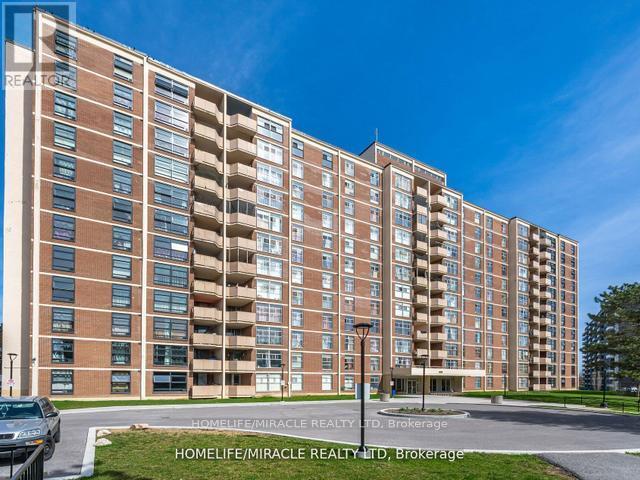
The physical form of the neighbourhood is predominantly 1960s high-rise rental towers arranged in the superblock pattern of that era’s planning. The towers were built as affordable housing for working families and have served as the entry point for successive waves of immigration to Toronto. The communities that built their lives in Black Creek represent some of the most diverse migration histories in the city: Caribbean, West African, South Asian, Southeast Asian, and Latin American families have all had significant settlement concentrations in this corridor over the past 50 years.
The social housing component of Black Creek is substantial. Toronto Community Housing Corporation manages a significant inventory in the neighbourhood and the combination of market-rate rentals, social housing, and a small ownership component creates a complex picture of the community. The neighbourhood has faced documented challenges with violence and economic disadvantage, and it has also developed strong community organizations, arts programs, and advocacy structures that work persistently on improving conditions. Both of these are true simultaneously.
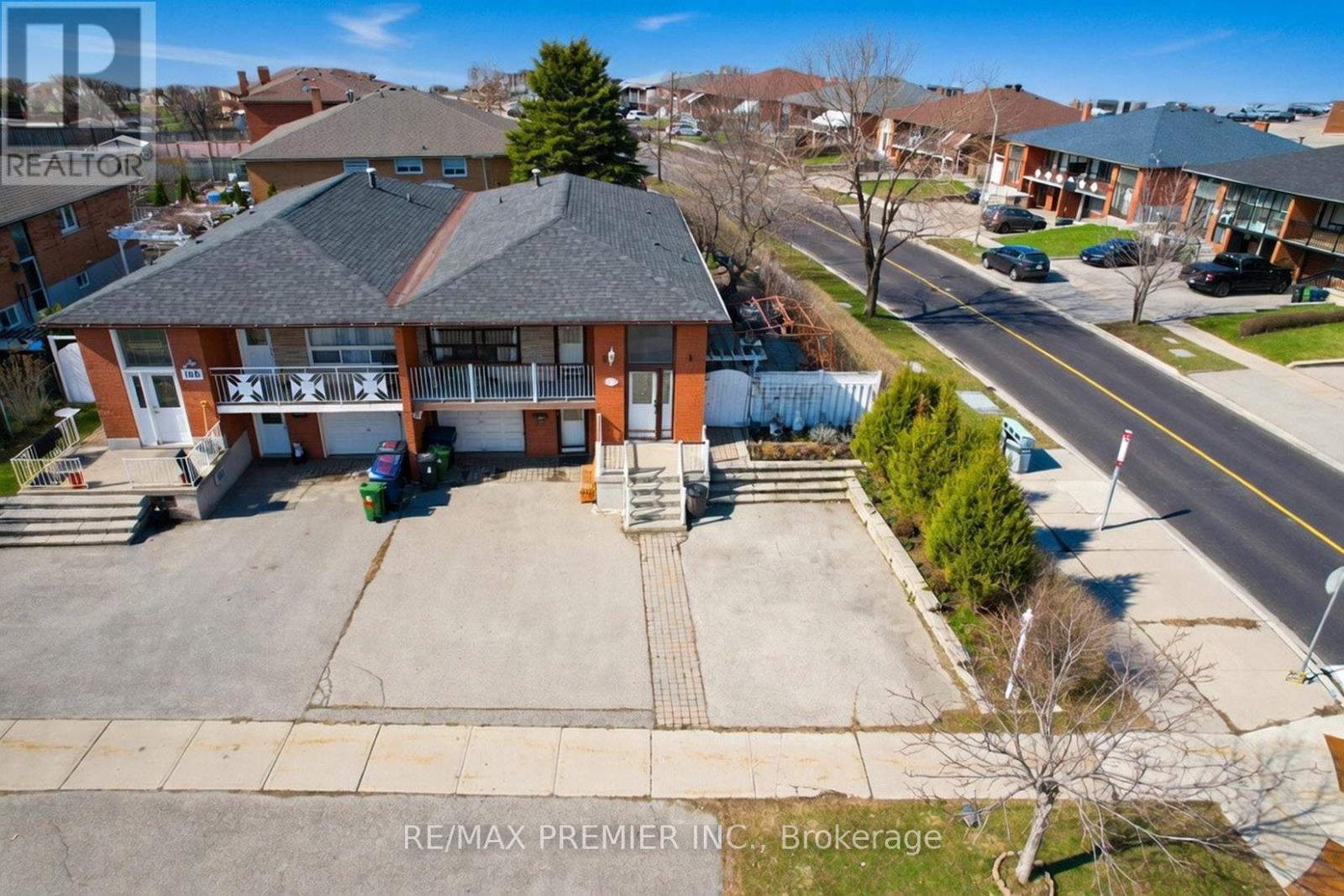
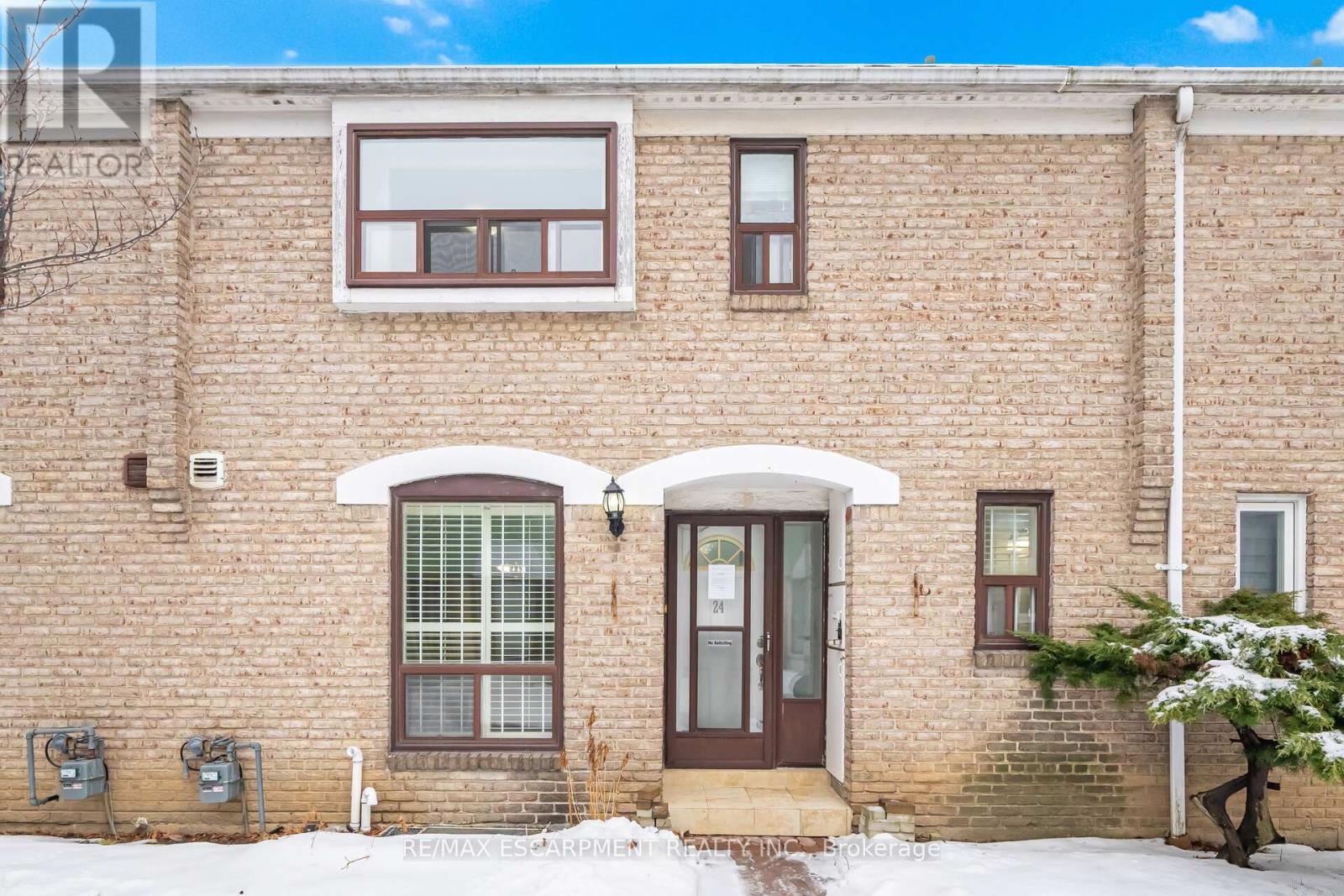
The ownership market in Black Creek is small relative to the total housing stock. The majority of residents rent in the high-rise towers or in social housing. The ownership market consists primarily of townhouse complexes and a small number of semi-detached homes in the residential streets south of Finch Avenue West. Condominium units in tower buildings that have been converted from rental to condo ownership are also part of the ownership inventory.
Townhouse ownership in the neighbourhood trades between $550,000 and $750,000 depending on size, condition, and complex. Semi-detached homes in the residential streets south of the main tower corridor trade between $750,000 and $1 million, which represents genuine value for Toronto detached homes with TTC access. Condo units where they exist trade from $350,000 to $550,000 depending on size and building quality.
The entry price points in Black Creek are among the lowest for ownership within Toronto at a bus connection to the subway. This affordability makes the neighbourhood accessible to buyers who would be priced out of every other Toronto neighbourhood with comparable transit access. The trade-off is the neighbourhood’s social challenges and reputation, which some buyers are willing to accept for the price difference and others are not.
Black Creek’s ownership market is thin and driven primarily by investment and first-time buyer calculations rather than the family-upgrade market that drives higher-income neighbourhood transactions. The annual sales volume in the ownership segment is modest and the data is insufficient to support the kind of price trend analysis that works in higher-volume markets.
The broader direction of the market is upward, driven by the general scarcity of affordable ownership in Toronto and by the genuine improvement in the physical infrastructure of the corridor through public and private investment over the past decade. The Black Creek Community Farm, the revitalized Black Creek Pioneer Village area, and the ongoing infrastructure investment along the Jane Street corridor are visible markers of a community that is receiving real attention and resources.
The key risk factor for buyers in Black Creek is the long time horizon required to see the expected appreciation. The neighbourhood’s transition is real but slow. Buyers who are purchasing with a five-year horizon may find that the broader Toronto market has moved more than the specific Black Creek appreciation, leaving them with a longer hold than anticipated. Buyers with a ten-to-fifteen-year horizon have historically been rewarded in transitioning Toronto neighbourhoods.
The ownership market in Black Creek draws two main buyer types. The first is investors purchasing townhouses or condo units for rental income. The rental demand in the neighbourhood is strong and the yields on affordable ownership units can be competitive with higher-priced Toronto investment properties. The tenant pool is large and the vacancy rates are low. The management intensity for lower-income rental properties is higher than for premium properties but the cash flow can compensate for this.
The second buyer type is first-time buyers who have identified Black Creek as the entry point that makes Toronto ownership possible at their income level. These are buyers in their late 20s and early 30s who have priced out of every other TTC-accessible Toronto community and are willing to accept the neighbourhood’s challenges in exchange for getting into the market. Some of these buyers have specific community connections to the corridor through family or cultural ties. Others are purely making an affordability calculation.
The community itself, for residents who live in the neighbourhood, is characterized by strong social bonds, active community organizations, and the resilience that comes from a community that has managed significant challenges over a long period. The Black Creek Community Hub, the Jane/Finch Community and Family Centre, and other organizations provide programming and support that create genuine community infrastructure. These organizations attract dedicated staff and volunteers and their presence is part of what makes the neighbourhood function as a community rather than simply as a housing cluster.
The residential streets in the southern part of Black Creek, below Lawrence Avenue West and adjacent to the Black Creek ravine, have the most conventional residential character. Semi-detached homes and some detached properties on street-facing lots are present in this section and represent the most traditional homeownership opportunity in the neighbourhood. These streets are quieter and more residential in character than the tower corridors to the north.
The Firgrove neighbourhood within the broader Black Creek designation is a 1970s townhouse community that has a more contained and manageable character than the high-rise tower areas. The townhouses in Firgrove have been the primary ownership market in Black Creek for buyers who want a complete community rather than a tower unit. The Firgrove community has organized community associations and the physical fabric is generally better maintained than the high-rise tower areas.
The tower corridor along Jane Street between Lawrence and Finch is the densest and most challenging part of the neighbourhood. Buyers who are purchasing for investment should walk this area carefully and assess the specific complex they are considering rather than applying a general neighbourhood assessment. The quality of management and the physical condition of specific buildings varies significantly.
Jane Street is the primary north-south arterial through Black Creek and the Jane TTC bus runs the length of the neighbourhood connecting south toward Bloor Street and the Bloor-Danforth subway at Jane station. From Jane subway station, the Bloor-Danforth line provides access to downtown Toronto. Total door-to-downtown commute from the northern part of Black Creek is typically 45 to 55 minutes using the Jane bus and subway.
The Finch LRT, when it opens, will run east-west along Finch Avenue West from Finch West subway station to Humber College. This will improve east-west transit access along the northern boundary of the neighbourhood and provide better connections to Finch West subway station. The LRT was in construction as of early 2026 and the opening timeline had been extended multiple times. When operational, it will be a genuine improvement to the transit picture in the northern part of Black Creek.
Highway 400 is accessible from Finch Avenue West via the Black Creek Drive corridor, approximately 10 minutes from the northern part of the neighbourhood. Highway 401 is accessible via Black Creek Drive south. For residents who drive to work, the highway connections are adequate. The neighbourhood is not primarily a driving-based community in the same way that suburban Etobicoke is, and most residents depend on the TTC bus network for daily travel.
G. Ross Lord Park on Black Creek Drive at Finch Avenue West is the largest park in the immediate area and provides extensive green space including sports fields, a community garden, cycling paths, and cross-country ski trails in winter. The park is a genuinely good municipal park and is well used by residents of Black Creek and the surrounding communities. It represents the kind of park investment that the City of Toronto has made in northwest Toronto to compensate for the neighbourhood’s other disadvantages.
Black Creek Pioneer Village is adjacent to G. Ross Lord Park and is a living history museum operated by the Toronto and Region Conservation Authority with reconstructed 19th-century buildings and historical programming. The village is an educational resource for the neighbourhood and its school programs connect with local schools in the area. It is accessible to residents for seasonal events and is a visible heritage presence in an otherwise modern urban landscape.
The Black Creek ravine corridor itself provides natural trail access through the valley. The creek trail connects south toward the Humber River trail system and north through the York University and Downsview area. The ravine is managed by the TRCA and provides genuine natural corridor access that the neighbourhood’s urban character does not otherwise suggest. The natural system along Black Creek is an underappreciated element of the neighbourhood’s outdoor infrastructure.
The commercial activity in Black Creek is primarily on Jane Street and along Finch Avenue West. The Jane Street strip has a mix of Caribbean restaurants, West African grocery stores, South Asian businesses, and the general service retail of a diverse urban commercial street. The Finch Avenue West corridor has additional options including larger grocery stores, pharmacies, and national chain retail that handle weekly shopping needs.
Yorkdale Shopping Centre is approximately 15 minutes east on Finch Avenue West and Highway 400 and provides the full-scale mall experience. Downsview Park and the Canadian Tire Centre on Wilson Avenue are accessible in a short drive for additional retail options. The commercial options within the immediate neighbourhood serve daily needs well for the diverse community but do not offer the dining destination quality of the Bloor Street or St. Clair commercial corridors.
The Jane and Finch corridor has seen attempts at commercial improvement through business improvement area programs and city investment in streetscaping. These efforts have produced some visible improvements to the physical appearance of the commercial strips and have supported some new independent business investment. The commercial transformation that has occurred in other transitioning Toronto corridors has not yet materialized on Jane Street to the same degree, but the investment direction is positive.
The Toronto District School Board schools serving Black Creek are among the most challenged in the city in terms of the social and economic needs of the student population. The schools have received equity funding and additional resources from the board to address the learning disadvantages that correlate with concentrated poverty. The quality of individual schools varies and parents who are prioritizing school quality should visit specific schools and review the available board assessment data rather than making assumptions from the neighbourhood designation.
York University is immediately adjacent to the northern edge of Black Creek and its presence provides educational and employment opportunities for the neighbourhood. The university’s community engagement programs have developed partnerships with local schools and community organizations and the proximity of a major university to a lower-income community has created some social mobility pathways that would not otherwise exist.
The Catholic school system through the TCDSB serves Catholic families in the neighbourhood. The Catholic secondary school in the area, Father Henry Carr Catholic Secondary School, is one of the larger TCDSB schools in the northwest Toronto area and has a diverse student population reflecting the neighbourhood’s demographics.
Black Creek is receiving substantial public investment that was not present a decade ago. The City of Toronto’s Tower Renewal Program has directed funding to the rehabilitation of aging high-rise rental towers in the neighbourhood, improving building envelopes, lobbies, and shared spaces. This investment is improving the physical condition of the neighbourhood’s primary building type and has visible effects on the worst of the deteriorated towers.
The Finch LRT under construction is the major transit infrastructure investment affecting the northern part of the neighbourhood. The LRT, when complete, will add rapid transit along the Finch corridor and improve connections to the Finch West subway station. This will reduce the transit time for residents in the northern part of the neighbourhood traveling toward the subway.
York University’s expansion and the planned development of the Downsview area immediately north are bringing significant new development to the northern edge of the Black Creek territory. The Downsview area redevelopment, one of the largest urban planning projects in Toronto history, proposes to transform the former military base into a major mixed-use community over several decades. The proximity of this development to Black Creek will eventually have positive spillover effects in the form of employment, transit investment, and economic activity in the corridor.
Is Black Creek a safe neighbourhood to live in and what is the realistic picture of community safety?
The safety picture in Black Creek is more nuanced than the neighbourhood’s reputation suggests. The Jane and Finch corridor has historically had higher rates of violent crime than Toronto averages, and this is documented fact rather than perception. The causes are well understood: concentrated poverty, inadequate social services, and the social stresses that accompany economic marginalization affect safety outcomes in predictable ways. At the same time, the majority of residents of Black Creek live without direct experience of violence and the neighbourhood functions as a community, with children playing in parks, elderly residents walking to shops, and families going about daily life without incident. The specific blocks and buildings within the neighbourhood vary significantly in safety character. The tower complexes closest to the Jane and Finch intersection have more incident history than the townhouse communities further south or the residential streets adjacent to the ravine. Buyers should assess the safety profile of their specific target block rather than applying a uniform neighbourhood assessment. The trend direction in crime statistics for the corridor has been improving over the past decade, though the improvement has been uneven and the absolute level remains above city averages in some categories.
What is the transit commute like from Black Creek to downtown Toronto?
The Jane bus to Jane subway station is the primary route. Jane station is at Bloor Street and the ride from the northern part of Black Creek to Jane station is 20 to 30 minutes on the Jane bus depending on time of day and starting address. From Jane station to Bloor-Yonge is 17 minutes on the subway. Total trip from northern Black Creek to downtown Toronto core is typically 45 to 60 minutes. This is a long commute by inner-city standards but it is a transit commute rather than a driving one, which is better than many Toronto suburban commutes of similar time. The Finch LRT, when complete, will improve east-west travel from the northern part of the neighbourhood to Finch West subway station, which will be faster for residents heading toward the Spadina and Yonge lines than the Jane bus route to Jane station.
What are the community organizations active in Black Creek and why do they matter for buyers?
The Jane/Finch Community and Family Centre provides settlement services, food security programs, youth programming, and advocacy for community improvement. The Black Creek Community Farm operates an urban farm and food access program. The Access Alliance health centre provides culturally appropriate healthcare. These organizations represent substantial social infrastructure investment in the community and their presence is a real indicator of the community’s capacity to improve conditions over time. For buyers who are concerned about neighbourhood trajectory, the strength and activity of these organizations is a positive signal that distinguishes Black Creek from neighbourhoods with similar economic profiles but weaker community organization. Buyers who engage with these organizations, either as users or as supporters, typically find that their experience of the neighbourhood is substantially better than the headline reputation suggests.
What has the Tower Renewal Program actually changed in Black Creek?
The Tower Renewal Program has funded physical improvements to a number of high-rise rental towers in the neighbourhood including lobby renovations, elevator modernization, improved lighting in common areas, and building envelope improvements. These changes have made specific buildings noticeably better for residents in terms of security and livability. The program has also supported some energy efficiency improvements that reduce operating costs and provide environmental benefits. The program has not transformed the neighbourhood, and some towers remain in poor condition because the renewal funding is not unlimited and the backlog of deferred maintenance in the aging stock is substantial. Buyers considering investment in tower units should look for buildings that have received Tower Renewal investment as an indicator of improved physical condition and management engagement with the city’s programs.
Black Creek is not a neighbourhood for buyers who want a conventional Toronto real estate investment with predictable appreciation timelines. It is a neighbourhood for buyers who either need the affordability it offers or who are making a long-horizon bet on the neighbourhood’s improvement trajectory with a realistic assessment of the risks involved.
For investors focused on yield, the numbers can work in specific buildings with good management and in the townhouse complexes where the tenant profile is more stable. For first-time buyers making an affordability calculation, the entry prices are real and the transit connection to the subway is functional. The costs are the neighbourhood’s social challenges and the uncertainty around the improvement timeline.
We cover Black Creek and the northwest Toronto corridor. If you want an honest assessment of specific buildings, specific streets, and the realistic investment case for the neighbourhood, reach out. We will tell you what we actually think rather than selling you on a gentrification timeline that may or may not materialize in the timeframe you are planning around.
Street-level knowledge is hard to find online. Our team works in Black Creek every day. They know which pockets hold value, where the school catchment lines actually fall, and what the market is doing right now. Talk to us before you make a decision about Black Creek.
Talk to a local agent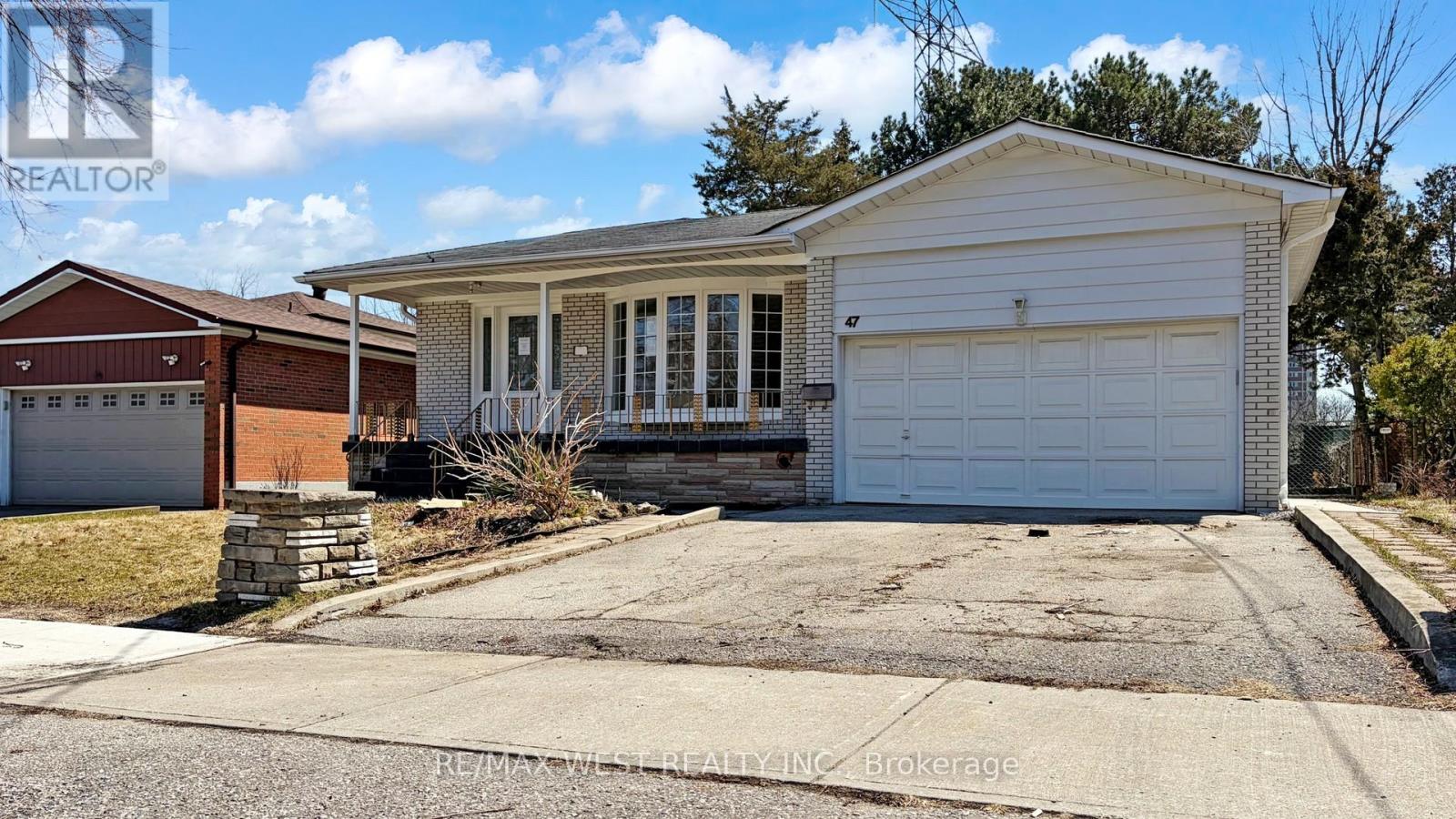 For Sale
 For Sale
 For Sale
 For Sale