
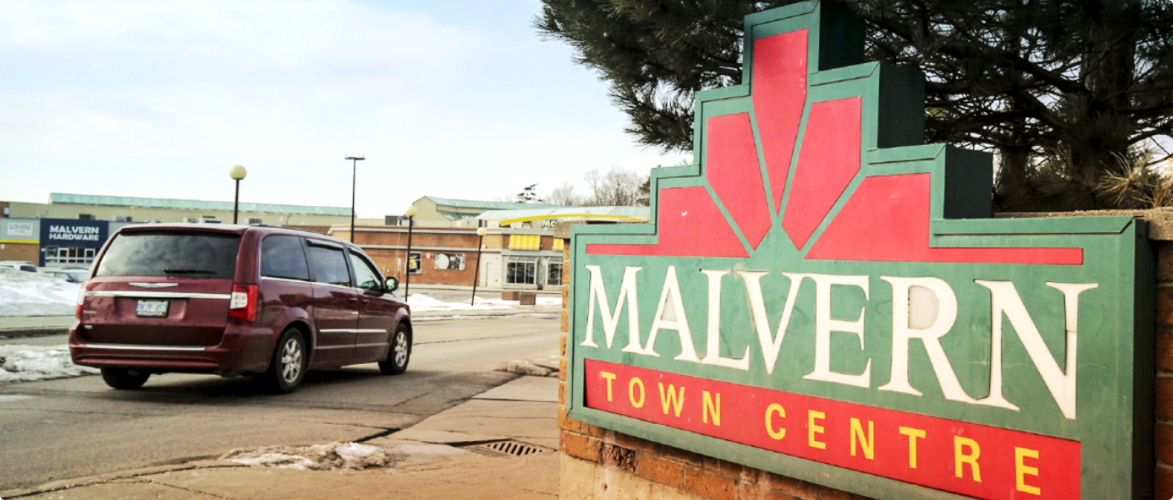
Malvern is a large, diverse neighbourhood in northeast Scarborough offering detached homes at some of the most affordable prices in Toronto. Strong Caribbean, Black, and South Asian community roots, with Morningside Park nearby and Malvern Town Centre serving everyday needs.
Malvern sits in the northeast corner of Scarborough, far enough from downtown that many buyers who haven’t lived in the east end have never thought about it. That distance from the core is exactly why the prices are what they are, and for buyers who work in the suburbs, near the 401, or in Markham, the location is actually a strength.
The neighbourhood runs roughly east of Morningside Avenue, bordered by Sheppard Avenue to the north and Neilson Road cutting through the middle. It’s a large community in every sense: the population is substantial, the housing stock is varied, and the demographic mix is one of the most genuinely diverse in the city. Large Black and Caribbean communities have been rooted here for decades, and South Asian families, particularly Tamil and South Indian households, make up a significant portion of the population. That mix shows up in the grocery stores, the restaurants, the faith communities, and the schools.
The built form is a product of Toronto’s postwar expansion. You’ll find detached bungalows and two-storeys from the 1960s and 70s alongside apartment towers, townhouse complexes, and the occasional newer infill project. Malvern Town Centre anchors commercial activity for the area and functions more like a neighbourhood hub than a regional mall. It’s not glamorous, but it’s useful: a grocery store, a pharmacy, banks, a food court, and enough everyday retail to handle most weekly errands without leaving the neighbourhood.
For buyers priced out of more central Scarborough communities, Malvern offers something real: detached homes at prices that still make sense for families who want to own rather than rent, in a community that has genuine roots and isn’t trying to be something it isn’t.
Malvern’s housing stock divides into two broad categories: ground-level homes and apartment towers. The ground-level homes are mostly detached bungalows and two-storeys built between the late 1950s and the mid-1980s. Lots are typically 30 to 40 feet wide, with backyards that are usable but not generous. Construction quality varies: some streets have been well maintained by long-term owners; others show the effects of decades of rental use or deferred maintenance. If you’re buying here, a thorough home inspection matters more than it does in newer-build areas.
The bungalows are the most common type and the most practical for families who want main-floor living or the option to rent out a basement unit. Many already have finished basements with a separate entrance, which is relevant for buyers factoring rental income into their affordability math. The two-storey detacheds offer more living space and tend to attract families with children who need the rooms.
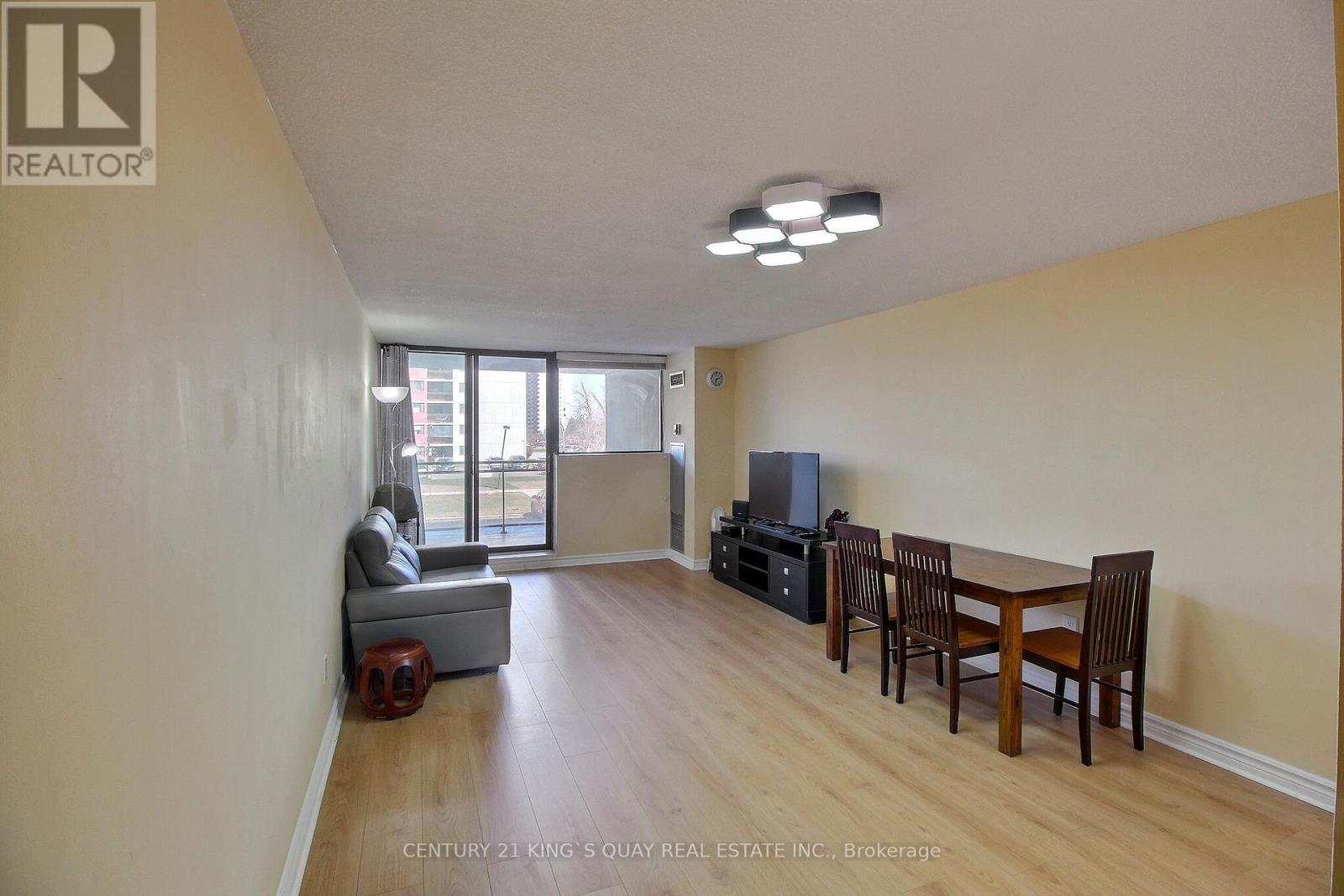
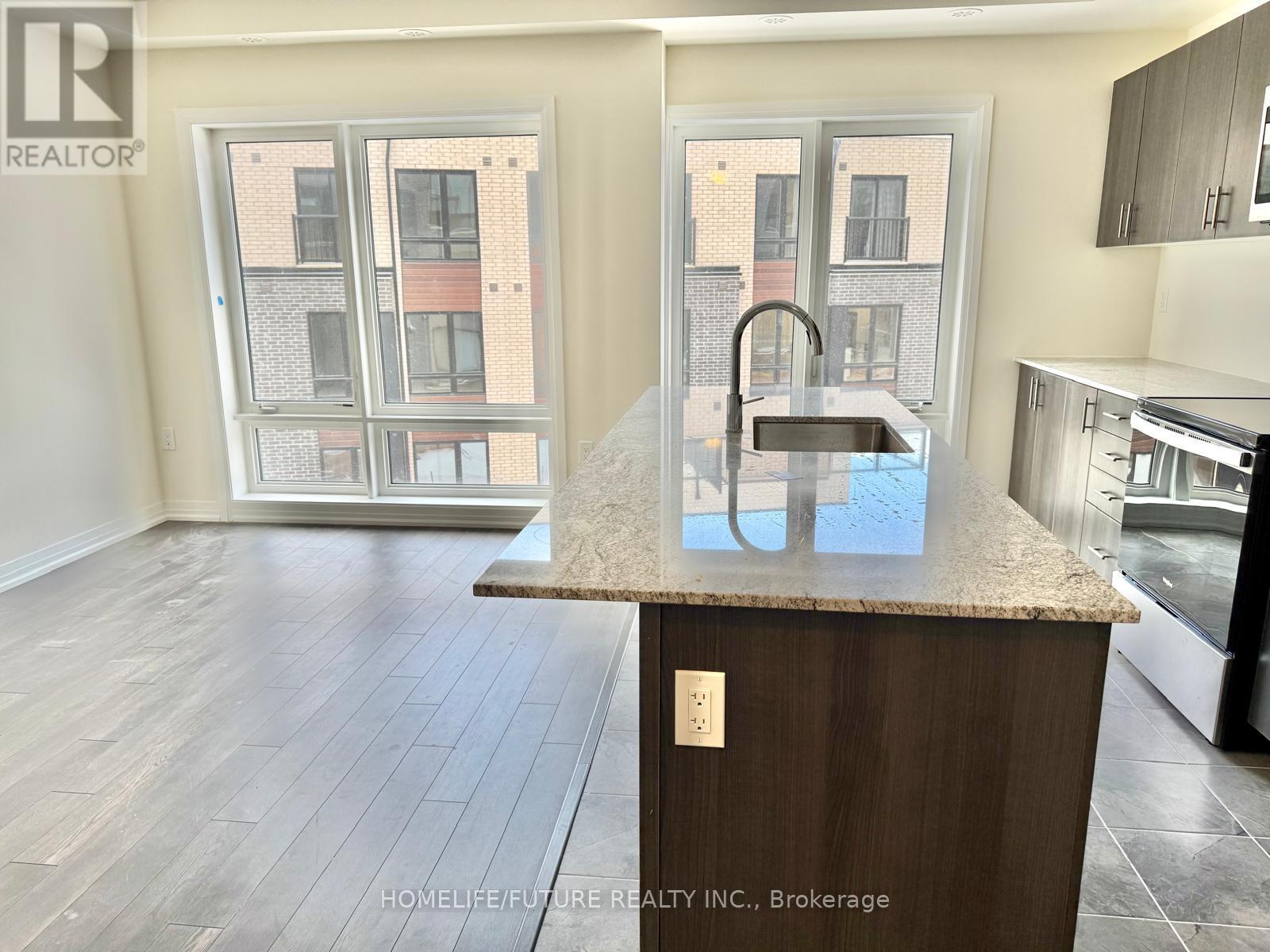
Townhouses, including both freehold and condo-tenure rows, are scattered across the neighbourhood and are often the entry point for buyers who want some outdoor space without the full cost and responsibility of a detached. Condo apartments in the towers run from 600 to 1,000 square feet and come in at significantly lower price points than ground-level homes, though they carry monthly fees that affect the total cost of ownership.
The price range for detached homes in 2026 sits between roughly $750,000 and $1,000,000, depending on size, condition, and exact location on the street. That range holds a meaningful amount of house in this part of the city. Buyers who do their homework and don’t mind doing some updating after purchase can find detacheds here that would cost $300,000 to $400,000 more in Scarborough neighbourhoods closer to the subway.
Malvern is a buyer’s market more often than not, and that’s a feature, not a flaw. The neighbourhood doesn’t attract the bidding-war frenzy that drives prices in more centrally located communities. Homes tend to sit on the market for a reasonable number of days, and conditional offers, which have become rare in many Toronto neighbourhoods, are still accepted here with some regularity. That gives buyers the time and space to do due diligence properly.
The market responds directly to interest rate changes. When borrowing costs rose sharply in 2022 and 2023, activity in Malvern slowed noticeably and prices pulled back from the 2022 peak. The price correction was real here because Malvern’s buyer pool is heavily composed of first-time buyers and families stretching to get into the market, and those buyers feel rate increases more than move-up buyers with significant equity.
Sales in the neighbourhood track closely with activity across northeast Scarborough generally. Volume picks up in spring and fall; summer and the period between Christmas and February are quieter. Motivated sellers who need to move in slower periods sometimes create the best opportunities for patient buyers.
Days on market for detached homes that are priced accurately runs between two and four weeks in active periods. Overpriced listings, which are not uncommon, can sit much longer and eventually be withdrawn or relisted. Knowing the difference between a home that’s sitting because of condition or pricing and one that’s sitting because of a slow market is where buyer representation earns its value.
The long-run trajectory for Malvern prices is upward, driven by the same pressures affecting all of Toronto: constrained supply, population growth, and the ongoing affordability squeeze pushing buyers further east. But this is not a neighbourhood where you should expect short-term appreciation to bail you out of an overpayment. Buy it because the price makes sense today.
The buyers who choose Malvern are almost always making a deliberate trade: more space, lower price, longer commute. For a specific set of households, that trade is exactly right.
Families who have already established their lives in northeast Scarborough and are moving from a rental to their first owned home make up a significant portion of buyers. They know the area, their kids are in local schools, their community connections are here, and they’re not interested in moving to a different part of the city just because it photographs better on Instagram. Malvern is where they want to be, and the affordability relative to more central Scarborough neighbourhoods makes ownership genuinely achievable.
Buyers who work in the suburban employment corridor, whether in Markham, Scarborough’s industrial and commercial areas near the 401, or in north Scarborough generally, value the location for its proximity to their actual life. If you work near Neilson and Sheppard rather than at King and Bay, the commute calculus looks completely different.
Investors, both experienced landlords and newer buyers looking at their first income property, are drawn by the rent-to-price ratios. A detached bungalow with a separate basement unit can produce rental income that covers a meaningful portion of the carrying costs, which is increasingly hard to find on Toronto properties in this price range.
Extended family households, where multiple generations or related households want to share a building while maintaining some separation, find the typical Malvern bungalow well-suited to that arrangement. A finished basement with a separate entrance handles that need without expensive renovation.
What Malvern doesn’t attract in numbers is the buyer whose primary concern is walkability scores and proximity to the entertainment district. That buyer will look elsewhere, which is part of why prices here stay where they are.
Malvern is laid out in the suburban grid pattern common to Scarborough’s postwar expansion, with crescents and courts branching off the main arterials. The main commercial spine runs along Neilson Road and around Malvern Town Centre, where Sheppard Avenue East meets the heart of the neighbourhood’s retail. Most of the residential streets sit west of Neilson or fan out between Neilson and Morningside.
The streets closest to Morningside Park benefit from proximity to green space and tend to have slightly larger lots. Morningside Avenue itself is a transit corridor and arterial, so homes fronting directly on it come with more road noise; the parallel streets one block in are noticeably quieter. Sewells Road cuts through the neighbourhood and connects to the Scarborough Golf Club area to the south, and homes near that transition tend to sit on quieter sections of residential street.
The area around Sheppard Avenue near the 401 is more commercial and industrial in character; buyers generally want to be at least a few blocks south of Sheppard to avoid that industrial-edge feeling. The streets between Sheppard and Finch in the northwest part of Malvern are more densely built with a higher proportion of townhomes and apartments. The quieter, more established residential pockets are generally found in the central and southern parts of the neighbourhood.
Condition varies street by street, and in some cases house by house. The best-maintained blocks in Malvern have a settled, cared-for quality: established trees, maintained yards, long-term owners who know their neighbours. Other blocks show more turnover or neglect. Doing a drive-through at different times of day before making an offer is time well spent. The variation in quality within a short distance is wider here than in more homogenous neighbourhoods, which means location specifics matter more than the neighbourhood name alone.
Malvern is bus-dependent. That’s the honest starting point for any transit conversation about this neighbourhood. The nearest subway stations, Scarborough Centre and Kennedy, are not within walking distance of most of Malvern’s residential streets, and the ride on local bus routes to reach the subway adds time to any downtown commute.
The main bus routes serving the neighbourhood run along Sheppard Avenue East, Neilson Road, and Morningside Avenue. The 116 Morningside bus connects south to Kennedy station on Line 2; the 85 Sheppard East bus runs the length of Sheppard from the subway toward the eastern suburbs. Travel time to downtown on transit from central Malvern runs between 50 minutes and over an hour depending on connections and time of day.
Driving is the practical choice for most residents, and the neighbourhood’s location near the 401 makes it reasonably efficient for drivers heading into the suburban employment corridor or accessing Highway 401 for commutes to Markham, Pickering, or further east. Getting downtown by car during rush hour is a different matter: the 401 is congested and the alternative surface routes through Scarborough aren’t much faster.
The Scarborough Subway Extension, which will connect the existing Line 2 east along Sheppard, is under construction. When complete, it will add stations at Scarborough Centre and further east, meaningfully improving transit access from north Scarborough. The timeline for full completion has shifted over the years, and buyers should treat it as a future benefit rather than a current one.
For everyday errands, the neighbourhood’s walkability is moderate. Malvern Town Centre is within walking distance for many residents and handles basic grocery and pharmacy needs. Most other retail requires a drive or a bus ride.
Morningside Park is the most significant green space near Malvern and one of the better urban parks in Scarborough. It stretches along the Highland Creek valley and offers trails, picnic areas, and enough wooded terrain to feel genuinely removed from the surrounding residential grid. The park is accessible from Morningside Avenue and from several trail entry points along the ravine edge. Families with young children use it heavily; it’s also popular with dog walkers, cyclists, and people who simply want a place to walk that isn’t a sidewalk.
Within Malvern itself, the neighbourhood has several smaller community parks distributed through the residential streets. Malvern Park and Thomson Park provide playground equipment, open grass, and outdoor recreation space for families in the immediate area. These parks serve the important local function of giving kids a place to be outside without crossing an arterial road.
The Scarborough Golf and Country Club sits to the south of Malvern along Morningside, which means there’s a buffer of maintained green space at the neighbourhood’s southern edge even if that green space isn’t publicly accessible. The visual effect is of more openness than the density of the built environment would suggest.
Malvern Community Recreation Centre is the indoor counterpart to the outdoor parks. It includes a gymnasium, fitness facilities, and program space, and it functions as one of the main community gathering points in the neighbourhood. The City of Toronto’s programming there covers youth recreation, drop-in sports, and fitness classes at subsidized rates, which matters in a neighbourhood where household incomes vary widely.
Buyers who prioritize green space and outdoor access will find Malvern more interesting on this front than its reputation suggests. The proximity to Morningside Park, in particular, is a genuine quality-of-life asset.
Malvern Town Centre is the neighbourhood’s commercial core and the place where most residents handle their weekly shopping. The mall itself is modest by Toronto standards, anchored by a grocery store and pharmacy, with a food court and a mix of independent retailers and national chains that cover the practical bases. It’s not a destination for anyone outside the neighbourhood, but it functions well as a local hub.
The food options in and around Malvern reflect the neighbourhood’s demographic makeup honestly. Caribbean restaurants, South Indian and Sri Lankan spots, African and West African food, halal butchers, and South Asian grocery stores are well represented. If you’re looking for that particular mix of cuisines, Malvern delivers it without the premium pricing that follows the same cuisines into more central, higher-profile neighbourhoods.
Neilson Road has a strip of retail, auto services, and everyday commercial uses that handles the car-dependent shopping that doesn’t fit in the mall. Sheppard Avenue East near the Morningside intersection has additional commercial activity, including more food options and service businesses.
Banking, pharmacy, medical, and dental services are all accessible within the neighbourhood without needing to travel to other parts of Scarborough. A public library branch serves the community at the Malvern branch of Toronto Public Library.
For more specialized retail or a larger grocery selection, residents typically drive to Scarborough Town Centre, which is accessible via the 401 and handles most major retail categories. Pacific Mall in Markham, one of the largest indoor Asian shopping malls in North America, is about a 20-minute drive from central Malvern and is a common destination for households in the northeast Scarborough area.
The neighbourhood is underserved by the kind of independent coffee shops, boutiques, and restaurant concepts that characterize gentrifying areas. That gap hasn’t closed yet, and buyers should go in with accurate expectations.
Malvern Collegiate Institute is the neighbourhood’s main secondary school and has a long history in Scarborough. It offers a full range of academic and applied programming and has a large student population drawn from across the surrounding area. Like most schools in northeast Scarborough, its student body is highly diverse and the school reflects the community it serves in a direct way.
Elementary schools in the area include several Toronto District School Board schools serving the neighbourhood’s residential pockets. Walton, Burrows Hall, and Thomson public schools are among those drawing from Malvern’s residential catchments. The Toronto Catholic District School Board also operates schools in the broader Scarborough area for families seeking Catholic education.
School rankings and performance metrics for northeast Scarborough schools are generally lower than scores at schools in more affluent Scarborough or North York neighbourhoods. Buyers who weight school rankings heavily should investigate catchment boundaries for specific addresses before purchasing, as there can be meaningful variation between nearby schools.
Private school options are available in the broader Scarborough and east Toronto area, but none are walking distance from Malvern. Families choosing private schooling would be driving to those institutions.
Post-secondary access from Malvern is reasonable. Centennial College’s Morningside Campus is within the general neighbourhood area and offers practical and vocational programs. University of Toronto Scarborough Campus is accessible by bus and serves as a major post-secondary destination for students from northeast Scarborough. Both institutions are relevant for families thinking about their children’s educational trajectory through to post-secondary level.
Early childhood programming, including licensed daycares and before-and-after school programs, exists in the neighbourhood, though demand often exceeds available spots as it does across the city. Confirming childcare availability before purchase is worth doing if this is a factor for your household.
Malvern has seen less redevelopment pressure than neighbourhoods closer to existing subway lines, but that picture is starting to change slowly. The Scarborough Subway Extension, running east along Sheppard, will eventually bring rapid transit closer to the neighbourhood’s northern edge. Station areas along that line will attract intensification proposals, and the ripple effects on surrounding residential prices and character will follow in time.
Within the existing neighbourhood, development activity has been limited to infill projects on existing lots and occasional townhouse replacement of older lowrise buildings. There hasn’t been the wave of condo tower construction that has reshaped parts of North York or Etobicoke along transit corridors, and Malvern’s character as a ground-level residential neighbourhood is unlikely to change dramatically in the near term.
Malvern Town Centre itself has been discussed as a potential site for mixed-use intensification over a long time horizon. The parking lots around the mall represent significant underused land close to transit routes, and the City’s intensification policies push toward exactly this kind of site. Whether and when that happens depends on ownership and planning approvals, but buyers should know it’s a possibility in a 10-to-20-year frame.
The neighbourhood’s affordability relative to other parts of Toronto means it consistently attracts attention from investors and developers looking at early-stage opportunities. Some of that interest will translate into gradual improvements in retail and services as the buyer demographic shifts even modestly toward higher incomes. The transformation won’t happen quickly, and buyers shouldn’t pay a premium on the expectation of rapid change, but the direction of travel is toward slow improvement rather than decline.
City infrastructure investment in northeast Scarborough has increased in recent years, including road and park improvements. That investment signals a recognition that these communities have been underserved relative to their population, and it tends to be a precursor to broader neighbourhood improvement over time.
Is Malvern safe?
Like any large urban neighbourhood, Malvern has areas that are quieter and more established alongside spots that have had more crime activity over the years. The neighbourhood has dealt with gang-related incidents in the past, and it would be dishonest to pretend otherwise. At the street level in the established residential pockets, most residents experience Malvern as ordinary and safe. Property crime rates vary by block. The most useful approach is to look at specific streets rather than treating the entire neighbourhood as uniform. Talk to people who live there, spend time in the area at different times of day, and make a judgment based on the specific address you’re considering rather than on the neighbourhood’s general reputation.
How is the commute to downtown Toronto from Malvern?
It’s long by transit. On a typical weekday, getting from Malvern to downtown on TTC bus and subway takes between 50 minutes and 75 minutes depending on where exactly you’re starting and where you’re going downtown. Driving is not reliably faster during rush hours, particularly on the 401. Buyers who need to commute daily to the financial district or the downtown core should budget that time honestly into their decision. The commute is much less of a factor for people who work in Scarborough, Markham, or the suburbs along the 401 corridor.
Are there houses in Malvern with basement apartments?
Yes, and many of the detached bungalows in Malvern already have finished basements with separate entrances. Some of these have been used as rental units for years, either registered with the city or as informal arrangements. When evaluating a property with an existing basement unit, it’s worth confirming whether the unit meets current building code and fire separation requirements. A legal basement apartment affects your rental income potential and also your ability to require vacant possession if needed. Your agent and a qualified home inspector can help you assess what you’re actually buying.
What’s the difference between Malvern and other northeast Scarborough neighbourhoods?
Malvern is generally more affordable than Rouge, Agincourt, or the areas closer to the Scarborough Town Centre. It sits further east and north, which is the main reason for the price difference: transit access is more limited and the commute to central Toronto is longer. In exchange, buyers get more house for their money and a neighbourhood with genuine demographic depth and community roots. Compared to Milliken to the north, Malvern tends to have older housing stock and lower prices; compared to Morningside to the west, it’s similarly priced but with different character. Understanding those distinctions helps buyers decide whether the trade-offs fit their actual priorities.
Is Malvern a good investment?
That depends on your definition of investment and your time horizon. As a long-term hold in a city with constrained supply, a detached home in Malvern bought at today’s prices is likely to appreciate over a 10-to-15-year period. As a short-term flip or a speculation on rapid gentrification, it’s not the right neighbourhood. The fundamentals are sound for patient buyers: affordable entry, rent-supportive income properties, and a population that needs housing. Buyers who expect the appreciation curve to match what happened in the Beach or Leslieville over the past 20 years should look at the specific conditions that drove those changes and assess honestly whether they apply here.
Buying in Malvern rewards preparation. The neighbourhood has enough variation in quality, condition, and specific location that going in without a clear picture of which streets and price points actually match your needs is a real liability. An agent who works northeast Scarborough regularly will know which pockets have had persistent issues and which are genuinely solid, without relying on the kind of vague neighbourhood-level generalizations that don’t help you make a specific decision about a specific house.
The inspection process matters more in Malvern than in newer-build areas. Homes from the 1960s and 70s carry the full range of issues common to that era: knob-and-tube wiring that may still be present in older portions of the building, older plumbing in galvanized steel or cast iron, flat or low-slope roofs on bungalows that have a shorter lifespan than pitched roofs, and basements that may have been finished without permits. None of these is automatically disqualifying, but each affects the real cost of ownership and needs to be in your budget calculation.
Conditional offers, including conditions on financing and inspection, are more commonly accepted in Malvern than in the hotter Scarborough markets. Your agent should know which sellers and situations allow for that protection and push for it when the market permits. In a neighbourhood where condition varies this widely, walking into a firm offer on a 60-year-old bungalow without an inspection is a meaningful risk.
For buyers using the basement income to qualify for financing, the lender’s position on the rental unit matters. Some lenders will include projected rental income in the qualification calculation and some won’t, and whether the unit is legal and registered affects which approach is available. Getting this sorted with a mortgage broker before you start shopping, rather than after you’ve found the house, saves a lot of frustration.
TorontoProperty.ca works with buyer clients in Malvern and across northeast Scarborough. Get in touch to talk through what you’re looking for and whether this neighbourhood fits.
Street-level knowledge is hard to find online. Our team works in Malvern every day. They know which pockets hold value, where the school catchment lines actually fall, and what the market is doing right now. Talk to us before you make a decision about Malvern.
Talk to a local agent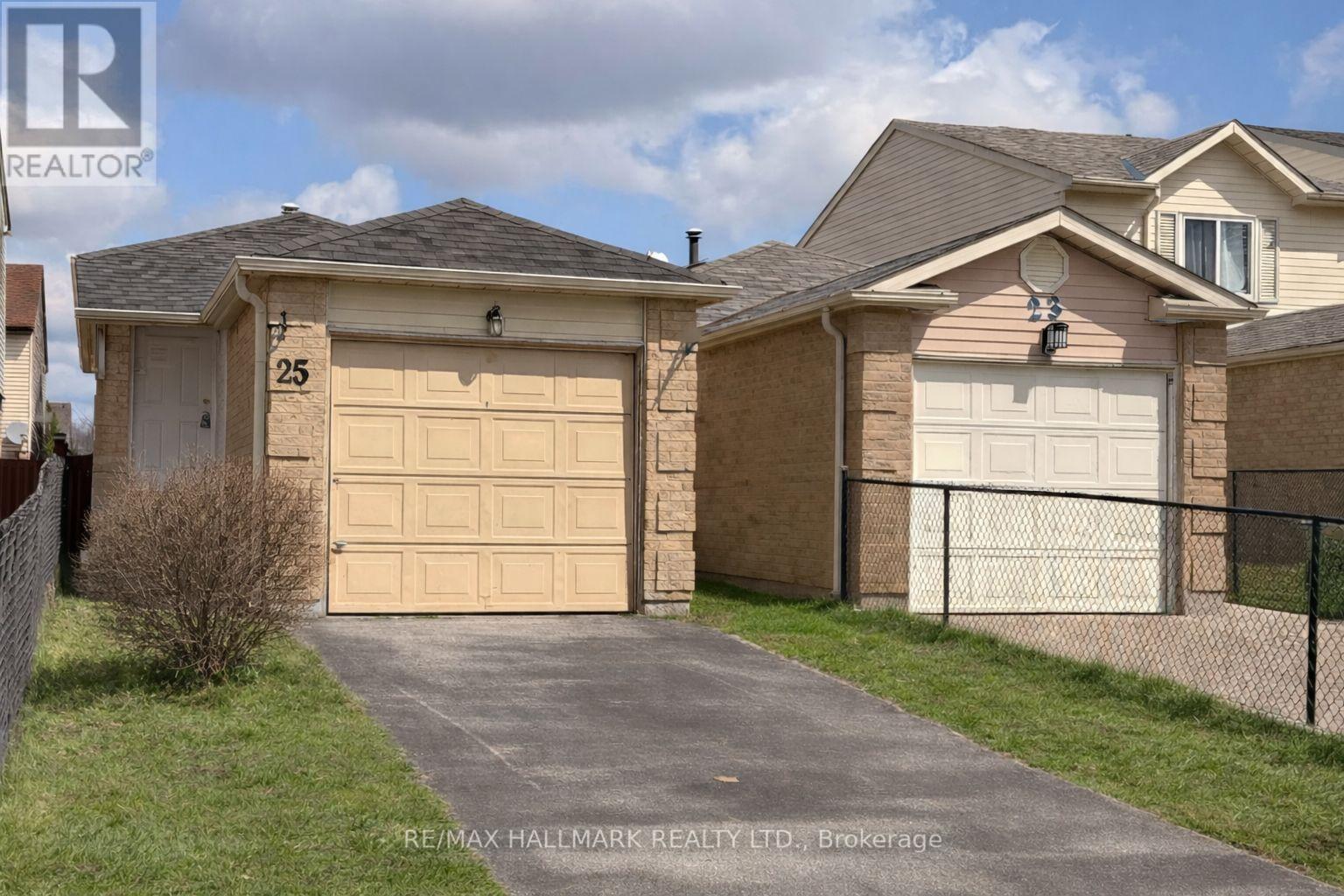 For Sale
 For Sale
 For Rent