
Markham is the largest city in York Region, with about 340,000 people at the 2021 census and more than 360,000 by 2025, directly north of Scarborough across Steeles Avenue. Buyers come for a four- or five-bedroom house, for the schools, and for the tech head offices along Highways 404 and 407. Houses here come in about a fifth under Toronto's average; condos cost about what they do in Toronto. From Unionville GO the train to Union takes about 40 minutes. The current Markham listings run below this introduction.
Markham is Toronto’s northeast neighbour. Steeles Avenue is the southern boundary with Scarborough, Yonge Street the western edge shared with Vaughan, the York-Durham Line the eastern edge with Pickering, and Whitchurch-Stouffville lies to the north. It covers about 211 square kilometres. The 2021 census counted 338,503 people, and York Region’s mid-2025 estimate had passed 362,000.
The city as a single municipality dates from 1971, when regional government joined Markham Village, Unionville, the east side of Thornhill, Milliken and Buttonville into one town. The town became a city in 2012. Those old villages are still the places with a main street: Main Street Markham and Main Street Unionville both keep their nineteenth-century storefronts, and Thornhill’s stretch of Yonge Street is older than either. Everything between them was farmland that became subdivision.
Markham is the most diverse municipality in Canada by the census measure: 82 percent of residents belong to a visible minority group and 58 percent were born outside Canada. Nearly half the city is Chinese by origin and about a sixth South Asian. Cantonese and Mandarin together are the mother tongue of more than a third of residents, the same share as English. You see it in Pacific Mall and the plazas along Kennedy Road and Highway 7, and in the five-bedroom houses built with grandparents in mind.
A Markham freehold is priced about a fifth under the Toronto average, while a Markham condo costs about the same as a Toronto one. The discount is on houses.
It isn’t one market. Bayview Glen in Thornhill is the dearest established neighbourhood, well above the Toronto freehold average, and Cachet, Thornlea, Victoria Manor-Jennings Gate and the estate pockets of Buttonville, Victoria Square and Rural Markham all sit at or above it. Cornell, Cedarwood and Middlefield have the lowest house prices among the larger neighbourhoods. Commerce Valley, at Highway 7 and Leslie Street, is all condominium and the cheapest average in the city. Markham’s live figures appear next to this text and refresh daily.
Markham has roughly three houses for sale for every two condos. The city built single-family subdivisions from the 1960s to the 2010s and only started on towers in the 2000s, around Markham Centre, along Highway 7 and at the Thornhill end of Yonge Street, so the house is still the main thing on offer.
Those houses are big. Four- and five-bedroom houses make up more than half of the freehold listings in the city. Four bedrooms cost about a fifth more than three here, and five bedrooms about half again more. A main-floor bedroom for a parent and a finished basement with its own kitchen are common asks, and the 1990s and 2000s houses of Cachet, Angus Glen, Berczy and Wismer were built large enough to hold them.
The stock runs in bands by age. On the Thornhill side, Royal Orchard, Thornlea, Aileen-Willowbrook, Grandview and German Mills are 1960s to 1980s houses on ravine lots along the Don’s tributaries, and in Bayview Glen and Thornlea the original bungalows and side-splits are being replaced by custom builds. Milliken Mills East and West and Middlefield, around Kennedy Road and Steeles, are 1980s subdivisions on tighter lots. Markville, Raymerville, Bullock and Sherwood-Amberglen in the middle of the city are 1970s to 1990s family houses on crescents. The northeast, built from the mid-1990s on, is Berczy, Wismer, Greensborough, Cornell, Box Grove, Cathedraltown and Victoria Square. Cornell is the odd one out: houses with porches to the street and garages on a rear lane, built on new-urbanist lines.
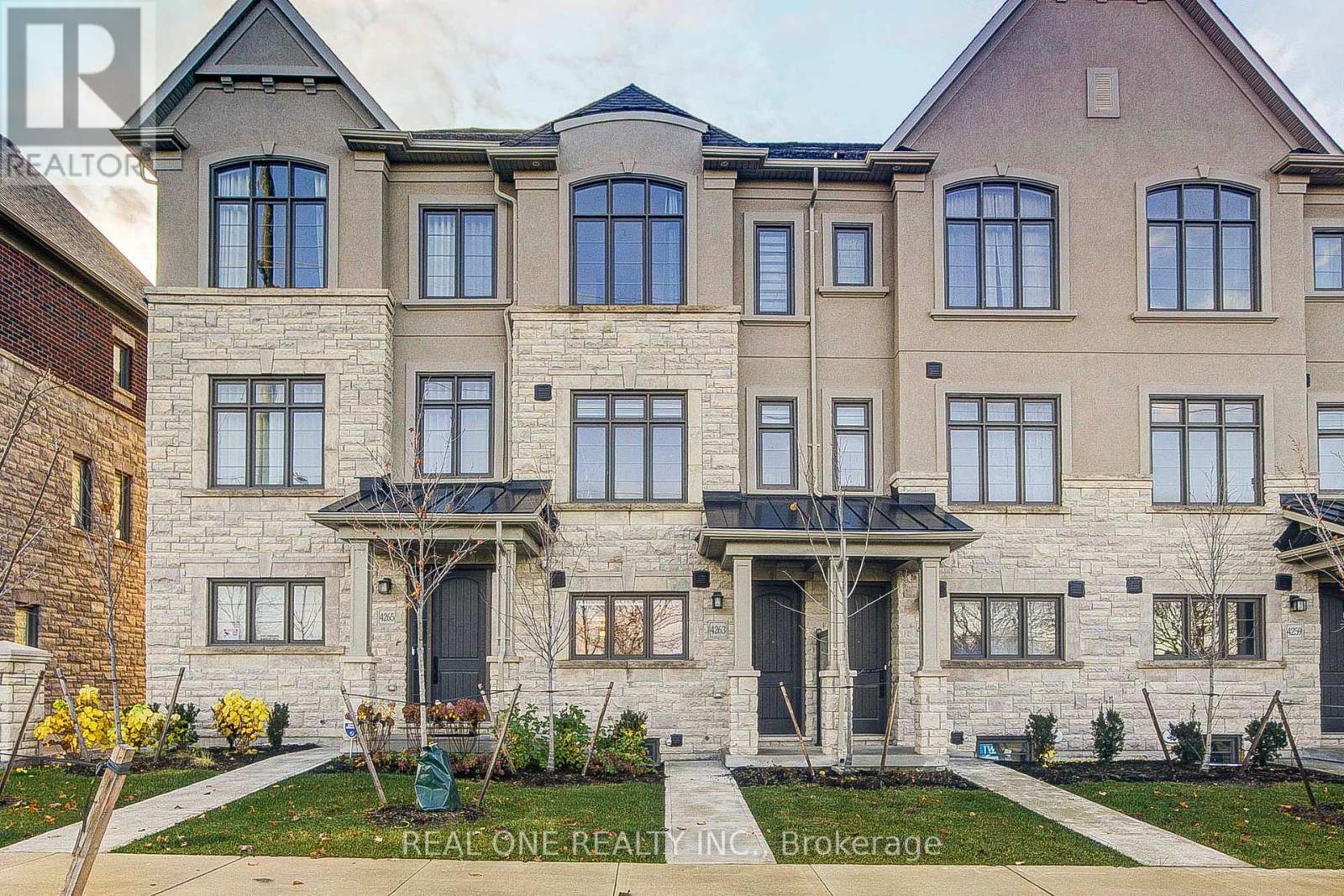
Townhouses fill the gaps in all the newer areas. Freehold towns are common in Cornell, Wismer, Greensborough, Cathedraltown and Box Grove, and condominium towns, with a monthly fee for the shared land, cluster in Commerce Valley and around Markham Centre. The feed doesn’t separate them, so the fee line is the first thing to read.
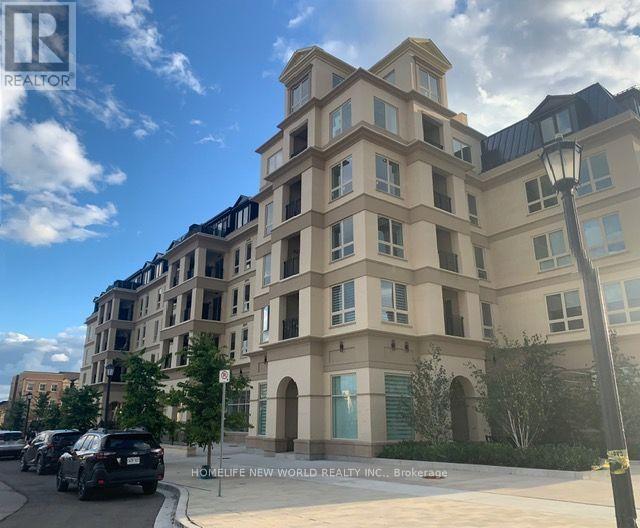
Condominium apartments are concentrated in Markham Centre, which the listing feed files under Unionville. That is why Unionville shows the most listings of any Markham neighbourhood and why two-thirds of them are condos. The Yonge Street corridor through Thornhill has buildings in Royal Orchard, Grandview and Aileen-Willowbrook, and Milliken has towers at Steeles. Three-bedroom condos are nearly as common as two-bedrooms here and cost about a third more. Because Markham condo prices match Toronto’s, a buyer coming north for a condo isn’t saving money. The gain is a newer building, not a lower price.
Renting is the other way in. A condo rents for about a tenth less than in Toronto and a house for about a sixth less, and a house here rents for barely more than a condo. A year renting first is easy to price: the rental listings give current asking rents by neighbourhood.
Markham moves with Toronto. The same rates, the same lending rules and many of the same buyers set prices on both sides of Steeles, so the two rise and fall together. What changes is the gap: about a fifth on houses today and nothing on condos. Watch the house gap. If it narrows, the reason for crossing Steeles is shrinking.
Family houses follow the school year. Listings in Berczy, Wismer, Unionville and Cachet come out in spring and again in early fall, and the houses still for sale in July and January are the ones that didn’t go. A buyer able to move in those months sees fewer houses and gets more room to bargain.
The condo market runs all year and runs slower. Markham Centre has more condos for sale than anywhere else in the city, with more towers approved around it, and a seller there has two rivals: the building next door and the builder’s sales office down the street. A buyer there has choice and can take time.
Teardowns are a market of their own. In Bayview Glen, Thornlea and parts of Royal Orchard, a 1960s bungalow on a ravine lot sells for the land, and the custom house that replaces it is what puts those streets above the Toronto average. A buyer who wants the bungalow itself is up against a builder who wants the lot. Buttonville and Victoria Square are estate lots where the land is most of the price.
Two transit promises hang over the city: the Yonge North subway to Royal Orchard and Langstaff, and a GO train every 15 minutes to Unionville. Neither has a date, and neither is worth a premium yet.
Many Markham buyers already live in Markham. Children who grew up in Milliken buy in Wismer. Parents sell the Unionville four-bedroom and buy a Markham Centre condo a kilometre away so they can stay near the grandchildren. Scarborough is the other feeder: for forty years families have moved north along Kennedy, McCowan and Markham Road from Agincourt and Milliken into the newer, larger houses on the Markham side of Steeles.
Work brings people too. IBM Canada’s head office is here, along with hundreds of others along the 404 and 407, and someone hired there has no reason to live in Toronto and drive out every morning.
Markham is also where a great many newcomers buy a first Canadian house. China, Hong Kong, India and Sri Lanka are the top countries of birth among the city’s immigrants, and buyers from each are often moving to be near relatives who came earlier. Buying one house for three generations is common here, and it shows in the five-bedroom houses that make up about a quarter of what is for sale.
The trade is the same as everywhere north of Steeles. Outside Main Street Unionville and Main Street Markham, you drive. Restaurants and shops sit in plazas, and a night out downtown ends with a last GO train to catch. Markham Centre is becoming the walkable exception, with a university campus, a GO station and towers going up around it, but it’s a work in progress. For a family with two cars and children in school, none of that costs much. A couple who walks to dinner three nights a week should look hard at Unionville’s village or stay in Toronto.
Thirty-six Markham neighbourhoods are covered, one page each. Here they are, from Yonge Street eastward.
Thornhill is the west end of the city, between Yonge Street and Highway 404, and the Markham half of a community it shares with Vaughan. Royal Orchard is the 1960s and 1970s neighbourhood around the Royal Orchard golf course, with condo buildings along Yonge and the future subway station at its door. Thornlea and Bayview Glen along Bayview Avenue are the expensive end, ravine lots where bungalows are becoming custom houses. Bayview Fairway-Bayview Country Club Estates is the estate pocket around the Bayview Country Club. German Mills and Aileen-Willowbrook near Steeles are 1960s to 1980s family houses on quieter streets at lower prices, and Grandview between them is the same era with a cluster of condos at Yonge. Commerce Valley, at Highway 7 and Leslie, is condo towers and office parks, and the cheapest place in the city to buy.
East of the 404, Buttonville is a handful of estate properties and the closed airport, soon to be an industrial park, and Cachet north of it is 1990s and 2000s executive houses on large lots, priced above the Toronto freehold average. Unionville is the heritage village on Main Street, Toogood Pond, Unionville GO and, in the listing feed, the Markham Centre towers as well, so its page carries both the most expensive village houses and the largest condo supply in Markham. Village Green-South Unionville south of Highway 7 is 1970s and 1980s houses within walking distance of the GO station at a lower price than the village. Markville is the neighbourhood around the shopping centre, where fourteen towers are planned, and Bullock, Raymerville and Sherwood-Amberglen are established 1970s to 1990s family streets in the middle of the city.
Along Steeles in the southeast, Milliken Mills West and Milliken Mills East are the 1980s subdivisions around Pacific Mall and Milliken GO, with Milliken Mills High School and its IB program between them. Middlefield east of McCowan is similar stock at lower prices than Milliken, and Cedarwood at Markham Road and Steeles mixes 1970s and 1980s houses with apartments and townhouses.
Markham’s original town is on Main Street Markham. Old Markham Village is the heritage core, Markham Village the larger neighbourhood of post-war and 1970s houses around it, with Markham GO and Centennial GO, and Vinegar Hill the small pocket just south of Main Street, named for the tanneries that stood there. Legacy and Rouge Fairways are 1990s executive subdivisions of large detached houses beside the Rouge valley. Box Grove in the city’s eastern corner is 2000s houses and towns at the edge of Rouge National Urban Park, and Cornell, north of it at Highway 7 and Ninth Line, is the new-urbanist neighbourhood with the hospital, Cornell Terminal and some of the lowest house prices in Markham. Cedar Grove is the old hamlet nearby, where newer subdivisions meet rural lots.
The northeast is the newest Markham. Wismer and Greensborough, built from the late 1990s, are family subdivisions of detached houses and towns around Mount Joy GO and Bur Oak Secondary. Berczy, west of them, is 2000s detached houses on quiet streets with Pierre Elliott Trudeau High School inside it. Angus Glen is the large-lot neighbourhood around the Angus Glen golf courses, and Victoria Manor-Jennings Gate north of Major Mackenzie is 2000s and 2010s executive houses at a similar price. Cathedraltown, around the Cathedral of the Transfiguration at Woodbine and Major Mackenzie, is the most recent planned community, with a lot of towns and lower-rise condos. Victoria Square is estate lots and farmland at Woodbine and 19th Avenue, and Rural Markham covers the countryside north of Major Mackenzie where the city’s next four neighbourhoods are being built.
Streets, schools, transit and recent sales: each neighbourhood page has them.
The Stouffville GO line is Markham’s railway. It runs up the middle of the city with stations at Milliken on Steeles, Unionville in Markham Centre, Centennial and Markham on the Main Street side, and Mount Joy in the northeast. From Unionville a train to Union takes about 40 minutes, from Markham GO about 50 and from Mount Joy about 55.
In the morning rush, trains leave every 30 minutes from Old Elm in Stouffville and call at every Markham station. Through the day, trains run hourly in both directions between Mount Joy and Union, and on weekends they run hourly as well, so a Markham commuter has a train home at midday, in the evening and on a Saturday. Metrolinx added peak trains between Unionville and Union in August and October 2025 and plans trains every 15 minutes to Unionville, with no date. The Richmond Hill line also touches the city at Langstaff, by Yonge and Highway 7, but it runs only in the peak direction.
For drivers, the 404 runs down the west side of the city to the Don Valley Parkway, the 407 toll highway crosses it east to west, and Highway 7, Steeles and Markham Road are the arterials. The 401 is just south in Scarborough. Morning traffic on the 404 southbound and the DVP is the slow part of any drive downtown.
York Region Transit runs the buses, and its Viva Purple rapid bus runs the length of Highway 7 from Richmond Hill Centre to Cornell Terminal, in its own median lanes as far as Markham Centre.
The Yonge North subway extension will bring Line 1 about eight kilometres north from Finch with five stations. Royal Orchard, underground at Yonge and Royal Orchard Boulevard in Thornhill, and Bridge, at Langstaff beside the GO station, are the two on Markham’s side. The tunnel launch shaft was finished in July 2026 and the tunnelling contract is let. Metrolinx says the line opens after the Ontario Line, and has given no year.
Cycling works on the Rouge Valley Trail, which runs about 15 kilometres from Toogood Pond in Unionville south to Milne Dam, and on the paths through the newer subdivisions.
Rouge National Urban Park is the largest urban park in North America, about 79 square kilometres running from Lake Ontario up to the Oak Ridges Moraine. Its northern reaches form Markham’s eastern flank, and Bob Hunter Memorial Park on Reesor Road is the Markham entrance, with trails through meadow and restored forest. Box Grove, Cornell and Cedar Grove back onto it.
Milne Dam Conservation Park is the city’s own largest park, 123 hectares around the Milne reservoir on the Rouge River south of Highway 7, with forest trails and meadows. The Rouge Valley Trail connects it north through Markham Village and Unionville to Toogood Pond, the mill pond at the top of Main Street Unionville with a 1.4-kilometre loop.
The Thornhill side has the Don’s East Branch and German Mills Creek in ravines behind the houses, with German Mills Settlers Park and Pomona Mills Park along them. The golf courses are Angus Glen, which hosted the Canadian Open in 2002 and 2007, the private Bayview Country Club in Thornhill, and the Royal Orchard course. York Downs in Unionville has closed and is becoming the Union Village subdivision.
Markham runs fifteen community centres with pools and rinks. The Markham Pan Am Centre in Markham Centre, built for the 2015 Games, has the competition pools.
CF Markville at Highway 7 and McCowan is the city’s enclosed mall, with more than 160 stores and a plan to replace its parking lots with up to fourteen towers. Pacific Mall at Steeles and Kennedy is some 450 small shops in the largest indoor Asian mall in North America, and the plazas around it along Kennedy and Steeles make up the second-largest Chinese shopping district in North America after Richmond, British Columbia. First Markham Place at Highway 7 and Woodbine is the same idea with restaurants.
Markham’s food is in its plazas. Cantonese, Shanghainese, Sichuan and Hong Kong-style restaurants line Highway 7 from Leslie to Kennedy, and Kennedy Road from Steeles north. Tamil and South Asian restaurants and grocers cluster along Markham Road and in Middlefield, where many of the city’s Sri Lankan Tamil families live. Main Street Unionville is the street for a patio dinner, with the Varley Art Gallery, named for the Group of Seven painter, at its top. Main Street Markham is the quieter version.
Oak Valley Health runs Markham Stouffville Hospital on Highway 7 at Ninth Line in Cornell, opened in 1990, rebuilt and expanded in 2014, with 309 beds today. The hospital says it has outgrown the building and is planning more capacity. Shouldice Hospital in Thornhill does one thing, hernia surgery.
Most of Markham’s jobs are in Markham. IBM Canada’s head office and its software lab are the largest employer. AMD, Honda Canada, Aviva Canada, Allstate and the Bank of China have head offices here, and the city counts more than 650 corporate headquarters and over 1,000 technology and life-sciences companies along the 404 and 407. Cadillac Fairview is turning the 169 acres of the closed Buttonville airport into an industrial park of eleven buildings and about three million square feet, with servicing to start in 2027 and buildings from 2028.
Markham’s English public schools are under the York Region District School Board and its English Catholic schools under the York Catholic District School Board. Both offer French immersion at designated schools, and Pierre Elliott Trudeau High School in Berczy is the public board’s French immersion secondary school for this part of the region, with Advanced Placement courses as well.
The schools people move for are named in listings. Unionville High School runs Arts Unionville, the board’s regional arts program in dance, drama, music and visual art. Milliken Mills High School is one of the public board’s five International Baccalaureate sites. Bill Crothers Secondary in Unionville, opened in 2008 and named for the Olympic runner who chaired the board, is built around student athletes. Markville Secondary, Bur Oak Secondary in Wismer, Markham District High School and Bill Hogarth Secondary in the east end are the other public high schools families ask about. On the Catholic side, St. Augustine on Rodick Road offers IB, French immersion and a regional arts program, Father Michael McGivney on 14th Avenue has run IB since 2011, and St. Brother André on 16th Avenue and St. Robert in Thornhill serve the rest of the city.
Regional programs are the catch. Arts Unionville, the IB programs and Bill Crothers take applicants from the whole board, so living next door to one of them is no route in. What the house does decide is the regular catchment, and the board draws those boundaries, redraws them when a new school opens, and doesn’t follow neighbourhood names. The public board publishes an address lookup. Run the house through it before you offer, not after, and treat the school claim in a listing as the agent’s opinion until you have.
Post-secondary arrived late. York University opened its Markham Campus in Markham Centre in September 2024, had about 1,000 students by the fall of 2025, and is built for 4,200. Seneca Polytechnic’s Markham campus, in an office tower at Highway 7 and the 404, has been there since 2005 and was the city’s first.
Markham Centre is the project that changes the city most. Remington’s Downtown Markham covers about 240 acres around Unionville GO, the Pan Am Centre and the York University campus, and the city is updating a secondary plan first approved in 1997 with forecasts of around 41,000 residents and 39,000 jobs at build-out.
CF Markville is next. Cadillac Fairview plans up to fourteen towers of six to 45 storeys on the mall’s parking lots, keeping the mall and adding close to 9,000 residents, and council approved the zoning for the first phase on 16 December 2025.
Union Village is the former York Downs golf course in Unionville, 412 acres being built out by Minto and Metropia with about 2,400 detached houses and townhouses, parks on each quadrant and a school in the middle. Phases are selling now.
Langstaff Gateway, at Yonge and Highway 7 beside the future Bridge subway station, is planned for up to 15,000 homes in towers of 15 to 80 storeys. The first of them, two towers of 37 and 48 storeys with 910 units, is proposed by Condor Properties at the west end of the site. None of it is built, and its timetable follows the subway’s.
North of Major Mackenzie, the city’s Future Urban Area is about 1,300 hectares planned for 45,000 residents and 16,000 to 18,000 jobs in four new neighbourhoods, Victoria Glen, Berczy Glen, Angus Glen and Robinson Glen, and builders are selling detached houses and towns there now.
Is Markham cheaper than Toronto?
For a house, yes, by about a fifth, and for a condo, no. A freehold house in Markham costs about 20 percent less than the Toronto average. Markham’s standard family house, a four- or five-bedroom detached on a 1990s or 2000s subdivision lot, has few equivalents inside Toronto at any price. The gap disappears in Thornhill’s Bayview Glen and Thornlea, in Cachet and in the estate pockets, which price above the Toronto average because the lots and the custom builds on them are the same kind of thing as Toronto’s best streets. Condos are different. A Markham condo costs about what a Toronto condo costs, so the condo buyer who comes north gets a newer building rather than a cheaper one. Two costs run against the discount. Property tax on the same assessed value is set by the city and York Region together, and for 2026 the city raised its share by 3.9 percent, about $55 on the average household, with the region’s share rising on top of that. And most Markham households run two cars, which the Canadian Automobile Association puts at roughly $9,500 a year for one mainstream compact, money a downtown household doesn’t spend. Add both to the monthly budget before you set one mortgage against the other. Live prices for Markham and for all thirty-six neighbourhoods sit on their pages and refresh every day.
How long is the commute from Markham to downtown Toronto?
About 40 minutes by train from Unionville GO, about 50 from Markham GO and about 55 from Mount Joy, on the Stouffville line to Union. In the morning rush, trains leave Old Elm every 30 minutes and stop at every Markham station, and run back through the afternoon rush. Between the rush hours, trains run every hour in both directions between Mount Joy and Union, and they run hourly on Saturdays and Sundays too, so Markham is one of the GTA suburbs where the GO train works for a midday meeting or a Saturday downtown. Metrolinx added peak trains between Unionville and Union in 2025 and plans a train every 15 minutes to Unionville, without a date. Those times come from the January 2026 timetable, so check the current one before you count on a specific train. If you drive, the 404 to the Don Valley Parkway is the route and the morning queue on both is the price; from Thornhill, Yonge Street and Bayview are the alternatives. The Yonge North subway will eventually put Royal Orchard in Thornhill on Line 1, but Metrolinx says only that it opens after the Ontario Line and gives no year. Within Markham, Viva Purple runs along Highway 7 every nine minutes at rush hour and connects Markham Centre to Richmond Hill Centre and Cornell Terminal.
Which Markham neighbourhoods are best for families?
Families settle in Unionville, Berczy, Wismer, Greensborough, Cornell, Cachet and Angus Glen, and the reasons repeat: a four-bedroom detached house, a high school with a program people name, a community centre with a pool, and crescents without through traffic. Berczy has Pierre Elliott Trudeau High School, the public board’s French immersion secondary for the area, inside its boundary, and 2000s houses on quiet streets. Wismer and Greensborough are the newest large family subdivisions, with Bur Oak Secondary and Mount Joy GO, at the lower-middle of Markham’s house prices. Cornell is cheaper again, with porches, lanes, the hospital and a bus terminal, and the Rouge park at the end of the street. Unionville is the premium version, with the village, Toogood Pond, Unionville High School and the GO station, at a price to match. Cachet and Angus Glen are the large-lot executive neighbourhoods north of 16th Avenue, at about a third more than Wismer for Angus Glen and nearly double for Cachet. The regional programs that Unionville, Milliken Mills and Bill Crothers are known for fill their places by application from the whole board, so an address secures only the regular catchment. And catchments are drawn by the board, not by neighbourhood name, so run the specific house through the public board’s address lookup before you offer. Families with younger children also look at Middlefield and Cedarwood, where the 1980s houses are among the cheapest in the city.
Is Markham a good place to buy a condo?
For an owner-occupier, yes; for an investor, it is hard, and the reason is supply. Markham Centre already has more condos for sale than any other neighbourhood in the city, Cadillac Fairview has approval for the first phase of up to fourteen towers at Markville, Langstaff Gateway is planned for 15,000 homes, and towers keep rising along Highway 7 and Yonge Street. For an owner-occupier that is the point. A two-bedroom in Markham Centre comes with a GO station, a university campus, the Pan Am Centre and restaurants within a walk, at about the price of a Toronto condo in a newer building, and three-bedroom suites are nearly as common as two-bedrooms. That same supply is what hurts an investor. The building next door is always selling too, and rents here run about a tenth below Toronto’s while prices match them. The condos hardest to replace are the ones to look at: the lower-rise buildings in Unionville village and Markham Village, the Yonge Street buildings in Royal Orchard and Grandview that will sit beside a subway station one day, and the older Commerce Valley buildings with large suites, if the fee checks out. Get the status certificate, divide the maintenance fee by the square footage, set it against the neighbouring buildings, and ask why if it is well above them.
Markham’s thirty-six neighbourhoods price on things a Toronto agent won’t track. Pierre Elliott Trudeau High School in Berczy is the public board’s French immersion secondary for this part of the region, and the boundary matters more than the street name. A 1960s bungalow in Bayview Glen or Thornlea is sold as a lot, not a house. And a Markham Centre condo competes with the builder’s sales office down the street as well as the building next door.
The agent we refer Markham buyers to works on those three facts every week. Bring a brief like a five-bedroom with a main-floor bedroom near Pacific Mall, or a condo within a walk of Unionville GO where the train runs hourly all day and the fee is below the buildings beside it. They’ll run the address through the boundary lookup, pull the sold prices on the crescent, and tell you whether the Yonge North subway, with no opening year, is already in the asking price.
Begin with the neighbourhood pages above; then get in touch, and we’ll set up the introduction.
Street-level knowledge is hard to find online. Our team works in Markham every day. They know which pockets hold value, where the school catchment lines actually fall, and what the market is doing right now. Talk to us before you make a decision about Markham.
Talk to a local agent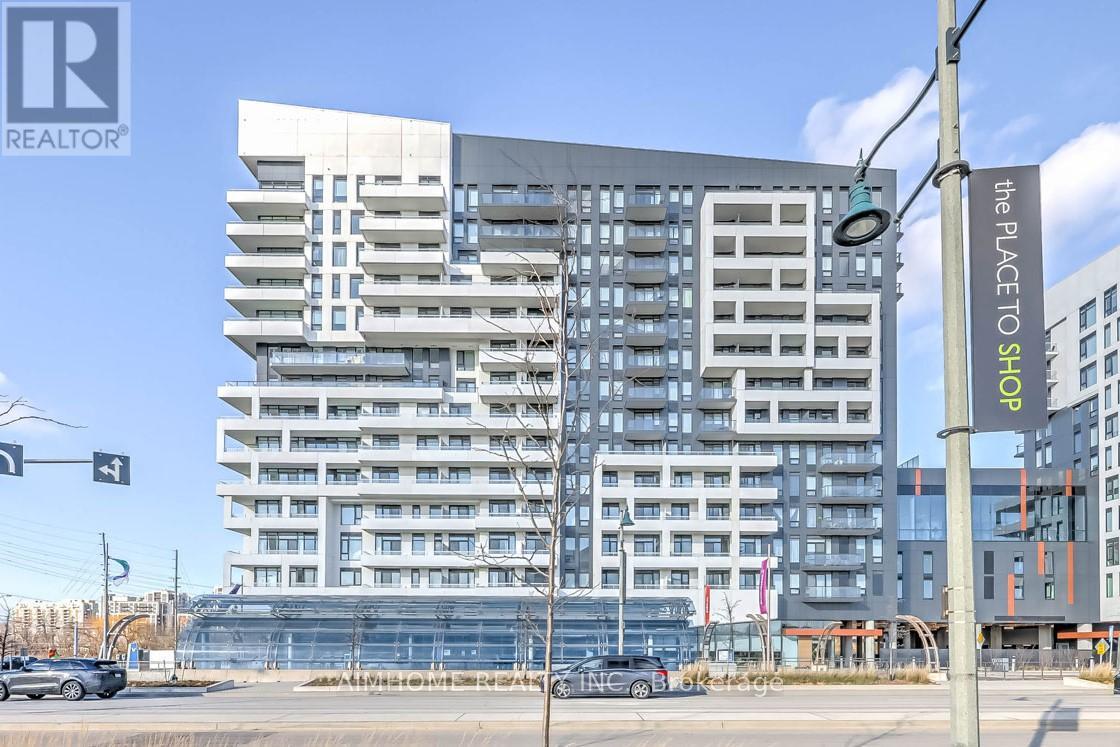 For Rent
 For Sale
 For Sale
 For Rent