
Lambton Baby Point is a west Toronto neighbourhood straddling the Humber River valley between Bloor Street West and Dundas Street West, with the historic Baby Point enclave of 1920s estate homes on the east bank and the Lambton community of more varied postwar housing on the opposite side of the valley.
Lambton Baby Point is two distinct communities joined by a shared administrative designation and by their relationship to the Humber River valley. Baby Point is the enclave on the east side of the Humber, a private community of 1920s estate homes on curvilinear streets within Baby Point Road, established as a members-only residential area by a development company that controlled entry until the 1960s. The streets within the Baby Point enclave retain an almost uniform architectural quality and a sense of remove from the surrounding city that is unusual at this proximity to downtown.
Lambton, on the west side of the Humber and south of Dundas Street West, is a different character: a 1940s and 1950s detached home neighbourhood of bungalows and two-storeys on standard Toronto lots, with its own strong community identity and the physical distinctiveness of being separated from the rest of west Toronto by the Humber River. Crossing the Humber on Dundas Street to reach Lambton gives it a psychological separation from the Old Toronto street grid that reinforces the community’s sense of being its own place.
The Humber River valley and its trail system are the physical constant connecting both communities. The Old Mill heritage lands, the Humber Valley parkway trails, and the natural corridor running north and south are accessible from both Baby Point and Lambton and define the outdoor experience of living in this neighbourhood. The combination of ravine access and relative proximity to the Bloor-Danforth subway makes the neighbourhood one of the most sought-after value combinations in west Toronto.
Baby Point proper commands premium pricing. Detached homes within the Baby Point enclave on the named streets off Baby Point Road trade from $2.5 million at the entry level to $5 million and above for the best properties. These are predominantly 1920s Arts and Crafts, Tudor Revival, and Colonial Revival homes on large lots with mature tree cover and ravine adjacency in many cases. The prices reflect both the architectural quality and the genuine scarcity of supply: the enclave is small and turnover is very low.
Lambton, across the Humber, is priced significantly differently. Detached bungalows and two-storey homes on standard lots trade between $1.2 million and $1.7 million depending on condition and lot. Some properties have been significantly updated and renovated to a high standard, reaching the upper end of that range. Others require meaningful work and trade closer to the bottom. The lot sizes in Lambton are standard for postwar Toronto, typically 30 to 45 feet wide, which is smaller than the Baby Point enclave but comparable to the residential streets of the Junction and Roncesvalles at similar prices.
The price gap between Baby Point and Lambton is significant and reflects real differences in housing quality, lot size, and the prestige of the Baby Point address. Buyers who want to be in the neighbourhood but cannot access Baby Point prices find genuine value in Lambton, which delivers the ravine adjacency and community character without the luxury premium.
The Baby Point segment of the market is thin, with very few annual sales, and behaves more like an estate market than a standard residential one. Pricing requires genuine knowledge of the specific properties and the buyer pool that pursues them. Multiple-offer situations are less common here than in the $1 to $1.5 million market because the buyer pool is smaller, but well-positioned properties at Baby Point attract competitive interest from buyers who have been watching the market for years.
Lambton has behaved more like the broader west Toronto detached market. The 2022-2023 correction was felt here as in the rest of the city, with prices pulling back 15 to 20 percent from peak and recovering gradually since. Days on market for Lambton detached homes priced accurately average 14 to 21 days. The neighbourhood’s combination of ravine access and old mill subway access keeps buyer demand consistent.
Both Baby Point and Lambton benefit from the desirability of the Humber Valley corridor as a long-term value driver. The ravine cannot be developed and the natural amenity it provides only improves over time as the trail system is maintained and expanded. Buyers who understand long-term Toronto real estate dynamics consistently evaluate ravine adjacency as a durable value protector.
Baby Point buyers are established professionals and executives who have decided that west Toronto represents better architectural and natural value than the prestige neighbourhoods of midtown. They are typically in their 40s or older, have significant equity, and want a property that is genuinely beautiful and genuinely their own rather than a newer construction build on a modest lot. The architectural character of Baby Point is not replicable anywhere in Toronto at comparable prices and this drives a buyer group that is specific and patient.
Lambton buyers are typically families in their early to mid-30s with solid dual incomes who have done the west Toronto pricing analysis and concluded that Lambton delivers more house and more outdoor access per dollar than comparable streets in Bloor West Village or the Junction. The Old Mill subway access seals the argument for buyers with downtown employment. They accept the psychological separation created by the Humber River and find that after a few months of living in Lambton, the river crossing becomes part of the neighbourhood’s identity rather than an inconvenience.
Both communities have significant long-term resident populations who have lived in the neighbourhood for decades and have no intention of leaving. This low turnover keeps the social fabric tight and the community organizations active. New buyers arriving in either Baby Point or Lambton typically report that the community warmth is one of the first things they notice and one of the lasting reasons they are glad they bought here.
Baby Point Road and the streets within the enclave, Humbercrest Boulevard, The Palisades, Baby Point Crescent, have a consistent architectural quality that is rare in Toronto. These streets curve gently around the Baby Point plateau and the homes along them reflect the period ambition that built them: large lots, substantial houses, mature trees. Walking these streets is noticeably different from walking a grid-pattern Toronto street and buyers who experience the neighbourhood on foot for the first time often make offers within weeks.
Lambton’s defining streets are those closest to the Humber River valley edge. Runnymede Road along the valley gives views across to the Baby Point escarpment. The streets running west from Runnymede into the Lambton grid proper are solidly family-oriented postwar fabric at its best: well-maintained bungalows and two-storey homes, mature trees, and a neighbours-know-neighbours density that larger Toronto communities cannot sustain.
The Old Mill area at the Bloor Street bridge over the Humber is a distinct sub-pocket with some of the most dramatic natural setting of any Toronto neighbourhood. Properties overlooking the valley from both sides of the bridge are extremely scarce and command significant premiums. The Old Mill heritage buildings themselves have been converted to event space and a boutique hotel, adding a visible heritage anchor to the neighbourhood at its most dramatic geographic point.
Old Mill station on the TTC Bloor-Danforth line is the primary transit point for Baby Point and the eastern part of Lambton. The station is at the bottom of the Humber Valley at Bloor Street and the walk to Baby Point properties is uphill and between 10 and 20 minutes from most addresses. Lambton properties are further and most residents drive or take a bus to Bloor and then the subway. The TTC 30 bus on Lambton Avenue connects the community to the subway.
Jane station is the next station east on the Bloor-Danforth line and is accessible from the eastern edge of the neighbourhood. The ride from Old Mill or Jane to Bloor-Yonge is approximately 20 to 25 minutes. For downtown commuters, this is an excellent transit position. The neighbourhood has better subway access than its physical location between the river and the residential streets suggests.
Drivers access the Gardiner Expressway via Runnymede Road south to The Queensway. The 400-series highway network is accessible via the Gardiner or via Keele Street north to the 401. The driving commute from Lambton Baby Point to downtown Toronto is 20 to 30 minutes outside of peak hours. During rush hour, the Gardiner adds significant time and most residents time their downtown trips accordingly.
The Humber Valley is the defining outdoor amenity of Lambton Baby Point. The valley trail system runs north through the Humber River Recreational Trail to King City and south to Lake Ontario. From the neighbourhood, residents can access several kilometres of ravine trails through the Lambton Woods, the Old Mill Park area, and the James Gardens without leaving the valley. The trails are well-maintained and heavily used by residents who treat them as extensions of their backyard.
Lambton Woods, immediately adjacent to the western edge of the Lambton community, is one of the larger forest patches within Toronto. Mature deciduous trees, creek tributaries, and a section of the Humber River trail give it a genuine forest character. Dogs are walked here off-leash by local residents and the space functions as both a natural area and a social hub for the community. The annual Lambton community events held in the woods reinforce the neighbourhood’s sense of shared outdoor ownership.
The Old Mill property and the formal green space along the valley floor are maintained by the City of Toronto and the Toronto Region Conservation Authority. These organizations coordinate maintenance, erosion control, and trail improvements in the valley and the management quality shows. The Humber Valley consistently appears in Toronto park rankings among the best-maintained ravine systems in the city.
The Kingsway village strip is accessible from Baby Point in about a 10-minute walk north and provides the restaurant and boutique retail that Baby Point residents use for casual dining and local shopping. The strip’s quality is high for a neighbourhood commercial street and its proximity to Baby Point is part of what gives the enclave its day-to-day livability without requiring a car for every errand.
Lambton’s closest commercial is along Dundas Street West, which has a functional mix of service retail, cafes, and restaurants reflecting the neighbourhood’s multicultural character. The Dundas West strip is a working commercial street rather than a destination one, but it handles daily needs effectively. The Junction commercial area is a short drive or bus ride east and offers a broader dining and retail selection.
Bloor Street West through the Runnymede area and into Bloor West Village is accessible from Old Mill station and provides one of Toronto’s better neighbourhood shopping streets. Grocery options, restaurants, bakeries, and specialty shops at a consistent quality level are within a 15-minute walk or five-minute drive from most Lambton Baby Point addresses. The proximity to Bloor West Village’s retail is an underrated advantage of being on the west side of the Humber.
Baby Point and Lambton are both served by the Toronto District School Board and the Toronto Catholic District School Board. The public elementary school catchment for Baby Point is Humbercrest Public School, which is located within the neighbourhood and has an excellent reputation within the TDSB. It is the kind of school that parents specifically mention when explaining their decision to buy in Baby Point, and the school community is tightly connected to the neighbourhood community in a way that reinforces both.
Lambton children attend Lambton Park Community School or other TDSB elementary schools depending on address. Secondary students from both communities typically attend Etobicoke Collegiate Institute, one of the stronger public secondary schools in west Toronto. The school’s academic program and extracurricular depth are a consistent positive in the neighbourhood’s value story for families with secondary school-age children.
Catholic students at both elementary and secondary levels are served by TCDSB schools in the area. Several Catholic elementary schools serve the community depending on address, with secondary students attending Michael Power/St. Joseph High School or another TCDSB secondary school based on catchment. The quality of both board options in this part of Toronto is generally strong and the school question is less complicated here than in parts of the city where public school reputations are more variable.
Baby Point has seen virtually no physical change in 30 years and this is by design and by community intent. The architectural consistency of the enclave is actively protected by the community and the heritage significance of many properties is recognized in the planning record. Any significant development pressure on Baby Point would face strong organized opposition and the planning framework does not readily support densification of the enclave’s established low-density residential character.
Lambton has seen gradual change through the ongoing renovation and occasional redevelopment of its postwar housing stock. The bungalow teardown cycle that has affected adjacent Etobicoke communities is less advanced here, partly because of the river separation that limits speculative attention from developers unfamiliar with the community. The renovation quality on recent Lambton renovations has been notably high, which is improving the average condition of the housing stock without dramatically changing the neighbourhood’s character.
The Humber River valley corridor is subject to ongoing management by the Toronto Region Conservation Authority, including erosion remediation and tree replanting in sections affected by flooding and bank erosion. These conservation activities are funded and active, which means the valley’s health and trail quality are maintained and improving. Any significant flooding event, as has occurred periodically on the Humber, triggers remediation work that ultimately improves the valley infrastructure for residents.
What is the difference between living in Baby Point versus Lambton within the combined neighbourhood designation?
Baby Point is a small, geographically distinct enclave on the east bank of the Humber with 1920s estate homes and one of the most consistent architectural environments in Toronto. Lambton is on the west side of the Humber with postwar detached homes on standard Toronto lots. The price difference reflects the housing quality, lot size, and prestige: Baby Point homes start around $2.5 million and Lambton detached homes start around $1.2 million. Both communities benefit from Humber Valley trail access and west Toronto subway proximity. Baby Point has a members organization that organizes community events within the enclave. Lambton has its own active community association. Most buyers end up in one or the other based primarily on budget rather than neighbourhood preference, though buyers who specifically want the Baby Point architectural character will prioritize it regardless of budget. If you want to be in the neighbourhood at the lower price point, Lambton delivers the same outdoor amenity and community warmth without the premium.
Does the Humber River flooding risk affect properties in Lambton Baby Point?
The Humber River flooding risk is most relevant to properties closest to the river and valley floor. The major flooding event in 1954 with Hurricane Hazel led to significant changes in valley development policies across the GTA, and the Toronto Region Conservation Authority has regulated development in flood plains since then. Properties within the regulated floodplain cannot be developed without TRCA approval, and this applies to parts of the valley floor. The residential streets of Lambton and Baby Point are above the valley floor and are generally not within the current flood plain designation, though properties at the valley edge should be checked specifically. Buyers of any property adjacent to the Humber should request the TRCA mapping for the specific property to confirm its regulatory status before purchasing. The TRCA provides this information through its permit office and the confirmation takes a few days at most.
How does the Old Mill subway walk actually work in winter?
The walk from Baby Point properties to Old Mill station is primarily uphill on the return trip and passes through the ravine area near the Old Mill bridge. In winter, the path can be icy and the incline adds difficulty. Most Baby Point residents manage this by being realistic about when to walk and when to drive to a closer bus stop or to Jane station, which is flat walking along the residential streets. Lambton residents use the 30 Lambton bus along Lambton Avenue to reach Old Mill or take the bus north on Jane Street to Jane station. The winter walk reality at Old Mill is one of the genuine practical considerations for buyers who are planning to walk to the subway daily. It is manageable but it requires appropriate footwear and realistic time allowance on icy mornings.
Are there any restrictions on what can be built or renovated in Baby Point due to the heritage character?
The Baby Point enclave has some individual properties with formal heritage designations, and there have been community discussions about broader heritage conservation measures. As of early 2026, the neighbourhood did not have a Heritage Conservation District designation that would automatically restrict all exterior work. Individual heritage-designated properties have restrictions on changes to identified heritage attributes. For any property in Baby Point, buyers planning renovations or additions should check the specific heritage status and consult with the City of Toronto heritage planning staff before purchasing if significant exterior changes are planned. The Baby Point community organization is also an important relationship for any new owner planning changes that could affect the neighbourhood’s character, as community input is part of the planning process for significant modifications.
Lambton Baby Point requires an agent who knows both sides of the river and can represent the value of each honestly. Baby Point transactions are relatively rare and require patience and knowledge of a thin market. Lambton transactions happen more frequently and require the standard competencies of the west Toronto detached market, plus an understanding of why the river crossing matters and how to explain it to buyers who have not spent time in the community.
The value case for Lambton in particular is one worth making clearly. Buyers who are priced out of Bloor West Village or the Kingsway often overlook Lambton because the Humber River creates a psychological separation that does not exist in the transit or pricing data. Getting buyers to cross the river and spend an afternoon in Lambton is usually the most effective thing an agent can do in this market.
We cover Lambton Baby Point as part of our west Toronto focus. If you want to understand the specific streets on either side of the river, the school catchment situation, and how the pricing compares to adjacent communities, reach out.
Street-level knowledge is hard to find online. Our team works in Lambton Baby Point every day. They know which pockets hold value, where the school catchment lines actually fall, and what the market is doing right now. Talk to us before you make a decision about Lambton Baby Point.
Talk to a local agent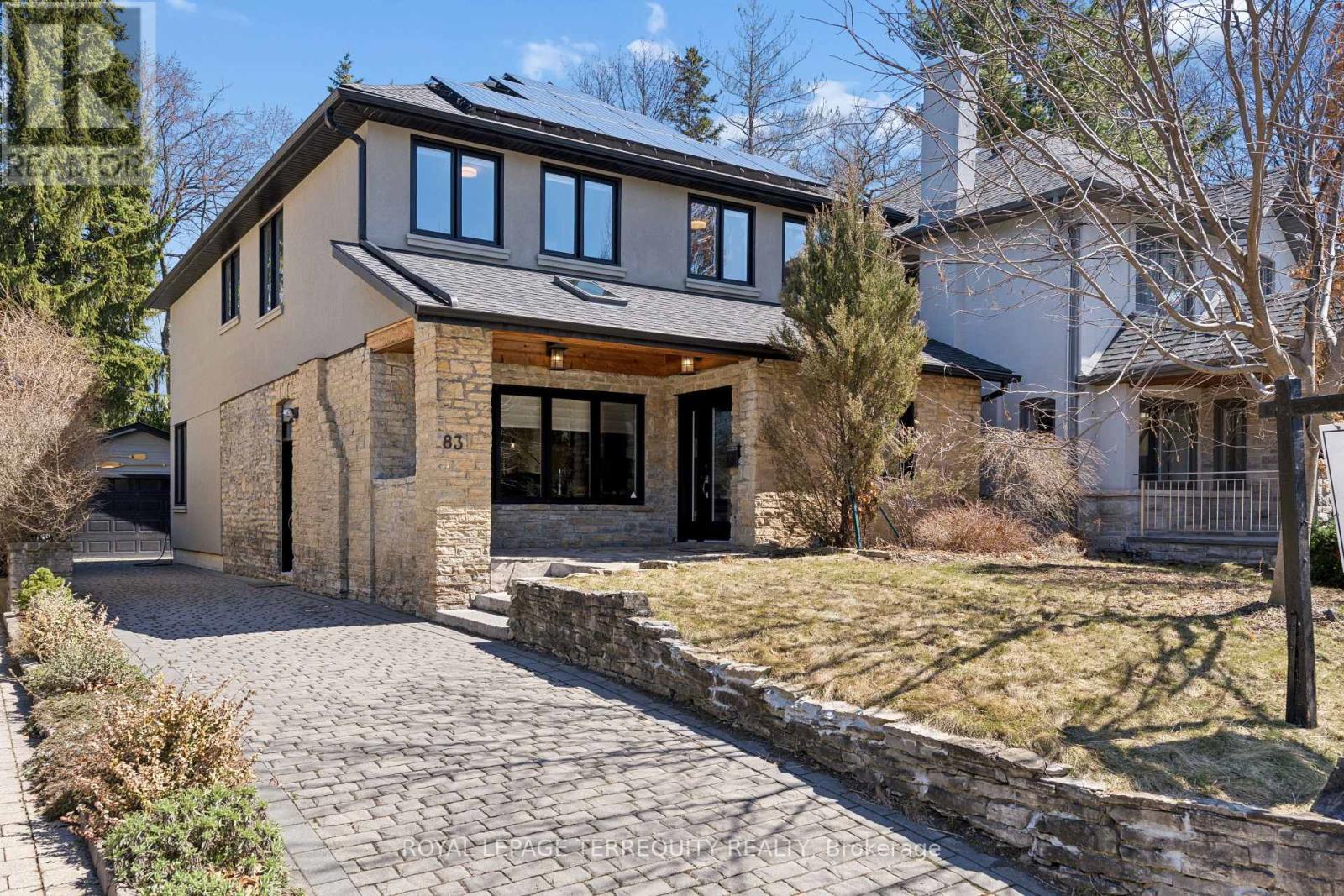 For Sale
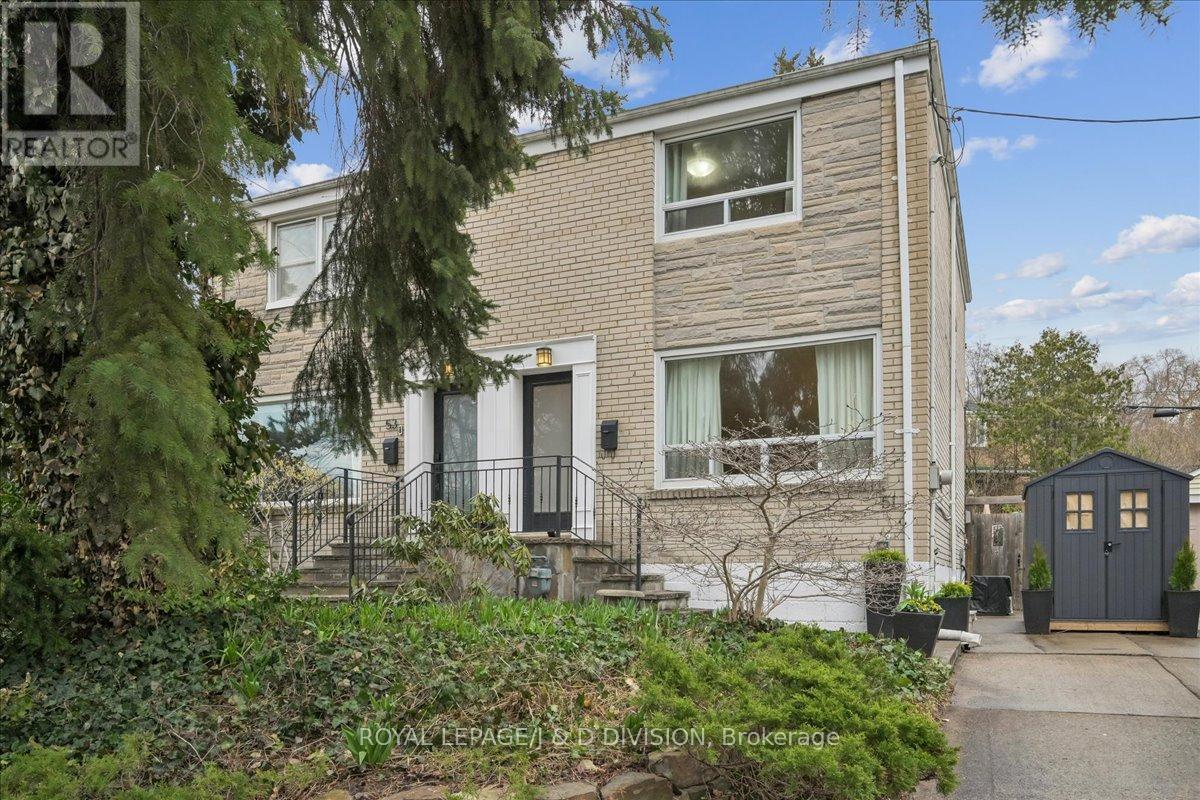 For Sale
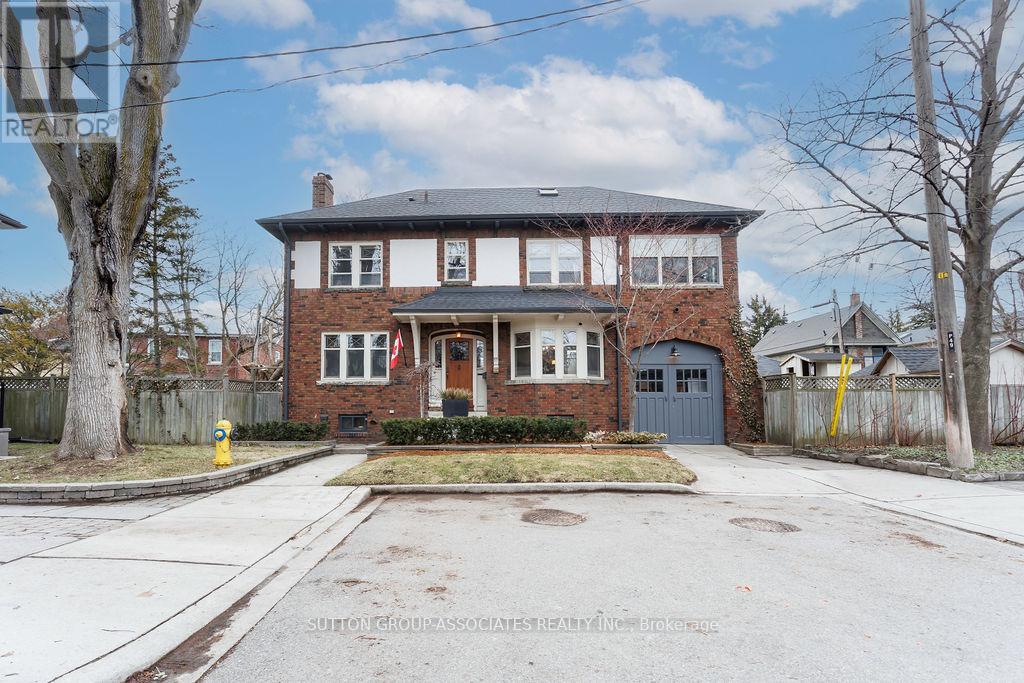 For Sale
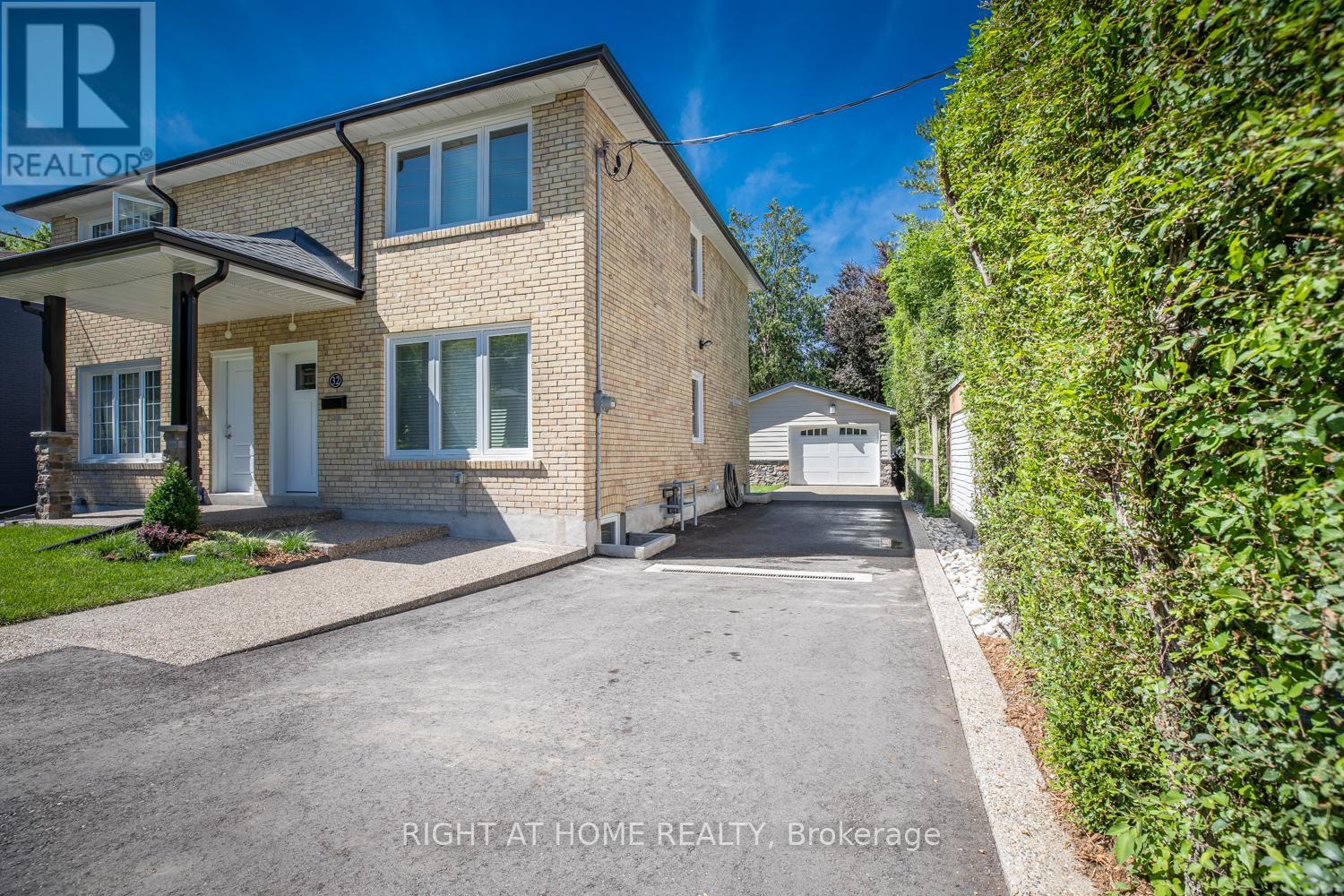 For Rent