
Newtonbrook West is a North York neighbourhood west of Yonge near Steeles, defined by its large Iranian-Canadian community and Persian commercial strip on Bathurst Street. Post-war bungalows and custom-built detached homes trade between $1.2M and $2.0M in 2026, with transit access via Finch station.
Newtonbrook West occupies the northwestern corner of old North York, west of Yonge Street between Finch Avenue and Steeles Avenue, extending toward Bathurst and beyond. It has one of the most distinctly characterized communities in the city: over the past three decades, a large Iranian-Canadian population has settled here, transforming the commercial strips and community infrastructure along Bathurst Street and Yonge into something genuinely particular. This is not a neighbourhood with a Persian flavour. It’s a neighbourhood where Persian is the dominant language of daily commerce along significant stretches of the main streets.
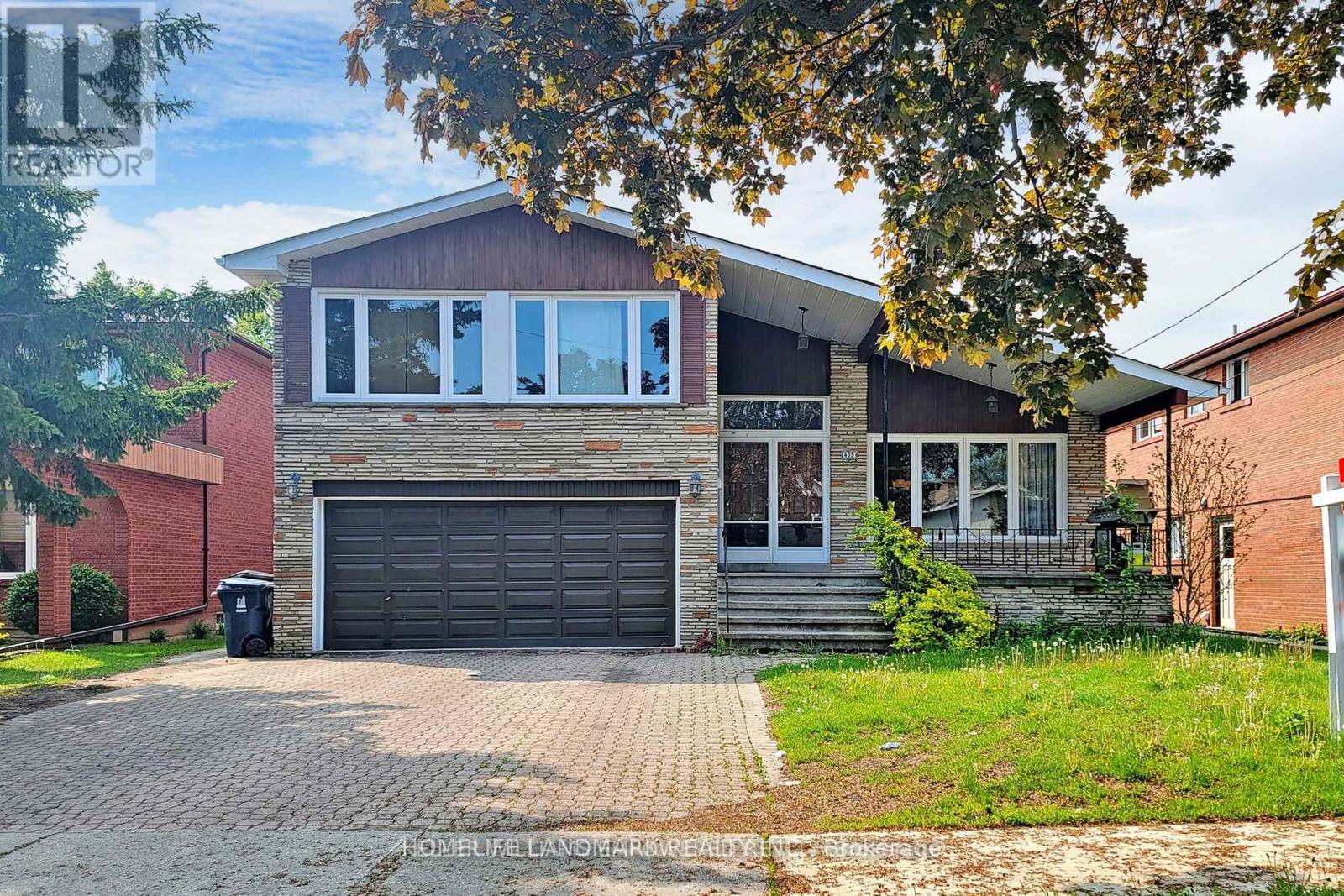
The residential streets behind the commercial corridors are post-war North York in built form: detached bungalows and split-levels, solid brick construction, standard lots, the same bones you find throughout this part of the city. What’s different is what’s been done to many of these houses in the past two decades. Custom renovation and teardown-rebuild activity has been strong in Newtonbrook West, driven partly by community prosperity and partly by a cultural preference for larger, more elaborate homes. The result is that alongside the original 1960s bungalows, you find custom-built two and three-storey houses that represent significant investment in the lot they sit on.
Buyers come to Newtonbrook West for several reasons. Iranian-Canadian families continue to choose this neighbourhood for its established community infrastructure. Other buyers come for value: this part of North York prices more accessibly than the Willowdale corridors closer to the Yonge-Sheppard hub, and the subway access via Finch is genuine. For buyers who want a freehold house in North York at a price point below $1.5 million, Newtonbrook West offers more inventory than many comparable neighbourhoods.
The housing in Newtonbrook West spans a wider range of age and condition than most comparable North York neighbourhoods, because significant custom building and renovation activity has taken place here over the past twenty years. At one end, you’ll find original 1950s and 1960s bungalows in unmodified or lightly updated condition, on standard lots of 40 to 50 feet wide. At the other end, you’ll find custom-built or substantially rebuilt homes that occupy much more of their lots, with larger footprints, more elaborate interior finishes and significantly more square footage than the original structure would have provided.
The price range reflects this condition spread. Detached houses in Newtonbrook West were trading from $1.2 million to $2.0 million in 2026, with the lower end representing original or lightly renovated bungalows on standard lots and the upper end representing large custom homes on good lots in desirable pockets. The middle of that range, around $1.4 to $1.6 million, gets you either a well-renovated original bungalow or a somewhat smaller custom rebuild. Understanding where a specific property sits on that spectrum requires comparing it against the lot size, the renovation scope and the comparable sales on the same street.
Lot sizes in Newtonbrook West vary more than in some comparable neighbourhoods because the original subdivision patterns weren’t entirely uniform. Streets near the Bathurst and Finch intersection tend to have standard urban lot sizes, while some streets further from the commercial activity have slightly larger lots that were subdivided differently. Buyers who are focused on future redevelopment potential should look carefully at the specific lot dimensions rather than relying on neighbourhood averages.
Newtonbrook West is an active market but not an intense one. The combination of a committed buyer pool from the Iranian-Canadian community and regular interest from other buyers who discover value here keeps the market moving, but it doesn’t create the frenzied competition of the hotter Willowdale pockets. Conditional offers are possible on many properties. Offer dates are set on the most appealing listings but not universal. Buyers have time to look properly and negotiate intelligently, which is a practical advantage in a market where due diligence genuinely matters.
One dynamic that affects the Newtonbrook West market is the custom-build premium question. Sellers who have invested significantly in a custom rebuild or a high-end renovation sometimes price expecting to recover their full investment plus a land premium. The market doesn’t always agree. In some cases, the premium for a heavily renovated or custom-built home in this neighbourhood is lower than the seller expects, because comparable purchases demonstrate that buyers can achieve their goals at lower prices in adjacent areas. This creates occasional overpriced listings that sit on the market while the seller adjusts expectations. It’s worth understanding this dynamic because it can create buying opportunities on properties that have been priced too high and then reduced after several weeks of minimal interest.
The land value floor operates here as it does throughout North York, providing a backstop on unrenovated properties. A standard lot in Newtonbrook West with a teardownable bungalow has a floor set by what builders will pay, and that floor has been resilient. Buyers purchasing at or near land value in this neighbourhood take on less price risk than buyers paying a significant premium over land value for a finished product at the top of the range.
The Iranian-Canadian community is the most visible buyer group in Newtonbrook West, and the neighbourhood’s development over the past three decades reflects their choices and priorities. Many buyers here are Iranian families purchasing specifically to be within walking distance of Persian restaurants, grocers, bakeries, cultural and religious organizations, and the social networks built by a community that has been establishing itself in this part of North York since the 1980s and 1990s. The neighbourhood offers a quality of community life that is difficult to replicate elsewhere in the city, and that matters to buyers for whom community connection is as important as transit access or school catchment.
Outside this community, Newtonbrook West draws buyers who prioritise freehold value at accessible North York prices. Buyers who’ve been priced out of Willowdale West or who want a larger house for the same money than they could buy further south tend to look here. The transit access via Finch station is genuine, the schools are reasonable, and the commercial strips on Bathurst and Yonge handle most daily needs without a car.
There are also buyers for whom the cultural character of the neighbourhood is specifically appealing regardless of their own background. Middle Eastern food, Iranian pastries, Persian language services and a social environment that’s genuinely different from generic suburban North York attract buyers from various backgrounds who want to live in a neighbourhood with a strong and particular identity. Newtonbrook West has that identity in a way that many North York neighbourhoods don’t, and for the buyers who value it, that’s a meaningful part of what they’re choosing.
The residential streets in Newtonbrook West that consistently attract the most attention from serious buyers are those running east-west between Bathurst and the mid-section of the neighbourhood, in the blocks between Finch and Steeles where the housing is established and the lots have good dimensions. Greenfield Avenue, Cactus Avenue and similar streets in this middle band offer a mix of original bungalows and rebuilt homes that represents the neighbourhood’s range without the noise exposure of the commercial arterials.
Streets closest to Bathurst Street itself carry the most pedestrian and vehicular traffic from the commercial activity on Bathurst, and properties on or immediately adjacent to Bathurst are less desirable for families seeking quiet residential living. The commercial character of Bathurst, while excellent for shopping and services, creates an environment on adjacent residential streets that some buyers find busy and others appreciate for the convenience. This is a genuine personal preference question rather than an objective quality ranking.
The northern edge of the neighbourhood near Steeles has streets that are the most affordable in Newtonbrook West, partly because of their distance from the Finch station and partly because they’re at the outer boundary of the North York market. Buyers who can accept the extra distance to transit and are prioritising yard space and quiet over walkability sometimes find excellent value on these streets. Some of the largest lots in the neighbourhood are on the quieter streets north of Finch, and buyers focused on lot value rather than immediate livability should look carefully at this area before settling on a more centrally located property.
Transit in Newtonbrook West runs primarily through Finch station on Line 1, which is accessible by foot from the eastern part of the neighbourhood near Yonge, and by bus from the western streets around Bathurst. Finch station connects south to downtown Toronto on the Yonge-University spine: Bloor-Yonge in about fifteen minutes, Union Station in about twenty-five. For the portion of the neighbourhood closer to Bathurst, the walk to Finch station is meaningful, and most residents rely on the Bathurst bus to reach either Finch station or Wilson station to the south, which also sits on Line 1.
The Bathurst Street bus runs south from Steeles all the way to the Bloor-Bathurst subway station, providing a direct transit option for residents who don’t need the speed of Line 1. In off-peak hours or for destinations along Bathurst itself, this route is often the most convenient option. Finch Avenue buses run east-west along the southern boundary of the neighbourhood, connecting to Finch station and extending east toward Scarborough and west into York Region.
Driving is practical. Bathurst Street provides a direct north-south driving route, Highway 401 is reachable in under fifteen minutes via Bathurst or Yonge, and Allen Road to the east gives drivers another option south toward downtown. Steeles Avenue, directly to the north, provides east-west connections across the top of the city. Most residents who work in suburban employment centres or whose schedules don’t align with transit hours drive as their primary mode. The neighbourhood was built for cars and parking is not difficult on residential streets. For families with two cars and one subway commuter, Newtonbrook West works well.
G. Ross Lord Park is the major green space serving Newtonbrook West and the surrounding area. The park covers roughly 70 hectares along the west branch of the Don River, with walking and cycling trails, a dam, a reservoir and significant tree cover. It’s a genuine natural area rather than a manicured suburban park, and residents who use it regularly find it a significant quality-of-life asset. From most streets in Newtonbrook West, the park is accessible in about a fifteen-minute walk or a five-minute bike ride.
Within the neighbourhood itself, the parks are smaller and more functional: Newtonbrook Park on Cummer Avenue has a sports field, tennis courts and a playground. Other neighbourhood parks scattered through the residential streets serve the daily needs of families with young children and provide meeting points for the community. The park infrastructure is adequate for a post-war suburban neighbourhood of this density and was designed for the family-oriented use that continues today.
Access to the broader ravine trail system is slightly easier from Newtonbrook West than from the Willowdale corridor, given the proximity to G. Ross Lord Park and its trail connections. Cyclists and trail runners who want to connect to longer trails south through the Don Valley have a reasonable starting point in this neighbourhood. The flat terrain of most of North York applies here as well, making the parks easy to access on foot for all ages. The neighbourhood’s green space offer is one of its understated strengths: families who discover G. Ross Lord Park tend to regard it as one of the best things about living in this part of the city.
The commercial strip along Bathurst Street north of Finch is one of the most characterful retail environments in North York. Persian bakeries, Iranian restaurants, Middle Eastern grocery stores, halal butchers, Persian jewellers and gold shops, cafes serving tea and sweets in the Iranian tradition, and service businesses catering to the Iranian-Canadian community line the street in a concentration that has few equivalents in the city. For residents of Newtonbrook West who are part of this community, the neighbourhood delivers daily commerce that connects them to cultural life in a way that a more generic commercial strip simply doesn’t.
For residents outside the Iranian community, Bathurst north of Finch offers excellent Middle Eastern and Persian food and shopping at competitive prices. The bakeries in particular are worth knowing regardless of your background. A large international grocery store with a strong Middle Eastern selection is easy to find, and the range of fresh herbs, specialty ingredients and prepared foods available on this strip rivals what you’d find in more expensive neighbourhoods.
For mainstream grocery shopping, a Metro and other chain supermarkets are accessible within a short drive on Yonge Street or Finch Avenue. Walmart and other large-format retailers are reachable on Steeles to the north or further along Finch. The neighbourhood’s daily needs are well-served by the combination of the local Bathurst commercial strip and the broader retail available on the major arterials within five minutes’ drive. Residents who work or shop regularly in Markham have excellent access via Steeles, and the range of retail options there adds considerably to what’s available without a car in the immediate neighbourhood.
Secondary school assignment in Newtonbrook West varies by address, and this is a detail that matters to buyers who are paying attention to school catchments. Some addresses in the neighbourhood fall within the catchment for William Lyon Mackenzie Collegiate Institute, a North York secondary school with good academic programs and a reputation for strong extracurricular activity. Other addresses may feed into different schools depending on their specific location. The TDSB boundary lookup tool is the authoritative source, and any buyer for whom secondary school assignment is a factor should confirm before purchasing.
Elementary schools in Newtonbrook West include several TDSB schools serving different parts of the neighbourhood. The schools here are community schools with the diverse character you’d expect from the neighbourhood, and academic performance varies. Parents who are concerned about specific outcomes at the elementary level tend to research individual school performance data through the TDSB and EQAO results rather than relying on neighbourhood-level generalizations. Private supplementary education is well-represented in the area, with tutoring centres and enrichment programs available on the commercial strips.
The Iranian-Canadian community has created a notable tutoring and enrichment culture in this neighbourhood, with several Persian-language tutoring centres and enrichment programs in addition to mainstream options. For families who want cultural-language education alongside academic enrichment, the neighbourhood has options that many other parts of the city don’t. Community-based Persian-language schools operate on weekends and evenings, serving families who want to maintain language and cultural connection for their children alongside the public school curriculum.
Newtonbrook West has seen more organic redevelopment than many comparable North York neighbourhoods, driven primarily by the prosperity and preferences of the Iranian-Canadian community. The teardown-and-rebuild cycle is active here, with custom homes regularly replacing original bungalows. The new construction tends toward larger, more elaborate homes than the North York average: two or three storeys, large footprints relative to the lot, stone or brick facades, and interior finishes that reflect a cultural preference for formal entertaining spaces. These homes change the character of individual streets as they appear and are gradually creating a different built environment than the original 1960s suburbia.
Commercial development along Bathurst has also been ongoing, with new low-rise mixed-use buildings replacing older single-storey retail in some sections. This gradual densification of the commercial strip adds above-grade residential units and improves the retail experience at grade level. It’s slow-moving development rather than the large-scale intensification happening at major transit hubs, but it’s consistent and cumulative.
On the broader planning and infrastructure front, the Bathurst Street corridor is not a major transit priority in the current provincial or city planning frameworks, which means no significant subway or LRT investment is anticipated here in the near term. The neighbourhood will continue to rely on bus service and the Finch station for its transit connection. This is a realistic expectation for buyers to hold: the transit situation here is what it is now and is unlikely to improve dramatically in the next decade. Development pressure and population growth will continue to push northward, and Newtonbrook West’s position at the boundary of Toronto and the southern edge of York Region means it will benefit from that growth dynamic over time.
Do I need to be Iranian to feel comfortable in Newtonbrook West?
No. The neighbourhood has a strong Iranian character along the commercial strips, but the residential streets are diverse and include families from many backgrounds. The community’s presence is visible and genuinely embedded in the neighbourhood’s daily life, and buyers from outside the community find they appreciate the food, the retail and the cultural texture without needing to participate in community life in any particular way. Some buyers from outside the Iranian community specifically choose this neighbourhood because of its character, not despite it. The community is generally welcoming, and the neighbourhood functions as a normal residential area for anyone who buys here. Whether the cultural environment suits you personally is worth thinking about before buying, and the best way to assess that is to spend time in the neighbourhood before committing.
How does transit work practically for residents near Bathurst rather than Yonge?
Residents in the western part of Newtonbrook West, near Bathurst and Steeles, are furthest from the Finch subway station and rely primarily on the Bathurst bus. The Bathurst bus runs south to Wilson station on Line 1, and north from Steeles it becomes York Region Transit. The journey from the western streets to downtown by transit can take 45 to 60 minutes depending on connections and time of day. For residents who drive to work or whose destinations are well-served by Bathurst street transit, this is manageable. For residents whose priority is a fast subway commute downtown, the eastern streets near Yonge are a better fit. Confirming transit travel time from any specific address to your workplace is worth doing before buying in the western sections of the neighbourhood.
Are the custom-rebuilt homes in this neighbourhood a good purchase?
It depends on the price relative to comparables and the quality of the construction. Custom homes built by the Iranian-Canadian community in Newtonbrook West are often very well-finished and represent genuine investment. The question is whether the market compensates the seller for that investment at the time you’re buying. In some cases, a custom rebuild is priced in line with what the market will pay. In other cases, the seller has priced to recover their full renovation cost plus profit, and the comparable sales don’t support that number. Have your agent pull the comparable sales on the specific street before forming a view on any custom property in this neighbourhood. The gap between asking price and what the market will pay can be significant on high-end rebuilds.
Is G. Ross Lord Park worth using, and how accessible is it?
G. Ross Lord Park is one of North York’s genuinely excellent green spaces and is worth using regularly if you live in Newtonbrook West. The park has about 7 kilometres of trails through a mix of open parkland, forested ravine and water features around the dam and reservoir. It’s accessible by foot from the eastern streets in about fifteen minutes, and by bike from most of the neighbourhood in five to ten minutes. Dogs are welcome in designated areas. The park doesn’t get as crowded as the more central ravine parks in Toronto, which makes it more pleasant for users who want space rather than a social scene. It’s a significant quality-of-life asset for families with children, dog owners, walkers and cyclists, and it’s worth factoring into your assessment of the neighbourhood if outdoor access matters to you.
Newtonbrook West is a market where the range of property condition and the custom-build premium question make local expertise genuinely valuable. The same lot size on two streets in this neighbourhood can produce very different purchase outcomes depending on what’s been built on it and at what price. An agent who works regularly in this part of North York will know which custom homes were built by reputable contractors and which were self-built by owners whose construction standards may not meet the same level, which streets are genuinely quiet versus which have cut-through traffic issues, and what comparable sales actually support for the price range you’re considering.
The school catchment question applies here as it does throughout North York, and secondary school boundaries in Newtonbrook West deserve the same address-by-address verification you’d apply in any other neighbourhood. If William Lyon Mackenzie or another specific secondary school is central to your decision, confirm it for your specific address through the TDSB before submitting an offer.
For buyers who are not part of the Iranian-Canadian community and are buying in this neighbourhood for value and transit access, the agent relationship matters for a different reason: navigating a market where many properties are sold within the community and where Iranian-Canadian selling agents may be working with buyers from within that network. An experienced buyer’s agent will have the relationships to get you access to properties before they’re broadly marketed and the market intelligence to identify when a seller is genuinely motivated versus testing the market. In a neighbourhood with this kind of distinct community character, having representation from someone who understands how the market functions on the ground is worth significantly more than relying on public listing data alone.
Street-level knowledge is hard to find online. Our team works in Newtonbrook West every day. They know which pockets hold value, where the school catchment lines actually fall, and what the market is doing right now. Talk to us before you make a decision about Newtonbrook West.
Talk to a local agent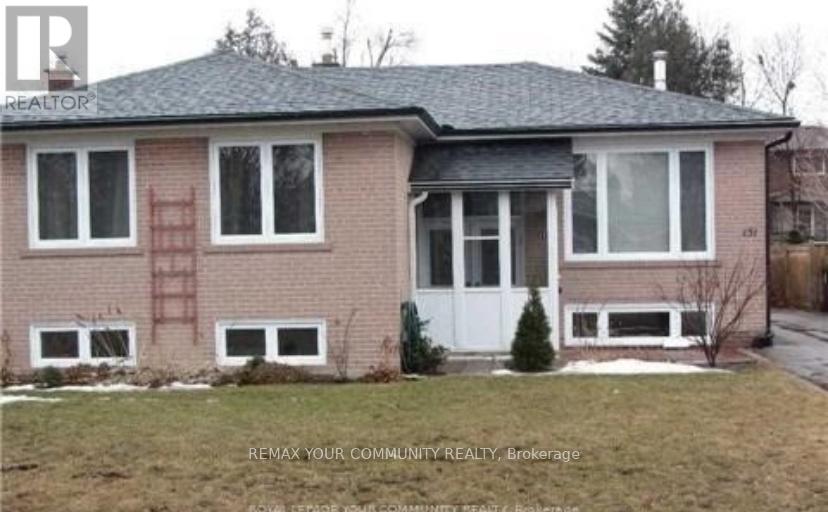 For Rent
 For Sale
 For Rent
 For Sale