
Newtonbrook East is a residential North York neighbourhood east of Yonge Street near Steeles, offering post-war bungalows and split-level homes at prices below the Willowdale market. Subway access at Finch station, a diverse established community, and detached homes trading from $1.1M to $1.8M in 2026.
Newtonbrook East sits at the northern tip of the old City of North York, east of Yonge Street between Finch Avenue and Steeles Avenue. It’s an established residential neighbourhood with the kind of housing stock that post-war Toronto produced in enormous quantities: detached bungalows and split-level homes on standard suburban lots, built for families and still working for them sixty years later. Finch station on Line 1 is the neighbourhood’s transit anchor, making downtown accessible by subway without a transfer.
The community here is diverse and genuinely established. Long-time residents have lived on the same streets for decades, and the neighbourhood has absorbed waves of immigration without losing its residential stability. Korean, Chinese, South Asian and Filipino families make up significant shares of the population alongside more recent arrivals from the Middle East and Eastern Europe. The retail on Yonge Street north of Finch reflects this mix, and the neighbourhood functions as the kind of place where people from very different backgrounds quietly get on with their lives in the same streets.
Buyers come to Newtonbrook East for value. It sits north of the most expensive part of the Willowdale market, close to the Steeles boundary with Markham, and it prices accordingly. A detached bungalow here costs less than the same house two kilometres south in Willowdale East, on lots that are often comparable in size. The subway access is similar, the schools are solid, and the neighbourhood functions in most of the ways that matter. For buyers who’ve priced themselves out of Willowdale East, Newtonbrook East is frequently the logical next stop.
The housing stock in Newtonbrook East runs predominantly to detached bungalows and split-level homes, built through the 1950s, 1960s and early 1970s. The splits in particular are a feature of this neighbourhood and this period: raised bungalows with half-levels that create a semi-finished lower level opening to grade, often used as a family room or converted to a basement suite. These work well for multi-generational families and for buyers who want rental income without fully below-grade basement accommodation. Lot widths are typically 40 to 50 feet, with depths that support meaningful yard space and, for builders, the possibility of redevelopment.
The condition range is wide. Unrenovated original homes make up a meaningful share of inventory, particularly on streets where long-time owners are selling after decades of residence. These properties need investment but offer buyers the opportunity to configure the renovation to their own priorities. Renovated properties command clear premiums and tend to move quickly. The middle ground, properties that have been partially updated over the years in an inconsistent way, requires more careful assessment of what needs to be redone versus what’s been done well.
Detached houses in Newtonbrook East traded in the $1.1 million to $1.8 million range in 2026. The spread reflects genuine differences in lot size, renovation level, and specific street position. The lower end of that range is achievable for buyers willing to take on a renovation project on a standard lot. The upper end reflects larger lots or substantially renovated or rebuilt homes. New infill construction has appeared on several streets where original bungalows were demolished, and these newer homes typically price at the top of the range given their modern layouts and finished quality.
Newtonbrook East is a market that moves more slowly and with less intensity than the Willowdale corridors immediately to the south. Properties here tend to sit on the market for longer before selling, conditional offers are more commonly accepted, and the multiple-offer situations that were a feature of North York’s hottest years are less frequent at this price point and this location. That’s useful to know as a buyer: there’s more time to think and more room to negotiate than in some comparable North York markets.
The teardown floor is a real backstop in this market, as it is throughout North York. Land values set a floor below which motivated sellers generally won’t go, because a builder will pay land value for an unrenovated bungalow regardless of the structure’s condition. This floor has been relatively stable across market cycles, which means the downside in Newtonbrook East is more contained than in higher-priced markets where the entire premium can evaporate in a correction. A buyer purchasing at $1.2 million is buying close to land value in some cases, which provides a different risk profile than buying a renovated property at $1.7 million where the premium over land value is larger.
The upper end of the market in Newtonbrook East is more volatile, because it depends on finding a buyer willing to pay a meaningful premium over land value for a renovated or custom home at Steeles. Those buyers exist, but they’re fewer, and they can afford to be selective. Sellers who have invested significantly in renovation sometimes find that the market north of Finch doesn’t fully compensate them for the investment. This is worth understanding before you buy a renovated property at the top of the range: confirm that the renovation was done for you to enjoy, not as a pure investment play.
Newtonbrook East draws a particular kind of practical buyer. The combination of subway access, freehold housing on real lots, and prices below the Willowdale market makes it appealing to families who have done the math and concluded that the extra distance from the city core is worth the money they save. Many buyers here are first-time detached home purchasers moving up from condos, townhouses or rented accommodation, for whom the entry price point of $1.1 million or $1.2 million represents achievable goal rather than aspiration.
Multi-generational households are common in this neighbourhood. The split-level and bungalow format works well for extended families where parents and children share a house across two levels with some degree of separation. Korean, Chinese, and South Asian families in particular have strong traditions of multi-generational living, and the housing stock here suits that arrangement in a way that high-rise condos don’t. The neighbourhood’s established East and South Asian communities mean there’s existing community infrastructure: religious institutions, cultural centres, language-specific services and compatible food shopping are all present.
There’s also a cohort of buyers who grew up further north, in Markham or Vaughan, and are buying their first Toronto home as adults working downtown. Newtonbrook East offers them the subway access and the Toronto address they need without the prices of more central neighbourhoods. It’s often these buyers who bring the strongest competition for renovated, move-in-ready properties on good streets, because they’re buying for function and livability rather than as an investment in the most obvious sense.
The best streets in Newtonbrook East tend to be those running east-west between Yonge and Bayview, in the blocks north of Finch and south of Steeles where the housing is consistent and the lots have good dimensions. Wedgewood Drive, Citation Drive and the streets around them are solid residential addresses that have held their character well. These are streets where the original housing stock is relatively intact, the lots are properly maintained, and the neighbours have generally been there long enough to know each other.
Streets closer to Yonge itself run hotter in terms of traffic and commercial activity, and the noise exposure increases noticeably. The blocks immediately east of Yonge, within a hundred metres of the main street, are less desirable for families seeking quiet. Moving east toward Bayview, the neighbourhood gets quieter and the lots tend to be slightly more generous. The easternmost streets near Bayview Avenue are the quietest part of Newtonbrook East, though they’re also furthest from the Finch subway station.
There are pockets of newer infill housing on streets where teardowns have occurred, and these sit alongside original 1960s bungalows without great disruption to the streetscape. The overall built form of the neighbourhood is consistent enough that a new two-storey custom home doesn’t look wildly out of place. Buyers targeting specific streets should walk them at different times of day: morning commute hours reveal traffic patterns that aren’t obvious from a weekend visit, and the difference between a quiet residential street and one used as a cut-through to Yonge or Finch can be substantial.
Finch station on Line 1 (Yonge-University) is the transit centrepiece for Newtonbrook East. From most addresses in the neighbourhood, the station is a ten to twenty minute walk or a short bus ride. From Finch station, the subway runs south into downtown Toronto, reaching Bloor-Yonge in about fifteen minutes and Union Station in about twenty-five. That’s a commute time that compares favourably with many closer-in Toronto neighbourhoods that don’t have subway access.
Bus service along Yonge Street connects north toward Steeles and into York Region Transit, extending the reach of the public transit network for residents who work or have family north of the city. Steeles Avenue East buses run along the northern boundary of the neighbourhood, providing east-west connections toward Scarborough. The overall transit picture is solid for residents who commute downtown but becomes less convenient for anyone whose destination is off the subway line.
Driving is straightforward from Newtonbrook East. Yonge Street provides a direct north-south route, Finch Avenue handles east-west movement, and the 404 (Don Valley Parkway extension) is accessible via Sheppard or Finch for highway travel. The 407 is reachable to the north via Yonge or other north-south routes, providing a toll-road option for drivers heading west or east across the region. Parking is easy on residential streets, and most houses have driveways. For residents who drive to work, the neighbourhood’s position at the top of the Yonge corridor gives them good highway access without the congestion of driving through the downtown core.
Newtonbrook East has a reasonable complement of neighbourhood parks for a suburban North York community. G. Ross Lord Park, one of North York’s largest green spaces, sits to the west and provides trail walking, open fields and a reservoir. It’s accessible by bike from most of the neighbourhood in about fifteen to twenty minutes and is worth the trip for residents who want substantial green space without leaving the broader area. Closer to home, Finch Corridor parkland and smaller neighbourhood parks along the residential streets serve the immediate community’s daily park needs.
The Bayview Avenue corridor to the east provides connections to a broader trail and parkland network, and Newtonbrook Park itself, near the Yonge and Steeles area, offers a pleasant neighbourhood green space with tennis courts, sports fields and playgrounds. These are functional community parks: they work for families with young children, for dog owners and for people who want to walk a loop around the block. They’re not wilderness trails or grand civic green spaces, but they serve the neighbourhood without gap.
The Don River trail system is accessible to the east of the neighbourhood, with connections running south through Bayview that link to the broader ravine network. For serious trail users, getting to the main Don Valley trail is a reasonable bike ride from Newtonbrook East. Cyclists making this trip on a regular basis develop a comfortable familiarity with the route, and the trail system, once reached, is genuinely excellent. Residents who prioritise greenway access alongside subway commuting often find Newtonbrook East works better than they expected from the map.
The commercial strip along Yonge Street north of Finch serves Newtonbrook East’s daily needs with a mix of international grocery shops, Korean and Chinese restaurants, bubble tea cafes, pharmacies and service businesses. The retail here is more modest than the North York Centre corridor to the south, but it’s functional and reflects the neighbourhood’s community character. For residents who need Korean groceries, Korean-speaking medical services or Korean-language banking, this stretch of Yonge delivers. For residents with more mainstream preferences, a drive or bus ride south to the larger supermarkets and chain stores handles most needs.
Finch Avenue has additional retail running east-west, including some larger format stores and service businesses. The Yonge and Finch intersection itself is a minor commercial hub with enough density to handle routine errands. A T&T Supermarket in the broader area makes Asian grocery shopping significantly easier for families who cook accordingly, and several independent Korean and Chinese grocers on Yonge itself fill in the specialty gaps.
The neighbourhood’s proximity to Steeles means that Markham retail is also accessible. The Pacific Mall complex in Markham is a twenty-minute drive or a transit trip for residents who want access to its enormous concentration of Asian retail, and several commercial centres along Steeles just across the York-Toronto boundary add further options. Buyers who prefer not to cross into York Region for shopping will find the Yonge corridor adequate for daily needs, though it doesn’t have the variety or scale of the commercial areas further south in North York.
Schools in Newtonbrook East feed into the Earl Haig Secondary School system for secondary education, depending on the specific address. This is one of the neighbourhood’s genuine selling points: secondary school access to a school with Earl Haig’s academic reputation and arts programming, at entry prices for freehold housing that are $200,000 or more below equivalent properties in the core Willowdale East market. For families buying specifically for school access, Newtonbrook East offers real value if the catchment confirms for their specific address.
Elementary schools in the area are operated by the TDSB and include several options within walkable distance for most residential streets. Parents who are attentive to school performance will want to look at the specific school serving their prospective address rather than assuming neighbourhood-level quality. There are French Immersion options available in the broader North York system for families who want bilingual education, though these may require transportation to a school outside the immediate neighbourhood.
The private tutoring and enrichment sector is well-represented in Newtonbrook East, with numerous learning centres along Yonge and Finch offering math enrichment, language programs and exam preparation. The cultural emphasis on academic achievement in the neighbourhood’s Korean and Chinese communities has created demand for these services that was there before the businesses arrived, and both communities have sustained them. Families who move into the neighbourhood regardless of background often end up using these services once they see what’s available and how embedded the culture of academic enrichment is in the community.
Development activity in Newtonbrook East is principally the ongoing residential teardown cycle, where original bungalows are purchased, demolished and replaced with custom two-storey homes. This happens at a moderate pace and is gradually changing the character of the streetscape on streets where several original homes have already been replaced. The overall neighbourhood character remains bungalow-dominant, but that will shift over the coming decade as more lots turn over to custom builders.
The Yonge Street corridor at this latitude is designated for mid-rise and mixed-use development under Toronto’s planning frameworks, and there is ongoing development interest in the blocks along Yonge near Finch and Steeles. The Finch station area in particular has seen continued planning and development activity, with new residential buildings proposed and some already under construction. This intensification at the Finch-Yonge hub will add residents and retail demand to the area without changing the interior residential streets, which have their own planning protections.
The long-term trajectory for Newtonbrook East is toward more density at the arterials and gradual upgrading of the residential stock in the interior. As prices in the broader North York market push buyers northward, demand for freehold houses in Newtonbrook East will increase and the teardown cycle will accelerate. Buyers purchasing today are likely buying at a point in the neighbourhood’s evolution where prices are still at the lower end of the North York spectrum. The direction of travel, driven by transit investment and population growth at Steeles, is toward higher values over time.
Is Newtonbrook East really in the Earl Haig Secondary School catchment?
Parts of it are. The TDSB catchment boundary for Earl Haig runs through this area, and many addresses in Newtonbrook East fall within it. But the catchment is address-specific, and the boundary is not perfectly aligned with the neighbourhood’s formal boundaries as defined by the City of Toronto. Some streets that are geographically in Newtonbrook East may fall outside Earl Haig’s zone. The only reliable way to confirm is to enter your specific address into the TDSB school locator tool on their website. Do this before you make an offer if school assignment is a primary reason for buying in this neighbourhood. An agent’s assurance that the area feeds into Earl Haig is not sufficient, because it may not be accurate for the specific address you are considering.
How does the market here compare to Willowdale East in practical terms?
The main differences are price and intensity. Newtonbrook East is typically $150,000 to $250,000 cheaper than comparable properties in Willowdale East for similar lot sizes and housing types. The market is less competitive: conditional offers are more commonly accepted, days on market are longer, and the pressure to waive conditions in a multiple-offer scenario is less frequent. For buyers who want more time and more leverage in their purchase, Newtonbrook East delivers that relative to the market further south. The tradeoffs are a slightly longer subway ride downtown and a commercial strip that is less developed than the North York Centre corridor.
What are split-level homes like to live in, and should I avoid them?
Split-levels, common in this neighbourhood, divide the living space across three or four half-levels rather than two full floors. The typical configuration has the main living areas at grade, bedrooms a half-level up, and a family room or recreation room a half-level down with a walk-out to the backyard. They’re not for everyone. The layout creates more separation between spaces, which works well for multi-generational families but can feel fragmented for households who prefer open-plan living. The raised lower level, which is partially above grade, tends to get better light than a true basement. Most splits have functional floor plans and are well-suited to families. Whether you like the format is personal, and visiting a few before forming a view is worthwhile.
Is Steeles Avenue being close to the border a problem?
It depends on what you mean by problem. Steeles Avenue marks the boundary between Toronto and Markham, which means properties north of Steeles are subject to York Region property tax rates and services, while properties south in Newtonbrook East are in Toronto with Toronto tax rates and services. For the buyer, the proximity to Steeles simply means the neighbourhood ends there. It’s not an unattractive boundary: Steeles has commercial activity and bus connections, and Markham beyond it is well-served. The Toronto-side location is a practical advantage for anyone whose life is oriented to the city. Municipal tax rates in Toronto are generally lower than in some York Region municipalities, which is a minor but real financial consideration over the life of ownership.
Newtonbrook East is a market where a patient, well-briefed buyer does well. The inventory turns over at a pace that gives buyers time to look at multiple properties, assess condition and position carefully, and negotiate with confidence. Working with a buyer’s agent who knows which streets are genuinely quiet versus which look quiet on a Saturday afternoon, which lots have the dimensions for future redevelopment, and which renovation projects have been done properly versus cosmetically is the difference between a good purchase and one you spend the next several years correcting.
The school catchment verification piece is critical in this neighbourhood and worth treating as a non-negotiable step in your due diligence. Don’t rely on the listing agent’s representation, the neighbourhood association’s claims or a neighbours’ information. Confirm the assigned school for your specific address through the TDSB directly. Your buyer’s agent should make this part of the standard process for any property you seriously consider in Newtonbrook East.
Because conditional offers are more commonly accepted here than in some competing neighbourhoods, there’s a real opportunity to do a proper pre-purchase inspection on properties where the condition is uncertain. An older bungalow that’s been largely untouched since the 1960s has systems that need assessment: furnace, electrical panel, plumbing stack, roof, windows, foundation. An inspection on a property like this typically costs $500 to $700 and can identify issues that affect either the price you’re willing to pay or the decision to proceed at all. In a neighbourhood where renovation potential is a primary selling point for many properties, knowing what you’re actually buying before you commit is not optional. An experienced buyer’s agent in Newtonbrook East will have recommended inspectors who understand what to look for in this vintage of housing.
Street-level knowledge is hard to find online. Our team works in Newtonbrook East every day. They know which pockets hold value, where the school catchment lines actually fall, and what the market is doing right now. Talk to us before you make a decision about Newtonbrook East.
Talk to a local agent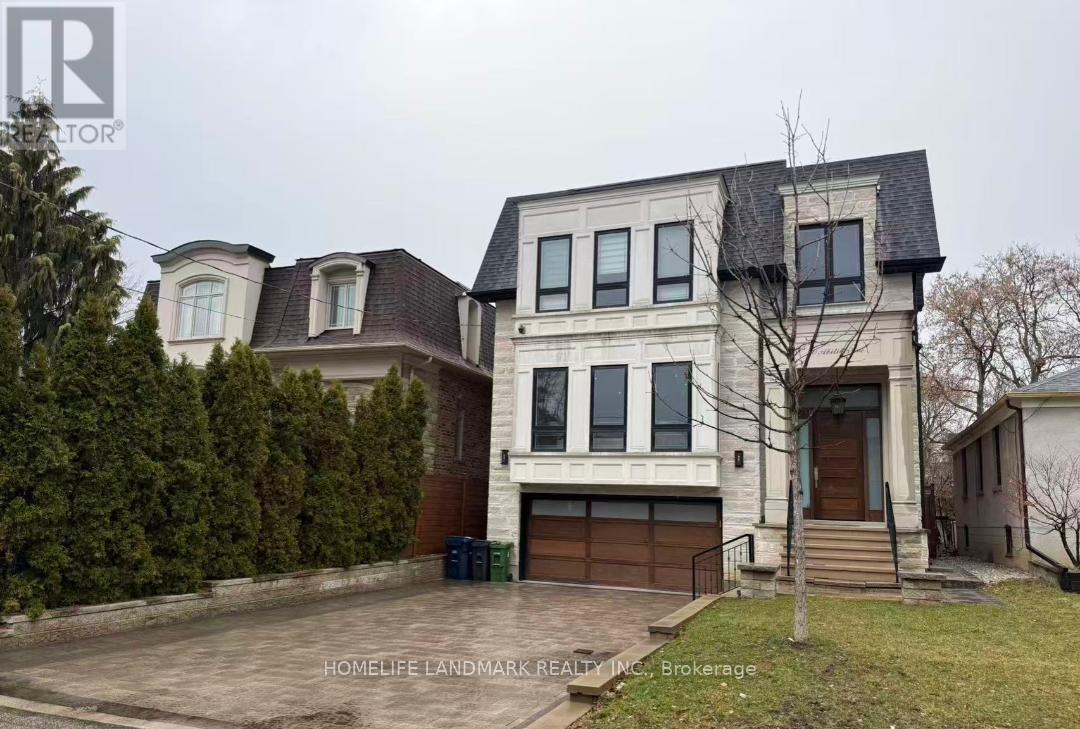 For Sale
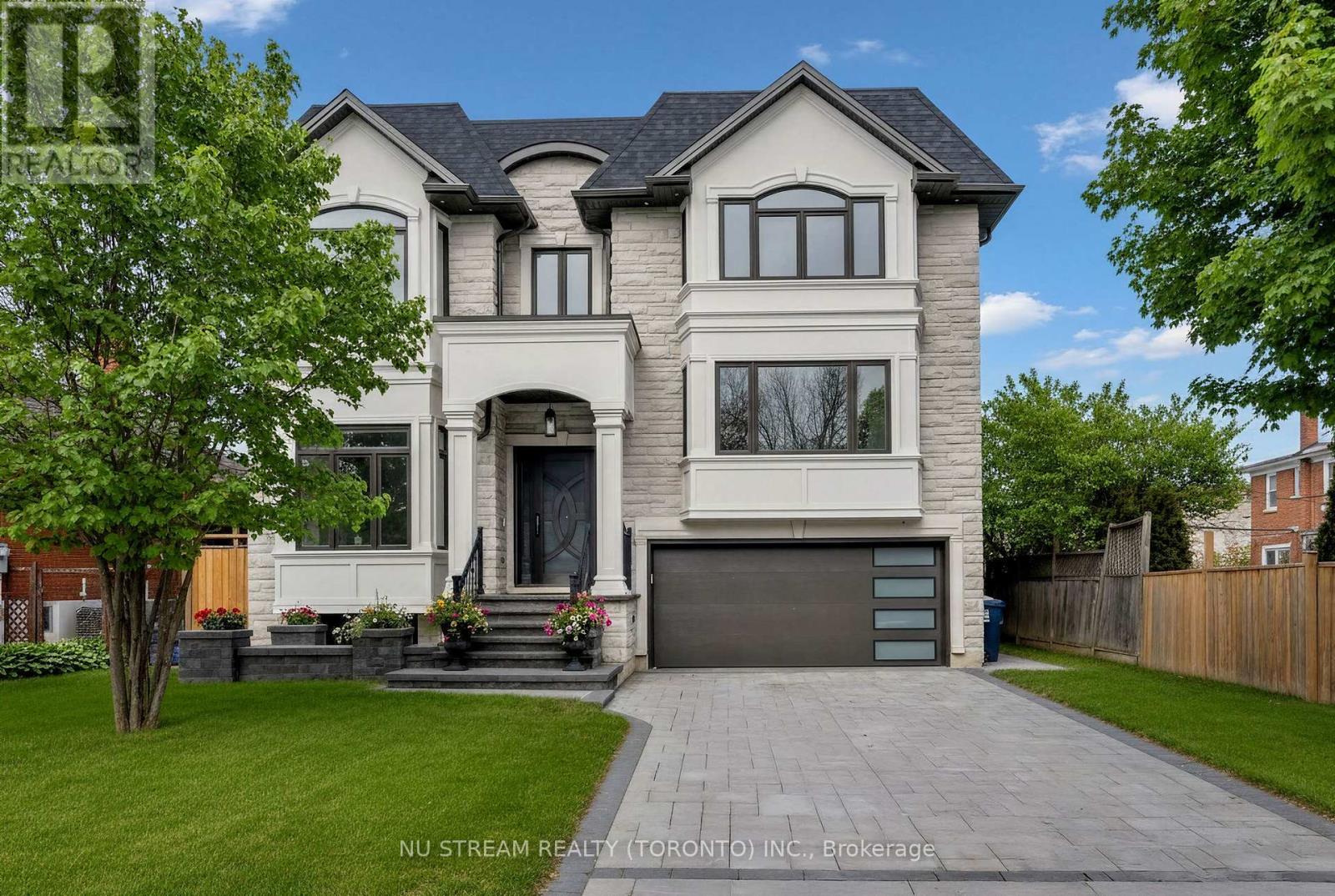 For Sale
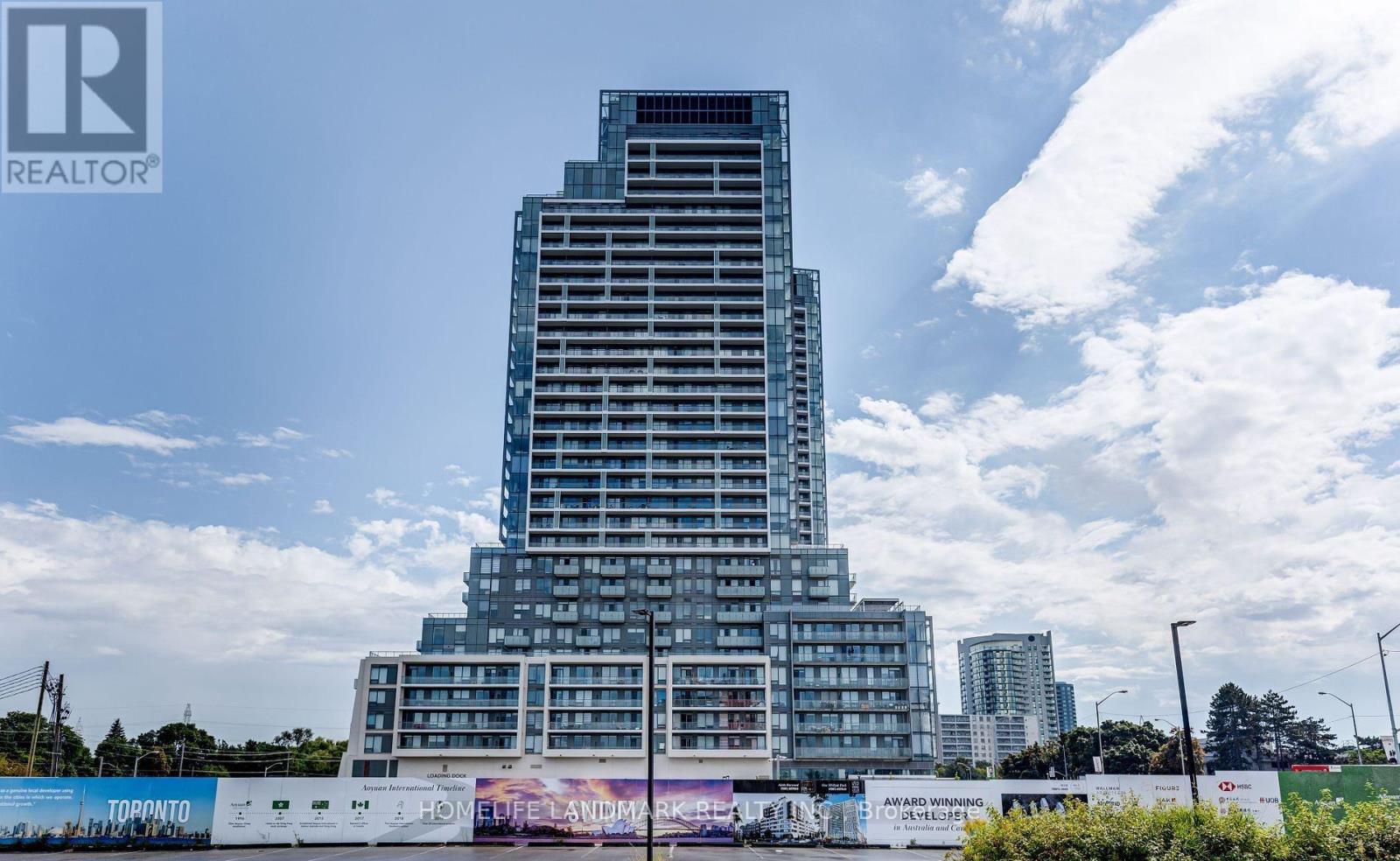 For Rent
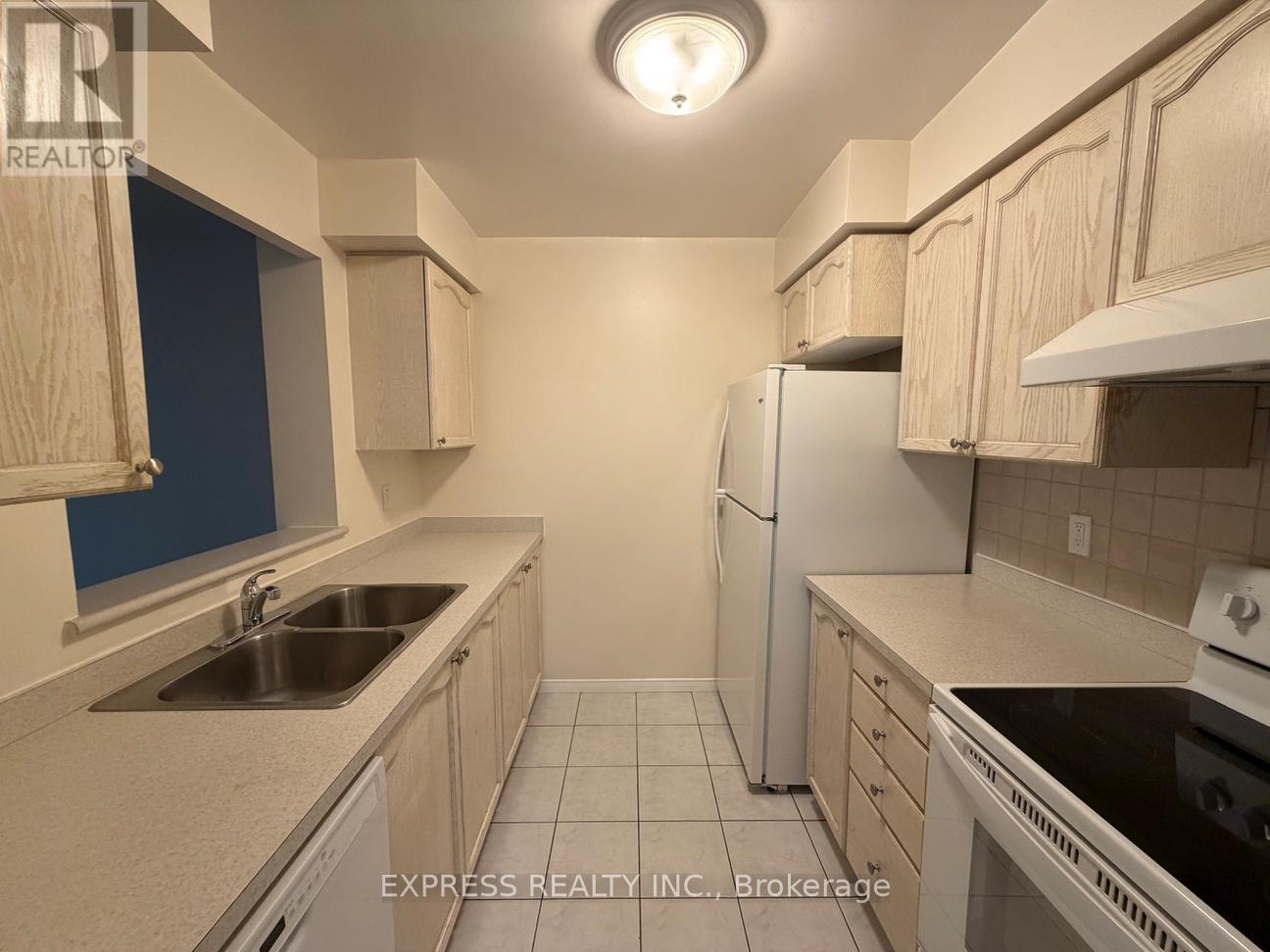 For Rent