
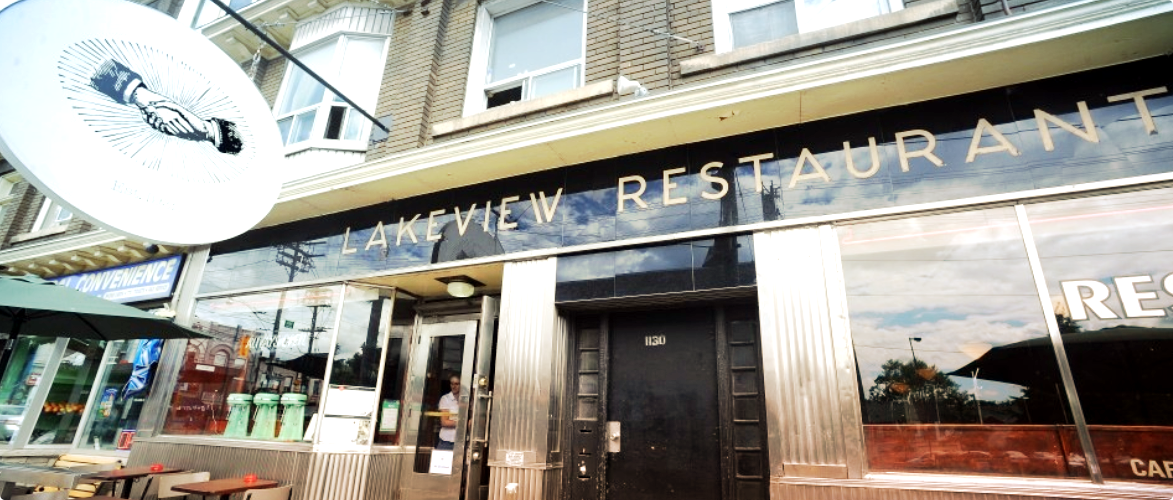
Little Portugal and Beaconsfield Village occupy the stretch of Dundas Street West between Dufferin and Lansdowne, with a grid of Victorian and Edwardian brick semis extending north and south. Beaconsfield Village is the calmer residential section east of Dufferin between College, Dufferin, Queen, and Lansdowne. Semis were trading between $1 million and $1.5 million in early 2026, making this one of the more accessible freehold areas in the central west end. The Portuguese bakeries and butchers on Dundas are the real thing, not a revival.
Little Portugal runs along Dundas Street West between Dufferin and Lansdowne, with Victorian and Edwardian brick semis filling the residential streets north and south. Beaconsfield Village is the quieter sub-neighbourhood to the east, roughly between College, Dufferin, Queen, and Lansdowne, where the residential character is more consistent and the Ossington adjacency starts to show in the housing presentation. The two names are used interchangeably in listings, sometimes within the same block, but the distinction is real enough to matter to buyers who know the neighbourhood.
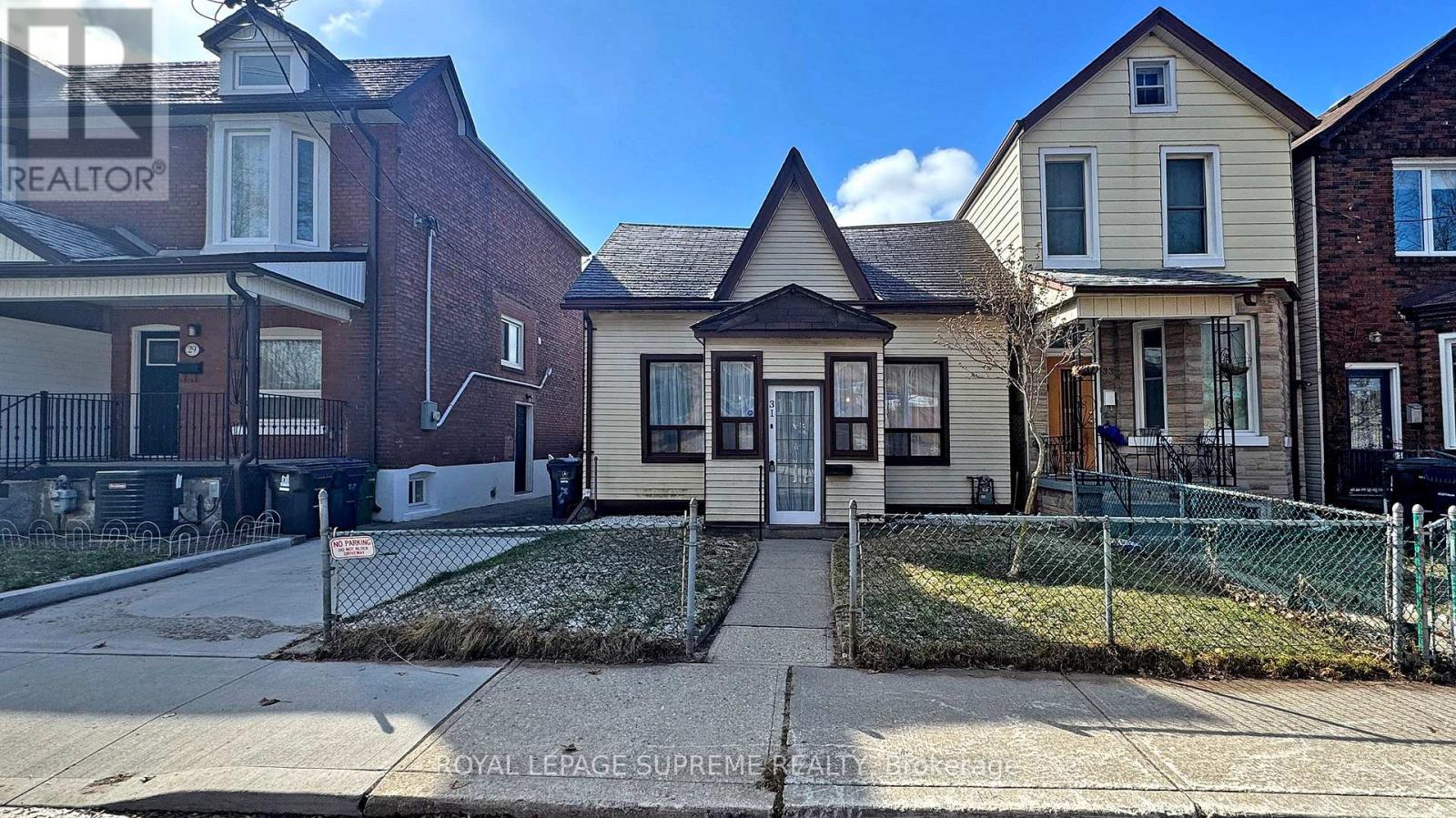
The housing stock throughout is the same era and type that fills this entire section of the central west end: two-and-a-half-storey semis built between the 1890s and 1920s, brick, on lots 16 to 20 feet wide, with laneways behind most of the residential blocks. What differs from street to street is the state of renovation. Some blocks in Beaconsfield Village have been fully absorbed into the same renovation market as Ossington. Other blocks on the western Dundas strips still show the mix of original condition and partial updates that marks a neighbourhood mid-way through the gentrification process.
The Portuguese heritage of the commercial strip on Dundas is substantive rather than decorative. The bakeries, the butcher shops, the pastry cases with custard tarts, the social clubs that still serve the older Portuguese-Canadian community: these existed before the neighbourhood became a real estate consideration and have persisted through the transition. They give Dundas West a character that newer commercial strips don’t replicate easily.
The primary freehold purchase in Little Portugal is the Victorian or Edwardian brick semi: three bedrooms, a main floor that’s been opened up at least once, a basement that may or may not have been finished, and a rear lane that may or may not provide parking. Semis in this neighbourhood were trading between $1 million and $1.5 million in early 2026. A fully renovated semi with a finished basement and a legal parking pad toward the rear sits at the top of that range. A property in original or partially updated condition comes in at the lower end, around $1 million to $1.2 million.
Detached homes are rarer than in some adjacent neighbourhoods and tend to appear on slightly wider lots on Dovercourt Road and the longer cross streets. A detached three-bedroom in good condition starts at around $1.6 million. Larger properties with four bedrooms and a proper backyard have sold above $2 million on the better streets in Beaconsfield Village, though these represent the upper end of a market that is primarily semi-detached.
Condition varies more widely here than in fully transitioned neighbourhoods. A semi on Beaconsfield Avenue that has been renovated to a high standard sells at a different price than a comparable semi on a western Dundas cross street that hasn’t been touched. Buyers need to do real condition assessment rather than relying on average price data. The gap between best-in-class and original condition is wider here than in Ossington or Trinity Bellwoods, where the renovation market has compressed that spread considerably.
Little Portugal’s freehold market is less competitive than Ossington and Trinity Bellwoods but not soft. Well-priced, well-presented semis in Beaconsfield Village attract multiple offers in spring, and the buyer pool has deepened over the past five years as buyers priced out of Ossington have moved their search westward. Properties in original condition or requiring significant work take longer to sell and require more buyer education, which is part of why the neighbourhood still offers value that the fully transitioned streets to the east don’t.
In early 2026, most freehold listings are reviewed when offers arrive rather than held to an offer date. The exception is properties that generate early and obvious interest: these occasionally develop informal deadlines within the first week. Buyers should have financing arranged and be prepared to act decisively on the properties in Beaconsfield Village that price correctly. The slower pace of the broader market has given buyers more time than they had in 2021, but the best-priced properties on the best streets still move quickly.
The condo market in the neighbourhood is limited. There are a small number of purpose-built buildings and a few conversion projects, but this is predominantly a freehold neighbourhood. Buyers looking for condos typically look eastward to Ossington or northward to Bloor West, where more purpose-built supply exists.
Most buyers in Little Portugal arrive after running a comparison with Ossington or Trinity Bellwoods and deciding the price differential is too large to justify. The housing is essentially the same: same era, same construction type, same lot sizes, same lane configuration. The difference is the stage of development on the commercial strips and the depth of the buyer pool. Buyers who choose Little Portugal are typically making a deliberate value decision: they want a freehold west-end house, they want it close to the Ossington corridor, and they’re not willing to pay the Ossington premium for it.
A second buyer profile is drawn to the neighbourhood specifically: people who value the Portuguese commercial character on Dundas, who appreciate a neighbourhood where the existing community is still visible and not yet fully replaced by the incoming one, and who find a neighbourhood mid-way through its transition more interesting than one that’s been fully absorbed. These buyers often report that the neighbourhood feels like Ossington did eight years ago and make their purchase as a deliberate long-term bet.
First-time buyers with real budgets also arrive here in meaningful numbers. At $1 million to $1.3 million for a semi in liveable condition, Little Portugal is one of the few places in the central west end where a first-time buyer with a 20 percent down payment and a professional income can access a freehold property without combining household savings with parental support. That accessibility is a genuine and recurring reason buyers end up here.
The east-west split within the neighbourhood is the first thing to understand before shortlisting properties. The eastern half, what most agents call Beaconsfield Village, runs from Dufferin to around Lisgar or Dovercourt, closer to Ossington and more fully developed. Properties here are more likely to have been renovated recently, priced accordingly, and to attract the same buyer pool as Ossington. The western half, closer to Lansdowne, is earlier in the same process: more variable condition, lower prices, more negotiation room. Which half you should focus on depends on your budget and your appetite for a neighbourhood still in transition.
The lane situation at any specific property requires confirmation before you proceed. Lane access, parking pad presence, and the condition of the lane itself vary considerably. Some rear lanes in this neighbourhood are narrow and poorly maintained; others are actively used and in good shape. Whether a laneway suite is feasible on a specific lot is a separate question that requires a consultant assessment, but it’s worth asking early because the income potential affects how to think about purchase price.
These Victorian and Edwardian semis require the same condition scrutiny as anywhere else in the west end, and more in some cases because the renovation process here is less complete. Knob-and-tube wiring, cast iron drain stacks approaching replacement, and foundation water management issues appear in houses of this age regardless of how updated the kitchen looks. An inspector with specific experience in central Toronto housing of this era is worth the fee before firm commitment.
Selling well in Little Portugal requires understanding that your buyer has almost certainly also looked at Ossington and possibly Trinity Bellwoods. They’ve seen what those streets offer at higher prices, and they’re making a deliberate choice to look here. The presentation needs to justify the confidence in that choice: a property that shows poorly against comparable listings in a market where buyers have real alternatives and more time than they had two years ago will sit and reduce.
The homes that sell strongest here are the ones that demonstrate genuine care in the renovation work: original hardwood maintained or refinished, the original brick respected rather than drywalled over, ceilings at their original height, a kitchen that was done well rather than done cheaply to facilitate a listing. Buyers in this neighbourhood are experienced in the west-end freehold market. They know what a house looks like when the work was done to live in it versus to sell it. The former commands real money. The latter gets picked apart on inspection.
Timing matters here as much as anywhere. Spring listings, particularly those that appear in March and April, benefit from the deepest buyer pool of the year. A property that might take five weeks to sell in September or October often sells in ten days in April. If you have flexibility on when to list, the spring window is consistently the strongest in this neighbourhood.
The Dundas West strip between Dufferin and Lansdowne is the neighbourhood’s commercial spine and its most distinctive feature. The Portuguese character here is real: the bakeries have been there for decades, the pastelerias still sell pastel de nata, and the butchers and fish shops serve a community that built them before the neighbourhood became a real estate story. These businesses exist alongside the newer cafes and bars that have arrived as the neighbourhood’s buyer profile has shifted, and the two layers have so far coexisted without one erasing the other entirely.
Dufferin Grove Park, immediately north of Bloor on Dufferin, is the neighbourhood’s primary green space and a genuine community asset. The park has an outdoor skating rink in winter, a Friday farmers market that runs through the growing season, a cob oven where residents bake communally, and a wading pool in summer. It draws participants from across the neighbourhood and from adjacent streets east of Ossington. For families with children, the park’s programming is a specific and recurring reason to choose this part of the city.
The Ossington strip, two or three blocks east of the neighbourhood’s eastern boundary, is accessible on foot from most of Beaconsfield Village in ten minutes. This adds significant restaurant and bar depth to what Dundas West offers directly. Many Little Portugal residents use the Ossington strip regularly enough that the commercial inventory of the two neighbourhoods is effectively shared, which is one reason the eastern blocks of Little Portugal price closer to Ossington than to the western Dundas blocks.
Dufferin station on the Bloor-Danforth line is the primary subway connection for the western half of the neighbourhood. The walk from the Lansdowne end of the neighbourhood is under ten minutes for most properties. Dufferin bus also runs north from the station for residents who need connections beyond the subway. From Dufferin station, riders are two stops from Spadina and three stops from Yonge-Bloor, putting the core of the city within a 15-minute subway ride from most addresses in the neighbourhood.
Ossington station, also on the Bloor-Danforth line, serves the eastern end of the neighbourhood. It’s an easier walk from Beaconsfield Avenue, Argyle Street, and Lisgar Street than Dufferin station is. Buyers shortlisting properties in the eastern half of the neighbourhood should check which station is closer to the specific address, as the difference matters for daily commute planning.
The 505 Dundas streetcar runs along Dundas West and connects westward toward Dundas West station and eastward through Kensington Market and into the core. Like most TTC surface routes, it bunches in peak hours. Residents who need reliability for morning commutes tend to use the subway. The Dundas streetcar is most useful for trips within the central west end rather than for getting downtown quickly. Cycling on Dundas and the parallel residential streets is practical and used regularly by residents heading to Ossington or Kensington.
Ossington is the primary upward comparison for Little Portugal buyers. The housing stock is the same era and type. The lot sizes are comparable. The transit access is similar. Ossington runs 10 to 15 percent higher for equivalent properties, reflecting a more developed commercial strip on Ossington Avenue itself and a buyer pool that has been competing at that price level for longer. Buyers who move from Ossington to Little Portugal typically report the practical difference in daily life is smaller than the price difference suggests. What changes is the address and the stage of the neighbourhood around you.
Trinity Bellwoods, further east, is the more expensive comparison. It carries a 20 to 30 percent premium over Little Portugal for equivalent housing, built largely on the park’s quality and the Queen West commercial strip. Buyers who choose Little Portugal over Trinity Bellwoods are making a significant value decision and getting real money in return for it. The trade-off is a park that’s smaller and less programmed, and a commercial strip that’s at an earlier stage of development.
Little Italy, to the northeast, is a closer comparison in price and character. Both offer Victorian semis in the $1.3 to $1.8 million range, both have strong commercial strips with heritage character, and both attract buyers who want the west end without the top-of-market prices. The difference is the commercial identity: College Street versus Dundas West, Italian versus Portuguese, a strip with fully completed gentrification versus one still working through it. Buyers who visit both often find the choice comes down to which strip appeals more to how they expect to use the neighbourhood.
The main public elementary option for much of the neighbourhood is Ossington-Old Orchard JPS, which serves the eastern portion of the neighbourhood into Beaconsfield Village. Brockton Public School serves parts of the western end. Neither carries a standout reputation in the way that some TDSB schools further east or north do. French Immersion programs are available through the TDSB but require separate application and early planning. The Catholic system has options in the neighbourhood that some parents choose as an alternative to the public stream.
For secondary school, the catchment for most of the neighbourhood flows to Parkdale Collegiate or Central Technical School, depending on the specific address. Central Tech on Harbord has a strong arts and technical stream that draws applications from across the west end. Parkdale Collegiate has a more mixed profile. Families buying here with secondary-school-age children typically research both schools and the available specialist programs at each. The school situation is not a reason to buy in this neighbourhood; it’s a consideration to navigate around the purchase decision.
Verify current catchment boundaries using the TDSB boundary tool before making any decision based on school access. Catchments in this part of the city have been revised in recent years, and the boundary can run through the middle of a block. A two-address difference on the same street can mean different schools.
What are homes selling for in Little Portugal in 2026? Victorian and Edwardian semis in Little Portugal and Beaconsfield Village were trading between $1 million and $1.5 million in early 2026. The spread within that range comes down to condition, renovation quality, and whether parking is included. A fully renovated semi with a finished basement and a rear parking pad sits near $1.4 to $1.5 million. A property in original or partly updated condition comes in at $1 million to $1.2 million. Detached homes start at around $1.6 million. The neighbourhood consistently runs 10 to 15 percent below equivalent Ossington streets and 20 to 30 percent below Trinity Bellwoods, making it one of the more accessible freehold options in the central west end.
How does Little Portugal compare to Ossington for buyers? The housing stock is the same era and type: Victorian and Edwardian brick semis from the 1890s to 1920s. Ossington runs 10 to 15 percent higher for equivalent properties, reflecting a more developed commercial strip and a deeper buyer pool. Little Portugal offers the same freehold character with a meaningful price advantage. The Dundas West strip is at an earlier stage of development than the Ossington Avenue strip, which means buyers comfortable in a neighbourhood that’s still evolving often find Little Portugal a better value. Transit access is comparable from both: Dufferin station serves Little Portugal and Ossington station serves both the eastern edge of Little Portugal and Ossington.
What is Beaconsfield Village and how does it differ from Little Portugal? Beaconsfield Village is a sub-neighbourhood name used for the calmer residential blocks roughly between College, Dufferin, Queen, and Lansdowne. It’s used in listings to distinguish the quieter residential section from the more commercially oriented Dundas West strip. In practice, Beaconsfield Avenue, Argyle Street, and Lisgar Street sit close enough to Ossington to attract buyers who want that adjacency without the Ossington price. The housing is the same era and type throughout. The distinction matters to buyers primarily because Beaconsfield Village addresses tend to price higher than the western Dundas blocks and attract a buyer pool that overlaps more directly with Ossington.
Which streets are best to buy on in Little Portugal? Beaconsfield Avenue, Argyle Street, and Lisgar Street produce the most consistent buyer interest and resale performance in the neighbourhood. These streets sit in the eastern section, close enough to Ossington to benefit from that adjacency while remaining in the Little Portugal price bracket. Dovercourt Road runs north-south through the neighbourhood with slightly more frontage and consistent demand. Blocks directly on or immediately adjacent to Dundas West require more careful selection: foot traffic, commercial noise, and variability in neighbouring properties all affect the calculation. The quieter blocks one or two streets north or south of Dundas are where most buyers end up and where resale has been most consistent.
Portuguese immigration to Toronto concentrated in this part of the city from the late 1950s through the 1970s. The community that settled on Dundas West and the surrounding residential streets built a commercial life that reflected where they had come from: bakeries, butcher shops, fish merchants, pastelerias, and the social clubs where older men played cards and watched soccer. By the 1970s and 1980s, Dundas West between Dufferin and Lansdowne was one of the most visibly Portuguese commercial streets in North America outside Portugal itself.
The demographic shift that accompanied Toronto’s general west-end gentrification started slowly here compared to Ossington or Trinity Bellwoods. The Portuguese community had stronger ties to the residential streets, and the commercial strip served a community that lived nearby and kept it viable. The transition has been underway for a decade but is not complete. The result is a neighbourhood where the incoming and existing communities overlap more than they have in some other west-end streets, and where the commercial strip still reflects both populations rather than having been fully reshaped by one of them.
The Victorian and Edwardian semis that fill the residential streets were built for the working population of early 20th-century Toronto, long before Portuguese immigration arrived. The houses changed hands over several generations: from their original Anglo-Protestant owners to the immigrant communities who followed, and then to the professional buyers who began arriving in the 2000s and 2010s. The renovation decisions visible on any block are a record of which stage of that process each property is at, and the spread between original condition and fully renovated is wider here than in most comparable west-end neighbourhoods.
Street-level knowledge is hard to find online. Our team works in Little Portugal (Beaconsfield Village) every day. They know which pockets hold value, where the school catchment lines actually fall, and what the market is doing right now. Talk to us before you make a decision about Little Portugal (Beaconsfield Village).
Talk to a local agent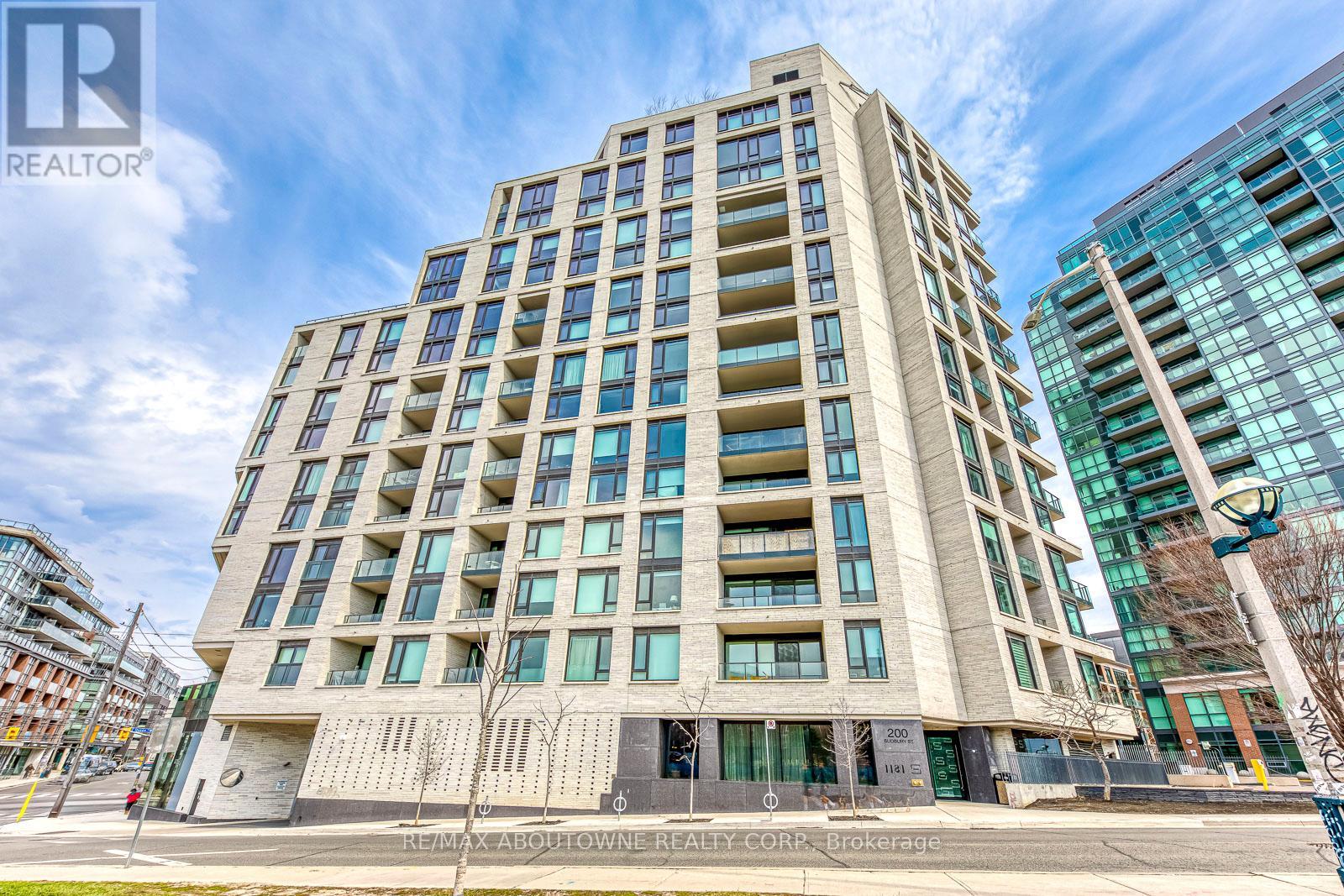 For Rent
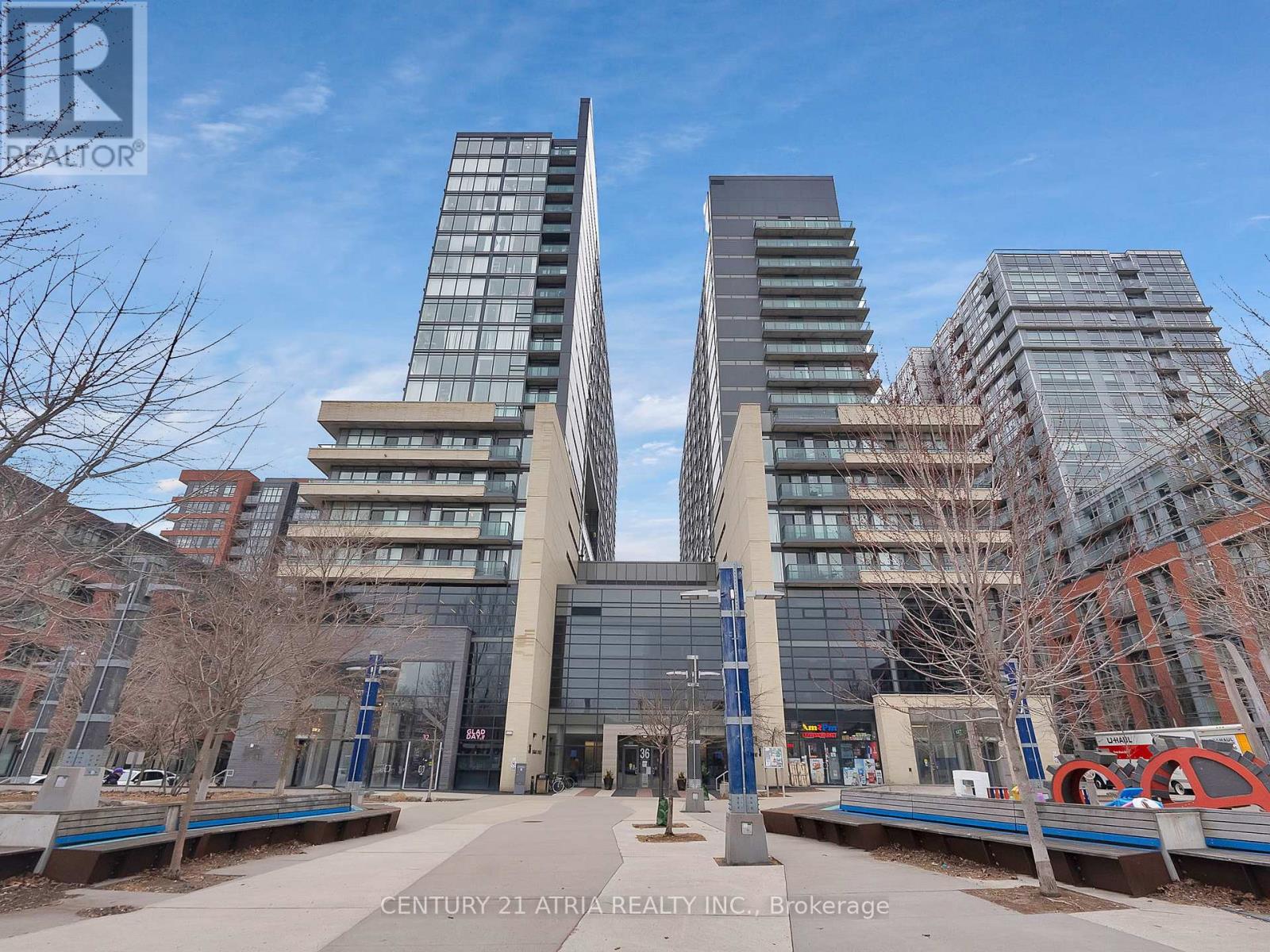 For Rent
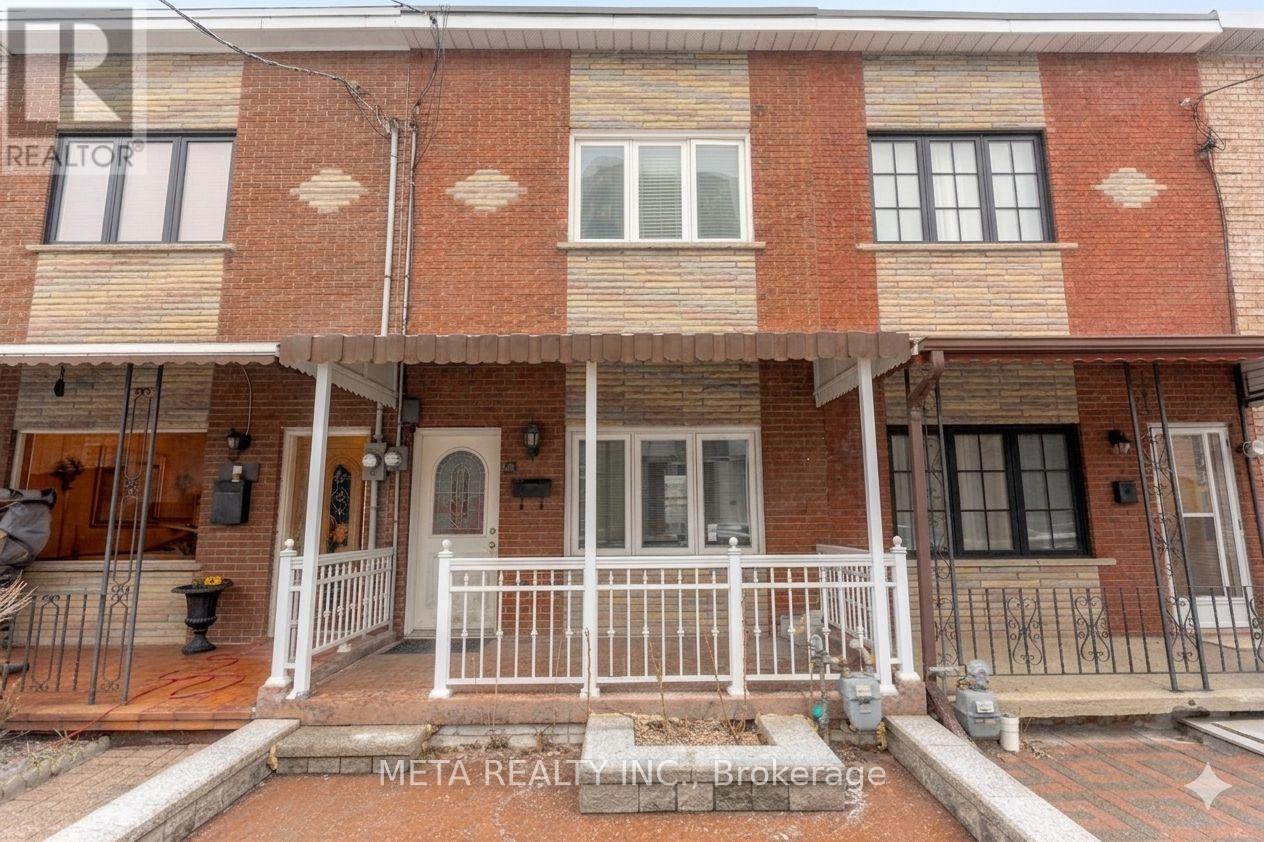 For Sale
 For Sale