
Long Branch is a south Etobicoke lakeshore community at the Mississauga border, where post-war detached houses and heritage lakeshore cottages trade between $900,000 and $1,500,000. Long Branch GO station puts Union Station 20 minutes away, Long Branch Park and the Martin Goodman Trail are at the doorstep, and the neighbourhood has a small-town lakefront character that the better-known lakeshore addresses have largely priced away.
Long Branch sits at the western end of the south Etobicoke lakeshore, pressing up against the Mississauga border near Etobicoke Creek. It is the furthest of the lakeshore communities from downtown Toronto, which has historically kept its prices below Mimico and even below New Toronto, and which continues to give it a character that feels less metropolitan and more like a small lakefront town at the edge of a large city. Long Branch Park and the lakefront are the neighbourhood’s defining assets. The streets around the park have a quiet, tree-lined character that is unusual this far into what is technically a major urban area.
The neighbourhood has a genuinely distinctive heritage. Long Branch was a summer resort community in the late 19th and early 20th centuries, and some of the original cottage-style houses from that era survive on the lakefront streets, alongside the post-war housing that replaced most of the resort character after the Second World War. The heritage cottage stock is modest, irregular, and unusual in a city where housing uniformity is common. Buyers who encounter it either find it charming or do not; there is not much middle ground. The post-war housing on the residential streets north of the park is more conventional: bungalows and two-storey detached on standard lots, similar to what you find across south Etobicoke.
Long Branch GO station provides a transit anchor, and the 501 Lakeshore streetcar extends the connection eastward toward downtown. These combined transit options make Long Branch more commuter-accessible than its western position might suggest. Buyers who are willing to live at the Etobicoke-Mississauga edge and use the GO train for a 20-minute ride to Union consistently find they can buy more house here than anywhere else on the lakeshore corridor.
The housing stock divides into two distinct categories. The post-war residential on the streets north of Lakeshore Boulevard is predominantly detached bungalows and two-storey houses on 30 to 40 foot lots, similar in scale and vintage to the rest of south Etobicoke’s residential fabric. These houses trade in the lower part of the neighbourhood price range and are where most buyers searching Long Branch end up spending their time, because supply is more consistent and the competition more manageable than in the lakefront-adjacent streets.
The streets immediately south of Lakeshore, closer to Long Branch Park and the lake, have a more varied and interesting housing stock. Heritage cottages, original summer houses that were winterised and expanded over decades, and some later detached construction sit side by side on the tighter grid. These properties are irregularly shaped, often quirky in floor plan, and typically on smaller lots than the post-war streets to the north. They command a premium for their proximity to the park and the lake, but their irregular character requires a different kind of due diligence from buyers accustomed to conventional detached house purchases.
Prices in 2026 run from approximately $900,000 at the lower end to $1,500,000 at the top, with heritage or renovated lakefront-proximate houses in the park-adjacent streets pushing toward the upper end. Condo product is limited in Long Branch compared to Mimico. Some low-rise and mid-rise residential buildings have come to the Lakeshore corridor, and these price lower than the freehold market and offer an entry point for buyers who want the Long Branch location without the freehold cost. The neighbourhood remains predominantly freehold in its ownership character.
The Long Branch freehold market has been on a steady upward trajectory for over a decade, driven by the same dynamic that has pushed prices along the entire south Etobicoke lakeshore: buyers priced out of Mimico looking west for comparable product at lower prices. Long Branch has benefited from this overspill consistently, and the neighbourhood’s price floor is now significantly higher than it was 15 years ago. The trajectory continues as the neighbourhood gains more attention from buyers who have exhausted the Mimico and New Toronto searches.
The market here is less liquid than Mimico because the buyer pool is somewhat smaller, partly due to the longer commute for downtown-focused buyers who do not use GO transit. This means days on market can run longer, and sellers who price aggressively in a slow market may find more negotiating room than they would in a more liquid neighbourhood. Well-priced move-in-ready properties in the park-adjacent streets remain competitive regardless of market conditions, because the supply of lakefront-proximate freehold is genuinely scarce across the entire south Etobicoke lakeshore.
The heritage cottage properties trade in a small and idiosyncratic sub-market. They are irregular enough in floor plan and condition that standard comparable analysis is difficult, and their value is partly defined by how much the specific buyer values the heritage character. In active markets, buyers competing for a rare lakefront cottage property will pay meaningfully above comparables for the scarcity and the setting. In slow markets, the same property can sit because the buyer pool for irregular heritage houses at significant prices is narrow. An agent who understands this sub-market can advise more usefully on value than one who is working from standard comparables alone.
Long Branch draws a specific buyer who is often different from the typical south Etobicoke lakeshore buyer. The waterfront character here is less transitional and more genuinely settled than Mimico, the noise and development activity are lower, and the pace of the neighbourhood reflects a community that has not been heavily marketed or dramatically transformed. Buyers who are attracted to this kind of unmarketed authenticity often find Long Branch exactly what they were looking for after years of searching more fashionable addresses.
Families with outdoor-focused lifestyles are a consistent group. The combination of Long Branch Park, the waterfront trail, Etobicoke Creek trails, and the residential quiet of the park-adjacent streets appeals to buyers who want their children to grow up with a lake at the end of the street and a park at the corner. This is a real draw and a genuine daily reality for residents in the park streets, and it is not replicable at comparable prices in any neighbourhood closer to downtown.
GO train commuters who work downtown make up a third group. The 20-minute GO ride from Long Branch station to Union is one of the best commute times available in Toronto at any price point, and buyers who have done the math on what they can afford in central Toronto versus Long Branch often find the GO ride is an easy trade to accept. These buyers tend to be deliberate and research-focused, having already eliminated alternatives and arrived at Long Branch as the best balance of price, house quality, and transit access for their specific situation.
The streets directly adjacent to Long Branch Park, including Lake Promenade and the short streets connecting to the park boundary, are the most desirable addresses in the neighbourhood. Houses here have walking access to the park and the lake from their front door, mature trees on the boulevard, and a residential quiet that persists because the streets are not through-routes. Properties in this pocket rarely appear and attract buyers from across the south Etobicoke lakeshore market when they do.
The streets between Lakeshore Boulevard and the park, including the heritage cottage area, are a small and distinctive pocket. Houses here range from well-maintained heritage examples that have been sensitively expanded to quite modest structures that have seen limited investment over decades. The character is irregular but charming to buyers who appreciate it. Lot sizes vary more than almost anywhere else in south Etobicoke, with some properties on tiny original summer-cottage lots and others on lots that have been assembled over time. Due diligence here requires attention to lot specifics, heritage designations, and the condition of what are often unusual structures.
The streets north of Lakeshore Boulevard form the bulk of the neighbourhood’s residential area. Evans Avenue, 35th Street, 36th Street, and the streets running north from Lakeshore to Birmingham Street have the standard post-war detached character of south Etobicoke. These are solid, quiet residential streets with consistent lot sizes and a stable owner-occupant base. The premium these streets command over comparable streets in New Toronto or Stonegate-Queensway reflects their Long Branch adjacency and the general lakeshore address benefit, even though they are not themselves lakeshore streets.
Long Branch GO station provides the neighbourhood’s most significant transit asset. Peak-hour GO trains on the Lake Shore West line reach Union Station in approximately 20 minutes, which is exceptional value for the price of living here. Off-peak and weekend service on the GO line runs hourly or less, so residents who need flexibility in their commute timing should not rely on GO alone. The station is walkable from the southern residential streets and a short bus or drive from the northern sections.
The 501 Lakeshore streetcar runs along Lakeshore Boulevard through the neighbourhood and extends the transit reach, providing more frequent service than GO for off-peak trips. The streetcar to downtown takes substantially longer than the GO train, roughly 50 to 60 minutes to King and Bay, but it operates continuously and connects the neighbourhood to Mimico, New Toronto, and eventually Humber Bay and beyond. For residents whose destinations are along the Lakeshore corridor rather than downtown, the streetcar is the more useful mode.
The QEW is accessible near Long Branch, with on-ramps connecting toward Mississauga westbound and toward the Gardiner Expressway eastbound. Driving to downtown takes 25 to 30 minutes outside peak hours, longer in rush hour. For residents who drive to Mississauga or Port Credit for work, the location is practically excellent, sitting right at the edge of the urban area with highway access in both directions. The Martin Goodman Trail runs through the neighbourhood along the waterfront and connects to the broader lakeshore trail network, making cycling to Mimico, Humber Bay, or further east a realistic recreational option. Cycling to downtown from Long Branch is a longer proposition, roughly 45 to 55 minutes on the trail, but some residents do it regularly.
Long Branch Park is the neighbourhood’s defining green space and one of the better urban lakefront parks in Toronto’s west end. The park has open grass areas, mature trees, a playground, and direct access to the lakeshore. Residents in the adjacent streets use it daily: dogs in the morning, children in the afternoon, adults watching the sunset in the evening. The park has the kind of regular community life that distinguishes a genuinely embedded neighbourhood park from a formal green space that people visit rather than inhabit.
The Martin Goodman Trail runs through the park and along the waterfront, connecting Long Branch west toward Port Credit and east through New Toronto, Mimico, and the entire waterfront trail network toward downtown. Access to this trail from the park-adjacent streets in Long Branch is among the best in the south Etobicoke lakeshore, with the trail running directly along the shoreline through a section that has remained more naturalistic than the highly developed waterfront sections further east. The lakeshore here has a genuine edge, with views across Lake Ontario that do not have high-rise towers blocking the horizon in the same way they do closer to downtown.
Etobicoke Creek meets the lake at the western boundary of Long Branch, providing a second natural corridor. The creek trail runs north through the Etobicoke Creek valley, connecting to the broader ravine trail network and eventually reaching Centennial Park and beyond. For residents who want extended trail access, the combination of the lakeshore trail and the Etobicoke Creek trail provides variety that a purely lakefront location would not. The green space situation in Long Branch is genuinely strong, and it is one of the neighbourhood’s most compelling attributes for buyers who make outdoor access a priority.
Long Branch has a small commercial strip along Lakeshore Boulevard that serves daily needs adequately without being particularly distinctive. A handful of independent restaurants and cafes have established themselves in the strip over the last decade, reflecting the improving demographic of the neighbourhood. The character is still modest and neighbourhood-scaled, which is part of what some buyers find appealing: it feels like a small town on a lake rather than a city neighbourhood trying to be a destination. Whether that is a feature or a limitation depends entirely on the buyer.
For everyday grocery shopping, the options in Long Branch itself are limited, and most residents drive a short distance to the No Frills on Lakeshore or to supermarkets in Port Credit or along the Lakeshore West corridor in Mississauga. The proximity to Port Credit and the broader Mississauga commercial infrastructure is actually a practical benefit for Long Branch residents: Port Credit has a better restaurant and retail scene than any of the south Etobicoke lakeshore communities, and it is five minutes away.
Medical and dental services are accessible along Lakeshore. The Credit Valley Hospital in Mississauga is one of the best full-service hospitals in the region and is 15 minutes by car. Trillium Health Partners Mississauga Hospital is similarly accessible. For residents who are used to calibrating medical access to hospital quality rather than purely hospital distance, the access to Mississauga hospitals from Long Branch is a meaningful benefit. The neighbourhood is not self-sufficient for the full range of daily services, and car ownership is essentially universal. Buyers arriving from dense urban neighbourhoods with expectations of walkable errands will need to adjust those expectations significantly.
Public schools in Long Branch are part of the Toronto District School Board. Long Branch Public School serves the elementary grades and is a neighbourhood school in the truest sense: small, community-embedded, and directly attended by the children of the families who live closest to it. It does not have the scale or the specialised program variety of larger schools in more central Etobicoke, but it has the community character of a school that is integral to a specific neighbourhood rather than serving a diffuse population across a wide area. Secondary students attend Lakeshore Collegiate Institute, which serves all of south Etobicoke’s public secondary population.
The Toronto Catholic District School Board serves Long Branch families through schools in the south Etobicoke Catholic system, with Bishop Allen Academy as the secondary option. Bishop Allen carries a consistent reputation across south Etobicoke and is a meaningful draw for Catholic families in Long Branch, though the drive from Long Branch to Bishop Allen at the eastern end of south Etobicoke is longer than it would be from Mimico or New Toronto.
French immersion options should be confirmed directly with the TDSB, as the Long Branch area is at the western edge of the school board’s territory and immersion program access has varied. Families for whom French immersion is a non-negotiable priority should verify the current situation with the board before making a purchase decision based on immersion assumptions. The Peel District School Board operates across the Etobicoke-Mississauga boundary and serves families in Mississauga; buyers on streets near the boundary should confirm which board serves their specific address, as the boundary is not always obvious from geography alone.
Long Branch has been developing more slowly than the eastern lakeshore communities, but the direction of change is consistent. Development applications along Lakeshore Boulevard have increased as the neighbourhood has gained attention from buyers and developers who see value in the lakeshore location at prices lower than Mimico. Several mid-rise residential buildings have been approved or are under construction in the Lakeshore corridor, adding density to the arterial while leaving the residential streets behind relatively unchanged.
The heritage character of the park-adjacent streets and the heritage cottage area has been subject to increasing planning scrutiny. The City of Toronto has been reviewing heritage designations in south Etobicoke, and some of the original cottage properties near Long Branch Park have received or been recommended for heritage designation. This is a double-edged consideration for buyers: heritage designation limits what can be done with a property but also limits what adjacent properties can do, which protects the neighbourhood character that makes the area desirable. Buyers considering heritage properties should understand the implications of designation on future renovation or replacement options.
The waterfront in this section of south Etobicoke has benefited from Toronto and Region Conservation Authority investments in shoreline naturalization and trail improvement. The Long Branch section of the waterfront trail has been improved and extended, and further work is planned. The lake itself has had water quality improvements in the broader Toronto waterfront area, and the swimming beach at Long Branch Park is regularly assessed by the City. The combination of improved trail infrastructure and maintained beach access represents a genuine quality improvement to one of the neighbourhood’s core amenities and argues positively for long-term residential value in the streets adjacent to the park.
Is Long Branch too far from downtown to be practical?
It depends entirely on how you commute and what your destination is. GO train from Long Branch station to Union Station takes approximately 20 minutes during peak hours, which is a commute time that most downtown workers anywhere in the Toronto market would consider excellent. If you are on a regular peak-hour schedule and work near Union, the commute from Long Branch is genuinely better than from many inner-city addresses without GO access. The limitation is off-peak GO frequency: outside of rush hour, GO trains run roughly hourly, so spontaneous evening trips or irregular-schedule commuters will find the GO more restrictive. The 501 streetcar fills in as a slower alternative. Buyers who drive to work in Mississauga or Port Credit find the location excellent. The neighbourhood is not practical for someone who needs to be downtown at irregular hours without a car and wants to rely purely on transit.
What are the heritage cottage properties like, and what due diligence do they require?
The heritage cottages near Long Branch Park are among the most distinctive residential properties in south Etobicoke. They range from well-maintained and thoughtfully expanded examples that function well as full-time residences to quite modest structures that have seen limited investment and reflect their original summer-cottage purpose. They are typically on small lots, have irregular floor plans that reflect decades of incremental addition, and may have structural or mechanical issues that are specific to their history of construction and modification. Due diligence on these properties requires a thorough home inspection by someone familiar with older construction, careful review of any heritage designation or notice of heritage interest on the property, and an assessment of what renovation or addition the specific lot and designation allow. These properties are not for buyers who want a conventional purchase process or who need move-in-ready certainty. They are for buyers who understand their specific history and appreciate their specific character.
How does Long Branch compare to Port Credit across the border in Mississauga?
Port Credit is the most useful comparison for Long Branch buyers, as the two communities share the lakeshore, the GO line, and a broadly similar residential type. Port Credit has a more developed commercial strip with a better restaurant and retail scene, and its neighbourhood character has been more heavily cultivated and marketed. Long Branch is quieter, less polished, and priced somewhat lower for comparable freehold. Port Credit properties are in Mississauga, which means Peel District School Board rather than TDSB, a Mississauga address for all purposes, and a different property tax structure. Buyers who have a preference for a Toronto address, TDSB schools, or a less commercial village character often choose Long Branch. Those who prioritise the retail and restaurant scene and are comfortable with Mississauga tend to lean toward Port Credit.
Is the Long Branch waterfront actually swimmable?
Yes. The City of Toronto monitors water quality at Long Branch Beach and posts swim advisories when bacteria levels exceed safe thresholds, which typically happens after heavy rainfall events that can cause combined sewer overflow. Outside of those events, the beach is generally open for swimming. The City has invested in sewer infrastructure improvements in south Etobicoke over the last two decades that have reduced the frequency and severity of overflow events, and the beach quality has improved as a result. It is not a beach that is open unconditionally every day of summer, but it is a functional swimming beach for residents who use it regularly and check the advisory status. The park and trail are usable year-round regardless of swim advisory status.
Long Branch is a market where local knowledge makes a meaningful difference to the purchase outcome. The variation between the park-adjacent streets and the northern post-war residential streets is large enough that buyers who do not know the specific pocket geography can end up paying a park-adjacent premium for a property that does not actually benefit from park adjacency, or conversely can miss a genuinely well-located property because they are unfamiliar with which streets have the best access. An agent who works in Long Branch regularly can tell you which streets are a five-minute walk from the park and which are a 15-minute walk, a difference that is not obvious from a map and that affects both the daily experience and the resale value.
The heritage cottage sub-market is genuinely specialised. Buyers considering these properties benefit from an agent who has been through enough of them to understand the typical condition patterns, the heritage overlay implications, and the realistic scope and cost of renovation for this housing type. The purchase process for an irregular heritage structure near the waterfront is more complex than for a conventional post-war bungalow, and having an agent who has navigated that complexity before is directly valuable rather than incidentally useful.
The GO train commute dynamic also shapes the buyer search in a specific way. Buyers who are planning to use the GO regularly want to understand the actual walk time from specific streets to the Long Branch GO station, which varies by 10 minutes or more across the neighbourhood. That walk time, repeated twice daily, is part of the daily life equation. We work in this market and know the neighbourhood at the level of detail that makes a difference. If you are looking in Long Branch, get in touch and let us show you what we know before you commit to anything.
Street-level knowledge is hard to find online. Our team works in Long Branch every day. They know which pockets hold value, where the school catchment lines actually fall, and what the market is doing right now. Talk to us before you make a decision about Long Branch.
Talk to a local agent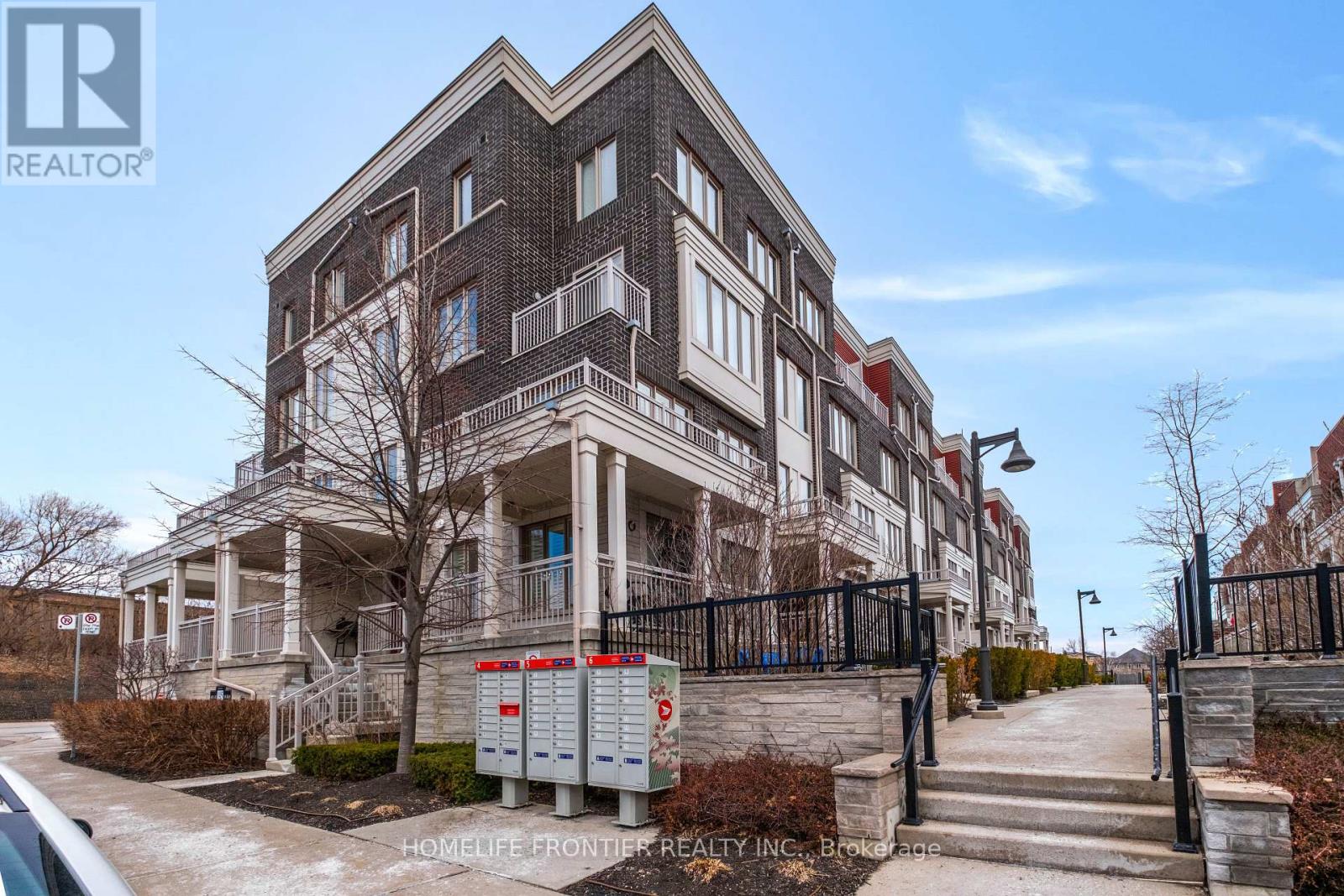 For Sale
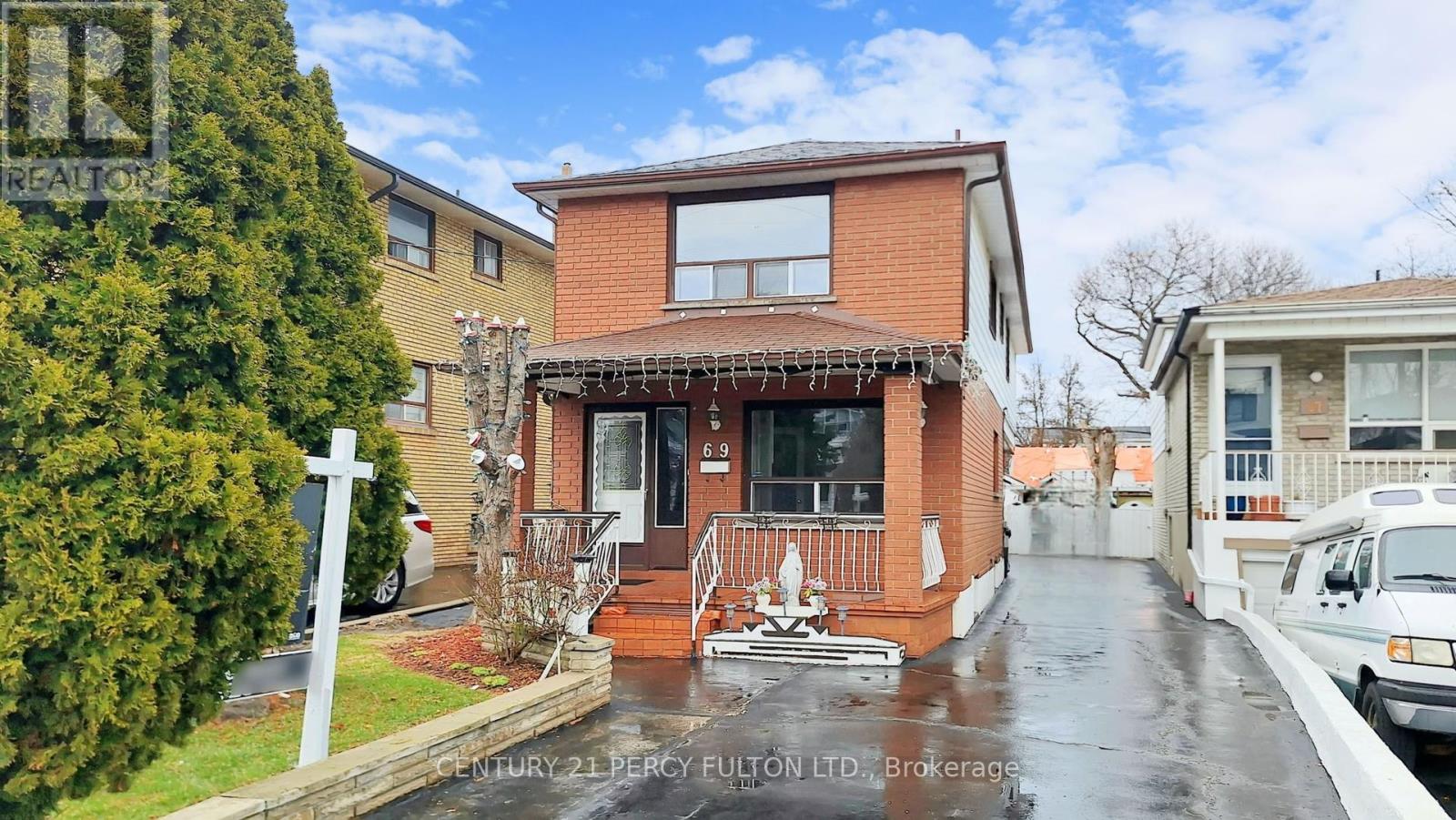 For Sale
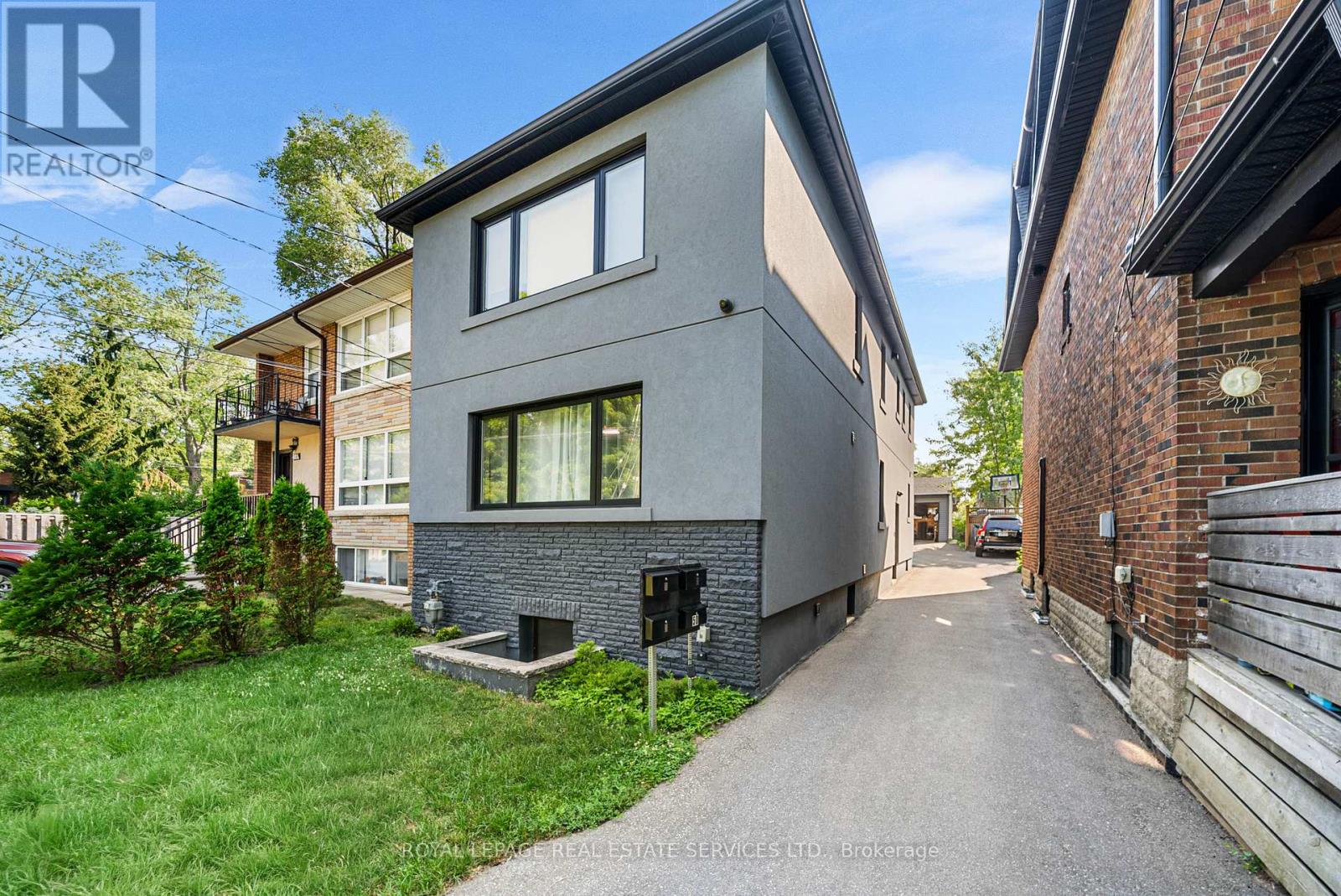 For Sale
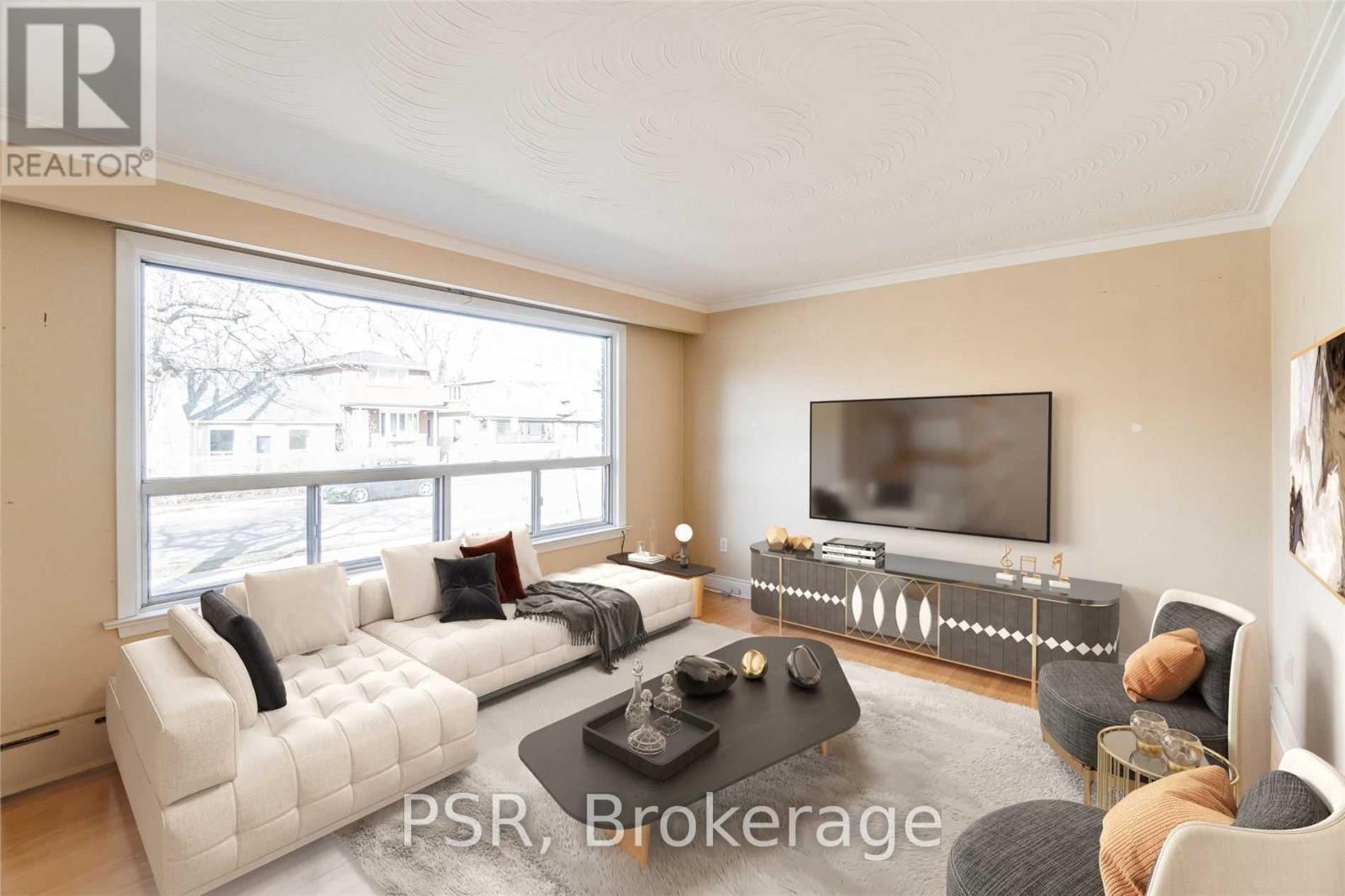 For Rent