
Lorne Park is Mississauga most prestigious residential neighbourhood, with estate homes on large treed lots, Lorne Park Secondary School catchment, and average sold prices around $2.2 million in south Mississauga.
Lorne Park is Mississauga’s most prestigious residential address. The neighbourhood occupies a large tract of south Mississauga between Mississauga Road to the east and Lakeshore Road West to the south, with properties ranging from established family homes in the mid-range of the Lorne Park scale to multi-million-dollar estates on deep lots with mature forest cover. The character is one of established wealth without ostentation: large homes set well back from the road, mature deciduous trees providing a canopy that resembles the estate districts of southern Ontario’s older communities, and a low density that produces quiet residential streets despite the proximity to a major city.
The average home price in Lorne Park is approximately $2,000,000 to $2,240,000, with the range spanning from entry-level Lorne Park addresses around $1,500,000 for smaller homes at the neighbourhood edge to the top tier of Lorne Park estates exceeding $5,000,000. As of early 2026, the average sold price in Lorne Park was approximately $2,240,121 according to transaction data, placing it among the three most expensive residential neighbourhoods in Mississauga alongside Mineola West. The median luxury listing price reached $3,057,000 at peak in mid-2025.
The primary driver of Lorne Park pricing is the combination of large lots, mature tree coverage, the Lorne Park Secondary School catchment, and the neighbourhood’s proximity to Port Credit GO station and the lake. Properties within the Lorne Park Secondary catchment and on the larger estate lots command the top prices. The bottom of the Lorne Park market, the smaller older homes on the neighbourhood’s edges, is where entry-level buyers access this community.
Lorne Park is not a neighbourhood with a commercial centre or a village character. It is a pure residential enclave designed for families who want privacy, space, and established neighbourhood character without the commercial density that accompanies communities like Port Credit or Streetsville. The trade is that daily errands require a car and the amenities of the surrounding communities are the ones Lorne Park residents use.
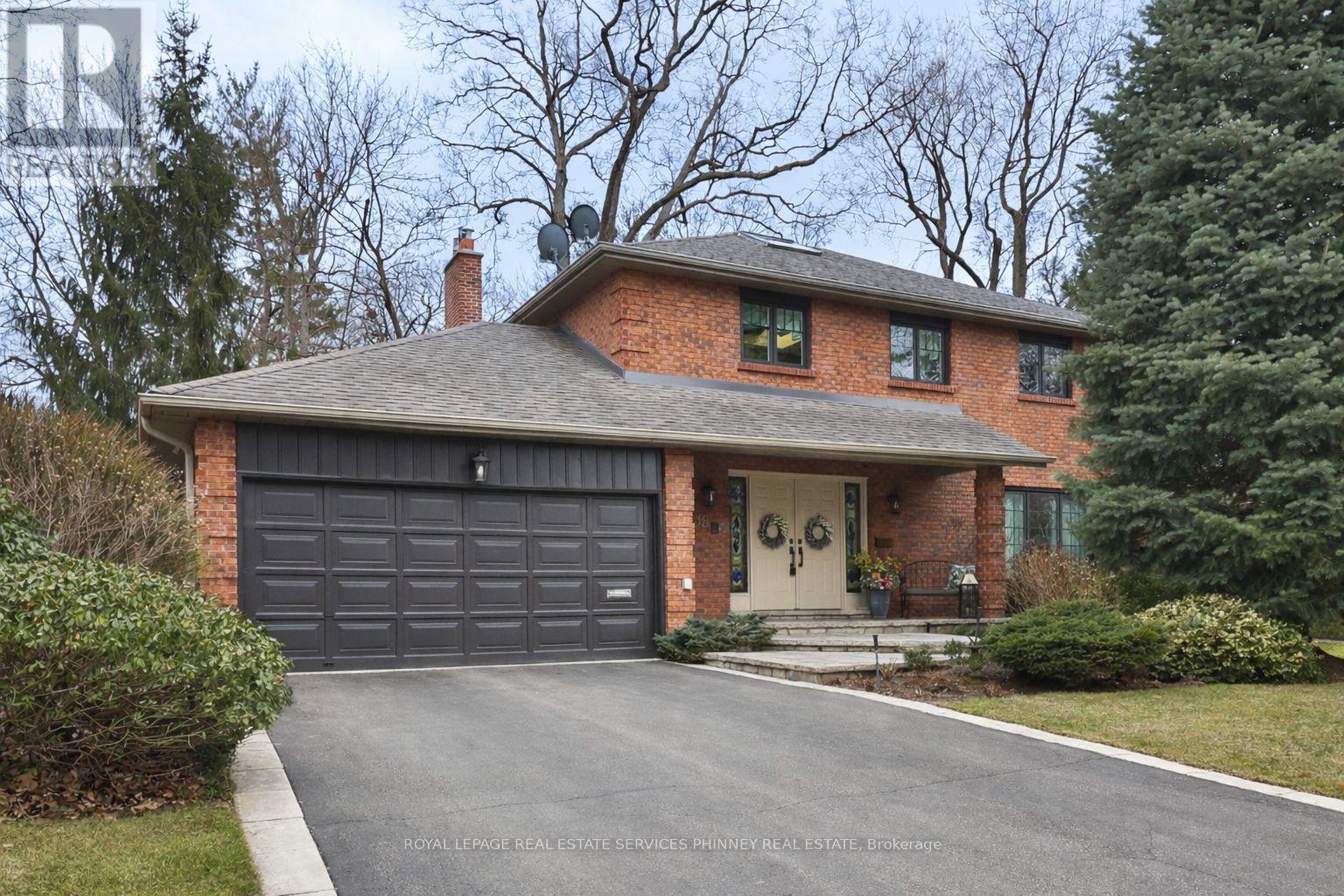
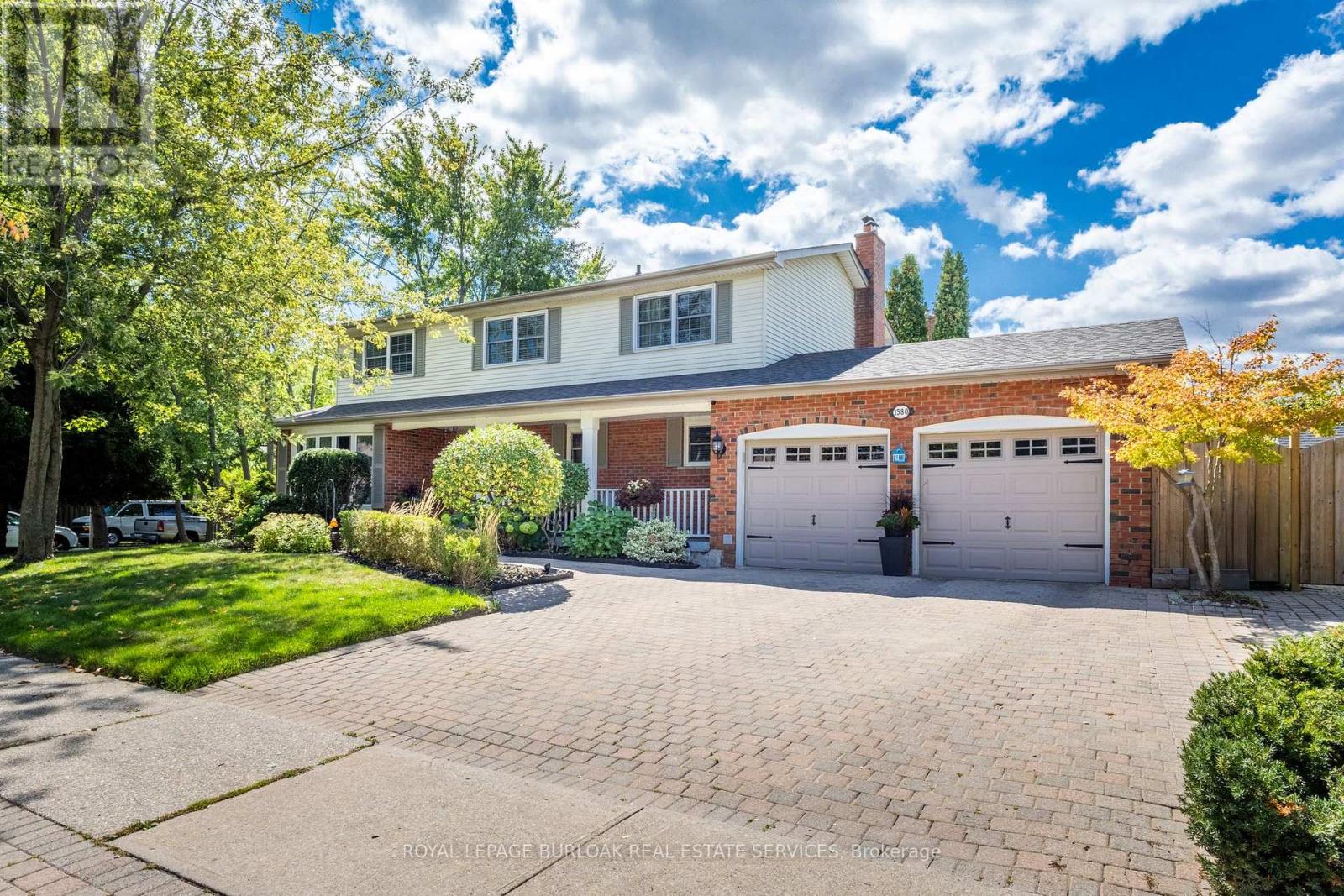
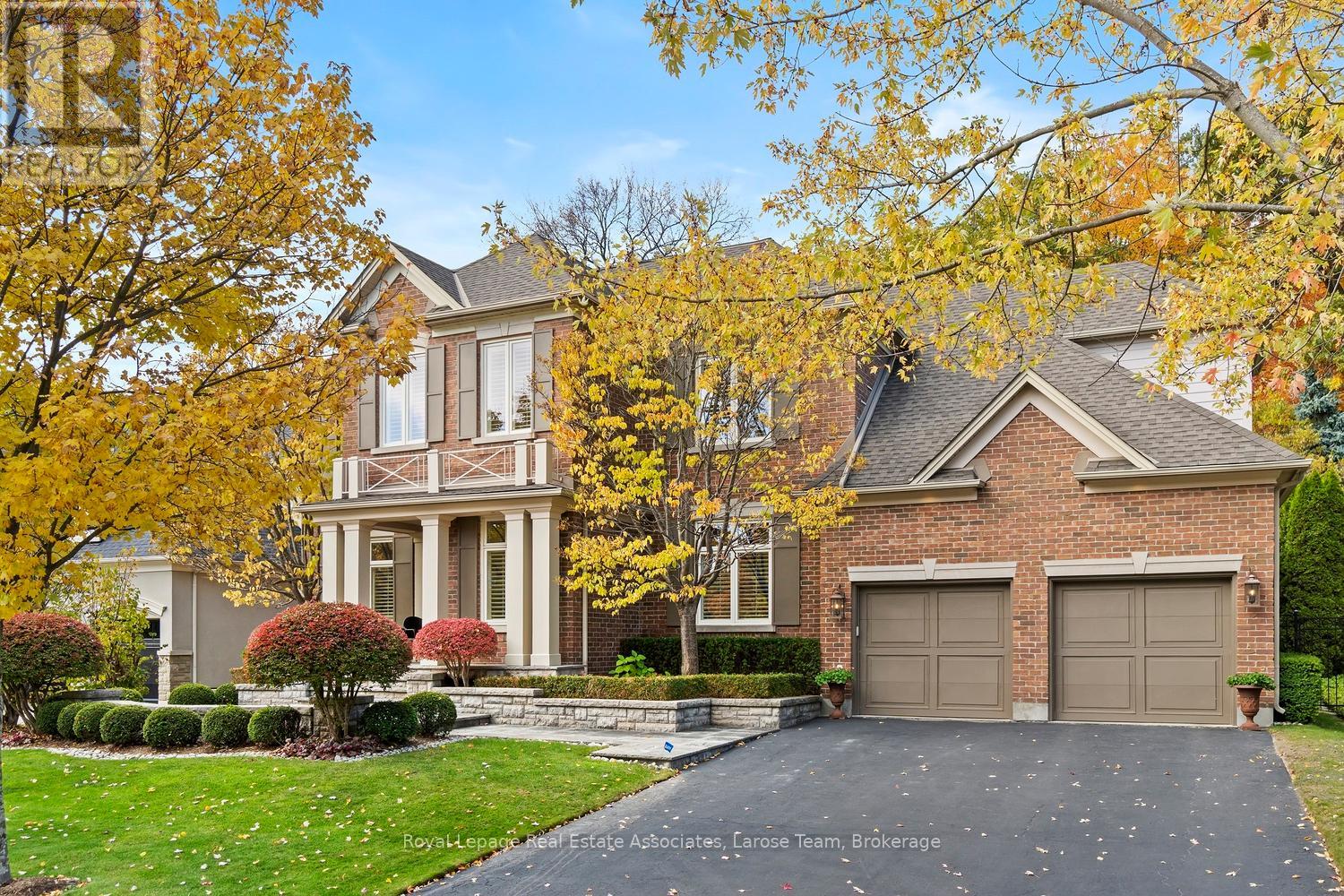
Lorne Park’s housing stock is almost entirely detached. The homes range from postwar bungalows and split-levels that were the original estate homes of the 1950s and 1960s, now sitting on large lots worth more than the structures on them, through the luxury custom builds of the 1980s and 1990s, to modern custom builds that have replaced teardowns with contemporary architecture in the past decade. This mix of eras and styles on consistently large lots gives Lorne Park a varied streetscape that is more visually interesting than the uniform subdivisions of the newer western Mississauga communities.
The average detached sale price of approximately $2,240,000 represents the middle of the Lorne Park range. Entry into the neighbourhood at around $1,500,000 to $1,800,000 buys a smaller original-construction home on a standard Lorne Park lot, often in need of updating or replacement. The most active part of the market, where the largest volume of transactions occurs, is in the $2,000,000 to $3,000,000 range for well-presented homes on typical Lorne Park lots. Above $3,000,000, the market narrows and properties sit longer as the buyer pool for true estate homes is smaller.
Teardown and rebuild activity has been consistent in Lorne Park for over a decade. Original bungalows on 100-foot lots are routinely purchased by buyers who demolish the existing structure and commission a custom home. This activity is both a driver of neighbourhood renewal and a source of construction disruption for adjacent properties during build periods. Buyers of original-condition properties should price in either renovation costs or the alternative build scenario when assessing the true cost of entry.
Semi-detached homes and townhomes are essentially absent from Lorne Park. The neighbourhood’s land use is exclusively low-density residential with large lot minimums that prevent the subdivision of properties into semi-detached or attached formats. This exclusivity of detached freehold ownership is deliberate and is one of the planning features that sustains the neighbourhood’s character and pricing over time.
Lorne Park’s market behaves differently from every other Mississauga community because the buyer pool is both smaller and more financially resilient. Buyers at this price tier are typically using significant equity from previous home sales, have professional incomes at the high end of their field, or both. Rate sensitivity is lower because the leverage ratio on a $2,500,000 purchase for a buyer with $1,500,000 in equity is fundamentally different from a first-time buyer’s leverage ratio. This financial structure makes the Lorne Park market more stable through interest rate cycles than lower-price-tier markets.
The 2022-2023 rate increase period did produce some correction in Lorne Park, primarily in the properties at the top of the range where the buyer pool is thinnest. Properties above $4,000,000 saw extended days on market and some price reductions in late 2022 and 2023. The core $1,800,000 to $3,000,000 range corrected more modestly and recovered more quickly. By 2024 and into 2025, transaction activity at the core price tier had normalised, with well-presented homes in good school catchments returning to reasonable market absorption.
Days on market in Lorne Park are typically longer than in the mid-range Mississauga market, reflecting the buyer pool depth at this price tier. Average days on market run 25 to 50 days for core properties in current conditions, with well-priced homes in the main demand zone moving faster and overpriced or unique properties sitting for extended periods. Multiple offer situations still occur for particularly desirable properties at the right price point, typically in the spring market when the most motivated family buyers are active.
The teardown segment has its own market logic with different buyer types: developers, custom home buyers, and speculative builders all active in this segment. The teardown price floor, what the land is worth regardless of structure, is a more stable component of Lorne Park pricing than the structure value and has held up relatively well through market cycles given the constrained supply of large lots in south Mississauga.
Lorne Park buyers are a consistent type across market conditions. They are predominantly families who have sold a previous home, usually in another Mississauga neighbourhood or in Toronto, and who are making a deliberate choice to buy into one of the GTA’s established luxury residential communities. They are typically in their late 30s to mid-50s, with children of school age or approaching secondary school, and they are choosing Lorne Park specifically for the combination of large lots, mature environment, school access, and community character that no other Mississauga neighbourhood provides at scale.
A secondary buyer profile is the Toronto buyer who has sold a high-value Toronto property and is choosing Mississauga over Oakville or Burlington as the location for their next chapter. Lorne Park competes directly with Oakville’s Morrison and Morrison West communities for this buyer, and the competitive analysis usually comes down to community character preference and specific school catchment. Some buyers choose Lorne Park for the Lorne Park Secondary catchment specifically. Others are agnostic about the school and choose purely on lot size and neighbourhood character.
Empty-nest buyers and downsizers who have lived in Lorne Park and are right-sizing within the community also drive a portion of transactions. These buyers typically move from a large estate home to a smaller but still quality home within the neighbourhood, maintaining the school proximity and community connections they have built over years of Lorne Park residency. This within-neighbourhood flow of sales adds a consistent source of transaction activity that is less visible to outside buyers but well-known to agents active in the community.
International and new-to-Canada buyers have been a consistent presence in the Lorne Park market, attracted by the neighbourhood’s combination of quality, stability, and proximity to both the airport and the Mississauga and Toronto employment corridors. This buyer profile is present across the GTA luxury market but is particularly visible in Mississauga’s premium communities given the city’s strong connection to the immigrant professional community.
Lorne Park Road is the neighbourhood’s spine, running north from Lakeshore Road West through the heart of the estate properties. The streets running east and west from Lorne Park Road carry most of the neighbourhood’s residential stock. Watercolours Crescent and the Watercolours development, a gated community near the south end of the neighbourhood, represents the newer luxury development stock within Lorne Park. These homes were built in the late 1990s and 2000s and offer more contemporary architecture within the established Lorne Park address. They trade at premiums within the community, particularly for buyers who want newer construction quality with the Lorne Park location.
The streets north of the Lakeshore Road line, moving toward the QEW, carry properties that gradually decrease in estate scale while retaining the Lorne Park address. These north Lorne Park properties are the entry-level of the community: typically smaller homes on lots that are generous by Mississauga standards but smaller than the core estate lots. They are the most accessible price point in the neighbourhood and the one that attracts buyers who want the school catchment and the Lorne Park name at the most achievable entry price.
Lorne Park Road south of the QEW toward Lakeshore carries some of the most iconic Lorne Park addresses: deep lots with significant setbacks, large mature trees creating a canopy above the road, and homes that reflect custom builds from across several decades of architecture. These streets are what people picture when they think of Lorne Park and they command the neighbourhood’s top prices. The turnover on these streets is slow, sometimes years between sales on the same street, which means when a property becomes available it receives attention from a wide buyer pool who have been waiting.
Whiteoaks Road and the streets south of the QEW near Mississauga Road carry another section of premium Lorne Park real estate where the lot depth and tree coverage produce a genuinely estate feel. These streets are comparable to the top Lorne Park addresses in character and command similar pricing. The specific premium for a given address reflects the lot dimensions, the existing home condition, and the view or privacy available from the specific property.
Lorne Park has no GO station within the neighbourhood, but Port Credit GO station on the Lakeshore West line is a 5 to 10 minute drive south on Mississauga Road. Port Credit GO offers one of the best Lakeshore West services, with express trains to Union Station running in approximately 28 to 32 minutes. For residents who commute downtown Toronto by transit, this is a strong option. The drive to the station and finding parking are the limitations, as Port Credit GO fills its lot early on weekdays.
The QEW runs along the northern edge of the core Lorne Park estate area, which creates both an access benefit and a proximity issue. The QEW is useful for driving but properties immediately adjacent to the highway experience noise that is inconsistent with the quiet estate character of the deeper Lorne Park streets. The best Lorne Park addresses are those furthest from the QEW that still have reasonable access to Mississauga Road and Lakeshore.
Mississauga Road is the primary north-south arterial for the neighbourhood, connecting south to Port Credit and Lakeshore Road and north to Highway 403 and the central Mississauga highway network. The QEW is accessible from the Mississauga Road interchange. For residents who work in the Highway 403 employment corridor or in the Pearson Airport area, the highway access from Lorne Park is reasonable by south Mississauga standards, though the drive to the airport via 403 and 427 can be 30 to 40 minutes during peak periods.
MiWay bus service in Lorne Park is limited, reflecting the low-density residential character and the car dependency of the community. Most Lorne Park households own multiple vehicles and the infrastructure does not support car-free or transit-primary living. This is a known feature of the community and is not a concern for the buyer profile who chooses Lorne Park, which is almost entirely car-owning.
Lorne Park’s most significant park access is via the Waterfront Trail and the lake access to the south. Jack Darling Memorial Park, immediately north of the Lakeshore Road on the lake, provides beach access, a leash-free dog area, and broad green space overlooking Lake Ontario. For Lorne Park residents, the drive to Jack Darling is a few minutes south on Mississauga Road. This proximity to a well-developed waterfront park is one of the practical lifestyle benefits of the south Lorne Park location that buyers with families cite regularly.
The Rattray Marsh Conservation Area, just west of Lorne Park toward Clarkson, is accessible from Lakeshore Road and provides one of the most significant natural environments in the GTA at the level of a conservation marsh. Many Lorne Park residents use the Rattray Marsh trails as their primary natural walking environment, accessible by car in five minutes. The quality of this natural asset adjacent to the neighbourhood is a genuine lifestyle benefit that does not appear in typical neighbourhood descriptions but is consistently mentioned by Lorne Park residents as part of their daily life.
Within the neighbourhood, the large lot sizes and mature tree coverage mean that most Lorne Park properties have significant private green space. Residents on estate lots of half an acre or more effectively have a private park on their property, which reduces the need for public park infrastructure in ways that denser communities cannot replicate. This private green space character is one of the distinguishing features of the estate community format that buyers are specifically choosing.
The Credit Valley Trail system is accessible from the northern sections of the neighbourhood and provides a multi-kilometre walking and cycling trail along the Credit River valley running north toward Streetsville and south toward Port Credit. For Lorne Park residents who value trail access for running or cycling, this connection provides a high-quality natural trail experience without requiring a car trip to a conservation area.
Lorne Park has no commercial centre of its own. Residents use Port Credit village for dining and independent retail, Clarkson Village for the small but genuine village strip to the west, and Square One or the Oakville shopping centres for comprehensive retail. This car-dependent approach to amenities is a known feature of the estate residential community format and is entirely consistent with how the neighbourhood has always functioned. Buyers who are considering Lorne Park should honestly assess whether their lifestyle preferences include a walkable restaurant district nearby or whether they are comfortable with a short drive to Port Credit’s village for their dining needs.
Port Credit’s main street along Lakeshore Road West, just minutes south and east on Mississauga Road, provides the dining options that Lorne Park residents use as their local restaurant district. The Port Credit selection includes good independent restaurants, a farmers market, and the harbour-side character that makes it one of the more appealing restaurant districts in Mississauga. For Lorne Park residents, Port Credit is effectively their village centre, reached by a five-minute drive.
Grocery shopping is handled via the well-stocked Loblaws at Port Credit or the superstore options along the Lakeshore and Mississauga Road corridors. Specialty food options in Port Credit supplement the main grocery for households that shop for quality rather than purely price. The grocery access is adequate without being exceptional, consistent with the car-dependent service model of the neighbourhood.
The Country Club Drive area in southern Lorne Park was historically associated with the Mississaugua Golf and Country Club, one of the oldest golf clubs in Canada. The club remains active and its course occupies a large tract of land that contributes to the open, park-like character of that section of the neighbourhood. For buyers who play golf, the proximity to the Mississaugua and other courses in the area is a practical lifestyle benefit of the south Mississauga location.
Lorne Park Secondary School is the neighbourhood’s defining educational asset. The school consistently ranks at or near the top of secondary schools in the Peel region by Fraser Institute metrics and has a strong academic reputation with high post-secondary placement rates. The school is well-regarded for both its academic programming and its arts, athletics, and extracurricular culture. For families who are choosing Lorne Park specifically for the secondary school catchment, this is the school driving the decision.
On the Catholic secondary side, Notre Dame Catholic Secondary School in Brampton and St. Aloysius Gonzaga Catholic Secondary School in Mississauga are the primary DPCDSB secondary options for addresses in the broader south Mississauga area. The Catholic elementary schools serving the Lorne Park area are under DPCDSB and provide Catholic education at the elementary level for families in that system.
Whiteoaks Public School serves parts of the Lorne Park catchment at the elementary level and is well-regarded within the PDSB system. The elementary school catchments in Lorne Park are stronger by Fraser Institute ranking than those in most mid-Mississauga communities, reflecting the consistent owner-occupier family demographic that characterises the neighbourhood. Strong elementary school performance in a community is partly a function of the underlying demographic and partly a reflection of school quality, and Lorne Park benefits from both.
The Kenollie Public School catchment in Mineola, immediately north and east of Lorne Park, is one of the highest-ranked elementary schools in Mississauga. Some Lorne Park addresses on the eastern edge of the neighbourhood fall in the Kenollie catchment, and these addresses carry a significant additional premium within the neighbourhood. Buyers who are making the school catchment a primary driver should confirm the specific elementary school for any address they are considering through the PDSB school finder, as the boundary between Lorne Park Secondary and other school zones runs through the neighbourhood in ways that are not always apparent from the street.
Lorne Park has limited development activity given the built-out nature of the neighbourhood and the planning designations that protect its low-density residential character. The primary development activity is the ongoing replacement of original structures with custom builds on the large estate lots. This incremental teardown and rebuild cycle has been transforming the neighbourhood slowly for over a decade and will continue. It improves the overall quality of the building stock and raises the comparative level of neighbouring properties, which benefits existing owners while making the neighbourhood progressively more expensive for buyers entering at the teardown price tier.
There are no major mixed-use or higher-density developments planned within the Lorne Park neighbourhood boundaries. The provincial intensification policies that are driving density near GO stations and along major transit corridors specifically affect Port Credit and Cooksville rather than the estate residential areas of Lorne Park. The neighbourhood’s physical character is likely to remain stable in terms of density and land use for the foreseeable planning horizon.
The Hazel McCallion LRT does not reach Lorne Park. The line terminates at Port Credit GO, a few minutes’ drive south of the neighbourhood. The LRT’s effect on Lorne Park is indirect: it improves the overall transit network accessibility of the Mississauga region, which supports the value of all south Mississauga residential addresses, but it does not provide direct LRT access to Lorne Park residents. This is not a negative for the neighbourhood, which is car-primary and does not derive its value proposition from transit access.
Long-term, Lorne Park occupies a protected position in the south Mississauga luxury market. The finite supply of large-lot estate residential in close proximity to Toronto, a good GO station, and Lake Ontario ensures that the demand fundamentals are durable. The specific pricing trajectory depends on broader GTA luxury market conditions and on how much additional supply the ongoing teardown-rebuild cycle introduces to the upper price tier, but the neighbourhood’s essential character and desirability are stable.
Q: What is the average home price in Lorne Park and what is the entry-level price?
A: As of early 2026, the average sold price in Lorne Park was approximately $2,240,000, with median luxury listings reaching $3,057,000 at mid-2025 peak. Entry into the neighbourhood is possible in the $1,500,000 to $1,800,000 range for smaller original-condition homes on standard Lorne Park lots, typically requiring renovation investment or eventual teardown and rebuild. The core active market is in the $2,000,000 to $3,000,000 range. Above $3,000,000, the market narrows significantly and properties typically take longer to sell. The range is wide because lot size, tree coverage, construction era, and renovation state all vary significantly across the neighbourhood. The land value floor for a typical Lorne Park lot, regardless of structure, is in the $1,200,000 to $1,600,000 range depending on lot dimensions and location within the neighbourhood.
Q: Is Lorne Park Secondary School really the best secondary school in Mississauga and does every Lorne Park address qualify?
A: Lorne Park Secondary consistently ranks among the top two or three secondary schools in Peel Region by Fraser Institute metrics and has a long-standing academic reputation with strong post-secondary outcomes. It is a genuine driver of the neighbourhood premium, though not the only driver given the large lots and established character that would make Lorne Park desirable even with ordinary schools. Not every Lorne Park address falls within the Lorne Park Secondary catchment. The boundary runs through the neighbourhood, and addresses in the northern section near the QEW may fall into different catchments. The PDSB school finder is the authoritative source for confirming any specific address catchment. Buyers who are purchasing specifically for Lorne Park Secondary access should confirm this before committing rather than assuming the neighbourhood name is sufficient.
Q: How does Lorne Park compare to Mineola and is one a better buy than the other?
A: Lorne Park and Mineola are Mississauga’s two premium residential communities and they compete for the same buyer pool at similar price points. Lorne Park tends to have larger lots, more forest cover, and a deeper estate character. Mineola, particularly Mineola West, tends to have smaller lots but is closer to Port Credit GO station and the Port Credit village amenities. Mineola East is more varied in lot size and property type. School catchments differ: Lorne Park Secondary serves the Lorne Park area and is consistently ranked; Kenollie Public School in Mineola is one of the top-ranked elementary schools in Mississauga. Buyers who weight elementary school highly lean toward Mineola. Buyers who weight lot size, estate character, and the secondary school catchment lean toward Lorne Park. Neither is definitively superior, and buyers who tour both communities thoroughly typically make the choice based on the feel of specific streets and specific properties rather than general comparison.
Q: What does the teardown and custom build process look like in Lorne Park and how long does it take?
A: The teardown and rebuild cycle in Lorne Park is well-established and routine. A buyer purchases an original-condition home, demolishes it, and commissions a custom build on the lot. The full cycle from purchase to occupancy of the new home typically takes 18 to 30 months depending on the design process, permitting timelines, and construction pace. Custom builds in Lorne Park are typically in the $400 to $600 per square foot range for construction costs, with architectural fees, permits, and contingencies adding to the total. A 5,000 square foot custom home on a 100-foot Lorne Park lot would have an all-in cost of $2,500,000 to $3,500,000 on top of the land price, producing a finished property in the $4,000,000 to $5,500,000 range. Buyers considering the teardown route should have this math done before purchasing, as the renovation or rebuild decision needs to be made with accurate cost estimates rather than optimistic approximations.
Lorne Park is a market where the specific lot matters more than the address does. Two properties on the same street can have significantly different values because one backs onto a natural ravine feature and the other backs onto a fence, or because one has 120 feet of frontage and the other has 70. The lot assessment, not just the neighbourhood assessment, is the work that a buyer’s agent in this market does well. This requires physical inspection of multiple comparable lots and a clear view of how specific features affect the current market’s pricing.
The competition for core Lorne Park properties is episodic rather than constant. In the current 2025-2026 market, conditions are more buyer-friendly than they were in 2021-2022, but well-presented properties in the school catchment at accurate prices still attract serious attention from the pool of buyers who have been watching for months. A buyer’s agent who is monitoring the Lorne Park market in real time can identify the moment a suitable property appears and advise on whether competitive offer preparation or a negotiated approach is more appropriate for the specific property and current conditions.
The teardown assessment is a specialised skill that adds significant value in the Lorne Park market. Buyers who are considering purchasing an original-condition home need guidance on the realistic cost of renovation versus the teardown alternative, the permitting process for the specific property, and the current comparable values for finished custom homes in the neighbourhood. A buyer’s agent who has navigated multiple teardown transactions in Lorne Park can provide this guidance from experience rather than from general real estate knowledge.
The comparison between Lorne Park and Mineola for buyers who are considering both requires a buyer’s agent who has worked extensively in both communities and can make the comparison with current transaction data. The general description comparison is inadequate for a purchase at this price level. Buyers deserve a precise, evidence-based analysis of the specific value differences rather than a generic south Mississauga luxury overview.
Street-level knowledge is hard to find online. Our team works in Lorne Park every day. They know which pockets hold value, where the school catchment lines actually fall, and what the market is doing right now. Talk to us before you make a decision about Lorne Park.
Talk to a local agent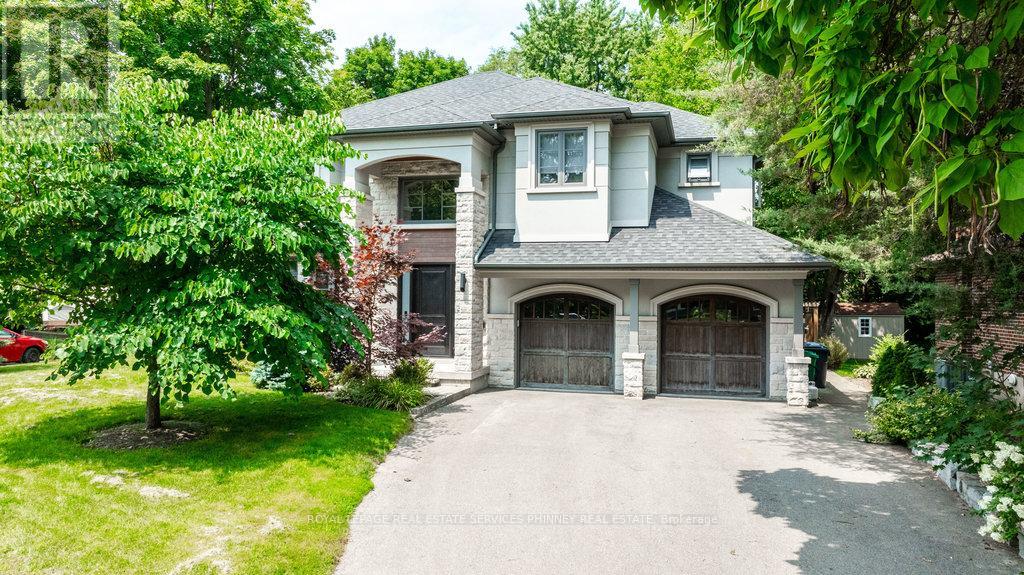 For Sale
 For Sale
 For Sale
 For Sale