
Maple is a central Vaughan community built around Maple GO station on the Barrie line, putting Union Station 40 minutes away by rail. Established 1990s and 2000s family housing, Italian Canadian heritage, and Highway 400 access make it one of Vaughan's most connected and practical family communities.
Maple sits at the heart of Vaughan’s transit story. The Maple GO station on the Barrie line puts downtown Toronto roughly 40 minutes away by rail, which makes this one of the most practically connected communities in all of York Region for buyers who commute to Union Station. Pair that with Highway 400 running through the east edge of the community and Rutherford Road serving as one of Vaughan’s primary east-west arterials, and you have a location that functions exceptionally well for working families who need reliable access in multiple directions.
The residential character of Maple is primarily 1990s and 2000s detached family housing — brick-and-stone houses on conventional lots, with a significant proportion of the community built out during Vaughan’s rapid expansion through those decades. It’s honest suburban fabric. The lots aren’t large by Kleinburg or Lakeview Estates standards, but they’re serviceable family lots with rear yards adequate for real outdoor use. The street pattern is typical of the era — crescents and courts off arterials, designed for low through-traffic.
Italian Canadian roots run deep in Maple, as they do throughout much of Vaughan. The community identity here has been shaped by generations of families who arrived from Italy in the post-war decades and built businesses, churches, and community institutions across north Vaughan. That cultural foundation is visible in the commercial strips, the style of many homes, and the community organizations that continue to anchor neighbourhood life.
King’s Cross Commercial area and the retail along Jane Street and Rutherford Road provide everyday shopping without requiring a trip to Vaughan Mills. The community isn’t built for walkability in the Toronto sense, but it’s well-serviced enough that the car doesn’t need to leave the driveway for every errand. For families buying in York Region with a school-age child and a downtown commute to manage, Maple’s combination of price point, transit access, and established neighbourhood fabric makes it a serious contender against every comparable Vaughan community.
Maple sits in the mid-market band of Vaughan’s residential pricing. Detached homes in the established streets make up the primary product type, trading in the $1.1 million to $1.6 million range depending on size, condition, and proximity to GO and arterial roads. Larger homes with updated finishes on quieter streets push toward the $1.5 million to $1.8 million range. Townhomes and linked homes offer an entry point in the $750,000 to $950,000 range, though supply at this end of the market is more limited in Maple than in some newer Vaughan communities.
The GO station proximity is a priced-in premium in Maple that you won’t find as clearly expressed in communities without rail access. A detached home within walking distance or a short drive of Maple GO will consistently trade at a premium to a comparable home further away. Buyers who intend to use the GO regularly should understand this and should account for it when comparing Maple against communities like Vellore Village or Patterson where car-to-GO is a longer drive.
New construction activity has been ongoing in Maple through the 2010s and into the 2020s, with infill sites and remaining undeveloped parcels continuing to generate builder product. New builds at the current market are priced starting around $1.3 million for a standard detached and rising significantly with lot size and finish package. The premium for new construction over comparably sized resale has compressed somewhat in the 2022-2024 correction period, making some resale opportunities more competitive.
In the 2024-2025 period, Maple has followed the broader Vaughan pattern — prices remain below 2022 peaks, buyer activity has been cautious but present, and well-priced properties in good condition move within 2 to 4 weeks in the active spring market. The community’s fundamental demand drivers — GO access, family-suitable stock, established schools and services — have kept it from the more significant corrections seen in less connected communities at similar price points.
Maple’s market is characteristically active in the spring selling season — February through May — and moderates predictably through summer, with a secondary peak in September and October. The volume of transactions here is high enough relative to many Vaughan communities that comparable analysis is reliable, and automated valuation tools perform reasonably well on standard product types. Where the analysis gets more nuanced is in the premium assigned to GO proximity, school catchment, and lot size variation on specific streets.
Multiple-offer situations have been common in Maple for detached homes in the $1.1 million to $1.4 million range during active market periods. This price point attracts the broadest pool of qualified buyers in the Vaughan market — families who have been saving toward a detached home in York Region and for whom Maple represents a achievable target without the additional premium of Patterson or Vellore Village. Competition at this level has been meaningful even through the post-2022 market correction, though the frenzied 10-plus-offer situations of early 2022 have not recurred at scale.
The townhome and linked home market in Maple serves first-time buyers and downsizers, and this segment has been more rate-sensitive than the detached market through 2023-2024. Buyers at the $750,000 to $950,000 entry point are typically carrying higher loan-to-value ratios and have been most affected by mortgage rate increases. Recovery in this segment has lagged the detached market and will likely be among the more direct beneficiaries of rate relief as it materializes through 2025.
Investor activity in Maple has historically been lower than in more urban Vaughan communities or the Toronto market, reflecting the predominantly owner-occupied residential character of the area. Rental demand exists — the GO access makes Maple attractive to renters who work downtown — but the product type is primarily single-family detached, which has a higher investor threshold than condos or purpose-built rental. Some basement apartments exist as secondary suites in this market, adding modest income offset for owner-occupiers.
Maple’s primary buyer is the family making the move from Toronto or a smaller Vaughan or Thornhill home into their first or second detached house in York Region. They have children or are planning to, they’re looking for a functional family neighbourhood with good schools and reasonable commute options, and they want a detached home with a yard at a price that’s achievable without stretching into the $1.5 million and above tier. Maple delivers all of this consistently and has been doing so for two decades.
The Italian Canadian community presence is significant in the buyer pool. Families with roots in Woodbridge, Concord, or other Vaughan communities with strong Italian Canadian populations routinely look at Maple as a natural next step within a geography they know. Extended family proximity — parents in Woodbridge, siblings in Concord — makes the Vaughan-to-Vaughan move within the same cultural orbit common. This community loyalty to the broader Vaughan market is a structural demand driver that persists through rate cycles and broader market conditions.
South Asian buyers, particularly Punjabi and Indian Canadian families, represent a growing and significant portion of Maple’s buyer market. Vaughan’s South Asian population has expanded substantially over the past two decades, and Maple — with its family-suitable housing stock, Hindu and Sikh community infrastructure, and GO connectivity — has become a preferred destination for this demographic. The presence of places of worship, cultural food retail, and established community networks in the broader Vaughan market reinforces these choices.
Downsizers moving within York Region appear in the Maple market as well, though they’re a smaller segment than the family buyers. A couple whose children have left home and who are trading a larger detached in Thornhill or north Toronto for a more manageable home with GO access will look at Maple’s resale market as a landing point. The GO station is the common factor — it keeps Maple relevant to buyers at multiple life stages who want the option of car-free downtown access.
The area around Maple GO station — within walking distance of the platforms on Keele Street and the streets north of Rutherford Road — carries the strongest transit premium in the community. Buyers specifically optimizing for walk-to-GO should focus their search here. The homes are primarily 1990s-era detached and semi-detached on modest lots. They’re not the largest homes in Maple, but the location advantage is real and durable.
North of Rutherford Road, the established Maple residential streets fan out in the crescents and courts typical of 1990s Vaughan development. Rustle Woods, Maple Downs, and the surrounding areas offer standard family detached product at the community’s mid-range price points. Streets like Keele Street north of Rutherford, Woodbridge Avenue, and the connecting residential roads represent the bulk of Maple’s resale market volume. These are functional family streets with good tree canopy on the older sections and consistent infrastructure.
The King’s Cross area, centred on King-Vaughan Road and Jane Street, offers Maple’s primary commercial and retail concentration. This corridor has the grocery stores, restaurants, and service retail that Maple families use daily. The residential streets adjacent to King’s Cross are convenient for this reason but carry some arterial road noise on the nearest blocks. Buyers who prize walkable shopping access are drawn to this area; buyers who want quieter residential streets prefer the roads further back from the arterials.
New development has been active in Maple’s remaining undeveloped land parcels, primarily north and northeast of the established core. Builder communities on these sites offer newer product — currently under construction or recently completed — with more contemporary floor plans and finishes than the resale stock. Prices for new construction are higher on a per-square-foot basis, but buyers get full builder warranty coverage and current mechanical systems. Understanding the trade-off between new construction at a premium and resale with renovation potential is a key part of the Maple buying decision.
Maple GO station on the Barrie line is the community’s defining transit asset. GO Barrie line trains run to Union Station in approximately 40 minutes in peak direction, with service frequency of 15 to 30 minutes during rush periods. Off-peak and reverse-peak service has expanded as Metrolinx has grown its two-way all-day service, making the GO option viable for buyers who don’t work strictly 9-to-5. The station has a significant Park and Ride lot, and its catchment extends well beyond walking distance — residents from Kleinburg, Vellore Village, and other north Vaughan communities drive to Maple GO to access the Barrie line.
Highway 400 runs along the eastern edge of Maple and provides direct access to the Highway 401 and downtown Toronto expressway network to the south, and to Barrie and points north. The 400/7 interchange places Maple well within the York Region highway network, and Highway 407 ETR — accessible in approximately 10 minutes from central Maple — provides the east-west option for buyers working across the 905 corridor or beyond. The combination of 400/407/400 north creates a flexible highway network that serves the range of commute destinations that Maple’s diverse working population has.
York Region Transit serves Maple with several routes along Jane Street, Keele Street, and Rutherford Road, connecting to the broader Vaughan network and providing access to the Vaughan Metropolitan Centre subway station approximately 15 to 20 minutes south. VMC is the northern terminus of the Toronto-York Spadina subway extension, and from VMC, the subway reaches Finch, York Mills, and Bloor within 20 to 30 minutes. For buyers who need subway rather than GO rail access, the VMC connection is a viable option via bus or car to the station.
The Rutherford GO station on the Barrie line, approximately 10 minutes south of Maple GO, offers another rail option and is relevant for buyers on the south side of Maple’s residential area. Having two GO stations within a short drive substantially improves the rail commuting flexibility for Maple residents compared to communities further north or west that have only one station or none.
Maple’s parks are well-distributed through the residential fabric in the way that planned 1990s communities typically are. Small neighbourhood parks with play equipment, open field, and benches anchor most residential blocks within walking distance for families with young children. These aren’t destination parks in the regional trail sense, but they function as the everyday outdoor infrastructure that a family neighbourhood needs and that residents use consistently through the year.
Mackenzie Glen District Park is one of the larger green spaces accessible to Maple residents, offering a broader range of facilities including sports fields, playgrounds, and open space suitable for organized sport. The City of Vaughan actively maintains its parks system across the municipality, and Maple’s parks reflect that investment. Seasonal programs run through Vaughan’s recreation department and are well-attended by the family demographic that predominates here.
The Humber River trail system, accessible within a short drive to the west, provides the larger natural trail experience that the neighbourhood parks don’t offer. The Boyd Conservation Area north of Maple on the Humber River is a regional green space with trails, picnic areas, and seasonal programming. For families who want regular access to natural trail terrain rather than just maintained park spaces, the Boyd and the Humber River trail network are Maple’s answer — close enough to be practical, large enough to be worthwhile.
Vaughan has been expanding its recreational facility network, and Maple benefits from proximity to the Vaughan Recreation Centre and the pool and arena facilities that the city operates across the municipality. Hockey, swimming, and organized sport are well-catered in this part of Vaughan — consistent with the family buyer profile that dominates the community. Ice time, swimming lessons, and recreational leagues are available locally without requiring a drive across the city.
Maple’s retail is practical and well-supplied without being destination-worthy. The King’s Cross area at King-Vaughan Road and Jane Street functions as the community’s commercial heart, with grocery stores, a Shoppers Drug Mart, a range of restaurants spanning Italian, South Asian, and chain casual dining, and the service retail — bank branches, dry cleaning, dental offices — that a residential community of this size and demographic profile generates. Day-to-day errands are manageable without leaving the Maple area for most households.
Jane Street serves as the main commercial arterial through this part of Vaughan, with strip mall retail running south through the community and connecting eventually to the Highway 7 commercial corridor. The Highway 7 strip in this area — between Jane and Keele broadly — has a concentration of South Asian food and specialty retail that has grown with the community’s demographic shift over the past decade. For families who cook South Asian food and need specialty grocers, halal meat counters, and Indian or Punjabi restaurants, this corridor is genuinely useful.
Vaughan Mills mall at Highway 400 and Bass Pro Mills Drive is the regional anchor, approximately 15 to 20 minutes from Maple depending on traffic. Bass Pro Shops, Costco nearby, SportChek, major apparel retailers, and a food court make it the destination for larger purchases. Most Maple residents treat Vaughan Mills as the weekend shopping destination and the King’s Cross area as the weekday errand hub — a functional split that works well in practice.
The Promenade Mall at Yonge and Clark in Thornhill is Maple’s other regional mall option, roughly 20 minutes east. Its anchor stores — formerly Sears, now a mix of tenants as the mall has evolved through various redevelopment discussions — serve a different retail mix than Vaughan Mills. For buyers comparing Maple to communities closer to Promenade, Maple’s slight distance from the Yonge corridor is a real trade-off, offset by the significantly better Highway 400 and GO access that Maple’s location provides.
Maple falls within both the York Region District School Board (YRDSB) and York Catholic District School Board (YCDSB) systems. The public elementary schools serving Maple include Maple Public School and a range of YRDSB elementaries distributed through the community, with boundaries adjusted periodically as Vaughan’s growing population has required new schools. Buyers should confirm current catchment boundaries directly with YRDSB at the time of purchase — a call to the board or a check of the online boundary tool is essential, as addresses just a few streets apart can be in different school zones in a growing community like Maple.
Secondary students from Maple typically attend Maple High School, a comprehensive YRDSB school with standard academic, applied, and college pathways plus a range of extracurricular programs. The school serves a diverse student body reflecting Maple’s mixed demographic profile. For families focused on academic outcomes, the standard provincial curriculum is delivered consistently across York Region secondary schools, and specialized programs — gifted, arts, French Immersion — are available within the YRDSB system through competitive application processes.
The Catholic system through YCDSB serves Maple’s Catholic families with elementary options in the community and secondary placement at Father Bressani Catholic High School in Woodbridge, one of the most sought-after secondary placements in the region. Bressani’s academic reputation and its deep roots in the Italian Canadian community make it a desirable destination for Catholic families across southwest and central Vaughan. Transportation from Maple to Bressani is provided through the board’s busing system.
French Immersion programs are available within the YRDSB system at designated schools, and Maple families interested in French Immersion should research current placement options and transportation requirements early in their search process. Availability at the early entry points — Senior Kindergarten or Grade 1 — can be competitive, and the geographic placement of French Immersion schools relative to your Maple address will affect the practical feasibility of participation.
Maple is an active development community. The established residential streets are largely built out, but infill development and new phased communities on the remaining undeveloped parcels continue to add housing stock. Builder communities north and northeast of the existing core have been bringing new product to market through the early 2020s, and additional phases are in various stages of planning and approvals. Buyers considering new construction should track available builder parcels actively, as the best lots in each phase sell quickly when released.
Commercial development has been ongoing along the Jane Street and King-Vaughan Road corridors. New commercial plazas, medical office buildings, and mixed-use projects at key intersections have added retail and service capacity to a community whose residential population has grown faster than its commercial base. This gap is closing, and the retail infrastructure in Maple today is substantially better than it was a decade ago.
Higher density development is beginning to appear in Maple in a way that would have been unusual for this community 10 years ago. Mid-rise and some high-rise proposals have been filed for lands adjacent to Maple GO station and along the Jane Street corridor, consistent with provincial intensification policy that directs growth toward GO station areas. These projects are in various stages of approvals and are not imminent at most sites, but buyers purchasing near the station should understand that the character of the immediate station area may change over the next decade as transit-oriented development moves through the planning system.
The Highway 400 corridor north of Maple continues to see highway commercial and employment development, which strengthens the area’s employment base and adds commercial tax assessment that supports municipal services. For residents, the practical effect is a continuing improvement in the commercial and services landscape of the broader Maple community without fundamental changes to the established residential character of the streets that make up the neighbourhood’s primary living environment.
Q: How useful is the Maple GO station for daily commuting to downtown Toronto?
A: Very useful if your destination is in the Union Station corridor. The Barrie line takes approximately 40 minutes to Union Station from Maple GO, with peak service every 15 to 30 minutes. Metrolinx has been expanding two-way all-day service on this line, which improves options for buyers who don’t work standard 9-to-5 hours. The Park and Ride lot is well-used, so arriving early during peak periods is smart. If your downtown destination is within reasonable distance of Union Station, GO from Maple is one of the best rail commutes available from any Vaughan community. If your destination is further from Union — the western waterfront, for example — factor in connecting transit time. The Maple GO commute works best when the final leg doesn’t add 30 more minutes after you get off the train.
Q: How does Maple compare to Patterson and Vellore Village for families?
A: All three are strong family communities in central-north Vaughan. Patterson and Vellore Village tend to have newer housing stock, which appeals to buyers who want current build standards and finishes. Maple has older housing at generally lower price points for comparable square footage, plus the Maple GO advantage which neither Patterson nor Vellore Village can match as closely. Patterson GO is on the Barrie line as well, so it’s not dramatically different, but Maple GO has been operating longer and has more established service patterns. For families where a downtown GO commute is daily and important, Maple is typically the first choice. For families where the commute is less central and the newer housing stock or specific school catchments are the priority, Patterson and Vellore Village are competitive alternatives.
Q: Is Maple a good investment community or primarily owner-occupier?
A: Primarily owner-occupier, with moderate investor activity concentrated in secondary suites and some purpose-built small rentals. The detached housing stock is not the natural product type for traditional real estate investment the way a condo or multiplex would be. That said, the GO connectivity means Maple has solid rental demand from downtown workers who prefer York Region rents to downtown prices — a tenant pool that’s likely to remain. Basement apartment conversion is common in this era of Vaughan housing stock and adds meaningful income offset for owner-occupiers. Pure investors do buy here, particularly at the townhome and semi-detached price points, but it’s a smaller proportion of transactions than in VMC or Thornhill condo-heavy markets.
Q: What should I know about new construction versus resale in Maple right now?
A: In 2024-2025, the gap between new construction and resale pricing has compressed compared to 2021-2022, when builder premiums were substantial. New construction at current builder pricing typically starts around $1.3 million for a standard detached and rises quickly with lot and option selections. A comparable resale home from the 1990s or early 2000s may be priced $150,000 to $300,000 lower, but it will need updates — kitchens, baths, mechanicals — that add cost. The advantage of new construction is full builder warranty and current finishes; the advantage of resale is lower entry price, established location, and often a larger lot. There is no universal right answer — it depends on your capital, your timeline, and whether you want a project or a finished home. A good agent can model both scenarios accurately for your specific situation.
Buying in Maple is a more standard process than buying at the estate end of the Vaughan market, but it still rewards preparation. The most common mistake buyers make in this community is underestimating the GO proximity premium and then losing properties they could have won by bidding more confidently on homes that are closer to the station. If GO access is your primary motivation, price accordingly and don’t expect to find a bargain on a home that’s a 5-minute walk from the platforms.
For buyers comparing Maple to other Vaughan communities at similar price points, the transit analysis matters more here than almost anywhere else in the York Region market. Commute time, commute cost, and the flexibility that frequent GO service provides are worth quantifying rather than assuming. If you’re spending $1.3 million, the difference between a 40-minute GO commute and a 55-minute GO commute with less frequent service compounds over years of daily use into a real quality-of-life difference.
New construction versus resale is a live question in Maple right now given the active builder activity in the community. A buyer’s agent who tracks both the resale and the new construction market here can present both options on comparable terms rather than defaulting to one or the other based on what they’re more comfortable selling. Make sure the agent you work with has current relationships with the active builders in Maple as well as a strong resale network.
TorontoProperty.ca covers Maple and the full Vaughan and York Region market. If you’re deciding between Maple, Patterson, Vellore Village, or other Vaughan family communities, we can help you work through the comparison with current market data. Reach out through this page and we’ll connect you with an agent who knows the Barrie line corridor well.
Street-level knowledge is hard to find online. Our team works in Maple every day. They know which pockets hold value, where the school catchment lines actually fall, and what the market is doing right now. Talk to us before you make a decision about Maple.
Talk to a local agent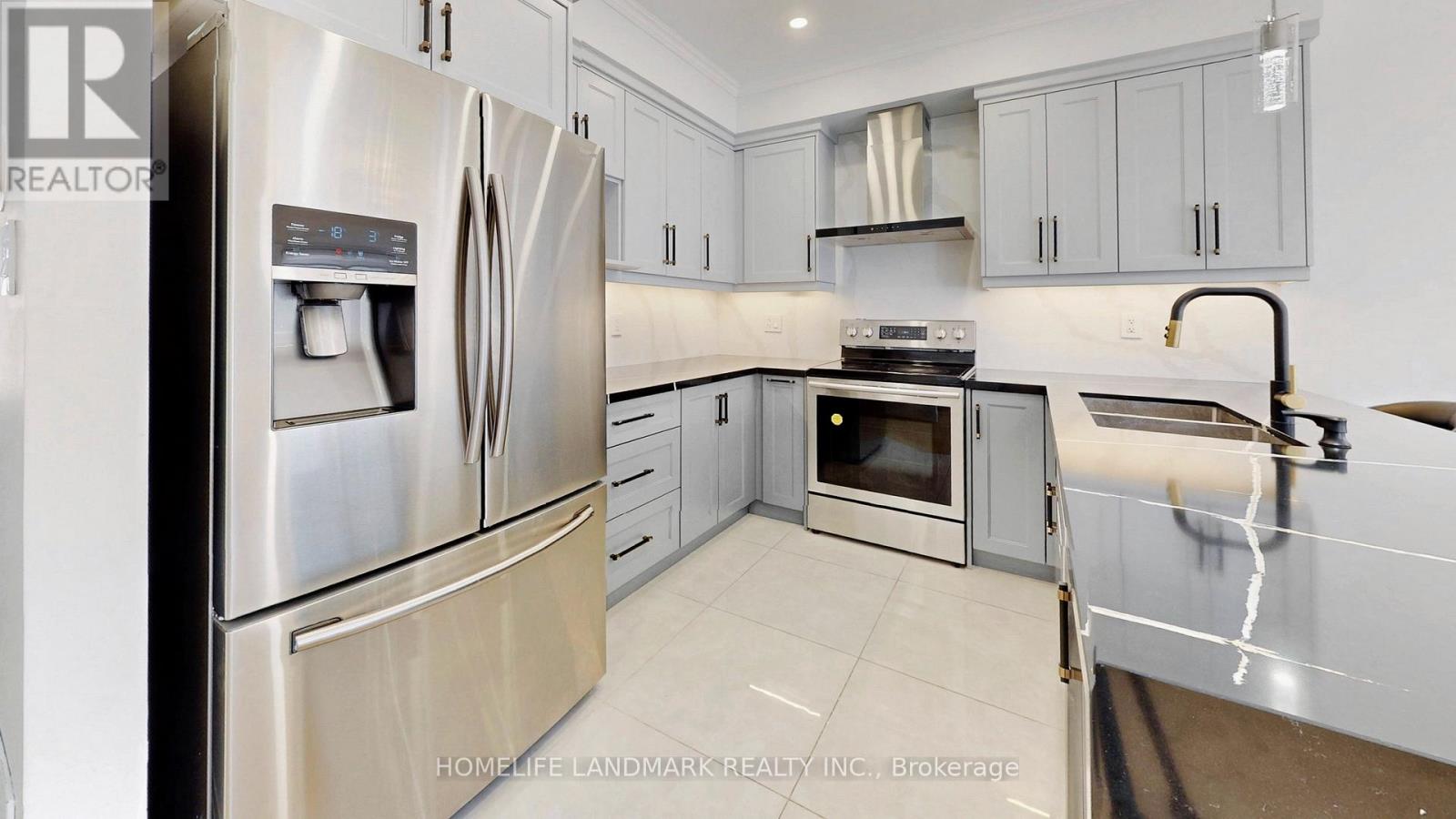 For Sale
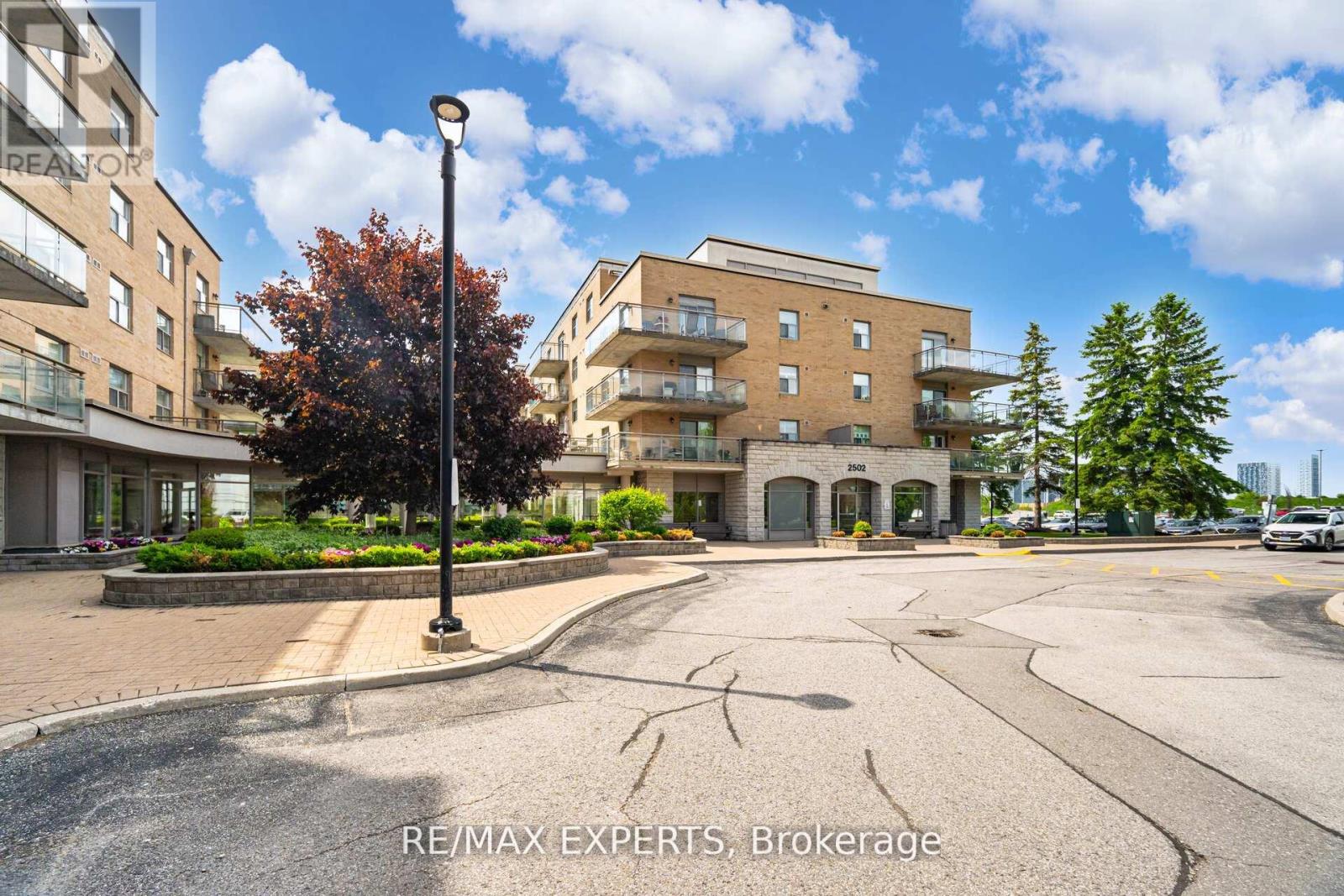 For Sale
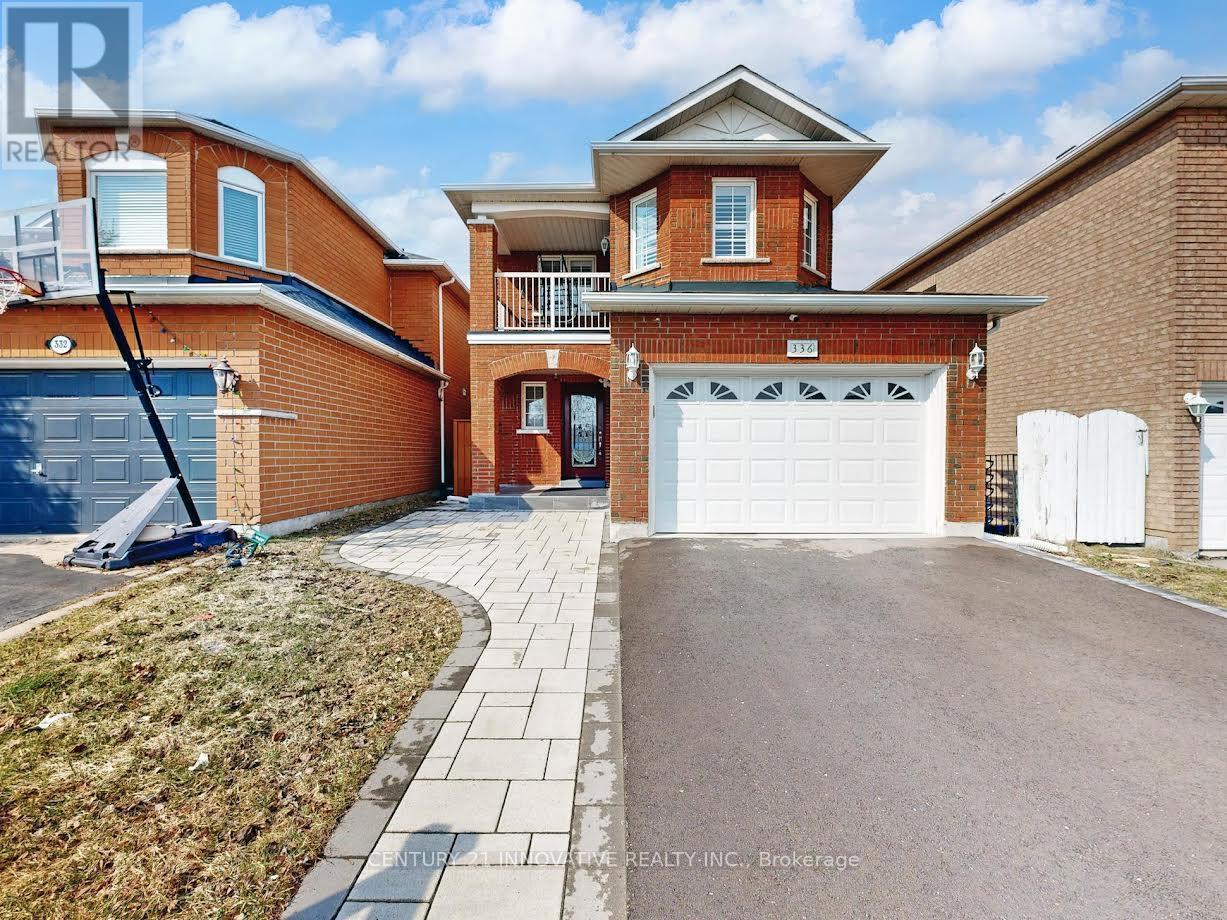 For Sale
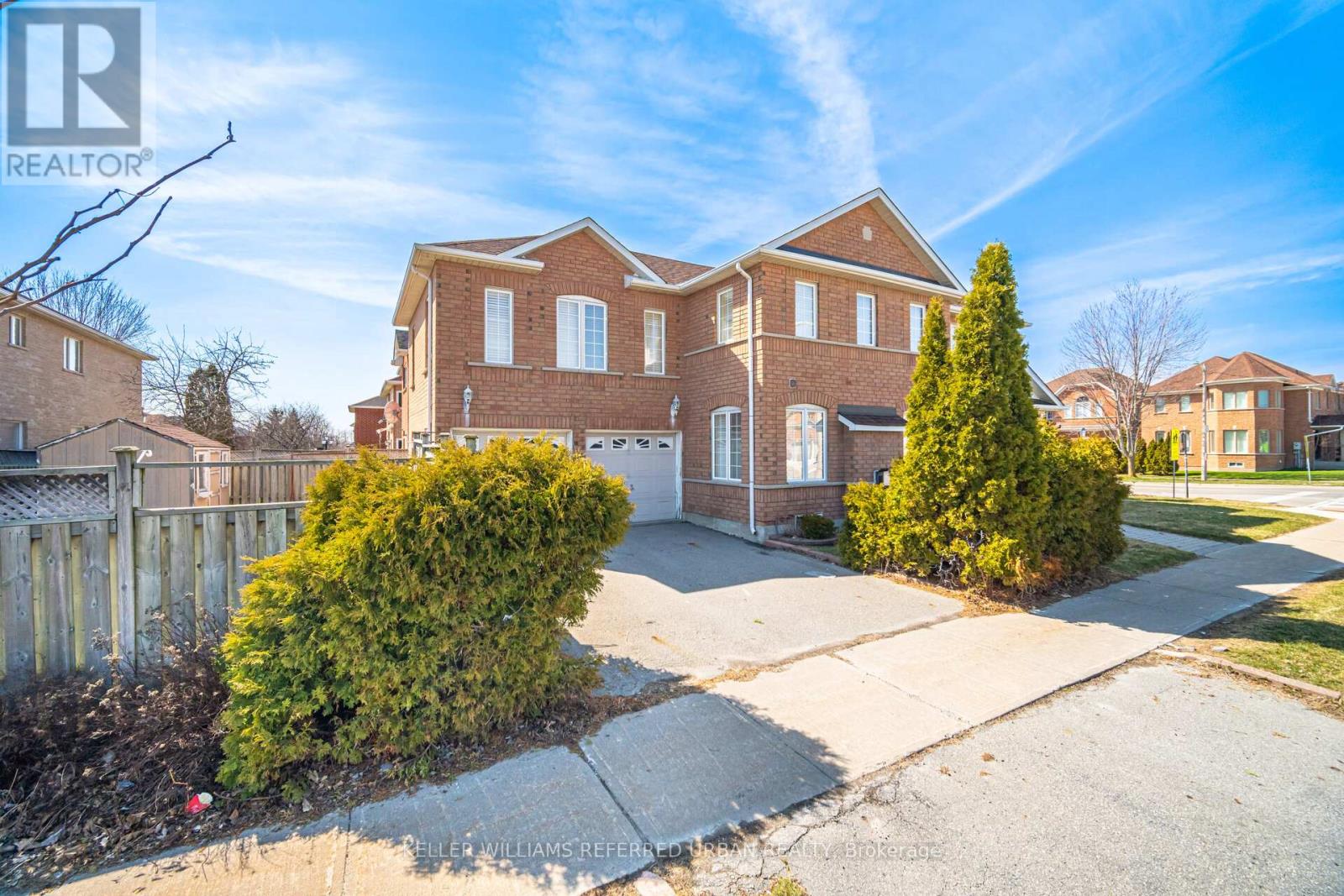 For Sale