
Discover real estate in Markham Village, Markham. Current prices, school catchments, transit access and neighbourhood character covered in full.
Markham Village is the historic core of the city that grew around it. The neighbourhood sits along Main Street Markham, which traces a road that existed before Confederation, and the built fabric along that street includes commercial blocks and residential properties dating to the mid-1800s. This is not a recreated heritage district or a planned community with heritage aesthetics — it is the actual original town centre of Markham, with the physical continuity and irregularity that comes from 170 years of building, demolition, and adaptation on an organic street grid.
The residential stock in Markham Village is more varied than in any of Markham’s planned suburban communities. Victorian and Edwardian houses, mid-century bungalows, 1970s and 1980s subdivision homes, and more recent infill all exist within the neighbourhood’s boundaries. The original lots in the historic core near Main Street are often narrower than suburban Markham norms, and the streetscapes have the irregularity and character that comes from that mix of eras and styles. Further from the Main Street core, the character transitions toward more conventional Markham suburban housing, but the proximity to the heritage core remains a defining characteristic of the broader Markham Village community.
The neighbourhood is bounded roughly by Highway 7 to the south, Markham Road to the west, 16th Avenue to the north, and Cornell Centre Boulevard to the east, though the precise extent of what residents identify as Markham Village varies and the municipality’s planning designations draw some of these lines differently than residents would. The Markham GO station on the Stouffville line sits within the neighbourhood, which is a practical asset that distinguishes Markham Village from most other Markham communities in terms of train access to Toronto.
Markham Village’s housing market reflects the diversity of its stock. Historic detached homes on Main Street and the adjacent original residential streets trade differently from the suburban detached properties further from the core, and both trade differently from the townhouses and smaller semis that fill some of the infill blocks. Broadly, detached properties in Markham Village have traded in the range of $1.1 million to $1.6 million through 2024 and into 2025, with significant variation on either side depending on the specific property, its location within the neighbourhood, lot size, and condition.
The most distinctive properties — the Victorian and Edwardian homes on the streets closest to Main Street, particularly those that have been carefully restored rather than altered — attract buyers who are specifically seeking heritage character and will pay meaningfully above the median for the right property. These buyers are a specific and not very large segment of the Markham market, which means days on market for truly distinctive heritage homes can be longer than for conventional suburban detached in the same price range, since the buyer pool is smaller. When the right buyer arrives, however, the price outcome can be strong.
Townhouses and semi-detached properties in the portions of Markham Village that include more recent development trade in the $800,000 to $1.1 million range, which provides an entry point into the community for buyers who want the neighbourhood identity and the GO train access without the full detached price. The Markham GO station proximity supports price levels across property types, since transit-dependent buyers specifically target this catchment in a way they do not for most other Markham communities.
The Markham GO station is within walking distance for most Markham Village addresses, making this the most transit-accessible community in Markham for Toronto-bound commuters. The Stouffville line operates peak service into Union Station with trains running approximately every 15 to 30 minutes during morning and evening rush hours, and the travel time from Markham GO to Union Station is approximately 50 to 60 minutes depending on the specific service. For buyers who work in the downtown core and want a Markham address, the walkable GO station is a genuine differentiator that is worth paying for compared to communities where GO access requires a drive to a parking lot.
By car, Highway 407 is accessible via the Major Mackenzie Drive interchange to the north or via Highway 7 east to the south. The 407 provides toll-based access westbound to Highways 404, 400, and 427 and eastbound toward Durham Region. Highway 7 itself runs east-west through the southern boundary of the neighbourhood and connects to Highway 404 to the west, though the surface road connections here carry significant peak-hour traffic and are slower than the 407 option for most cross-regional trips.
York Region Transit routes serve the Markham Village area, with connections to the broader YRT network and to the Markham GO bus terminal. YRT’s network in this part of Markham provides access to the Unionville GO station as well as to the VIVA rapidway along Highway 7, which connects westbound to the subway at Finch station. For car-free or car-light households, the combination of the Markham GO station and the YRT network makes Markham Village more workable than most of Markham’s suburban communities.
Markham Village is served by the York Region District School Board at both elementary and secondary levels. The elementary schools in this area include Markham Village Public School, which takes students from the historic core and surrounding residential streets. At the secondary level, most Markham Village addresses fall within the catchment for Markham District High School, one of the oldest secondary schools in York Region and one with a long history tied to the community it serves. Markham District High School is well-regarded within YRDSB, though its profile differs from the newer north Markham schools that have attracted attention more recently.
Families should verify the specific school assignment for their address using the YRDSB school locator at schoollocator.yrdsb.ca. The Markham Village neighbourhood spans an area where catchment boundaries can vary by specific street, and the confirmation tool is more reliable than any general description of catchment areas. If secondary school assignment is a primary factor in the purchase decision, confirming the specific school for the specific address before submitting an offer is sound practice.
The York Catholic District School Board serves the area with elementary and secondary options for Catholic families. Secondary Catholic students in this part of Markham are served by Father Michael McGivney Catholic Academy. Families in the Catholic system should contact YCDSB to confirm the elementary assignment for their address, as the Catholic catchment boundaries in this part of Markham reflect their own zoning rather than mirroring the YRDSB boundaries. Registration requires baptismal documentation and is subject to capacity at the specific school in question.
Main Street Markham is the physical and social centre of the neighbourhood, and it provides something that most Markham communities do not have: an actual walkable commercial street with character. The heritage commercial buildings along Main Street contain a mix of independently owned restaurants, specialty shops, professional offices, and service businesses that give the street a different feel from the strip mall retail that characterises most of Markham’s commercial fabric. The street hosts seasonal markets, community events, and the Markham Village Music Festival, which draws residents from across south Markham each year.
The restaurants on Main Street cover a range of cuisines and price points, from casual lunch spots in heritage storefronts to more formal dinner options. This is not the Asian restaurant concentration that characterises the south Markham corridors along Kennedy and Highway 7 — Main Street Markham has a more mixed and eclectic character that reflects its longer history and its different demographic draw. For residents who want occasional access to a neighbourhood main street rather than a purely car-based retail experience, Markham Village provides that within walking distance in a way that Cornell, Wismer, and other planned north Markham communities cannot.
Beyond Main Street, the broader retail infrastructure for Markham Village residents is served by the commercial strips along Highway 7 to the south and Major Mackenzie Drive to the north, where grocery, pharmacy, and major-format retail are concentrated. Markham’s GO bus terminal is adjacent to the Markham GO station, which means the commercial node around the station is continuing to develop as transit-oriented development gains traction along the Stouffville line corridor.
The parks serving Markham Village include Markham Village Park adjacent to the community, which provides sports fields, playground equipment, and open green space for residents of the surrounding streets. The Credit River and Rouge River trail networks are accessible from the broader Markham area, with the Rouge National Urban Park providing the most extensive trail system for residents who want longer walks or hikes. From Markham Village, access to the Rouge trail network requires a short drive to the trailhead, as the neighbourhood itself sits west of the main Rouge River corridor.
The Markham Village neighbourhood’s historic character means its streetscape includes mature trees that are not present in Markham’s planned northern communities. The canopy along the older streets near Main Street creates a different seasonal quality than the younger planted trees in Wismer or Cornell — a factor that is difficult to quantify but that buyers from older Toronto neighbourhoods often notice and value. The shade in summer, the colour in fall, and the scale of the streetscape all differ from a community where every tree was planted 20 years ago on a plan.
Community gathering in Markham Village benefits from Main Street as a focal point. The neighbourhood has a social density — a sense of running into the same people at the same places — that planned communities sometimes lack because there is no common destination that draws residents on foot. The seasonal events, the farmers market that operates during the warmer months, and the general commercial activity on Main Street create the incidental social contact that builds community identity over time.
Markham Village’s demographics reflect its dual character as a historic community with a significant newer resident base. Long-established Markham families — some of whose ancestors farmed the land before the town existed — are part of the community fabric, alongside newer residents who moved to Markham in the last two decades as the city grew. The cultural diversity that characterises most of Markham is present in Markham Village but at a somewhat lower concentration than in the northern planned communities of Wismer, Cornell, and Box Grove, where the demographics of north Markham’s 2000s growth wave are more uniformly represented.
The neighbourhood has attracted a specific type of buyer who is drawn to heritage character and is willing to accept the maintenance obligations and layout compromises of an older home in exchange for that character. These are often buyers who have lived in older Toronto neighbourhoods and are looking for a Markham address that still has some of the physical and social qualities of the established city. This buyer profile is distinct from the north Markham buyer who is optimising for school catchment, new construction, and suburban space.
Markham Village’s proximity to Unionville — the other historic commercial main street in south Markham — means that residents have access to two heritage commercial areas within a short drive. The two main streets have different characters: Unionville’s is more polished and tourist-oriented, while Markham Village’s is more workday and local, but both provide the walkable heritage main street experience that distinguishes south Markham’s older communities from the rest of the city.
The settlement of Markham Township dates to the late 18th century, with Pennsylvania German Mennonite settlers arriving in the area around 1793. The town of Markham grew along the road that is now Main Street Markham through the 19th century, developing the commercial blocks, churches, and residential streets that still define the neighbourhood’s core. By the mid-19th century, Markham was a functioning agricultural service town with mills, hotels, and the commercial infrastructure of a rural Ontario centre of that era.
The built heritage that remains from this period is concentrated along and near Main Street Markham. Several buildings dating to the 1840s through 1880s survive in commercial use, and the residential streets closest to the historic core include homes from multiple periods of the town’s development. The Markham Heritage Estates area adjacent to the historic core includes relocated and preserved heritage structures that were moved from across York Region during highway construction and development in the latter 20th century — a planned heritage conservation effort that adds to the neighbourhood’s historic character while also making it unusual.
The broader Markham Village neighbourhood grew through the post-war decades with the addition of conventional suburban development on land surrounding the historic core, and the neighbourhood as it exists today is a layering of the original town centre, post-war residential expansion, and the more recent planning context of a major urban municipality. The history is present in the streetscape for buyers who look for it, and it provides a sense of place that is genuinely rare in the GTA’s suburban landscape.
The Markham Village real estate market is smaller and less liquid than the markets for Markham’s larger planned communities. The total number of transactions in any given year is relatively small, which means that price discovery happens on a property-by-property basis rather than through the volume of comparable sales that gives buyers confidence in pricing in larger neighbourhoods. For buyers, this means that the comparable sales analysis for a specific Markham Village property requires care — a comparable sale six months ago on a different street may or may not be a reliable guide to current value for a property that differs in age, style, and condition.
The heritage premium in Markham Village is genuine but specific. It applies to properties that have been properly maintained or restored, that retain their original character without problematic alterations, and that appeal to the specific buyer who is looking for that product. Properties in the historic core that have been significantly altered — vinyl siding over original cladding, dropped ceilings over original details, additions that compromise the building’s character — trade at a discount relative to well-preserved properties, because they have lost the thing that differentiates them from a standard suburban detached.
Buyers of heritage properties in Markham Village should approach the inspection process with particular attention to the elements that are specific to older construction: knob-and-tube wiring that may not have been fully replaced, galvanized plumbing, original single-pane windows, foundations and drainage that reflect 19th or early 20th century standards rather than current building code requirements. These are not necessarily dealbreakers but they are costs to budget for, and a home inspector with specific experience in heritage properties will identify them more reliably than one whose practice is primarily focused on new and recent construction.
The City of Markham’s Official Plan designates the historic core of Markham Village for heritage conservation and mixed use, which shapes what development is permitted on and near Main Street. The planning framework is intended to preserve the scale and character of the heritage streetscape while allowing the adaptive reuse and infill that keeps the commercial street economically viable. The tension between heritage conservation and development pressure is ongoing, and buyers who are purchasing properties near the Main Street heritage core should review the specific heritage designation, if any, on their property and adjacent properties before purchasing.
The Markham GO station is surrounded by lands that are subject to transit-oriented development planning. York Region and the City of Markham have identified the station area as a priority location for higher-density mixed-use development as part of the broader provincial push for intensification around transit stations. The specific plans for the Markham GO station area are evolving, and buyers of properties close to the station should review the current planning applications and secondary plan for the station area at the City of Markham’s planning portal at markham.ca to understand what development is proposed nearby.
The longer-term planning context for Markham Village is one where the historic core is intended to be protected, the station area is intended to intensify, and the surrounding residential streets are expected to continue as residential with incremental infill where lot configurations permit. This is a planning framework that has generally worked in Markham Village’s favour, supporting both heritage conservation and the transit accessibility that drives demand for the neighbourhood.
Q: How walkable is Markham Village compared to other Markham communities?
A: Markham Village is the most walkable neighbourhood in Markham by a significant margin, largely because Main Street Markham provides a functioning commercial destination that is accessible on foot from the adjacent residential streets. Walk Score and similar tools give Markham Village substantially higher walkability ratings than Wismer, Cornell, or Box Grove, which lack walkable commercial centres. For households that value daily errands on foot, coffee shops and restaurants within walking distance, and the kind of street life that comes from commercial density, Markham Village is the obvious choice within Markham. The GO station being walkable adds transit convenience on top of the daily walkability. The trade-off is that the housing stock is older and requires more maintenance than a new suburban build, and some buyers who come from purely transit-oriented Toronto neighbourhoods find even Markham Village more car-dependent than they expected once they live there daily.
Q: Are heritage homes in Markham Village worth paying extra for?
A: A well-preserved heritage home in Markham Village can be worth paying extra for, but only if the buyer understands exactly what they are buying and has properly budgeted for the maintenance it requires. The physical quality of well-built Victorian and Edwardian construction — thick plaster walls, solid wood framing, mature landscaping, lot sizes that reflect original town planning — is genuine and not replicated in new construction. The character is real. The operational costs are also real: heating older homes with less insulation, maintaining original windows, managing aging mechanical systems, and funding eventual restoration work all cost more than maintaining a new suburban build. The premium for a heritage home in Markham Village makes sense for a buyer who values the specific product and has made an honest budget for running it. It does not make sense as a generic upgrade from a suburban detached if the buyer’s actual priorities are modern systems, low maintenance, and predictable costs.
Markham Village is the right address for a specific kind of buyer: one who wants historic character, walkable main street access, and a GO train commute to Toronto within a Markham context. This combination does not exist anywhere else in the municipality. The heritage streetscape, the Main Street community, and the Markham GO station create a package that buyers from older Toronto neighbourhoods will recognise and value, and that suburban Markham families who have never lived near a main street sometimes undervalue until they experience it.
The neighbourhood is not for buyers who want new construction, large suburban lots with no maintenance surprises, or the specific school catchments that drive demand in Wismer or Cachet. It is also not for buyers who are sensitive to the development activity and long-term planning change that surrounds the GO station area, since that area will evolve over the next decade as transit-oriented development gains traction. Buyers who are comfortable with an evolving urban edge near the station will find that the heritage core itself is well-protected and stable.
TorontoProperty.ca works with buyers across south Markham including Markham Village. If you want an honest comparison of a specific Markham Village property against current comparable sales, and a clear understanding of the heritage considerations and planning context that affect any specific property you are considering, contact us before you commit to an offer. Buying in a historic neighbourhood with a smaller and less liquid market than Wismer or Cornell requires more specific research, and we can provide that research before it matters.
Street-level knowledge is hard to find online. Our team works in Markham Village every day. They know which pockets hold value, where the school catchment lines actually fall, and what the market is doing right now. Talk to us before you make a decision about Markham Village.
Talk to a local agent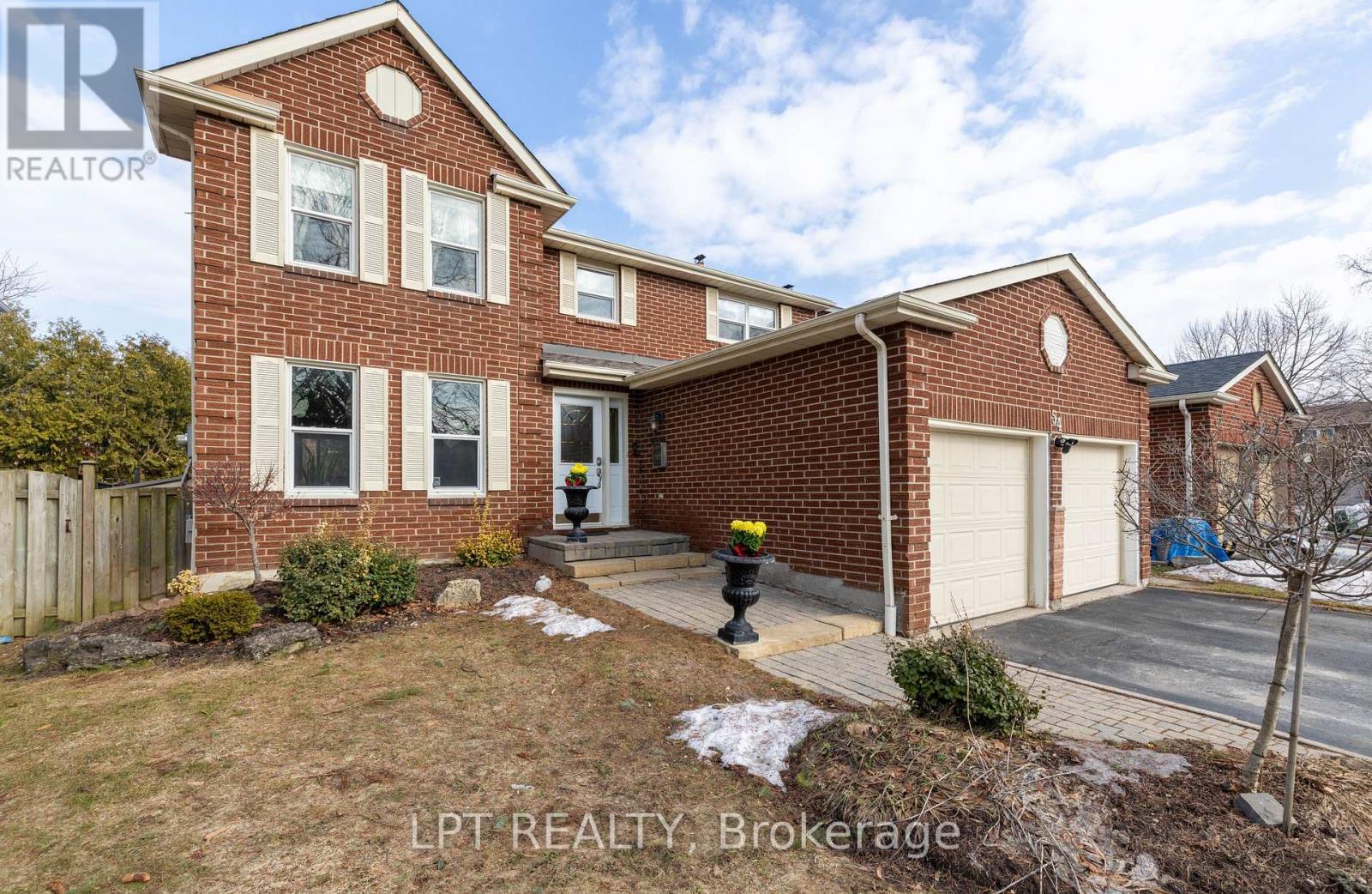 For Sale
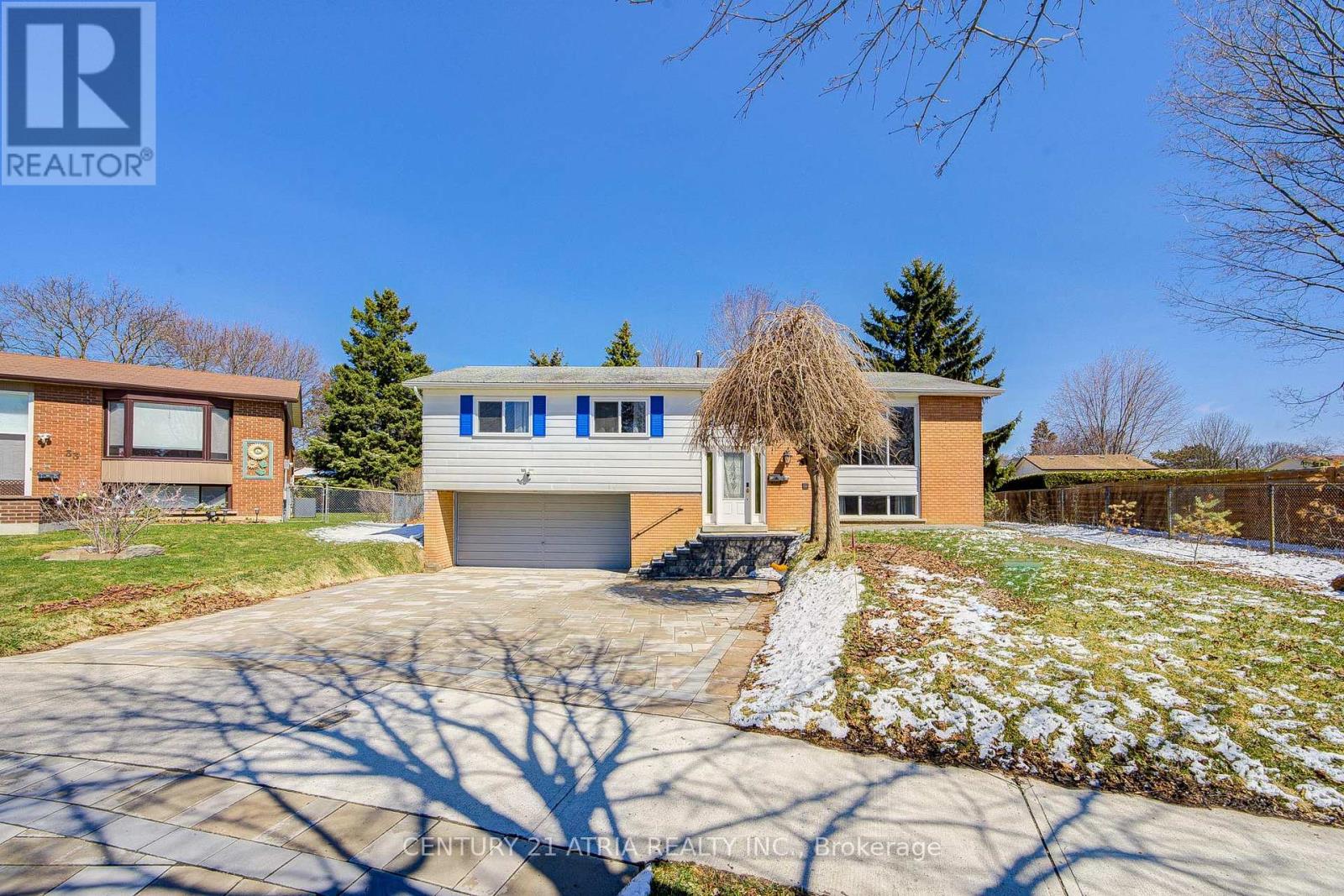 For Sale
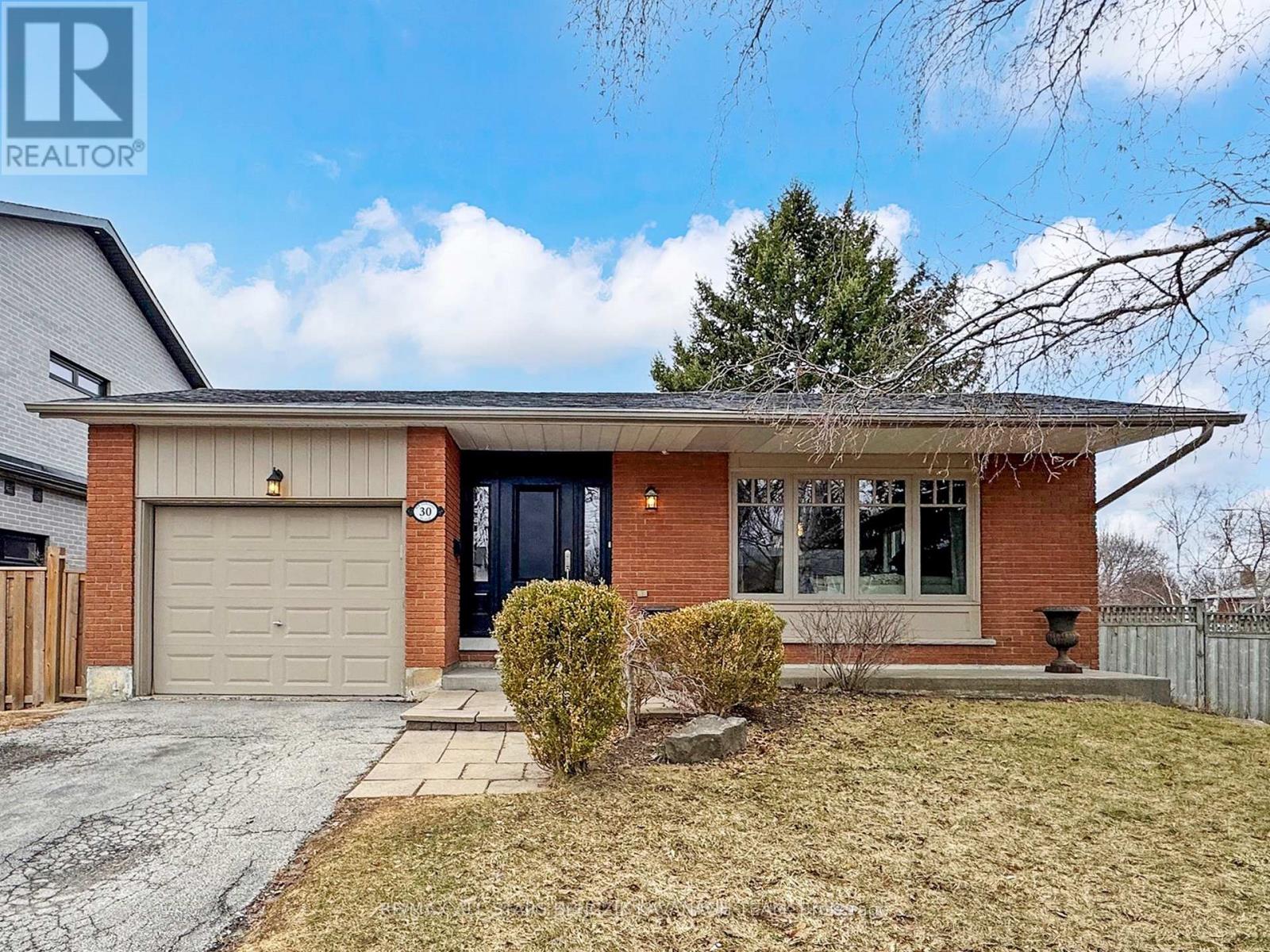 For Sale
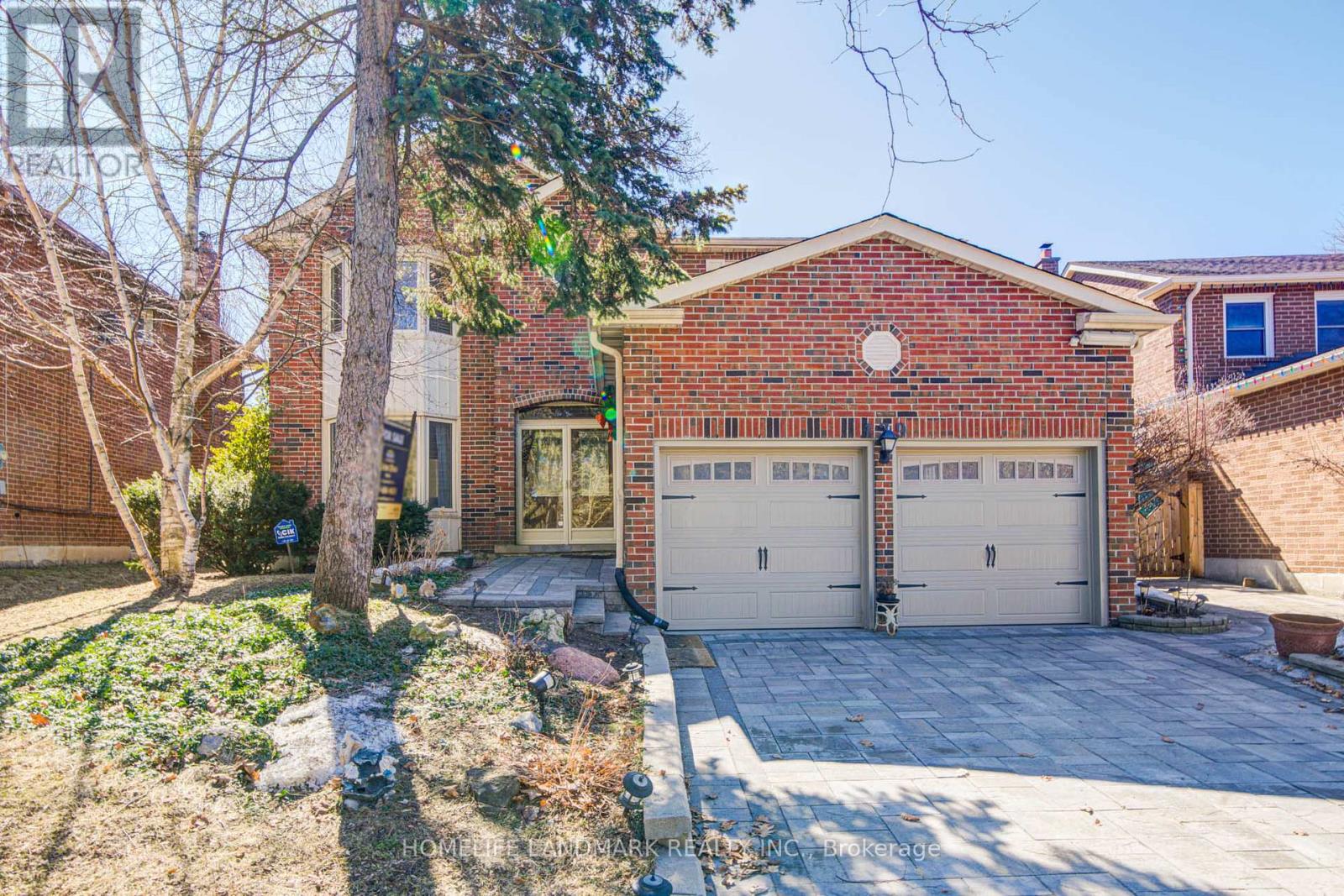 For Sale