
Markville is a central Markham neighbourhood built around Markville Shopping Centre and the Highway 7 corridor. Established detached homes from the 1970s and 1980s, walkable access to Unionville GO station on the Stouffville line, and strong York Region schools make it a well-positioned mid-tier choice for families.
Markville is a central Markham neighbourhood organized around the commercial anchor of Markville Shopping Centre, one of York Region’s major enclosed malls. The neighbourhood runs along the Highway 7 corridor and extends north and south from it, drawing its identity from the convergence of regional retail, the older residential streets that predate the mall, and the more recent residential development that has grown alongside the commercial district. It is one of Markham’s most practically positioned neighbourhoods: close to everything, but without the prestige premium of Unionville or the new construction premium of north Markham.
The housing mix in Markville is broader than in many Markham neighbourhoods. Detached homes from the 1970s and 1980s sit on established streets north and south of Highway 7. Townhomes and some condominium development have added density near the commercial core. The Unionville GO station, on the GO Stouffville line, is within walking distance of parts of the neighbourhood, making Markville one of the few central Markham communities where residents can access heavy rail transit without a car trip.
The Markville name carries some ambiguity in casual usage: it refers both to the specific residential neighbourhood and to the broader Markham district centred on Highway 7. In real estate terms, Markville as a neighbourhood refers to the residential areas immediately around Markville Shopping Centre, particularly the established streets south of 16th Avenue and north of Highway 7 between Warden Avenue and Woodbine Avenue. Buyers comparing Markville to Grandview and Unionville should understand these are closely adjacent, partially overlapping designations.
The neighbourhood’s practical advantages are real. Grocery, pharmacy, banking, restaurants, and major retail are all within minutes. GO Transit access at Unionville station extends the commuter options beyond what most Markham addresses can offer. Schools in the area are strong. For buyers who want an established, well-served central Markham address without paying the Unionville premium, Markville offers a credible alternative.
Markville’s detached homes traded between $1.1 million and $1.5 million through 2024, with four-bedroom properties on standard lots in the middle of that range. Properties with Unionville GO station walking proximity attract a transit premium and push toward the upper end. The older stock from the 1970s and early 1980s on smaller lots trades at the lower end, while updated or recently renovated homes on larger lots reach the ceiling. Townhomes in the neighbourhood came in between $750,000 and $950,000 depending on size and location relative to the commercial core.
Condominium units near the Highway 7 corridor, a smaller but growing component of Markville’s housing mix, traded between $550,000 and $750,000 for typical one- and two-bedroom units. The condo segment is less developed in Markville than in the denser parts of central Markham along Highway 7, but intensification applications have been approved for several sites near the mall and along the highway corridor. The condo profile will become more prominent in the neighbourhood over the next decade.
Lot sizes in the established residential streets run 40 to 55 feet of frontage with depths of 90 to 120 feet. Corner lots and those backing onto the Pomona Mills Creek valley command premiums. Finished above-grade square footage in typical four-bedroom detached homes runs 1,600 to 2,200 feet, on the smaller side by current Markham standards but consistent with the 1970s-1980s construction era. Basement development is common and adds significant practical living space to homes in this size range.
Days on market through 2024 ran 12 to 20 days for well-priced properties. The Markville market moves at a pace consistent with central Markham generally: not the frenetic competition of a prestige pocket, but with enough consistent demand that well-positioned listings find buyers within a few weeks. The GO station proximity creates a subset of buyers who specifically target walkable-to-station addresses, and those properties move faster than comparable homes further from the station.
The Markville real estate market functions as an accessible entry point into the central Markham detached segment, below Unionville in prestige and pricing but sharing many of the same practical advantages. The market draws consistently from buyers who have researched the Markham area broadly and concluded that Markville’s combination of central location, transit access, and school quality justifies the price premium over south Markham and Scarborough alternatives.
The proximity to Markville Shopping Centre creates a dual effect on the market. It attracts buyers who want daily convenience within walking distance. It also creates noise and traffic concerns that price-sensitive buyers factor in when comparing specific addresses. Homes on the quieter residential streets north of the mall attract a premium over those directly adjacent to the commercial activity. The real estate market within Markville is not uniform; a street-level understanding of which addresses face commercial noise and which are insulated from it matters for both pricing and buyer satisfaction.
The GO station proximity is Markville’s most distinctive market advantage relative to Grandview and other central Markham neighbours. Buyers who specifically want to walk to GO Transit put Markville on a short list that most Markham neighbourhoods can’t access. This buyer segment is well-qualified, motivated, and willing to pay for the access. Properties within the genuine walk radius of Unionville GO station, roughly 800 to 1,000 metres, earn a measurable premium over equivalent homes further out.
Investor activity in Markville is somewhat higher than in exclusively residential neighbourhoods, driven by the commercial corridor proximity and the condo development pipeline. Basement suite rentals in detached homes are common and well-established. Full-home rentals are present at lower levels. The Highway 7 intensification corridor creates ongoing planning discussion about future density that investors monitor, but the immediate market remains primarily owner-occupier in the established residential streets.
Markville attracts a mix of family buyers and transit-oriented buyers that overlaps more than it competes. The core family buyer profile here is similar to Grandview: families with children, typically purchasing a detached home, often arriving from Scarborough or south Markham. The specific addition for Markville is the commuter buyer who has identified Unionville GO station walking distance as a requirement and found that Markville is the most affordable neighbourhood that meets it.
South Asian and Chinese Canadian families are both significant buyer segments in Markville, consistent with the broader central Markham demographic. The neighbourhood’s central position relative to the Highway 7 cultural and commercial corridor, the South Asian community services concentrated in parts of the area, and the established community networks make Markville a natural destination for buyers with family already in central Markham.
Move-up buyers from south Markham and Scarborough represent another consistent segment. Families who started in Scarborough, Milliken, or south Markham and have grown into the central Markham market find Markville’s price point accessible relative to Unionville while still positioning them in central Markham’s school system and commercial environment. These buyers typically know the area well and purchase with clear criteria about what they want.
First-time buyers at the upper end of their budget reach Markville through the townhome and some of the smaller detached stock in the neighbourhood. These buyers are stretching into a central location because the school quality, transit access, and central amenity position justify the stretch. They tend to be dual-income professional households in their mid-30s who have watched the Markham market for several years before committing. The Markville townhome market serves this buyer particularly well when priced accurately.
The streets north of Highway 7 and south of 16th Avenue form the core of Markville’s established residential character. The blocks between the Pomona Mills Creek valley and Woodbine Avenue are among the quieter residential pockets, with creek-backing lots on some streets that command the most attention from buyers who want a natural backdrop in an otherwise commercial-adjacent neighbourhood. These streets are insulated from the mall traffic by their position and by the mature tree buffer that has developed on the creek valley edges.
The streets within walking distance of Unionville GO station are clearly identifiable on a map and well-known to buyers who are specifically seeking GO access. Properties on these streets, roughly within a 10-minute walk of the station, include some of the neighbourhood’s best-positioned addresses. They are close enough to the station for a realistic walking commute but far enough from the commercial corridor to retain a residential character. These addresses attract the specific competition of GO commuter buyers and should be evaluated with that premium in mind.
The area immediately around Markville Shopping Centre on the south side of Highway 7 has a more commercial character and is subject to ongoing intensification. Some older residential properties in this transition zone have been or will be acquired for commercial or mixed-use redevelopment over time. Buyers looking at properties immediately adjacent to the mall precinct should check current and pending planning applications before committing.
The residential streets south of Highway 7, running toward Steeles Avenue, are a quieter and slightly more affordable pocket within what is broadly called Markville. These streets have good school catchments and easy access to the commercial corridor without the noise of Highway 7 itself. They tend to attract buyers who want central Markham positioning at a modest discount relative to the premium north-of-7 addresses.
Markville’s transit position is among the best in Markham for an established residential neighbourhood. Unionville GO station on the Stouffville line is within walking distance of the neighbourhood’s core streets. The station serves GO trains to Union Station, with peak-hour frequency of 15 to 20 minutes and a travel time of approximately 50 to 55 minutes to downtown Toronto. For residents who walk to the station rather than driving to a park-and-ride, the Markville address eliminates one of the main inconveniences of suburban GO commuting.
York Region Transit routes run along Highway 7 and Warden Avenue, providing bus connections to the Finch GO Bus Terminal, the Viva rapid transit network, and transfer points for south-bound routes into Toronto. For residents who rely on transit for local trips rather than downtown commuting, YRT provides reasonable coverage of central Markham’s commercial and employment destinations. The Highway 7 corridor’s bus service is more frequent than in newer northern developments, reflecting the denser ridership base along the central Markham strip.
By car, Markville’s central position means that Highway 404 is accessible within 5 to 10 minutes via Highway 7 or 16th Avenue. The 407 ETR is accessible from 404 or from Warden Avenue, covering north and west GTA destinations. Highway 7 itself provides east-west movement through central Markham, though the Highway 7 corridor between Woodbine and Kennedy is one of the more consistently congested stretches in York Region during peak hours. Most Markville residents who drive into Toronto use the 404/DVP route, taking 40 to 55 minutes on a typical morning.
Cycling in Markville is limited by infrastructure rather than distance. The distances to the commercial corridor and GO station are short enough for cycling in good weather, but dedicated cycling infrastructure is sparse in this part of Markham. The Pomona Mills Creek trail provides some off-road cycling within the neighbourhood. City-level cycling infrastructure investments have been slower in central Markham than in some other municipalities, though planned improvements to the Highway 7 corridor may eventually include protected cycling lanes.
Markville’s most significant green asset is the Pomona Mills Creek valley, which runs through the neighbourhood and provides a natural corridor of mature trees, creek-side trails, and wildlife habitat that contrasts sharply with the commercial environment to the south. The creek valley is accessible from several points within the residential streets and connects into the broader Markham trail network. Properties backing onto the valley have some of the best residential settings in the neighbourhood, combining central location with natural views.
Milne Dam Conservation Area sits east of the neighbourhood and provides a larger natural destination for residents who want to extend their outdoor access beyond the creek corridor. The conservation area includes Milne Lake and the Rouge River watershed, with trails suited for walking, running, and birdwatching. The area is accessible by car in 10 to 15 minutes and draws Markville residents for weekend outdoor activity. The combination of local creek trail and the nearby conservation area gives the neighbourhood more green access than its urban-adjacent character might suggest.
Markham Memorial Park and other local parks within the Markville district provide the standard recreational infrastructure: playgrounds, sports fields, and open lawn. These parks serve the immediate residential population without requiring a car trip and are actively used throughout the warmer months. The hockey rink at Memorial Park sees heavy winter use from families with young hockey players, and outdoor rink time is a winter staple in this part of Markham.
Toogood Pond in Unionville is approximately 10 minutes north by car and provides a more scenic destination for walking and community events. The pond and surrounding trails are a Markham landmark and regularly host seasonal events including an outdoor skating rink in winter. For Markville families, Toogood Pond represents the kind of destination that turns a neighbourhood’s broader community into something worth being part of.
Markville Shopping Centre is one of the neighbourhood’s primary practical assets. The mall includes major department stores, a food court, and a range of specialty retail that handles most routine shopping needs. The surrounding retail district extends along Highway 7 in both directions, adding grocery options, restaurants, pharmacies, banks, and professional services that make Markville one of the best-served residential addresses in central Markham for day-to-day life.
Grocery options around Markville are strong. Loblaws and other major chains operate in the Markville area. The Highway 7 corridor adds Asian grocery options including T&T Supermarket and smaller specialty food shops that serve the neighbourhood’s diverse population. For residents who cook specific cuisines and require specialty ingredients, the central Markham corridor provides access that is unusual in a suburban residential context. The density of food retail options near Markville is a genuine quality-of-life advantage.
The dining options around Markville reflect the central Markham demographic: the area has a strong concentration of Chinese Canadian and South Asian restaurants, dim sum houses, and regional Asian cuisines that make the Highway 7 corridor a dining destination for residents across the GTA. Independent restaurants with authentic regional menus sit alongside chain options in the commercial strips around the mall. Residents who appreciate diverse food culture find Markville’s dining environment one of the more compelling in suburban Ontario.
Unionville Main Street, approximately 10 to 15 minutes north by car or GO train, adds an independent retail and dining layer. The heritage streetscape in Unionville has coffee shops, independent restaurants, boutiques, and seasonal events that provide an alternative to the mall commercial experience. Markville residents treat Main Street Unionville as a weekend destination and social gathering point. The combination of the mall for convenience and Unionville for character gives the neighbourhood a retail range that most Markham addresses cannot match.
Markville falls within York Region District School Board and York Catholic District School Board catchments, and the schools serving the area are among the reasons families choose central Markham. Markville Secondary School is one of the neighbourhood’s most significant assets: it is the designated secondary school for a large catchment area in central Markham and has a strong academic reputation with solid provincial assessment results and competitive university placement.
Elementary schools serving Markville include several YRDSB schools in the neighbourhood and surrounding area. The specific catchment school depends on address within the neighbourhood, as the YRDSB boundary runs through the area. Most addresses in Markville are within the Markville or Grandview secondary catchments, both of which feed Markville Secondary. French immersion is available within the YRDSB system with busing provided; families interested in immersion should confirm current enrollment procedures with the board, as registration typically involves a specific timeline.
Markville Secondary School offers a range of enriched academic programs in addition to the standard Ontario curriculum. The school has active arts, music, and athletic programs. Its location within walking distance of much of the Markville neighbourhood means many students commute on foot, which is an unusual practical advantage for a secondary school in a suburban context. The school’s performance on EQAO testing and university acceptance rates makes it a genuine reason to choose Markville over other central Markham alternatives at comparable prices.
YCDSB serves families who choose the Catholic school stream, with elementary and secondary options accessible within the neighbourhood and surrounding area. St. Augustine Catholic High School serves the broader central Markham YCDSB secondary catchment. For families considering both streams, the YRDSB offering in this neighbourhood is strong enough that many don’t pursue the Catholic alternative, but the choice exists and both systems are well-resourced in this part of Markham.
Markville’s development story in the coming decade centres on the Highway 7 intensification corridor and the Markville Shopping Centre precinct. Several planning applications have been submitted for mid-rise and high-rise residential development along Highway 7 adjacent to the mall, and some have received approvals. The transformation of the Markville mall area into a mixed-use district with residential towers above commercial uses is already underway in concept and will become visible in construction within the next five to ten years.
This intensification will have mixed effects on existing residential areas. New residents along the corridor will support improved local retail and dining, which benefits the established streets. Higher-density development adjacent to the residential neighbourhood may affect some sightlines and add to local traffic. The net effect on quality of life in the established streets north and south of Highway 7 is expected to be modest, as the intensification is concentrated along the highway frontage rather than within the residential fabric.
Unionville GO station, the transit hub that gives Markville its commuter advantage, may see intensification pressure as a Major Transit Station Area under Markham’s Official Plan. Higher-density residential and commercial development near the station is part of the city’s long-term plan for transit-oriented development. The specific timing and scale of this development is uncertain, but the planning framework is in place and buyers near the station precinct should review current planning applications before purchasing adjacent properties.
Within the established residential streets, development activity is primarily limited to renovation and addition to existing homes. Lot sizes support modest additions, and the neighbourhood’s brick construction stock is generally in good structural condition, making full teardown-rebuild less common than renovation. Garden suites are becoming more feasible under updated zoning and several owners in the neighbourhood are exploring this option. The overall character of the established streets is expected to change slowly and incrementally rather than through wholesale redevelopment.
Q: Is Markville the same as Unionville in terms of address and school access?
A: Not quite. Markville and Unionville are adjacent central Markham neighbourhoods with overlapping school catchments but distinct characters and price points. Unionville carries a premium driven by the heritage character of Main Street and the prestige of the address. Markville properties typically trade 10 to 20 percent below equivalent Unionville properties. Both feed into Markville Secondary School for YRDSB students, which means the secondary school quality is often identical. The practical difference is that Markville gives you the school access at a lower entry price, without the Unionville address on your stationery.
Q: Can residents actually walk to Unionville GO station from Markville?
A: Yes, from many addresses in Markville, though not all. The northern sections of Markville, particularly streets north of Highway 7 between Woodbine and Warden Avenues, are within a 10 to 15 minute walk of Unionville GO station. The southern sections, south of Highway 7, face a longer walk that crosses the highway and extends the trip to 20 minutes or more. Buyers who specifically want walkable GO access should identify their target addresses on a map and confirm the actual walking distance. Transit app routing tools provide accurate walk times that are more reliable than general proximity claims.
Q: Will the Markville Shopping Centre redevelopment affect surrounding properties?
A: Approved and pending planning applications for the Markville mall precinct will eventually add residential and commercial density to the Highway 7 corridor. The direct effect on established residential streets is expected to be limited: the intensification is concentrated along the highway frontage, not within the residential fabric behind it. Some increase in local traffic and some visual change on the highway-facing edges of the neighbourhood are the most likely impacts. The addition of new residents and the commercial investment associated with redevelopment will likely support improved local retail quality, which is a net positive for the neighbourhood over a 10-year horizon.
Q: How does Markville compare to Grandview for a family buying their first detached home in central Markham?
A: The two neighbourhoods are priced similarly, occupy adjacent territory, and share many of the same practical advantages. Markville’s edge is the Unionville GO station proximity for households that want or may want a GO commute. Grandview’s edge is slightly quieter residential streets further from the commercial corridor. The school catchments have some overlap and both are strong. For a family without strong GO commute requirements, the decision often comes down to individual streets and properties rather than a neighbourhood-level distinction. Looking at both simultaneously is the right approach rather than eliminating one before seeing specifics.
Markville is a neighbourhood where local knowledge pays for itself. The difference between a street that walks to the GO station and one that doesn’t, between a property backing onto the creek valley and one backing onto a commercial rear, is not visible on a listing sheet at 11pm when you’re browsing from your couch. It becomes visible on the first Monday you try to walk to the train in February.
A buyer’s agent who works central Markham regularly will know the specific streets within the GO walk radius, the difference between the creek-backing lots and the interior ones, and the pricing patterns that reflect these distinctions in the current market. They’ll also know where the commercial noise boundaries are and which streets are genuinely residential despite their proximity to Highway 7.
Markville is competitive enough that well-priced properties move within two to three weeks. Being prepared with a pre-approval and clear criteria is not optional if you want to avoid losing properties you’re serious about. The pace here is slower than a prestige pocket but faster than buyers from more relaxed markets expect.
We work Markville and the broader central Markham market consistently. If you want to compare Markville to Grandview, Unionville, or other nearby options with specific address-level analysis, we can put that together for you. Reach out to start the conversation.
Street-level knowledge is hard to find online. Our team works in Markville every day. They know which pockets hold value, where the school catchment lines actually fall, and what the market is doing right now. Talk to us before you make a decision about Markville.
Talk to a local agent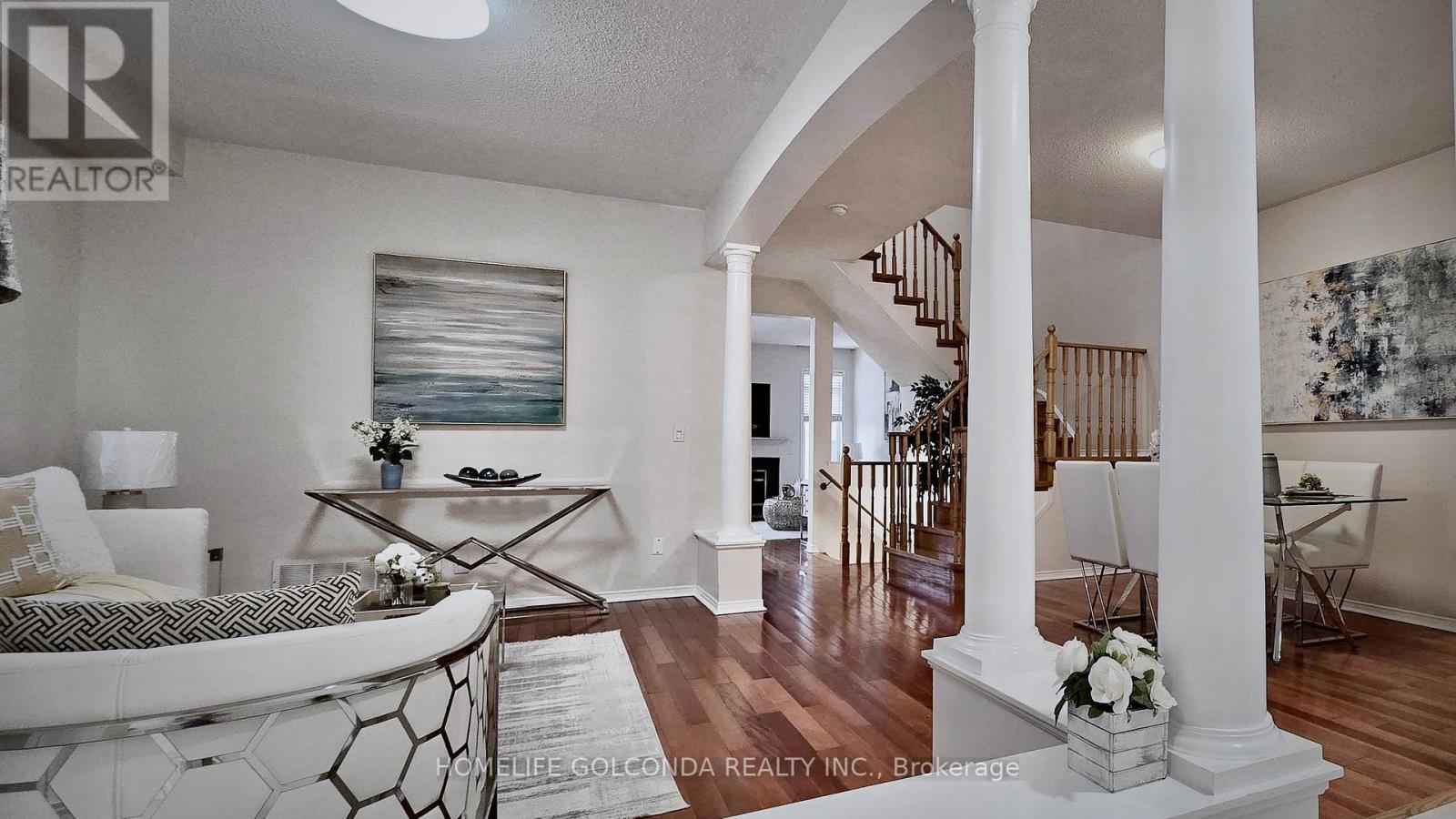 For Sale
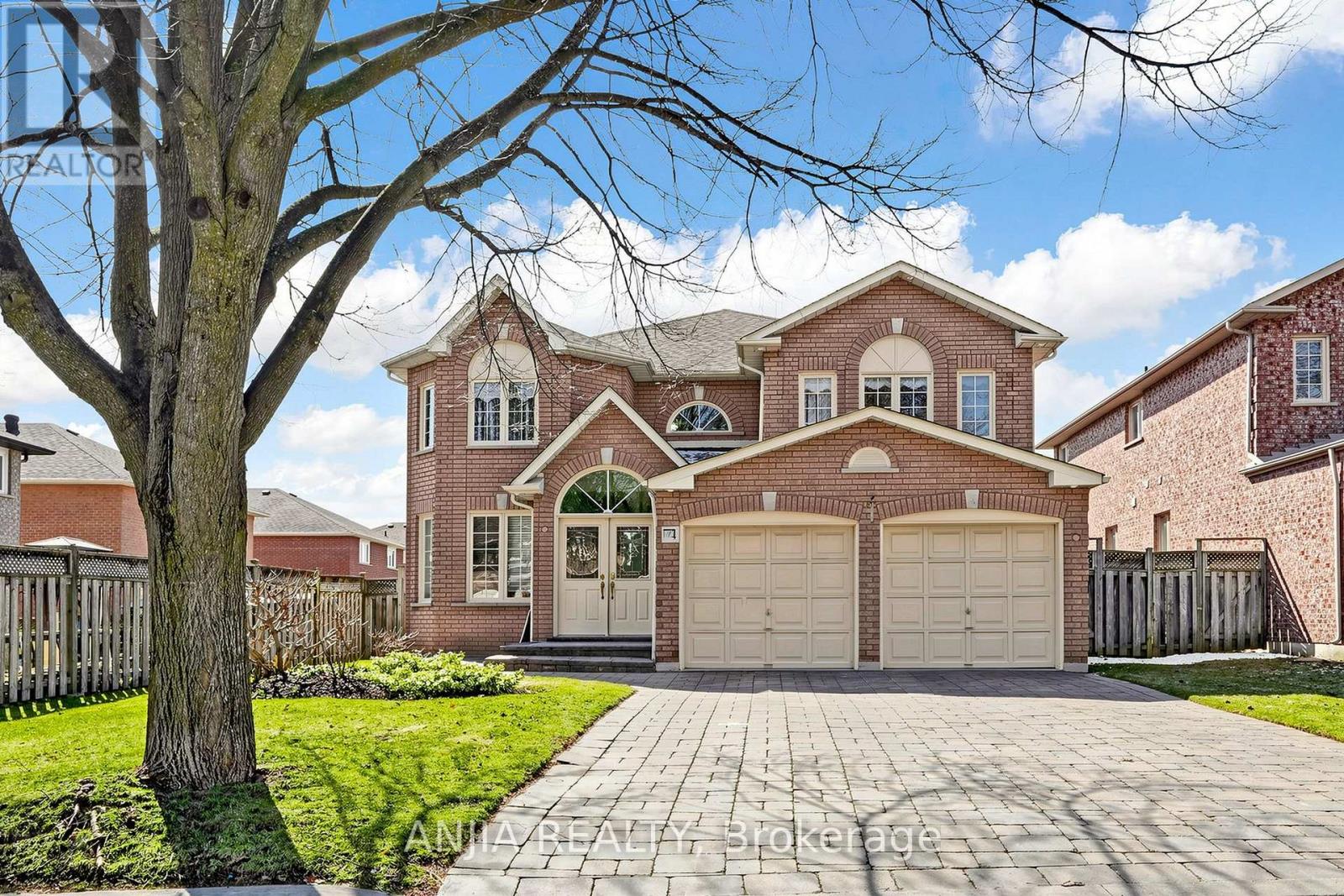 For Sale
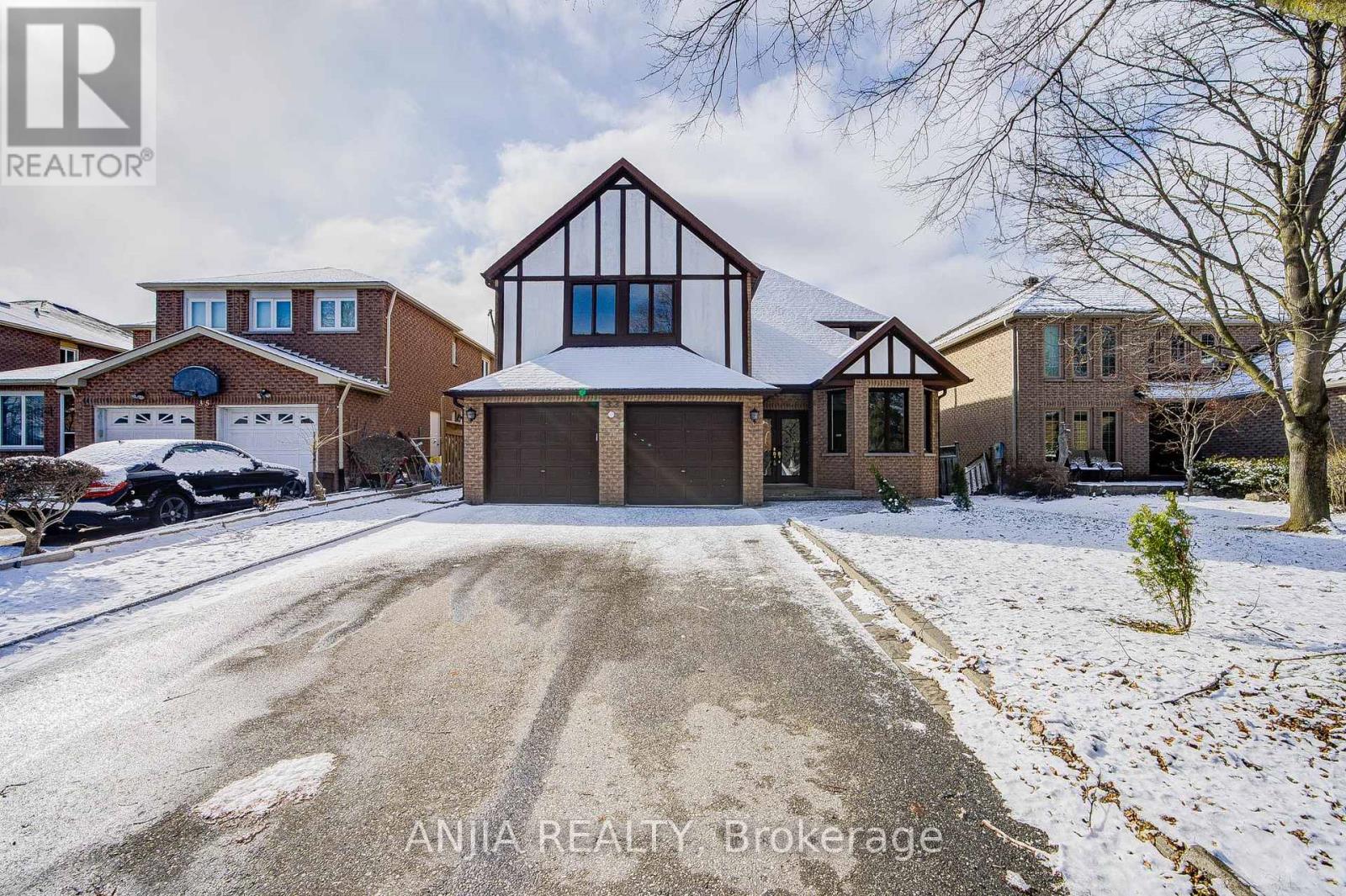 For Sale
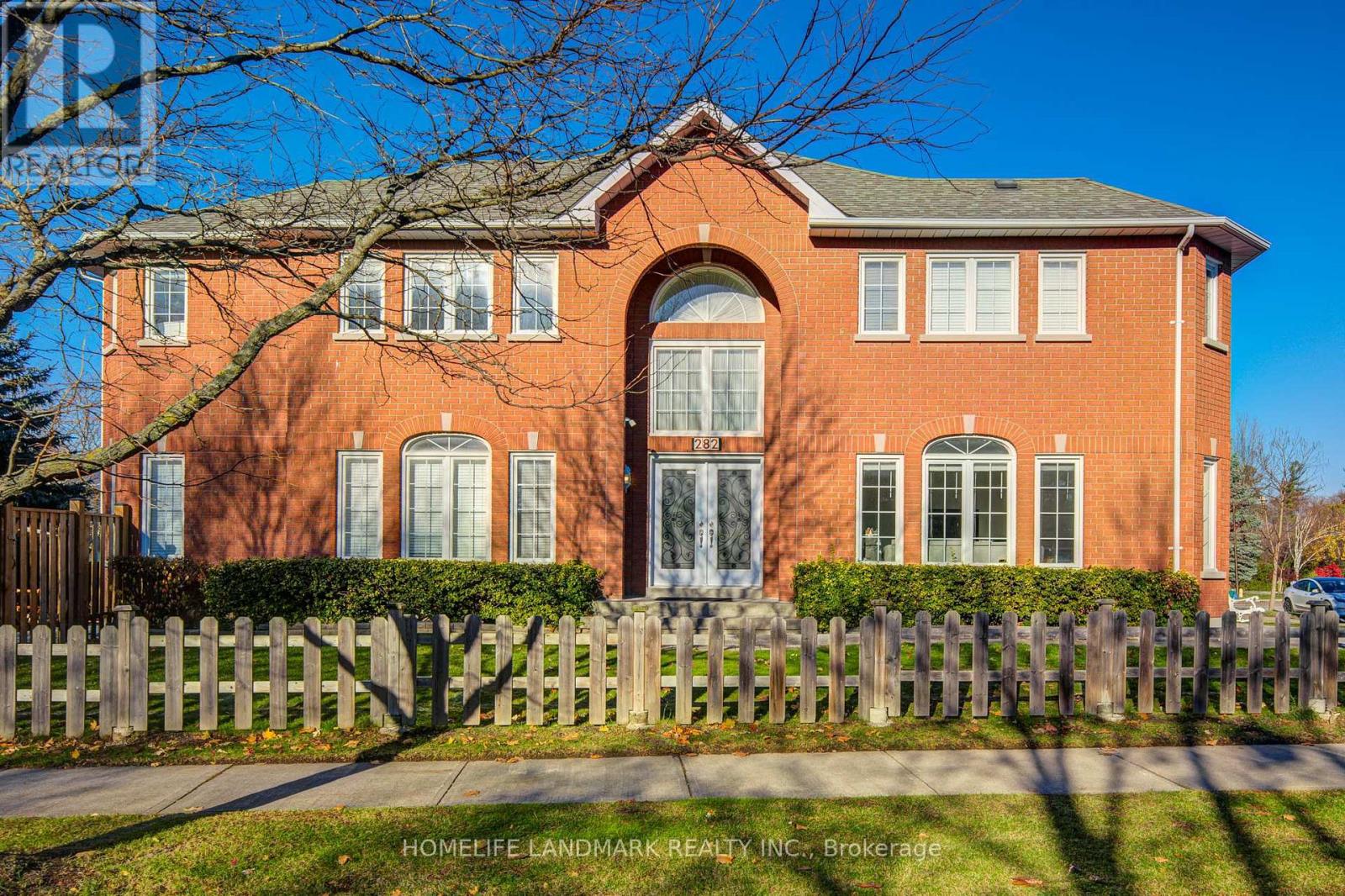 For Sale