
McLaughlin is a west Oshawa neighbourhood with established homes, proximity to Oshawa Centre mall, and access to the GM heritage corridor. Housing is a mix of bungalows and two-storeys from the post-war era through the 1980s.
McLaughlin is a well-established residential neighbourhood in west-central Oshawa, running from roughly Simcoe Street to the west, Taunton Road to the north, Ritson Road to the east, and Rossland Road to the south. The area is named after the McLaughlin family — Col. Robert Samuel McLaughlin, founder of General Motors of Canada, whose family was central to Oshawa’s industrial and civic development through the first half of the 20th century. The name carries weight in Oshawa and the neighbourhood reflects that legacy: it’s a stable, mid-city residential area with a mix of housing stock that ranges from older family homes to more recently built product.
The housing in McLaughlin is more mixed than in many Oshawa neighbourhoods. Post-war bungalows and split-levels from the 1960s and 1970s sit alongside detached two-storeys from the 1980s and 1990s. The neighbourhood has no single dominant housing type; it grew over several decades and the variety shows. Lot sizes are modest by Durham Region standards — 40 to 50 feet on most streets — but practical for families who don’t need the scale of a north Oshawa subdivision lot.
Oshawa Centre mall is at the neighbourhood’s doorstep, which is either a selling point or a concern depending on what a buyer wants. The mall’s proximity means that residents of McLaughlin have walking distance or very short drive access to full retail, grocery, and services, which is genuinely unusual in suburban Durham Region. The noise and traffic of the major commercial node are also on the doorstep, which the streets immediately adjacent to the mall will notice more than those further into the neighbourhood.
Detached bungalows from the 1960s and 1970s form the most common property type in the eastern and southern parts of McLaughlin. These are the standard post-war format: 950 to 1,400 square feet above grade, modest lots, and basements that have often been improved over the decades. In early 2026, a well-maintained bungalow in McLaughlin is typically priced between $580,000 and $720,000. The range reflects condition more than location within the neighbourhood — a house that’s been updated consistently differs meaningfully from one that hasn’t seen investment in twenty years.
Detached two-storeys and larger family homes in the northern and western parts of McLaughlin serve a different buyer. These homes were built in the 1980s and 1990s on similar or slightly larger lots, with three to four bedrooms and the floor plans that families were building to at the time. Prices in this segment run $720,000 to $900,000 depending on the property. The neighbourhood’s proximity to Oshawa Centre and the Simcoe Street corridor adds a slight premium over comparable stock further east in Oshawa.
Semi-detached homes and freehold townhouses exist in McLaughlin as well, reflecting the variety of a neighbourhood that wasn’t built to a single plan. These are priced below detached equivalents and represent an accessible entry point for buyers whose budget is limited. The semi-detached and townhouse market in McLaughlin is more liquid than the detached market because the supply is more consistent and the buyer pool is broader.
McLaughlin is a mid-market Oshawa neighbourhood with transaction volume that’s fairly consistent year over year. It’s not a prestige address and it’s not an affordability play in the way that some of the older south Oshawa bungalow neighbourhoods are. It sits in the middle of the Oshawa market: accessible for families who have been saving for a first home, appropriate for buyers upsizing from a south Oshawa starter, and stable enough that sellers can expect reasonable activity in the spring and fall seasons.
The Oshawa Centre adjacency is a double-edged characteristic for the market. Buyers who want to walk to a Loblaws or a Canadian Tire value it positively. Buyers who are evaluating the neighbourhood against quieter options in north Oshawa or Whitby may view the commercial density and the traffic it generates as a negative. The result is that McLaughlin attracts a specific buyer who weights convenience over neighbourhood tranquility, and that buyer is consistent and real.
Days on market in McLaughlin in early 2026 are in the three to five week range for reasonably priced properties. The market has normalised from the frenzied pace of 2021 and 2022 and now operates more like a buyer has some time to think about what they’re doing. Conditions are more common than they were at the peak. A buyer who insists on a home inspection and a financing condition is not an outlier in McLaughlin in 2026 — they’re the norm.
The primary buyer in McLaughlin is a family making the transition from a smaller property in south Oshawa or a rental situation. They want a detached home with three bedrooms and a yard, they have a budget in the $650,000 to $800,000 range, and they want to be in a part of Oshawa that’s established and functional without paying the premium that Whitby or north Oshawa’s newer product commands. McLaughlin fits that description well.
A second buyer profile is the practicality buyer: someone who has identified proximity to Oshawa Centre as a genuine quality-of-life asset and is prepared to trade neighbourhood quietness for walkable convenience. This buyer may be older, may not drive, or may simply value the ability to walk to a full grocery store. That’s a real and consistent need in Ontario’s suburbs, and McLaughlin serves it better than almost any other Oshawa neighbourhood.
Investors are present in the bungalow tier. Basement suites in McLaughlin bungalows have the same rental market dynamics as the rest of urban Oshawa: consistent demand from students, young workers, and families who want to rent in an accessible neighbourhood. The proximity to Durham College and Ontario Tech (accessible by bus) adds a student rental element that some of the southern bungalow neighbourhoods don’t have as strongly.
Oshawa Centre at King Street and The Esplanade is literally adjacent to the western edge of McLaughlin. The mall is Durham Region’s primary enclosed retail destination with Walmart, Canadian Tire, Loblaws, and a full range of brand retail and restaurant chains. The proximity means that McLaughlin residents who walk or cycle to the mall can cover nearly all their routine shopping needs without a car. That level of walkable retail access is genuinely unusual in suburban Ontario and is a specific selling point for the right buyer.
The R.S. McLaughlin CVI secondary school, named after the same family that gives the neighbourhood its name, is located in the northern part of the neighbourhood on McMillan Drive. It’s the catchment secondary school for most of McLaughlin and has a French Immersion program — an important consideration for families who have been in FI since elementary school and need to continue the program at the secondary level. R.S. McLaughlin CVI’s FI program is one of the reasons some families specifically target this catchment.
The Oshawa Executive Airport is north of the neighbourhood, and flight paths do produce some aircraft noise over McLaughlin depending on wind direction and the type of operations on any given day. It’s a general aviation and charter airport rather than a commercial carrier airport, so the frequency and noise profile is different from what you’d experience near Pearson. Most residents habituate to it quickly, but buyers who are sensitive to aircraft noise should visit the neighbourhood at different times of day before committing.
Simcoe Street North is the major transit spine running along McLaughlin’s western edge and provides the neighbourhood’s best transit connection. Durham Region Transit routes on Simcoe connect south to the Oshawa GO station and north toward the Ontario Tech and Durham College campuses. For residents who use transit regularly, the Simcoe Street corridor offers the best frequency in the Durham Region Transit network and is a practical option for the daily commute. The Oshawa GO station on the Lakeshore East line is approximately 10 to 15 minutes south by car or bus from the core of McLaughlin.
Highway 401 access is via Simcoe Street south, with the 401/Simcoe interchange at the southern edge of Oshawa. The drive from McLaughlin to the 401 is approximately 10 minutes. Westbound, the 401 takes commuters toward Ajax, Pickering, and eventually Toronto. Eastbound, it connects toward Bowmanville and the eastern 401 corridor. Highway 407 is accessible north of the neighbourhood via Simcoe or Taunton Road.
Cycling within McLaughlin is practical on the quieter interior streets. The Simcoe Street corridor has some cycling infrastructure. The neighbourhood’s position relative to the trail network — particularly the Oshawa Creek valley trail to the west — gives cyclists an off-road route south toward the waterfront. For daily utility cycling, McLaughlin is better positioned than most of Oshawa because the Oshawa Centre is reachable on a short flat ride from most of the neighbourhood.
Kinsmen Park in the western part of McLaughlin is the neighbourhood’s primary outdoor recreation space, with ball diamonds, a splash pad, tennis courts, and a community wading pool that serves young families. The park is well maintained and actively programmed through Oshawa’s recreation department. It’s the kind of community park that features in family purchasing decisions, visible enough from the adjacent streets to be assessed on a neighbourhood visit.
The Oshawa Creek valley trail system runs along the western edge of the neighbourhood, providing a linear park and off-road trail that connects south toward the waterfront and north into the city. The creek valley is a green corridor through what is otherwise a densely developed urban area and represents the most significant natural space accessible from McLaughlin without getting in a car. The trail is maintained for walking and cycling and is used heavily by local residents.
Oshawa Community Garden, one of the larger community garden facilities in the city, is accessible from the neighbourhood. Community gardens in Ontario’s suburban cities have grown substantially in use over the past decade, and McLaughlin’s density and mix of housing types creates the kind of resident profile that uses them actively. For buyers who want access to growing space in a city environment, the community garden is a genuine amenity worth noting.
The Oshawa Centre complex provides a retail environment that most Durham Region residents have to drive to but McLaughlin residents can walk to. The mall carries all the major Canadian chain retail, a Loblaws, a Walmart Supercentre, Canadian Tire, and a food court. The Esplanade commercial strip adjacent to the mall adds restaurant and fast-food options. For everyday shopping and service needs, McLaughlin residents have the closest thing to urban walkability that Oshawa offers.
The Simcoe Street corridor north and south of the neighbourhood adds further commercial options including auto services, banks, medical offices, and the service retail that lines major arterials in Ontario cities. Downtown Oshawa, approximately 15 minutes south, offers the civic services, independent food options, and the cultural facilities — the Robert McLaughlin Gallery, the Regent Theatre, the YMCA — that the mall doesn’t provide.
Medical services are well positioned relative to McLaughlin. Lakeridge Health Oshawa, the region’s main acute care hospital, is located on King Street West within a short drive. Medical and dental offices are distributed along Simcoe Street and in the commercial areas adjacent to the neighbourhood. The proximity to the hospital is a genuine practical consideration for families and for buyers at stages of life when medical access matters.
R.S. McLaughlin CVI on McMillan Drive is the catchment secondary school for most of the McLaughlin neighbourhood and is the neighbourhood’s most prominent school. It offers the regular DDSB academic program as well as a French Immersion secondary stream, which is the key reason some families specifically target the McLaughlin catchment. Students who have been in the DDSB French Immersion elementary program and want to continue to FI secondary need to be within R.S. McLaughlin CVI’s catchment or bus to it; for FI families, this is often a decisive factor in where they buy.
Elementary school catchments in McLaughlin are served by a set of DDSB schools within the neighbourhood and the adjacent areas. The specific school for any address should be confirmed using the DDSB school locator at ddsb.ca. Durham Catholic District School Board (DCDSB) schools serve Catholic families through parallel catchments, with both elementary and secondary options accessible from the neighbourhood by bus or car.
The French Immersion question is worth addressing directly for buyers considering McLaughlin specifically for the FI pathway. DDSB FI programming begins at a designated FI elementary school; not all DDSB elementary schools in the McLaughlin area offer FI. Buyers who intend to enrol in FI from the beginning need to confirm that the elementary school for their specific address is the FI feeder school or plan for busing to the designated FI school. The DDSB can confirm the current FI pathway for any specific address.
McLaughlin is a stable established neighbourhood that is not undergoing rapid change. The housing stock is mature, the commercial infrastructure is fully built, and the population is stable. Redevelopment pressure exists around the Oshawa Centre node — the mall’s owners have plans for mixed-use intensification on the surface parking that surrounds the mall — but the residential streets of McLaughlin proper are not in the path of that intensification. The buffer between the commercial density of the mall area and the residential neighbourhood is established and is unlikely to change materially.
The Simcoe Street corridor carries the city’s densification ambitions for the North Simcoe and downtown Oshawa areas. Higher-density residential and mixed-use development is being actively built and proposed along Simcoe Street, which will add population and commercial activity to the corridor that McLaughlin’s western edge uses. This is broadly positive for the neighbourhood: more transit ridership justifies better service, more local residents support more local commercial options, and the walkability of the Simcoe corridor improves as the density builds.
Property values in McLaughlin have followed the broader Oshawa market trajectory: significant appreciation through 2020-2022, a correction in 2022-2023, and a soft market since then that has given buyers more choice and time. The neighbourhood’s fundamentals — central location, mall adjacency, R.S. McLaughlin CVI catchment — are stable and would support recovery when the broader market recovers. It’s not a neighbourhood in which buyers should expect outperformance, but it’s also not one with structural problems that would produce underperformance.
Q: What are home prices in McLaughlin Oshawa in 2026?
A: Detached bungalows and split-levels from the 1960s and 1970s in McLaughlin are priced from approximately $580,000 to $720,000 depending on condition. Detached two-storeys and larger family homes from the 1980s and 1990s run $720,000 to $900,000. Semi-detached homes and freehold townhouses are below the detached bungalow range, providing an accessible entry point for buyers with tighter budgets. The 2026 market in Oshawa is softer than the 2021-2022 peak and buyers have more time to evaluate properties and include conditions. Prices in McLaughlin sit in the middle of the Oshawa market — not the most affordable, not the most expensive — and reflect the neighbourhood’s established central position and proximity to Oshawa Centre.
Q: Does R.S. McLaughlin CVI have French Immersion?
A: Yes. R.S. McLaughlin CVI offers a French Immersion secondary program and is the secondary destination for DDSB students who have been in the FI pathway through elementary school. Families who specifically want the FI secondary pathway and want their children to attend R.S. McLaughlin CVI should confirm that their specific address is within the catchment for both the FI elementary feeder school and the R.S. McLaughlin CVI secondary catchment. Use the DDSB school locator at ddsb.ca for the definitive answer on any specific address. The FI pathway at R.S. McLaughlin CVI is one of the most cited reasons families choose the McLaughlin neighbourhood specifically when making a real estate purchase decision.
Q: Is the Oshawa Centre really walkable from McLaughlin?
A: From the western and central streets of McLaughlin, yes. The mall’s east side is along King Street, and properties within the western portion of the neighbourhood can reach the mall entrance in a 10 to 15 minute walk. Streets further east in the neighbourhood extend that to 20 to 25 minutes. By suburban Ontario standards, where most shopping involves a car, this is genuinely unusual. The practical benefit is most evident for residents without a car, for errands that don’t require carrying much, and for evening walks to the food court or cinema. It’s not the kind of walkability you’d find in a downtown urban neighbourhood, but it’s meaningfully better than what most of Durham Region offers.
Q: What should I check on before buying in McLaughlin?
A: Three things are worth specific attention. First, the age and condition of the mechanical systems — bungalows from the 1960s and 1970s can have original wiring, plumbing, and HVAC systems that are at or past end of service life. A thorough home inspection is essential and worth every cent on a house this age. Second, the school catchment — confirm the specific elementary and secondary school assignment at any address using the DDSB school locator, especially if French Immersion is a priority. Third, the noise environment — check the property at different times of day for both Oshawa Centre traffic noise and any aircraft noise from the executive airport to the north. Both are manageable for most buyers but worth experiencing before committing.
The McLaughlin name in Oshawa is inseparable from the history of General Motors of Canada. Robert McLaughlin founded the McLaughlin Carriage Company in Oshawa in 1867, and his son Robert Samuel McLaughlin built it into the foundation of General Motors of Canada, the automotive complex that shaped Oshawa’s 20th century identity. The McLaughlin family was central to Oshawa’s civic life for generations: their estate, Parkwood, is now a National Historic Site and one of the most significant heritage properties in Ontario. The neighbourhood that bears the family name sits in the area of the city that was part of their sphere of influence.
The residential development of McLaughlin as a neighbourhood proceeded through the postwar period as Oshawa expanded westward and northward from its earlier core near the lake and the railway. The General Motors plants attracted workers and their families, and the neighbourhoods of central Oshawa absorbed that growth through the 1950s, 1960s, and 1970s. McLaughlin’s housing stock from this period reflects the demographics of that era: working families, moderate incomes, and practical homes built to last.
Oshawa Centre opened in 1973 and fundamentally changed the character of King Street West and the surrounding area. The mall was the dominant retail development in Durham Region for decades after it opened and drew the commercial density that still defines the McLaughlin neighbourhood’s western edge. The mall has been renovated and expanded several times since its opening but remains on the same footprint. Its relationship to the McLaughlin residential streets has been continuous since 1973 — a commercial neighbour that generates both convenience and traffic for the surrounding residential community.
Street-level knowledge is hard to find online. Our team works in McLaughlin every day. They know which pockets hold value, where the school catchment lines actually fall, and what the market is doing right now. Talk to us before you make a decision about McLaughlin.
Talk to a local agent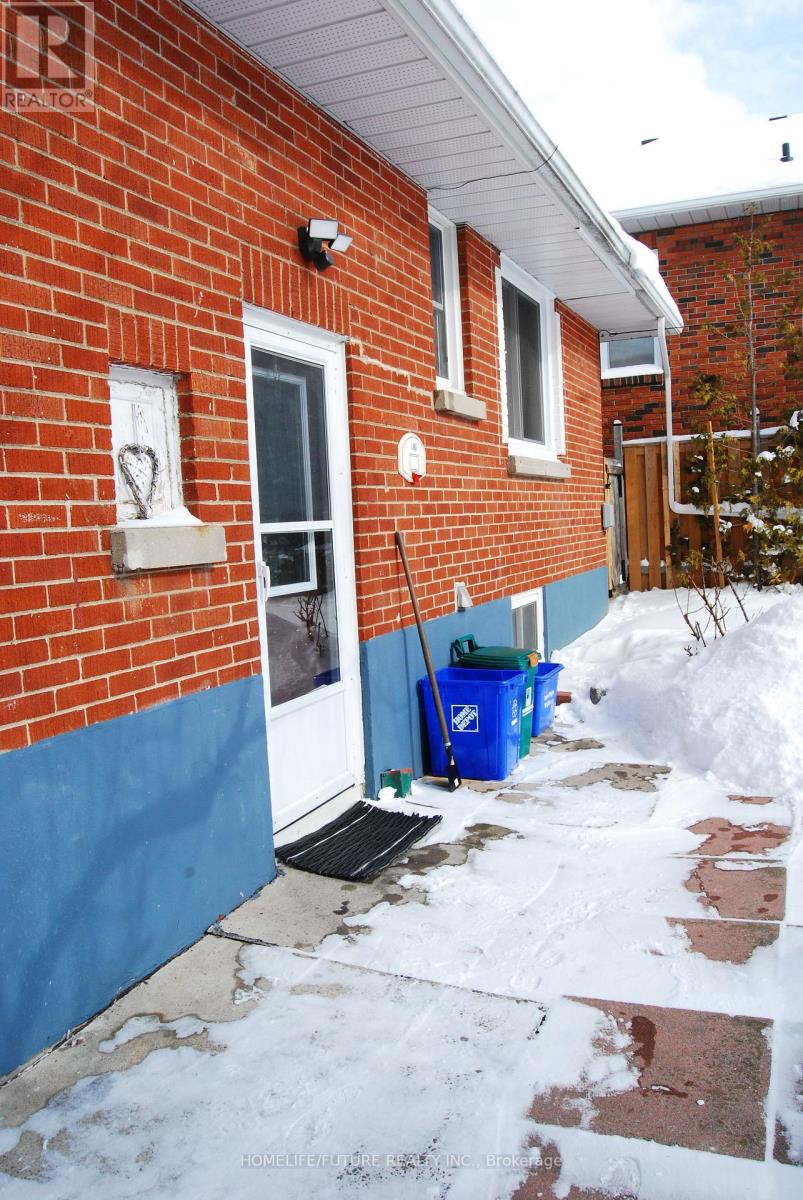 For Rent
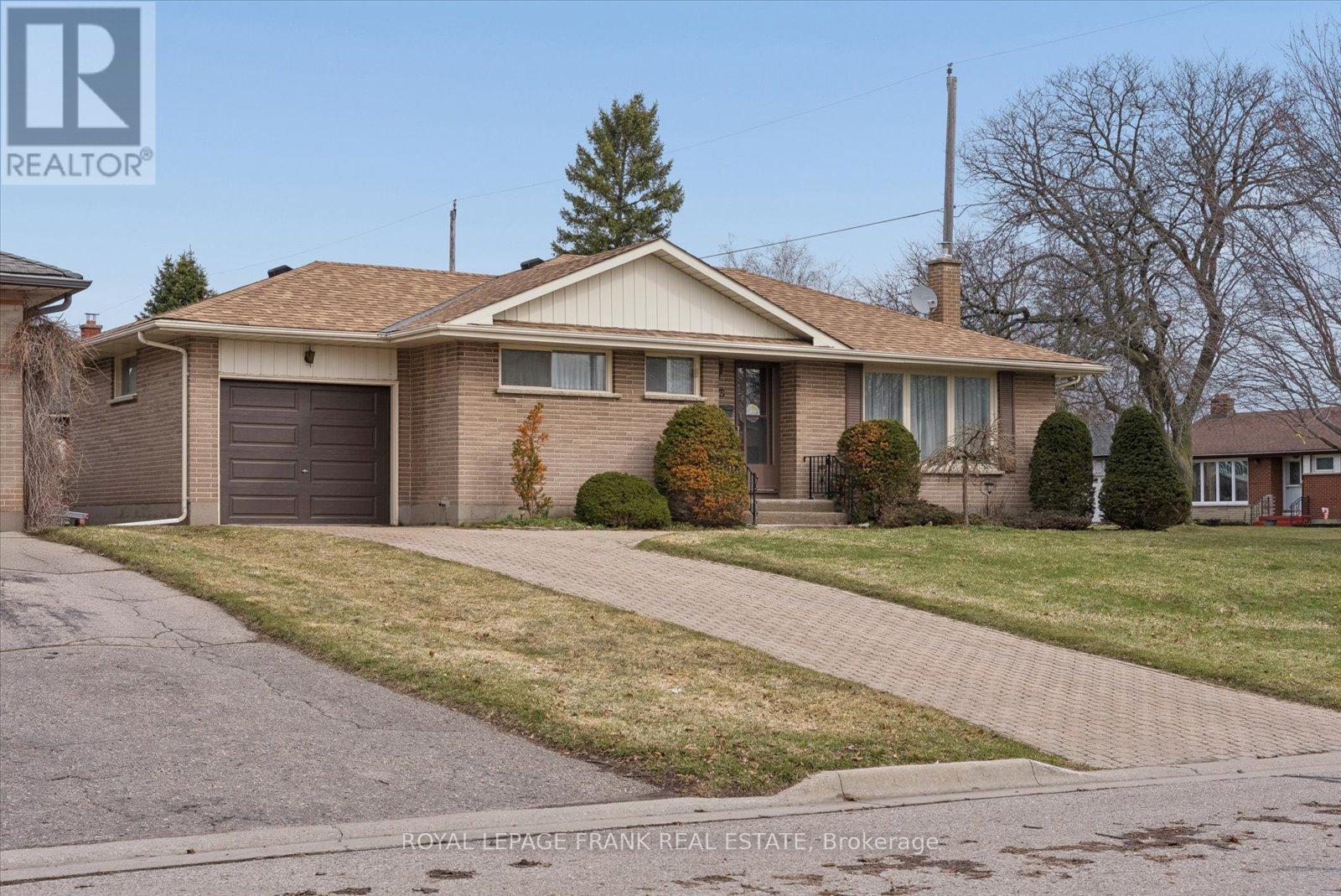 For Sale
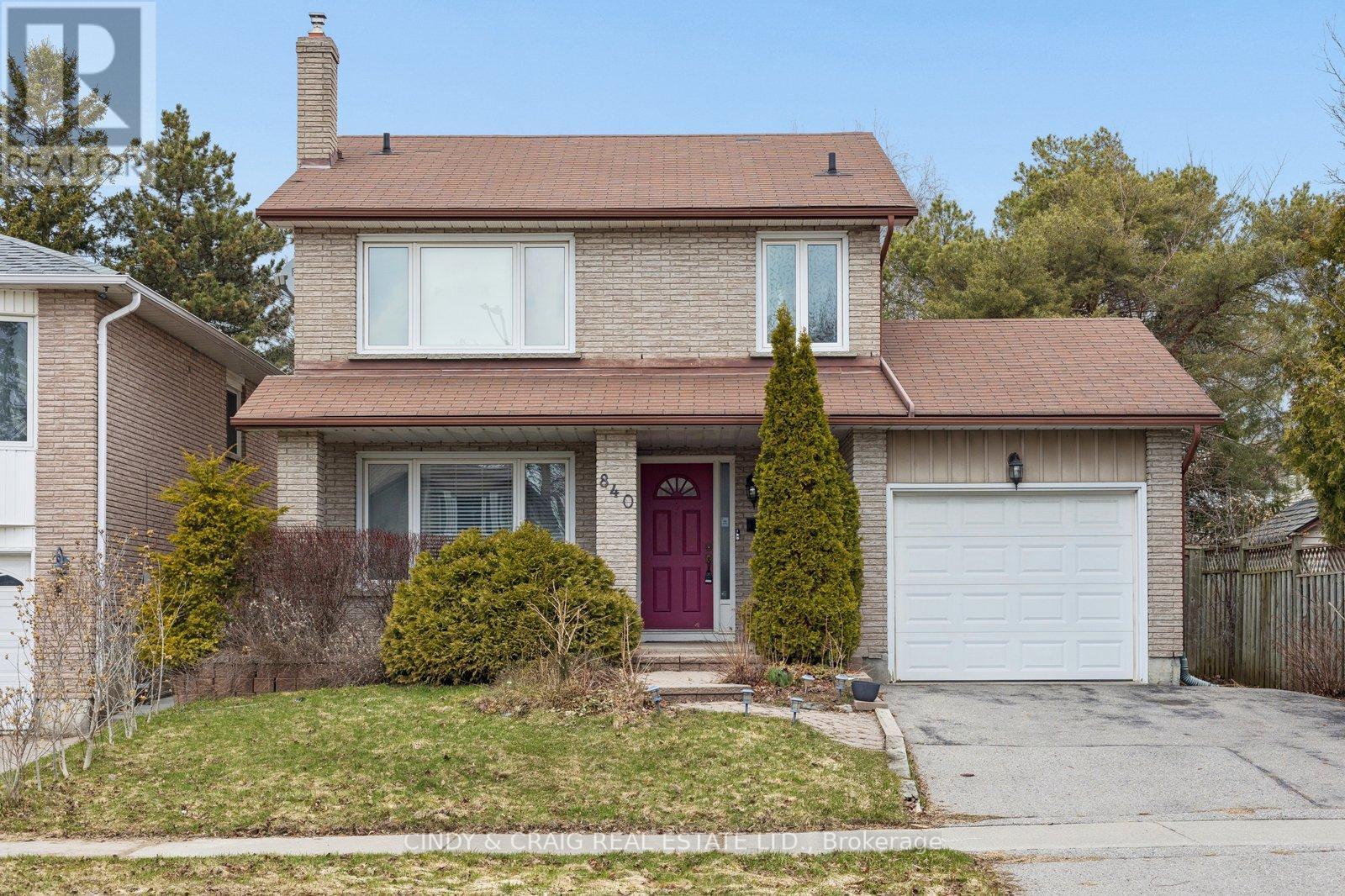 For Sale
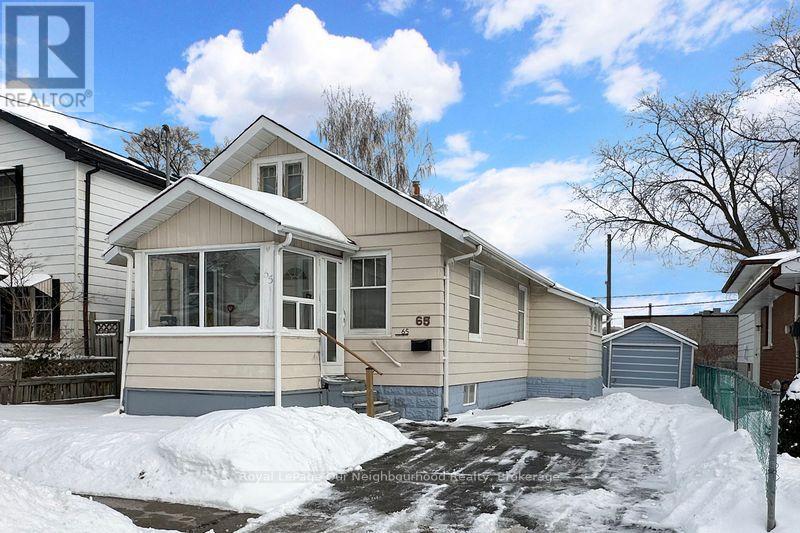 For Sale