
Meadowvale Village is one of Ontario's Heritage Conservation Districts, set along the Credit River in northwest Mississauga. Estate lots, heritage mill-era structures, and Credit River valley access define this neighbourhood. Homes trade from $1.1 million to well above $2.5 million, making it one of the most prestigious addresses in northwest Mississauga.
Meadowvale Village occupies a narrow strip of northwest Mississauga where the city’s suburban grid breaks down and something older takes over. The village core sits along Old Derry Road and along the Credit River valley, and it carries a designation as one of Ontario’s Heritage Conservation Districts. That designation isn’t decorative: it controls what can be built and how existing structures can be altered, which is why the streetscapes here look different from every surrounding community.
The village predates the rest of Mississauga’s development by well over a century. A grist mill operated here in the mid-1800s, and several of the original stone and frame structures survive, maintained under the heritage overlay that governs the district. The Credit River runs through the western edge, adding both a physical boundary and a landscape character that reinforces the historic feel of the area. For buyers arriving from elsewhere in the GTA, the experience of walking the village core is genuinely surprising.
Contemporary residential development surrounds the heritage core, with larger estate-style lots having been carved out of farmland as Mississauga expanded westward in the 1980s and 1990s. These homes sit on significantly larger lots than anything in adjacent Meadowvale, with mature trees and setbacks that give addresses here a different spatial feel. The combination of heritage protection, Credit River frontage, and estate lot sizes puts Meadowvale Village in a distinct category: it’s among the most desirable residential areas in northwest Mississauga, and pricing reflects that.
The community is quiet by any standard, with low traffic volumes on most streets and a strong sense of separation from the surrounding suburban development. That insulation is part of the value proposition here. Meadowvale Village doesn’t announce itself from the highway; you have to know it exists to find it, and most of its residents seem to prefer it that way.
Meadowvale Village sits at the upper end of northwest Mississauga’s price spectrum. Detached homes in the estate sections, typically on lots of half an acre or more, were trading in the $1,500,000 to $2,500,000 range through 2024 and into 2025. The highest-end properties along the Credit River corridor or with significant lot depth and custom construction have traded above $3,000,000. These are not the entry-level addresses in the area.
Smaller detached homes in the village-adjacent residential sections, on more modest lots developed in the late 1980s and 1990s, fall in a more accessible range of $1,100,000 to $1,500,000 depending on size, condition, and proximity to the heritage core. These properties offer village character at a step below the full estate premium, and they attract buyers who want the address and atmosphere without committing to the top end of the market.
The heritage core itself includes a small number of original structures that have been converted or maintained as residential properties. These rarely come to market, and when they do they attract attention from buyers who specifically want a heritage property. Pricing in these cases is somewhat detached from standard comparisons and reflects the uniqueness of the asset rather than square footage metrics.
The broader northwest Mississauga market correction of 2022-2023 affected Meadowvale Village as it did every other area, but the correction here was proportionally smaller. Properties with genuine scarcity, whether from Credit River frontage, heritage designation, or oversized lot configurations, held their value better than standard suburban product. Buyers who purchased in 2021 at peak prices saw paper losses, but those who have held through to 2024-2025 have seen values stabilise at levels that still represent strong appreciation over a five-year horizon.
Meadowvale Village operates as a low-volume, high-value market. The total number of transactions in any given year is small, which means individual sales carry significant weight in establishing comparable values. When a well-positioned estate property sells, it moves the data for every similar address in the community. This thin market characteristic cuts both ways: it can produce strong results for sellers in a rising market and create challenges for buyers trying to find comparable support for offer prices in a softer one.
Days on market here tend to be longer than the GTA average, not because properties are struggling but because the buyer pool for $1.5 million to $2.5 million homes in northwest Mississauga is genuinely smaller than the market for a $900,000 townhome in a transit-connected location. Sellers who understand this price correctly and wait for the right buyer typically achieve good results. Sellers who price at aspirational levels and expect the same speed as the broader Mississauga market are regularly disappointed.
The heritage designation shapes the market in practical ways. Buyers need to understand what the designation permits and restricts before making an offer. Alterations to the exterior of heritage-listed structures require Heritage Mississauga review, and not all improvement projects buyers might assume are straightforward will receive approval. This isn’t a dealbreaker for most buyers, but it requires proper due diligence before committing to a property in the designated core.
Demand here comes from a specific subset of buyers: those who have the financial capacity to purchase at these price points and who specifically value the combination of lot size, heritage character, and Credit River setting. That buyer is not in a hurry and has usually looked at competing neighbourhoods, including Mineola, Lorne Park, and older estate sections of Oakville, before settling on Meadowvale Village. The competition is not with adjacent Meadowvale; it’s with other premium addresses across the western GTA.
Meadowvale Village draws buyers who have consciously decided that lot size, heritage character, and natural surroundings matter more to them than proximity to urban amenities. This is not a neighbourhood for people who want walkable coffee shops and a buzzy main street. It’s for people who want space, privacy, mature trees, and a Credit River ravine at the end of the garden, and who are willing to drive for everything else.
Move-up buyers from elsewhere in Mississauga represent a significant share of the market. Families who have lived in Erin Mills or Meadowvale proper for a decade, accumulated equity, and now want something more distinctive often land in Meadowvale Village as their long-term home. The address represents a clear upgrade in land quality over anything available at lower price points in the northwest, and buyers who understand the local hierarchy of neighbourhoods recognise what they’re getting.
Empty nesters and downsizers from larger estate properties elsewhere in Peel and Halton also appear regularly. For buyers coming from a 5,000-square-foot house in Oakville or Brampton, a well-built 3,500-square-foot custom home in Meadowvale Village on a half-acre lot represents a meaningful reduction in upkeep burden while preserving the space and setting they’ve come to require. The Credit River valley and conservation area access matters a lot to this group.
Buyers who work in the 401 and 407 employment corridors of Mississauga and Brampton are increasingly present here, drawn by the combination of highway access and residential quality. The irony that some of Ontario’s most significant employment concentrations sit within a 10-minute drive of a heritage conservation district doesn’t escape buyers. Meadowvale Village is among the very few places in the western GTA where you can commute to a business park in 10 minutes and walk a river trail in the afternoon.
The heritage core sits along Old Derry Road West, where a cluster of 19th-century buildings survives in various states of preservation and adaptation. Walking this stretch gives a clear sense of what Mississauga looked like before the postwar expansion transformed it into a suburban city. The stone buildings, the scale of the village lots, and the relationship to the Credit River all read as genuinely different from anything else in the city.
The estate residential areas that surround the heritage core extend through several streets of large-lot development, with properties typically ranging from a third of an acre to more than an acre. Addresses along the Credit River valley or backing onto conservation land command the highest premiums. The river frontage properties in particular are rare enough to operate essentially as a category of their own; they come to market infrequently and attract serious buyers from a wide area when they do.
The transition streets between Meadowvale Village proper and adjacent Meadowvale are worth understanding. Several streets sit at this boundary and carry addresses that might nominally be in one community or the other depending on which database you consult. The lot sizes and house character usually make the distinction clear in person, but buyers doing online research should verify the specific street and lot designation rather than relying on postal code or MLS community field alone.
Old Derry Road itself functions as the village’s main artery, connecting west to Highway 10 and east toward the broader Meadowvale community. Traffic volumes on Old Derry are generally light, which maintains the rural-feeling character of the road even as urbanisation has proceeded on all sides. Streets that run north from Old Derry toward Britannia Road give access to the estate sections, and most buyers will be spending their time evaluating these rather than the heritage core structures themselves.
Meadowvale Village is car-dependent by any honest assessment, and buyers who move here understand that. The community sits at the western edge of Mississauga’s developed area, and while the Meadowvale GO station on the Milton line is reachable in a short drive, no meaningful transit infrastructure serves the village itself. MiWay routes run on the surrounding arterials but not through the village core, and the walking distances to any bus stop from most estate addresses make transit impractical as a daily option.
For drivers, the location works well. Highway 401 is accessible to the south, and the interchange at Mississauga Road provides a fast entry point without navigating the more congested eastern interchanges. Highway 407 Express Toll Route adds a further option to the north. Buyers who commute westward toward Brampton, Milton, or Hamilton will find Meadowvale Village’s highway access genuinely efficient. Eastward commutes toward Toronto’s core are manageable during off-peak hours but longer during the morning rush.
The Meadowvale GO station, while not walkable from most of the village, is a few minutes away by car. Buyers who use GO occasionally rather than daily will find it accessible enough to be useful. The Milton line’s schedule is a known constraint: off-peak service is infrequent, and buyers who need flexible departure times should check the current timetable carefully before assuming GO is a workable commuting tool from this location.
Internal movement within the village is naturally pedestrian-friendly along the heritage core streets and the Credit River trail connections. The contrast between the car dependence required to leave the community and the quality of the walking experience within it is one of the more interesting characteristics of the address. Residents who work locally or from home can have a genuinely active, trail-rich lifestyle; those who commute daily are in the car regardless of how pleasant the neighbourhood looks from the doorstep.
The Credit River is the defining natural feature of Meadowvale Village, and its presence shapes the experience of the community in ways that go beyond recreational access. The river valley creates topographic variation, brings wildlife corridors into the residential area, and provides the kind of natural backdrop that is genuinely rare in a city like Mississauga. Properties near or adjacent to the valley can see deer, foxes, and migratory birds from their own lots, which sounds like marketing language until you see it for yourself.
Credit Valley Conservation manages significant greenland in and around the community, including trail systems that connect the village to the broader Credit River Parkway network. This network extends for kilometres in both directions along the river, and residents who use it regularly describe it as one of the primary reasons they stay in the neighbourhood long-term. Running, cycling, and walking routes along the river corridor are available through all four seasons.
The Meadowvale Conservation Area, which forms the eastern edge of the broader natural corridor, connects directly to the green space network accessible from Meadowvale Village. The two areas together create a substantial continuous green belt through this part of northwest Mississauga. For a buyer choosing between two otherwise comparable properties, the proximity to this network is the kind of factor that makes the decision straightforward.
Private lot sizes in the estate sections give residents additional outdoor space of their own, often with mature tree cover that has had decades to develop. A half-acre lot in Meadowvale Village looks and feels different from a half-acre lot carved out of a new subdivision elsewhere in Peel: the trees are 30 or 40 years old, the vegetation has established itself, and the garden has character. That maturity takes time to achieve and can’t be built in; it’s one of the genuine irreplaceable assets of established estate communities.
Meadowvale Village has almost no retail of its own, which is simply the reality of a heritage conservation district that was designed to preserve residential and historic character rather than commercial activity. There are no grocery stores, no pharmacies, and no cafes within the village boundaries. Residents drive for everything, and they’ve made their peace with that arrangement in exchange for what the neighbourhood gives them instead.
The nearest practical retail cluster is along Derry Road West and Highway 10, where plaza-format commercial development provides supermarkets, pharmacies, fast food, and everyday services. Heartland Town Centre is accessible to the east within a 10-to-15-minute drive and covers every major retail category a household might need. For buyers coming from more urban neighbourhoods, the complete absence of walkable amenities in Meadowvale Village is an adjustment that should be honestly assessed before purchasing.
Streetsville, one of Mississauga’s most characterful commercial areas, is a reasonable drive to the south and provides something closer to an independent main street experience: cafes, restaurants, boutique retail, and a genuine sense of place along Queen Street. Residents of Meadowvale Village who want a proper outing rather than a pure errand run will typically drive to Streetsville or Port Credit, both of which deliver on that front far better than the immediate surroundings.
The Meadowvale Community Centre, shared with adjacent Meadowvale, provides recreational programming including an arena, pool, and fitness facilities. This is a well-used resource for village families with children in organized sports. For finer dining, cultural events, or entertainment, residents are typically looking at the Mississauga City Centre, Square One area, or driving into Toronto. Meadowvale Village offers exceptional residential quality at the direct cost of retail and amenity proximity; buyers who accept that trade-off find it entirely livable.
Meadowvale Village falls under the Peel District School Board for public schools and the Dufferin-Peel Catholic District School Board for Catholic education. The village itself is primarily residential with no schools within its boundaries, but the proximity to Meadowvale’s school cluster makes the catchment well-served for families with children at various stages.
The elementary school options accessible to Meadowvale Village families include both PDSB and DPCDSB schools in the adjacent Meadowvale community, reachable by a short drive or bus route. The secondary school options include Meadowvale Secondary School for public stream students, with its established academic and extracurricular programming. Families considering Catholic secondary education have access to Our Lady of Mercy Catholic Secondary School, which serves northwest Mississauga broadly.
The estate character of Meadowvale Village means that families living here tend to be at a later stage of wealth accumulation and often have older children or have already seen their children through the school system. That said, the neighbourhood does attract move-up buyers with school-age children who are drawn specifically by the combination of school quality and lot size. For those families, the commute to local schools is a short drive rather than a walk, which most residents accept as normal given the car-dependent nature of the address.
Private school access is a consideration for some buyers in this price bracket. Appleby College in Oakville and other private secondary options in Halton and Peel are accessible from Meadowvale Village by car, and several families in the area use private school options alongside or instead of the public and Catholic systems. The highway access that makes Meadowvale Village practical for driving commutes also makes it practical for school drop-offs across a wider geography than most purely suburban addresses.
Meadowvale Village is one of the most change-resistant communities in Mississauga, and that’s by design. The Heritage Conservation District designation places meaningful controls on what can be altered, demolished, or constructed within the designated area. City Council approved the designation specifically to prevent the kind of teardown and rebuild pressure that has reshaped other established Mississauga neighbourhoods, and so far the designation has held.
The estate residential sections outside the designated core are not subject to the same heritage controls, but large lot configurations and the natural features along the Credit River valley impose their own limits on densification. Severances of estate lots are possible in principle but face scrutiny under Mississauga’s Official Plan policies, and the conservation authority’s involvement in any proposals near the river valley adds further review requirements. Buyers who want assurance that the surrounding neighbourhood won’t change dramatically can take some comfort in these structural protections.
The broader northwest Mississauga area does face development pressure along its arterials and commercial corridors. The Derry Road and Highway 10 corridors will likely see mixed-use intensification proposals over the coming decade as the city works toward its growth targets. These changes, if they proceed, will improve the retail and transit offer accessible to Meadowvale Village residents without affecting the village’s residential character. The distinction between what happens on the arterials and what happens within the estate residential areas is an important one for buyers to understand.
Credit Valley Conservation’s stewardship of the river and valley lands means that the natural corridor running through and adjacent to the community is not subject to the development pressures that affect other green spaces in Mississauga. This is a significant long-term stability factor. The Credit River greenway is not going to be developed; the conservation mandate exists precisely to prevent that outcome, and buyers who value the natural setting can treat it as a permanent feature of the address rather than a temporary one.
Q: What does the Heritage Conservation District designation actually mean for buyers?
A: The designation means that properties within the core of Meadowvale Village are subject to heritage review for exterior alterations, demolitions, and new construction. If you buy a heritage-listed structure and want to add a garage, change exterior cladding, or modify windows and doors, you need Heritage Mississauga’s approval before proceeding. The process adds time and may constrain your design choices. On the positive side, the designation controls what your neighbours can do as well, which protects the character of the area over the long term. Buyers should request the specific heritage designation documents and understand which properties are subject to controls before making an offer. Not all properties in the broader Meadowvale Village area are within the designated core.
Q: Are there properties with Credit River frontage still available, and what do they cost?
A: Direct Credit River frontage in Meadowvale Village is rare and comes to market infrequently. When it does, pricing reflects the scarcity: river-fronting or valley-adjacent estate properties have traded well above $2,000,000 and in some cases significantly higher depending on lot depth, house quality, and access to the river itself. The Conservation Authority maintains setback requirements for any development near the river, so buyers should understand what portions of a valley lot are actually buildable versus naturalized buffer area. The ecological value and visual character of river frontage are real, but so are the development constraints. A survey and conservation authority pre-consultation are both appropriate steps before purchasing any lot with significant valley or river exposure.
Q: How does Meadowvale Village compare to Lorne Park as a premium Mississauga address?
A: Lorne Park and Meadowvale Village are both premium Mississauga neighbourhoods with large lots, mature trees, and strong community identities, but they differ in location and character. Lorne Park sits between Port Credit and Clarkson in south Mississauga, with quick access to GO stations on the Lakeshore West line and proximity to Lake Ontario. Its pricing is generally higher than Meadowvale Village because of the lake proximity and the southern Mississauga premium. Meadowvale Village offers a heritage and Credit River character that Lorne Park doesn’t have, along with larger lots in some sections and more highway-oriented access to employment areas further north and west. Buyers should visit both in person before deciding; they’re genuinely different experiences despite similar price brackets.
Q: What are the ongoing costs of owning a large estate property in Meadowvale Village?
A: Large lots and older estate homes carry meaningful ongoing costs that buyers should budget for explicitly. Lot maintenance on a half-acre or larger property, including lawn care, tree maintenance, and snow removal, can run $5,000 to $15,000 annually depending on the level of service you hire. Heritage buildings may have older mechanical systems, windows, or foundations requiring specialist contractors and potentially higher repair costs than a standard suburban home. Property taxes on homes assessed at $1.5 million to $2.5 million in Peel Region are significant; buyers should request the current tax bill and project annual carrying costs before finalising their budget. The combination of maintenance costs, taxes, and carrying costs on a mortgage make Meadowvale Village ownership genuinely expensive beyond the purchase price itself.
Meadowvale Village is a market where the knowledge gap between buyers and sellers is particularly pronounced. Sellers have typically lived in the neighbourhood for many years and understand its specific value. Buyers are often entering a price bracket and property type they haven’t purchased before. A buyer’s agent who knows this community understands what the heritage designation actually permits, which lots have genuine river valley exposure versus nominal proximity, and how to interpret comparables in a thin market where a single outlier sale can skew the data.
The heritage due diligence process is not optional here. Before making an offer on any property in or near the designated core, a buyer’s agent should help you identify which specific controls apply to that address and what your renovation and improvement plans would require in terms of heritage approval. That process doesn’t have to be a deterrent, but it does need to happen before you’re emotionally committed to a purchase. Finding out about constraints after the fact is the kind of problem that proper representation prevents.
Lot assessment matters more here than in standard suburban markets. A listing that describes a half-acre lot might have a significant portion of that lot in the river valley floodplain or within a conservation authority regulated area. The buildable portion of a lot can be substantially smaller than the headline acreage suggests. Your agent should be reviewing survey documents, conservation authority mapping, and setback requirements as standard practice on any Meadowvale Village purchase.
The thin transaction volume in this market means that your agent’s negotiating experience with estate properties is more important than their familiarity with high-volume suburban sales. The buyer who overpays in a standard Mississauga neighbourhood probably overpays by $20,000 to $50,000. The buyer who overpays in Meadowvale Village can be off by several hundred thousand dollars. Getting the price right requires current comparable analysis and someone who understands how to weight the limited data that’s available.
Street-level knowledge is hard to find online. Our team works in Meadowvale Village every day. They know which pockets hold value, where the school catchment lines actually fall, and what the market is doing right now. Talk to us before you make a decision about Meadowvale Village.
Talk to a local agent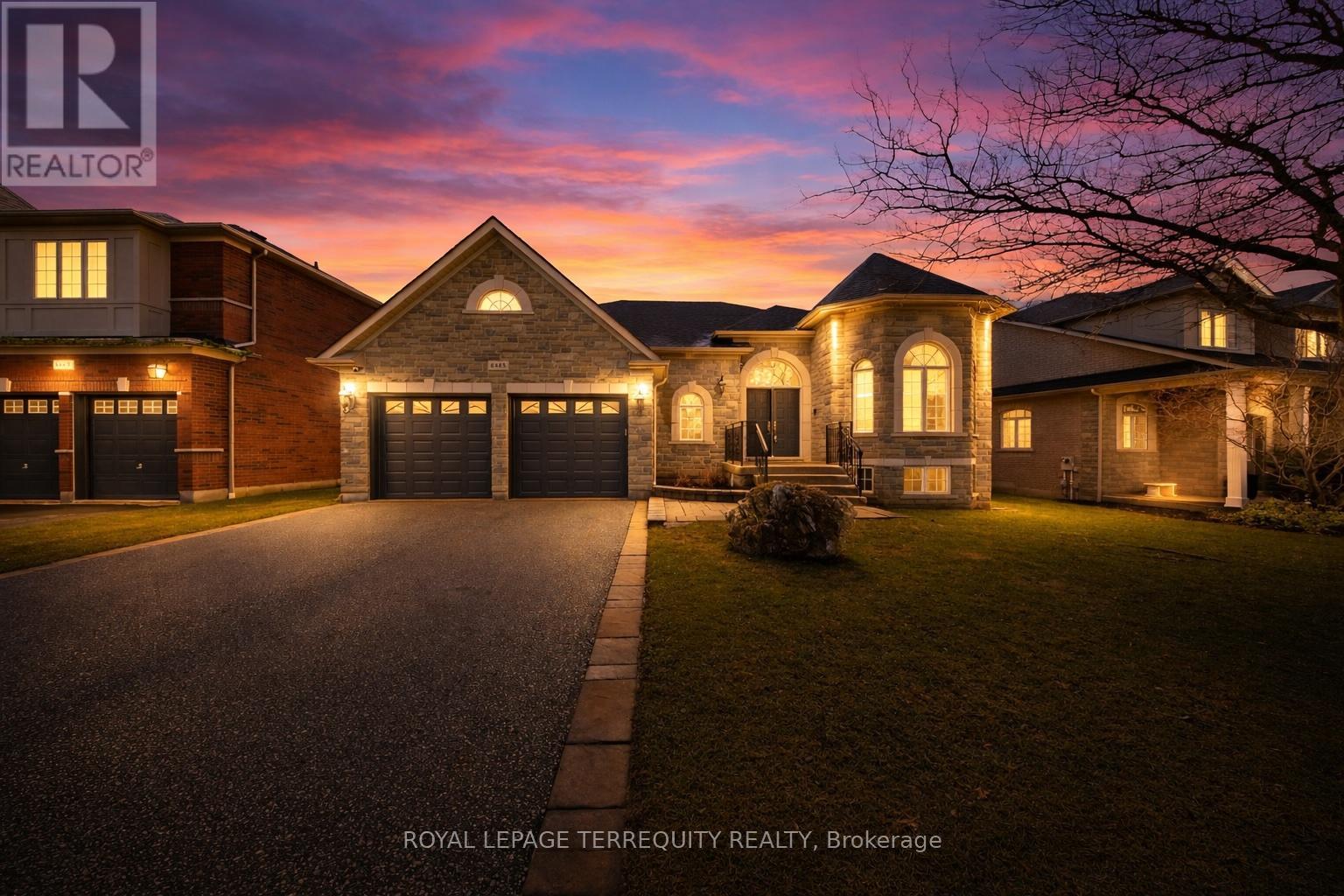 For Sale
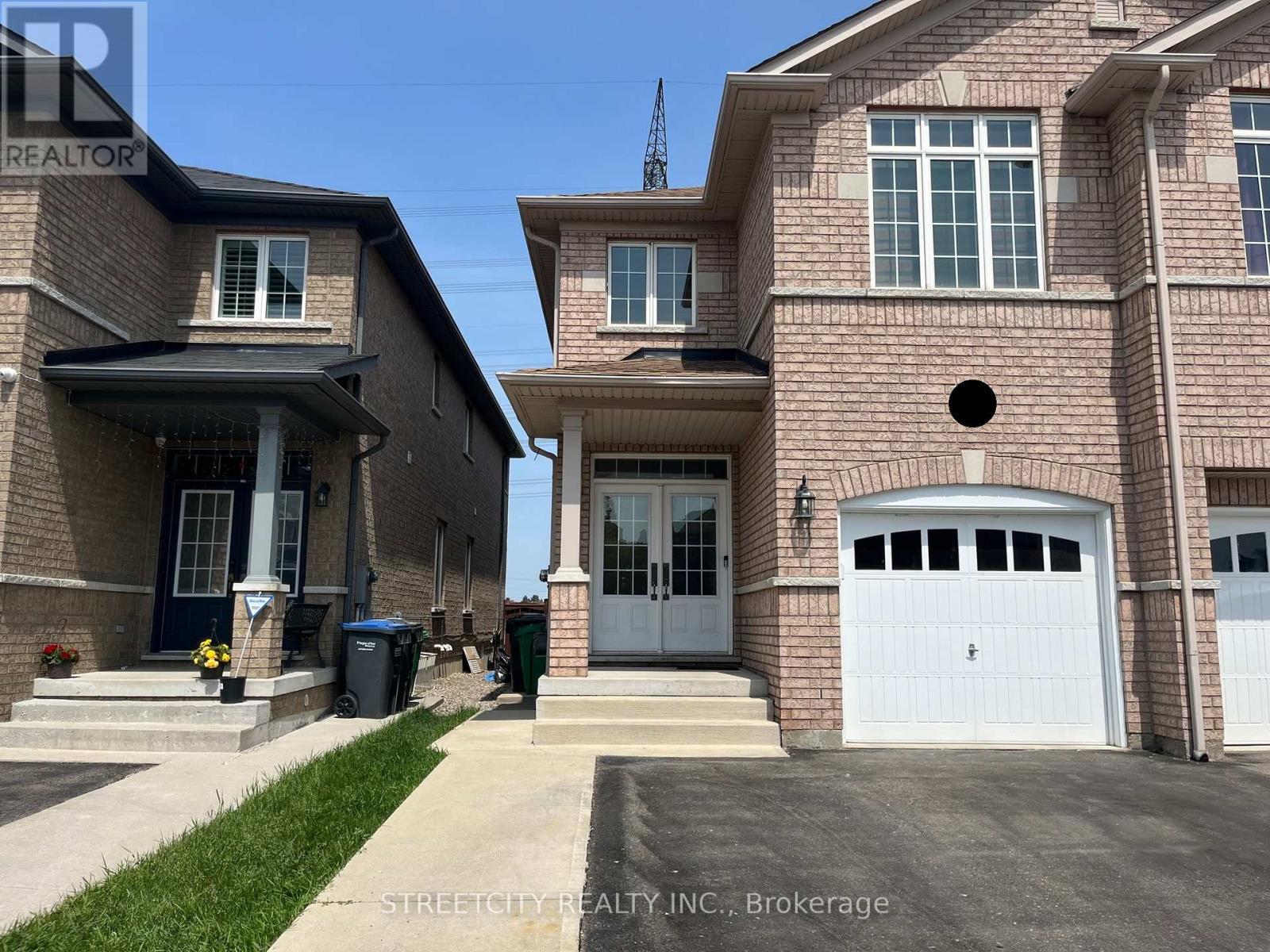 For Rent
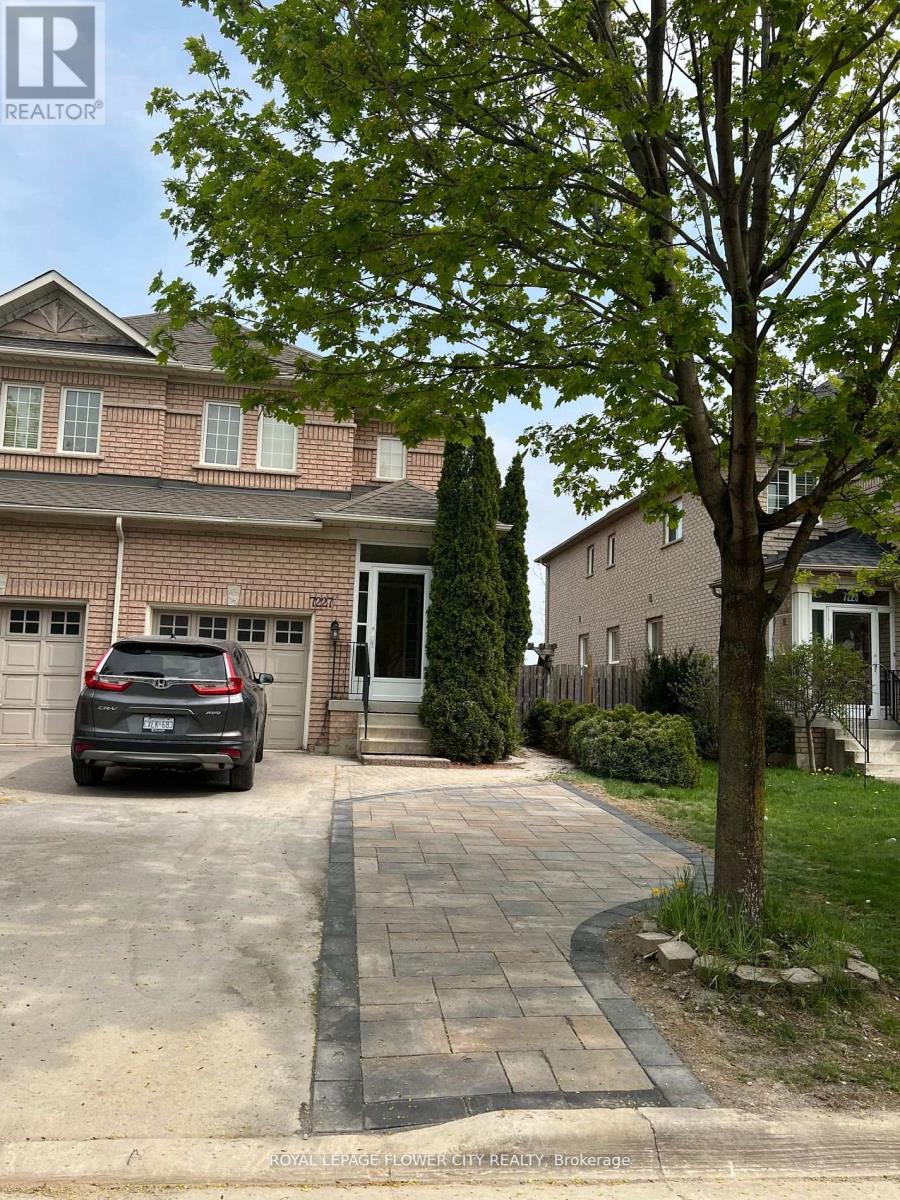 For Rent
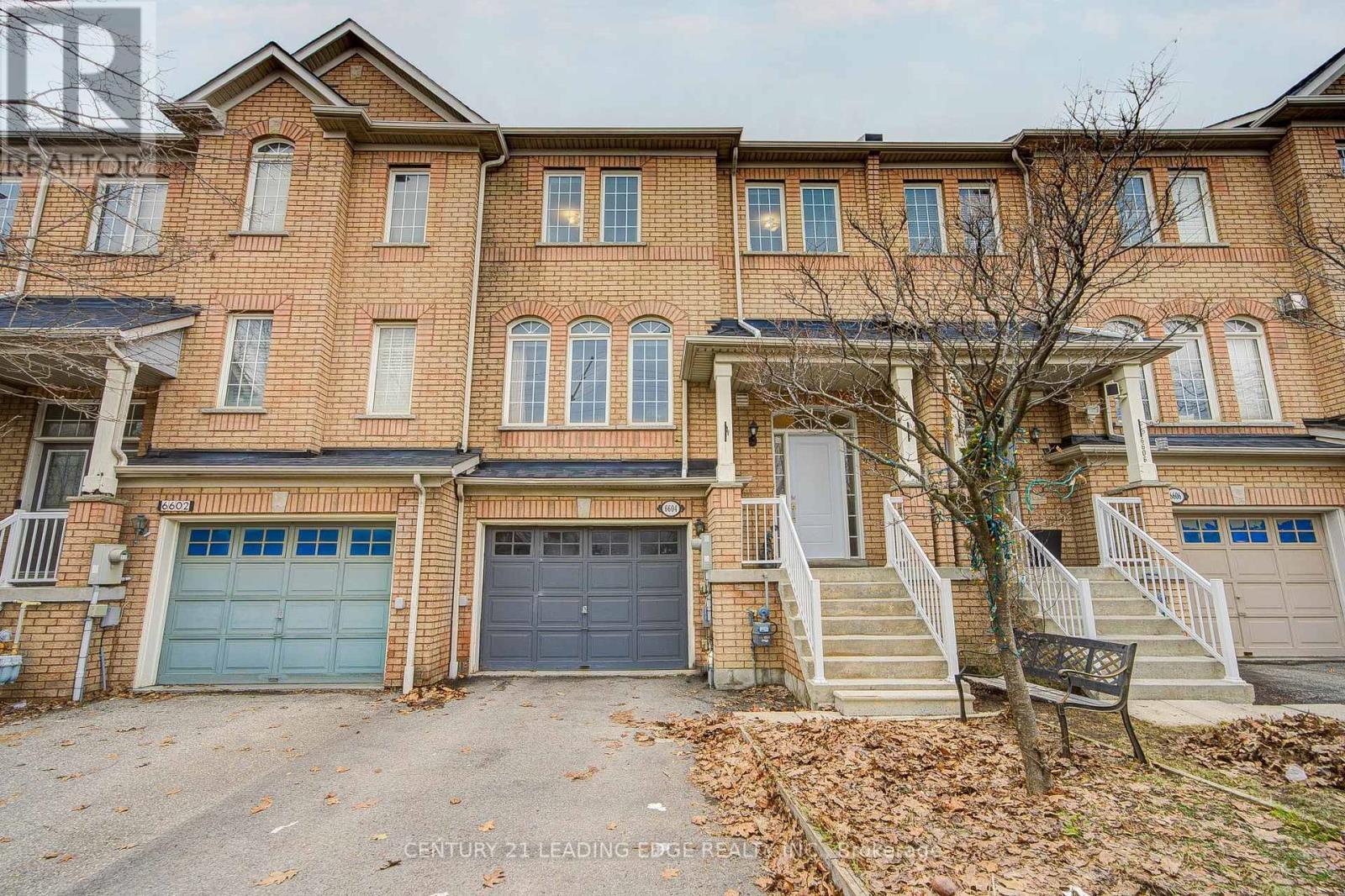 For Sale