
Rolling Acres is a northeast Whitby subdivision with newer family homes, positioned east of Thickson Road with access to both Whitby and Oshawa commercial corridors.
Rolling Acres is a northern-east Whitby neighbourhood positioned east of Thickson Road, developed in phases from the late 1990s through the 2010s as part of Whitby’s northern expansion. It shares the broad character of the northern Whitby newer communities: detached family homes on standard lots, wider streets, newer construction, and the family-oriented demographic typical of planned suburban growth areas. Its eastern position within northern Whitby gives it somewhat different access patterns to commercial services and the GO station compared to communities to the west.
The neighbourhood is named for the gently undulating terrain of the area, which provided some topographic variety to what might otherwise have been a uniformly flat suburban landscape. In practice, the elevation changes are modest by any standard, but the name reflects a genuine characteristic of the pre-development landscape that the builders chose to acknowledge.
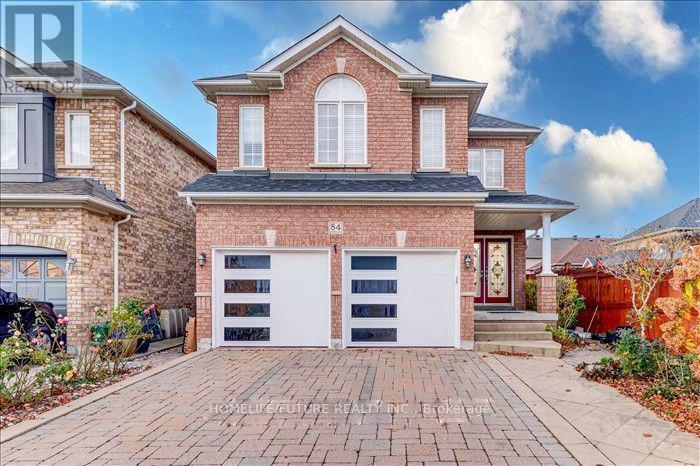
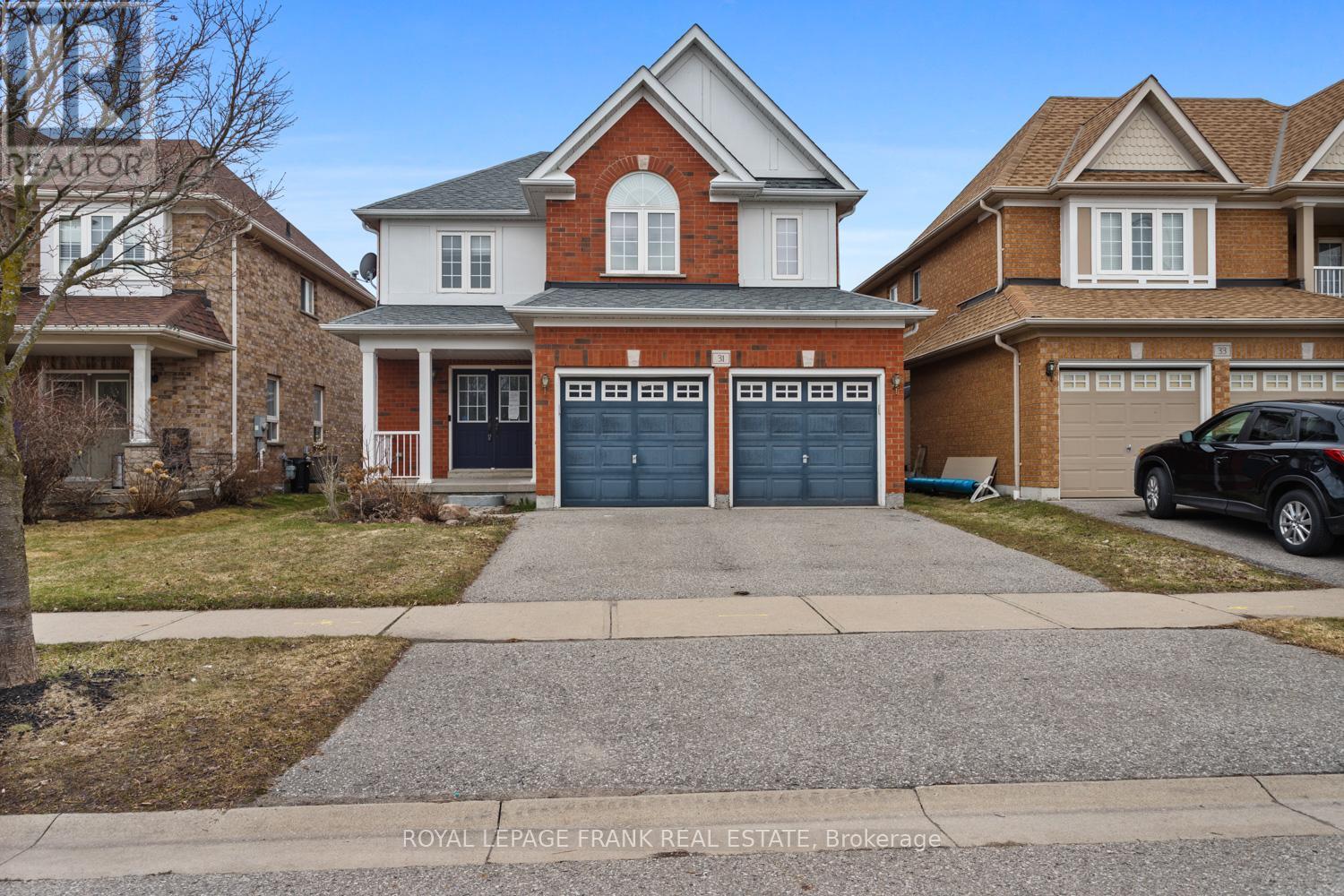
The housing is consistent with post-1990s Durham Region subdivision development: brick and siding detached homes, attached garages, and standard lot layouts. Multiple builders participated in the development of Rolling Acres across its various phases, creating some internal variation in home style and quality. Buyers should assess specific homes and streets rather than treating the neighbourhood as homogeneous.
Rolling Acres competes with Williamsburg to the west, Taunton North further north, and the established central Whitby communities to the south for the same family buyer pool. Its eastern position means that some residents find the Oshawa commercial areas along Taunton Road East and Rossland Road more accessible than the central Whitby commercial strips. This is a practical advantage for buyers whose daily services are actually closer in the east direction.
The neighbourhood delivers the standard newer suburban family home in northern Whitby at prices consistent with comparable communities. Buyers who choose it have typically done a practical comparison and found that specific available properties here meet their requirements at the right price.
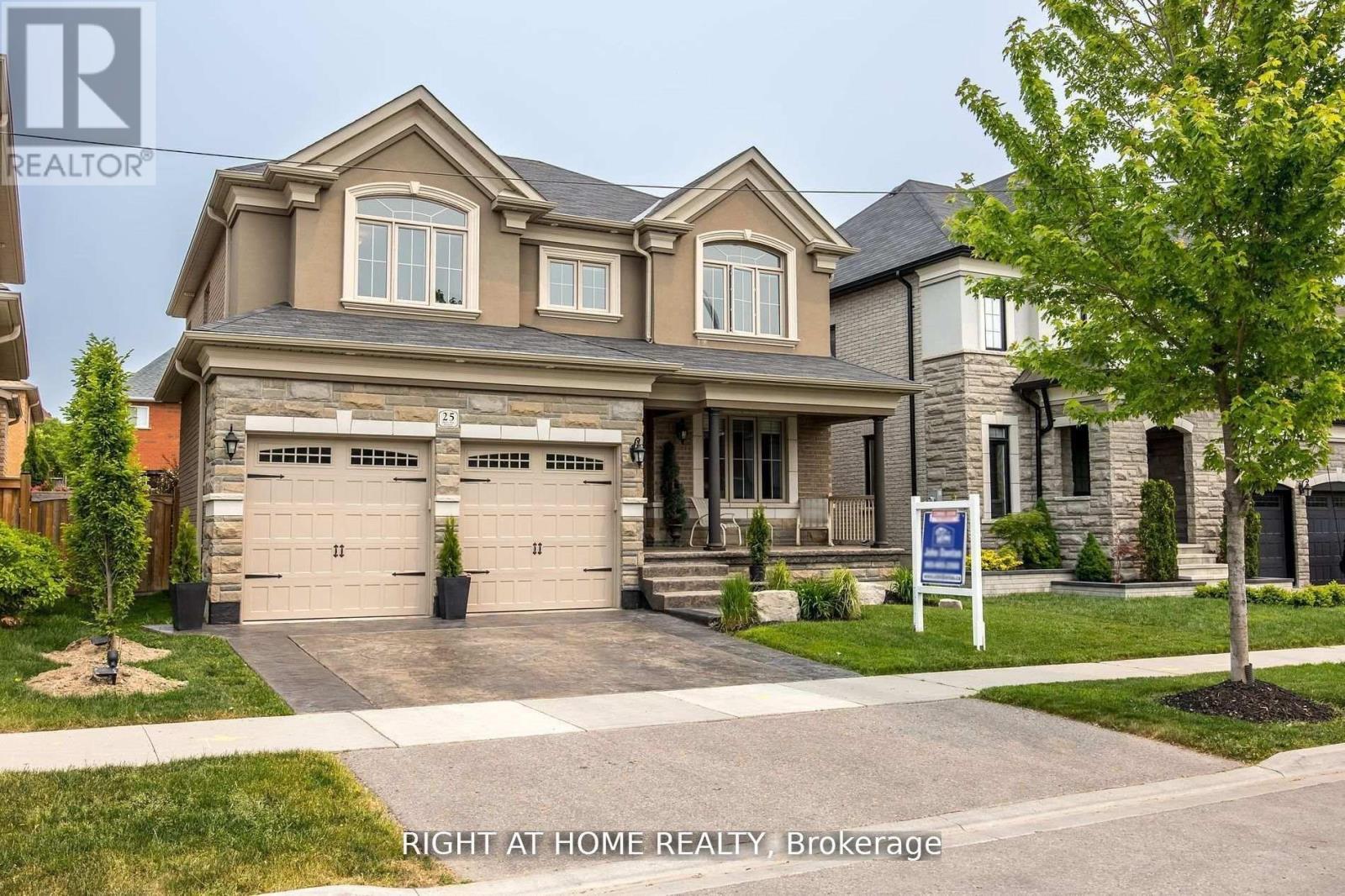
Rolling Acres prices are consistent with other northern Whitby newer subdivision communities. Detached homes in the neighbourhood were trading in the range of $900,000 to $1.2 million in early 2025, reflecting variation across the neighbourhood’s different phases and the range of home sizes and lot configurations available. The standard two-storey detached home forms the bulk of the market.
The variation within Rolling Acres is worth understanding. Earlier phases from the late 1990s have slightly larger lots and older construction that may be at the beginning of its renovation cycle. Later phases from the 2010s have newer construction in better condition but on tighter lots. The price per square foot across these phases reflects these differences, with newer construction typically commanding a modest premium per square foot despite the smaller lot dimensions.
Townhouses and semi-detached homes in Rolling Acres provide entry points below the full detached range. Townhouse pricing in the neighbourhood was generally in the $680,000 to $825,000 range, making these an accessible option for buyers who want to be in northern Whitby without the full detached price commitment.
Compared to communities directly to the west in central and southern Whitby, Rolling Acres offers newer construction at broadly similar prices. The comparison to established Whitby communities like Pringle Creek or Blue Grass Meadows shows that the same budget buys newer but smaller in Rolling Acres, or older but more spacious in the established areas. Which comparison favours is a matter of the specific buyer’s preferences.
Market pricing in Rolling Acres has followed the Durham Region trajectory through the 2020 to 2022 appreciation cycle and the subsequent correction. Current prices are above pre-2020 levels but below the 2022 peak, consistent with the broader northern Whitby market.
Rolling Acres has a standard newer suburban Durham market structure. Family buyers drive demand, the spring season is most active, and pricing tracks the regional market average for comparable newer communities. The market is healthy and functional without unusual volatility or speculative pressure.
The eastern position of Rolling Acres within northern Whitby gives it a slightly different buyer pool than communities further west. Buyers who are weighing proximity to the Oshawa commercial corridor as a factor in their decision may prefer Rolling Acres over communities positioned further from Taunton Road East. This geographic consideration affects a subset of buyers rather than the entire market.
New construction from adjacent development phases competes with resale inventory in some sections. Buyers and agents should understand whether active builder sales are occurring near a resale property under consideration, as this affects the competitive context for pricing the resale home.
Investor activity is minimal. The price range, the community character, and the distance from specific transit amenities do not attract the yield-focused investor profile that seeks out condominium and transit-adjacent markets. Owner-occupiers dominate and provide market stability.
Turnover reflects the typical family neighbourhood pattern: sellers are generally motivated by life events rather than speculation, buyers are making deliberate community choices, and the market has enough transaction volume to support reliable comparable sale analysis without the scarcity that affects thinner rural or niche markets.
Families who want newer construction in northern Whitby and whose daily life patterns align with eastern Whitby service access represent the core buyer segment. These buyers may work in Oshawa, Ajax, or along the Highway 407 east corridor, which makes the eastern position of Rolling Acres a practical advantage over communities further west in Whitby. They have compared the northern Whitby options and found that Rolling Acres fits their specific pattern of daily life.
First-time buyers accessing the detached market are present. The lower end of the Rolling Acres detached range is accessible for dual-income households who have saved consistently. The newer construction quality reduces the near-term capital requirements that would face buyers of older housing stock at similar prices, which is a practical advantage for buyers with limited reserves.
Move-up buyers from other Durham communities who want more space, newer construction, or a specific northern Whitby location for school catchment or proximity to employment are a consistent segment. These buyers have been in the region and know what they want. They are making a practical upgrade rather than a speculative bet.
Buyers comparing Rolling Acres to Williamsburg are making a lateral comparison between two communities with more similarities than differences. The choice between them often comes down to specific available inventory at the time of the search rather than strong neighbourhood preference. An agent who can provide side-by-side comparisons of specific available properties across both communities helps these buyers make a grounded decision.
The buyer profile in Rolling Acres is practical and functional. The community was designed for families, and families who fit the profile it was designed for find it suitable. Buyers who discover they value something specific that Rolling Acres does not offer, whether that is creek access, heritage character, or waterfront proximity, are better served by looking at the Whitby communities that provide those things.
Rolling Acres is a community building its social infrastructure. Schools have several years behind them and parent communities are active. Parks are used by families. Neighbours know each other at the street and block level. The community is in the maturation phase that follows initial development, and the trajectory is toward a more settled and established character over the coming decade.
Commercial services along Taunton Road East and the Rossland Road commercial corridor in east Whitby are accessible within 5 to 15 minutes by car depending on the specific destination. For residents whose daily life is oriented east toward Oshawa services rather than west toward central Whitby, the commercial access from Rolling Acres is actually better than from more westerly communities. The Oshawa centre and the commercial strips on Taunton Road East provide a full range of services without requiring a drive across central Whitby.
Brooklin is accessible to the north and provides the small-town main street character that northern Whitby families sometimes seek out on weekends or for specific local services. The Victoria Day parade and Brooklin’s community events draw Rolling Acres residents who use the hamlet as a community destination beyond their immediate neighbourhood.
The neighbourhood is quiet and safe with the character of a planned family suburb. Parents are comfortable with children outside. The physical infrastructure is relatively new and well-maintained. The visual consistency of newer construction creates a predictable residential environment that suits the demographic.
Community identity in Rolling Acres is still forming. The neighbourhood does not have the settled character of communities with 30 or 40 years of history behind them. This is appropriate for its age and stage of development, and buyers who are comfortable with a community that is still becoming what it will eventually be will find Rolling Acres a good place to be part of that process.
Whitby GO Station is approximately 15 to 20 minutes by car from Rolling Acres, somewhat longer than from communities in central and south Whitby. The route via Thickson Road heading south is the most direct. Durham Region Transit provides bus connections along Thickson Road and Taunton Road East that connect to the station. Total door-to-door time to downtown Toronto for Rolling Acres residents is approximately 65 to 85 minutes, at the longer end of the Whitby commute range.
Oshawa GO Station is accessible by car heading east along Taunton Road or Rossland Road and may be a viable alternative for some Rolling Acres residents depending on their specific address. Oshawa GO is typically a longer drive from Rolling Acres than Whitby GO, but buyers should check the specific distance from any target property before assuming which station is closer.
Highway 401 access is available via Thickson Road heading south or via Taunton Road East and then south on Winchester Road into Oshawa’s highway access. The route to the 401 is roughly 15 to 20 minutes from the neighbourhood. Highway 412 provides connection to Highway 407 east for commuters heading to Markham or York Region employment.
The eastern position of Rolling Acres makes it somewhat better positioned than western northern Whitby communities for access to the Oshawa commercial and employment areas. Residents with employment in Oshawa find the drive from Rolling Acres shorter than from Williamsburg or central Whitby. This is a specific practical advantage for a portion of the buyer pool.
Car dependence is total. All daily activities require driving. This is the standard condition for northern Whitby residential communities of this character and density.
Rolling Acres has neighbourhood parks throughout the development providing playgrounds, open space, and sports fields appropriate for its family population. The parks reflect current Durham Region subdivision standards and provide the daily recreational infrastructure that families with children need. They are actively maintained and well-used by residents.
The northern Whitby greenway connections and conservation area access available from Rolling Acres are consistent with what other northern Whitby communities provide. Heber Down Conservation Area is within 15 to 20 minutes by car and provides the primary natural trail destination for residents seeking more substantial outdoor access than neighbourhood parks offer.
Whitby’s waterfront parks are accessible by car in approximately 20 to 25 minutes. The eastern position of Rolling Acres makes the Ajax shoreline parks roughly comparable in distance to the Whitby waterfront parks, giving residents additional waterfront destinations accessible within a similar driving time.
The planned greenway trail connections in Whitby and Durham Region’s parks master plans include trails through the northern growth areas. As these connections are built out, Rolling Acres residents will have improved trail connectivity to the conservation corridor to the north. The timeline for these improvements is uncertain but the planning framework supports continued investment.
The absence of a creek corridor or significant natural feature within Rolling Acres itself is consistent with its development on agricultural land without such features. Buyers who prioritise direct natural access from their property are better served by the creek-adjacent communities in central Whitby than by the park-dependent outdoor amenity available in northern Whitby’s newer subdivisions.
Rolling Acres is served by DDSB schools in the northeast Whitby area. The specific elementary school catchment depends on the address within the neighbourhood. Parents should confirm current assignments with DDSB before purchasing, as the northeast Whitby area has had active enrollment management as the population has grown. Catchment boundaries may have changed since locally available information was last updated.
Sinclair Secondary School in Brooklin serves students from northern Whitby including Rolling Acres for DDSB secondary school. Students travel by school bus to Sinclair, which is approximately 10 to 15 minutes north depending on the specific Rolling Acres address.
DCDSB Catholic school options serve northeast Whitby through the appropriate elementary and secondary schools. Parents committed to the Catholic system should confirm catchment assignments with DCDSB before purchasing.
French immersion availability for Rolling Acres students should be confirmed with DDSB. Program availability and the designated school may have changed as the northeast Whitby student population has grown. Parents prioritising French immersion should verify current options with the board.
The schools serving Rolling Acres have been operating for several years and have established the parent communities and program continuity that characterise functioning school environments. The ongoing growth in the surrounding area means that enrollment management remains active, but the schools are no longer in the early-phase instability that brand-new schools experience when they first open. Buyers with school-age children should confirm current enrollment projections and any planned catchment changes with DDSB before committing.
Rolling Acres continues to have active development in some sections, consistent with other northern Whitby communities that are still filling in their planned development areas. As the neighbourhood completes its build-out, the construction activity will diminish and the community will settle into a more stable phase. This transition will take several more years in the most recently developed sections.
The Taunton Road East commercial corridor is subject to ongoing commercial development. New commercial properties and service centres are being added along this arterial as the population in the eastern Whitby growth area has increased. This commercial development improves the service access for Rolling Acres residents and is a positive long-term factor for the neighbourhood’s convenience.
The Oshawa boundary is relatively close to the east side of Rolling Acres. Future development in adjacent Oshawa areas will affect the character of the eastern fringe of the neighbourhood over time. As Oshawa and Whitby development meet at the boundary, the distinction between the two municipalities will matter less in practice for residents of the border areas. This boundary evolution is a long-term process rather than an immediate change.
Infrastructure aging will affect Rolling Acres in due course as roads, utilities, and public infrastructure from the late 1990s and early 2000s reach their maintenance cycles. Municipal capital plans for Whitby include infrastructure renewal work, and the city’s growing tax base supports the investment required. This is a background consideration rather than an immediate concern for current buyers.
Long-term value in Rolling Acres will be supported by Whitby’s overall growth trajectory, the natural maturation of the community character, and the commercial development of the surrounding area. The neighbourhood will continue to improve gradually as it matures from a newer subdivision to an established community over the next decade.
Rolling Acres as a residential neighbourhood is recent history. The land was agricultural through the twentieth century, part of the northern Whitby Township farmland that was surveyed in the early nineteenth century and farmed through the period before suburban development arrived. The name was applied to the development by the planners and builders who designed the community, reflecting the gentle topographic variation of the site.
The development of Rolling Acres was part of Whitby’s northern growth strategy that emerged from the official plan amendments of the 1990s. As Durham Region’s population grew and the demand for family housing extended northward from the established communities along Kingston Road and Dundas Street, the municipality planned new residential communities on the agricultural lands north of Taunton Road. Rolling Acres was one of several communities built to absorb this growth.
The first residents who moved into Rolling Acres in the late 1990s and early 2000s established the initial community character. Their investment in the schools, local organisations, and neighbourhood relationships created the foundation on which the current community is built. Many of these early residents remain in the neighbourhood, providing a core of long-term residents around whom newer arrivals integrate.
The eastern Whitby growth area that includes Rolling Acres represents a continuation of the suburban development pattern that has extended the GTA eastward through Durham Region over the past three decades. The story of Rolling Acres is part of a larger regional story about how housing demand, transportation infrastructure, and municipal planning combined to transform the agricultural landscape of Durham into the suburban communities that house a significant portion of the GTA’s population today.
Whether Rolling Acres will develop a distinctive community identity over time, or whether it will remain primarily defined by the generic category of newer northern Whitby subdivision, depends on the residents who choose to invest in the neighbourhood’s social fabric. The physical infrastructure for a community exists. The community itself is still being built.
Q: Is Rolling Acres closer to Oshawa or to central Whitby for daily services?
A: It depends on the specific address within Rolling Acres and the destination. The eastern sections of Rolling Acres are roughly equidistant between the central Whitby commercial corridor and the Oshawa commercial areas on Taunton Road East. Residents in the eastern sections often find that Oshawa services on Taunton Road East and Rossland Road are as close or closer than central Whitby services. Residents in the western sections of Rolling Acres are generally oriented toward Thickson Road and central Whitby services. Before purchasing, confirm the specific address’s practical orientation by mapping the drive to the grocery stores and services you use regularly. The answer may be different from what the general neighbourhood description suggests.
Q: How does Rolling Acres compare to Williamsburg for families with young children?
A: Both communities are similarly suited for families with young children. The key differences are position and specific school catchments. Williamsburg is west of Thickson Road and has slightly better access to central Whitby commercial services. Rolling Acres is east of Thickson Road with somewhat better access to eastern Whitby and Oshawa services. The school catchments differ and should be confirmed for any specific address in either community. The overall character of the two neighbourhoods is comparable, and families who are deciding between them should focus on the specific available properties, the school catchment for their children’s age group, and the practical orientation toward daily services based on their specific address.
Q: What are the builder issues to be aware of in Rolling Acres?
A: Multiple builders developed Rolling Acres across several phases, and their track records vary. Common issues in Durham Region homes from this construction period include inadequate lot drainage that leads to water in basements, early-generation high-efficiency furnaces from the late 1990s and early 2000s that are expensive to maintain, and settlement cracks in concrete that can indicate foundation movement. A thorough home inspection is essential for any purchase in this neighbourhood. Additionally, homes from the late 1990s are now approximately 25 years old, meaning original roofing, windows, and mechanical systems are entering their replacement cycle. Budget $15,000 to $30,000 in near-term capital expenses for any home in this vintage range that has not had recent major system replacements.
Q: What is the fastest way to get from Rolling Acres to Whitby GO Station?
A: The fastest route from Rolling Acres to Whitby GO Station is generally via Thickson Road heading south to the station area. Depending on the specific address within Rolling Acres, the drive takes approximately 15 to 20 minutes. Durham Region Transit bus routes along Thickson Road connect to the station, though the transit journey adds time. Riders who are commuting by GO regularly from Rolling Acres should check the specific early morning train departures from Whitby GO to confirm that the schedule aligns with their work start time, as the additional drive distance from Rolling Acres compared to more central Whitby communities is most relevant for the earliest departures when being a few minutes late for the train has a significant impact on arrival time.
Rolling Acres is a market where an agent’s practical value comes from accurate pricing, builder and phase knowledge, and helping buyers make informed comparisons across the northern and eastern Whitby newer community market. The same knowledge requirements that apply in Williamsburg and Taunton North apply in Rolling Acres, with the added consideration of the neighbourhood’s eastern position and its orientation toward both Whitby and Oshawa services.
The Whitby-Oshawa boundary context is worth addressing explicitly with buyers who may not understand that some services in the eastern area are technically in Oshawa. Property taxes, school boards, and municipal services operate within the respective municipality, and a buyer whose daily orientation is toward Oshawa rather than central Whitby should understand which municipality’s systems they will be interacting with for different purposes. An agent who can articulate this clearly prevents confusion that can otherwise emerge after purchase.
School catchment due diligence is essential for northeastern Whitby. The active enrollment management in this part of the DDSB system means that catchment boundaries may have changed recently. Buyers should always confirm current catchment directly with DDSB rather than relying on MLS listing descriptions or neighbourhood information that may be outdated. The specific school a child will attend from a given address, and any plans the board has to change that assignment, should be confirmed before the offer is written for buyers with school-age children.
Buyers comparing Rolling Acres to Williamsburg benefit from an agent who provides explicit side-by-side comparisons on price per square foot, specific school catchments, drive distances to key destinations, and available inventory. This comparison is more useful than general neighbourhood descriptions and helps buyers make grounded decisions. The agent who builds this comparison specifically for the buyer is doing more than showing properties; they are helping the buyer understand the market in a way that produces a better long-term outcome.
For buyers with employment in Oshawa or the east Durham area, an agent who understands the commute comparison from Rolling Acres versus from Oshawa neighbourhoods is providing context that makes the purchase decision clearer. Sometimes buyers in this position discover that an Oshawa address would actually be more practical for their daily life than a Whitby address, and an honest agent should surface that possibility rather than steering the buyer toward a Whitby sale for its own sake.
Street-level knowledge is hard to find online. Our team works in Mill Pond every day. They know which pockets hold value, where the school catchment lines actually fall, and what the market is doing right now. Talk to us before you make a decision about Mill Pond.
Talk to a local agent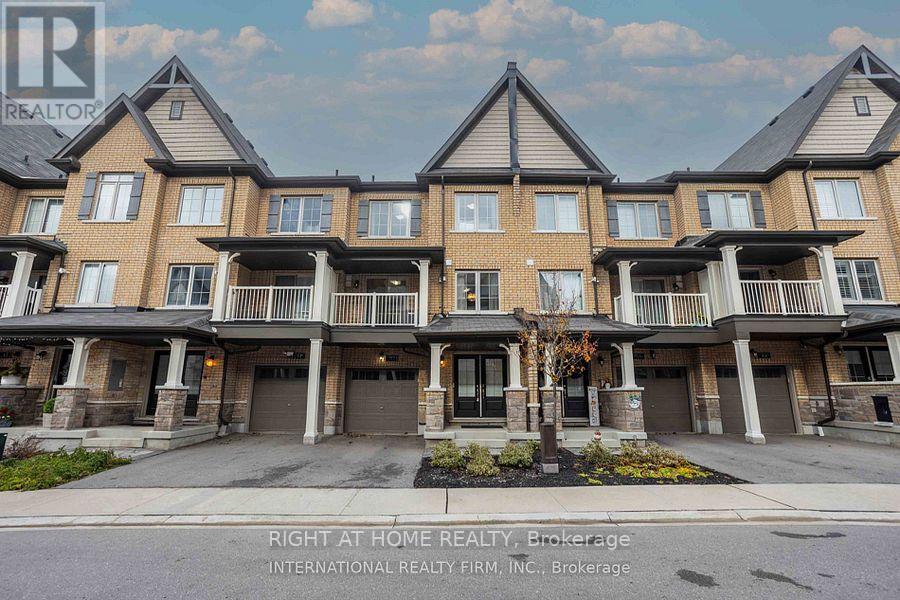 For Sale
 For Sale
 For Rent
 For Sale