
Milton is the town at the foot of the Niagara Escarpment north of Oakville and Burlington, with about 155,000 people, up by a fifth between the 2016 and 2021 censuses and still climbing. Toronto buyers come for a new four-bedroom house at about a third less than the Toronto average, with the escarpment at the end of the street, and they accept a GO line that runs only at rush hour to get it. Below are the houses and condos listed in Milton today.
Milton sits where Highway 401 meets the Niagara Escarpment, about 54 kilometres west of downtown Toronto, with Mississauga to the east across the 407, Oakville and Burlington to the south, and Halton Hills to the north. The town is big, about 363 square kilometres, and most of it is farmland and escarpment: the built-up town sits mostly south of the 401 between Tremaine Road and the 407, and the rest is Nassagaweya Township, Campbellville, Moffat and the Trafalgar farmland. The 2021 census counted 132,979 people, up a fifth from 2016, and Statistics Canada’s estimate had passed 157,000 by the middle of 2025.
Jasper Martin, who arrived in 1818, built the grist mill on Sixteen Mile Creek that the town grew around, and the mill pond and Main Street are still downtown Milton. The town was incorporated in 1857 and stayed small for more than a century. In 1974 the Town of Milton as it is now was formed from the old town, Nassagaweya Township and parts of Esquesing and Trafalgar townships. The growth came after 2000, when the fields south and east of the old town filled with subdivisions, and those subdivisions are now most of the town.
Houses outnumber condominiums in Milton’s listings by nearly four to one. A freehold house costs about a third less than the Toronto average, about 40 percent less than a house in Oakville and about a quarter less than one in Burlington. A condo costs about a fifth less than a Toronto condo. Among the GTA municipalities on the Lakeshore West and Milton GO lines, Milton has the cheapest houses.
It isn’t one market. The farm and estate parcels around the town, in Rural Trafalgar to the southeast and Rural Milton West and Nassagaweya on the escarpment, average above the Toronto freehold figure, because a listing there means acres of land and a house. Inside the urban boundary every neighbourhood averages below Toronto, and most average less than half of it. Scott, on the west side under the escarpment, is the most expensive urban neighbourhood. Timberlea and Dempsey, where most of what sells is a condo or a townhouse, have the lowest averages.
What comes to market in Milton is mostly a detached house or a freehold townhouse, most of it built after 2000, and the neighbourhoods are easiest to understand by the decade they were built.
The old town is Old Milton: Main Street, the mill pond, and the pre-war and post-war houses on the streets around them, with newer condo and townhouse infill along Main and Bronte Street. Timberlea, east of the old town, and Dorset Park and Bronte Meadows are the 1970s and 1980s subdivisions, the part of the new town with mature trees. Timberlea has a large stock of condo townhouses and apartments at the lowest prices in Milton.
The 2000s are east of the old town, in Dempsey, Clarke, Coates and Beaty, running out toward James Snow Parkway and the 407, much of it Mattamy’s Hawthorne Village. These are two-storeys on narrow lots with a garage in front and a porch, on crescents and courts, with freehold townhouses and condo townhouses mixed in. Dempsey has the most condos of the four and the lowest average; Beaty, nearest the 407, the highest.
The 2010s moved west and south. Scott and Harrison, between the old town and Tremaine Road under the escarpment, have higher prices, and Scott is the most expensive urban neighbourhood in the town. Willmott, Ford, Bowes, Cobban and Walker, south of Derry Road toward Britannia Road, are the Boyne area, the newest subdivisions, with a lot of townhouses and stacked towns and the builders’ sales offices. A fourth bedroom adds about 40 percent to a three-bedroom’s price here and a fifth about 70 percent, a narrower spread than in Oakville or Burlington because there is no lakefront estate band to pull up the top.
Condominiums are a small market, concentrated in Dempsey, Timberlea, Cobban, Old Milton and the Boyne neighbourhoods. Two bedrooms in a condo cost about half of a three-bedroom house; three bedrooms in a condo about two-thirds of one, so the step from a condo to a freehold is a short one here.
Renting is a real option, and a house for rent is easier to find than a condo. A house rents for about a fifth less than a house in Toronto, and a condo for about a fifth less than a Toronto condo; a house in Milton rents for less than a condo in Toronto. The listings for rent show asking rents by neighbourhood.
Milton prices move with Toronto’s, and the gap is the thing to watch: about a third on a house today. Milton is where a GTA buyer goes when the discount matters more than the commute, so watch the gap against Mississauga and Burlington too; if it narrows, the reason to drive the extra distance is shrinking.
Supply is the other difference. Milton has been adding subdivisions for two decades and the Boyne area is still being built, so a resale house in Clarke or Coates competes with a builder’s model home a few kilometres south. Before you offer on a resale, find out what the builder is selling the same house for, and use it.
The family calendar runs the market. Houses list in spring and again in September, timed to the school year, and go quiet in the summer and between mid-December and the end of January. A buyer who can move in July or January has more room to negotiate.
The rural market is separate. Farms, estate lots and escarpment properties in Nassagaweya, Campbellville, Moffat and Rural Trafalgar sell to buyers who want land and know what a well and a septic system cost, and they price above Toronto’s freehold average because of the acreage, not the house.
The two things that would change Milton’s market are both unbuilt: two-way all-day GO service on the Milton line, which the province has committed to and not funded, and the CN intermodal terminal on the edge of the town, approved with conditions that are still being amended. Neither has a date a buyer should price in.
Milton’s buyers are, to a large degree, young families from elsewhere in the GTA: from Mississauga and Brampton along the 401 and the 407, from Toronto’s west end, and from Oakville and Burlington, where the children of those towns can’t afford a house. The trade is plain: a new four-bedroom house for about two-thirds of the Toronto average, against a commute that is either a rush-hour-only train or a drive on the 401.
It is a young, international town. English is the first language of a little over half of residents, Urdu is second, then Arabic, Spanish and Punjabi, and more than a quarter of residents are South Asian. About half of residents are Christian and nearly a quarter are Muslim. Many buyers are moving closer to family already here.
Outside Main Street you drive to everything, so plan on two cars. The GO train runs ten trains to Union in the morning and ten back in the afternoon, and nothing in between, so anyone with irregular hours drives or takes the GO bus. The 401 through Mississauga is slow at 8am, and the 407 is fast and expensive. A couple who both work downtown should look at the Milton line’s schedule before they look at a house.
Milton also holds a good deal of work. The logistics and manufacturing belt along the 401 and Derry Road, with DSV, Gordon Food Service, Karmax, Modatek, Princess Auto and Uline, employs thousands, and the hospital, the two provincial correctional centres and Laurier’s new campus add more.
Milton’s listings are sorted by the real estate board’s community names. Four of them have pages on this site; the links are below. Here they are, from the old town outward.
Old Milton is downtown: Main Street, the mill pond, Victoria Park and the pre-war houses around them, with condo and townhouse infill along Main and Bronte Street, and the GO station at its east end. Timberlea, east of the old town, is the 1970s and 1980s subdivision with the town’s largest stock of condo townhouses and apartments and its lowest average price. Dorset Park, east of Timberlea, and Bronte Meadows, on the west side of the old town, are the same era in detached houses.
East of Thompson Road are the 2000s: Dempsey, nearest the old town and the station, with the most condos and the lowest average of the four; Clarke and Coates, the middle of the district around Louis St. Laurent Avenue and Derry Road, with two-storeys on narrow lots and the Milton Sports Centre; and Beaty, the easternmost toward the 407, with the highest average of the four and the shortest drive to Mississauga.
West of the old town, under the escarpment, Scott and Harrison are the 2010s, between Bronte Street and Tremaine Road. Scott, north of Derry Road, has the highest average of any urban neighbourhood in Milton; Harrison, south of Derry, is a little cheaper and closer to the Mattamy National Cycling Centre and the hospital.
South of Derry Road, the Boyne area is the newest Milton. Willmott, between Bronte Street and Regional Road 25, is the oldest part of it, built through the 2010s. Ford, Bowes, Cobban and Walker fill the rest of the Boyne area toward Britannia Road, with a lot of stacked towns, and Cobban has a condo share close to Dempsey’s. Bowes has no condos at all and the highest average of the five.
North of the 401, Milton North is mostly industrial land, with very few listings. Beyond the urban boundary the rural communities begin. Rural Milton West, the escarpment land west of Tremaine Road, has estate properties and farms at the highest average of the rural areas apart from Rural Trafalgar. Campbellville, the village at Guelph Line and the 401 beside Kelso and the Mohawk racetrack, has century houses, rural lots and the Crawford Lake and Hilton Falls conservation areas on its doorstep. Moffat, in the northwest corner of Nassagaweya, is the smallest market in the town, a few farms and rural houses. Rural Nassagaweya is the rest of the township, Brookville and Haltonville are the hamlets at its northern edge, and Rural Trafalgar is the farmland southeast of the town toward the 407, with the highest average price in Milton.
The four linked pages go into streets, schools and transit and give recent sale prices.
Milton GO, on Main Street East near Thompson Road, is the end of the Milton line, and the line is a rush-hour service. Ten trains leave for Union in the morning, from six o’clock to half past eight, and ten come back in the afternoon and evening, from about a quarter to four to just after seven. The trip takes about an hour. There are no midday trains, no evening trains after the last one home and no weekend trains; GO buses fill the gaps, to Square One, Kipling or Union, and they take longer. The station has about 1,100 parking spaces.
The reason is the track. The Milton line runs on a corridor owned by the freight railway CPKC, and GO can run only the trains the railway’s own traffic allows. The province has committed to two-way all-day service and published a plan in 2024 that put the cost of the dedicated tracks it needs at more than $6 billion, and the work is not funded. Buyers who count on the GO should plan around today’s schedule. If your hours don’t fit it, Lisgar GO in Mississauga has the same rush-hour-only service; Oakville and Bronte GO on the Lakeshore West line have all-day trains, a drive down Regional Road 25 or the 407 away.
For drivers, Highway 401 runs through the middle of the town and is the way to Mississauga, Pearson and Toronto; the 407 toll road forms the eastern boundary and is the fast, expensive way to Vaughan, Markham and the airport; and Regional Road 25, James Snow Parkway, Derry Road, Britannia Road and Steeles Avenue carry the local traffic. The 401 between Milton and Mississauga is slow at 8am.
Milton Transit runs 11 regular routes and three school routes with about 40 buses, timed to the GO trains at Milton GO, plus on-demand service in the 401 industrial area, Derry Green and the Boyne neighbourhoods. One route connects to Lisgar GO and MiWay in Mississauga. Cycling is good on the trails along Sixteen Mile Creek and the hydro corridors and in the escarpment parks, and poor on the arterial roads.
Milton has the Niagara Escarpment inside its boundary, and most of its green space is on the cliff. Kelso Conservation Area, about four square kilometres west of the town at the foot of the escarpment, has Kelso Lake, built for flood control on Sixteen Mile Creek, with a beach and boat rentals in summer, mountain bike and hiking trails and campsites. The Glen Eden ski hill is there too, 15 runs on a 72-metre drop with night skiing. Rattlesnake Point, south of Kelso, is ten kilometres of cliff edge and forest trail on the escarpment, with climbing routes bolted into the limestone and trails running to the Bruce Trail and across the Nassagaweya Canyon to Crawford Lake. Hilton Falls, Crawford Lake and Mountsberg are the other Conservation Halton parks within the town, and the Bruce Trail runs the length of the escarpment through all of them.
Inside the urban boundary, Sixteen Mile Creek runs from the escarpment through the old town and the mill pond, and the town’s trail network follows it and the hydro corridors between the subdivisions. The Mattamy National Cycling Centre, opened in January 2015 for the Pan American Games, is the town’s landmark building: a 250-metre indoor track that is home to Cycling Canada’s national program, with a public gym, a running track and courts around it. The Milton Sports Centre in Coates and the Milton Leisure Centre downtown have the pools and rinks.
The rural half of the town is working farmland and escarpment forest, with the Mohawk racetrack at Campbellville, the Halton Region Museum at Kelso and the Country Heritage Park at the foot of the escarpment. A buyer who moves to Milton for the outdoors should look at Scott, Harrison and Rural Milton West, where the escarpment is at the end of the street.
Main Street in Old Milton is the one main street, a few blocks of independent restaurants, cafés and shops between the mill pond and the GO station, with a farmers’ market on Saturdays in season. Everything else is in plazas. Milton Mall on Main Street East is the enclosed one, and the big-box district around Steeles Avenue, James Snow Parkway and the 401 has the grocery stores, Walmart, the Real Canadian Superstore and the warehouse clubs. Derry Road and Louis St. Laurent Avenue carry the plazas that serve the subdivisions, and the town’s food follows its population, with South Asian and Middle Eastern grocers and restaurants on both.
Milton District Hospital, on Derry Road at Bronte Street, opened in 1959 and was rebuilt in 2017 with a 330,000-square-foot addition that tripled the emergency department’s capacity, doubled the beds to 129 and gave the town its first MRI machine. It is run by Halton Healthcare, with Oakville Trafalgar Memorial Hospital as the larger hospital for anything it does not do.
Work in Milton is along the 401 and Derry Road. DSV’s logistics campus, Gordon Food Service’s Ontario distribution centre, the Karmax and Modatek auto parts plants, Princess Auto’s warehouse and Uline’s distribution centre each employ hundreds, and Mattamy Homes has offices here. Maplehurst Correctional Complex and the Vanier Centre for Women, side by side, are large provincial employers. Wilfrid Laurier University’s Milton campus, which opened its first classes in autumn 2024, and the hospital add professional jobs.
In Milton the English public schools belong to the Halton District School Board and the English Catholic schools to the Halton Catholic District School Board. Both run French immersion, and each has application-based programs drawing students from across the region; an address beside one of those schools carries no right to a place in it.
Craig Kielburger Secondary School, on the east side, runs the public board’s International Baccalaureate program for Milton. Milton District High School, the old town’s school, and Elsie MacGill Secondary School offer Advanced Placement. On the Catholic side, Bishop P.F. Reding is the long-established school and St. Francis Xavier and St. Kateri Tekakwitha the newer two; St. Kateri was authorized as an International Baccalaureate World School in February 2026, with the diploma program in Grades 11 and 12 and a pre-IB stream in Grades 9 and 10. New schools open as the subdivisions fill, so a buyer in the Boyne area should ask which school the house feeds today and whether that changes when a planned school opens.
Boundaries are drawn by the boards and redrawn as schools open, which in Milton is often. In Clarke, the two sides of one street can be assigned to different elementary schools. Both boards publish an address lookup. A school named in a listing is a claim, not a fact, until the lookup confirms it.
Wilfrid Laurier University’s Milton campus opened its first classes in autumn 2024 on land the town donated for the Milton Education Village on the west side, with programs in science, technology, engineering, arts and mathematics. Its growth is one of the things that will decide what the west side of Milton becomes.
Milton is still building the town. The Boyne area south of Derry Road, Willmott, Ford, Bowes, Cobban and Walker, is where builders are selling now. The town’s planning projections point to about 228,000 people by 2031, so the building has years to run.
The CN Milton Logistics Hub is the project the town fought. CN plans an intermodal terminal on about 1,200 acres of its own land at the edge of the urban area, with more than 20 kilometres of track, to move containers between trains and trucks, with an estimated 1,600 truck trips a day. A federal review panel reported in January 2020, the federal government approved the project with conditions, and those conditions were amended in July 2022 and updated again in September 2026. A buyer in the Boyne area should ask where the site is and which roads the trucks will use.
Two-way all-day GO service on the Milton line is the project the town wants. The province has committed to it and published a plan in 2024 costing the dedicated tracks at more than $6 billion, with no funding and no date, and the corridor belongs to CPKC. If it happens, the neighbourhoods within a walk of Milton GO, Old Milton, Dempsey and Timberlea, gain the most. Until it does, Milton is a town with a rush-hour train.
Laurier’s Milton campus, open since autumn 2024 after 16 years of planning, a cancelled funding deal in 2018 and a second approval in 2021, is the seed of the Milton Education Village on the west side. The hospital on the same side of town was rebuilt in 2017. To buy before any of it is finished, look at Old Milton and Dempsey around the station, and at Harrison and Willmott on the west side.
Is Milton cheaper than Toronto?
Yes, by about a third for a house and about a fifth for a condo, and Milton has the cheapest houses of any GTA municipality on the Lakeshore West or Milton GO lines. A house here costs about 40 percent less than one in Oakville and about a quarter less than one in Burlington. The gap holds across the urban neighbourhoods: every one of them averages below the Toronto freehold figure and most average less than half of it, with Scott on the west side the most expensive and Dempsey and Timberlea, where most listings are condos or townhouses, the cheapest. The gap closes only in the rural areas, where a listing in Rural Trafalgar or on the escarpment in Rural Milton West is a farm or an estate on acres of land and averages above Toronto. Set two extra costs against the saving. Plan on two cars, because outside Main Street you drive to everything, and the commute is either a rush-hour-only train of about an hour or the 401. And a new house carries new-house costs: the fences, the landscaping, the finished basement and the window coverings that a 1970s house in Burlington already has. Property tax is set by the town and Halton Region together; check the town’s budget page for the current year’s increase before you compare mortgages. The town’s current prices, and each neighbourhood’s, are updated daily on their pages.
How do you commute from Milton to downtown Toronto?
On the GO train if your hours fit it, and otherwise by car. The Milton line runs ten trains to Union in the morning, from six o’clock to half past eight, and ten back in the afternoon and evening, from about a quarter to four to just after seven, and the trip takes about an hour. There is nothing midday, nothing late and nothing on weekends, because the track belongs to the freight railway CPKC and GO runs only the trains the railway allows. GO buses fill the gaps to Square One, Kipling and Union and take longer. If the Milton schedule doesn’t fit, Lisgar GO in Mississauga has the same rush-hour-only timetable, and Oakville or Bronte GO have an all-day train on the Lakeshore West line at the cost of a drive down Regional Road 25 or the 407 each way. If you drive all the way, the 401 from Milton through Mississauga is slow at 8am and the Gardiner is slow after it; the 407 is fast and costs real money every day. The province has committed to two-way all-day trains on the Milton line and costed the dedicated tracks at more than $6 billion in 2024, with no funding and no date, so buy for the schedule that exists. For a household with one partner working in Milton, in Mississauga’s employment lands or along the 401, and one taking the morning train, the arrangement works.
Which Milton neighbourhoods are best for families?
Almost all of them. The town was built for families with children after 2000, and Clarke, Coates, Beaty, Scott, Harrison and Willmott each have the same ingredients: a detached house with four bedrooms or a freehold townhouse with three, an elementary school and a park within walking distance, a trail link to the next neighbourhood, and crescents without through traffic. Clarke and Coates, the middle of the 2000s district, have the Milton Sports Centre and Craig Kielburger Secondary School with the public board’s International Baccalaureate program. Beaty is the same at a slightly higher price with the shortest drive to the 407. Scott and Harrison on the west side have the hospital and the cycling centre, and the escarpment at the end of the street, at the highest urban prices in the town. Willmott and the Boyne neighbourhoods have the newest houses, Elsie MacGill Secondary School, and some schools still to be built. The Catholic board’s new IB program at St. Kateri Tekakwitha takes students from across the town by application. Timberlea and Dorset Park, the 1970s and 1980s subdivisions, have the mature trees and the lowest prices, and a family that wants an older street with trees over a newer kitchen should look there first. Catchments change often in a town that is still opening schools, so the neighbourhood name settles nothing; put the exact address into each board’s online lookup.
Will Milton get all-day GO trains?
Not soon, and nobody can tell you when. The province has committed to two-way all-day service on the Milton line and published a plan in February 2024 that put the cost of the dedicated tracks the service needs at more than $6 billion, but the work is not funded and has no construction date. The obstacle is ownership: the corridor belongs to the freight railway CPKC, which runs its own trains on it, and GO can add passenger trains only where the railway agrees or where Metrolinx builds separate track. The 2008 regional transit plan promised all-day service within 15 years; the 2013 update pushed it past 2029; a 2017 update pushed it beyond a 25-year horizon. Buyers have been told it is coming for the whole life of the new town. The practical advice is to buy for the schedule that exists: ten trains in each direction at rush hour, about an hour to Union, and GO buses or a drive to Lisgar, Oakville or Bronte GO the rest of the time. If all-day service does come, the neighbourhoods within a walk of Milton GO, Old Milton, Dempsey and Timberlea, would gain the most, because they are among the cheapest in the town today and would become the ones with the commute. A buyer who wants to bet on it should buy there and be prepared to wait a decade or more.
The Milton line runs ten trains to Union in the morning and ten back, on a corridor CPKC owns, and nothing else, so a buyer here is choosing the discount over the commute. A Toronto agent who hasn’t lived with that timetable won’t say so plainly. They also won’t know that a Clarke or Coates resale is competing with a builder’s model home a few kilometres south in the Boyne area, or that school boundaries here move every time a new school opens.
The agent we refer Milton buyers to works both the 2000s subdivisions and the escarpment townships. A brief could be a Willmott freehold townhouse under a set price, or a Scott four-bedroom with the escarpment behind it and a walk to the station. They’ll tell you what the builder is asking for the same house, check the boundary for the address, and explain what a well and a septic inspection involve in Campbellville or Nassagaweya.
Start with the four linked pages above, then write to us, and we’ll set up the introduction.
Street-level knowledge is hard to find online. Our team works in Milton every day. They know which pockets hold value, where the school catchment lines actually fall, and what the market is doing right now. Talk to us before you make a decision about Milton.
Talk to a local agent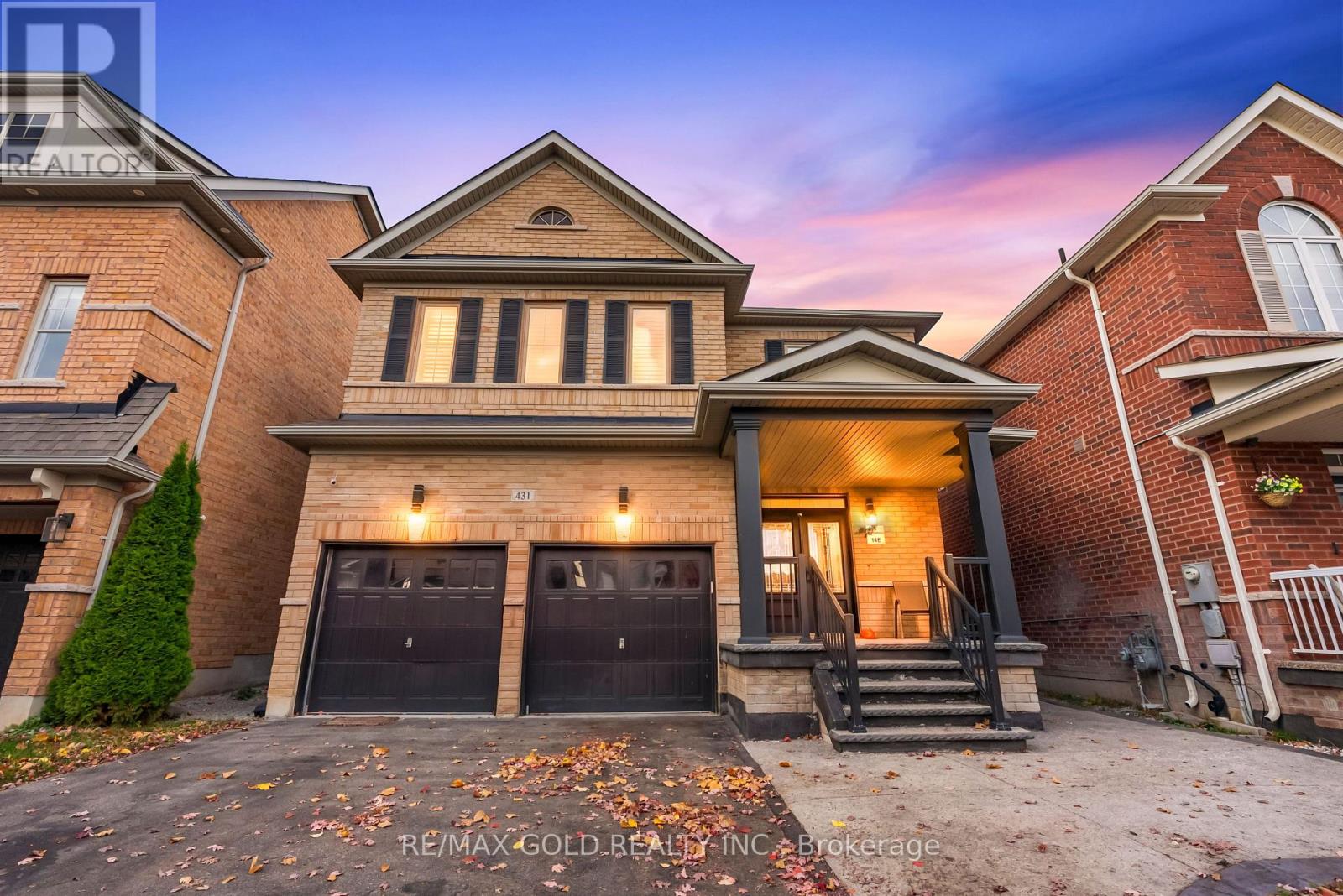 For Sale
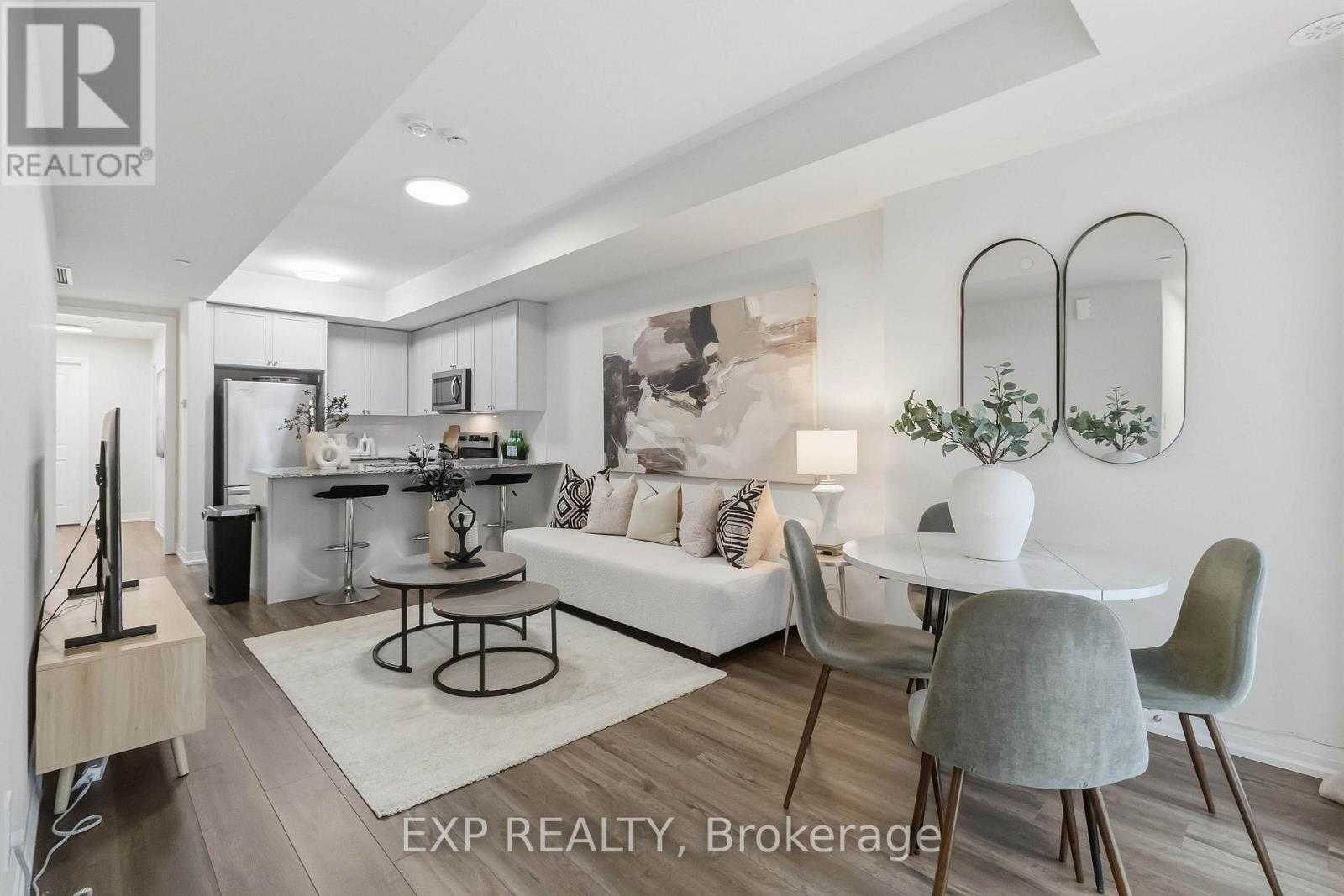 For Sale
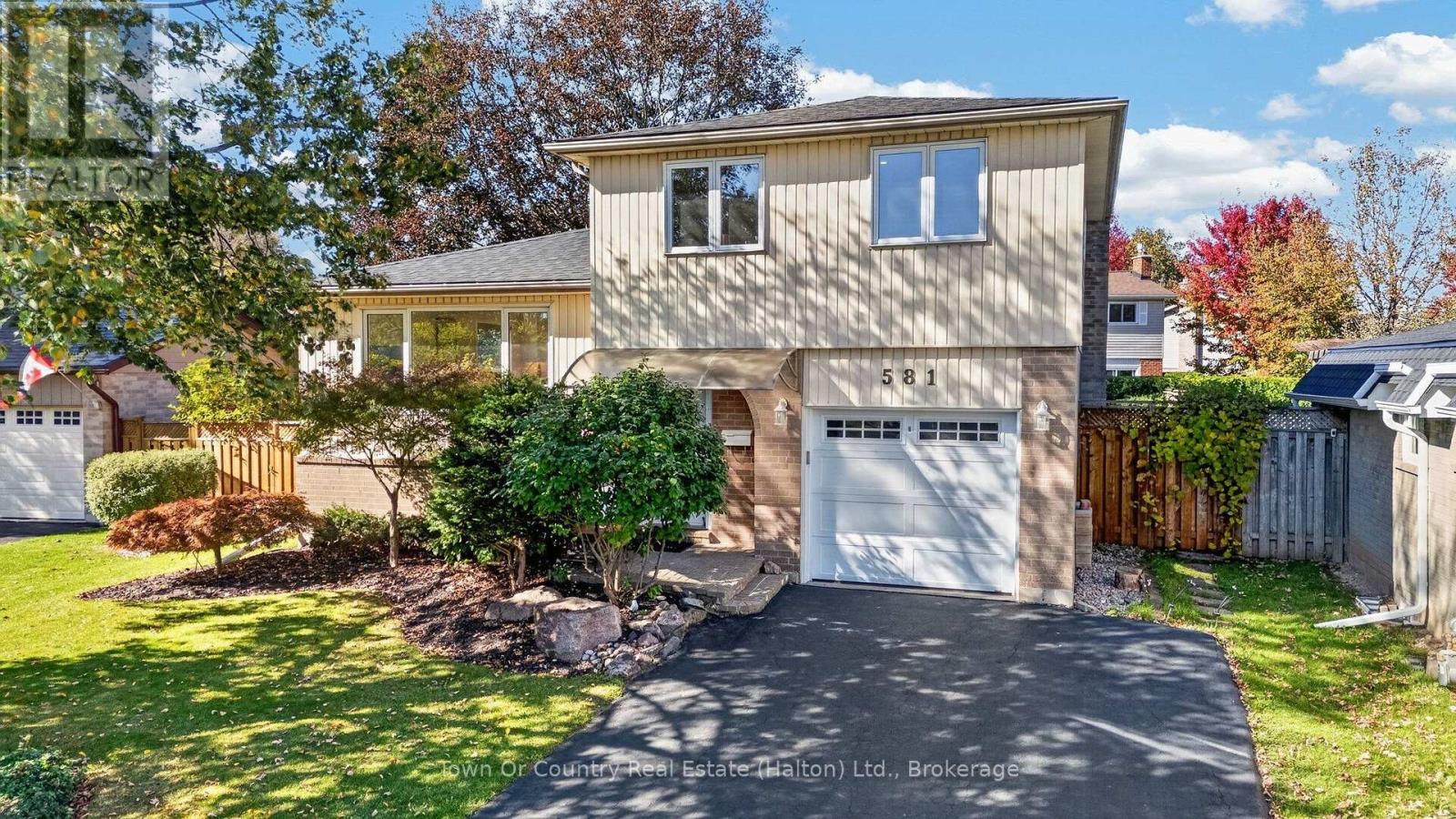 For Sale
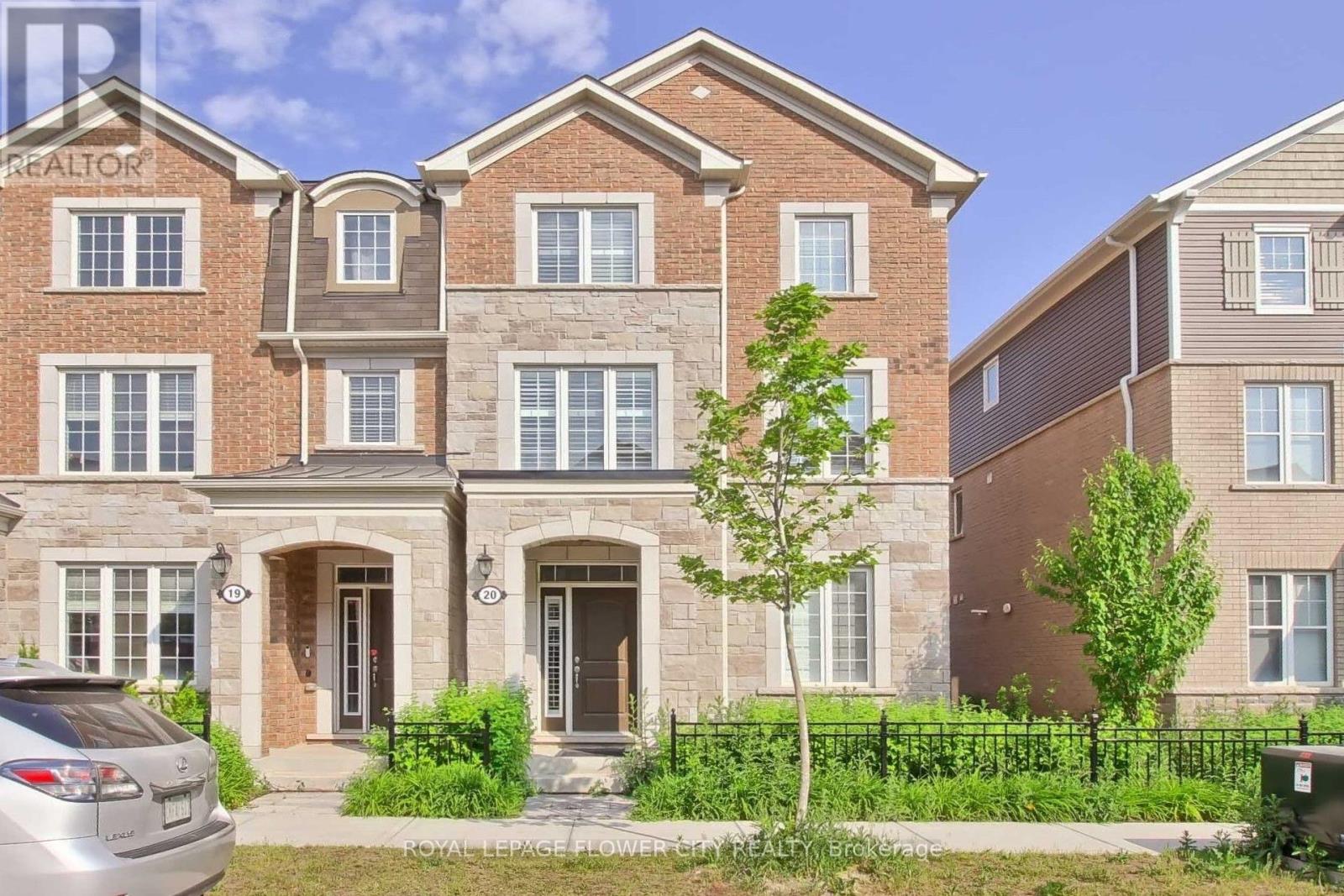 For Rent