
Mississauga Valleys is an established central Mississauga neighbourhood built along creek valley corridors in the 1970s and 1980s. It offers detached homes, semis, and townhomes at accessible prices, with Cooksville GO station nearby and the Hurontario LRT coming to its eastern edge. A practical family neighbourhood with genuine green space within walking distance.
Mississauga Valleys sits in the geographic middle of Mississauga, where the city’s central plateau drops into a series of creek valleys that give the neighbourhood its name. The area was developed primarily between the late 1960s and mid-1980s, and the housing stock reflects that era: a mix of detached homes, townhomes, and apartments built for the families that were moving into Mississauga as it grew from a collection of communities into a city.
The neighbourhood sits roughly between Hurontario Street to the east, Mavis Road to the west, Burnhamthorpe Road West to the north, and the QEW to the south. Cooksville GO station on the Lakeshore West line is accessible to the east, and the Hurontario LRT will bring rapid transit directly to the community’s eastern boundary when it opens. These two transit assets make Mississauga Valleys one of the better-connected established neighbourhoods in central Mississauga.
The valley setting gives the community a physical character distinct from the flat suburban grid that defines much of central Mississauga. Streets follow topography here, which produces varied sightlines, natural tree cover along the creek corridors, and pockets of genuine greenness within walking distance of most addresses. It’s a physical quality that buyers notice on first visit and that residents consistently cite when explaining why they’ve stayed.
Pricing here is more accessible than in south or west Mississauga’s premium areas, which makes Mississauga Valleys a practical option for families who want a detached home in central Mississauga without paying Lorne Park or Mineola prices. The trade-off is that the neighbourhood doesn’t have the prestige address of those communities, the housing stock is older and variable in condition, and some streets are more appealing than others. The work of buying well here is in finding the right street and the right property, which is where local market knowledge matters.
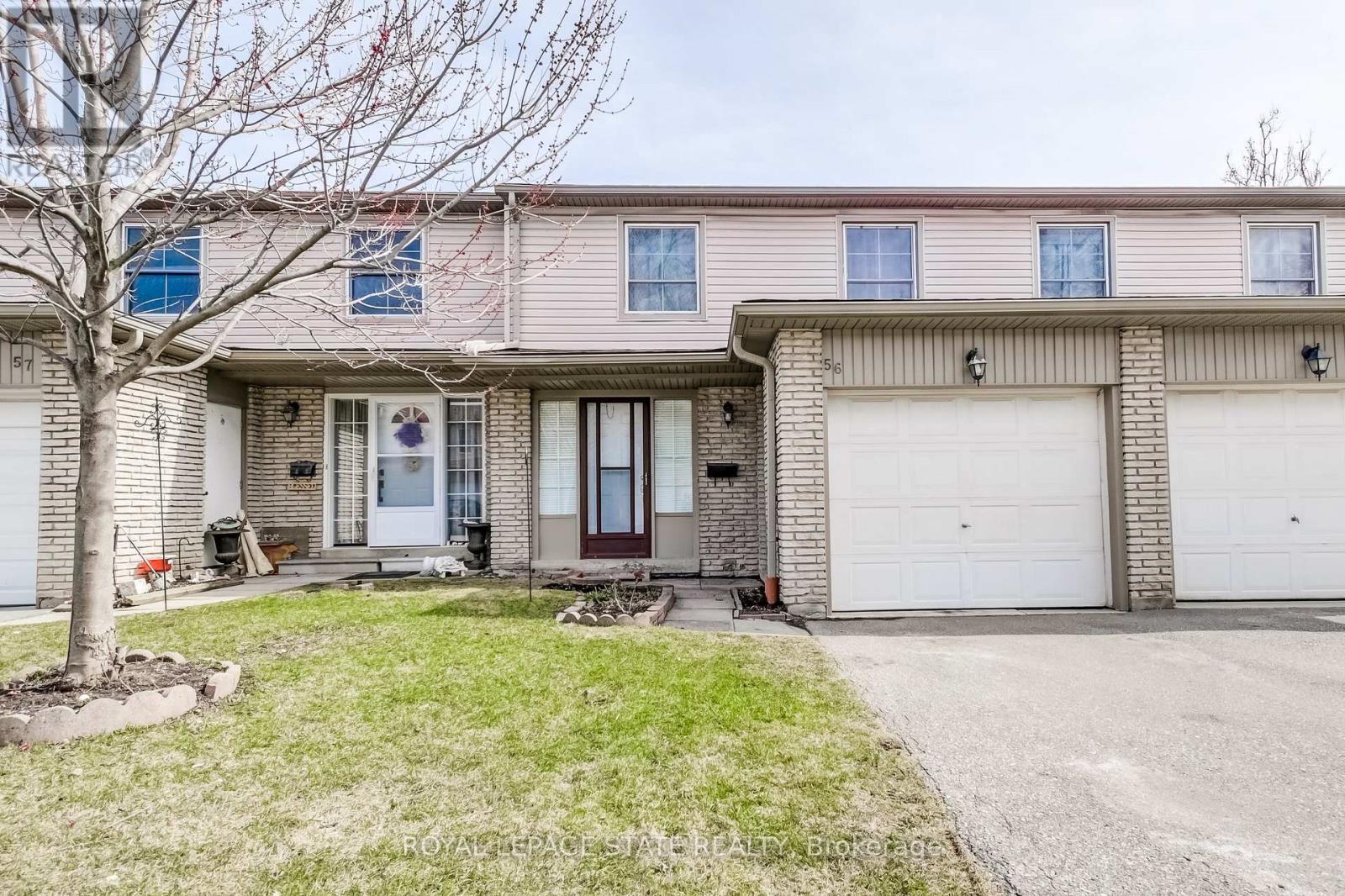
Mississauga Valleys offers some of the more accessible price points for detached homes in central Mississauga. Through 2024 and into 2025, townhomes in the neighbourhood were trading in the $700,000 to $850,000 range for standard two and three-bedroom configurations. Semi-detached homes came in between $800,000 and $1,000,000 depending on size and condition.
Detached homes represent the widest price range. Smaller detached homes, including bungalows and older back-splits on standard lots, were trading in the $850,000 to $1,050,000 range. Larger detached homes in better condition, particularly those with valley views or backing onto the creek corridor, pushed toward $1,100,000 to $1,350,000. Fully renovated properties at the higher end of lot size and house quality occasionally exceeded $1,400,000.
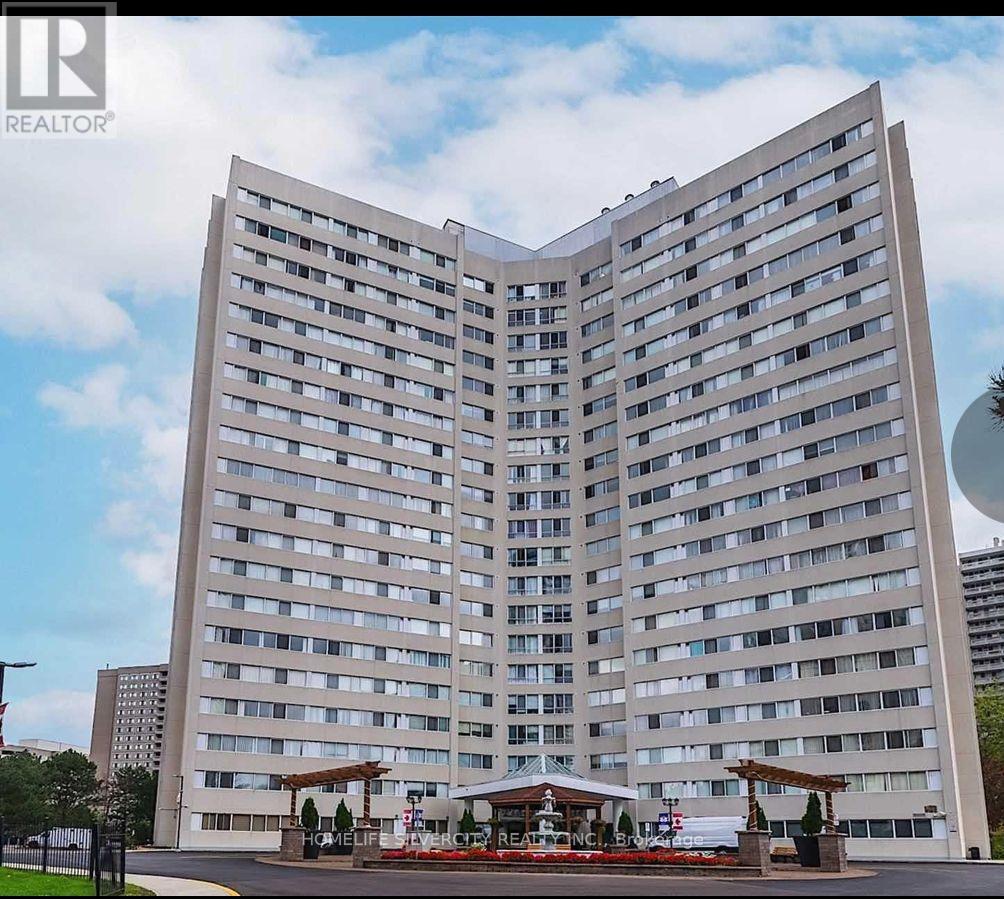
The condominium and apartment supply in the neighbourhood includes some older high-rise buildings from the 1970s and 1980s. These units tend to be larger than newer builds at comparable price points, with suite sizes reflecting the era’s preference for more generous floor plans. Older condos in the area were trading in the $450,000 to $650,000 range for one and two-bedroom units, making them among the more affordable stacked options in central Mississauga.
The value proposition in Mississauga Valleys is strongest for buyers who understand that the neighbourhood’s central location, upcoming Hurontario LRT access, and Cooksville GO proximity are not fully priced in compared to comparable transit-adjacent communities in Etobicoke or East Toronto. Buyers who evaluate purely on the basis of house condition and street aesthetics sometimes miss the transit and location fundamentals that make this neighbourhood a reasonable long-term investment.
Mississauga Valleys behaves as a practical family market: steady transaction volumes, condition-sensitive pricing, and a buyer pool that is largely local or drawn from across central Mississauga rather than from distant markets. The neighbourhood doesn’t generate the kind of frenzied multi-offer activity that characterises premium areas, but well-presented homes at realistic prices move without extended market exposure.
Condition matters more here than in markets where land value alone drives pricing. A renovated kitchen, an updated bathroom, and a clean exterior can represent $50,000 to $80,000 of real market value difference on comparable lots, because buyers in this price range are making stretch purchases and factor renovation costs explicitly into their offers. Sellers who have invested in their homes typically recover that investment in the sale price; sellers who haven’t are discounted accordingly.
The creek-backing and valley-facing properties carry consistent premiums over standard residential lot comparables. The premium varies by how direct the green exposure is and how significant the vegetation is along the valley edge, but it’s reliably present in the data. Buyers who are indifferent to these lots save money by targeting standard residential streets. Buyers who value the green outlook will pay more, but they tend to hold those properties longer and have fewer regrets about the premium.
The anticipated opening of the Hurontario LRT, with a stop at Cooksville and routes running along Hurontario Street adjacent to the neighbourhood, is already being discussed in terms of future value potential. The actual impact of the LRT on property values along the corridor will take several years to materialise after opening, but buyers purchasing in Mississauga Valleys in 2024-2025 are positioning themselves ahead of that shift. How much that ultimately matters depends on the quality of service the LRT delivers in practice.
Families with children represent the core buyer demographic in Mississauga Valleys. The neighbourhood has a long-established family character, with a density of children’s programming, school options, and park infrastructure that reflects decades of family turnover. The housing mix of detached homes, semis, and townhomes covers the range of space needs a growing family goes through, and buyers can often find their next property within the same neighbourhood as their family grows.
First-time buyers moving up from condos in Mississauga City Centre or from rentals are drawn by the relative affordability of townhomes and smaller detached homes compared to more expensive Mississauga communities. The central location and transit proximity are genuine assets for this buyer group, many of whom still rely on transit or short commutes by car to reach employment along the Hurontario corridor or in the City Centre. Mississauga Valleys gives them a family home without requiring a full-length Mississauga or Peel Region drive to work.
Buyers who are value-conscious and have done their research on the LRT represent an increasingly present group. These are buyers who specifically understand that the Hurontario corridor is being transformed by the LRT investment and who want to be positioned in a transit-adjacent neighbourhood before that investment fully registers in the price data. They’re making a deliberate calculation, and Mississauga Valleys is one of the central Mississauga communities that fits the criteria.
Buyers from Toronto, particularly east-end or downtown residents who need more space than their budgets allow in the city, are finding Mississauga Valleys through online searches and making the comparison. A detached home in Mississauga Valleys at $950,000 to $1,100,000 sits at a price point that buys a semi or condo in many Toronto neighbourhoods. For buyers whose employers are in west Toronto or along the QEW/401 corridor, the Mississauga Valleys location makes the commute workable in a way that east Toronto locations don’t.
The neighbourhood’s street network follows the valley topography in several key sections, which means that the residential streets here have a different character from the typical Mississauga grid. Streets that curve around creek tributaries and rise or fall with the terrain produce sightlines and landscaping configurations that standard flat suburban streets don’t generate. Buyers who do their initial research online sometimes overlook this; it becomes immediately apparent on a first in-person visit.
The most desirable streets are generally those that back directly onto the creek corridor or that have valley exposure from their rear yards. In the Mississauga Valleys Park area and along the creek tributaries that run through the central part of the neighbourhood, these lots are clearly the most sought-after and most consistently retain their value. The specific streets worth targeting depend on which section of the valley has the most established vegetation and the cleanest visual connection to the green space.
The western portions of the neighbourhood, toward Mavis Road, transition to a more purely suburban character with standard rectangular lots and straight streets. These areas are more affordable than the valley-adjacent sections and attract buyers who want the neighbourhood’s transit position and school access without paying the green space premium. The trade-off is that these streets are less distinctive and don’t have the holding power of the valley-adjacent addresses at resale time.
The area along Burnhamthorpe Road West and near the Cooksville GO station access point is useful from a commuting perspective but not the most residential-feeling part of the neighbourhood. The arterial road presence and commercial activity along these edges create a different street experience than the quieter interior. Buyers who commute regularly and value proximity to the station above all else may accept this trade-off; buyers who prioritise the residential feel of their immediate street should explore the interior before settling on an arterial-adjacent address.
Cooksville GO station on the Lakeshore West line is the neighbourhood’s primary transit asset and one of the meaningful differentiators between Mississauga Valleys and comparable central Mississauga communities without equivalent rail access. The station provides service to Union Station in approximately 30 to 35 minutes during peak hours, which is practical for buyers commuting to downtown Toronto several days a week. The Lakeshore West line has reliable peak-hour service and is one of the better-performing GO corridors from a frequency standpoint.
The Hurontario LRT, currently under construction along Hurontario Street, will have a stop at Cooksville and provide a rapid transit connection running northward through the city to Brampton. Once operational, this adds a second rapid transit option for residents of Mississauga Valleys: the GO for downtown commutes and the LRT for movement along the Hurontario spine, including access to Mississauga City Centre, Port Credit, and Brampton. The LRT stop proximity is a meaningful factor for buyers evaluating central Mississauga communities, and Mississauga Valleys benefits from this positioning.
MiWay serves the neighbourhood through multiple routes along Hurontario Street, Burnhamthorpe Road, and Mavis Road. The bus network here is more functional than in outlying Mississauga communities because the central location means connections to major transit hubs are shorter and more frequent. Residents without cars, or those who use transit for most daily movements, find Mississauga Valleys more manageable than communities in the northwest or northeast of the city.
For drivers, the QEW provides east-west access to the south, with interchanges accessible from Hurontario Street and Mavis Road. Highway 403 is reachable to the north. The central location means driving times in multiple directions are manageable, and the neighbourhood sits in the middle of Mississauga’s employment geography rather than at one edge of it. This central position reduces driving distance to a wider range of employment destinations than communities at the city’s periphery.
The Mississauga Valleys Park anchors the neighbourhood’s green space provision and provides the primary active recreation facility for residents. The park includes sports fields, a community centre with programming, and direct access to the creek corridor trail system that runs through the valley. It’s a well-used park that reflects the family density of the surrounding streets: on weekend mornings, the sports fields and playground areas are consistently busy.
The creek corridors that give the neighbourhood its name remain naturalized in several sections, with tree cover and vegetation that provides habitat and visual variety uncommon in built-up central Mississauga. The Credit Valley Conservation Authority’s involvement in managing these creek sections has maintained their naturalized character over the decades since the neighbourhood was built. The contrast between the green valley floor and the residential streets on either side is one of the neighbourhood’s most appealing physical qualities and the feature that most distinguishes it from comparable central Mississauga communities.
The City of Mississauga’s broader trail network connects through Mississauga Valleys and provides cycling and walking routes that extend beyond the neighbourhood. The Cooksville Creek trail system links to the city’s larger cycling network, and portions of the trail run south toward the QEW and the waterfront trail connection. The trail infrastructure is functional for recreation and for point-to-point movement within a roughly 2 to 3 kilometre radius of the neighbourhood centre.
Local parks scattered through the residential sections provide playground and green space access within walking distance of most addresses. These are neighbourhood-scale parks rather than destination parks, but their distribution through the residential blocks means that most children in the neighbourhood can reach outdoor play space without crossing major roads. The density of park infrastructure reflects the original planning vision for Mississauga Valleys as a family community, and that infrastructure has been maintained rather than degraded over the decades.
Hurontario Street along the eastern edge of Mississauga Valleys provides the primary commercial corridor, with a mix of plaza-format retail covering grocery, pharmacy, restaurants, and services. The commercial character here is functional suburban: it serves daily needs without offering the character or walkability of a village main street. Residents who need to run errands without driving far will find most of what they need along the Hurontario corridor, but the experience of doing so is unremarkable.
The Mississauga Valleys Community Centre within the park provides programming and recreational facilities that many residents use year-round. This is a well-used civic resource that matters particularly to families with children who participate in organized sports, swimming lessons, or recreational programs through the winter months. Community centres of this calibre, with both arena and pool facilities, are a genuine daily-life advantage for neighbourhood residents and something that buyers from other markets sometimes undervalue until they’ve experienced a winter without one nearby.
Square One Shopping Centre in Mississauga City Centre is approximately 10 to 15 minutes by car and covers every major retail category. The City Centre is also where most of Mississauga’s dining options beyond plaza-format restaurants are concentrated. For residents of Mississauga Valleys, the City Centre is close enough to use regularly for dining and shopping that the neighbourhood’s own limited commercial offer doesn’t feel like a significant constraint.
The Cooksville area, just east of the neighbourhood along Hurontario Street, has a more established commercial strip with South Asian and diverse international food stores, restaurants, and services that reflect the area’s demographics. For residents who cook and shop at independent markets, the Cooksville corridor within short driving or walking distance provides options that standard suburban plazas don’t. This is a neighbourhood-specific advantage that buyers from diverse backgrounds often cite as a positive factor in their decision to purchase in central Mississauga.
Mississauga Valleys falls under the Peel District School Board for English public schools and the Dufferin-Peel Catholic District School Board for Catholic options. The neighbourhood has a well-established school infrastructure reflecting its decades as a family community, with elementary schools serving residents within reasonable walking distances from most addresses.
Applewood Hills Public School and several other PDSB elementary schools serve the neighbourhood catchment, providing public education through grade eight. Secondary school students in the PDSB system are served by Applewood Heights Secondary School and Cawthra Park Secondary School depending on specific address, both of which have established programs and extracurricular offerings. Cawthra Park Secondary School has a strong reputation in arts programming, which attracts artistically inclined students from beyond the immediate catchment through specialized program pathways.
Catholic elementary and secondary options through DPCDSB serve families with religious education preferences. The Catholic school network in central Mississauga is well-established and provides alternatives throughout the K-12 range. Families who have strong preferences for the Catholic system should confirm catchment boundaries for their specific address, as the distribution of Catholic schools in central Mississauga means that not all addresses are equidistant from a Catholic school option.
Sheridan College’s Hazel McCallion Campus in Mississauga City Centre is approximately 10 to 15 minutes away and provides post-secondary access for students who commute from home. The University of Toronto Mississauga campus is accessible within 20 to 25 minutes by car. For families with post-secondary-age children, or for buyers who themselves use post-secondary institutions for professional development, these campus connections are closer from Mississauga Valleys than from the northwest or northeast parts of the city.
The dominant development story for Mississauga Valleys is the Hurontario LRT, which will fundamentally change the transit character of the neighbourhood’s eastern boundary when it opens. The LRT runs along Hurontario Street from Port Credit GO station to Brampton Gateway Terminal, with a stop at Cooksville that puts a rapid transit station within walking range of Mississauga Valleys addresses. The infrastructure is under construction, and the operational date has been subject to revision, but the physical infrastructure is being built and the service will eventually open.
The LRT will likely stimulate intensification along the Hurontario corridor adjacent to the neighbourhood, which means that the commercial strip on the eastern edge of Mississauga Valleys may see new mixed-use development proposals over the next decade. The City of Mississauga’s Official Plan designates Hurontario Street as an intensification corridor, which means height and density exceptions on the arterial are supported in principle. The residential interior of Mississauga Valleys is insulated from this by the existing zoning, but the adjacent corridor will change over time.
Within the neighbourhood itself, the 1970s and 1980s housing stock is gradually being renovated by long-term residents and by buyers who purchase specifically to improve. Homes that have been comprehensively updated are pulling away from the unrenovated comparables in price, and the gap between maintained and unmaintained properties has been widening. This suggests that buyers who purchase a property in average condition and invest in improvements should see those investments reflected at resale, though the specific returns depend heavily on what was done and how well it was executed.
The broader City of Mississauga intensification strategy is affecting central Mississauga more than the outlying communities, and Mississauga Valleys sits in the geographic centre of that intensification zone. Buyers who purchase here are in a community that is likely to see increased investment in public infrastructure, improved transit, and rising land values driven by density pressure on adjacent corridors over the next 10 to 15 years.
Q: How close is Mississauga Valleys to the Hurontario LRT stops, and will it affect property values?
A: The Cooksville LRT stop on the Hurontario corridor is the most relevant station for Mississauga Valleys residents, sitting on the neighbourhood’s eastern edge along Hurontario Street. Walking distance from most interior residential streets is between 5 and 15 minutes depending on the specific address. The LRT’s effect on property values in this area is a subject of genuine research: transit infrastructure historically produces measurable price premiums within a 500 to 800 metre radius of stations, with the strongest effects appearing in the years following opening rather than during construction. Buyers purchasing in Mississauga Valleys in 2024-2025, before the LRT is operational, are positioning ahead of that potential value shift. How large the effect will be depends on the quality and frequency of service the LRT delivers and how it integrates with GO and MiWay connections at Cooksville.
Q: What are the creek valley sections actually like, and are they worth the premium?
A: The creek corridors in Mississauga Valleys are naturalized sections managed by Credit Valley Conservation, with mature tree cover, vegetation, and in some sections genuine wildlife habitat. The visual quality of backing onto these corridors is significantly better than a standard residential rear lot line, and the buffer they provide means no immediate rear neighbours and a sense of depth that standard lots don’t produce. The premium for valley-backing lots in the neighbourhood typically runs 8 to 15 percent over comparable non-valley properties, which is consistent with what similar natural corridor backing commands elsewhere in the GTA. Whether that premium is worth it is a personal decision, but buyers who have lived with valley backing consistently rate it as one of the features they’d prioritise again if purchasing.
Q: Is Mississauga Valleys suitable for a buyer who doesn’t own a car?
A: Mississauga Valleys is more transit-accessible than most central Mississauga neighbourhoods, with Cooksville GO on the Lakeshore West line, MiWay service on adjacent arterials, and the Hurontario LRT when it opens. For a buyer whose primary commute is downtown Toronto, the GO line makes that commute practical without a car. Daily errands, grocery shopping, and local movement are manageable by transit, particularly along the Hurontario corridor. That said, Mississauga is not built to the same pedestrian and transit standard as Toronto’s inner urban neighbourhoods, and a car-free lifestyle here requires more planning and tolerance for longer travel times than an equivalent lifestyle in, say, the Danforth corridor or Etobicoke’s lakefront communities. Buyers who currently live car-free in Toronto and are making this transition should spend a few weeks genuinely trialling the neighbourhood on foot and transit before committing.
Q: How do the older condos in Mississauga Valleys compare to newer builds nearby?
A: Mississauga Valleys has a number of older rental-converted and strata condominium buildings dating from the 1970s and 1980s, and they offer a different value profile than newer construction. The suite sizes are generally larger for the price: a two-bedroom unit in an older building here might be 900 to 1,100 square feet at a price that buys 650 to 750 square feet in a newer City Centre building. The trade-offs are older finishes, potentially older mechanical systems, fewer building amenities than modern condo towers, and higher maintenance fees in some cases as buildings age and reserve funds require replenishment. For buyers who prioritise interior square footage over building amenity and modern finishes, older condos in this neighbourhood can represent genuine value. Status certificate review and a thorough reading of the reserve fund study are essential before purchasing in any older building.
Mississauga Valleys rewards buyers who do the work of understanding the neighbourhood at a street level before making an offer. The difference between a creek-backing lot and a standard interior lot, or between a renovated home and an unrenovated one, is significant enough to affect both current value and long-term hold quality. A buyer’s agent who knows the specific streets and their relative positioning within the neighbourhood will help you make that determination quickly rather than through a process of trial visits and second-guessing.
The Hurontario LRT positioning is relevant to how you should frame your offer strategy. Properties that are clearly within the transit influence zone, defined roughly as a 500 to 800 metre walking distance to the Cooksville LRT stop, should command a modest premium over properties further from the station. If you find properties priced without that distinction built in, you’re either in a market opportunity or you need to understand why the premium isn’t showing up. Your agent should be running the current data to confirm which situation applies.
For buyers considering older condo units in the neighbourhood, representation matters specifically in evaluating the building’s financial health. Reserve fund adequacy, any outstanding or upcoming special assessments, litigation history, and the property management quality are all factors that affect whether an older unit’s lower price represents value or a future expense. These are not items you can evaluate from a listing sheet; they require a status certificate review by a lawyer and, ideally, a building inspection.
The comparison between Mississauga Valleys and adjacent neighbourhoods like Applewood or Cooksville proper is one that your agent should be able to make with current data. The neighbourhood boundaries in central Mississauga are fluid, and the MLS community designation doesn’t always correspond to the most useful comparison set for a specific property. Understanding whether a listing is accurately positioned in its competitive set is the foundation of making a well-priced offer, and it requires someone who has been tracking transactions across the central Mississauga market continuously.
Street-level knowledge is hard to find online. Our team works in Mississauga Valleys every day. They know which pockets hold value, where the school catchment lines actually fall, and what the market is doing right now. Talk to us before you make a decision about Mississauga Valleys.
Talk to a local agent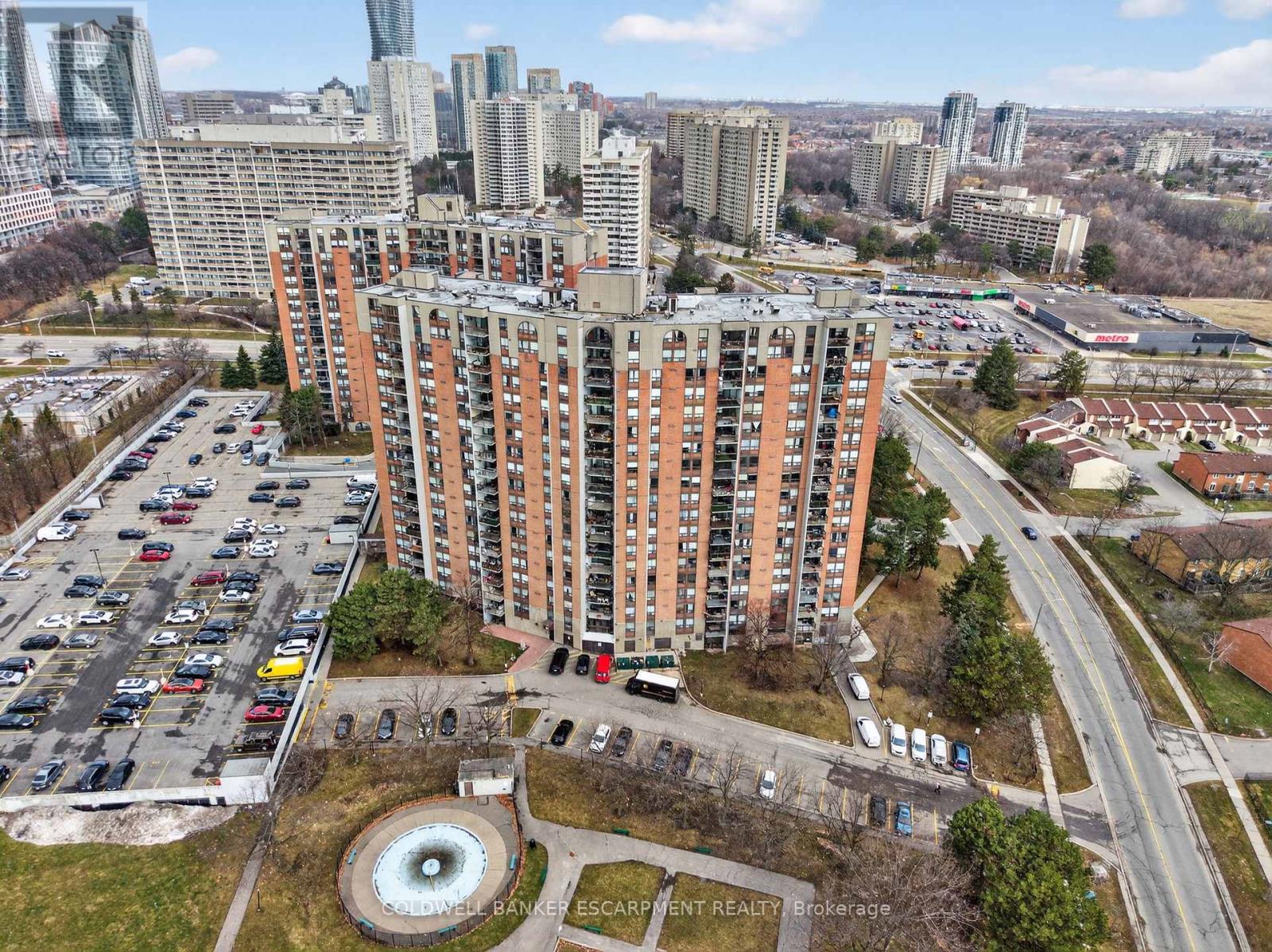 For Sale
 For Rent
 For Rent
 For Rent